
Raghwat Al Janoub Maintenance and Cleaning
Majlis and rest-house cleaning in Al Mahdiyah, Riyadh
Al Mahdiyah is a quiet western district on the edge of the plateau, surrounded by Wadi Hanifah, Wadi Al Mahdiyah and the Tuwaiq hills. Westerly winds bring pale limestone dust off the plateau that settles in courtyards, on window ledges and into cushions. Nearby farms and unpaved edges add soil and plant pollen through much of the year, all carried on air currents directly into the homes.
Why deep cleaning a majlis pays off
-
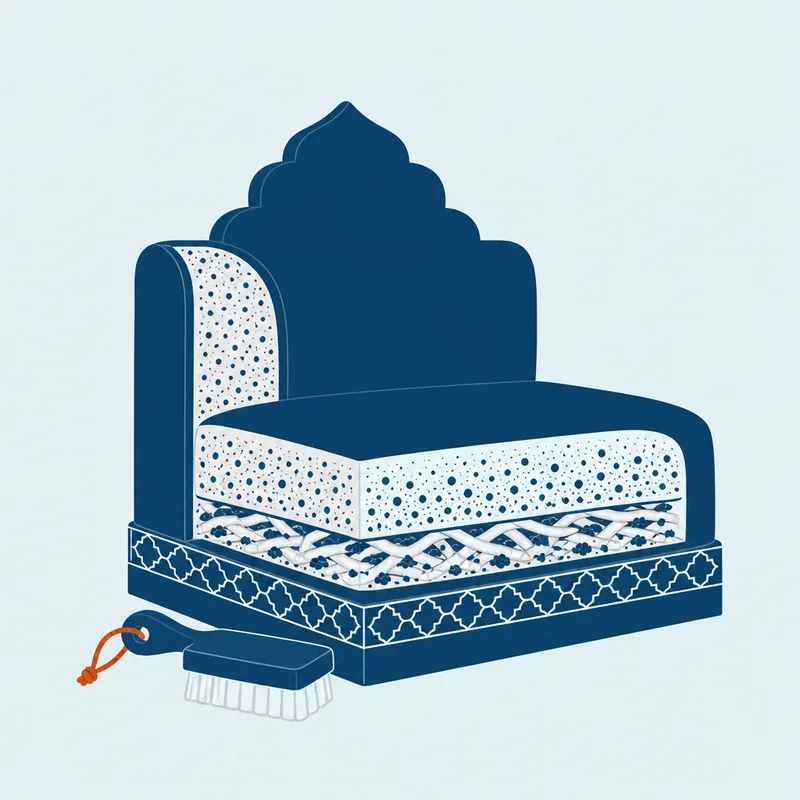
Odour that stays gone
A surface wipe masks the smell for a day or two, then it returns with the first humid weather.
-
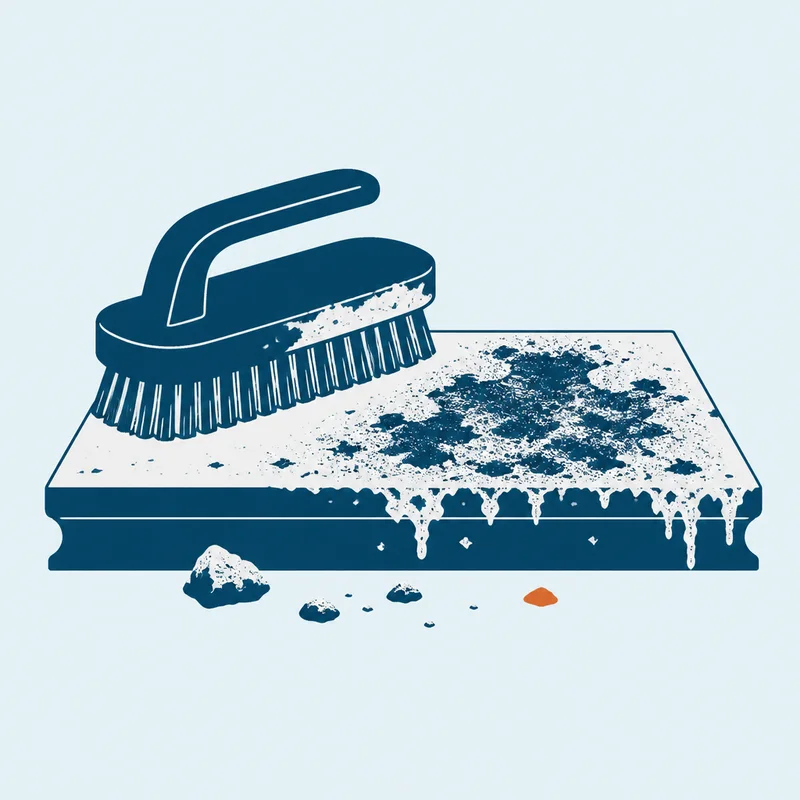
Ready before your guests
Before a gathering you want clean seating and neutral air, no coffee stains and no stale perfume clinging to the cushions.
-

Protecting the fabric itself
Fine mineral dust acts like grit inside the weave, so the colour fades and the threads weaken with regular use.
-
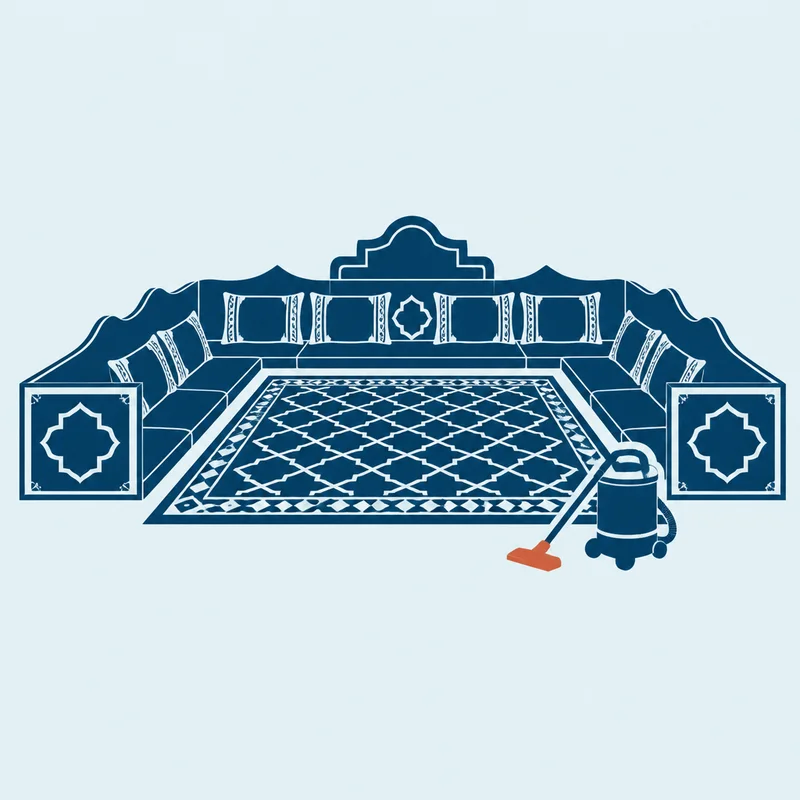
Floor seating you can't wash alone
Floor mattresses and backrests are heavy and long, hard to lift and wash at home, and large carpets stay fixed in place.
Why the job is different in Al Mahdiyah
Limestone dust from the plateau is finer and lighter than city dust, but it deposits on light fabrics and leaves white residue when moisture is present. The whole method is set out in our majlis and rest-house cleaning guide.
-
Limestone dust from the plateau settles deep into weave
Tuwaiq releases very fine limestone dust. This dust enters the majlis through windows and doors and settles into fabric weave and cushion padding. Moisture converts this limestone dust into white deposits visible on light fabric colours.
-
Soil and plant dust carry earthy smell from farms nearby
Farms and unpaved edges around the district release soil and plant pollen. This plant dust carries an earthy smell that clings to cushions. Moisture traps this earthy odour in the padding where it stays until deep washing extracts it.
-
Westerly winds blow dust directly into majlis homes
The district faces open westerly winds from the plateau and farms with no building barrier to shield it. There is no natural or built windbreak between the farms, hills and the homes. This means dust enters majlis homes more easily than in districts protected by building mass.
What's Included
The district lies at Exit 35 under Irqah municipality, ringed by wadis and hills on three sides, with westerly winds as the dominant air movement pattern.
-
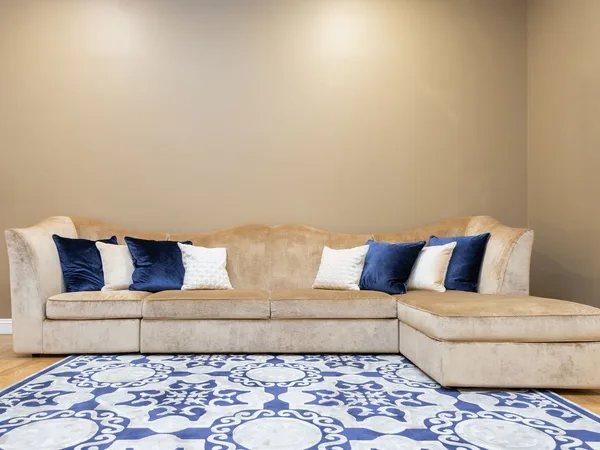
Floor seating and backrests
Floor seating collects fine limestone dust that blows directly from the plateau on the constant westerly winds.
-
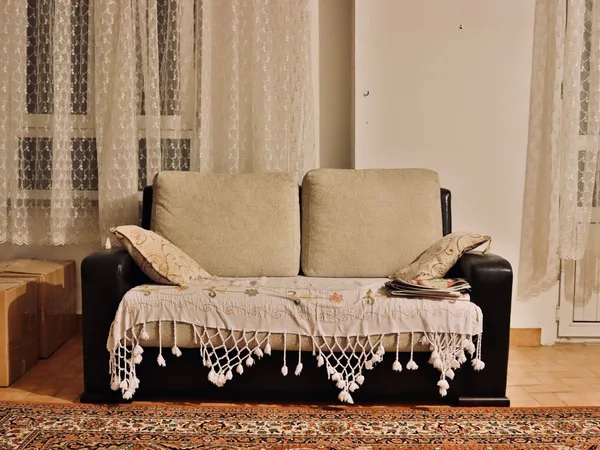
Large carpets, in place
The large carpet traps limestone dust and soil particles between its weave and backing.
-
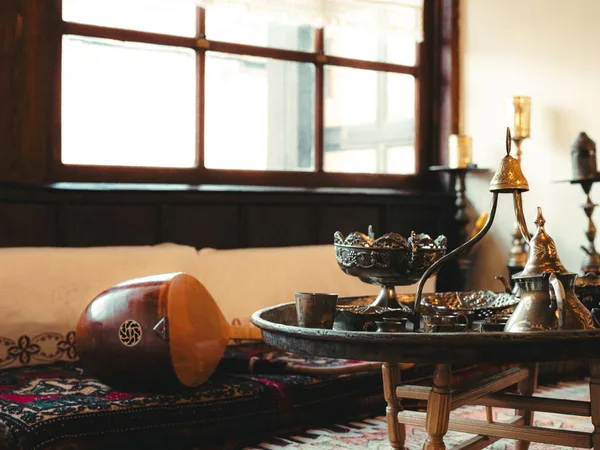
Cushions and bolsters
Cushions and bolsters absorb limestone dust and the earthy smell from nearby farms and uncultivated land.
-
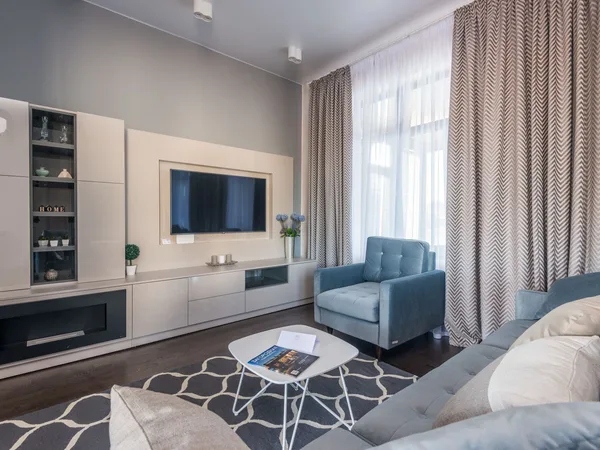
Curtains and covers
Curtains by windows facing open ground turn pale grey from limestone dust settling on the weave.
-
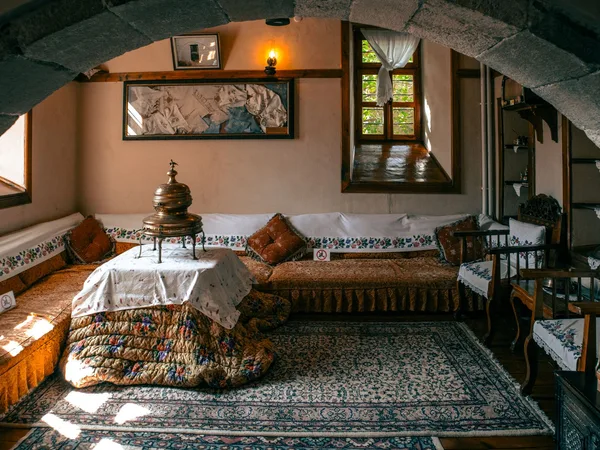
The coffee corner and trays
The coffee corner needs deep rinsing of limestone and mineral deposits accumulated from plateau winds.
-
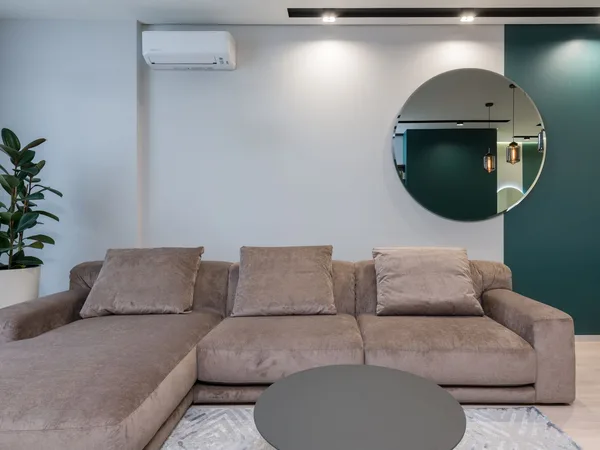
Airing and odour removal
Strong ventilation and complete drying after washing prevents wadi moisture from reactivating earthy soil smell in the padding.
Al Mahdiyah on the map
Al Mahdiyah sits about 5.5 km from Dhahrat Laban and about 6 km from Hijrat Wadi Laban.
Open in Google MapsHow we work
Call and scope the work
Check fabric and stains
Deep wash and extract
Air out and hand over
Some of our work
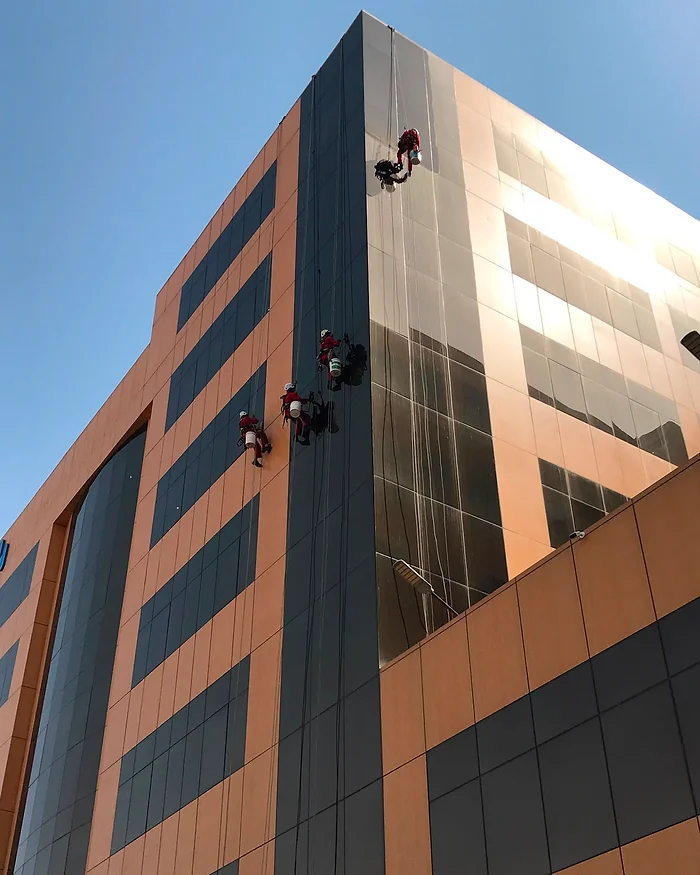
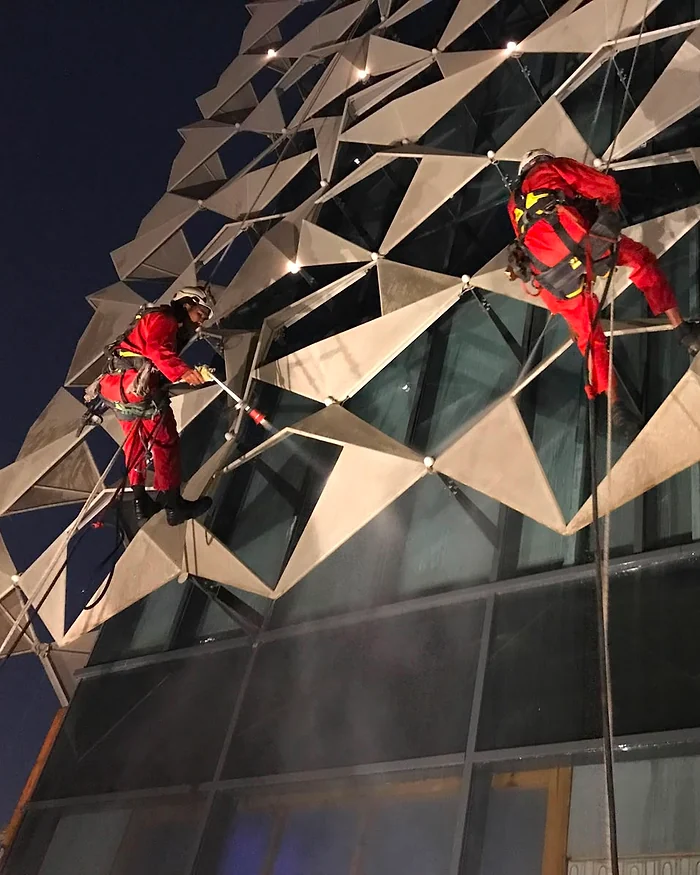
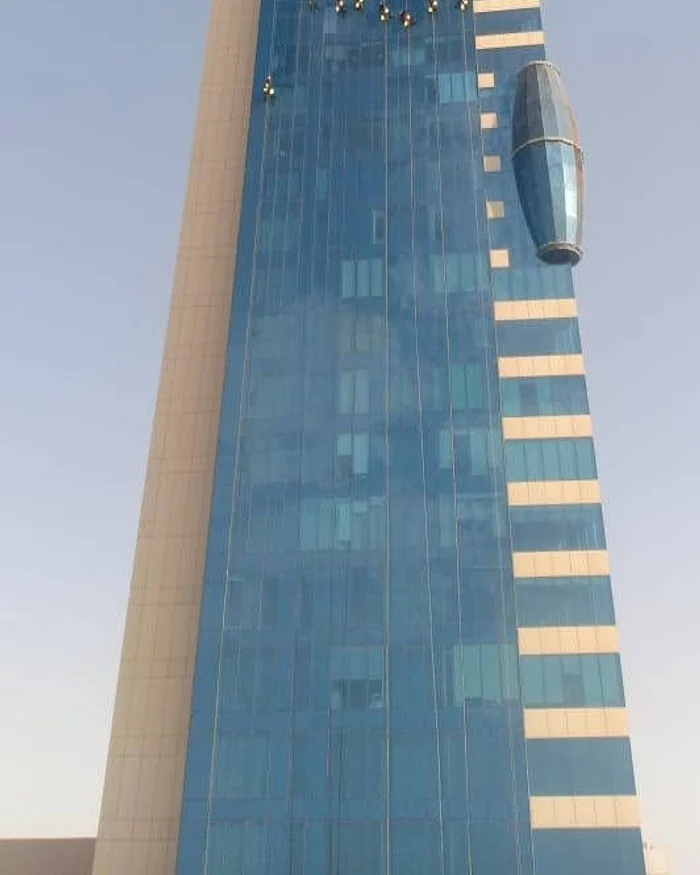
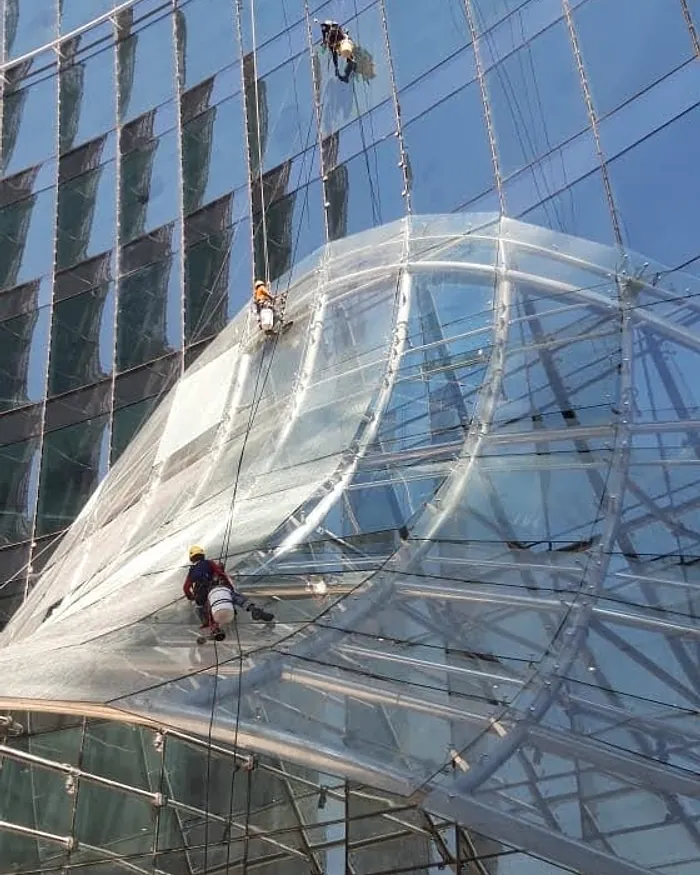
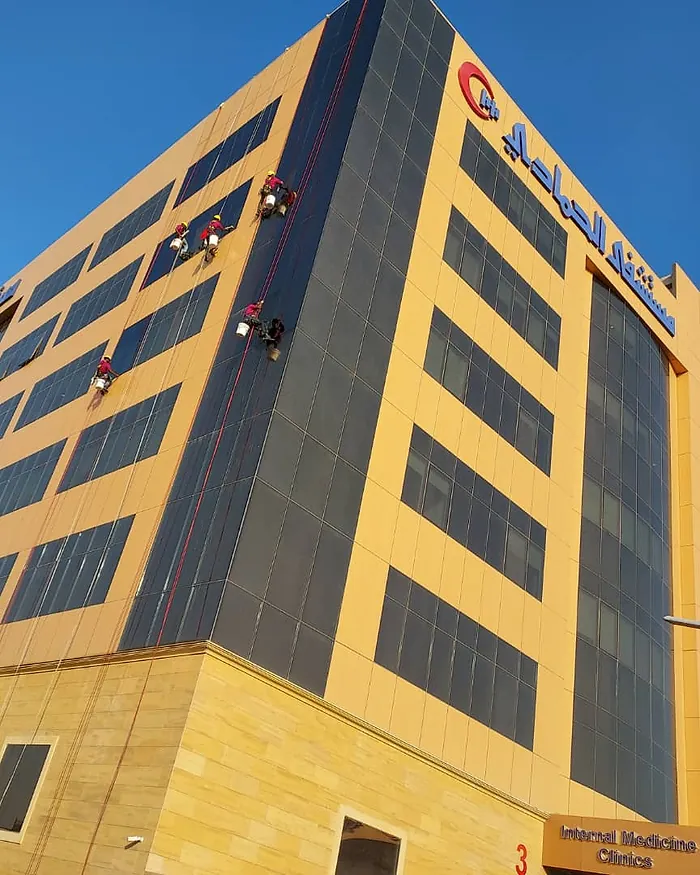
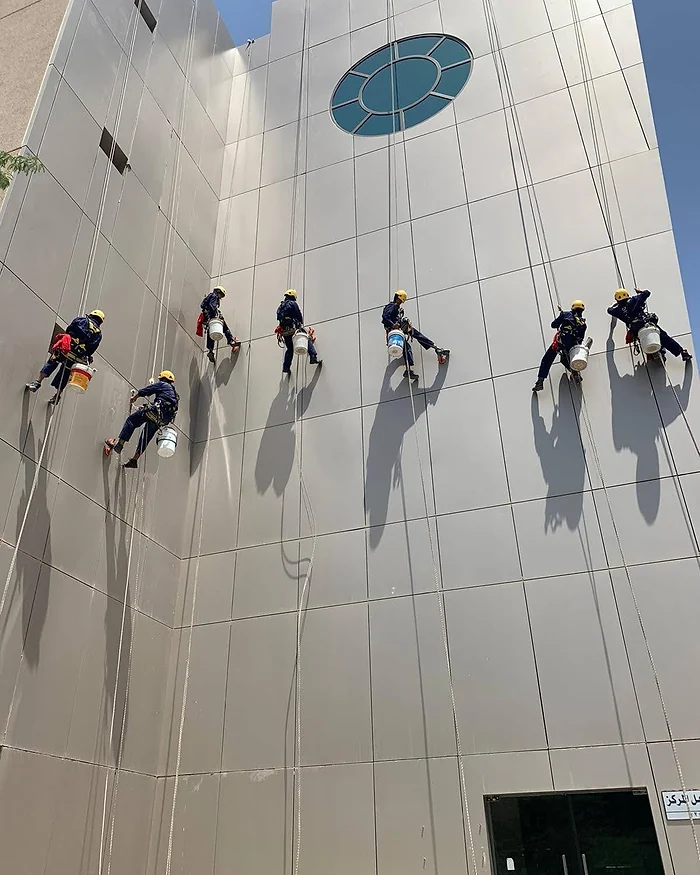
Photos from our team's work.
What is different about West Riyadh
West Riyadh sits against the Tuwaiq escarpment, with Wadi Hanifah and Wadi Laban cutting through it. Irqah, Dhahrat Laban, Tuwaiq, Al Uraija and Al Suwaidi are mainly villas and low apartment buildings on sloping ground, while the Diplomatic Quarter keeps its mature landscaping and stone facades, and Dirab and the wadi floor still hold farms and rest houses. Westerly winds bring a pale limestone dust off the plateau that settles in courtyards, on window ledges and on outdoor furniture, and the farms and unpaved edges add soil and pollen through much of the year.
Other services in Al Mahdiyah
The room and the building around it are on one list.
-
Sofa cleaning
-
Carpet and rug cleaning
-
Chalet cleaning
-

Event cleaning
-
Mattress cleaning
-
Curtain cleaning
-
House cleaning
-
Apartment cleaning
-
Villa cleaning
-
Yacht cleaning
-
Kitchen cleaning
-
Bathroom cleaning
-
Chandelier cleaning
-
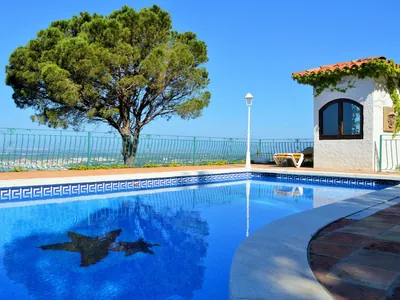
Swimming pool cleaning
-
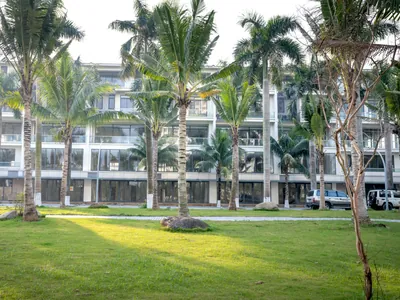
Garden clearance
-
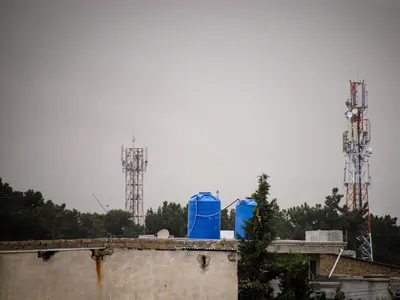
Water tank cleaning and disinfection
-
Water tank waterproofing
-
Deep cleaning
-

Move-in and move-out cleaning
-
Post-construction cleaning
-
Disinfection and sanitisation
-
Pest control
-
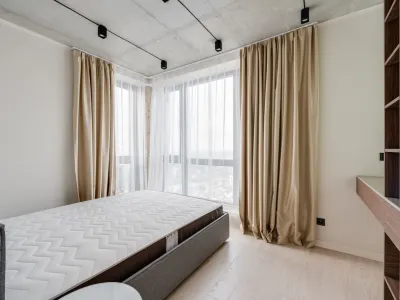
Bed bug control
-

Office cleaning
-
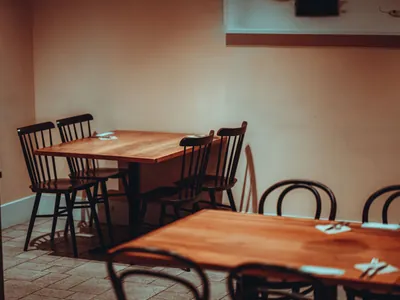
Restaurant cleaning
-
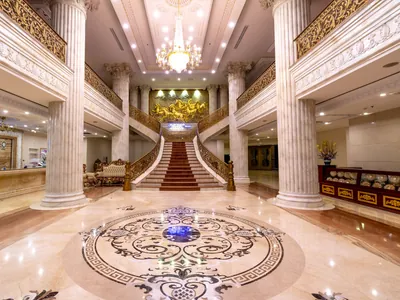
Hotel and resort cleaning
-
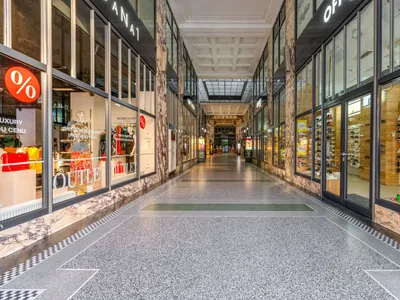
Shopping mall cleaning
-

Retail shop cleaning
-

School cleaning
-

Nursery and kindergarten cleaning
-
Hospital cleaning
-
Clinic and medical centre cleaning
-
Mosque cleaning
-
Government facility cleaning
-
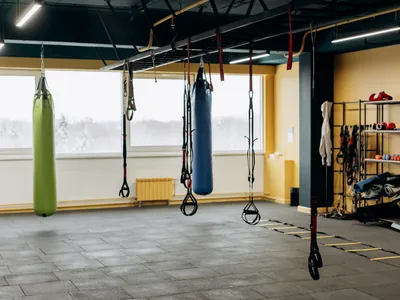
Gym cleaning
-
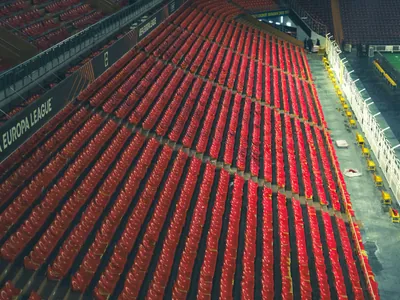
Sports field cleaning
-
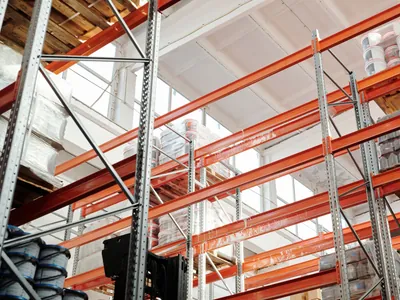
Factory and warehouse cleaning
-
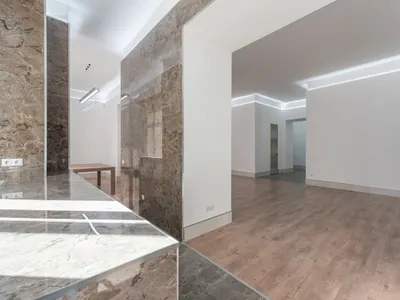
Commercial post-construction cleaning
-
Air duct and AC cleaning
-
Commercial pest control