
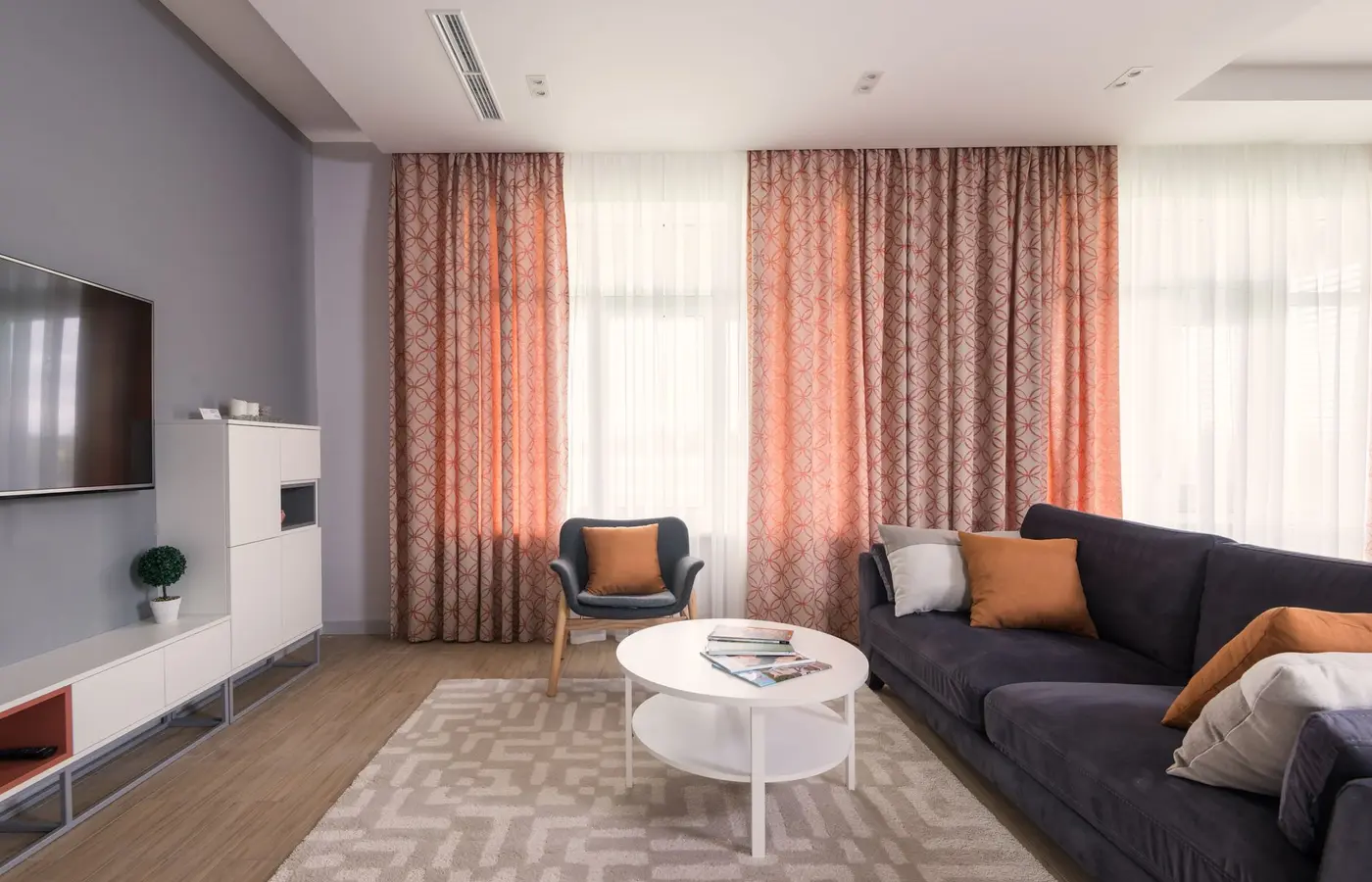
Raghwat Al Janoub Maintenance and Cleaning
Majlis and rest-house cleaning in Al Muruj, Riyadh
In Al Muruj, where shops sit on the ground floor beneath homes along main roads, majlis seating gathers dust fast. The fine metal dust from the street penetrates fabrics deeply, leaving an odour that returns when humidity rises. This mixed district's location brings exhaust and road particles into every sitting space.
Why deep cleaning a majlis pays off
-
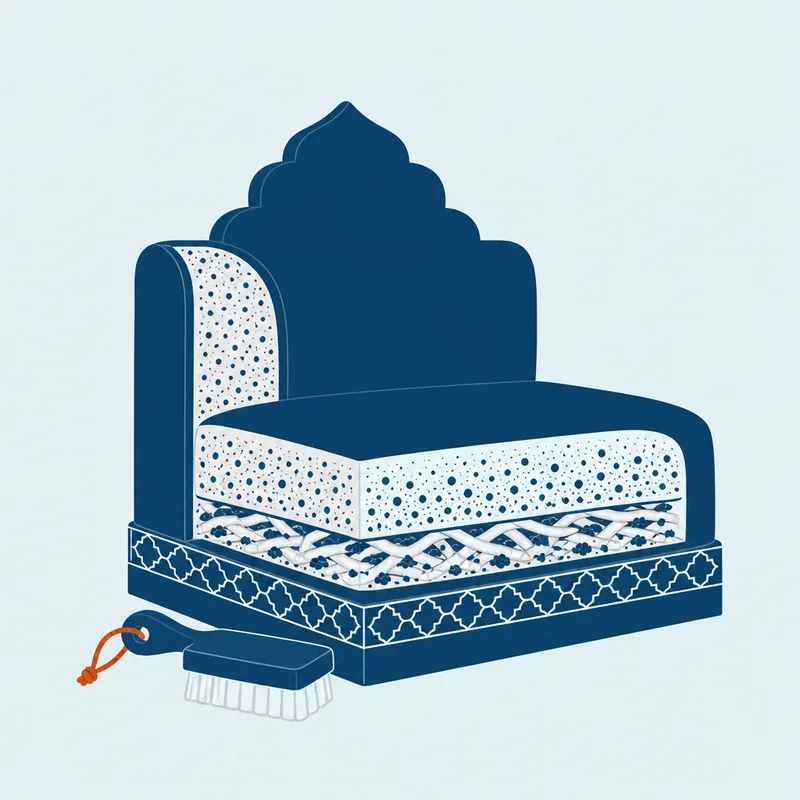
Odour that stays gone
A surface wipe masks the smell for a day or two, then it returns with the first humid weather.
-
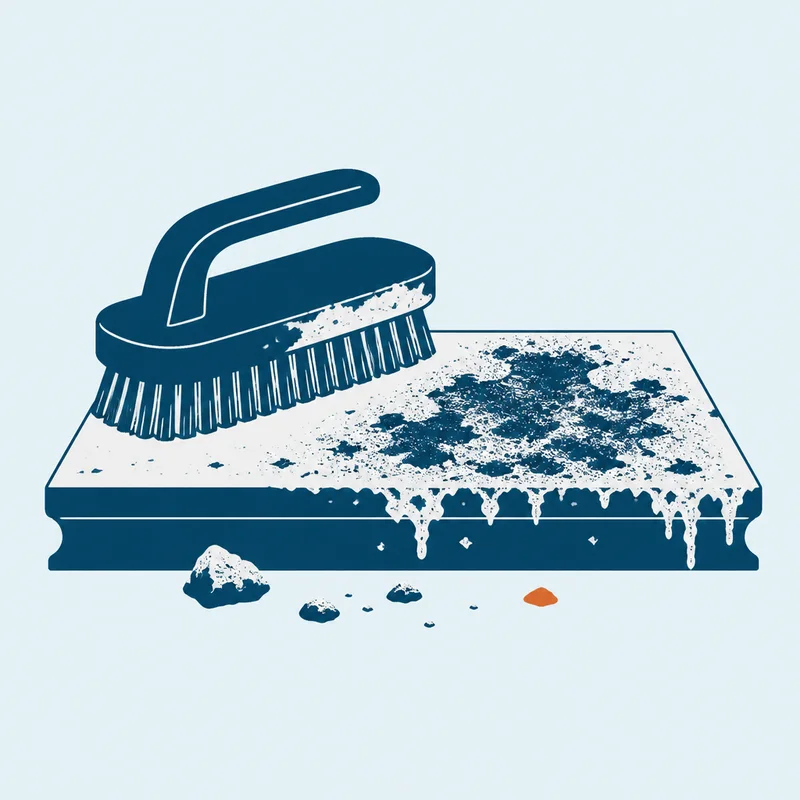
Ready before your guests
Before a gathering you want clean seating and neutral air, no coffee stains and no stale perfume clinging to the cushions.
-

Protecting the fabric itself
Fine mineral dust acts like grit inside the weave, so the colour fades and the threads weaken with regular use.
-
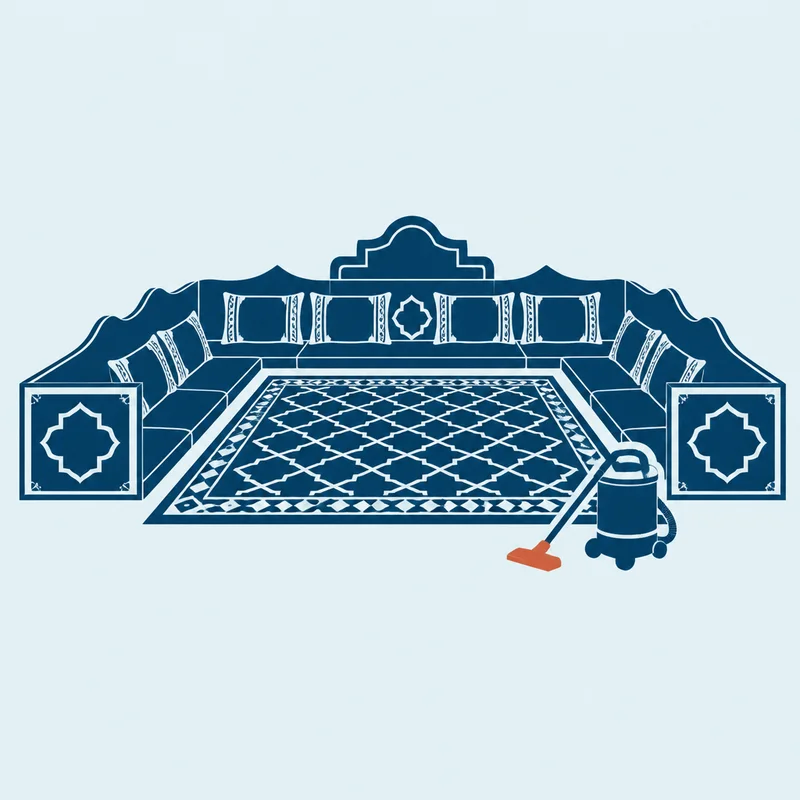
Floor seating you can't wash alone
Floor mattresses and backrests are heavy and long, hard to lift and wash at home, and large carpets stay fixed in place.
Why the job is different in Al Muruj
Majlis seating in ground-floor flats in Al Muruj faces road dust and exhaust more heavily than residential areas away from the highway, accumulating faster on cushions and fabrics exposed to the main thoroughfare. The whole method is set out in the majlis and rest-house cleaning overview.
-
Main road traffic drives heavier dust loading
King Fahd Road carries heavy daily traffic that coats building fronts in a grey film of exhaust and fine particles. This dust does not stay on the glass; it creeps into majlis rooms and settles between fabric weaves and cushion fill, where surface wiping never reaches it. The mineral content of road dust bonds with natural fabric oils, creating layers that darken the upholstery.
-
Cramped floor seating in compact apartments
Most Al Muruj flats hold limited floor seating squeezed into tight corners, making it hard to reach every edge. Those narrow alcoves and tight spaces trap dust and odours deep in the padding, places where surface cleaning tools cannot go. Only a full extraction pull through the entire mass brings out what has settled there.
-
Artificial cooling traps moisture and odour indoors
Residential blocks here rely on air conditioning over natural ventilation, so odours and humidity are sealed inside. Cushions and curtains hold stale air and trapped smells from traffic and commerce below. Deep washing and full airing afterwards become essential to reset the air inside the majlis itself.
What's Included
Al Muruj is a mixed district in north Riyadh with residential buildings and commercial frontage packed along King Fahd Road, a main artery carrying continuous traffic throughout the day.
-
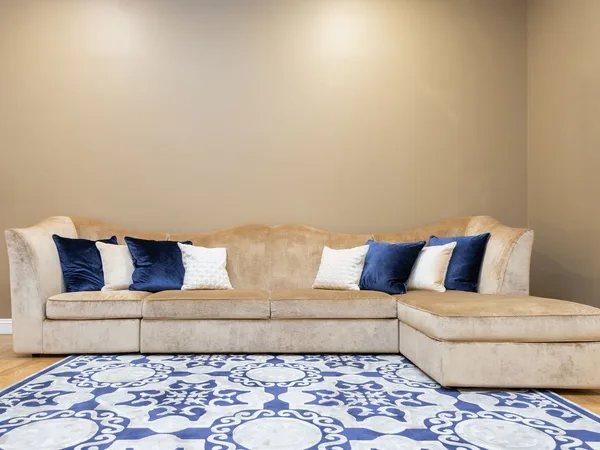
Floor seating and backrests
Floor seating in Al Muruj flats is often a fixed installation and needs washing in place with full water extraction from the fill and wooden frame to prevent rot and trapped odour.
-
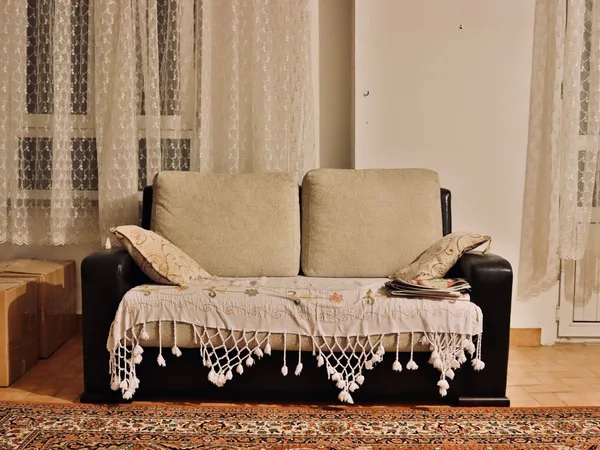
Large carpets, in place
Large carpets must be lifted to clean the floor beneath them properly, especially as moisture or deep dust may have collected where it never saw air.
-
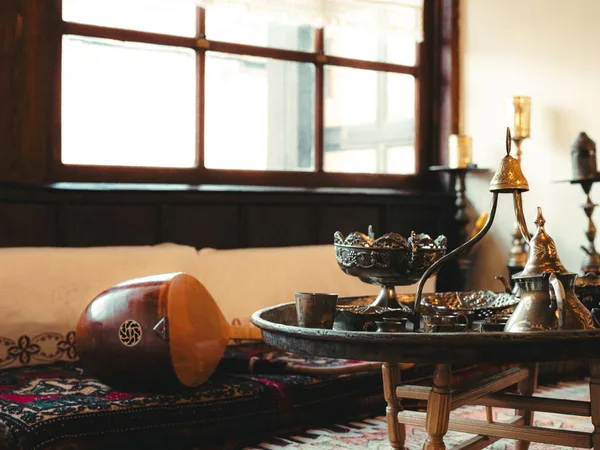
Cushions and bolsters
Cushions and bolsters gather the most direct contact, sweat and humidity, and collect dust fast; each one needs separate washing and complete drying.
-
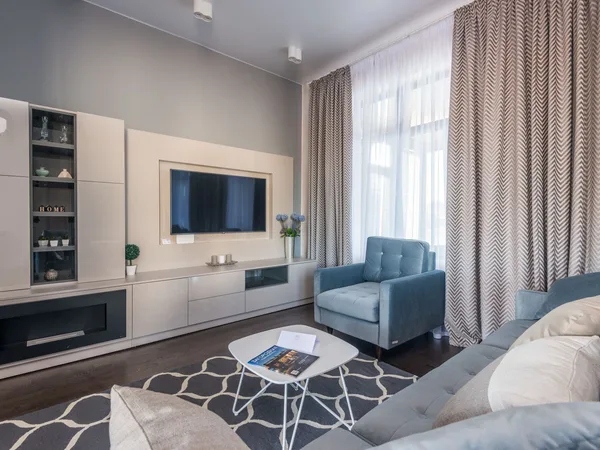
Curtains and covers
Curtains and covers absorb odours from the road and exhaust below; they need deep washing and thorough drying to stop mould and smell from returning.
-
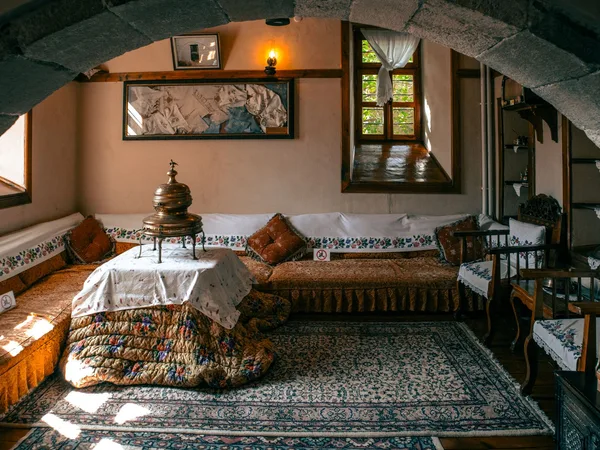
The coffee corner and trays
The coffee corner is cleaned with special care because trays, cups and the floor base collect beverage residues and grease, a constant source of smell if not washed deep.
-
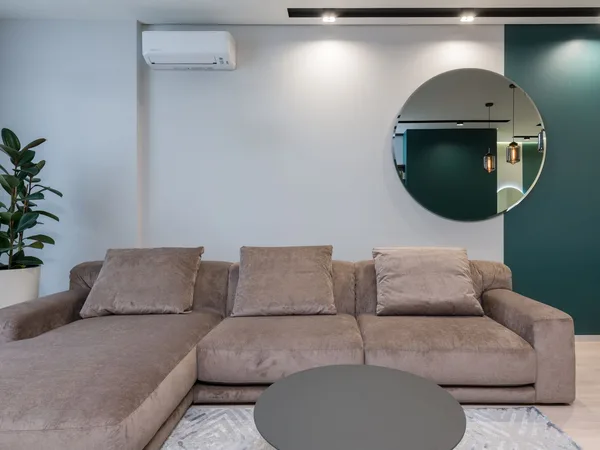
Airing and odour removal
Full airing after washing is essential in flats, since sealed walls and closed windows trap moisture; cushions, curtains and the majlis frame itself need time to dry completely.
Al Muruj on the map
Al Muruj sits about 1.5 km from Al Masif and about 1.5 km from King Fahd.
Open in Google MapsHow we work
Call and scope the work
Check fabric and stains
Deep wash and extract
Air out and hand over
Some of our work
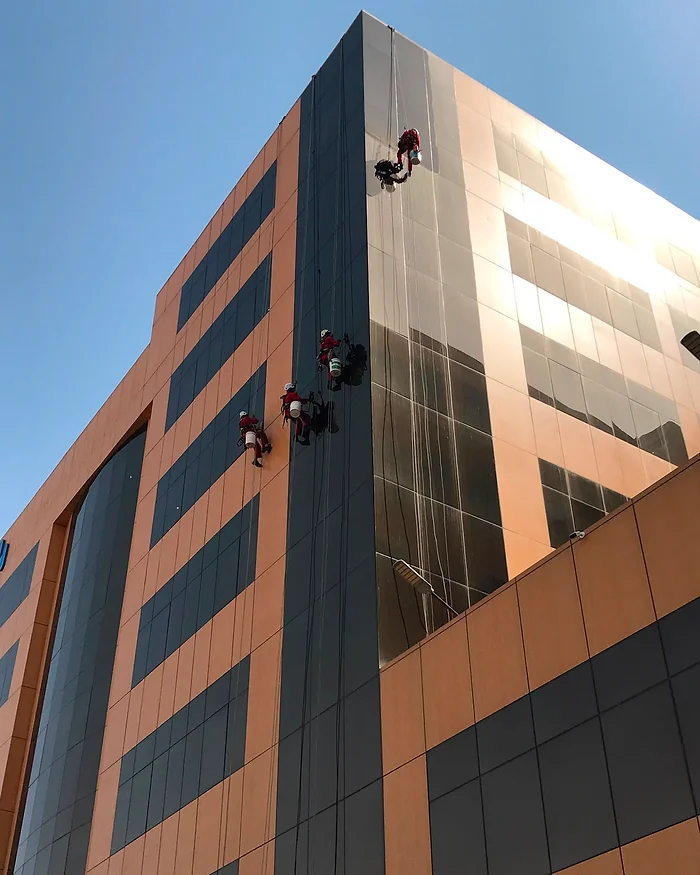
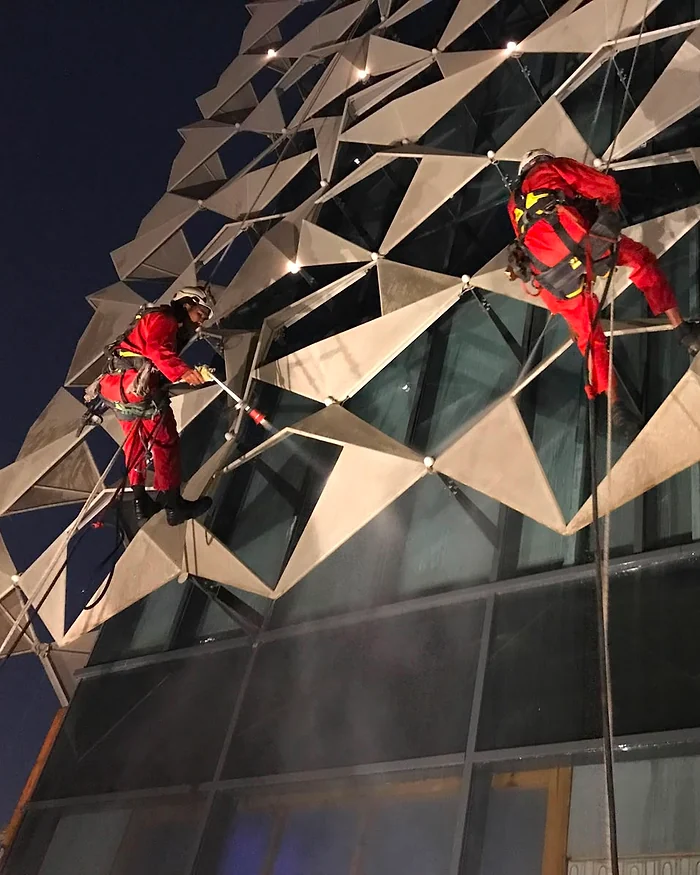
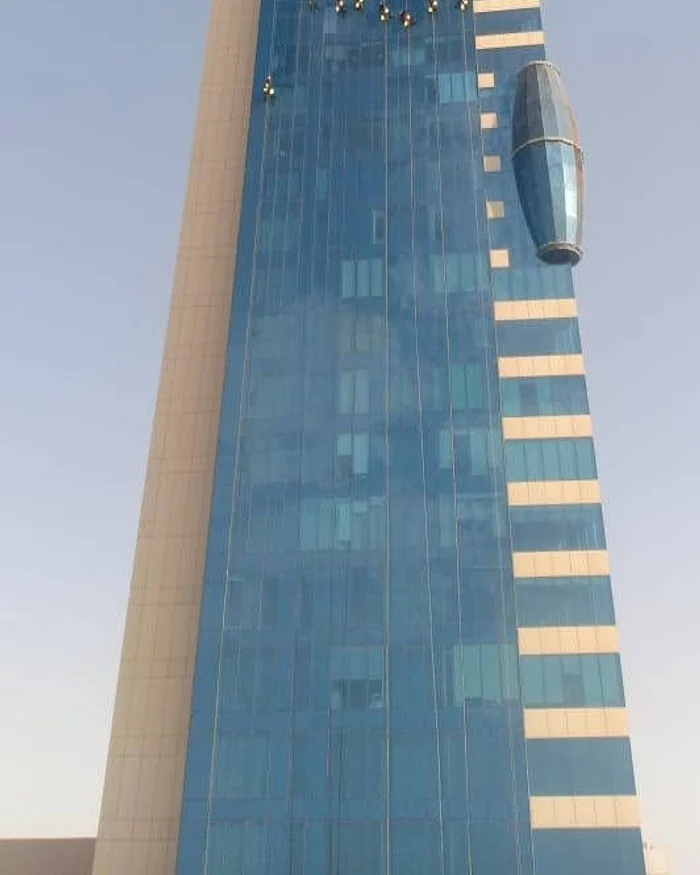
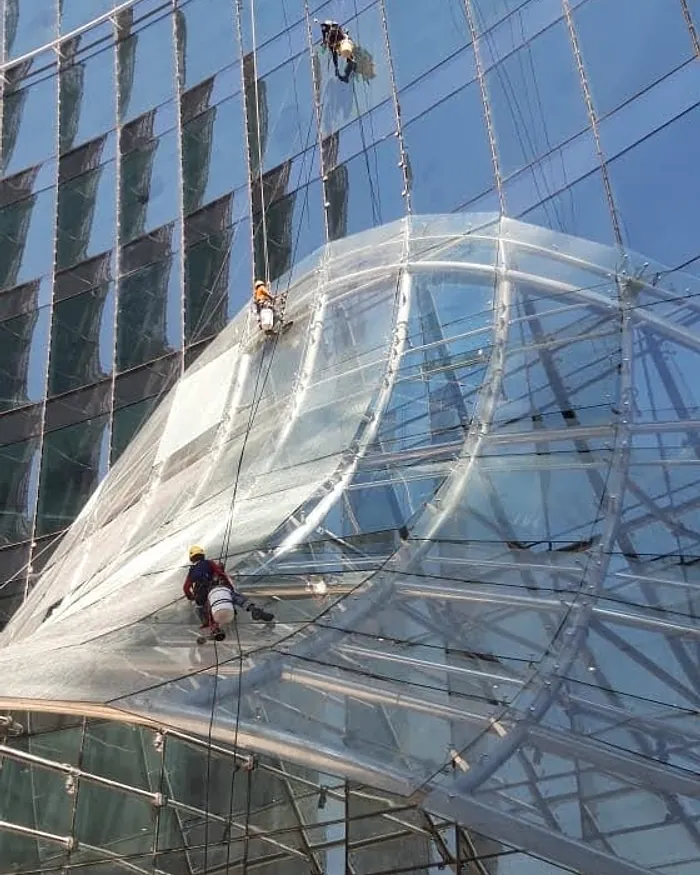
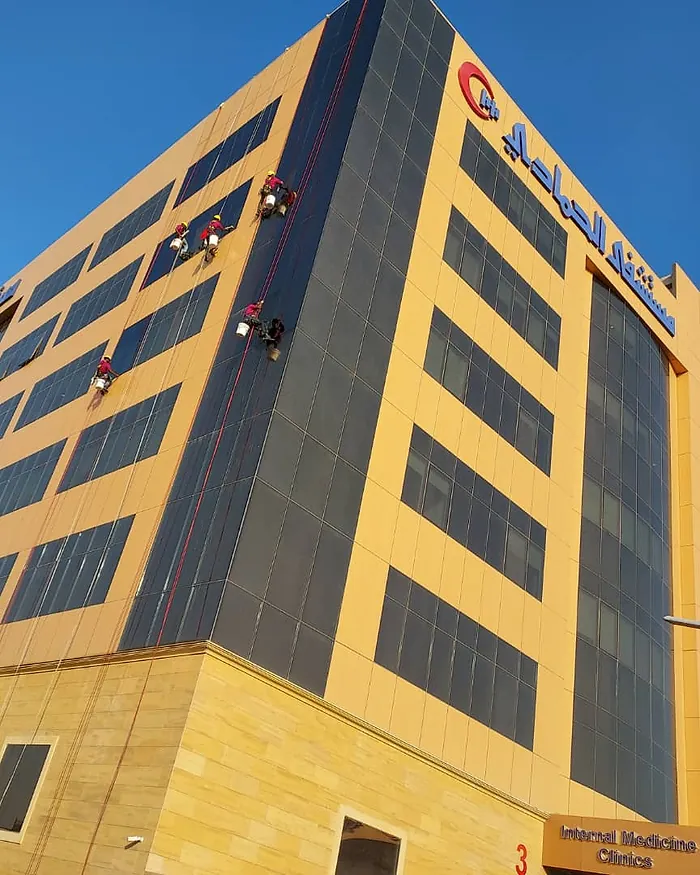
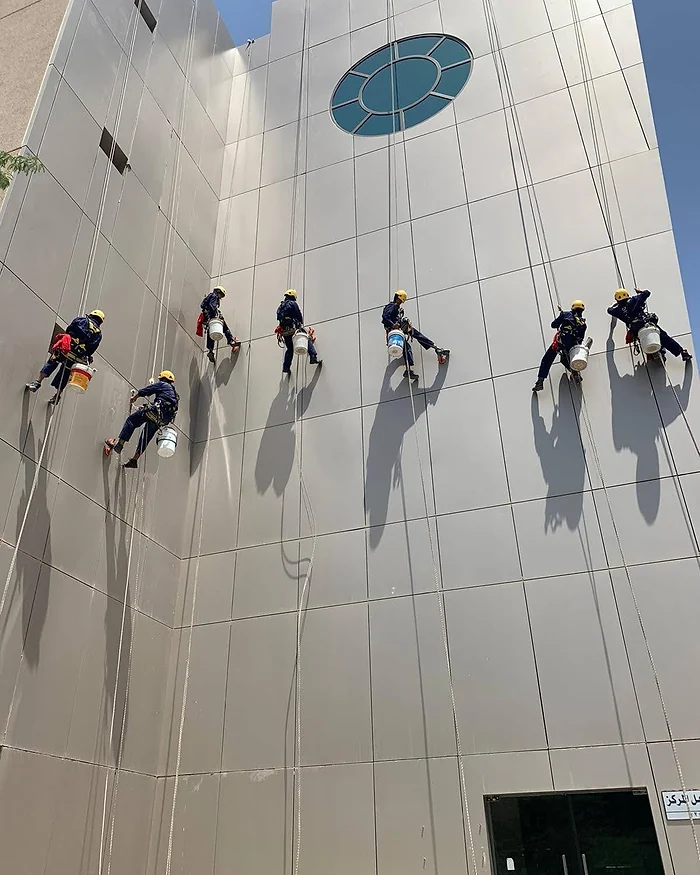
Photos from our team's work.
The character of Al Muruj
Mixed district: shops at street level with homes above them
In this mixed district where flats sit above shops, road dust and emissions from the commercial activity below travel directly into the majlis. Cleaning seating and curtains becomes more urgent because they face traffic pollution and commercial activity downstairs directly.
Other services in Al Muruj
The room and the building around it are on one list.
-
Sofa cleaning
-
Carpet and rug cleaning
-
Chalet cleaning
-

Event cleaning
-
Mattress cleaning
-
Curtain cleaning
-
House cleaning
-
Apartment cleaning
-
Villa cleaning
-
Yacht cleaning
-
Kitchen cleaning
-
Bathroom cleaning
-
Chandelier cleaning
-
Swimming pool cleaning
-
Garden clearance
-
Water tank cleaning and disinfection
-
Water tank waterproofing
-
Deep cleaning
-

Move-in and move-out cleaning
-
Post-construction cleaning
-
Disinfection and sanitisation
-
Pest control
-
Bed bug control
-

Office cleaning
-
Restaurant cleaning
-
Hotel and resort cleaning
-
Shopping mall cleaning
-

Retail shop cleaning
-
School cleaning
-

Nursery and kindergarten cleaning
-
Hospital cleaning
-
Clinic and medical centre cleaning
-
Mosque cleaning
-
Government facility cleaning
-
Gym cleaning
-
Sports field cleaning
-
Factory and warehouse cleaning
-
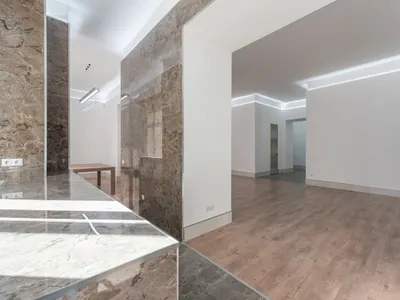
Commercial post-construction cleaning
-
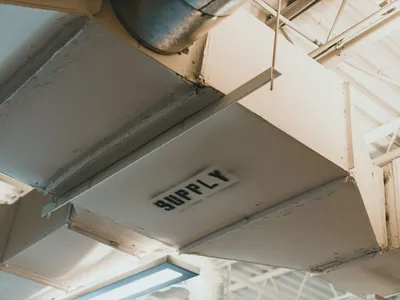
Air duct and AC cleaning
-
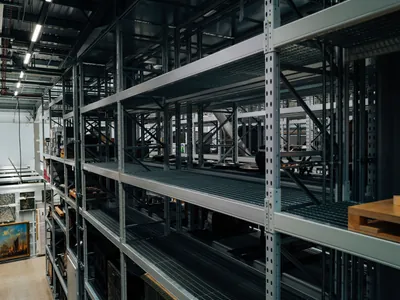
Commercial pest control