
Raghwat Al Janoub Maintenance and Cleaning
Pest control in Al Masani, Riyadh
Al Masani blends factories, warehouses, older buildings and worker housing south of Riyadh, creating distinct pest environments across the district. Large storage facilities, decades-old structures and crowded residential blocks each call for a different control strategy based on the pest type and the space available inside each building type.
Why treatment must reach the source
-
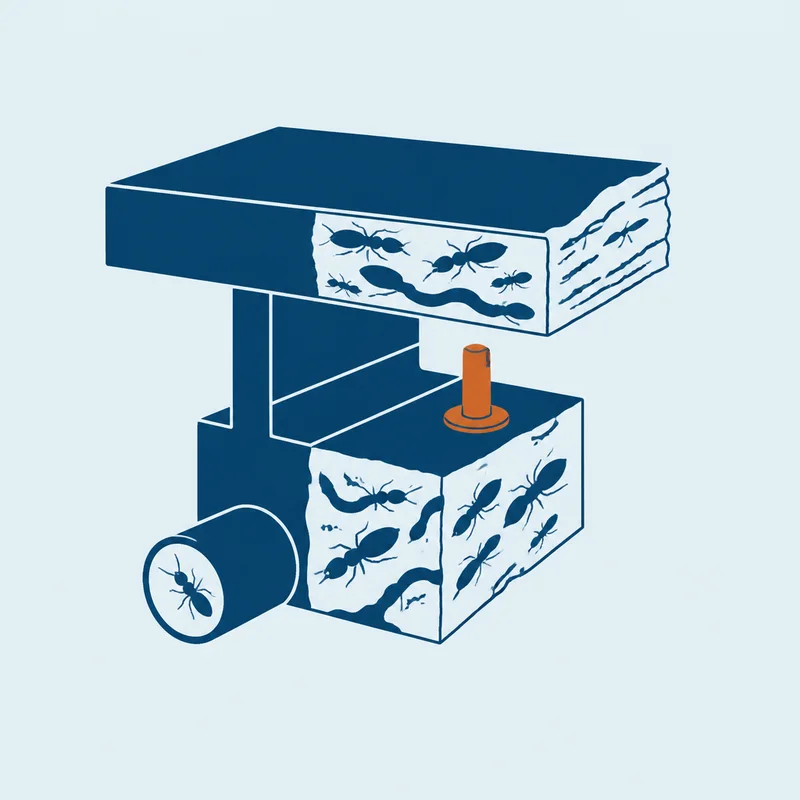
The source, not the symptom
We look for where the pest breeds and treat it directly, so no new generation hatches a week later.
-

Products safe for occupied homes
We use insecticides approved for lived-in spaces and place them in cracks and corners, away from where children reach.
-

Entry points closed off
Killing the visible insect is half the job; the other half is sealing gaps around pipes, under doors and at AC penetrations.
-

A follow-up that closes the cycle
We schedule a return visit timed for any eggs that hatch after the first treatment, so the pest's life cycle is broken in full.
Why the job is different in Al Masani
In Al Masani's factories and warehouses, rodents and cockroaches are most active in ground floors and basements where raw materials and stored goods accumulate. The whole method is set out in the pest control overview.
-
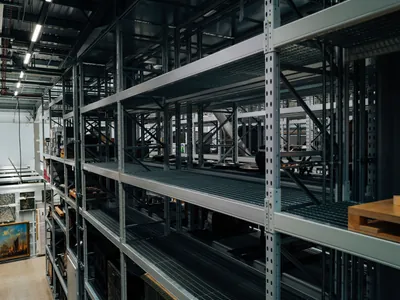
Large warehouses with deep spaces
Industrial warehouses in Al Masani have wide floors, deep recesses and dark corners that offer perfect shelter for rodents and insects. Control requires inspecting every zone thoroughly and often working at night when activity peaks.
-
Older buildings with foundation cracks
Some buildings in Al Masani are decades old and unrenovated, with cracks running through foundations and outer walls, so insects and rodents enter easily through these gaps. Sealing the entry points is as important as treating the pests already present.
-
Crowded residential blocks and food waste
Worker housing in the district is often tightly packed, and heaps of food scraps and rubbish around the buildings draw insects and rodents continuously, making prevention a daily need.
What's Included
Al Masani sits between the Southern Ring Road and Al Hair Road, close to Wadi Hanifah, and its proximity to water channels makes it a draw for insects and rodents especially in autumn and winter months.
-
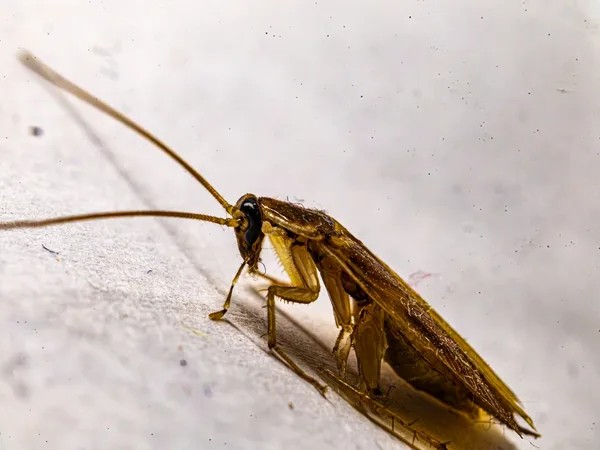
Inspection and identification
Large warehouses require inspection of high shelves, tight spaces and dark corners where rodents and insects hide.
-

Entry points sealed
Older buildings in the factories have foundation cracks that must be sealed alongside treatment of current pests to prevent return.
-

Targeted treatment of the harbourages
Crowded residential blocks need indoor and outdoor treatment because food and rubbish pile up around the whole building.
-
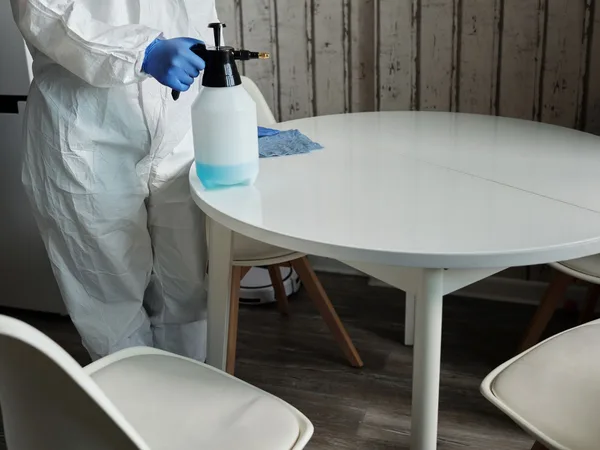
Products approved for occupied homes
Lower floors and basements are checked regularly because moisture and deep spaces attract rodents more than upper storeys.
-

Bait stations where needed
Proximity to Wadi Hanifah raises mosquito and water-insect activity in autumn and winter, so treatment focuses on the building's outer perimeter.
-

A follow-up visit
Preventive treatments are applied every three months in warehouses and factories because activity is constant due to ongoing material and goods storage.
The character of Al Masani
Industrial area: workshops, warehouses and loading yards
Al Masani is an industrial district mixing massive warehouses, older buildings and worker housing, so each building type needs separate inspection and treatment based on the spaces inside and materials stored there.
How we work
Call and inspection
Preparing the space
Treatment and sealing
Follow-up and handover
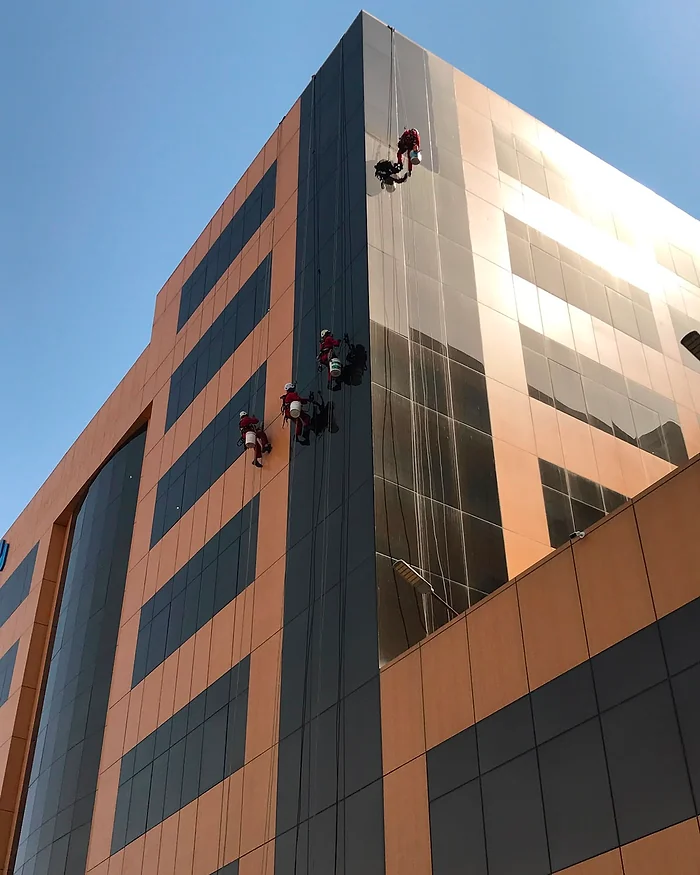
Some of our work
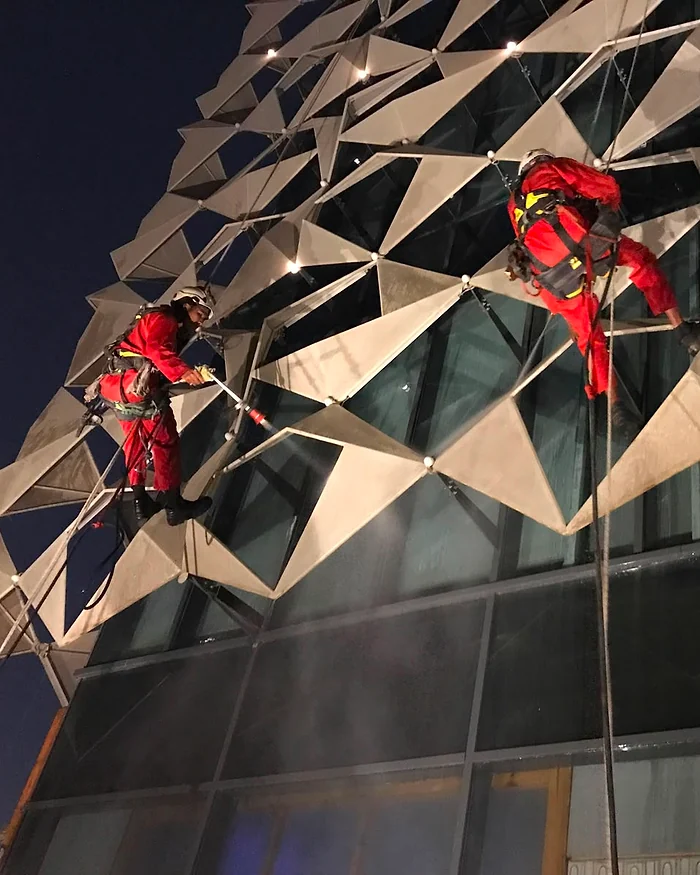
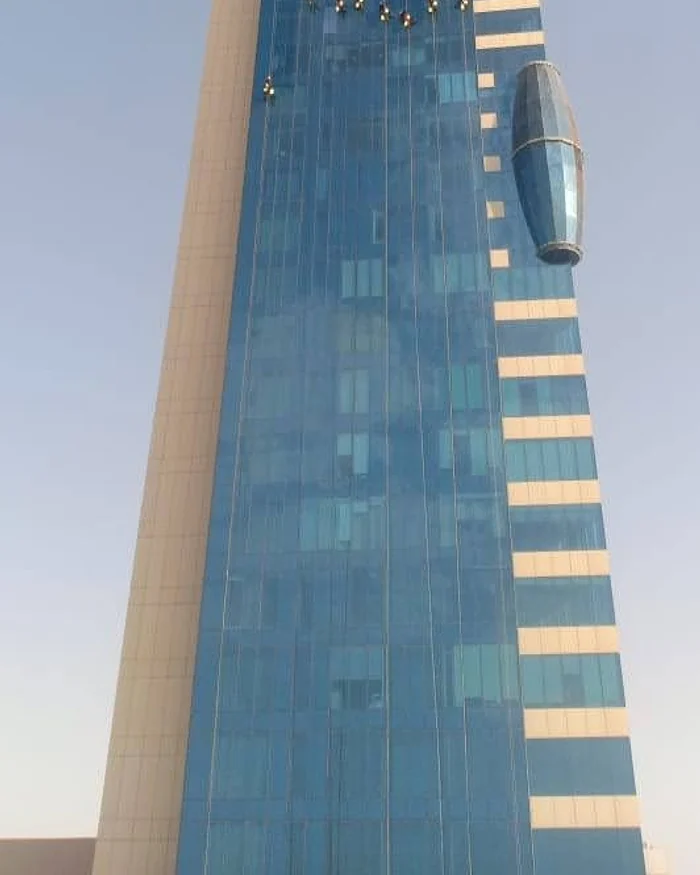
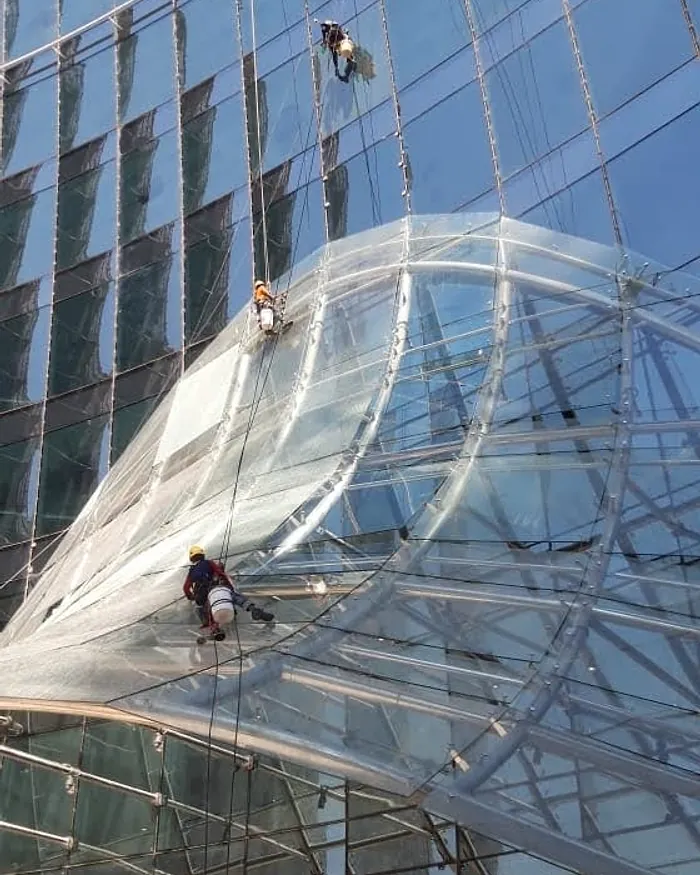
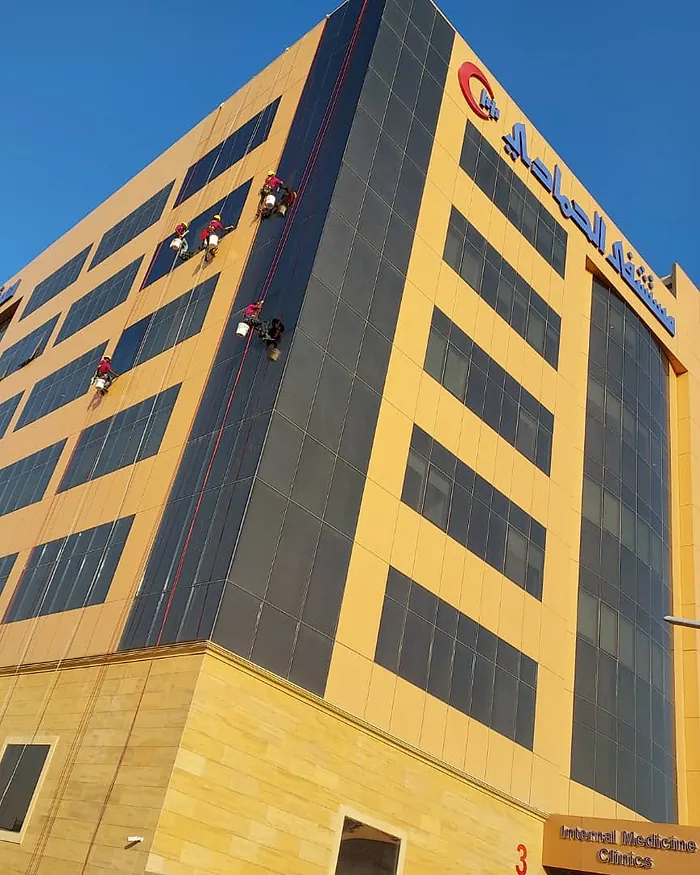
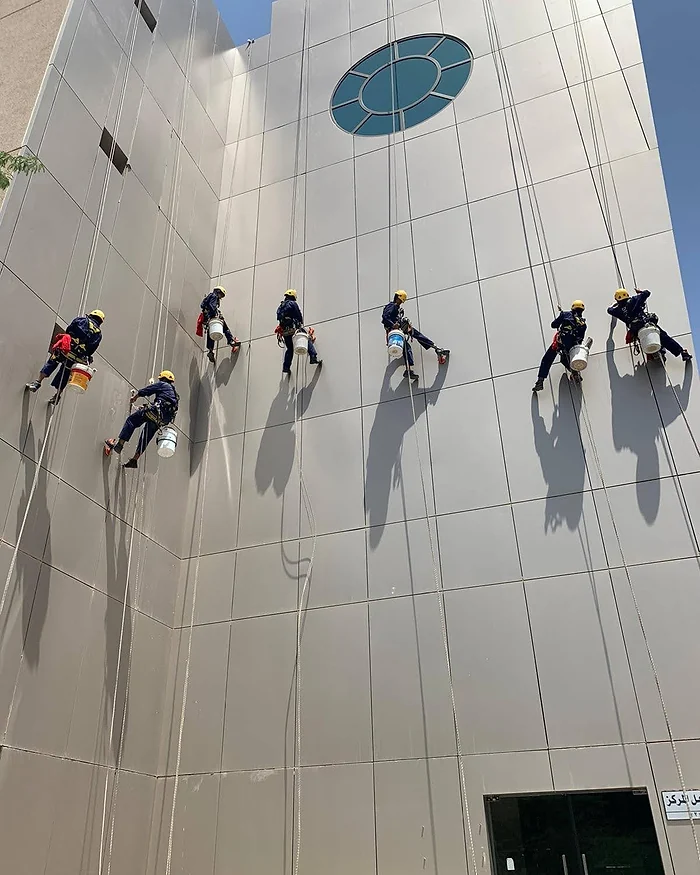
Photos from our team's work.
What is different about South Riyadh
South Riyadh is the older, denser and more industrial side of the capital. Manfuhah, Al Shifa, Al Aziziyah, Al Dar Al Baida and Al Faisaliyah are closely built low rise blocks and small villas with shops, workshops and warehouses between them, the wholesale vegetable market sits in Al Aziziyah, and the industrial city and Al Kharj Road carry lorry traffic all day. Oily grime from workshops, diesel soot and soil from unpaved yards build up on ground floors, entrances and tiled floors faster than anywhere else in the city.
Other services in Al Masani
The room and the building around it are on one list.