
Raghwat Al Janoub Maintenance and Cleaning
Pest control in Hijrat Wadi Laban, Riyadh
Hijrat Wadi Laban is a historic residential zone on the west bank of Wadi Laban where homes sit on rough terrain directly beside the wadi, so insects come from the wadi and damp soil around homes constantly. The location is somewhat removed from the city centre but close to Jeddah Road Metro Station, making access manageable despite the terrain.
Why treatment must reach the source
-
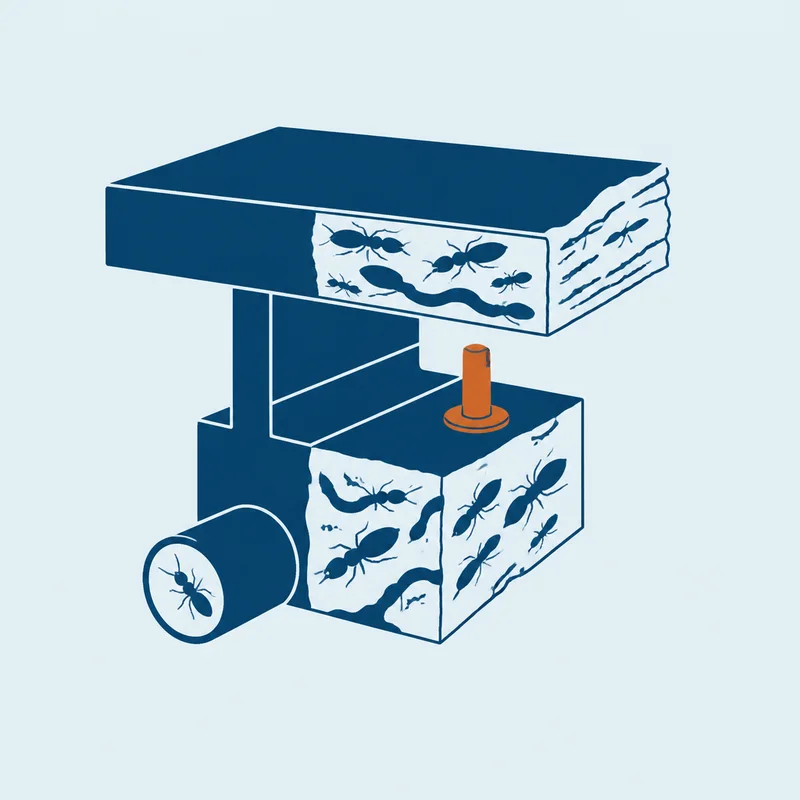
The source, not the symptom
We look for where the pest breeds and treat it directly, so no new generation hatches a week later.
-

Products safe for occupied homes
We use insecticides approved for lived-in spaces and place them in cracks and corners, away from where children reach.
-

Entry points closed off
Killing the visible insect is half the job; the other half is sealing gaps around pipes, under doors and at AC penetrations.
-

A follow-up that closes the cycle
We schedule a return visit timed for any eggs that hatch after the first treatment, so the pest's life cycle is broken in full.
Why the job is different in Hijrat Wadi Laban
In Hijrat Wadi Laban we observe continuous activity of mosquitoes, scale insects and crawling pests due to moisture from the wadi, unlike other areas where this activity follows seasonal peaks. The whole method is set out in the details of our pest control service.
-
Rough terrain directly on the wadi bank
Historic homes in Hijrat Wadi Laban were built on steep slopes beside the wadi, so seasonal water flows readily toward house foundations and leaves moisture at the walls. Insects find shelter and food easily in the damp soil and debris nearby.
-
Continuous moisture from wadi water
The wadi here holds moisture year-round even in dry periods, so soil and air around homes stay damper than other residential zones. This attracts mosquitoes and scale insects that need moisture to breed.
-
Difficult access and movement between homes
Roads in Hijrat Wadi Laban are narrow, winding and climb or drop steeply on slopes, so reaching some homes requires light equipment and careful movement. This affects how easily treatment and regular checks can be done.
What's Included
Hijrat Wadi Laban sits directly on Wadi Laban's bank, and its proximity to damp soil and seasonal water flow means continuous insect activity year-round, especially after rain.
-
Inspection and identification
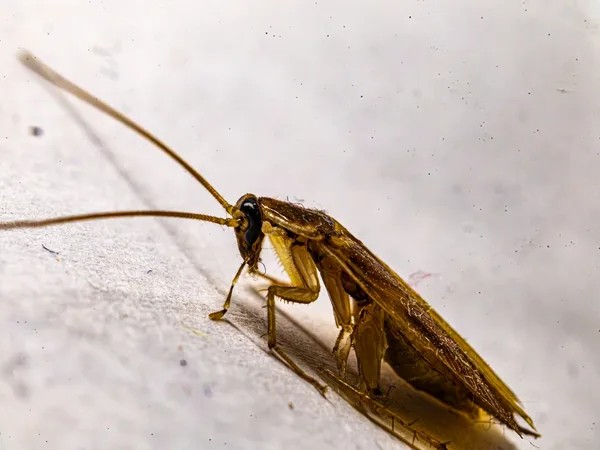
Inspection of house foundations and old cracks in walls comes first before any indoor treatment in historic homes.
-

Entry points sealed
Damp soil around the home and boundary areas need stronger treatment than inside because moisture is constant.
-

Targeted treatment of the harbourages
Preventive treatment here runs in regular short cycles because insect activity does not stop like in other areas.
-
Products approved for occupied homes
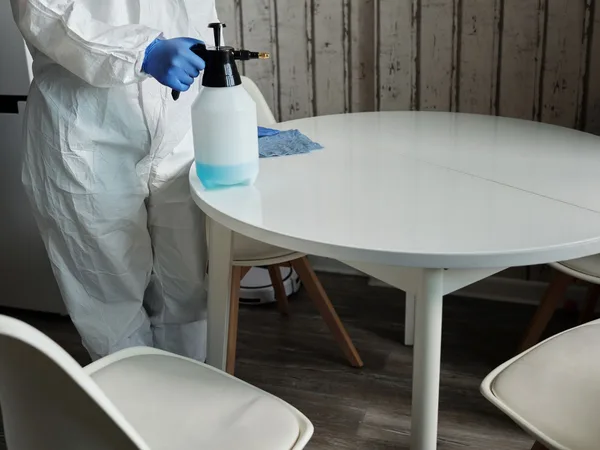
Right after rain, areas around house foundations are treated quickly before mosquitoes breed.
-

Bait stations where needed
Narrow winding roads need light equipment and careful movement, so we agree suitable times with residents beforehand.
-

A follow-up visit
Regular ongoing checks without seasonal pause are more necessary in Hijrat Wadi Laban than any other area.
Hijrat Wadi Laban on the map
Hijrat Wadi Laban sits about 3.5 km from Dhahrat Laban and about 4.5 km from Tuwaiq.
Open in Google MapsHow we work
Call and inspection
Preparing the space
Treatment and sealing
Follow-up and handover
Some of our work
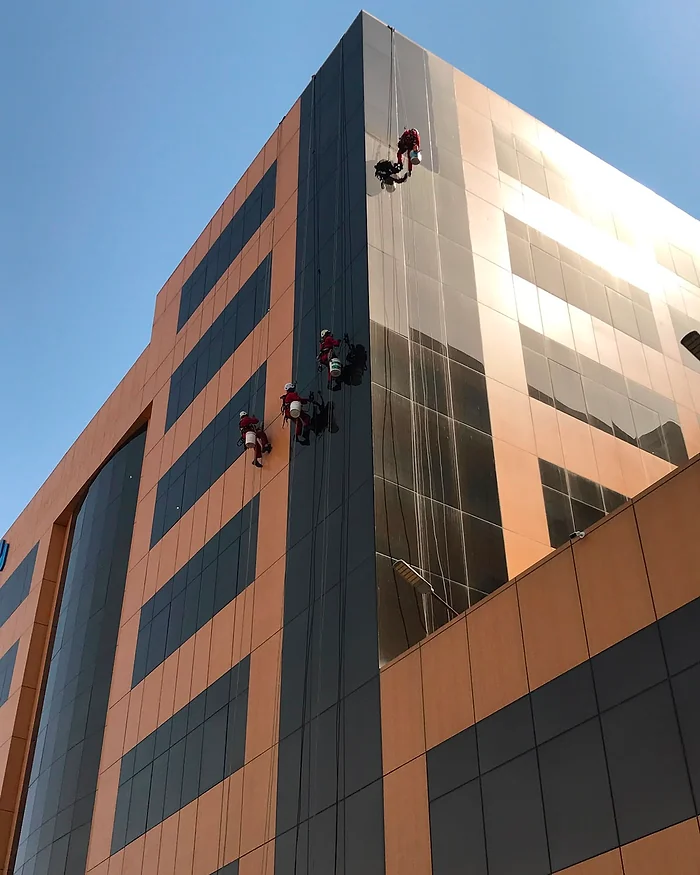
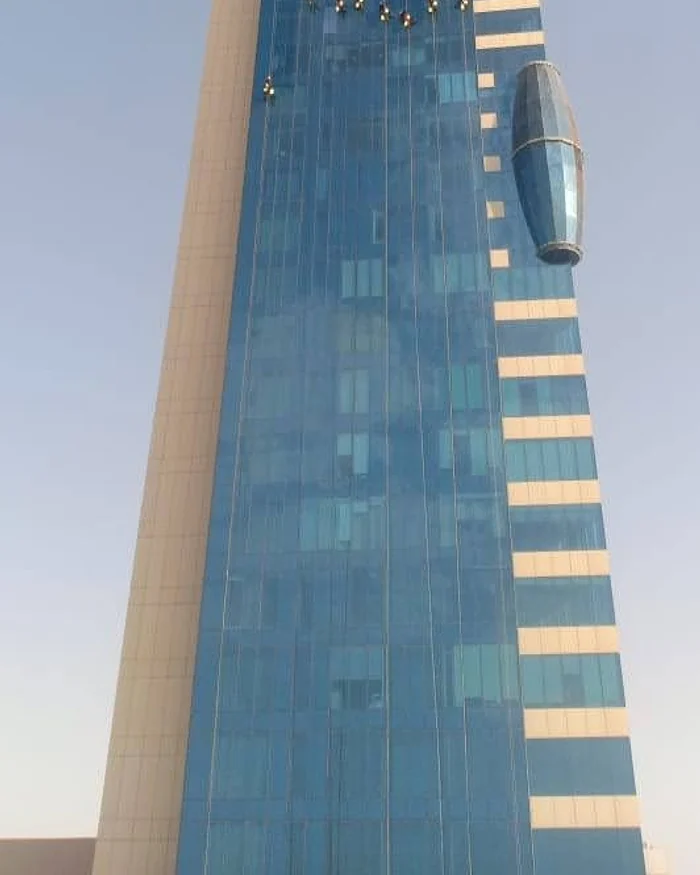
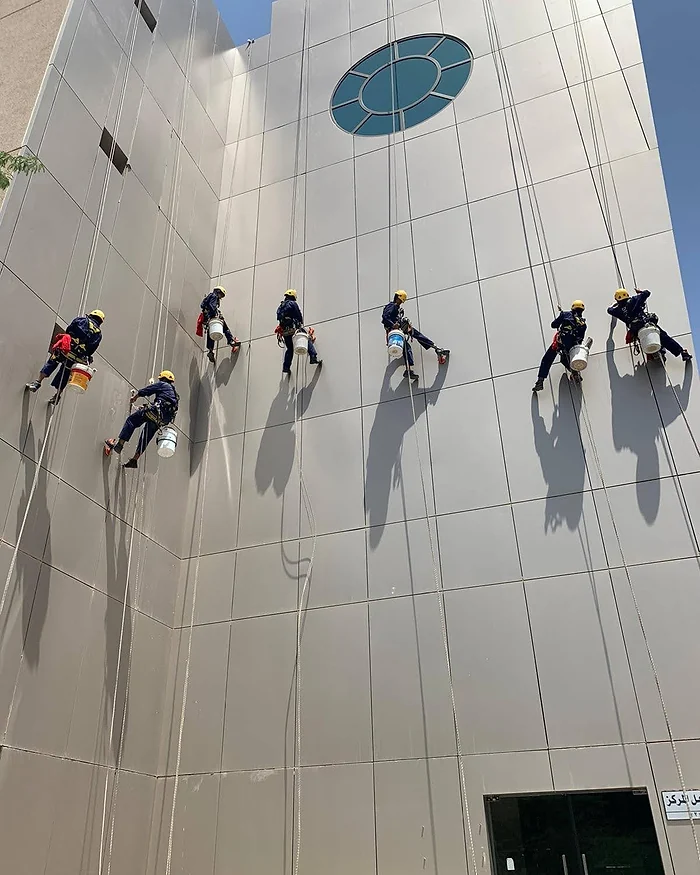
Photos from our team's work.



The character of Hijrat Wadi Laban
Historic district: close-set buildings, narrow lanes and ageing services
Hijrat Wadi Laban is a historic zone with old homes on steep slopes directly beside the wadi, so each home needs separate inspection of its foundation and old walls before the treatment plan is set.
Other services in Hijrat Wadi Laban
The room and the building around it are on one list.