
Raghwat Al Janoub Maintenance and Cleaning
Sports field cleaning in Heet, Riyadh
Heet is a small farming village south of Riyadh where pitches serve one large extended family on agricultural land, and sandy, salt-laden soil from nearby Wadi Al Sulay settles on the field surface quickly. Maintenance here calls for understanding rural conditions and the local soil different from city pitches.
Why a clean pitch is not optional
-
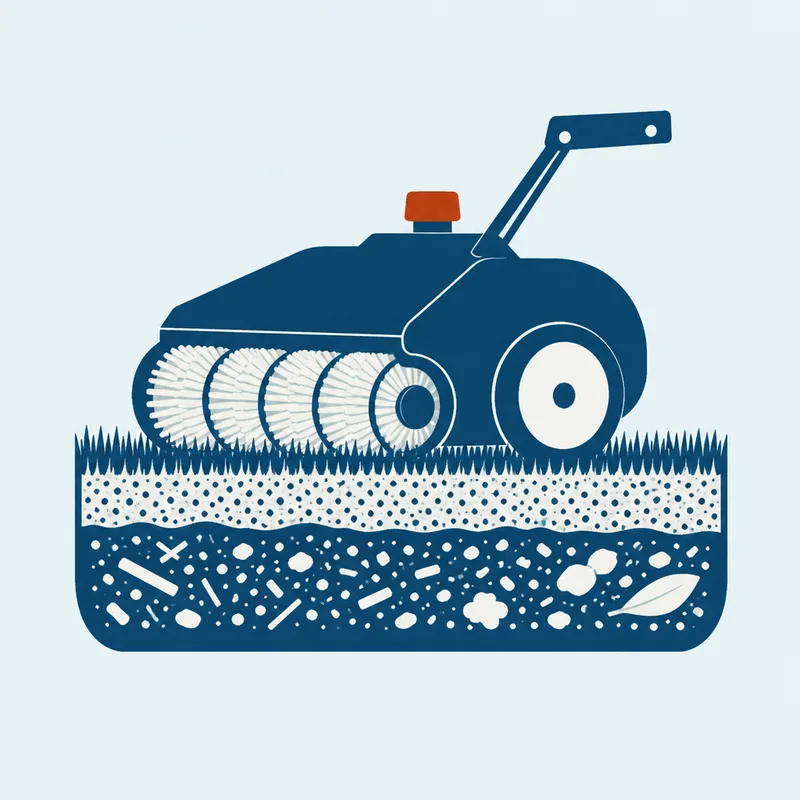
Safer footing for players
Clumped infill and flattened fibres change how the ball rolls and how a boot grips when a player stops fast.
-
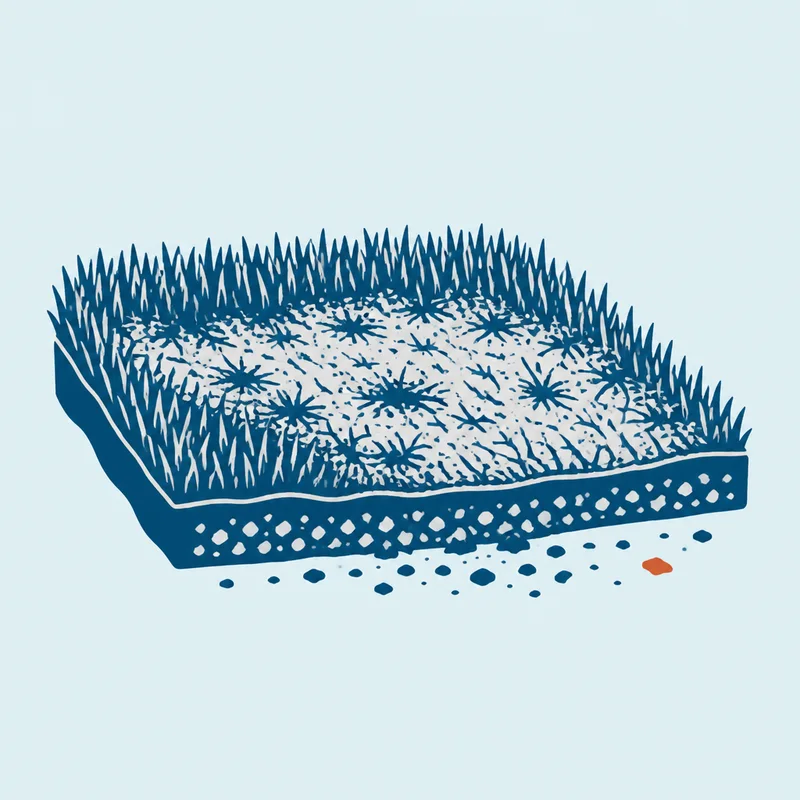
Longer life from the turf
The mineral dust acts like grit between the fibres, sanding their tips down with every match played on them.
-
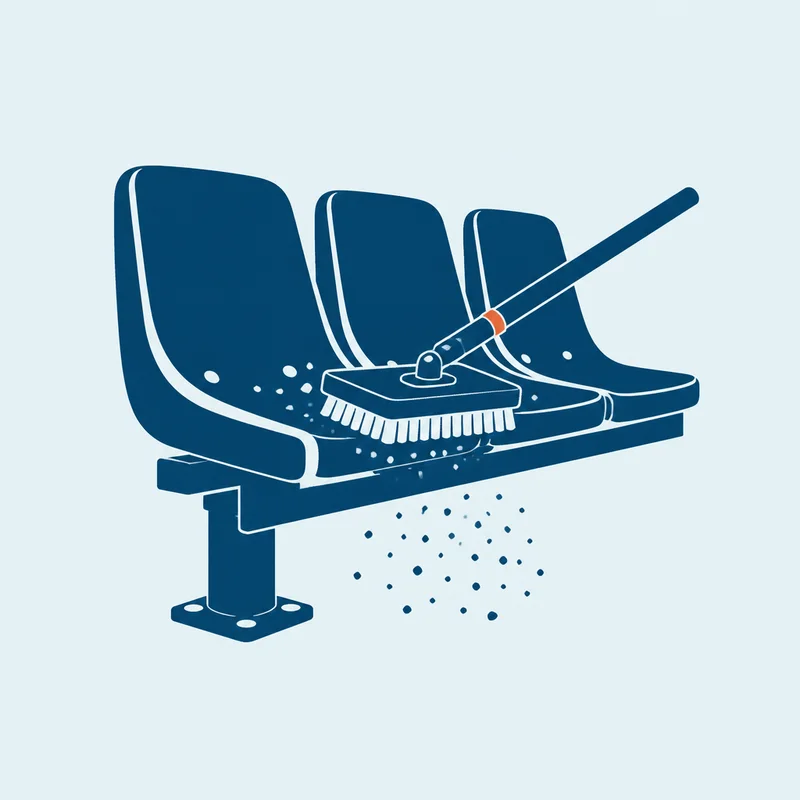
Stands people actually use
Seats and railings collect dust and whatever spectators leave behind, and stay sticky if only wiped over on the surface.
-

Drainage that works in rain
Channels and drain grates clog with grit and leaves until water floods across the surface.
Why the job is different in Heet
Heet's dirt and grass pitches need frequent cleaning because wind from the nearby valley carries fine sand and salt that bothers players and degrades the surface. The whole method is set out in our notes on sports field cleaning.
-
Dirt and grass pitches on agricultural land
Heet's pitches sit on quiet agricultural land with no urban infrastructure, so the dirt pitch needs stones and small roots cleared from beneath the soil, and grass here grows wild and irregular so needs different care than city turf.
-
Sand and salt from Wadi Al Sulay and seasonal wind
Wadi Al Sulay close to Heet sends fine sand and salt with seasonal winds, building a layer on the pitch surface that trips runners and jumpers. This needs regular scraping before it hardens and becomes difficult to shift.
-
Limited use by one large family
The pitches serve one large extended family only on the agricultural land, so use is much lower than city pitches, but weather decides when cleaning is needed, not the hours logged on the field each day.
What's Included
Heet sits on agricultural land near Khashm Heet hill and New Kharj Road, and closeness to Wadi Al Sulay means wind carries sand and salt that builds up on pitches after every storm or even a steady breeze.
-
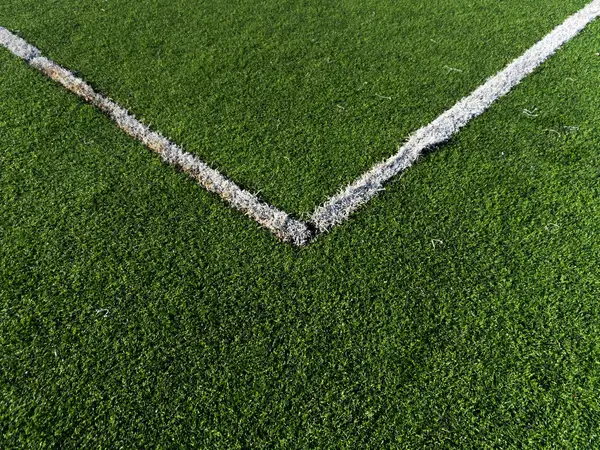
Debris lifted off the surface
Heet's dirt pitches need careful surface scraping to remove sand and salt without cutting into the base soil.
-

Artificial turf care
Wild grass pitches need close checking to tell desirable grass from wild plants before any cleaning starts.
-
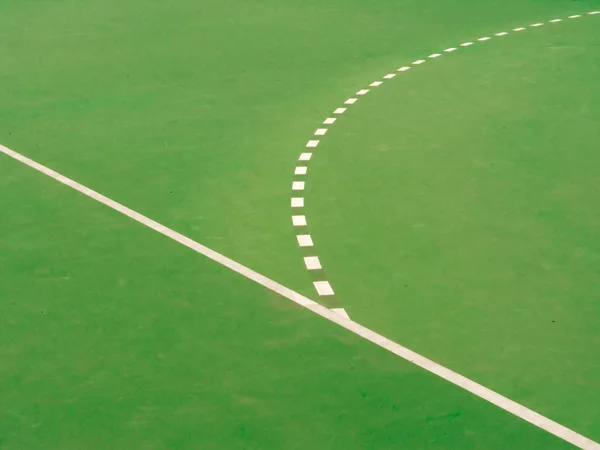
Line markings cleaned
Wadi Al Sulay wind brings salt that settles on the surface, needing light washing with suitable water rather than harsh chemicals.
-
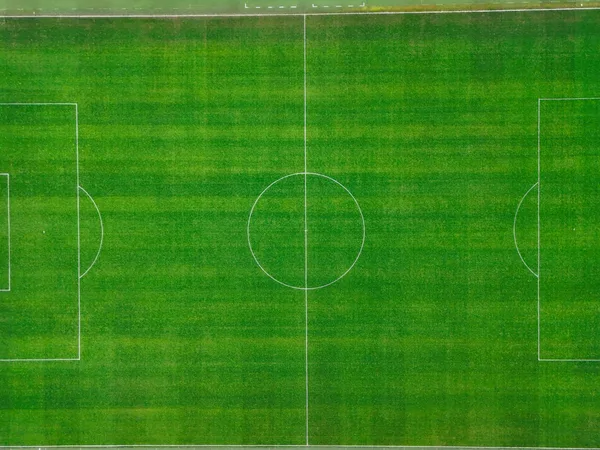
Stands and seating
Stones and small debris from wind are removed by hand to avoid damaging the pitch's natural surface.
-
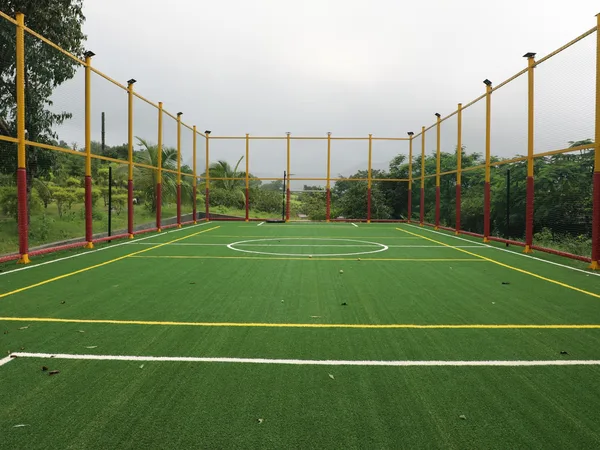
Fencing and netting
Agricultural soil needs handling different from the compacted soil of city pitches built with machines.
-

Drainage
After cleaning, the pitch is left to dry naturally before the family uses it for sports.
The character of Heet
Rural area: farms, open ground and scattered homes
Heet is a small farming village with dirt and grass pitches serving one large family, so each pitch needs its own read on soil condition, wild plants and the local wind's effects.
How we work
Survey the pitch
Lift debris and groom
Wash and clear drains
Final walk and handover
Some of our work
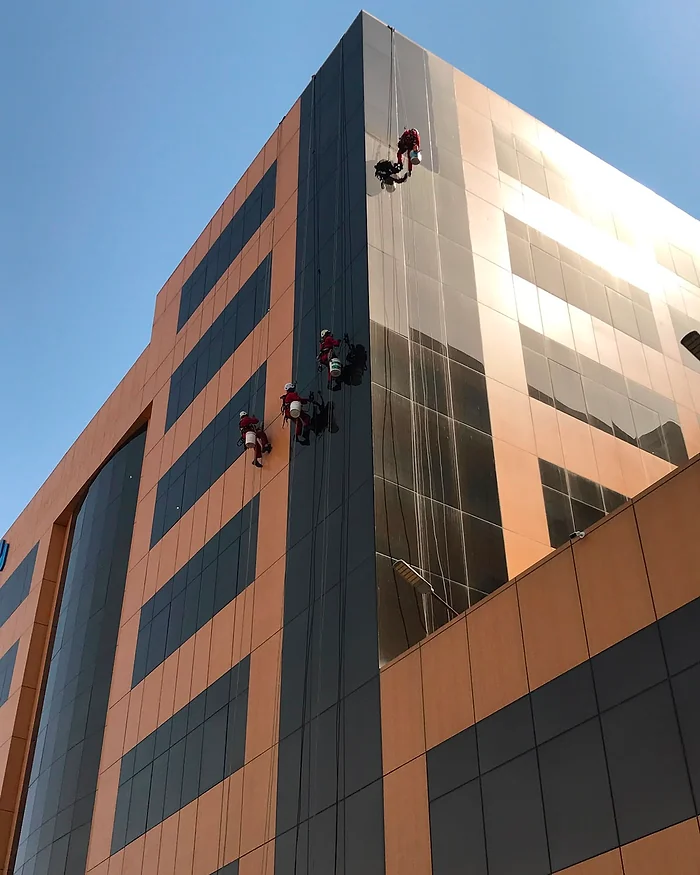
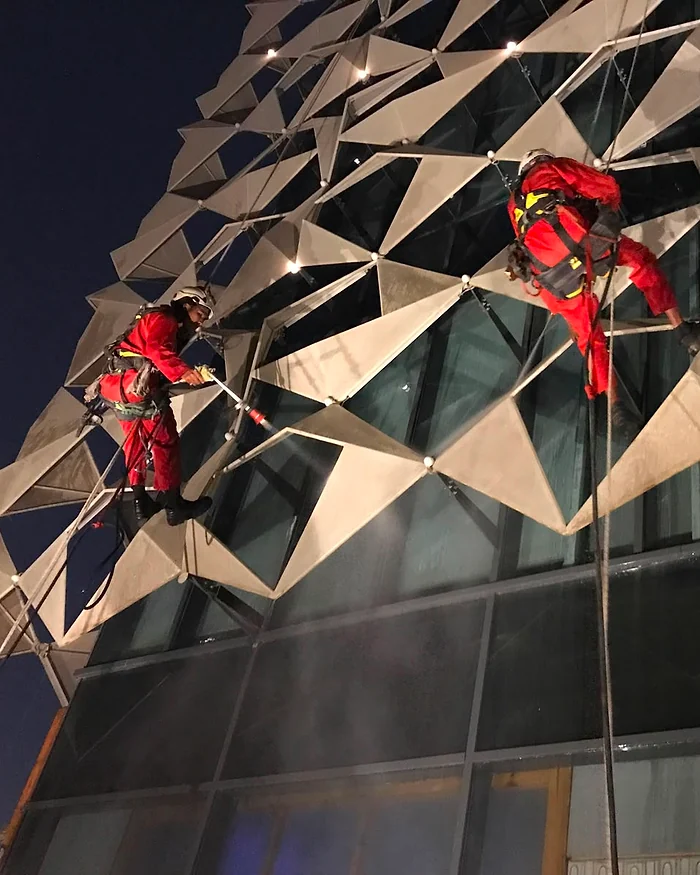
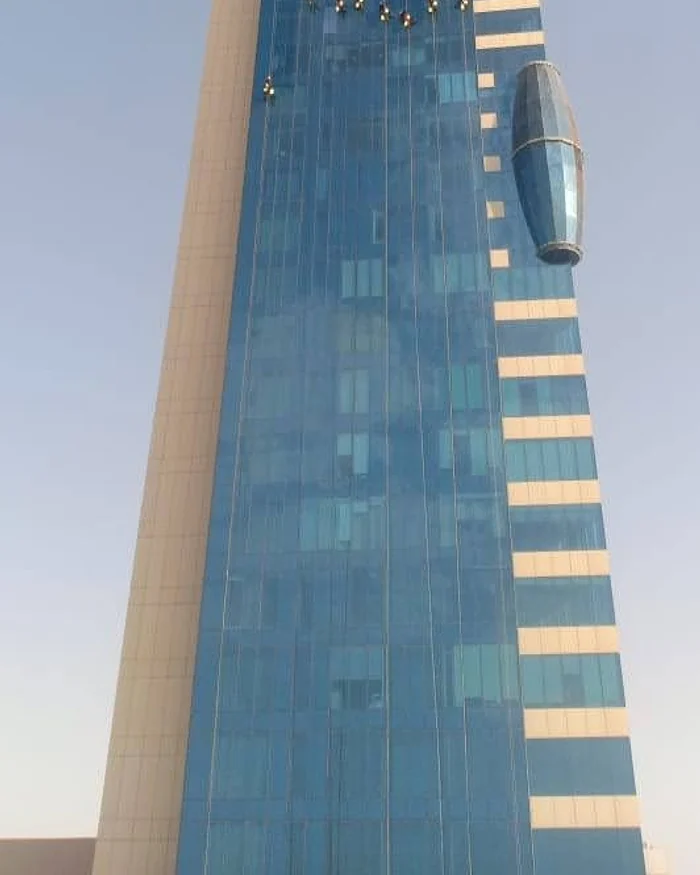
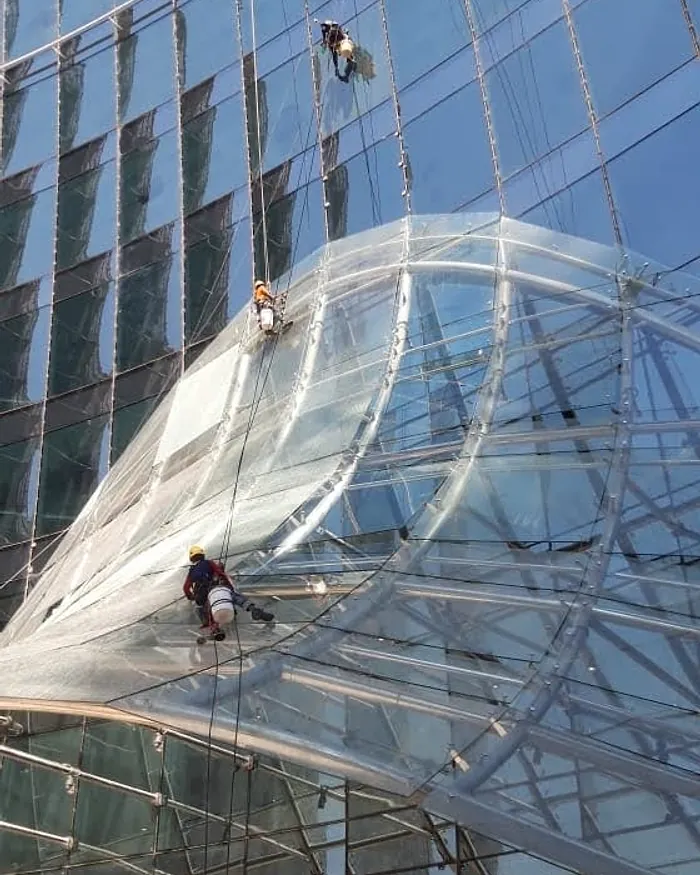
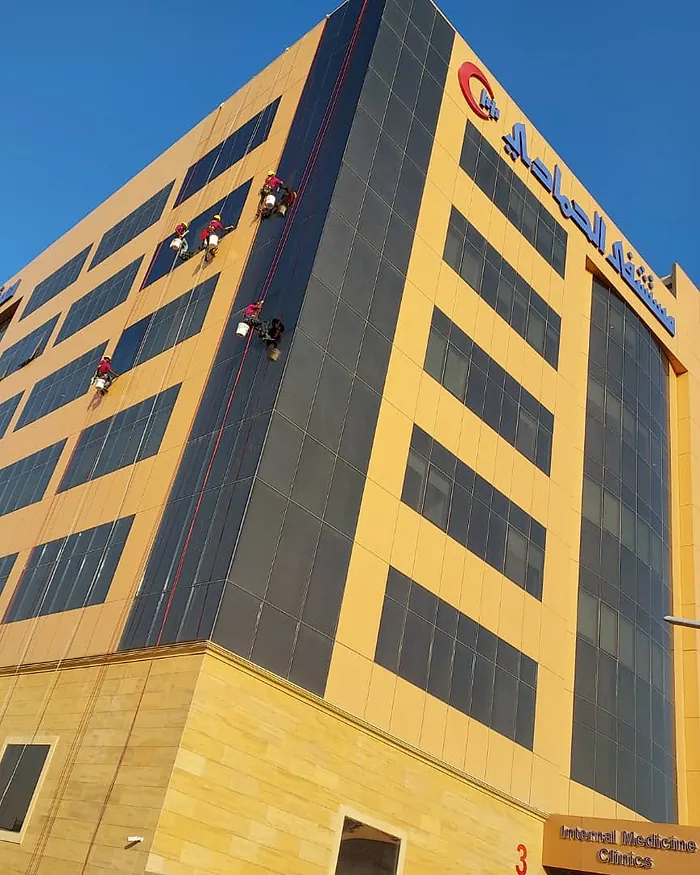
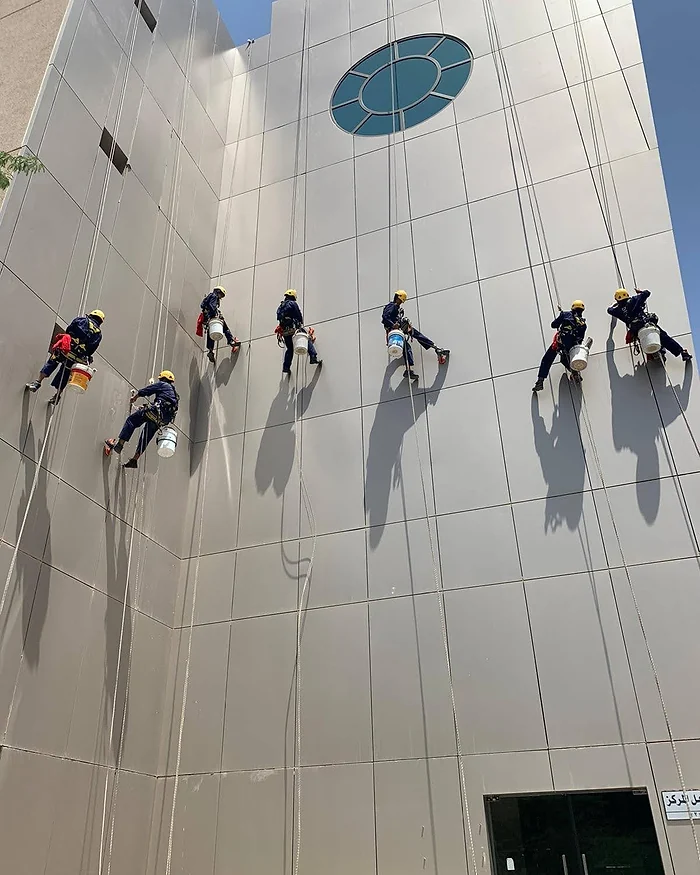
Photos from our team's work.
Landmarks of Heet
Scheduling in Heet runs around Khashm Heet hill and New Kharj Road, so visits are arranged based on each pitch's location and the wind activity coming from nearby Wadi Al Sulay.
- Khashm Heet hill
- New Kharj Road
- Wadi Al Sulay
Other services in Heet
The room and the building around it are on one list.