
Raghwat Al Janoub Maintenance and Cleaning
Apartment cleaning in Al Namudhajiyah, Riyadh
Al Namudhajiyah is a government and institutional zone in central Riyadh, and flats here sit among ministry headquarters, official buildings and unceasing flow of civil servants and visitors. Heavy traffic on main roads coats glass and surfaces in grey exhaust haze, while shared stairwells and corridors never stop seeing footfall from residents and surrounding offices. Cleaning here means stripping dust and pollutants from every surface, glass and soft furnishing, restoring clarity and air quality.
Why an apartment needs a deep clean
-
Handover of a new flat
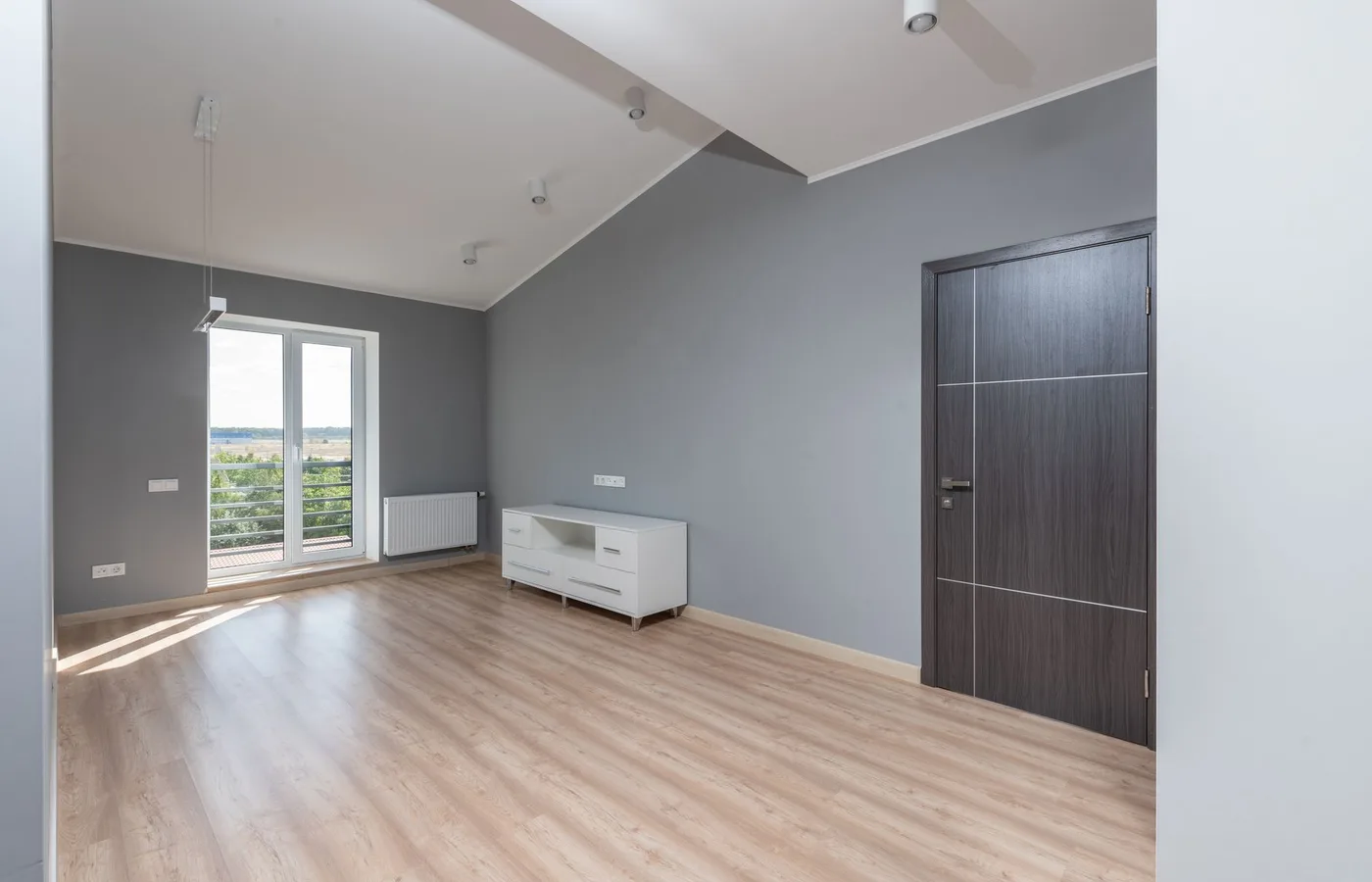
A flat can look clean at handover yet still carry construction dust, silicone smears on the glass and a thin cement haze on the floors.
-
Odour that returns in humidity
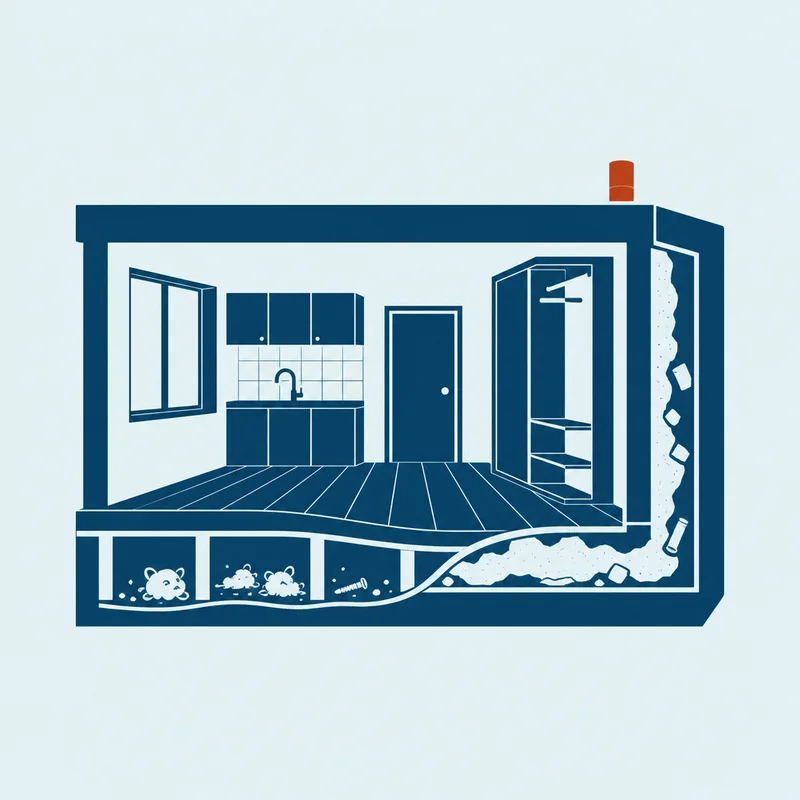
If the smell of your sofa or rug comes back whenever the air turns humid, the source is in the padding, not on the surface.
-

Before guests or an occasion
Before a gathering, you want the place to shine without losing a day to cleaning it yourself.
-
A rental between tenants
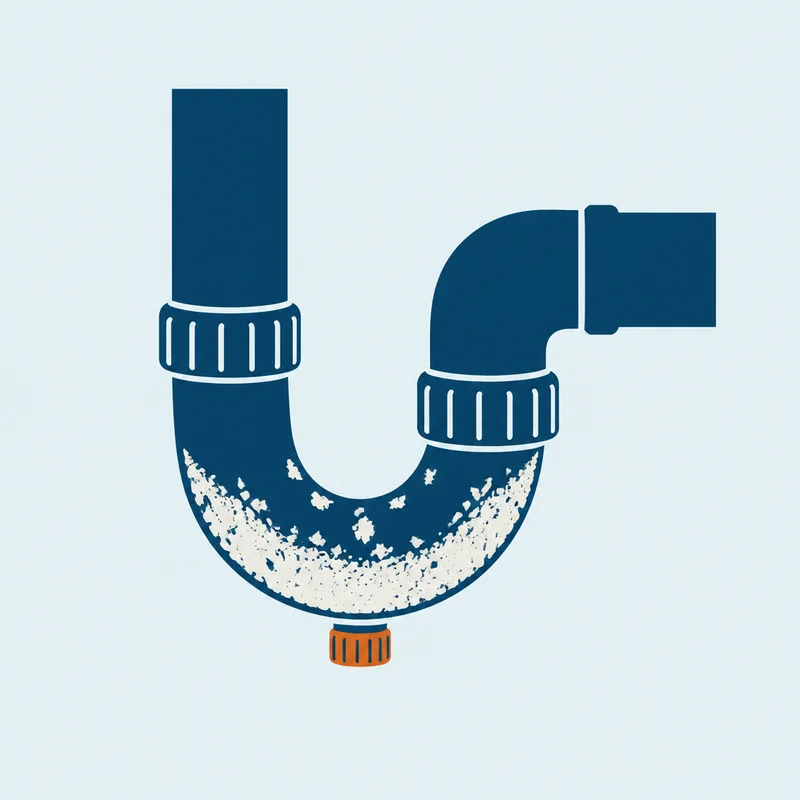
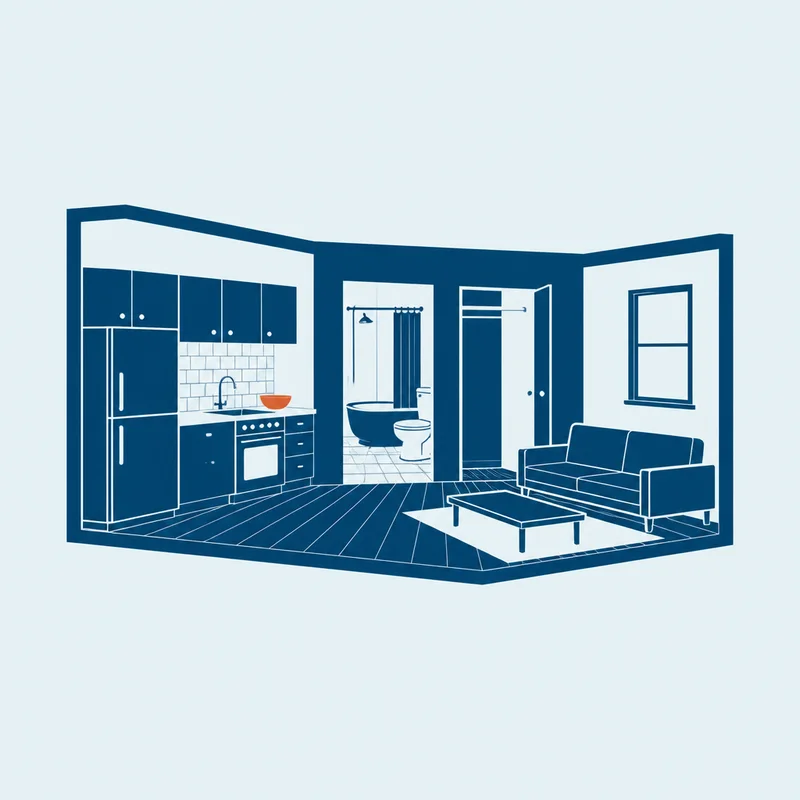
Between one tenant and the next, a clean flat lets faster and leaves an honest impression.
Why the job is different in Al Namudhajiyah
Glass, polished surfaces and mirrors become noticeably clouded and dusty rapidly in this busy institutional zone with constant vehicle and foot traffic. The whole method is set out in our full account of apartment cleaning.
-
Major government roads increase constant exhaust exposure
King Saud Road and King Fahd Road carry heavy flows of official vehicles and private traffic. Soot enters flat windows and settles on glass, mirrors and furnishings fast. Regular cleaning must strip these layers before they embed and become harder to remove with each cleaning cycle.
-
Stairwells and corridors see ceaseless foot traffic from office workers
Shared stairwells and hallways experience constant movement from residents and visitors from surrounding government institutions, causing rapid soiling on floors and walls. Frequent cleaning is necessary because pollution buildup never pauses and visible dirt returns between services.
-
Tiled floors show hardwater scale and worn grout deterioration
Older tiled corridors and hallways in this institutional zone display white deposits from hard water and eroded grout lines. Deep cleaning must reach into grout and corners where scale deposits harden and become stubborn without early intervention.
What's Included
Al Namudhajiyah lies on King Saud Road near Al Mutamarat, Al Murabba and Al Maather, home to the Saudi Ministry of Foreign Affairs, Royal Guard headquarters, General Directorate of Traffic and Al Asimah Model Institute.
-
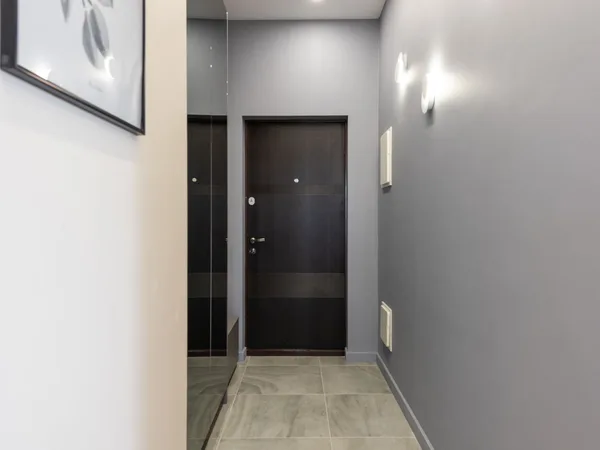
Entrance and hallways first
Entrances and shared hallways here witness constant foot traffic from residents and surrounding office staff, so cleaning removes soiling from floors, walls and handrails that accumulates visibly.
-
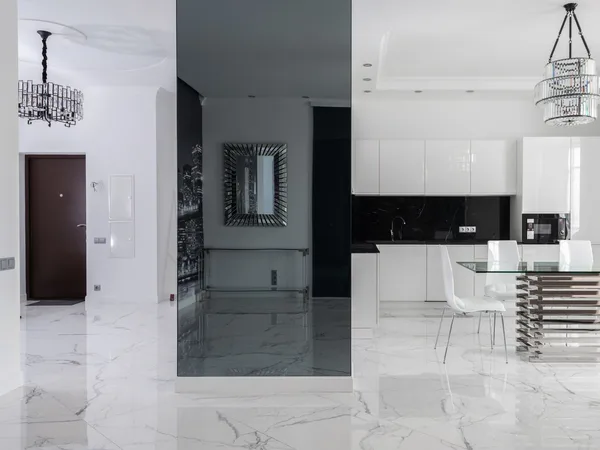
Rooms: surfaces, furniture, floors
Furnishings and soft coverings gather dust and soot from the busy surrounding streets and government activity, so deep cleaning reaches upholstery cores and curtain fibres where deposits hide.
-
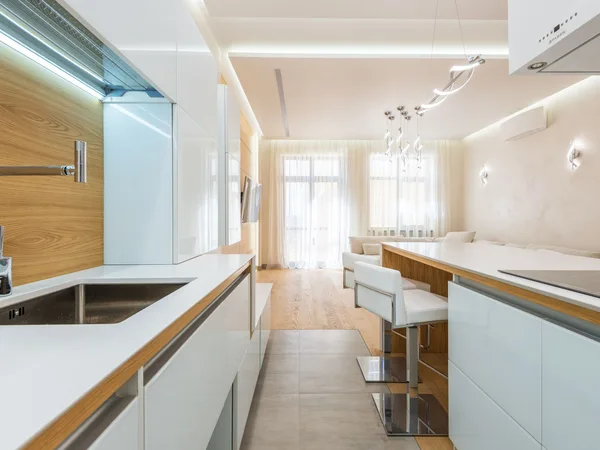
The kitchen, fronts and surfaces
Kitchen surfaces and polished finishes cloud from soot and pollutants rapidly, requiring cleaning that removes exhaust deposits from every work surface and cabinet front.
-
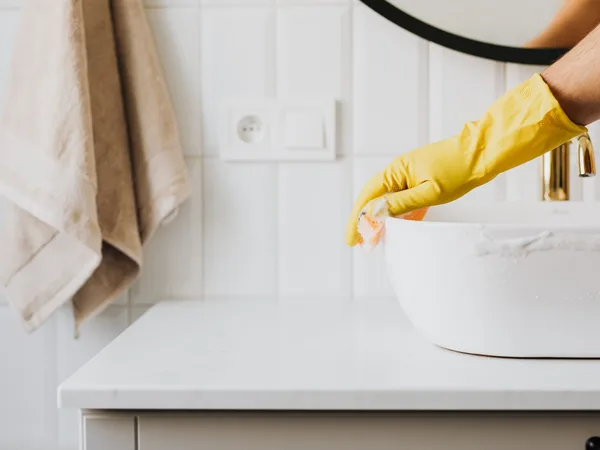
Bathrooms and disinfection
Bathrooms need thorough disinfection because moisture combines with dust and pollutants to create odours; cleaning removes buildup from tiles, grout and ventilation thoroughly.
-
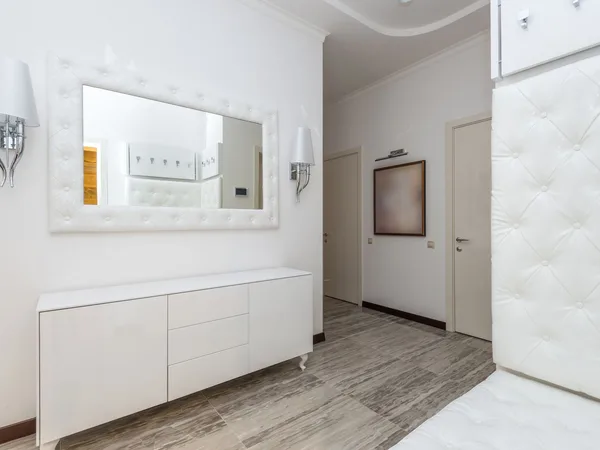
Interior glass and mirrors
Glass and mirrors cloud visibly from soot and need regular cleaning to restore clarity; interior and exterior panes both need attention to maintain natural light.
-
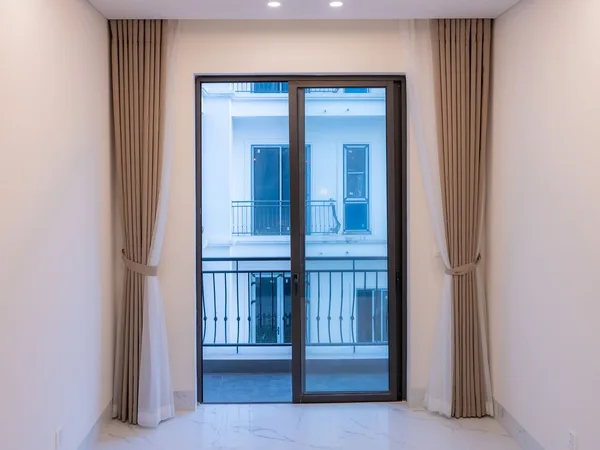
Balcony and sliding doors
Balconies and sliding door tracks accumulate soot and grime from the busy surrounding streets, so cleaning reaches grooves and seals where deposits prevent smooth operation.
The character of Al Namudhajiyah
Commercial area: offices, showrooms and small stores
Flats in an institutional government zone mean continuous ministry vehicle traffic and office worker movement, so every surface dirties fast and requires frequent attention. Regular cleaning and specialist glass care are essential because traffic, dust and pollution never pause.
How we work
Agree the details
Set up and protect
Clean top to bottom
Check and hand over
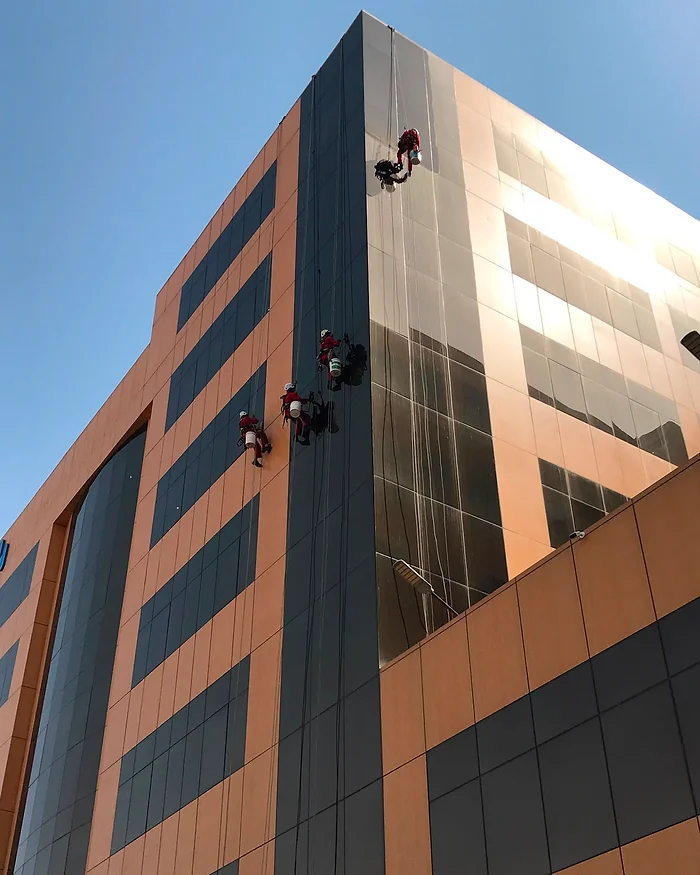
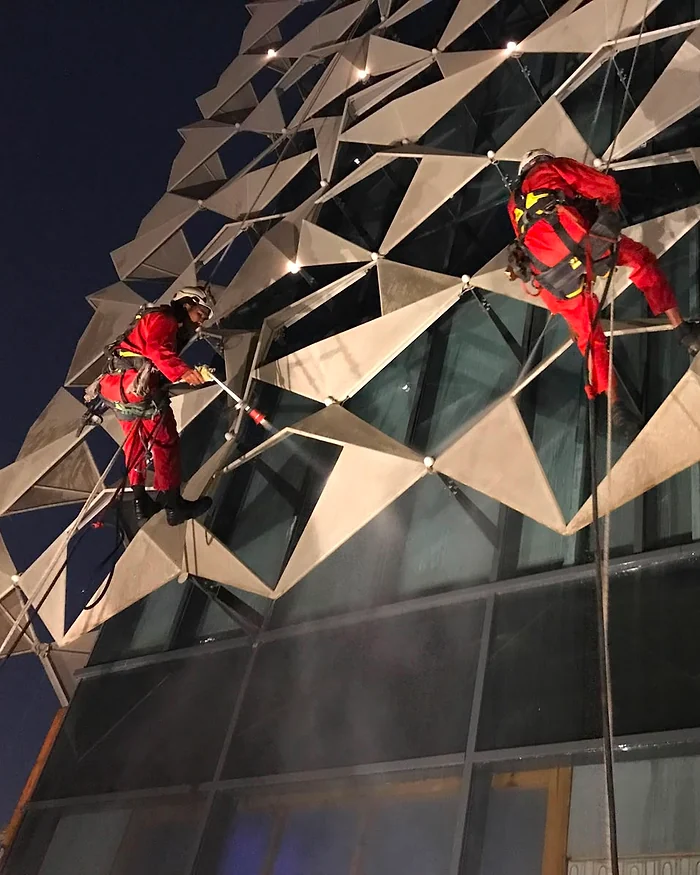
Some of our work
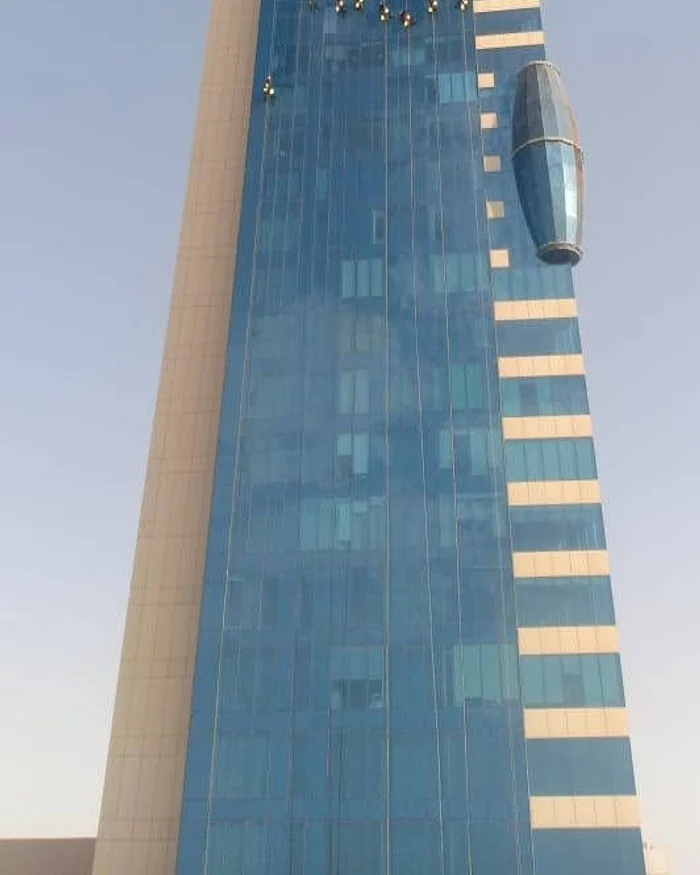
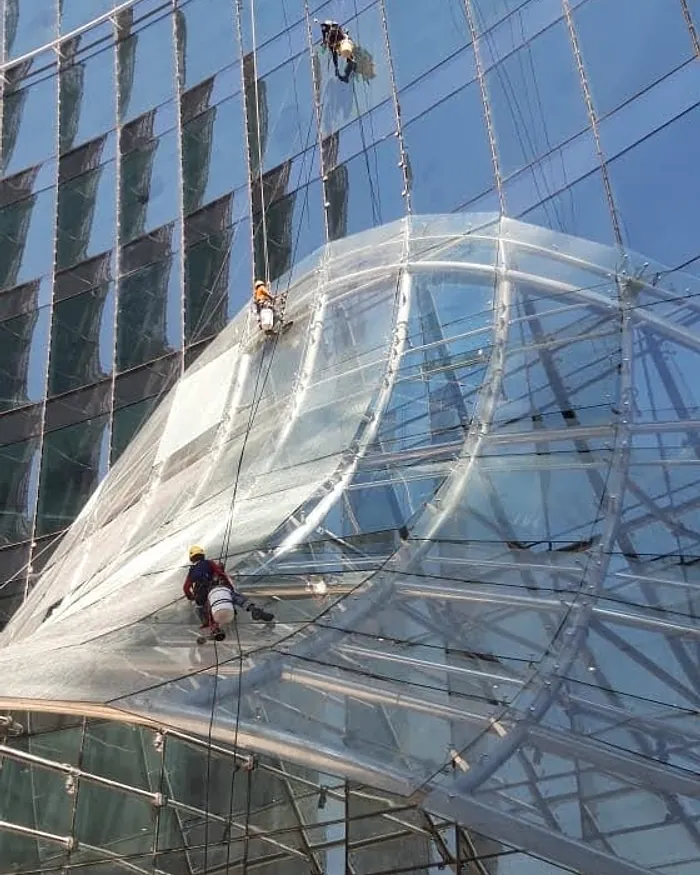
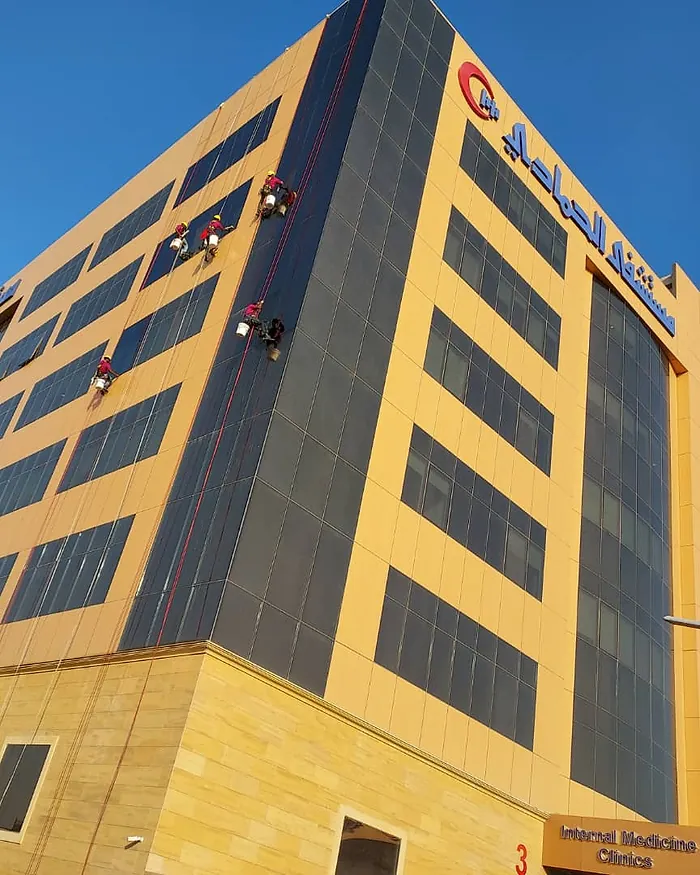
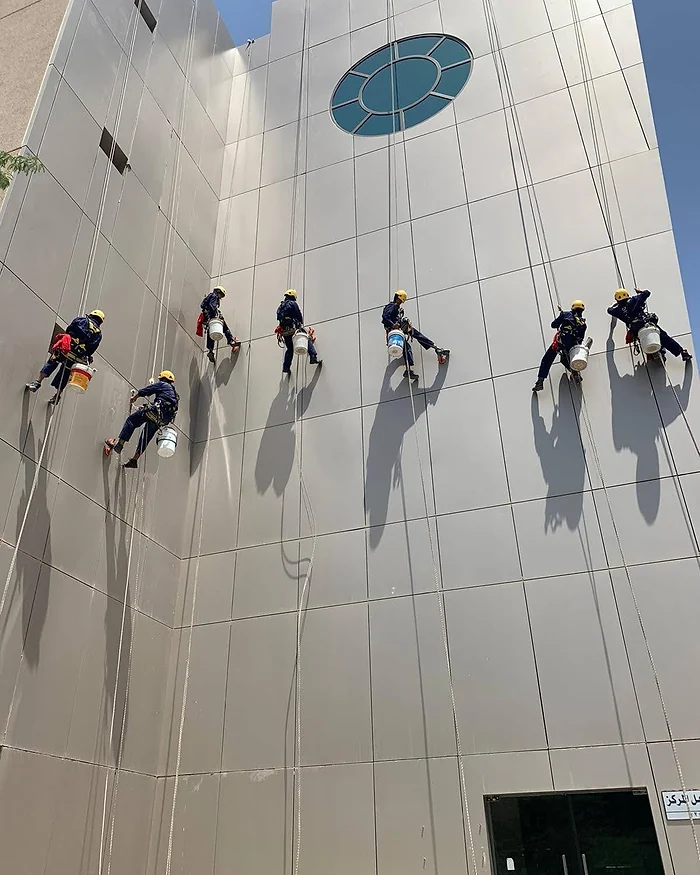
Photos from our team's work.
What is different about Central Riyadh
Central Riyadh is the oldest and busiest part of the city. Olaya and Sulaimaniyah carry the office towers along King Fahd Road and Tahlia Street, including Kingdom Centre and Al Faisaliah, while Al Malaz, Al Murabba, Al Batha and Al Dirah are older apartment blocks with shops on the ground floor, the Masmak quarter and the markets around Qasr Al Hukm. Heavy traffic on the main roads coats glass and shopfronts in a grey exhaust film, older stairwells and tiled corridors show worn grout and scale from the hard water, and the commercial buildings never stop taking footfall.
Other services in Al Namudhajiyah
The room and the building around it are on one list.
-
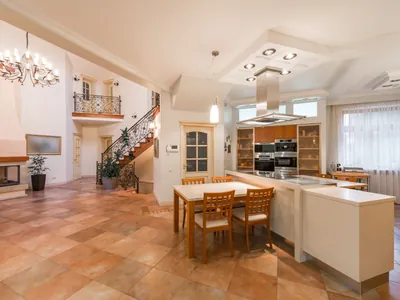
House cleaning
-
Move-in and move-out cleaning
-
Deep cleaning
-
Bathroom cleaning
-
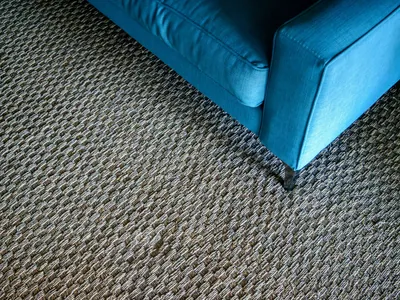
Sofa cleaning
-
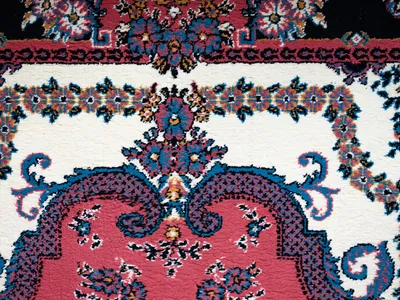
Carpet and rug cleaning
-
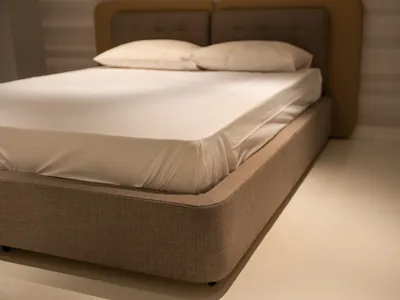
Mattress cleaning
-
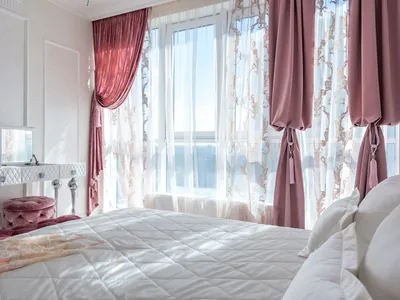
Curtain cleaning
-
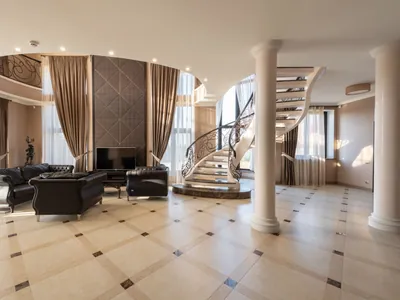
Villa cleaning
-
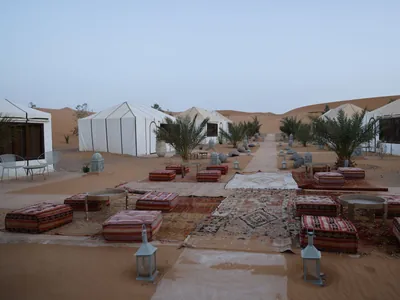
Majlis and rest-house cleaning
-
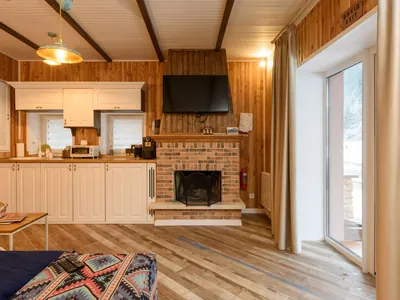
Chalet cleaning
-
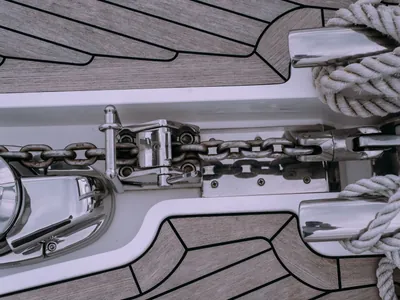
Yacht cleaning
-
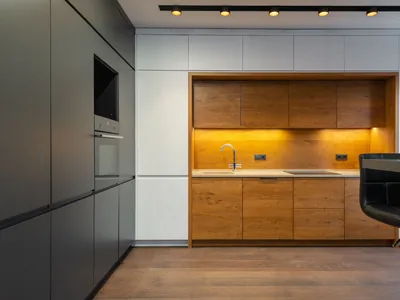
Kitchen cleaning
-
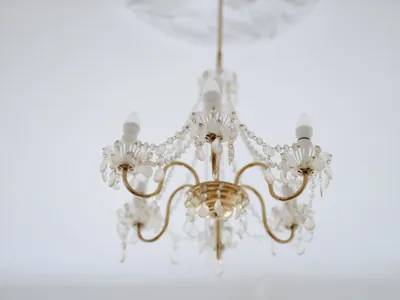
Chandelier cleaning
-
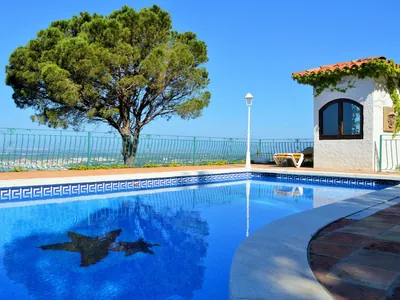
Swimming pool cleaning
-
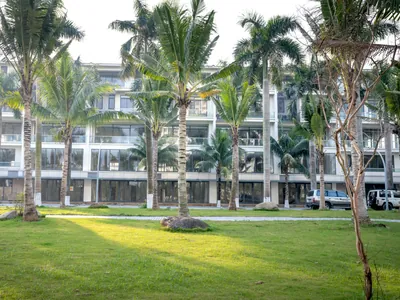
Garden clearance
-
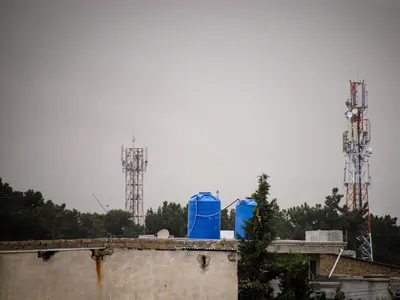
Water tank cleaning and disinfection
-
Water tank waterproofing
-
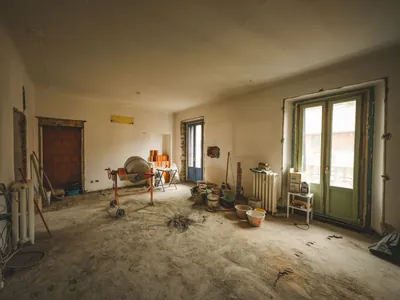
Post-construction cleaning
-
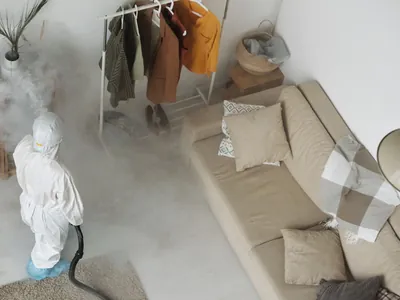
Disinfection and sanitisation
-
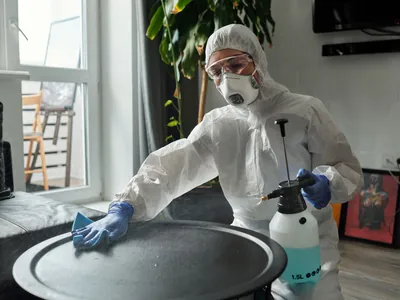
Pest control
-
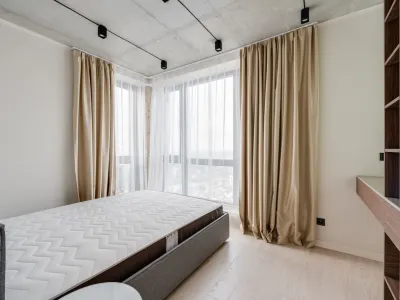
Bed bug control
-
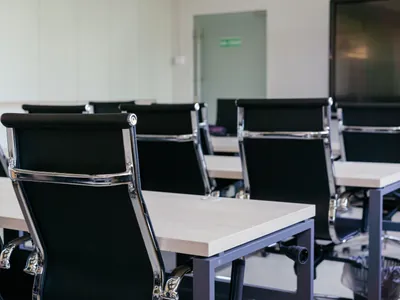
Office cleaning
-
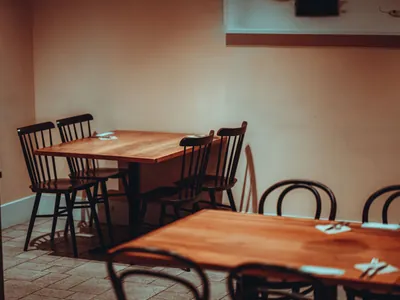
Restaurant cleaning
-
Hotel and resort cleaning
-
Shopping mall cleaning
-

Retail shop cleaning
-
School cleaning
-

Nursery and kindergarten cleaning
-
Hospital cleaning
-
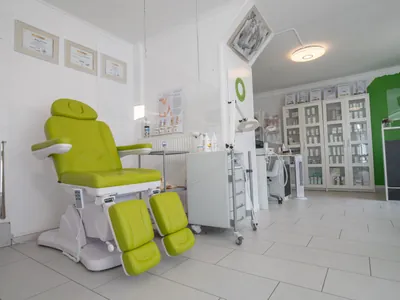
Clinic and medical centre cleaning
-
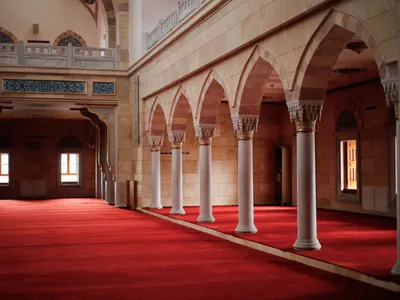
Mosque cleaning
-
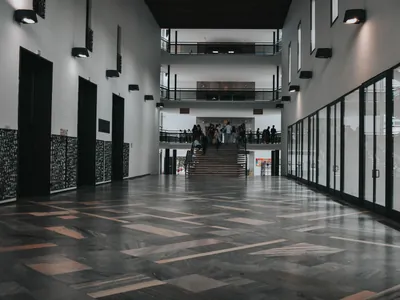
Government facility cleaning
-
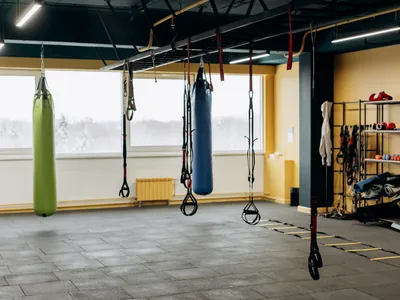
Gym cleaning
-
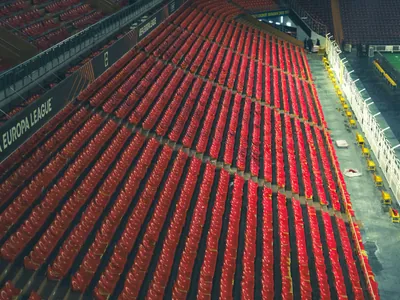
Sports field cleaning
-
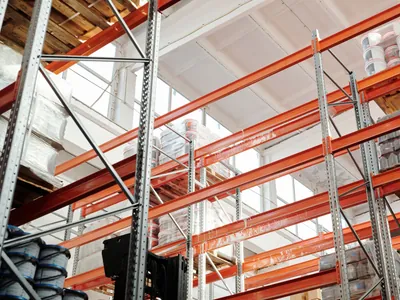
Factory and warehouse cleaning
-

Event cleaning
-
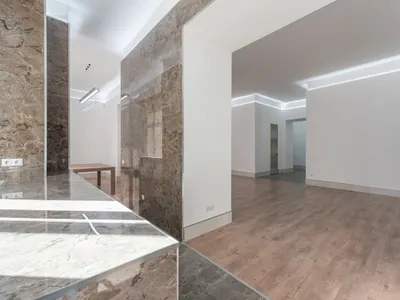
Commercial post-construction cleaning
-
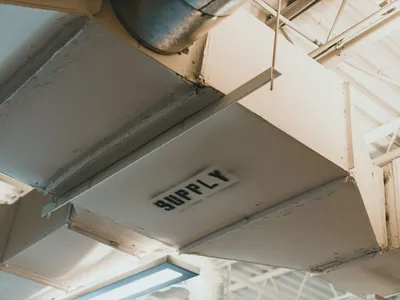
Air duct and AC cleaning
-
Commercial pest control