Raghwat Al Janoub Maintenance and Cleaning
Commercial pest control in Heet, Riyadh
Heet is a small village on Riyadh's southern edge held by one family on agricultural land, with storage sheds and livestock pens built for farm use rather than urban living. Pests here come from adjacent fields, livestock, and grain storage, so the species and entry points differ from typical city infestations.
Why monitoring beats a single spray
-

Protects your reputation
One insect seen in a dining room or hotel lobby is enough for a photo that spreads and stays.
-

Meets inspector requirements
A municipality or food inspector will ask for a pest control contract and a documented visit log.
-

Guards your stock
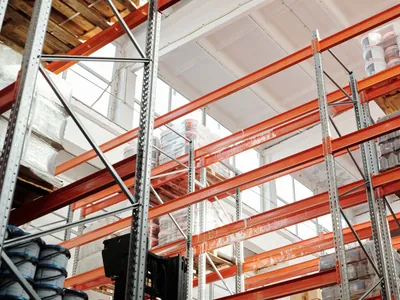
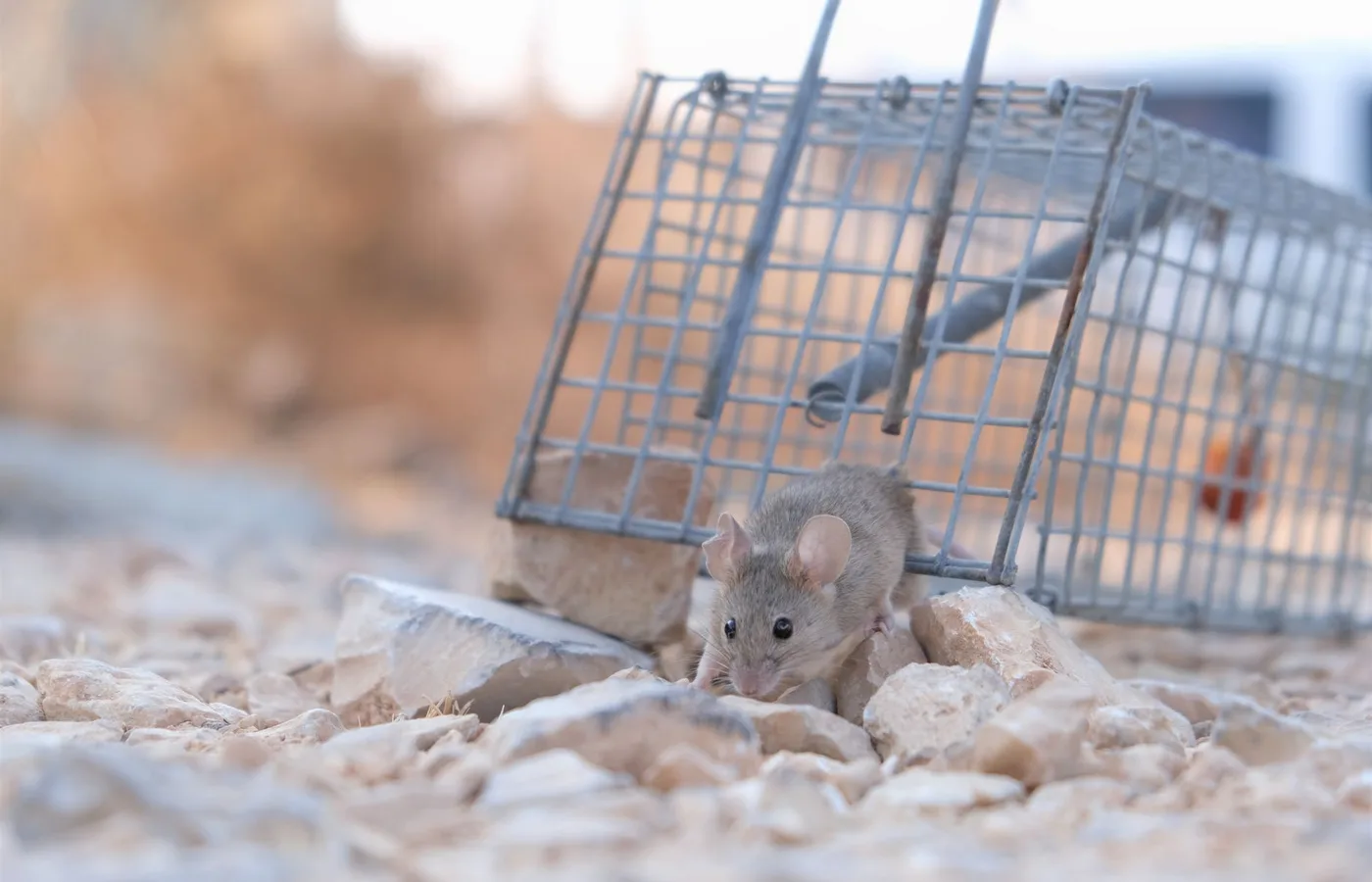
Rodents and stored-product insects chew bags and cartons and contaminate whatever sits nearby in a warehouse.
-

No shutdown required
We schedule visits outside peak hours and rely on bait in sealed stations rather than open spraying, so the kitchen stays open and staff stay put.
Why the job is different in Heet
In Heet we see storage pests and flies from livestock more than the household cockroaches and ants that dominate city infestations. The whole method is set out in the commercial pest control overview.
-
Grain stores and drying facilities
Heet's buildings contain grain silos, hay drying areas, and crop residue that attract storage beetles, moths, and multiple fly species in ways completely unlike household pests in Riyadh. These insects breed inside stored material and are harder to spot until numbers grow.
-
Livestock pens and the flies they generate
Livestock kept in adjacent pens means high populations of flesh flies and stable flies clustering around buildings, and these insects seek shelter and food inside storage areas and enclosed spaces where they can overwinter.
-
Isolation and seasonal pest entry from surrounding fields
Heet is ringed by open land and cultivated fields, so pests move into buildings seasonally seeking warm shelter, meaning prevention programmes here must shift with the year rather than staying constant year-round.
What's Included
Heet sits beside Khashm Heet hill near New Kharj Road close to Wadi Al Sulay, and its isolation from the city means a quick on-site spray is not enough without understanding where pests originate in the rural environment around it.
-

Site survey and a station map
Heet's storage areas contain pests that do not spread in the city, so the first inspection focuses on what type of storage is present and which insects already live in the material.
-

Permanent monitoring stations
Flies from livestock pens enter through the smallest gaps, so we choose sealing points carefully based on fly behaviour here and their movement patterns.
-
Entry points and gaps proofed
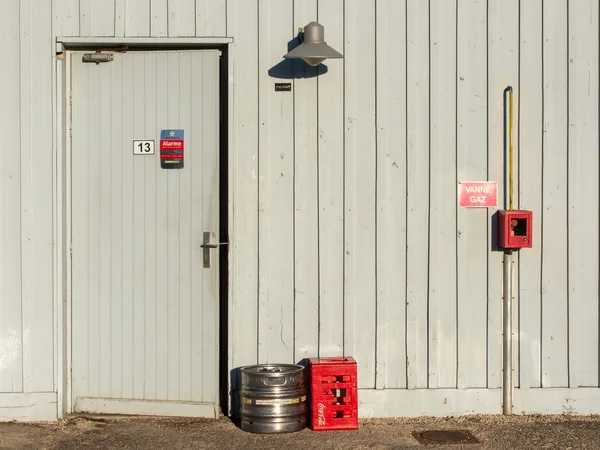
Chemical materials used must be safe for the agricultural setting and the feed and fertiliser present on the same site.
-

Visits on a fixed schedule
Preventive treatment starts just before winter because insects seek warmth and shelter in that season.
-

Products compatible with food handling
Regular programmes matter more than a single treatment because the rural environment continuously brings new pests from the surrounding fields.
-

A report after every visit
Seasonal assessment is necessary because pest types and numbers change between winter, summer, and harvest months.
The character of Heet
Rural area: farms, open ground and scattered homes
Heet is a small rural community on agricultural land, so its pests originate from livestock, storage, and fields rather than urban population density as in Riyadh.
How we work
Survey and inspect
Plan and fit stations
Recurring visits
Follow-up and reporting
Some of our work
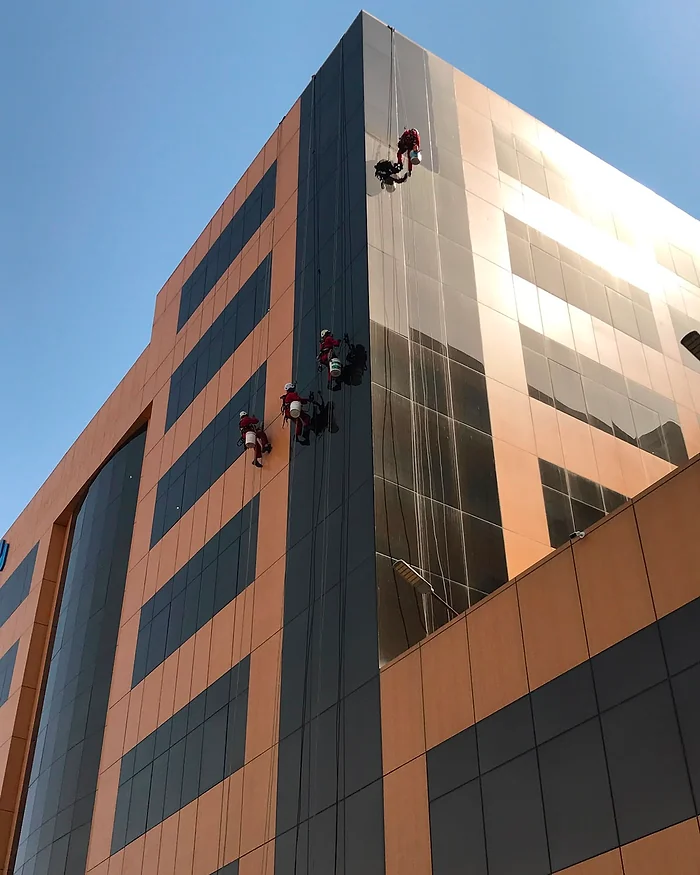
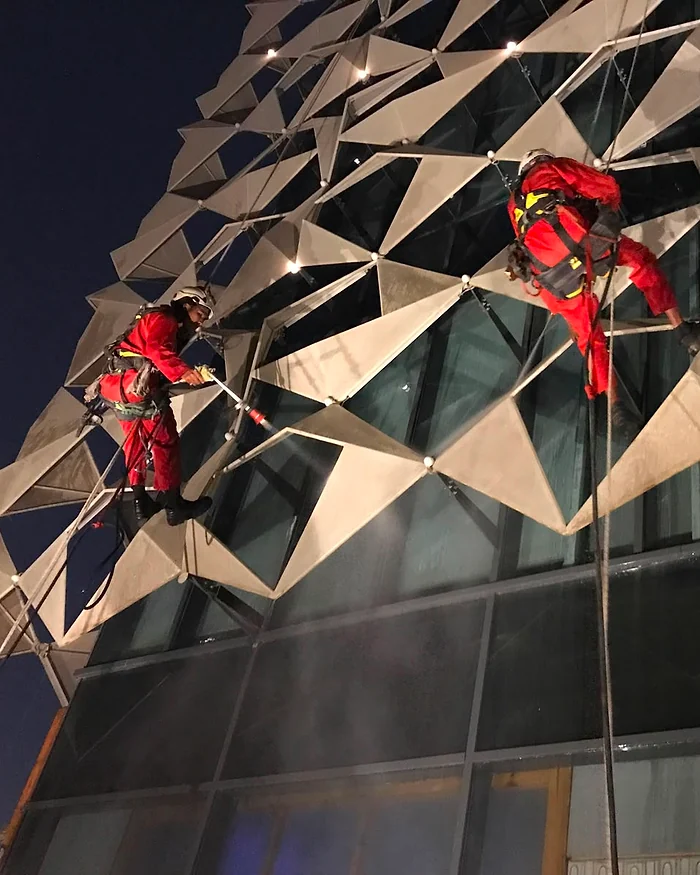
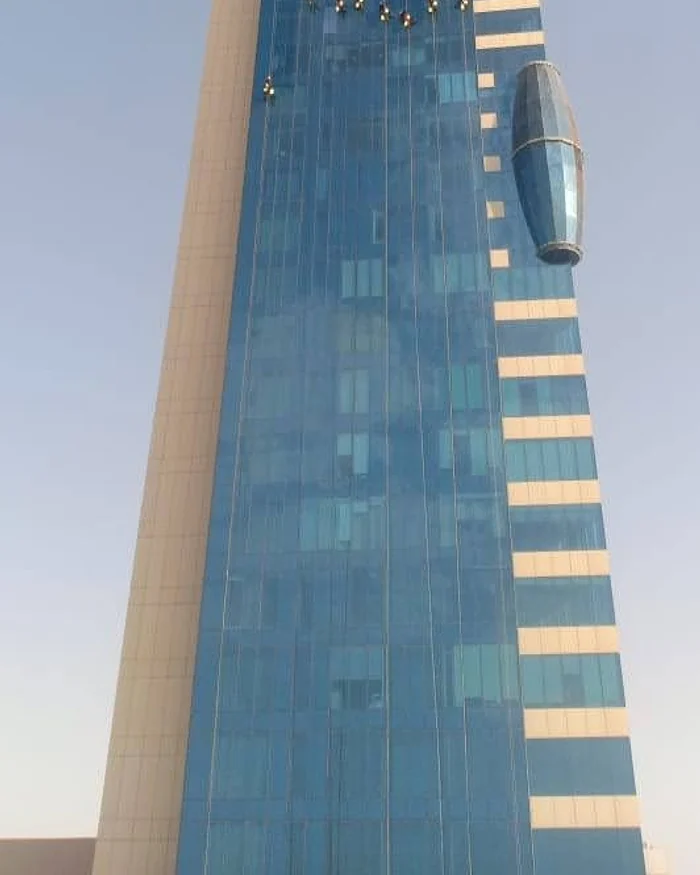
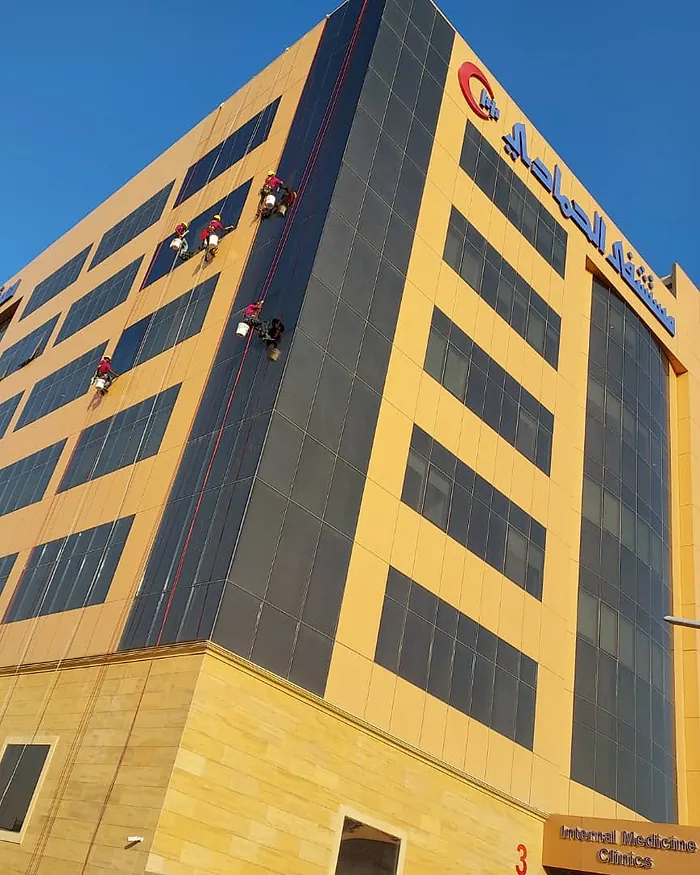
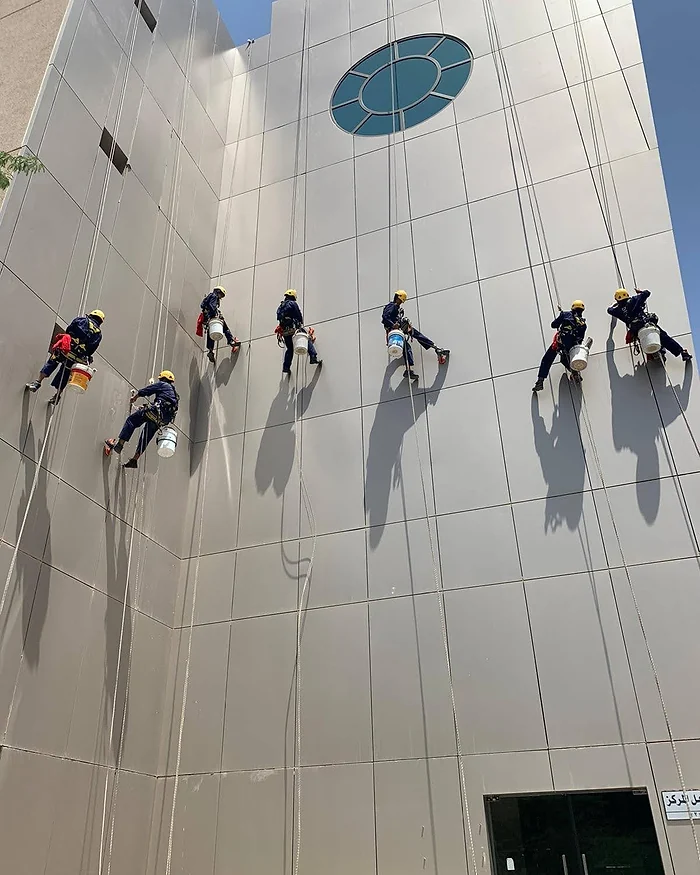
Photos from our team's work.

Landmarks of Heet
Scheduling in Heet revolves around Khashm Heet hill and New Kharj Road, so visits to storage areas and livestock pens are arranged to minimise travel between the scattered sites across the village.
- Khashm Heet hill
- New Kharj Road
- Wadi Al Sulay
Other services in Heet
The room and the building around it are on one list.