Raghwat Al Janoub Maintenance and Cleaning
Commercial pest control in Manfuhah, Riyadh
Manfuhah is an old, densely populated quarter in south Riyadh that keeps some heritage mud-brick buildings and crowded traditional markets, having grown from an ancient village. Pests here differ from new residential areas because heritage structures and markets draw multiple pest types, and tight quarters plus high moisture from surrounding wadis make spread rapid.
Why monitoring beats a single spray
-
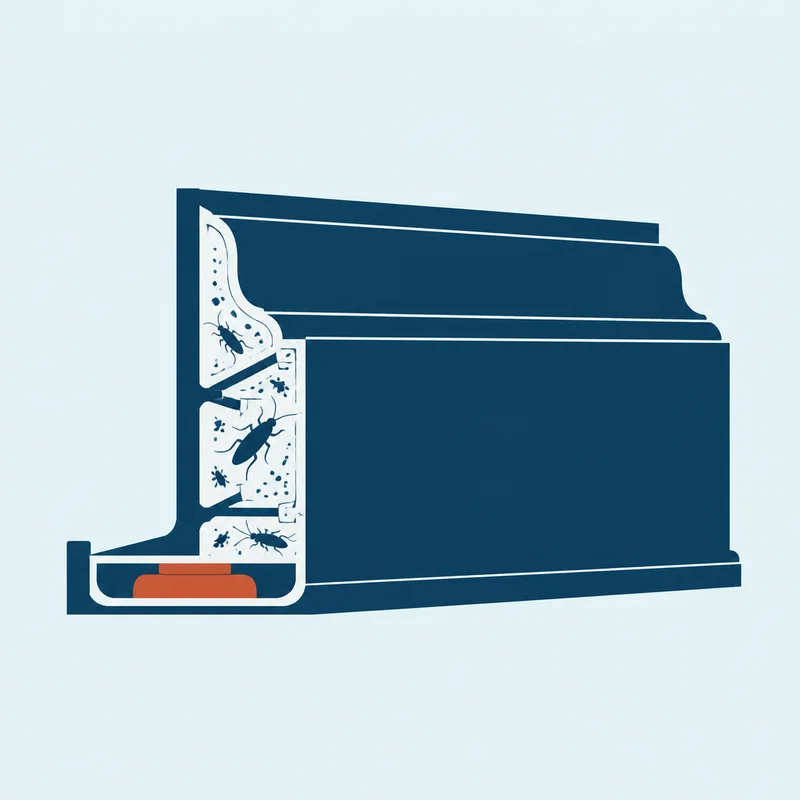
Protects your reputation
One insect seen in a dining room or hotel lobby is enough for a photo that spreads and stays.
-
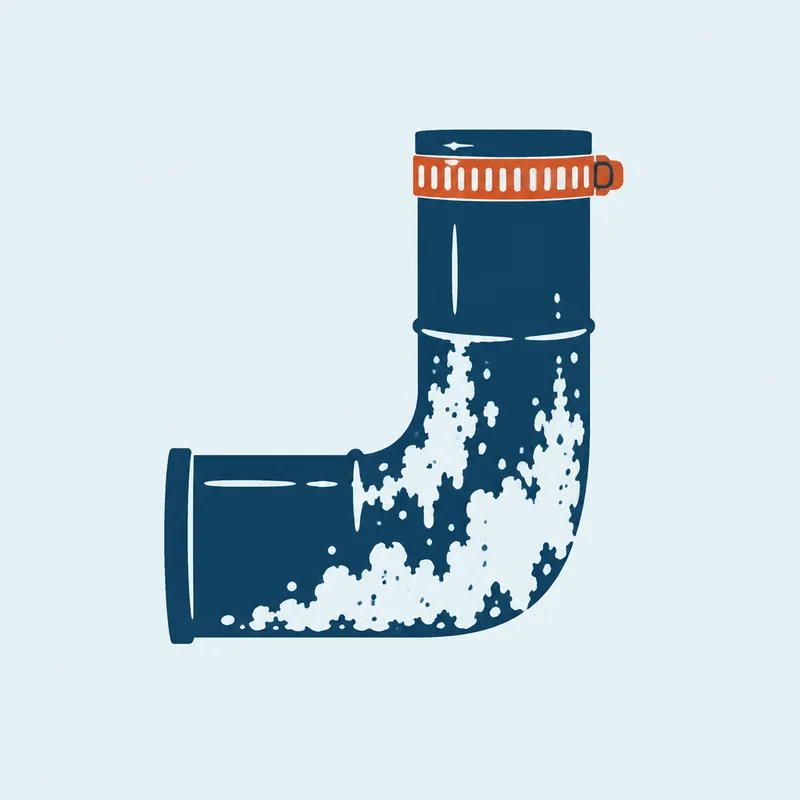
Meets inspector requirements
A municipality or food inspector will ask for a pest control contract and a documented visit log.
-

Guards your stock
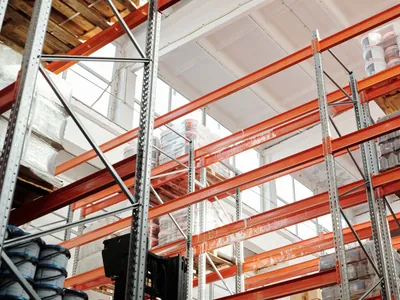
Rodents and stored-product insects chew bags and cartons and contaminate whatever sits nearby in a warehouse.
-

No shutdown required
We schedule visits outside peak hours and rely on bait in sealed stations rather than open spraying, so the kitchen stays open and staff stay put.
Why the job is different in Manfuhah
Manfuhah's heritage and older buildings contain large gaps and cracks offering natural pest shelter, and the crowded Al Haraj Market attracts food pests constantly. The whole method is set out in our notes on commercial pest control.
-
Mud-brick heritage buildings with natural gaps
Manfuhah's mud-brick structures are ancient, with wide natural gaps and cracks in the clay and plaster that offer perfect pest shelter. Chemical treatment alone is not enough without structural repair to the buildings themselves.
-
Crowded traditional markets packed with food and goods
Al Haraj Market and commercial areas in Manfuhah are traditional, crowded spaces stacked with goods and foodstuffs that draw food pests and rodents constantly. Density and structural cracks make pests spread fast from one shop to the next.
-
High moisture from surrounding wadis and groundwater
The wadis flanking Manfuhah to east and west raise soil moisture, and groundwater sits close to the surface, attracting moisture-loving pests like cockroaches and water insects to building foundations year-round.
What's Included
Manfuhah sits between Wadi Al Watar to the east and Wadi Hanifah to the west, and the high moisture and near-surface groundwater make water-loving pests spread faster through mud-brick and older structures.
-
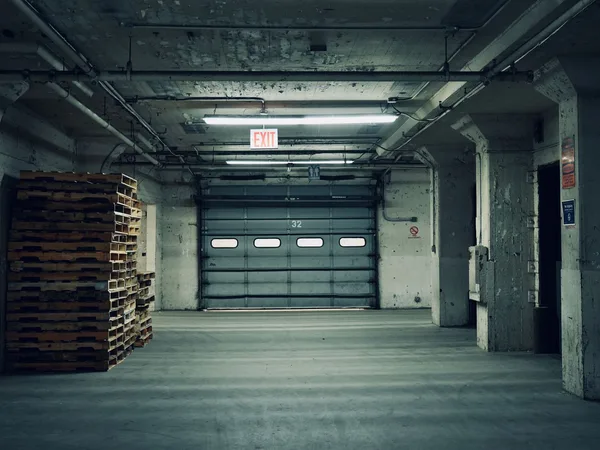
Site survey and a station map
Heritage mud-brick buildings need treatments safe for old construction, not harsh chemicals that damage clay and plaster.
-
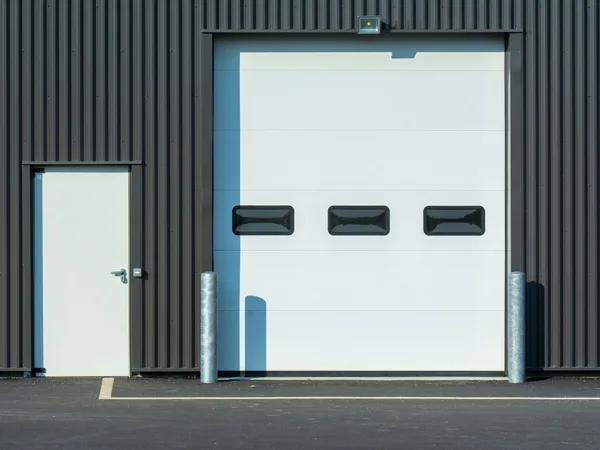
Permanent monitoring stations
Natural gaps in mud structures are sealed gradually using materials compatible with the original fabric.
-
Entry points and gaps proofed
High moisture from surrounding wadis and groundwater requires focused work on building foundations and lower zones.
-
Visits on a fixed schedule
Perimeter barriers cut off pest entry from markets and crowded adjacent areas.
-
Products compatible with food handling
A semi-annual programme maintains protection in a moist, old environment that continuously attracts pests.
-
A report after every visit
Regular monitoring catches new cracks in the mud structure and allows preventive repair work.
Manfuhah on the map
Manfuhah sits about 1 km from Al Masani and about 2 km from Manfuhah Al Jadidah.
Open in Google MapsHow we work
Survey and inspect
Plan and fit stations
Recurring visits
Follow-up and reporting
Some of our work
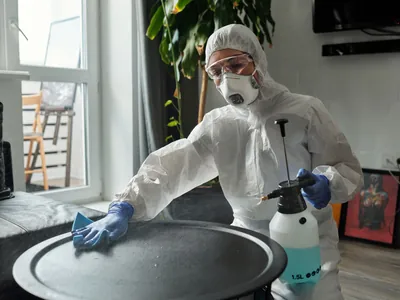
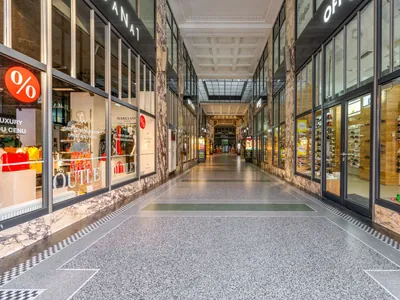
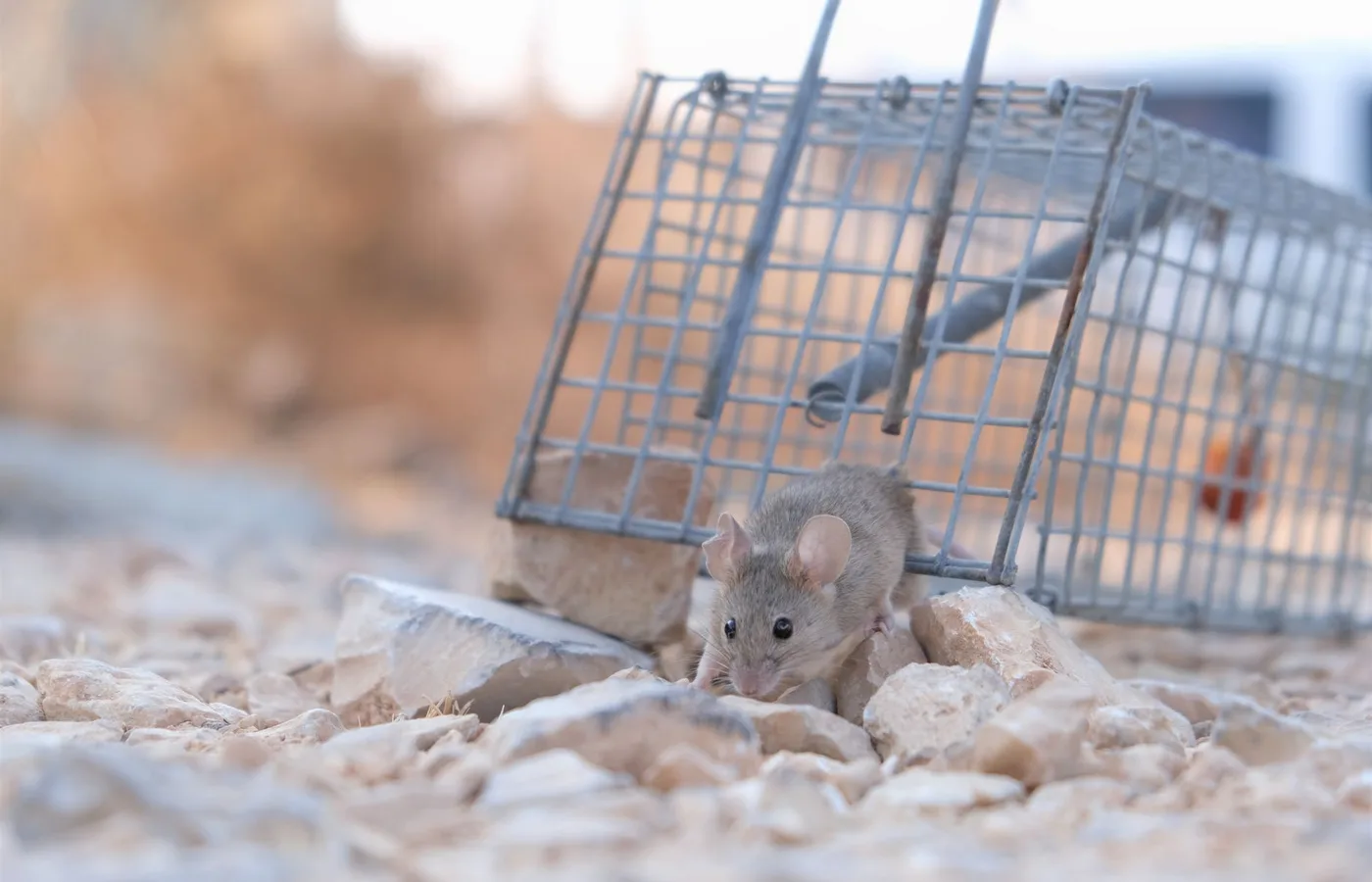
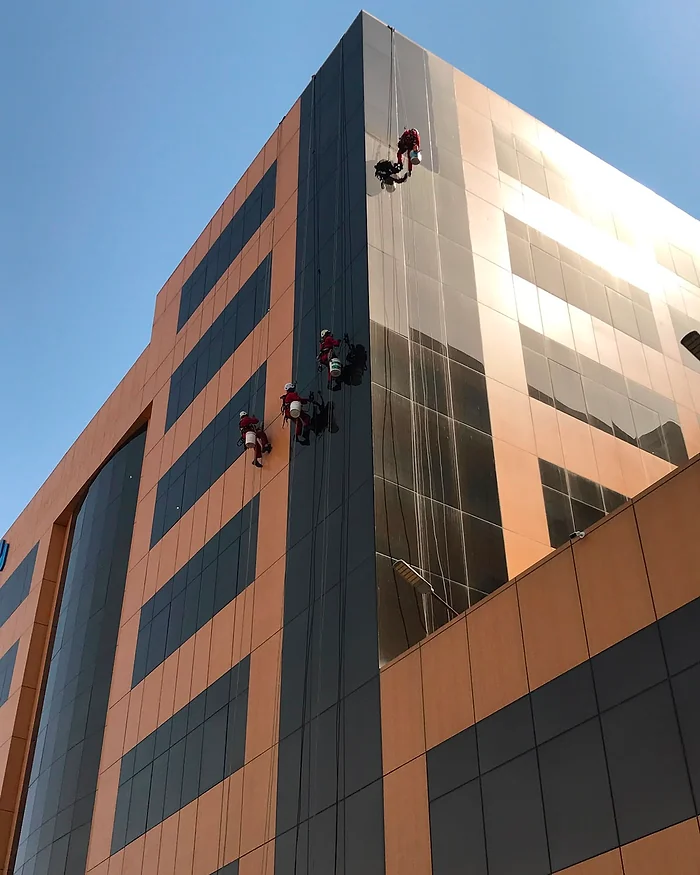
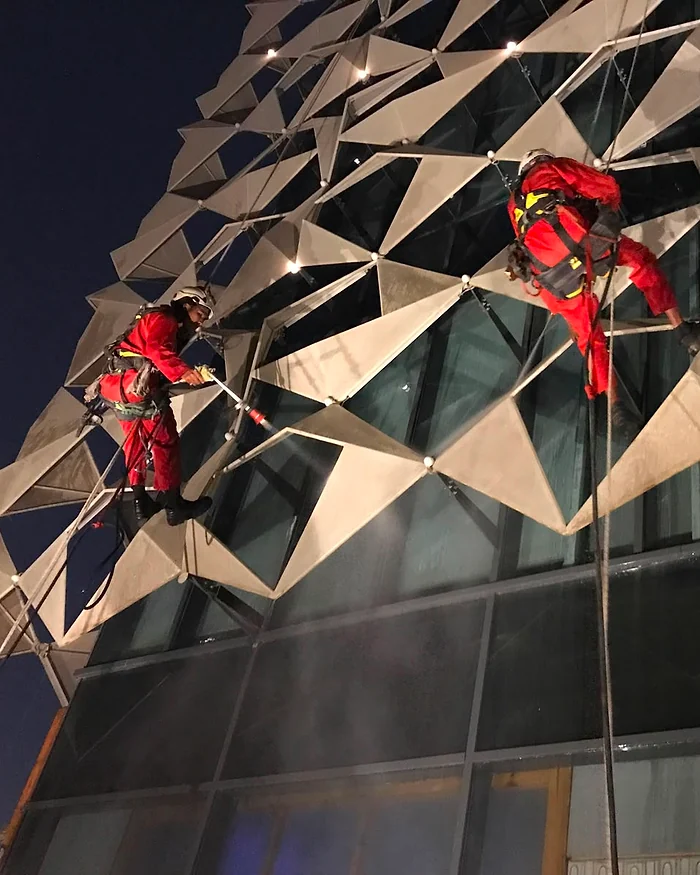
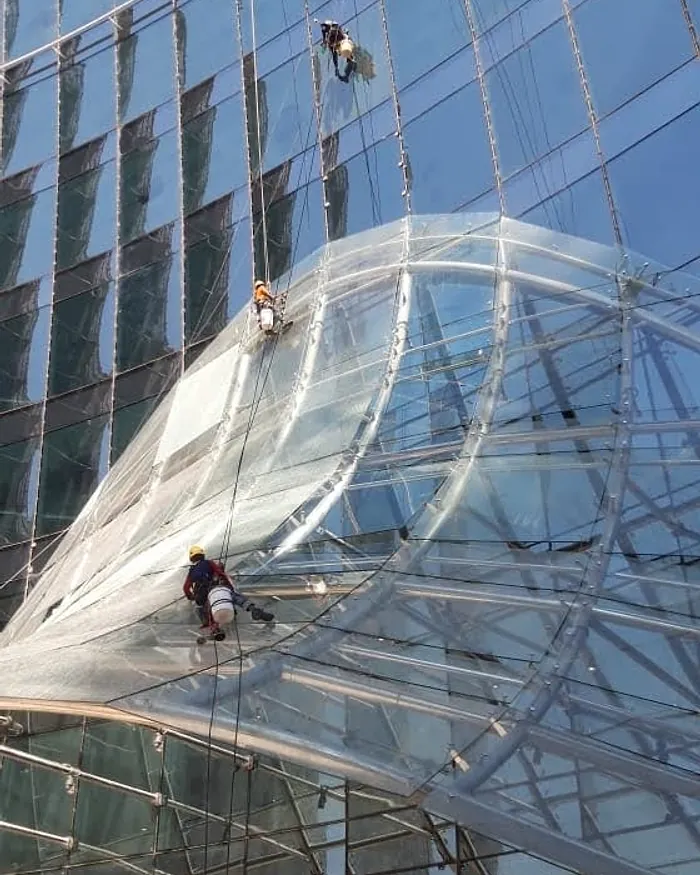
Photos from our team's work.
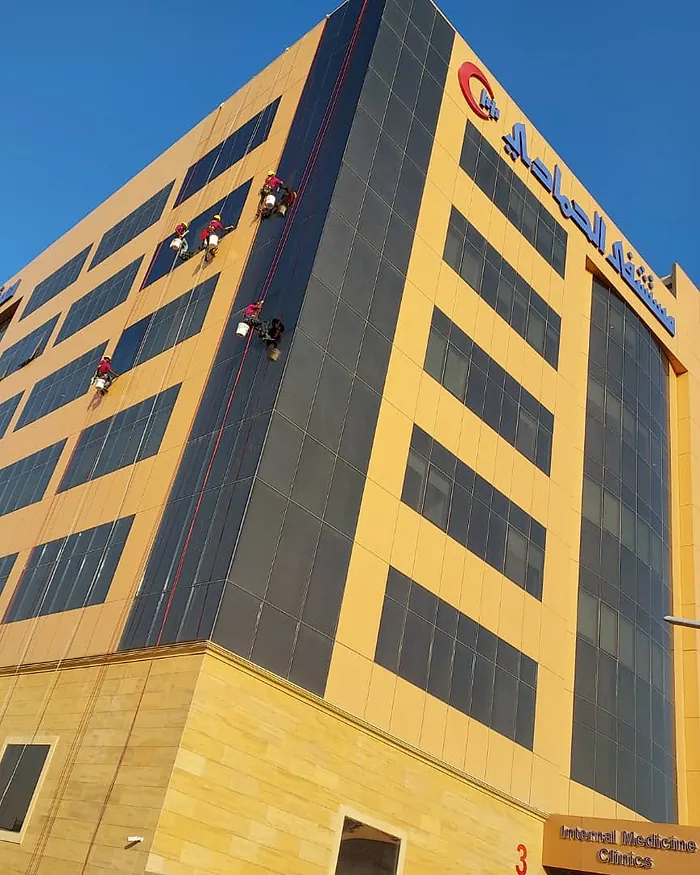
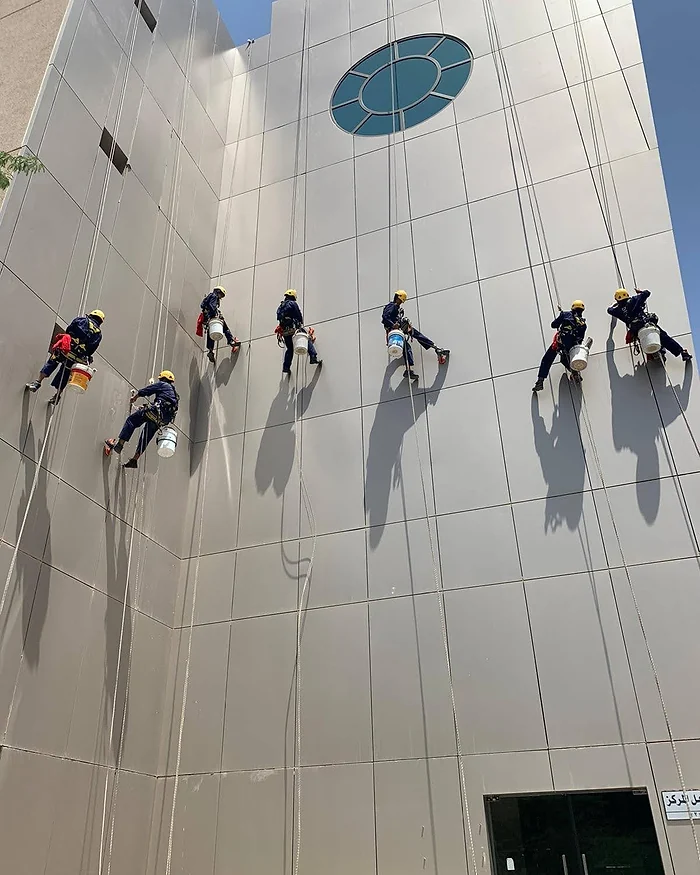
Landmarks of Manfuhah
Crews move through Manfuhah near Al Haraj Market, Al Asha Street and Manfouha Metro Station, scheduling around market hours and crowd patterns to cover market quarters and residential zones nearby.
- Al Haraj Market
- Al Asha Street
- Manfouha Metro Station
- Al Iman Hospital
Other services in Manfuhah
The room and the building around it are on one list.