Raghwat Al Janoub Maintenance and Cleaning
Commercial pest control in Sukairinah, Riyadh
Sukairinah began as a village beside Wadi Hanifah before expanding into mid-rise residential blocks, so apartments here face pest pressure from the wadi's surrounding environment that moves through building foundations and shared walls. The challenge is not just the number of units but the seasonal migration of insects from the open water and vegetation nearby.
Why monitoring beats a single spray
-

Protects your reputation
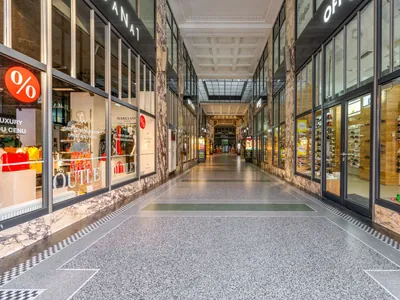
One insect seen in a dining room or hotel lobby is enough for a photo that spreads and stays.
-

Meets inspector requirements
A municipality or food inspector will ask for a pest control contract and a documented visit log.
-

Guards your stock
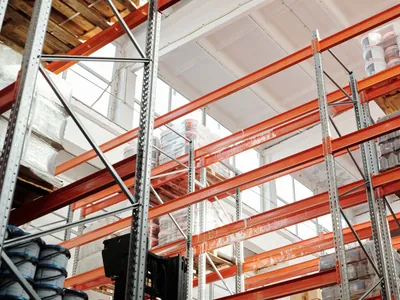
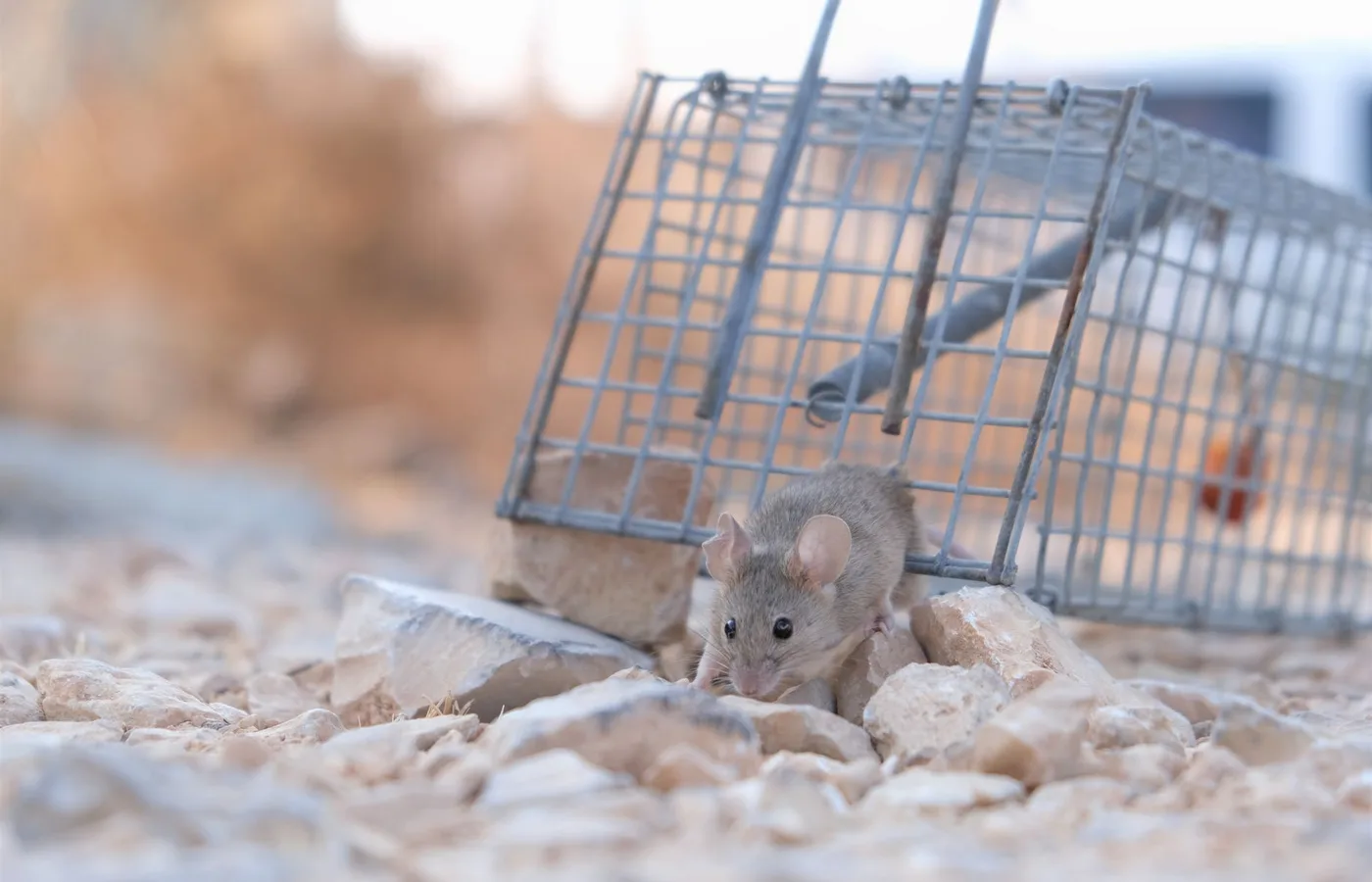
Rodents and stored-product insects chew bags and cartons and contaminate whatever sits nearby in a warehouse.
-

No shutdown required
We schedule visits outside peak hours and rely on bait in sealed stations rather than open spraying, so the kitchen stays open and staff stay put.
Why the job is different in Sukairinah
Sukairinah's residential buildings see stronger seasonal pest activity than districts far from wadis, particularly as rainfall season begins and seasonal shifts arrive. The whole method is set out in our commercial pest control guide.
-
Older buildings with wadi-exposed foundations
Sukairinah's residential blocks were not all built at the same time, so some are older than others and gaps between foundations, streets and channels below are wider than in newer districts. Insects reach ground floors and low apartments easily through these routes.
-
Wadi Hanifah as a seasonal insect source
When Wadi Hanifah flows or even when soil around its banks holds moisture, it becomes a breeding ground for mosquitoes, flies and other insects that spread through the southern and eastern buildings facing or bordering the wadi.
-
Ground-floor and low-level units see higher insect traffic
Residents in first-floor and ground-level flats in Sukairinah face more pest activity because insects prefer low-entry points and ground-level windows. Upper floors need protection too but see lighter pressure.
What's Included
Sukairinah sits between Wadi Hanifah and Al Bathaa Road, and closeness to the wadi means insects and rodents find natural pathways through soil and channels beneath the older, lower-density buildings here.
-
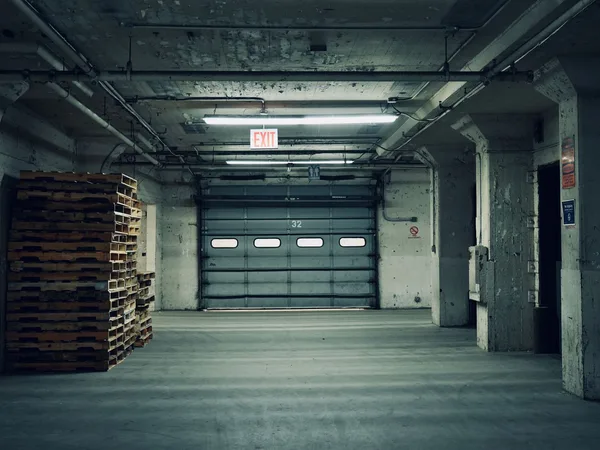
Site survey and a station map
Inspecting foundations and subsurface channels beneath Sukairinah's older buildings reveals wide cracks that serve as direct highways for insects from soil.
-
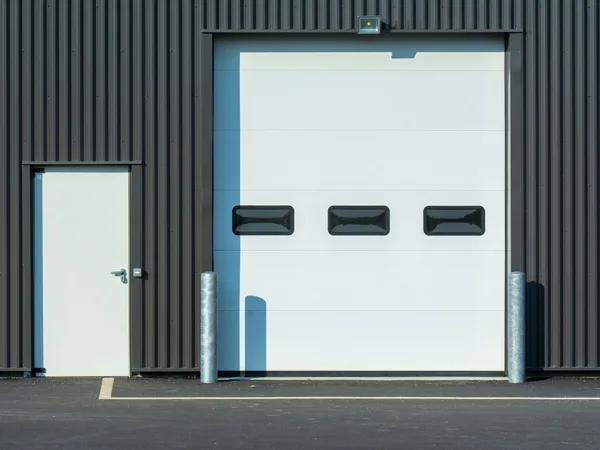
Permanent monitoring stations
Seasonal treatment intensifies as rainfall begins and mosquito and pest activity from the wadi climbs.
-
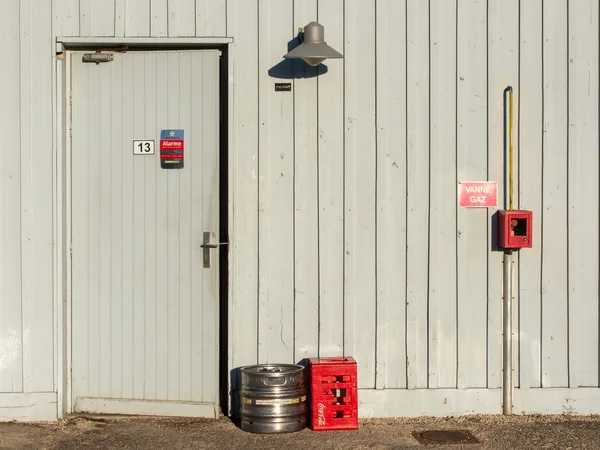
Entry points and gaps proofed
Ground and first-floor flats need concentrated application on lower walls, low windows and gaps under doors.
-

Visits on a fixed schedule
Follow-up visits are scheduled every three months because pest pressure in Sukairinah repeats predictably with seasonal change.
-
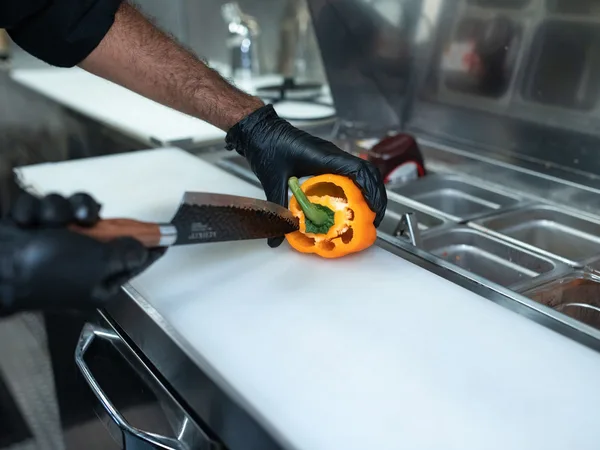
Products compatible with food handling
Treating shared areas, corridors and stairs is critical because these routes carry insects between units if not blocked.
-
A report after every visit
Treatment efficacy is tested before the crew leaves so residents see results immediately.
Sukairinah on the map
Sukairinah sits about 0.5 km from Al Butaiha and about 1 km from Al Wusaita.
Open in Google MapsHow we work
Survey and inspect
Plan and fit stations
Recurring visits
Follow-up and reporting
Some of our work
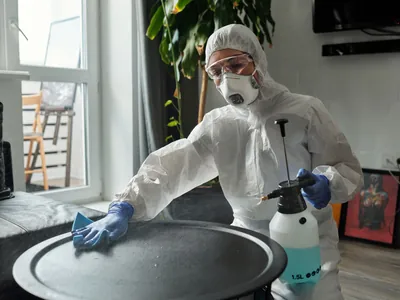
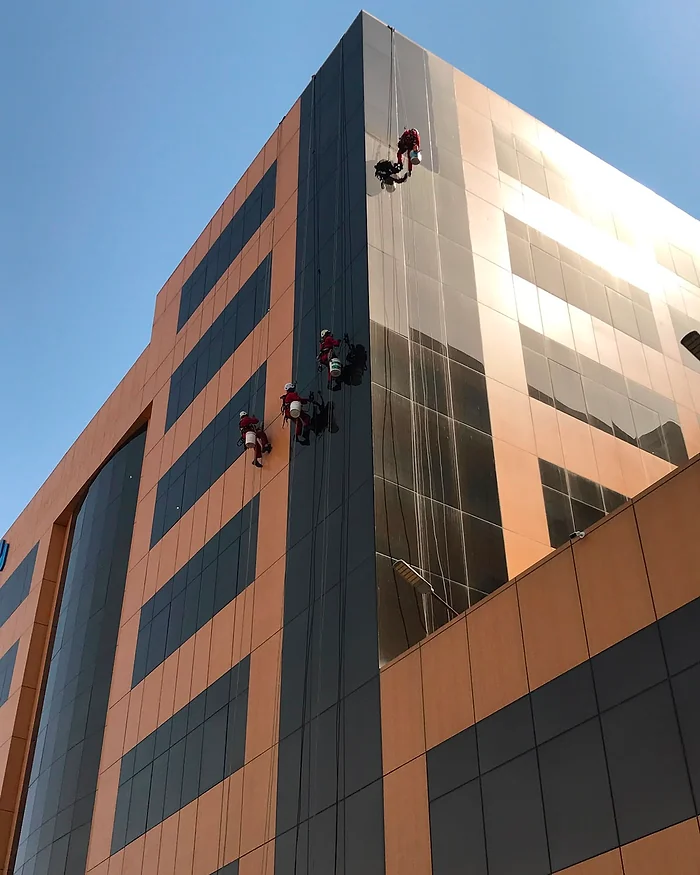
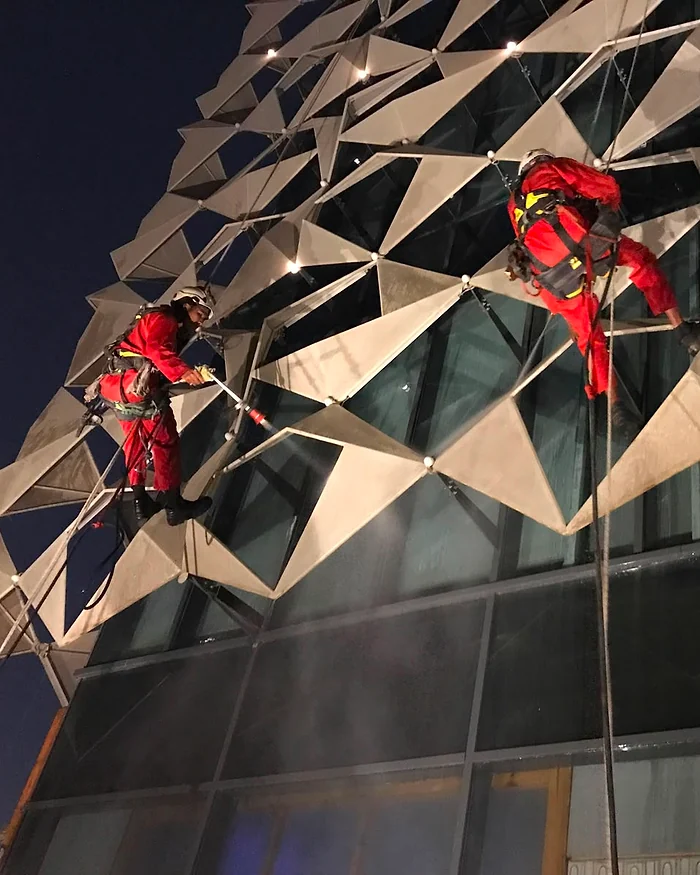
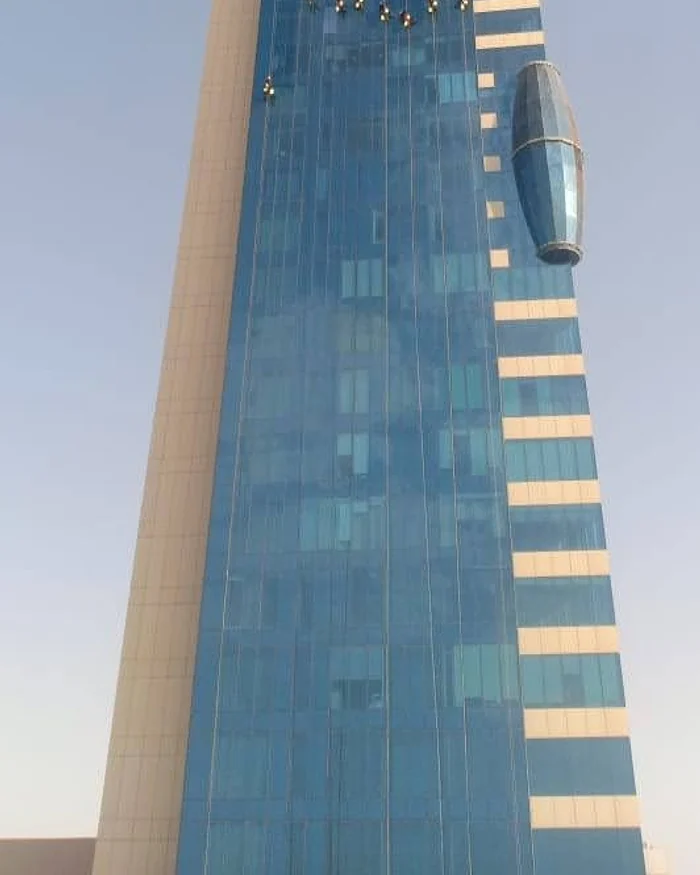
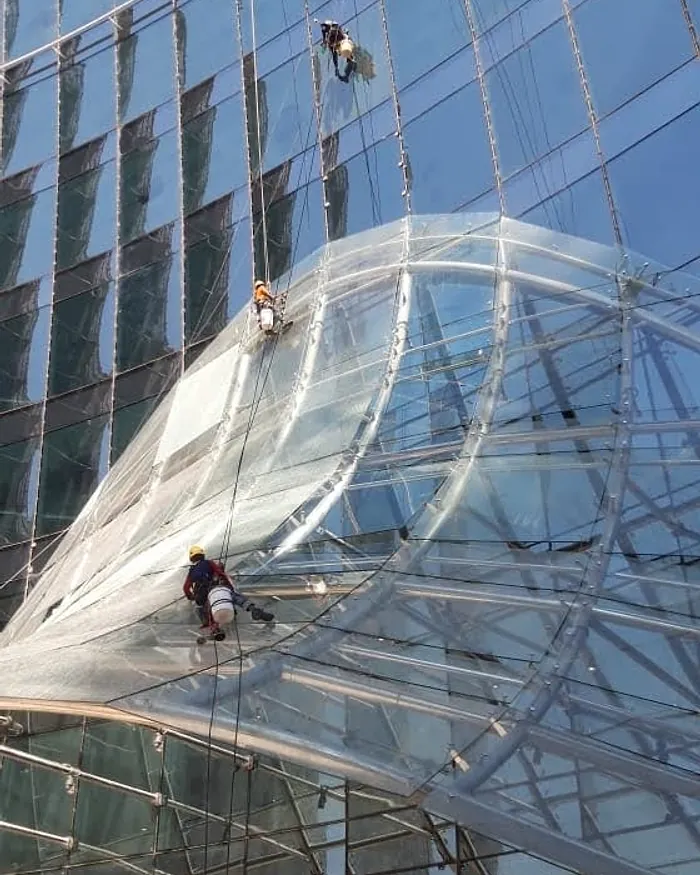
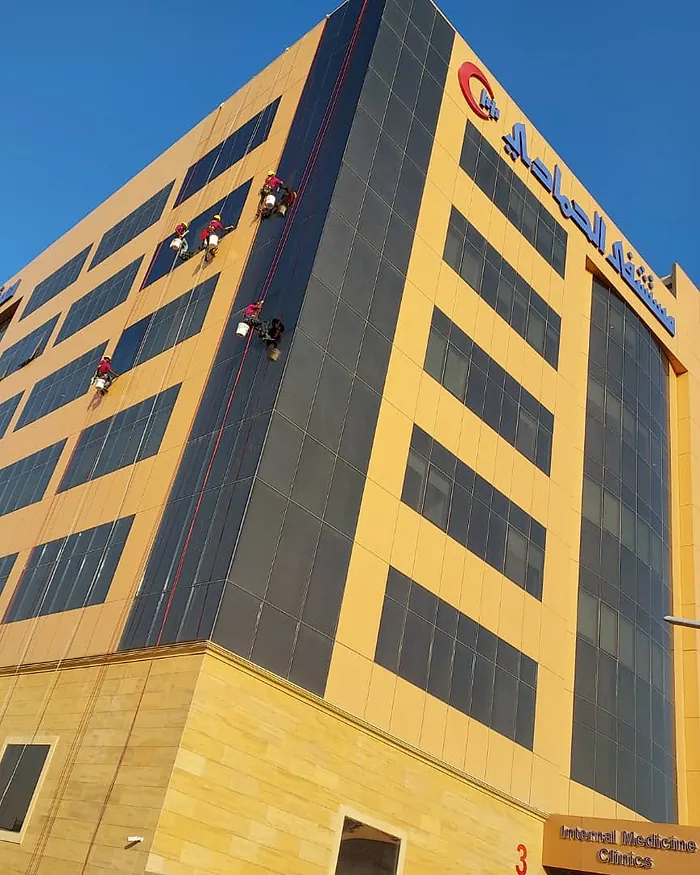
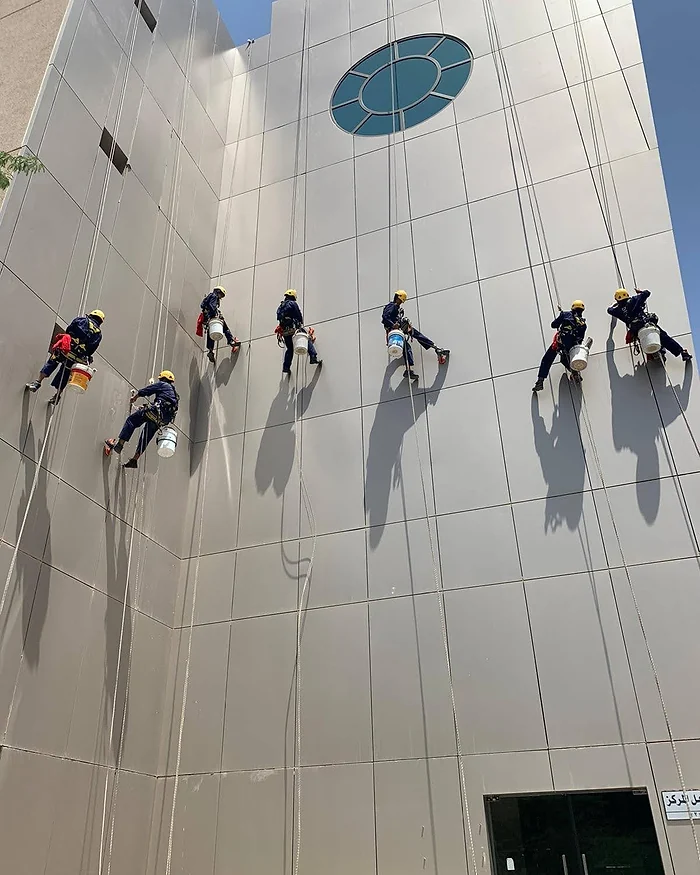
Photos from our team's work.
The character of Sukairinah
Apartment district: residential blocks, repeated floors and shared entrances
Sukairinah is a residential quarter of mid-rise apartment buildings relatively older than newer districts, so each unit needs a separate assessment based on its distance from the wadi and its floor height.
Other services in Sukairinah
The room and the building around it are on one list.