
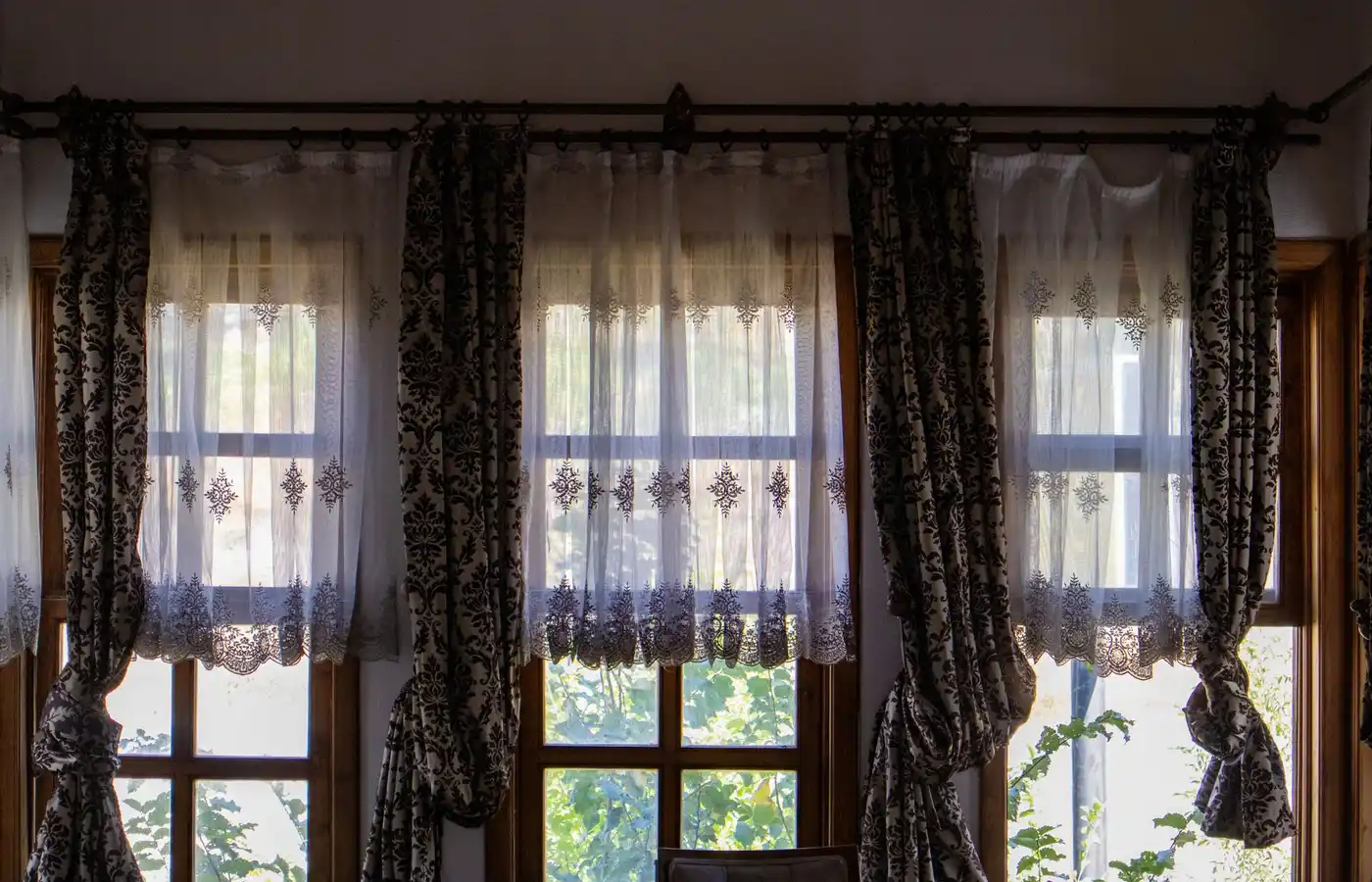
Raghwat Al Janoub Maintenance and Cleaning
Curtain cleaning in Al Amajiyah, Riyadh
Al Amajiyah is a rural district spread along the old and new Kharj roads, with large farms and open agricultural plots dotted with scattered homes. Curtains here carry soil dust and organic matter from the fields, and mineral-laden water from deep wells. The farming environment leaves a completely different mark than the city: humidity is higher, soil is heavier and bound to the weave, and smell comes from earth and growing things rather than traffic and industry.
Why curtains need proper cleaning
-

Cleaner air, fewer allergens
Curtains hold the dust that lifts every time you open a window or run the AC.
-
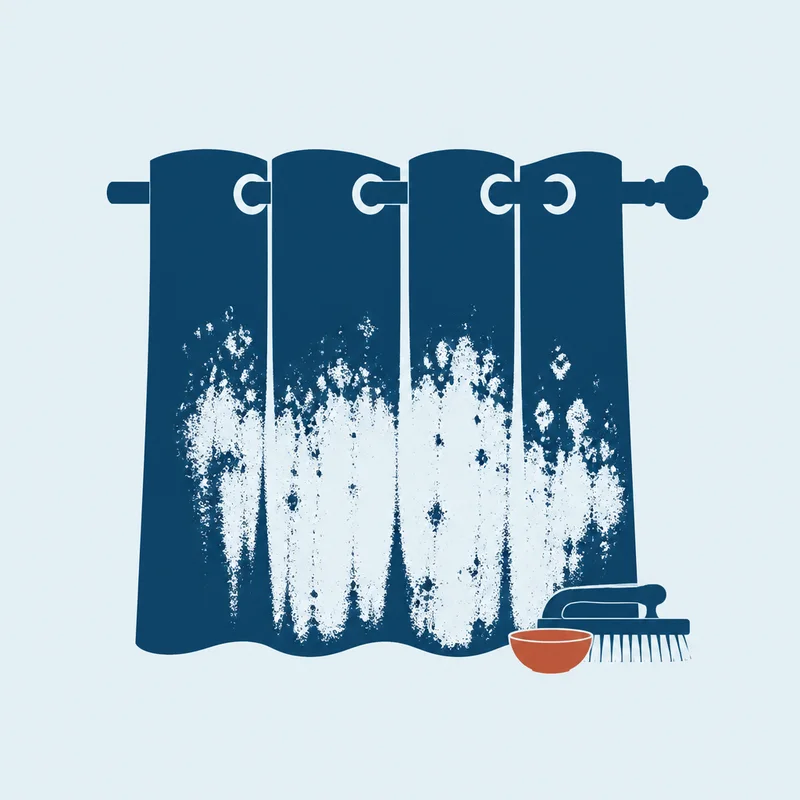
Fabric treated by its type
Velvet, sheer, blackout and cotton do not take the same water or heat, so we sort every piece before anything is cleaned.
-

We handle take-down and re-hang
You do not climb, unhook or worry about getting the curtains back in order.
-

Pressed pleats, a tidy hang
A clean curtain still looks wrong if it comes back creased or with its pleats collapsed.
Why the job is different in Al Amajiyah
Curtains in rural homes carry tangible moisture even in summer. The smell of water, soil and organic matter penetrates deep into the fabric and stays trapped no matter how often air passes through. The whole method is set out in the details of our curtain cleaning service.
-
Soil dust and organic matter from surrounding farms and fields
The farms nearby release particles of earth, organic matter and plant debris. These particles are heavy, sticky and carry deep organic smell. Curtains trap them like a large filter. Standard washing does not shift these smells easily because they are woven into the fibre itself.
-
High humidity from deep well water and irrigation channels
Groundwater from deep wells raises moisture levels in the area continuously. This water carries dissolved minerals and salts. Curtains absorb this moisture quickly and dry very slowly. Pressing becomes difficult and smell returns fast.
-
Scattered homes mean no cross ventilation between windows
Homes in Al Amajiyah are far apart, so each sits isolated from open air flow. Windows stay shut for long periods to block moisture and insects. Curtains remain in still air, so smell and damp settle deep even if one window opens.
What's Included
The district extends along both Kharj roads, surrounded by large agricultural plots, open fields and irrigated land. Agricultural water spreads from wells and channels everywhere, and the soil stays damp for most of the year.
-
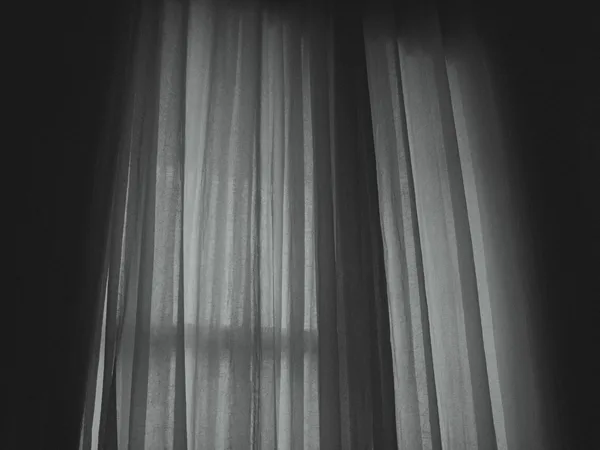
Careful take-down, numbered
Rural curtains are taken down with clear numbering because some homes take longer to reach. Numbering prevents mix ups on return.
-
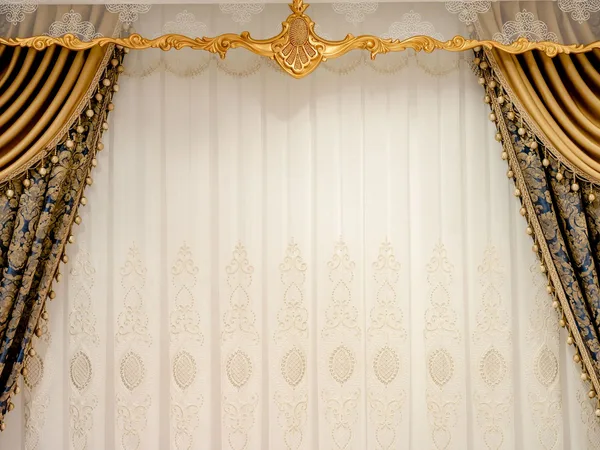
Sorted by fabric type
Sorting follows how close each curtain hangs to fields and farms. Curtains near irrigated plots are separated from interior sets.
-
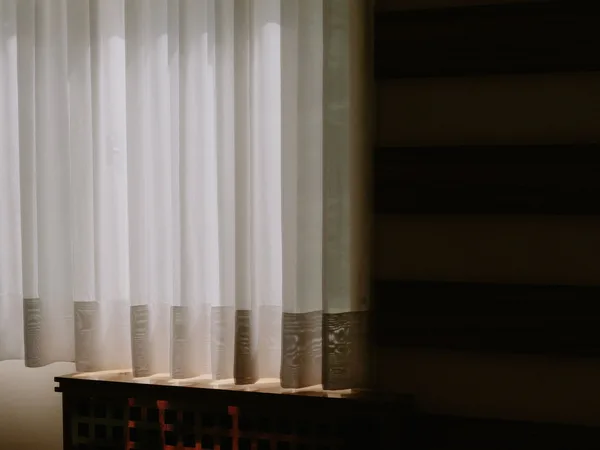
Wash or dry-clean by type
Washing uses extra stages: an initial soak to break deep soil, specialist washing, then repeated rinses to shift smells.
-
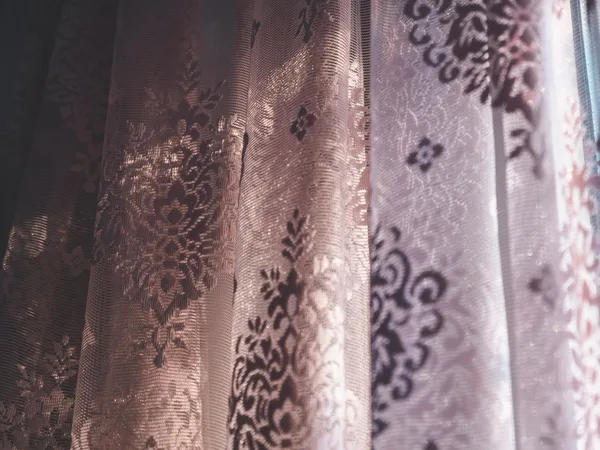
Rails and tracks cleaned
Rails and brackets may be corroded or broken from high humidity. They are cleaned and checked carefully before curtains are re-hung.
-

Pressing and re-forming the pleats
Pressing is slow because cloth may stay damp after initial drying. Heat is gentle and monitoring close throughout.
-
Re-hung exactly where it was
Curtains are returned to their marked positions, and final checks include inspection of rails and all fittings.
The character of Al Amajiyah
Rural area: farms, open ground and scattered homes
Rural area status means curtains receive organic soil from farms and deep well minerals instead of metal dust from traffic. Continuously high humidity stretches washing and drying time, and calls for repeat cleaning cycles rather than single cleans with long gaps between them.
How we work
Contact and survey
Take down and sort
Clean and press
Re-hang and hand over
Some of our work
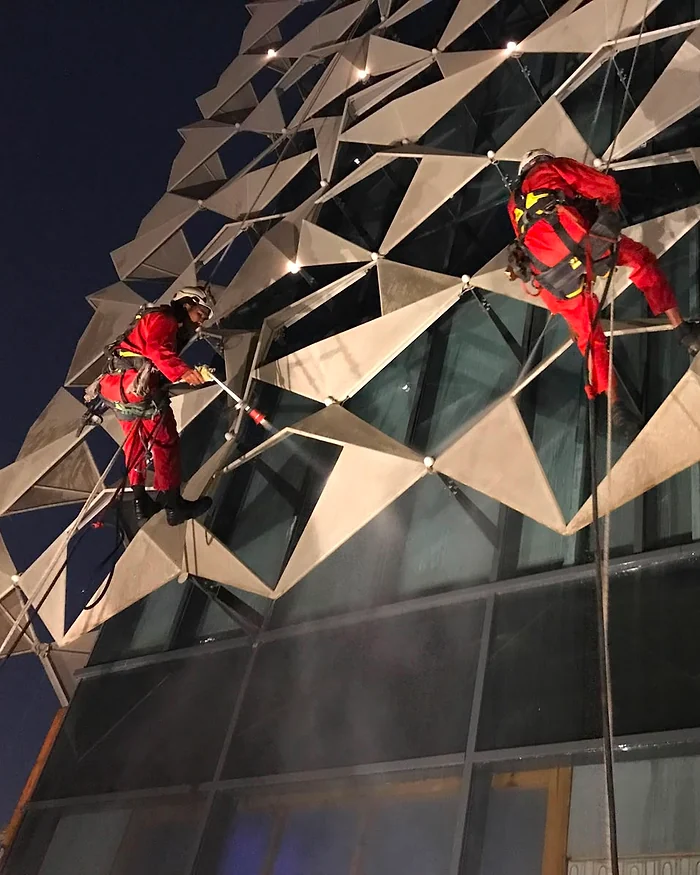
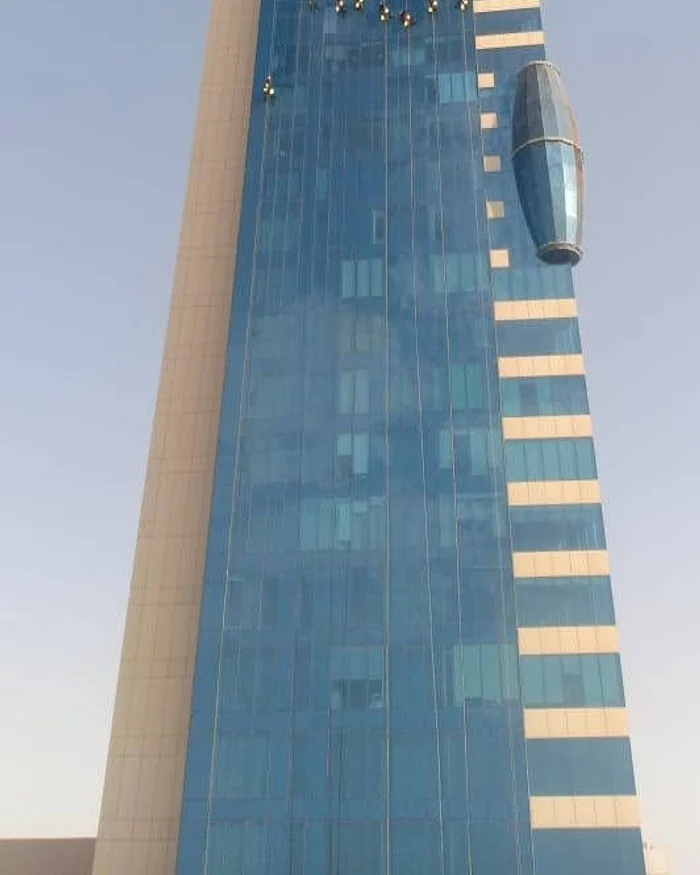
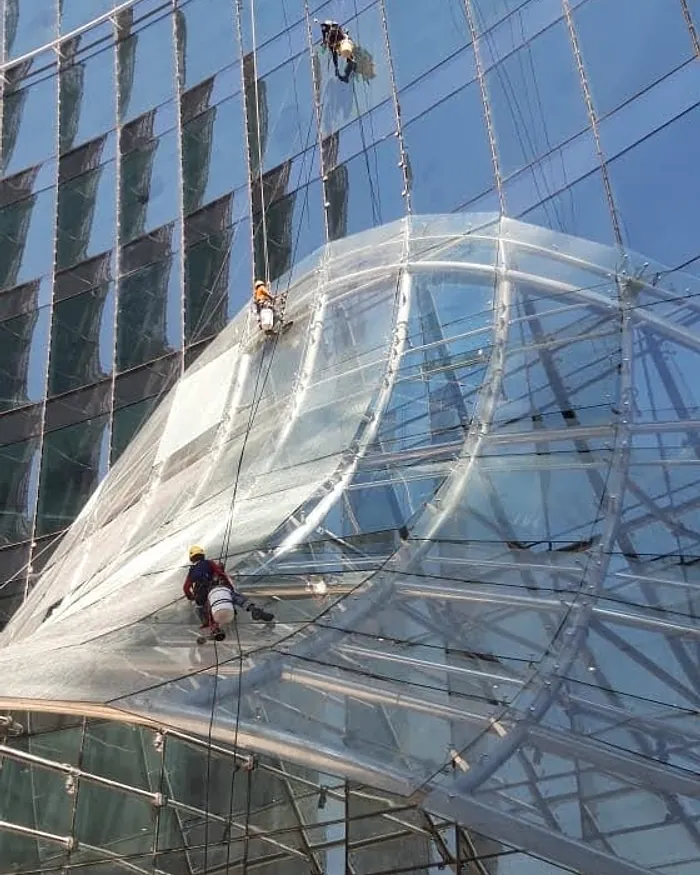
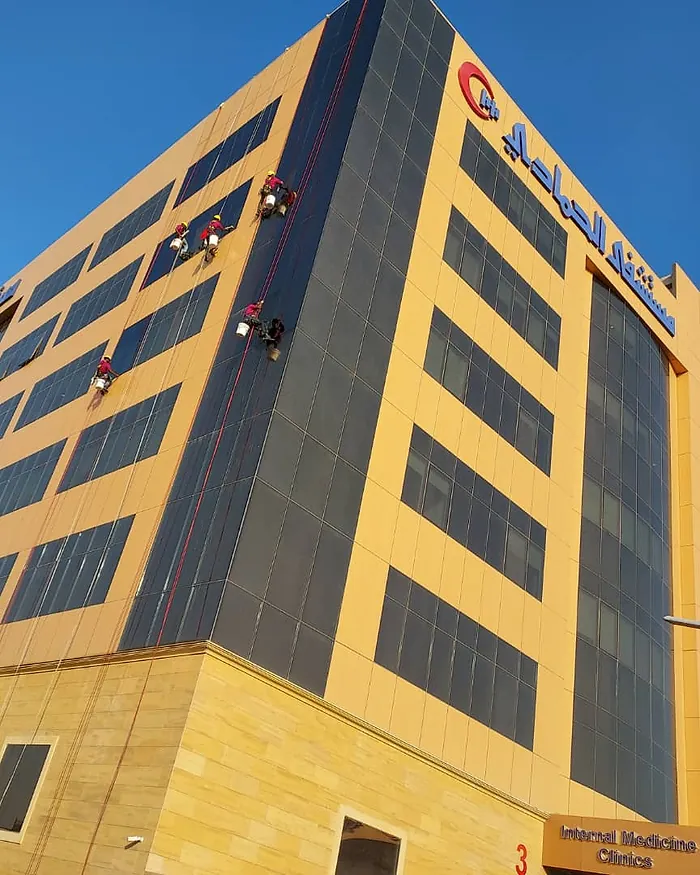
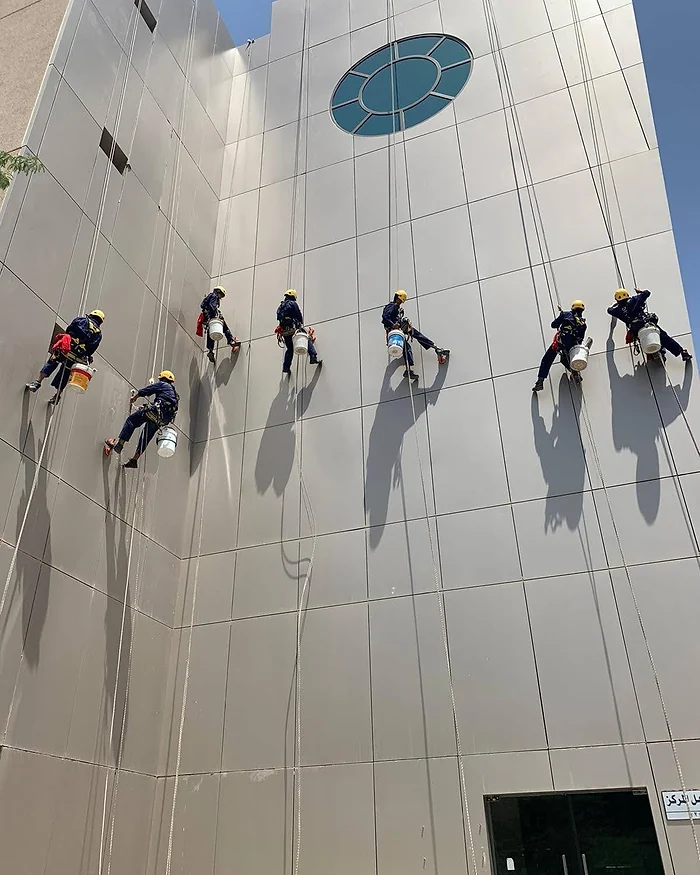
Photos from our team's work.
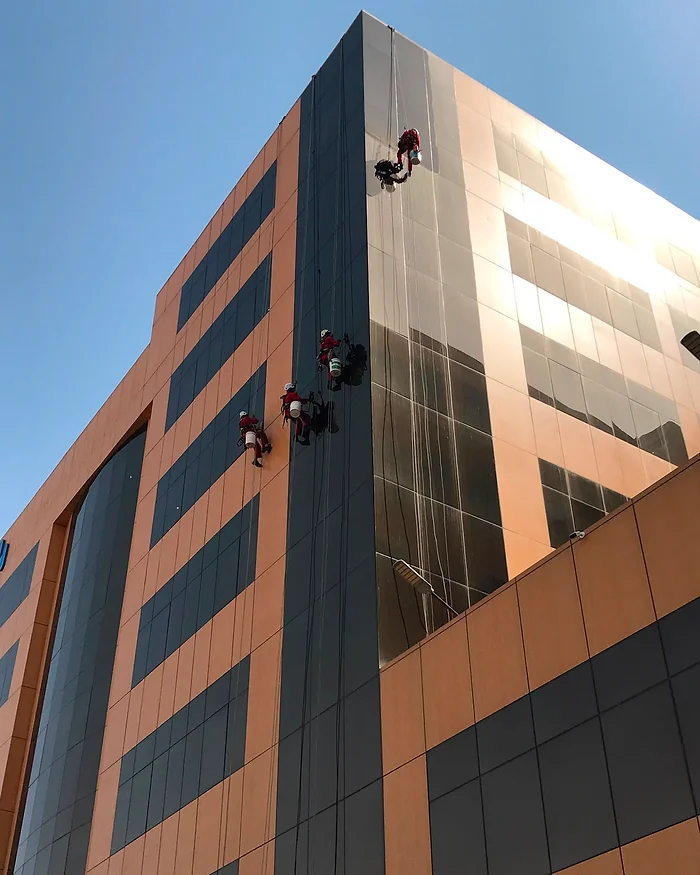
Landmarks of Al Amajiyah
In Al Amajiyah along the old and new Kharj roads, farms and fields surround Al Yamamah Lake chalets on one side and the Watani Steel plant on the other. We reach scattered homes via these main routes, and careful numbering ensures every curtain returns to its own home correctly.
- Old Kharj Road
- New Kharj Road
- Al Yamamah Lake chalets
- Watani Steel plant
Other services in Al Amajiyah
The room and the building around it are on one list.
-
Sofa cleaning
-
Carpet and rug cleaning
-
Chandelier cleaning
-
House cleaning
-

Mattress cleaning
-
Apartment cleaning
-
Villa cleaning
-
Majlis and rest-house cleaning
-
Chalet cleaning
-
Yacht cleaning
-
Kitchen cleaning
-
Bathroom cleaning
-
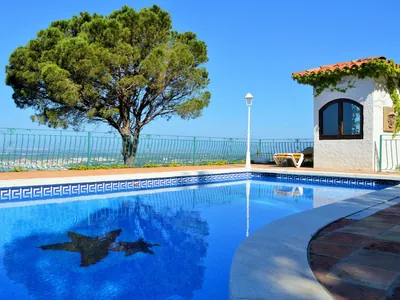
Swimming pool cleaning
-
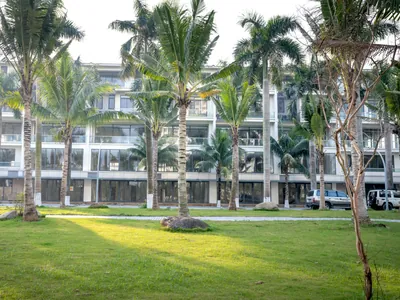
Garden clearance
-
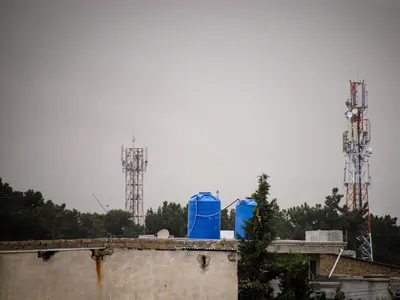
Water tank cleaning and disinfection
-
Water tank waterproofing
-
Deep cleaning
-

Move-in and move-out cleaning
-
Post-construction cleaning
-
Disinfection and sanitisation
-
Pest control
-
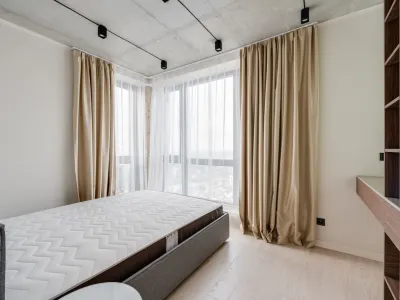
Bed bug control
-

Office cleaning
-
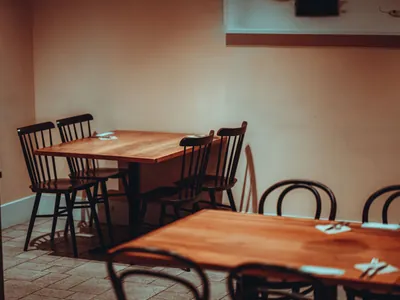
Restaurant cleaning
-
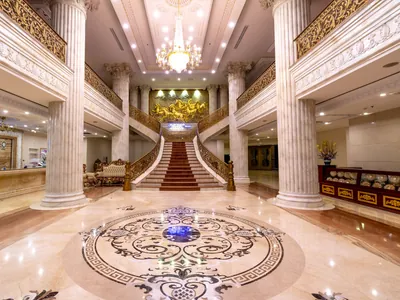
Hotel and resort cleaning
-
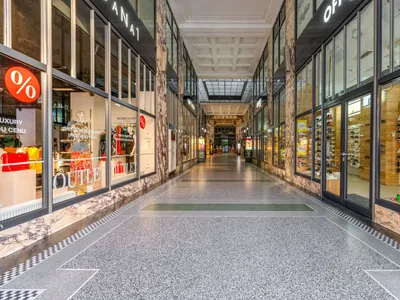
Shopping mall cleaning
-

Retail shop cleaning
-
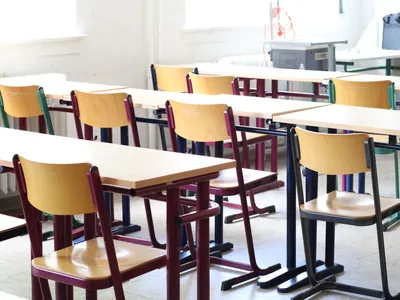
School cleaning
-

Nursery and kindergarten cleaning
-
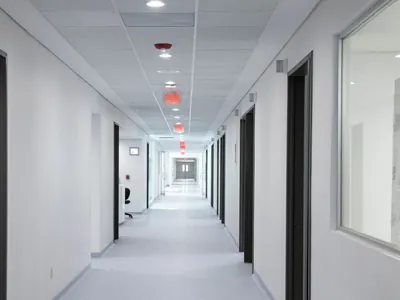
Hospital cleaning
-
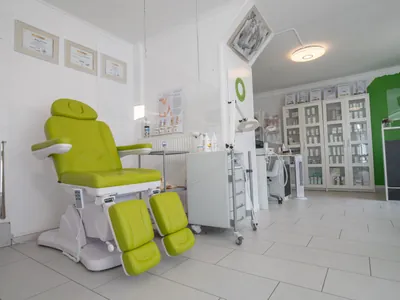
Clinic and medical centre cleaning
-
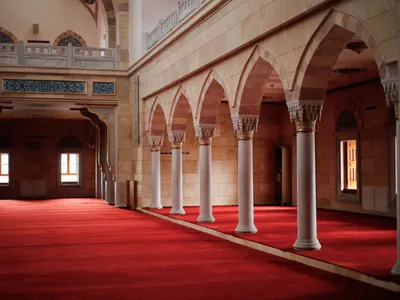
Mosque cleaning
-
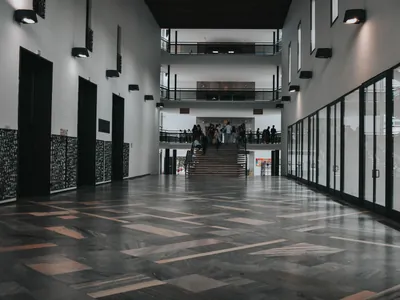
Government facility cleaning
-
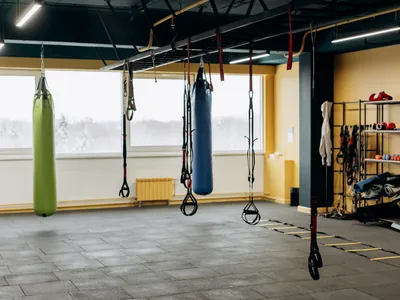
Gym cleaning
-
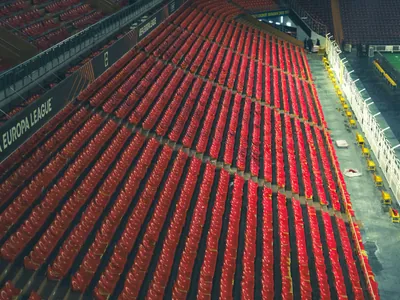
Sports field cleaning
-
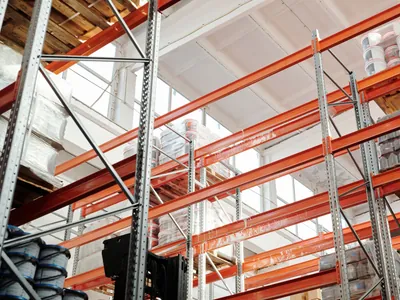
Factory and warehouse cleaning
-

Event cleaning
-
Commercial post-construction cleaning
-
Air duct and AC cleaning
-
Commercial pest control