
Raghwat Al Janoub Maintenance and Cleaning
Deep cleaning in Al Difa, Riyadh
Al Difa operates on an industrial schedule. Heavy trucks and workshops release fine metal dust that settles on every surface and penetrates fabric and crevices. Routine cleaning wipes the top layer only, but deposits remain stacked in corners, gaps and filters throughout the home. The work here differs fundamentally from residential areas because what needs removing sits deeper and sticks harder.
Why a surface wipe is not enough
-
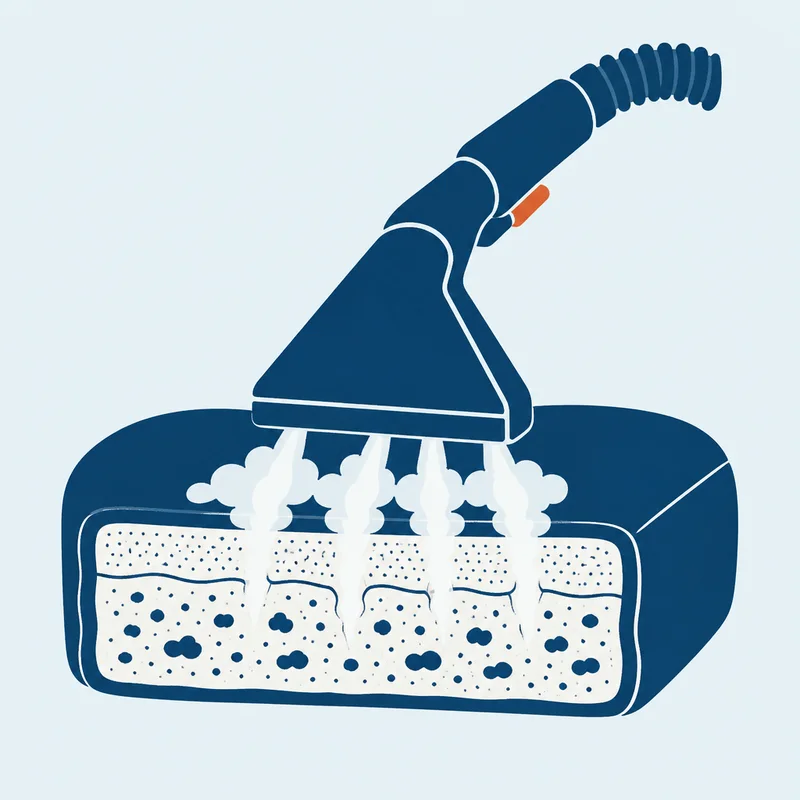
Cleaning that reaches the padding
We clean sofas and mattresses in the way that suits each piece, so the clean goes down into the padding, not just across the top.
-
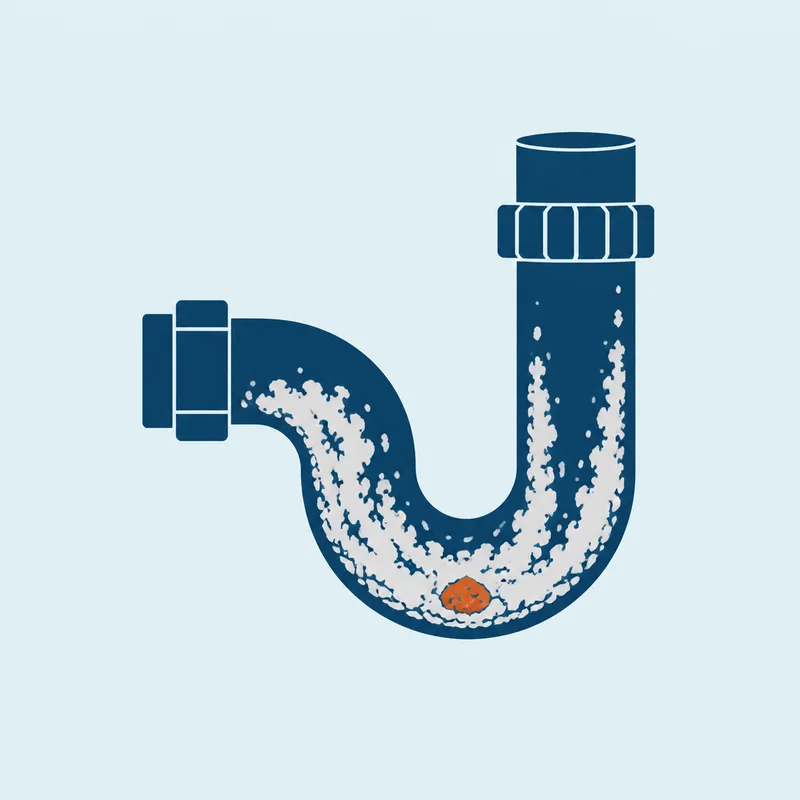
An order that avoids re-soiling
We work top-down and dry-to-wet, so dust from the ceiling never lands on a floor we have just finished.
-
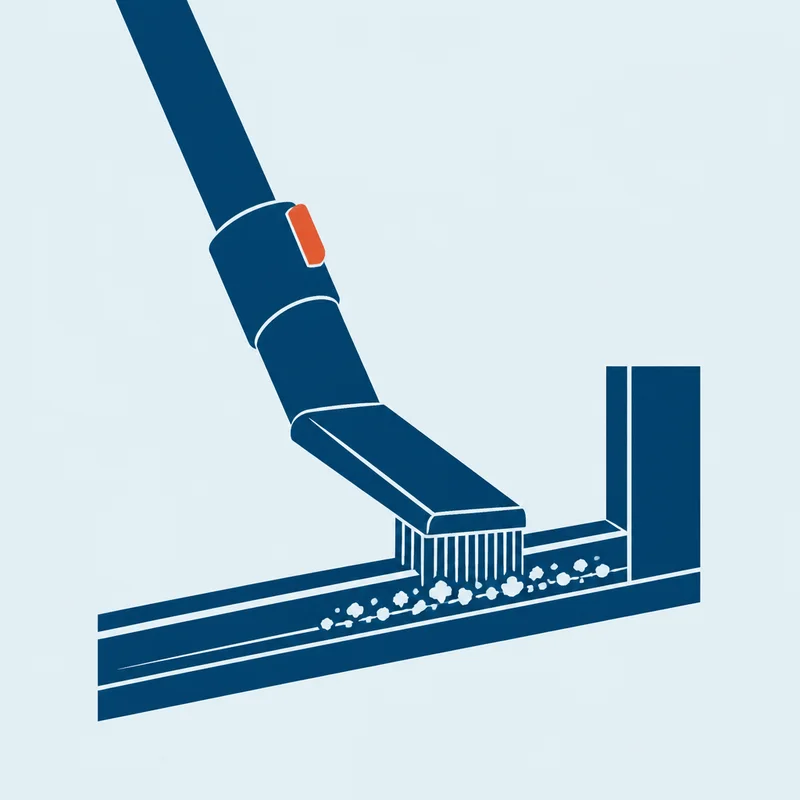
The places routine misses
Behind the fridge, under the washing machine and inside the drawers, dust and grease build up for months without anyone noticing.
-

Glass that stays clear
Hard water in central Saudi Arabia leaves calcium scale on glass, and left long enough it etches the surface and no longer polishes off.
Why the job is different in Al Difa
The dust here is not ordinary sand but metal particles, oils and residue from industrial processes. It penetrates faster and leaves marks on glass and furnishings that need different treatment. The whole method is set out in our full account of deep cleaning.
-
Metal deposits that surface wiping cannot shift
Heavy equipment and truck traffic release fine metal particles that settle on every surface. Simple wiping removes only surface dust, while the remainder slips deep into fabric weave, curtains and the gaps between furniture where it clings and waits.
-
Air filters clog faster with industrial air
Heavy dust and oils from neighbouring workshops coat filters far more quickly than in residential areas. Deep cleaning reaches inside appliances and removes the buildup that reduces cooling and heating efficiency over time.
-
Fabric and furniture absorb workshop odours
Smells from industrial processes and oils soak deep into textiles, walls and corners. Surface cleaning cannot remove them because they no longer sit on top but have settled into the material itself.
What's Included
The zone is zoned for warehouses and higher hazard workshops with wide streets built for heavy trucks. Housing is limited and scattered among industrial plots that operate intensively throughout the day.
-
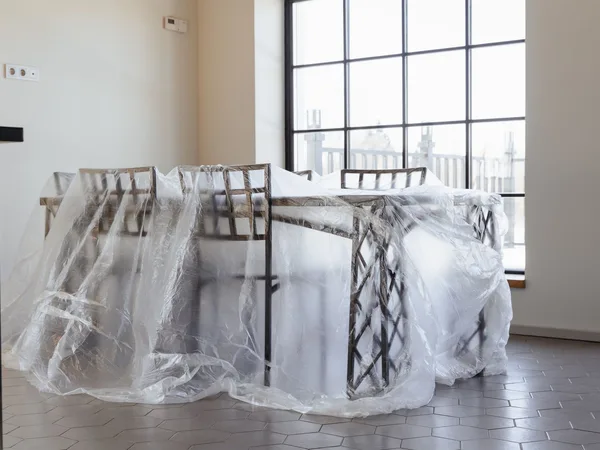
Furniture moved and cleaned under
Furniture here is often large and movement through tight spaces is difficult, but moving it is essential because metal deposits settle underneath faster than anywhere else in the city.
-
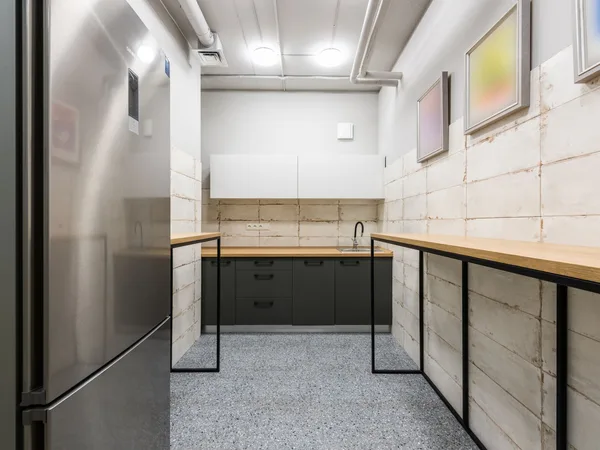
Behind and under appliances
Air conditioning units and appliances clog quickly with fine metal dust. Internal cleaning preserves efficiency and removes trapped odours that normal use cannot shift.
-
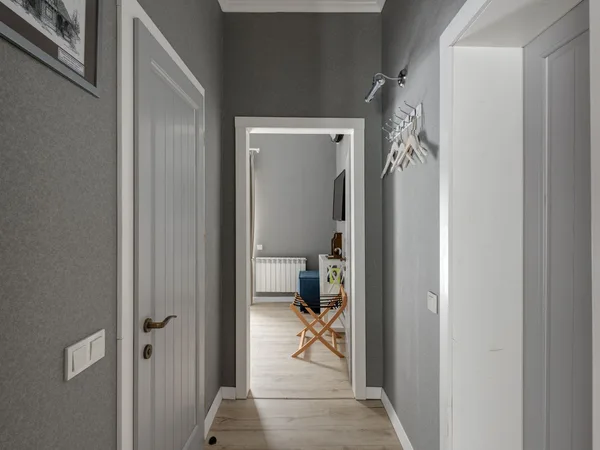
Skirtings, doors and switches
Switches, door handles and frames hold fine oily residue from workshops. Deep cleaning treats them with products that lift the coating without leaving marks or streaks.
-
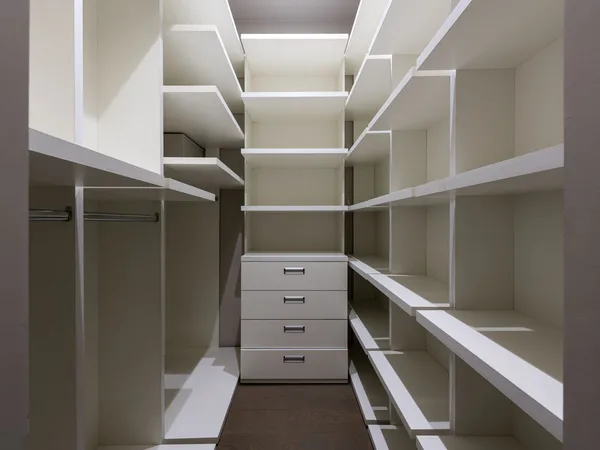
Inside cupboards and drawers
Drawer and cupboard interiors accumulate metal dust rapidly. Opening and cleaning the insides removes buildup that affects stored items and releases trapped odours.
-
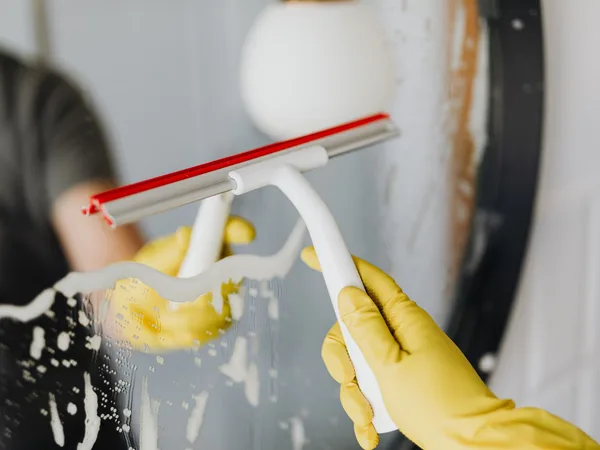
Glass, frames and channels
Glass here dirties quickly from metal deposits. Deep cleaning the channels, frames and sills removes stubborn residue and keeps the glass clearer for longer than routine cleaning can manage.
-
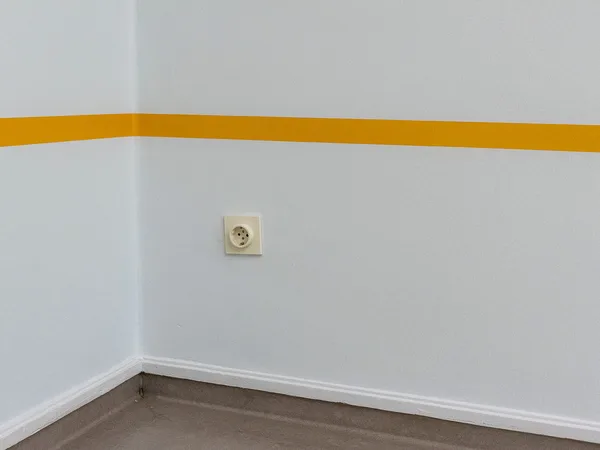
Floors and corners in detail
Floors and corners collect heavy dust quickly. Detailed floor cleaning reaches tight corners and hairline cracks where deposits settle and compress over time.
The character of Al Difa
Industrial area: workshops, warehouses and loading yards
In an industrial area, deep cleaning is not simply cleaning more but treating industrial metal and oil residue specifically. Windows, openings and channels need focused attention because they are entry points for pollutants that travel on air and dust.
How we work
Survey and agree
Prepare the space
Clean in detail
Check and hand over
Some of our work
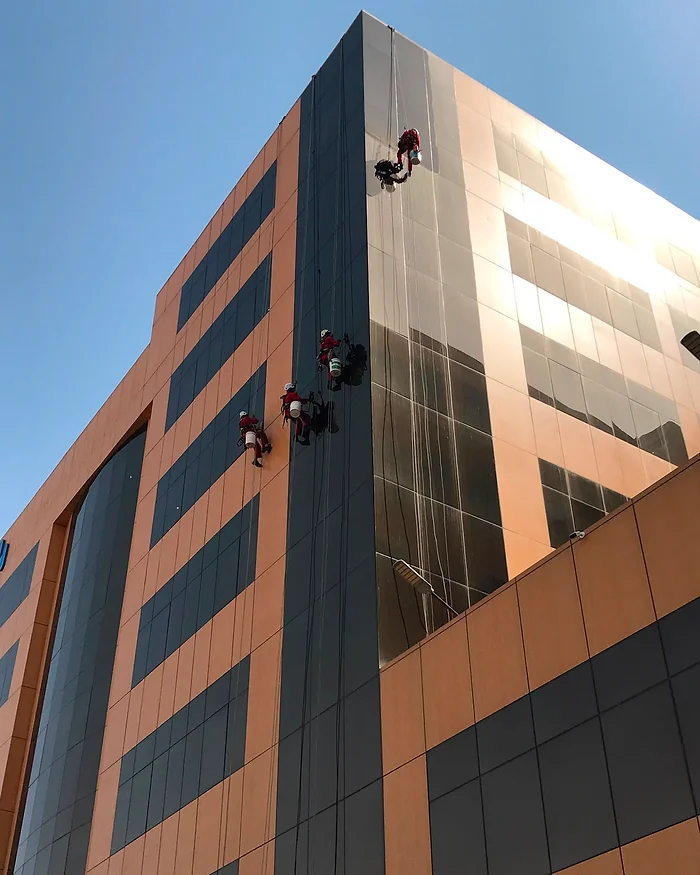
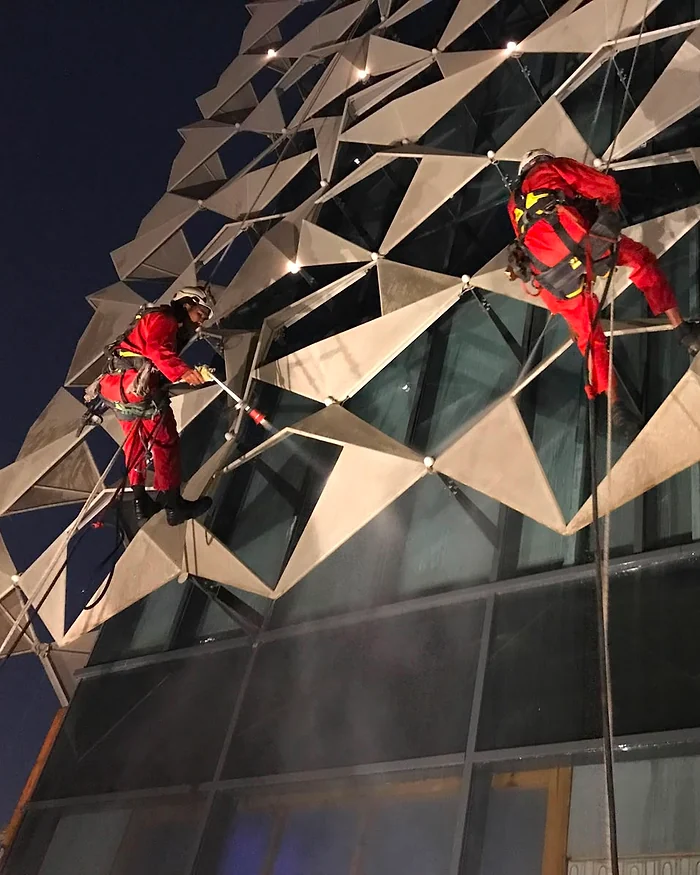
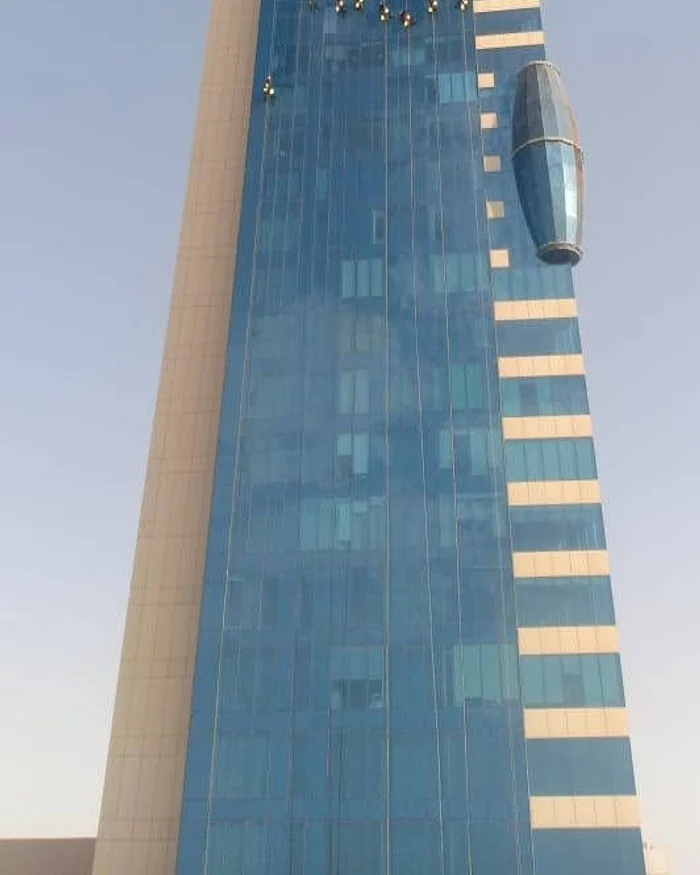
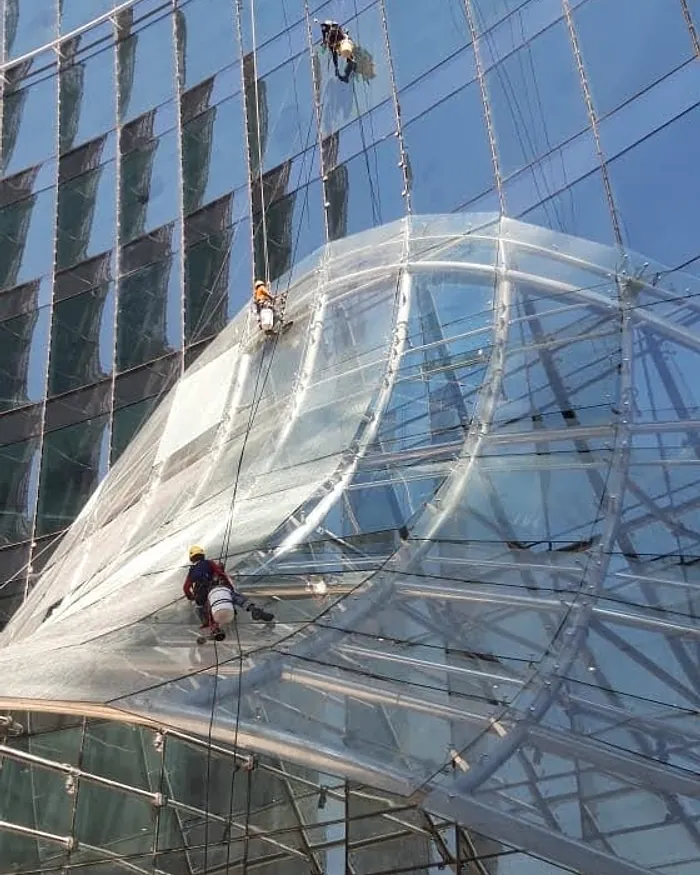
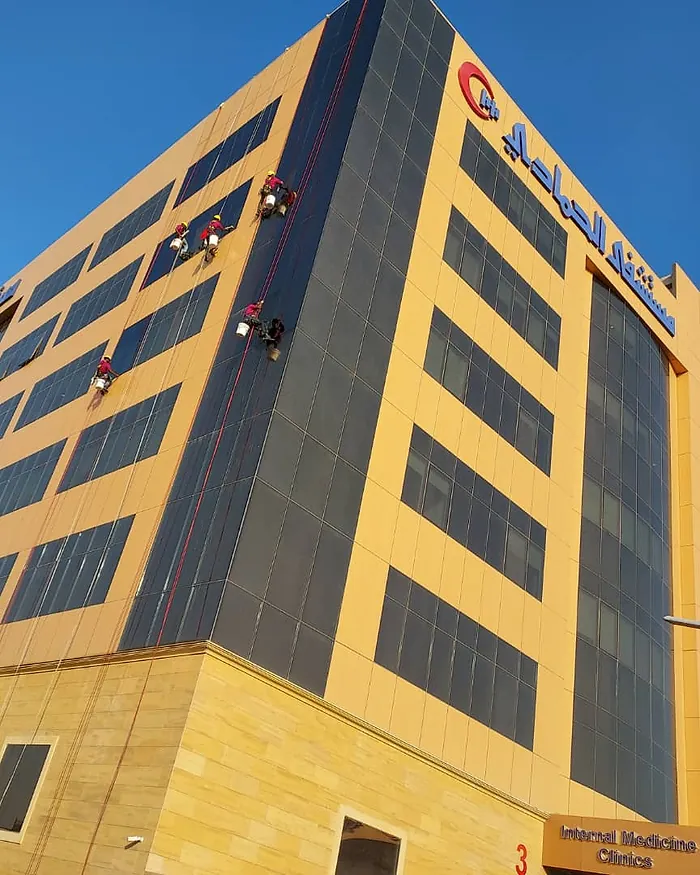
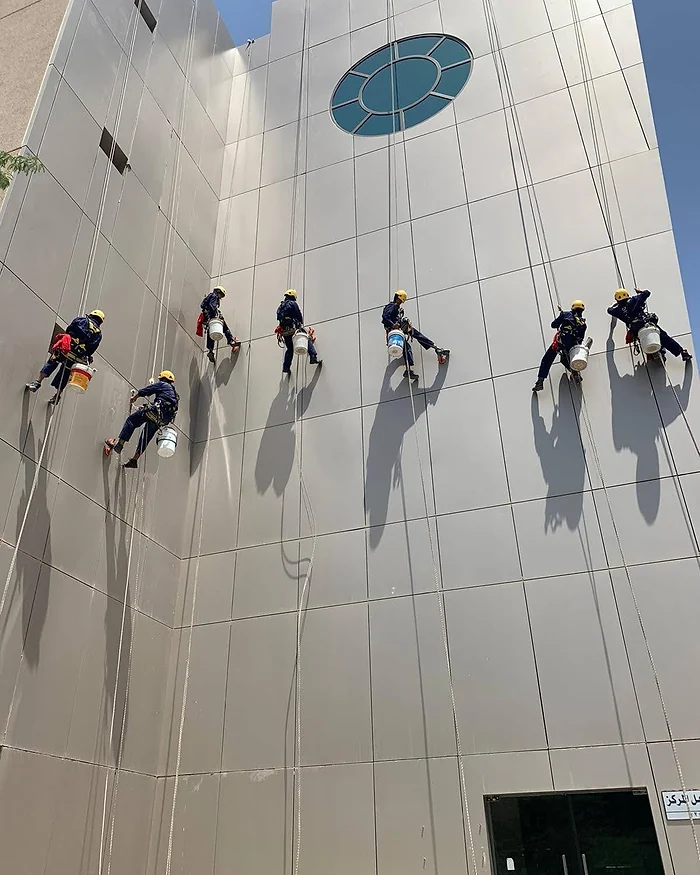
Photos from our team's work.
Landmarks of Al Difa
Al Difa sits on Kharj Road and the Eastern Ring Road, major routes that bring heavy vehicles but complicate air quality. Organising the work takes account of these routes and the particle load they introduce to the homes nearby.
- Kharj Road
- Eastern Ring Road
- Southern Ring Road
Other services in Al Difa
The room and the building around it are on one list.
-
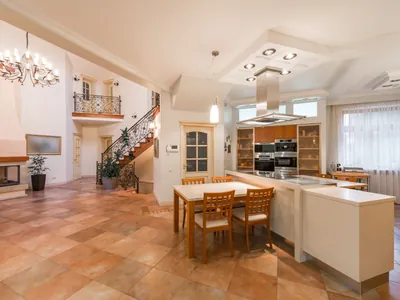
House cleaning
-
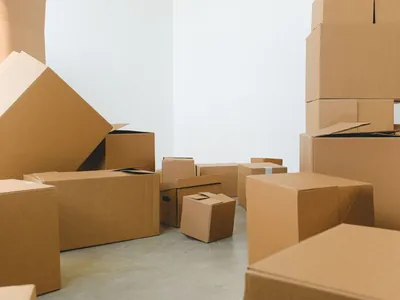
Move-in and move-out cleaning
-
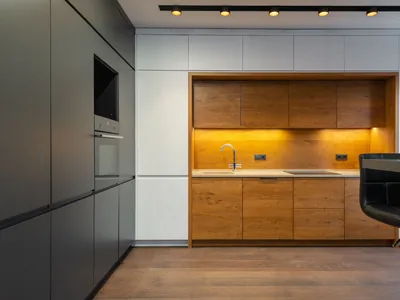
Kitchen cleaning
-
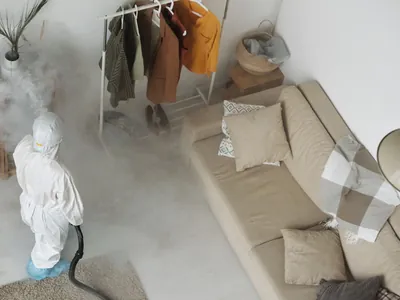
Disinfection and sanitisation
-
Sofa cleaning
-
Carpet and rug cleaning
-
Mattress cleaning
-
Curtain cleaning
-
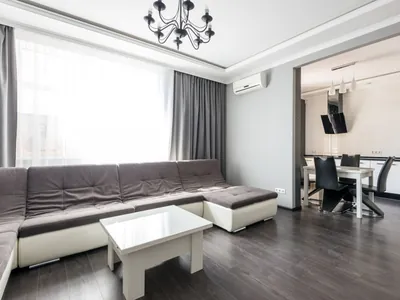
Apartment cleaning
-
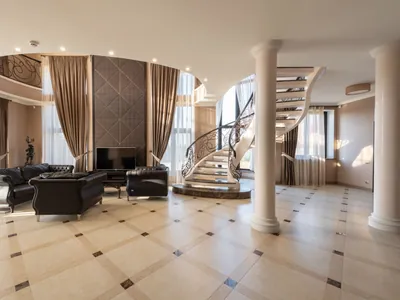
Villa cleaning
-
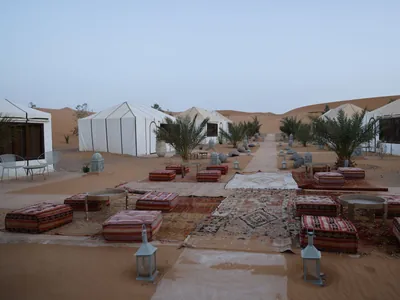
Majlis and rest-house cleaning
-
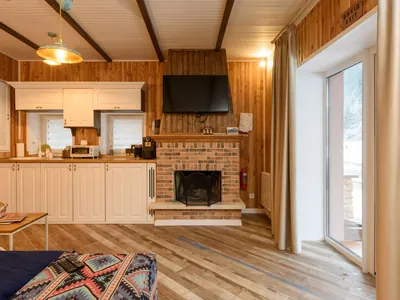
Chalet cleaning
-
Yacht cleaning
-
Bathroom cleaning
-
Chandelier cleaning
-
Swimming pool cleaning
-
Garden clearance
-
Water tank cleaning and disinfection
-
Water tank waterproofing
-
Post-construction cleaning
-
Pest control
-
Bed bug control
-
Office cleaning
-
Restaurant cleaning
-
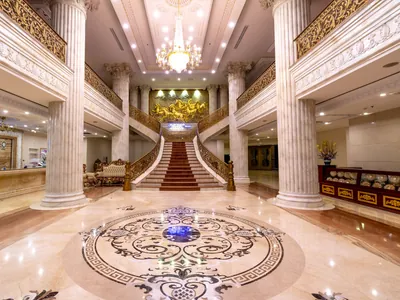
Hotel and resort cleaning
-
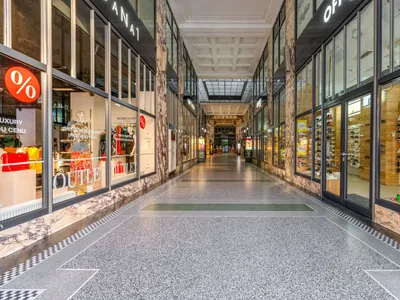
Shopping mall cleaning
-

Retail shop cleaning
-
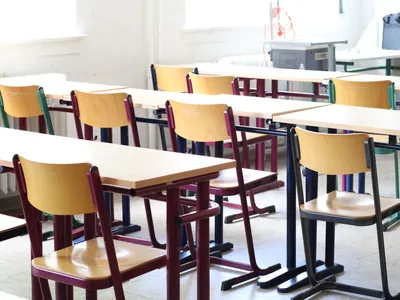
School cleaning
-

Nursery and kindergarten cleaning
-
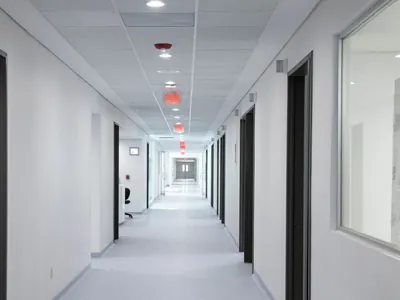
Hospital cleaning
-
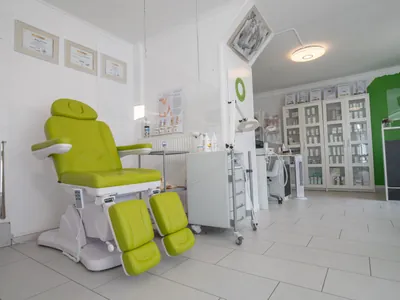
Clinic and medical centre cleaning
-
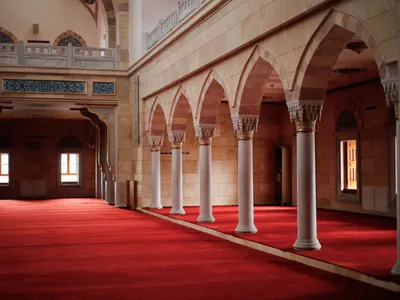
Mosque cleaning
-
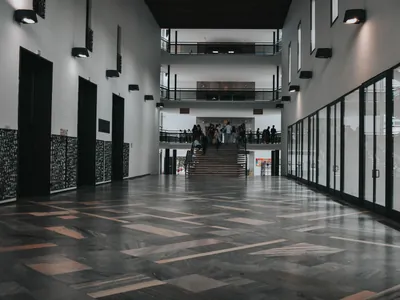
Government facility cleaning
-
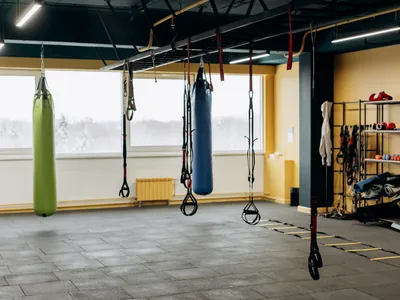
Gym cleaning
-
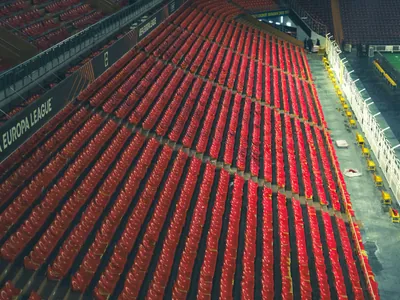
Sports field cleaning
-
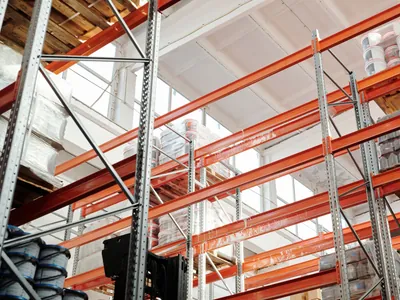
Factory and warehouse cleaning
-

Event cleaning
-
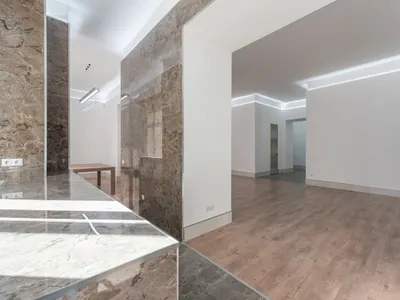
Commercial post-construction cleaning
-
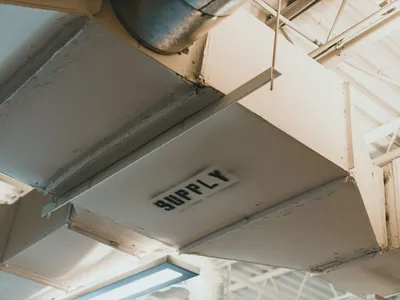
Air duct and AC cleaning
-
Commercial pest control