Raghwat Al Janoub Maintenance and Cleaning
Disinfection and sanitisation in Al Difa, Riyadh
Al Difa in south Riyadh on Kharj Road is a dedicated industrial zone for warehouses and higher-hazard workshops, with wide streets built for heavy trucks. The district holds warehouses and repair shops with minimal housing mixed in. Contamination entering the few residential units is far heavier than in regular neighbourhoods because workshops operate directly alongside homes.
Why disinfecting is separate from cleaning
-
Places people share
Clinics, schools and shared offices see many different people in a single day.
-
After illness at home
When someone in the household has been ill, what they leave on shared surfaces lingers for days.
-

Kitchens and food areas
Surfaces where food is prepared need a sanitiser that is safe for food contact and leaves nothing behind.
-

Before moving into a home
Before you move into a flat someone else lived in, you cannot know what they left on the surfaces and in the bathrooms.
Why the job is different in Al Difa
The few residents here work in the adjoining workshops, meaning they carry industrial contaminants home on their clothes and hands daily. Pollution entering a home through daily work routines is measurably heavier than background contamination in ordinary residential areas. The whole method is set out in the disinfection and sanitisation overview.
-
Housing is surrounded by industrial workshops from all sides
The handful of villas and flats in Al Difa sit boxed in by machinery shops, storage yards and repair facilities on all four sides. Fumes and dust do not enter from a single door or window; they penetrate from every direction. Disinfection must account for continuous exposure from all angles.
-
Industrial pollutants embed in upholstery and fabric
Unlike ordinary dust, workshop emissions contain metallic particles, oils and chemical fumes that settle deep into sofas, curtains and soft furnishings. Disinfecting hard surfaces alone is incomplete. Upholstery and fabric in Al Difa requires separate targeted disinfection treatment.
-
Workshop workers enter homes in contaminated work clothes
A resident who works in the adjacent workshop returns home with clothes, hands and shoes coated in oil, metal particles and heavy industrial dust. This means direct transfer of workshop contamination into bedrooms and kitchens. Disinfection must concentrate on these entry pathways and rooms where dirty clothes are handled.
What's Included
Kharj Road itself carries heavy truck traffic, and the surrounding industrial workshops run continuous machinery and emit fumes. Industrial pollutants and metallic dust settle on every nearby surface from all directions, not just from one source.
-
Cleaned before disinfecting
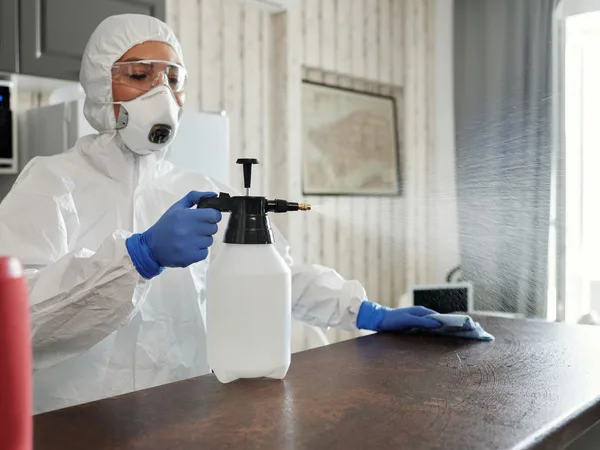
Floors and walls stained with oils and metal residue require aggressive pre-cleaning to remove heavy pollutants before disinfectant application can be effective.
-
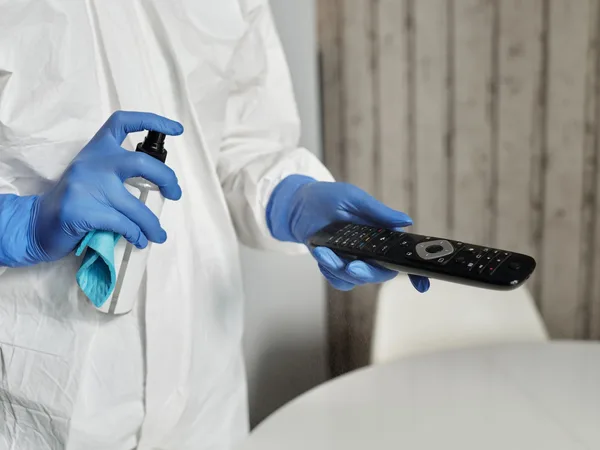
High-touch points
Door handles, window frames and furniture are touched daily by workers with contaminated hands and need much stronger disinfection than ordinary residential surfaces.
-
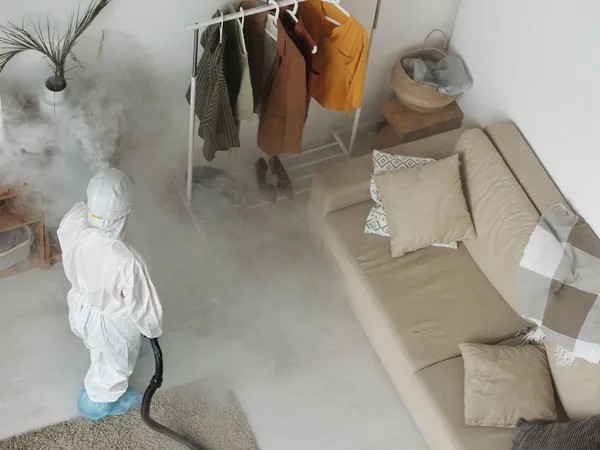
Fogging the open areas
Floors and walls need complete disinfectant coverage, while upholstery, curtains and bedding require separate treatment because they absorb heavy pollutants deeply.
-
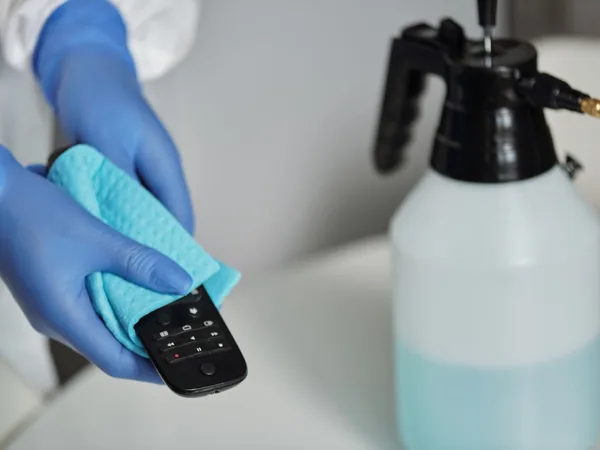
Contact time respected
Disinfectant requires extended contact time on oil-stained surfaces and on porous textiles before wiping or rinsing to achieve full penetration.
-
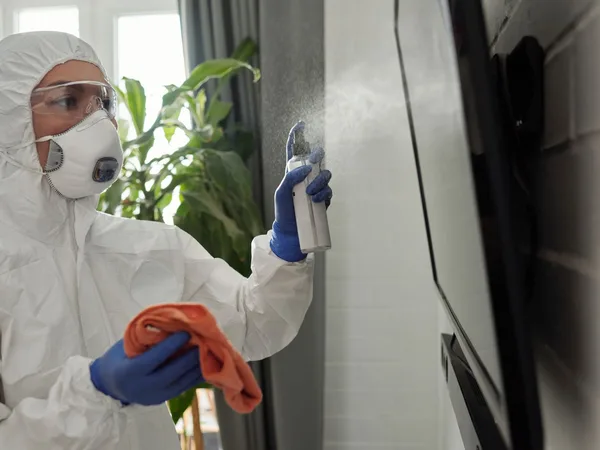
Ventilated before re-entry
The home needs aggressive ventilation through all windows and external doors to purge fumes and airborne contaminants before residents return and sleep.
-
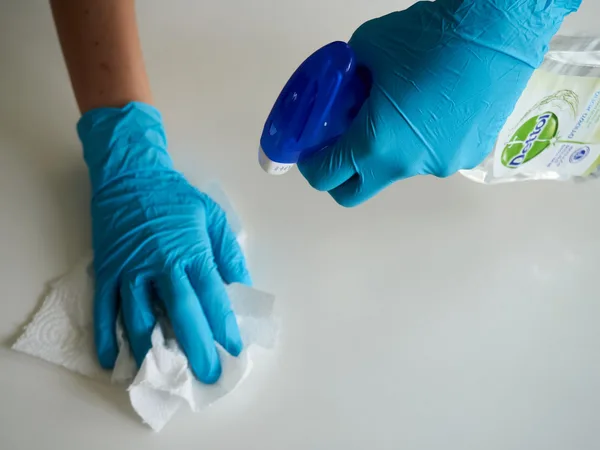
The product used, recorded
Product records document whether we used specialised formulas for heavy pollutants, whether upholstery and textiles were treated separately, and the ventilation duration required before safe re-occupancy.
The character of Al Difa
Industrial area: workshops, warehouses and loading yards
In an industrial zone, housing surrounded by active workshops needs stronger, more detailed disinfection. Heavy industrial pollutants enter the home through work clothes, hands, shoes and airborne contamination, then embed deeply in fabric and furnishings. This demands specialised disinfectant matched to industrial hazards.
How we work
We learn the space
We prepare and clean first
We disinfect and wait
We ventilate and hand over
Some of our work
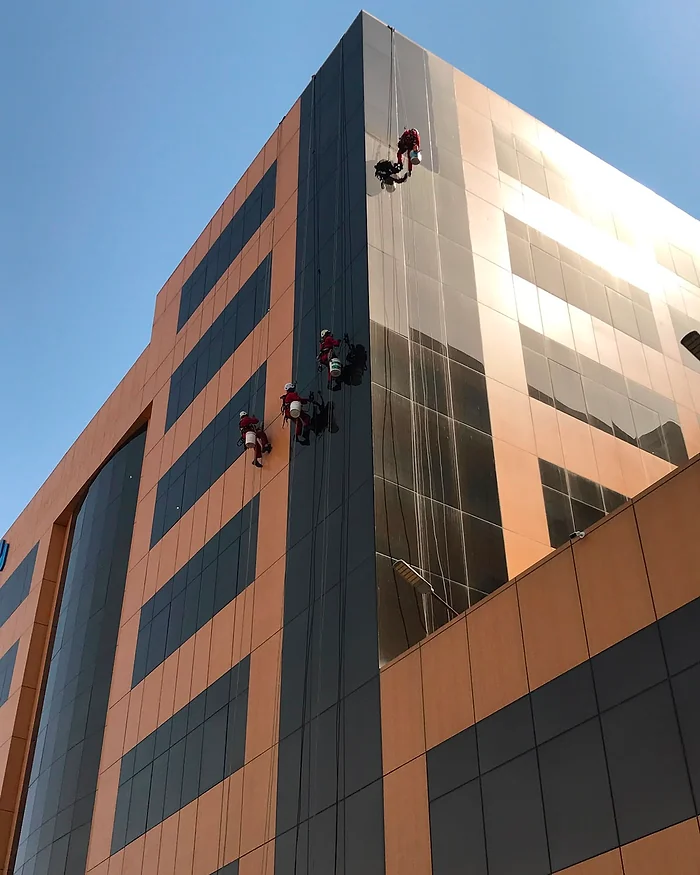
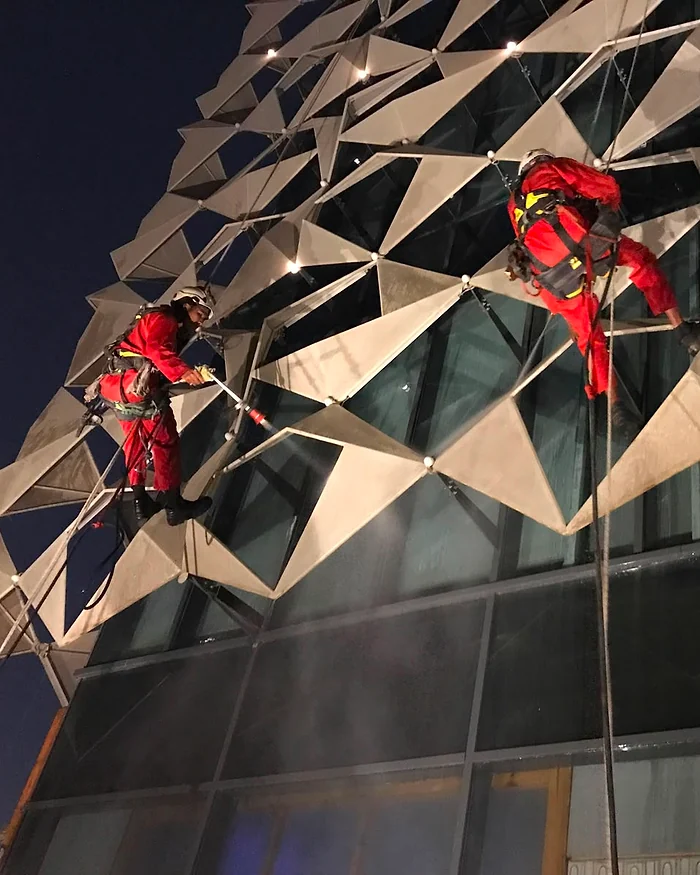
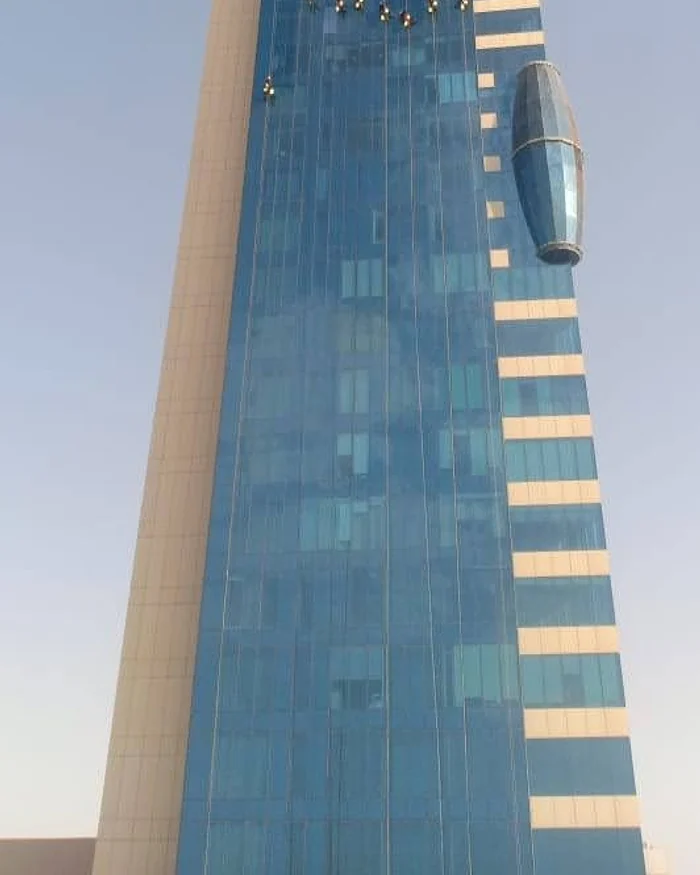
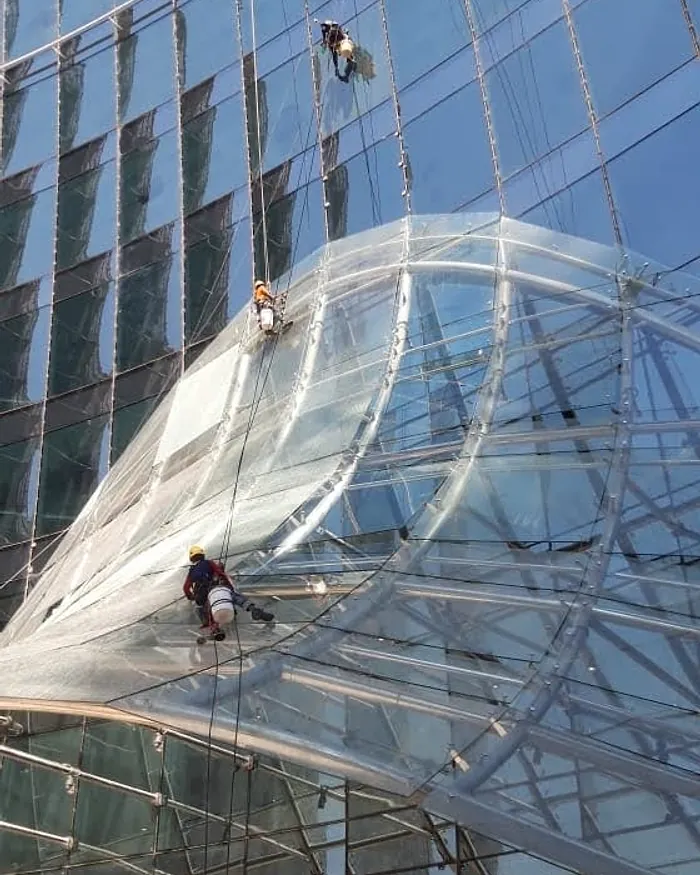
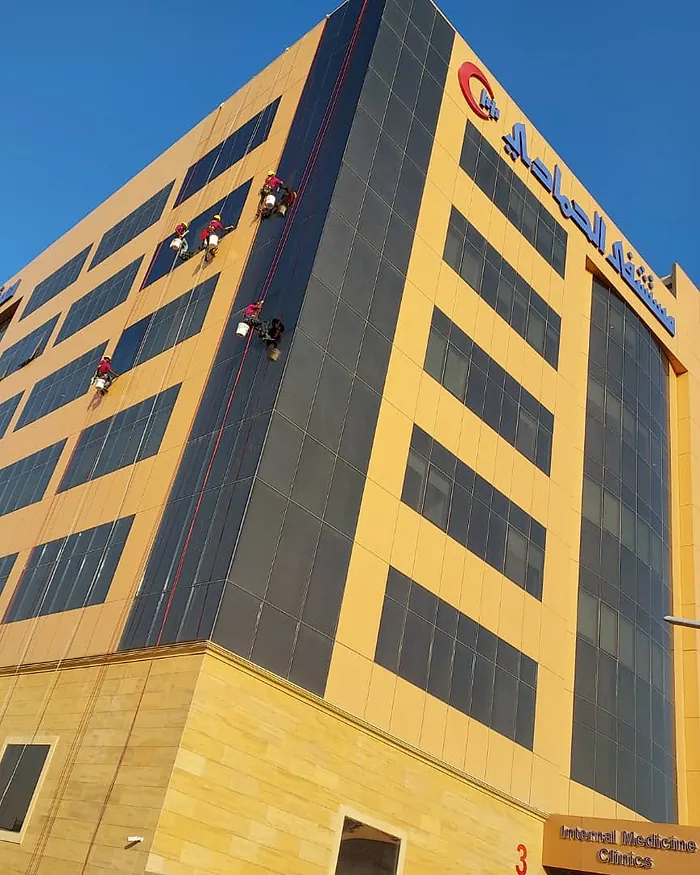
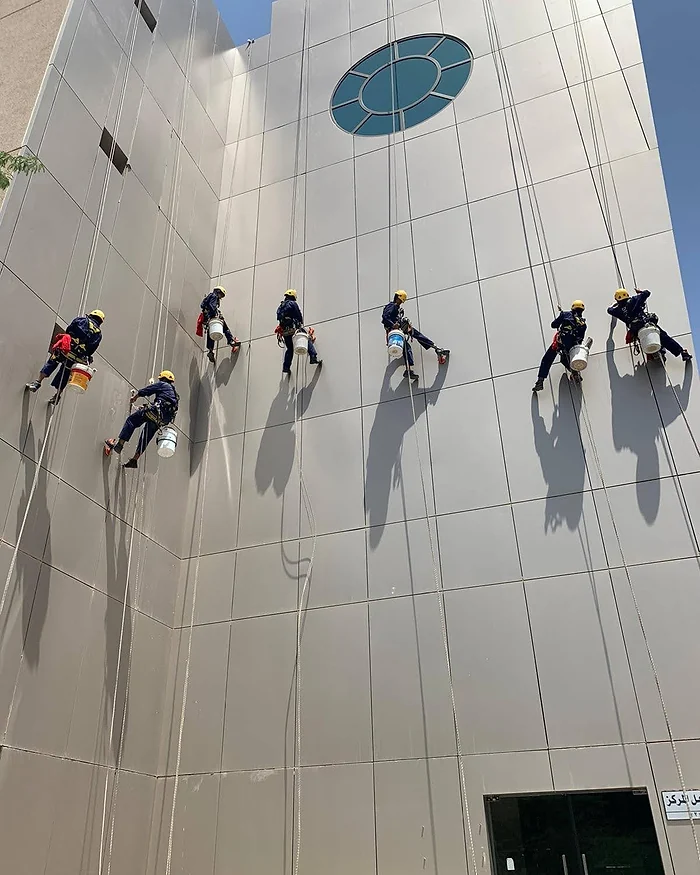
Photos from our team's work.
Landmarks of Al Difa
Al Difa sits on Kharj Road between the Eastern and Southern Ring Roads, a location that traps the district between heavy traffic on all boundaries and exposes it to continuous industrial emissions. Disinfection planning must account for this sustained multi-directional contamination and the concentrated industrial impact.
- Kharj Road
- Eastern Ring Road
- Southern Ring Road
Other services in Al Difa
The room and the building around it are on one list.