
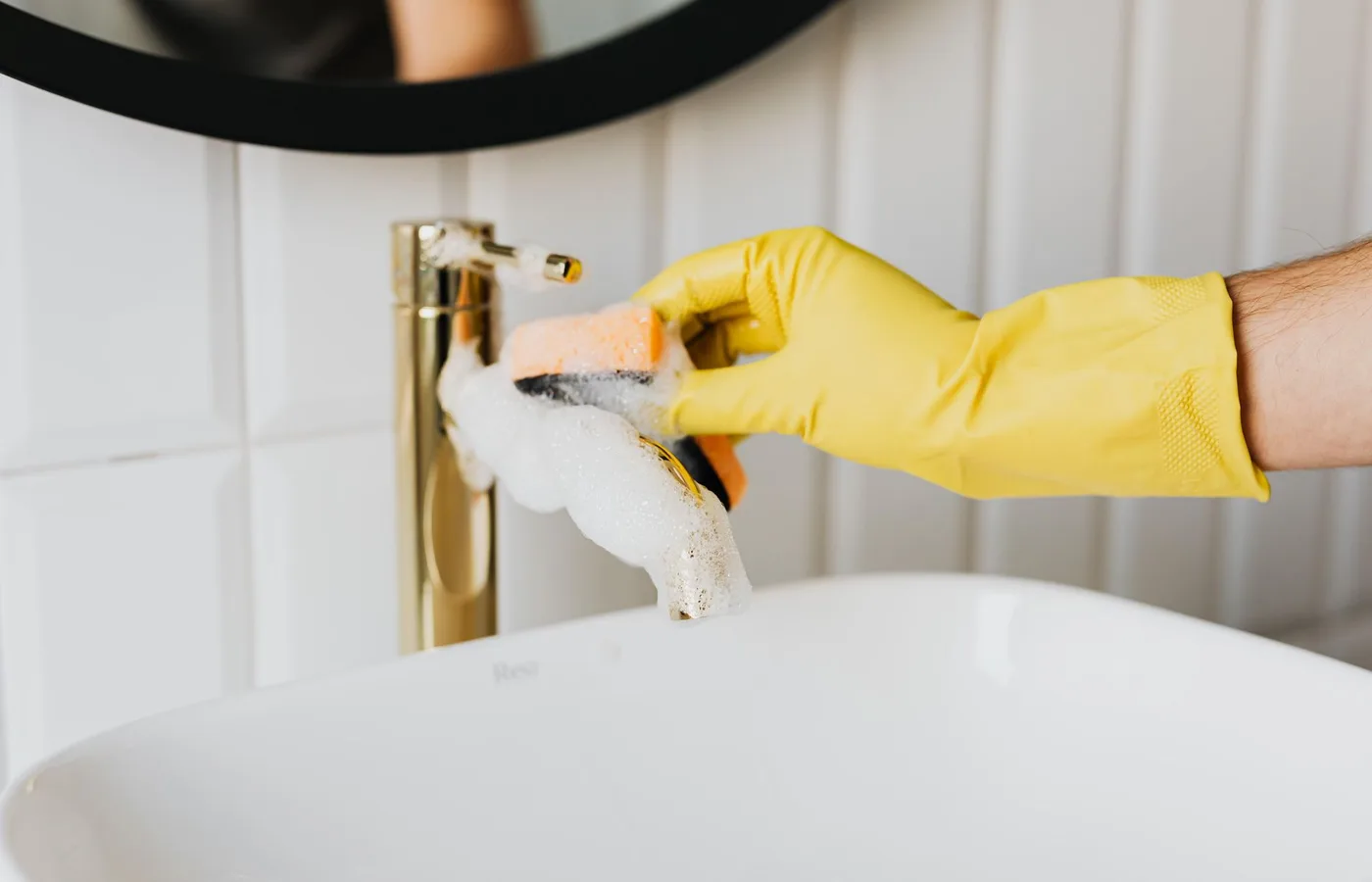
Raghwat Al Janoub Maintenance and Cleaning
Deep cleaning in Al Sahafah, Riyadh
Al Sahafah is Riyadh's first vertical district, and its tall residential towers create a different deep cleaning challenge than horizontal neighbourhoods. Repeated storeys and shared entrances accumulate dust faster, and trapped air between towers slows how smells disperse. Working in vertical housing means dealing with cross-unit dust transfer and stagnant air pockets that ground level suburbs never encounter.
Why a surface wipe is not enough
-
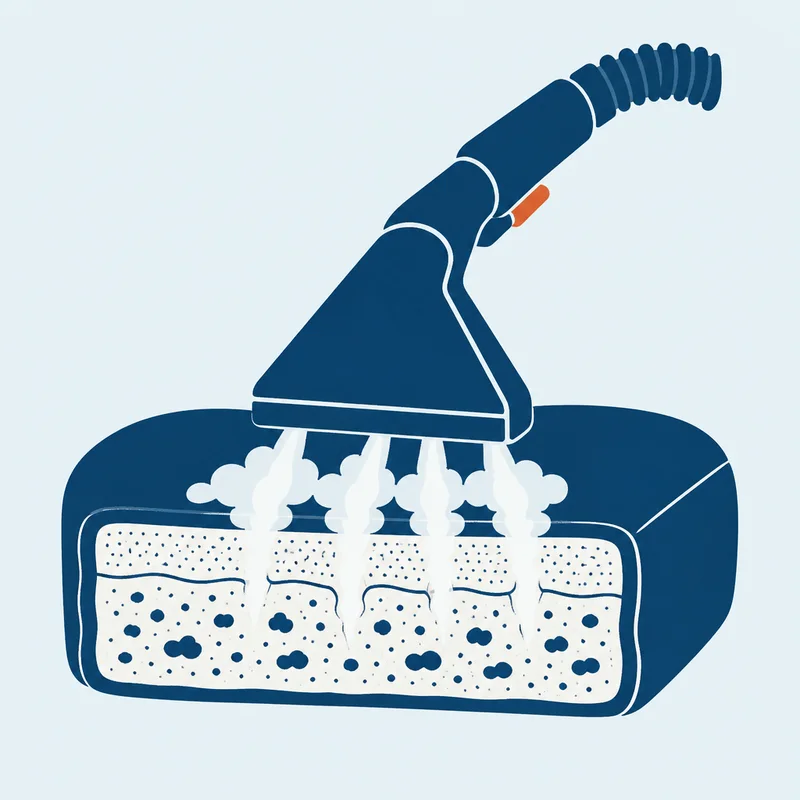
Cleaning that reaches the padding
We clean sofas and mattresses in the way that suits each piece, so the clean goes down into the padding, not just across the top.
-
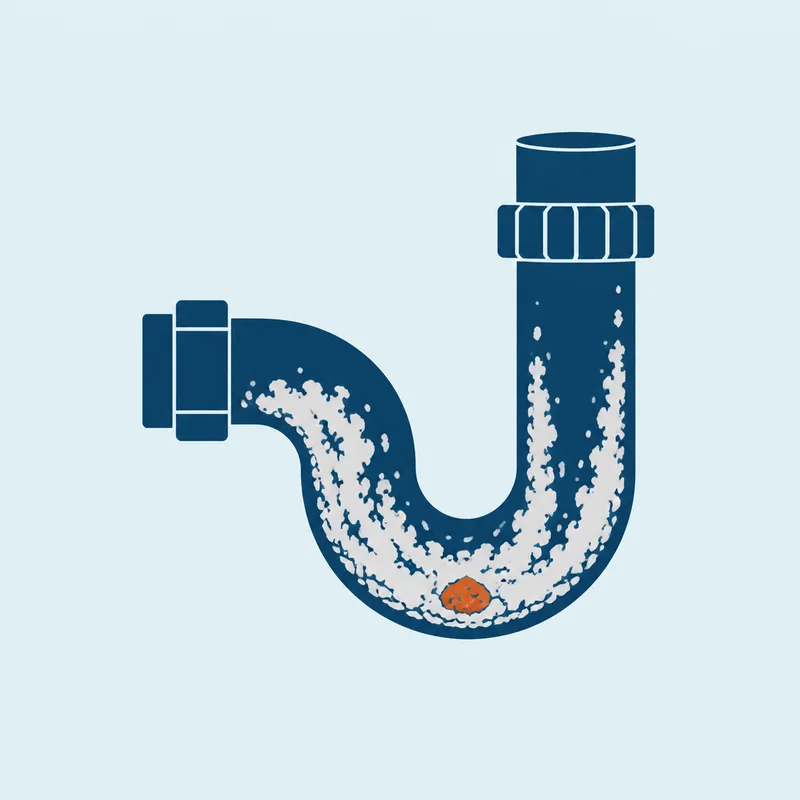
An order that avoids re-soiling
We work top-down and dry-to-wet, so dust from the ceiling never lands on a floor we have just finished.
-
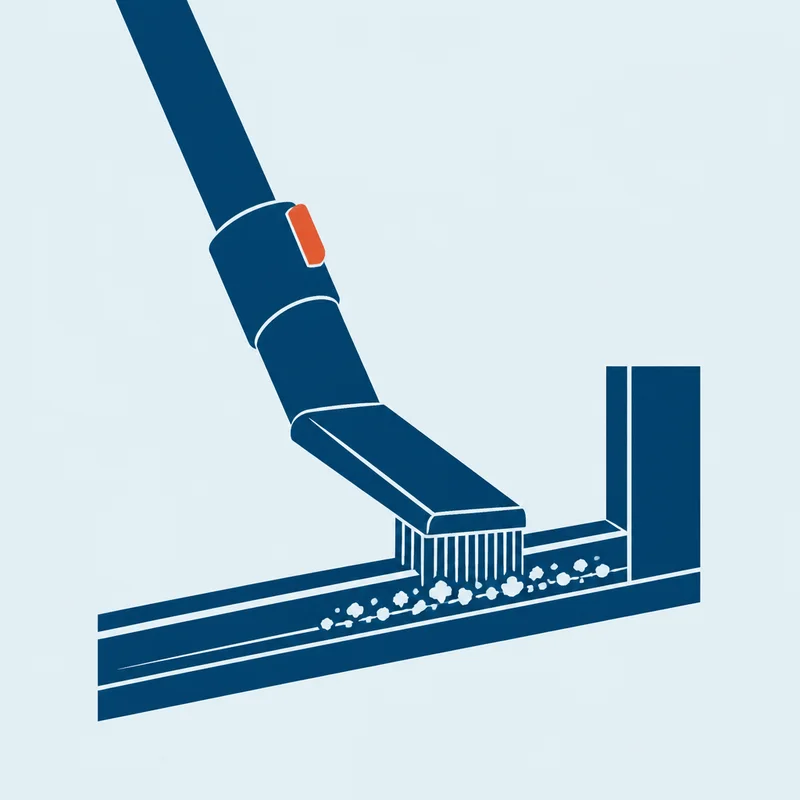
The places routine misses
Behind the fridge, under the washing machine and inside the drawers, dust and grease build up for months without anyone noticing.
-

Glass that stays clear
Hard water in central Saudi Arabia leaves calcium scale on glass, and left long enough it etches the surface and no longer polishes off.
Why the job is different in Al Sahafah
Apartments stacked beside each other in towers allow dust to migrate between units through shared walls and ventilation, and partially enclosed balconies trap fine particles rather than letting them blow clear. The whole method is set out in the details of our deep cleaning service.
-
Stacked flats and trapped air between towers
The vertical design of apartment towers means air moves freely between adjacent flats, so dust works from one unit to the next without barriers. Small windows and narrow balconies restrict natural air flow, so dust settles instead of dispersing. The gap between buildings is narrow, and wind funnelling between the towers actually concentrates dust rather than clearing it.
-
Appliances clustered tight in corners and tight spaces
Limited flat size forces electrical appliances close together in dense arrangements. Air conditioning units, fridges and ovens run at high intensity in tight quarters, so moisture and dust pile up behind and underneath them much faster than in spacious homes.
-
Hard surfaces and moisture locked in enclosed areas
Most flats have ceramic or marble in kitchens and bathrooms, and trapped moisture in sealed rooms leaves mineral residue on surfaces. Salts from hard water build up on glass and mirrors at speed, and damp air nowhere to escape thickens deposits faster than it would in a villa with outdoor courtyards.
What's Included
The location on King Fahd Road and Anas bin Malik Road means constant exposure to road dust from major arterials, and the high residential density increases pressure on air circulation systems.
-
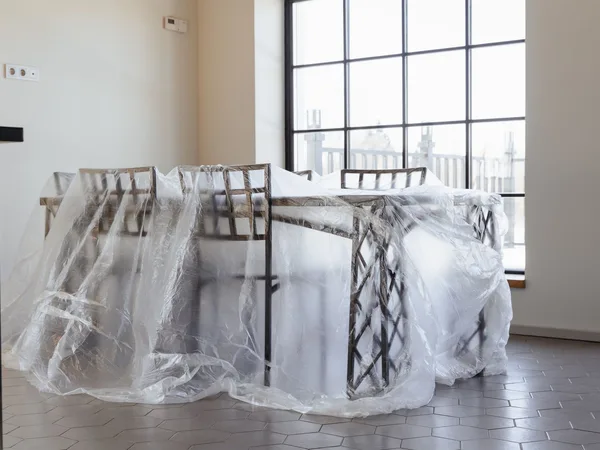
Furniture moved and cleaned under
Furniture in compressed flats sits against walls and in corners where dust accumulates fast underneath and fine particles slide under cushions and seat bases.
-
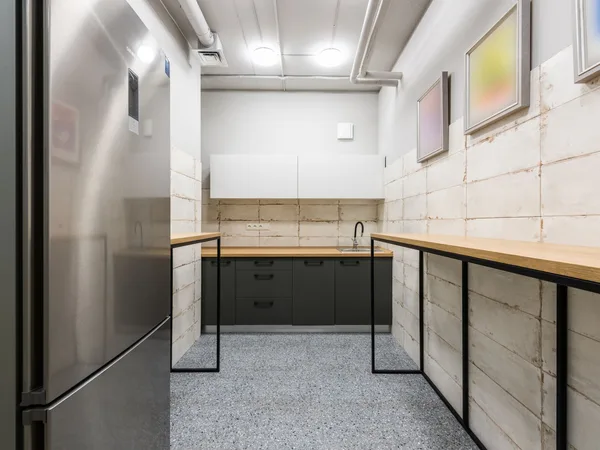
Behind and under appliances
Air conditioning units and fridges sit close together in tight kitchens, causing dense dust and grease buildup in the gaps and underneath.
-
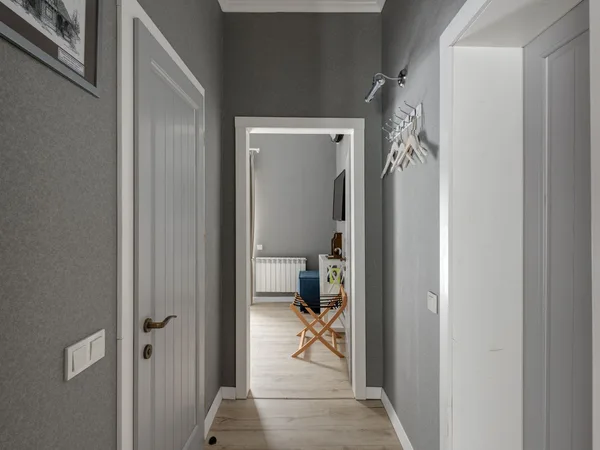
Skirtings, doors and switches
Light switches and doors in narrow hallways receive constant touches from household traffic, collecting soil and fingerprints quickly.
-
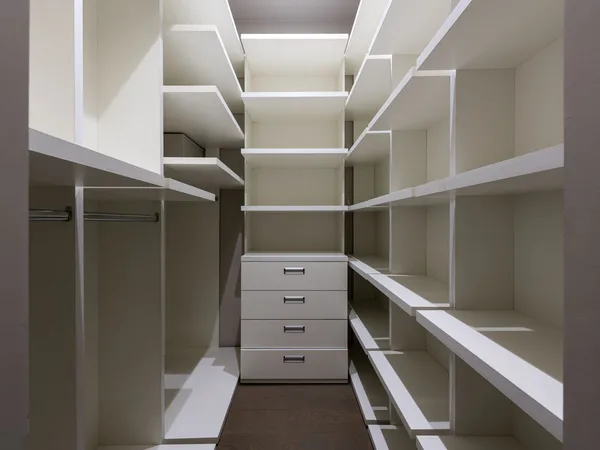
Inside cupboards and drawers
Built in cupboards in modern flats have limited depth, so dust gathers on shelves and in tight corners rapidly.
-
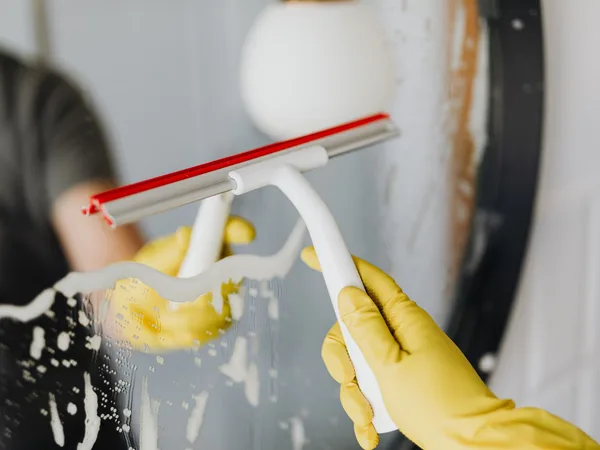
Glass, frames and channels
Small windows on major roads allow dust and mineral salts to enter, leaving layers on glass and frames.
-
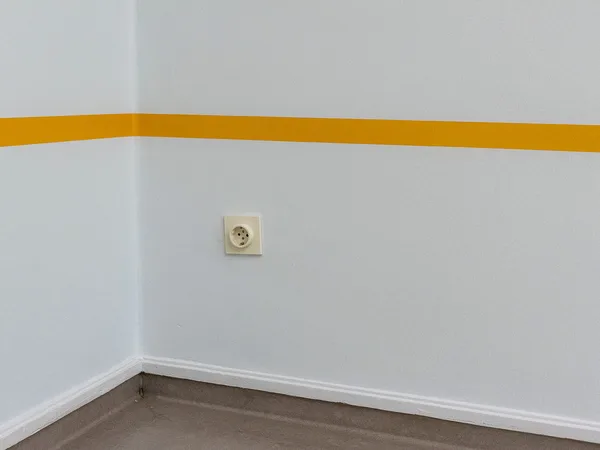
Floors and corners in detail
Floors in hallways and corners collect dust quickly because of constant foot traffic and stagnant air trapped in tight angles.
The character of Al Sahafah
Apartment district: residential blocks, repeated floors and shared entrances
Stacked apartments in towers mean multiple uncontrollable dust entry points and moisture sources that one household unit cannot stop alone. Deep cleaning focuses on internal sealing and full surface and crevice treatment, because preventing outside entry at source has limited effect when units are vertically connected.
How we work
Survey and agree
Prepare the space
Clean in detail
Check and hand over
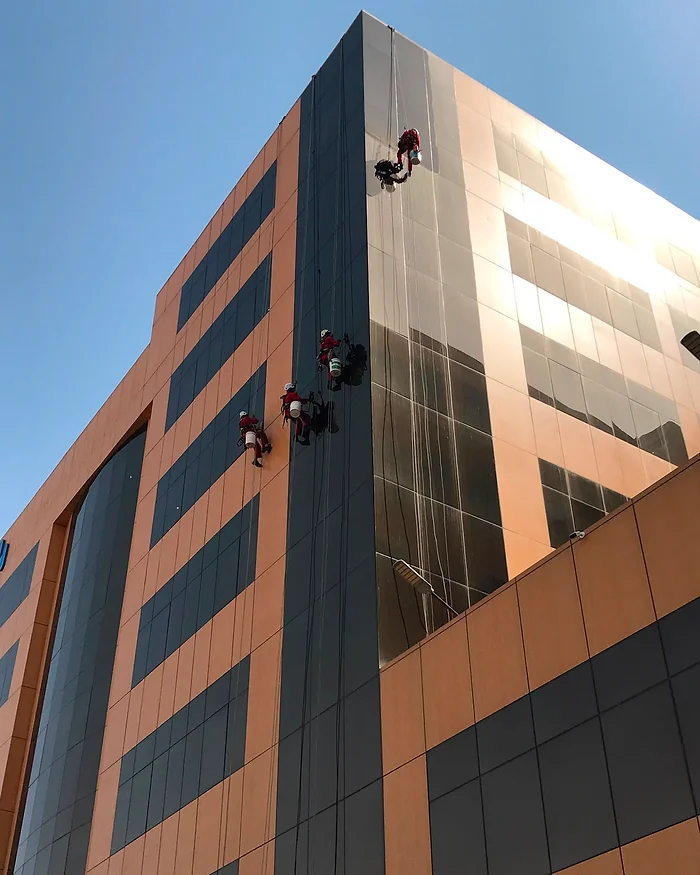
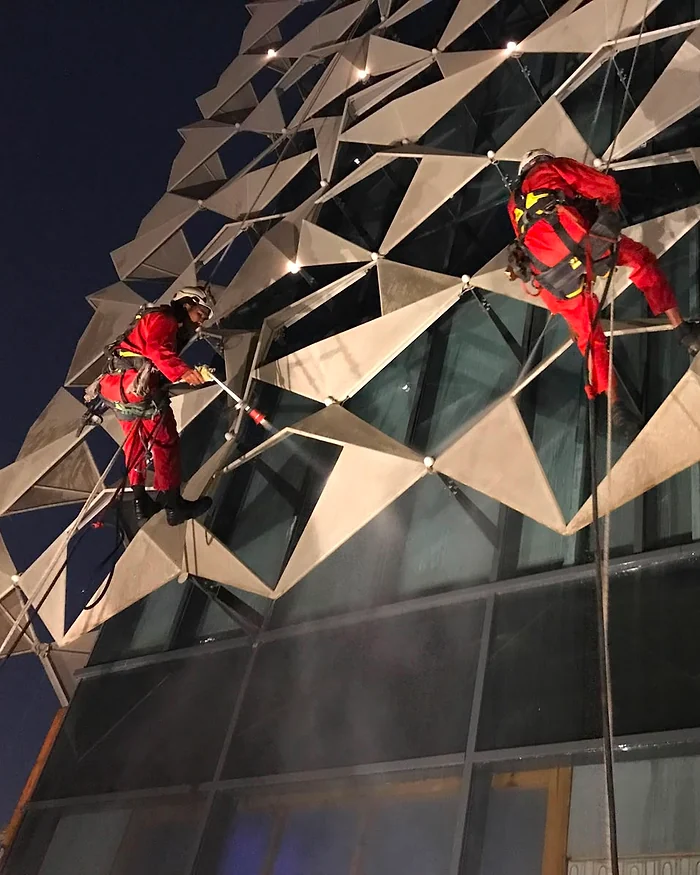
Some of our work
Photos from our team's work.
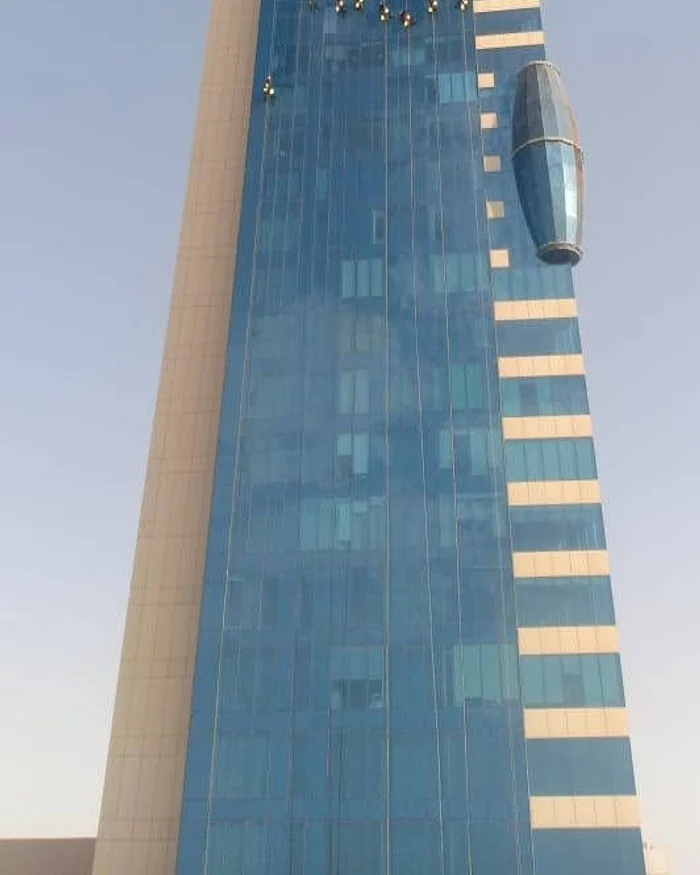
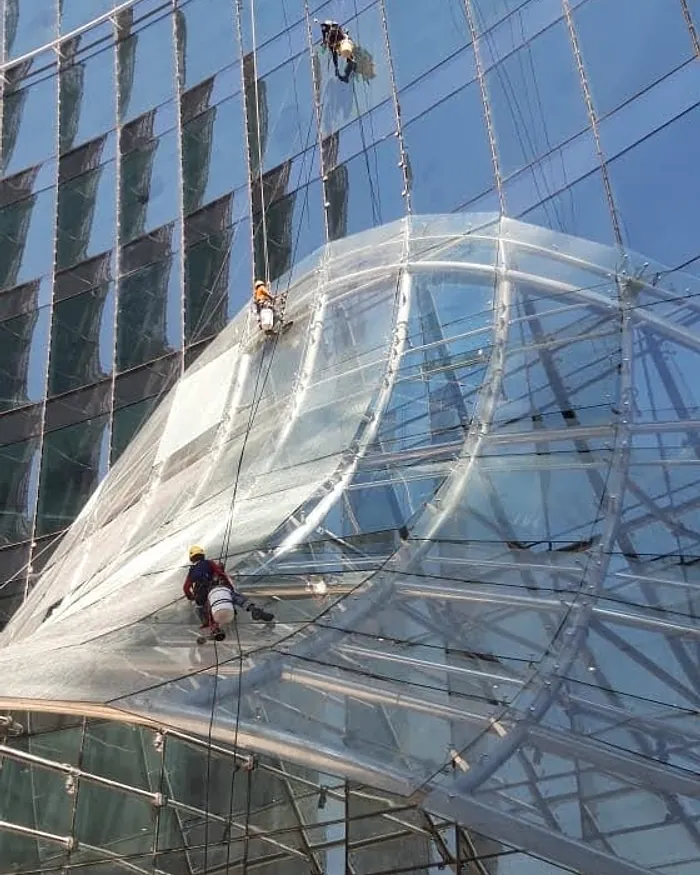
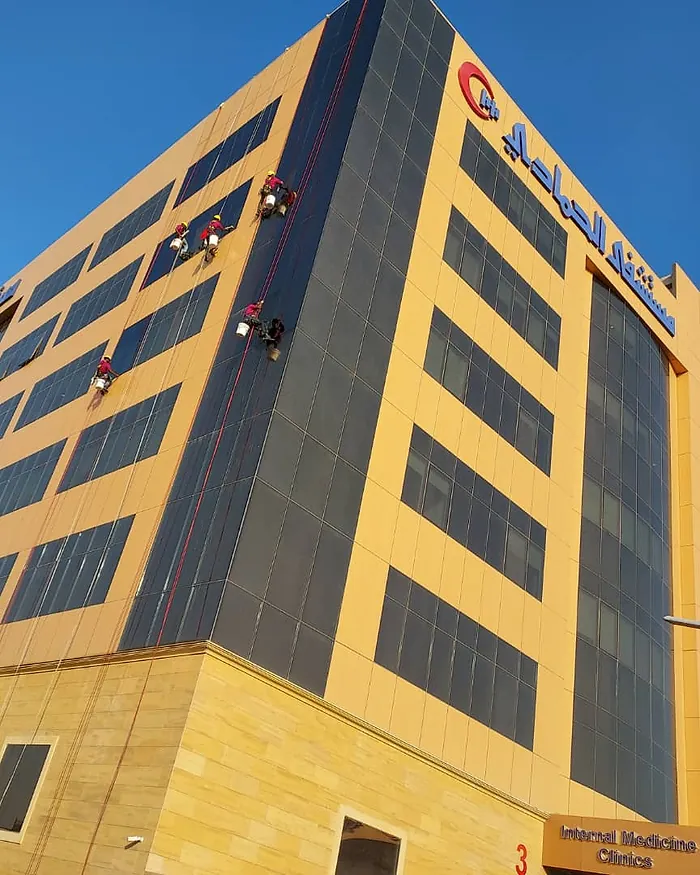
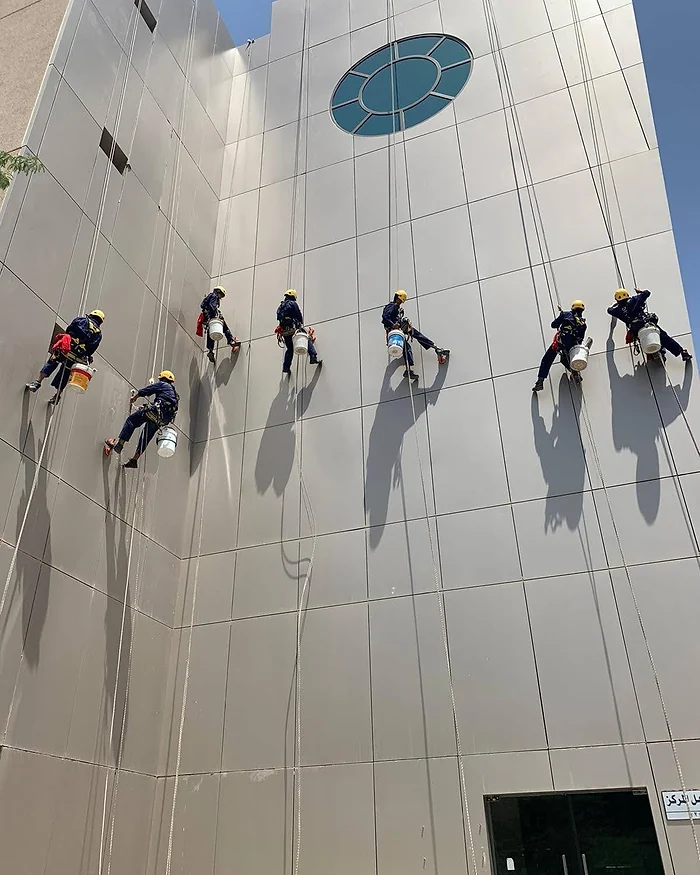
Landmarks of Al Sahafah
Proximity to JW Marriott Riyadh and Al Shabab Club positions Al Sahafah as a central landmark in north Riyadh. Access to the residential towers follows set routes and shared building entrances, and work begins from the main communal lobby serving all storeys.
- JW Marriott Riyadh
- Prince Faisal bin Fahd Mosque
- Al Shabab Club
- King Fahd Road
Other services in Al Sahafah
The room and the building around it are on one list.
-
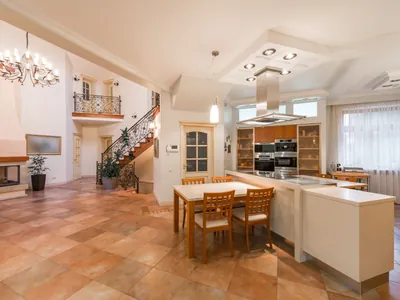
House cleaning
-
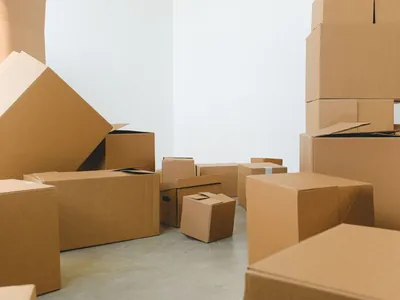
Move-in and move-out cleaning
-
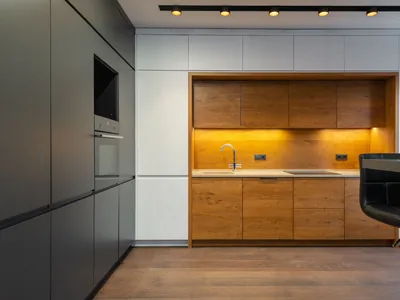
Kitchen cleaning
-
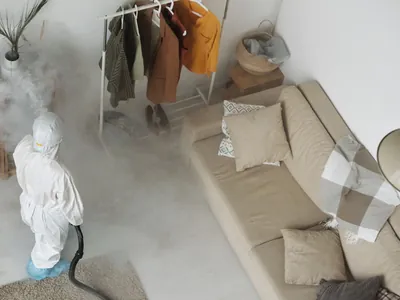
Disinfection and sanitisation
-
Sofa cleaning
-
Carpet and rug cleaning
-
Mattress cleaning
-
Curtain cleaning
-
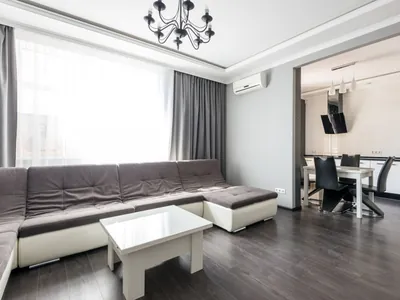
Apartment cleaning
-
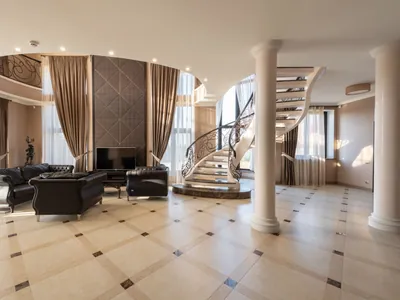
Villa cleaning
-
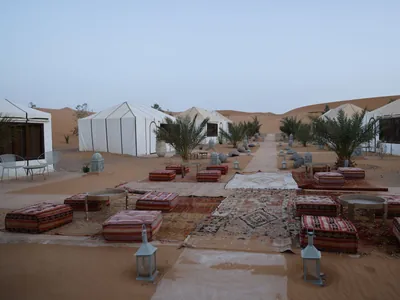
Majlis and rest-house cleaning
-
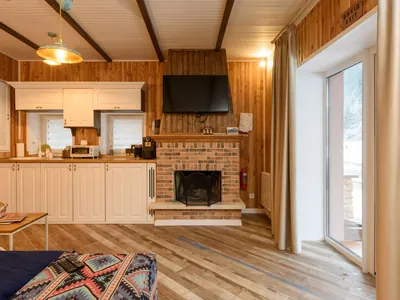
Chalet cleaning
-
Yacht cleaning
-
Bathroom cleaning
-
Chandelier cleaning
-
Swimming pool cleaning
-
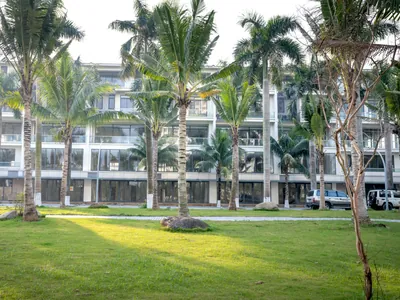
Garden clearance
-
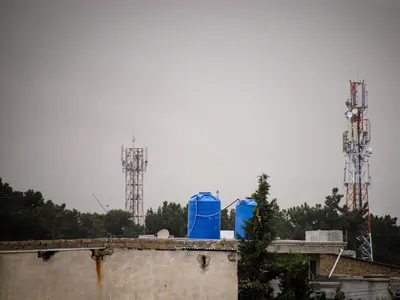
Water tank cleaning and disinfection
-
Water tank waterproofing
-
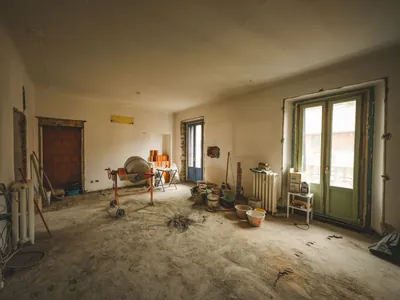
Post-construction cleaning
-
Pest control
-
Bed bug control
-
Office cleaning
-
Restaurant cleaning
-
Hotel and resort cleaning
-
Shopping mall cleaning
-

Retail shop cleaning
-
School cleaning
-

Nursery and kindergarten cleaning
-
Hospital cleaning
-
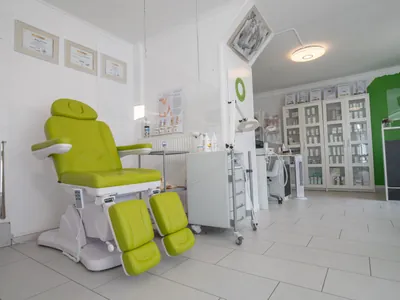
Clinic and medical centre cleaning
-
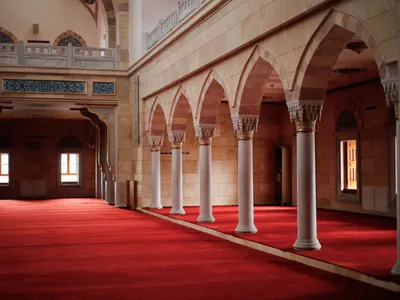
Mosque cleaning
-
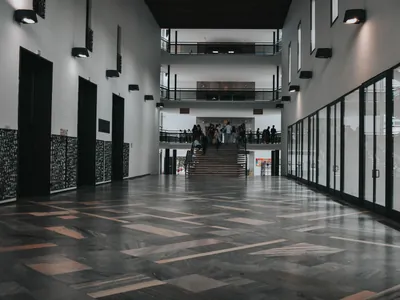
Government facility cleaning
-
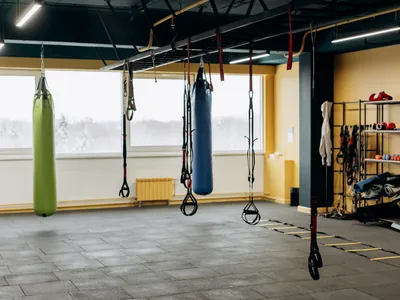
Gym cleaning
-
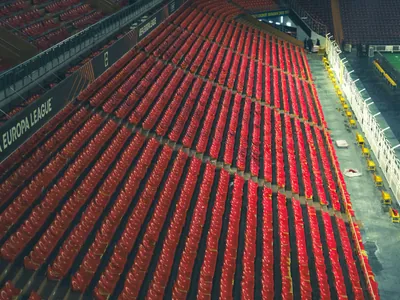
Sports field cleaning
-
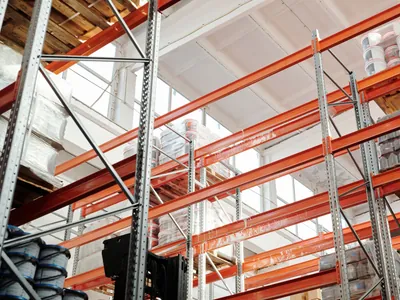
Factory and warehouse cleaning
-

Event cleaning
-
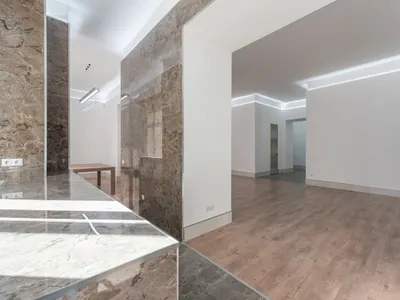
Commercial post-construction cleaning
-
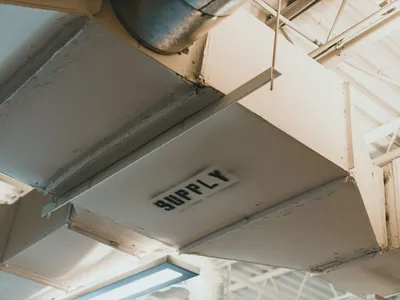
Air duct and AC cleaning
-
Commercial pest control