
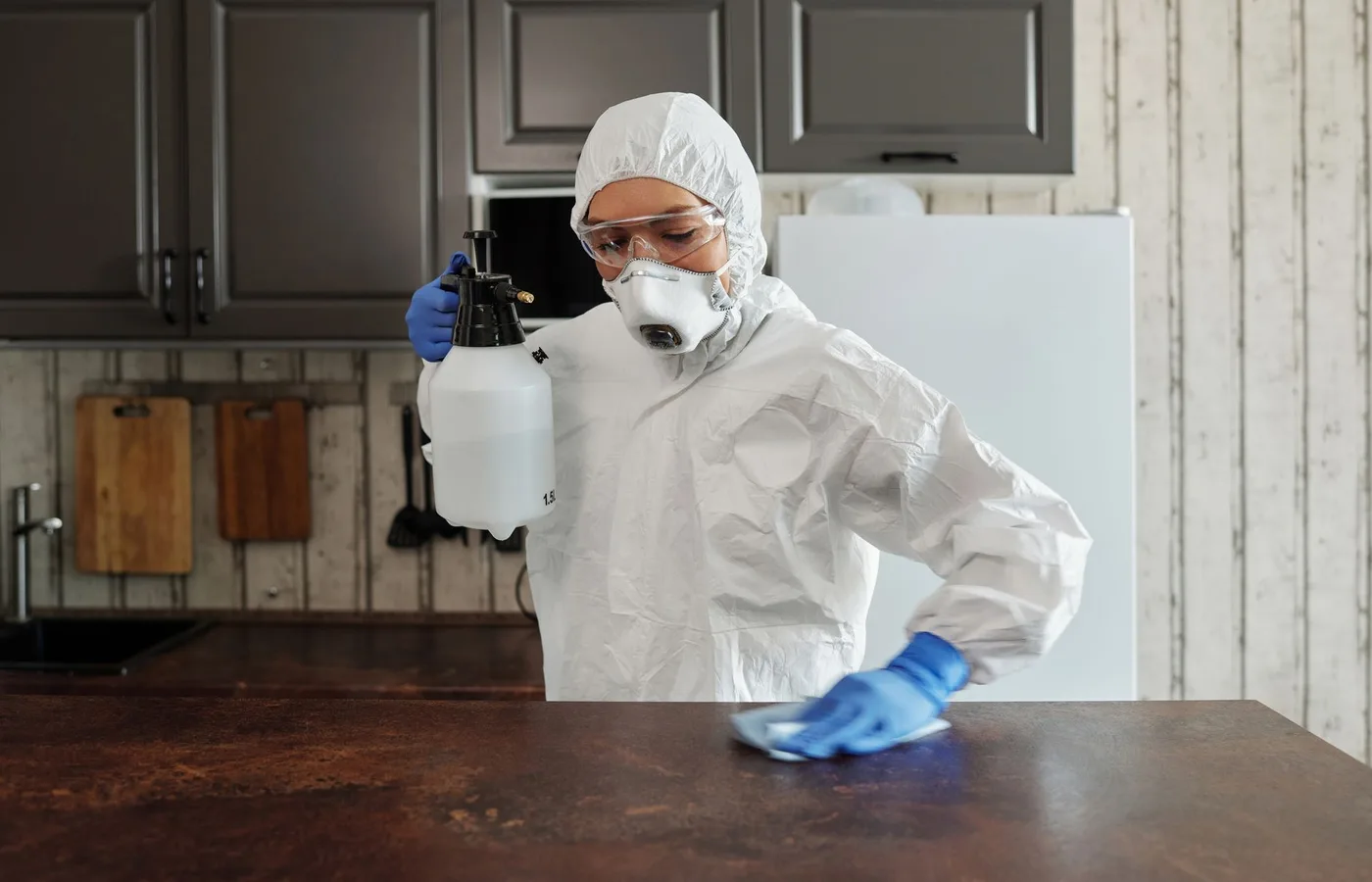
Raghwat Al Janoub Maintenance and Cleaning
Disinfection and sanitisation in Al Murabba, Riyadh
Al Murabba is an old district at the heart of Riyadh, its history layered over decades. Buildings sit close together, streets are narrow and the infrastructure is aged. At its centre stand Al Murabba Palace and the King Abdulaziz Historical Centre, surrounded by government offices and residential units that trace back generations. Disinfection here must honour the building's age and its mixed use.
Why disinfecting is separate from cleaning
-
Places people share
Clinics, schools and shared offices see many different people in a single day.
-
After illness at home
When someone in the household has been ill, what they leave on shared surfaces lingers for days.
-
Kitchens and food areas
Surfaces where food is prepared need a sanitiser that is safe for food contact and leaves nothing behind.
-
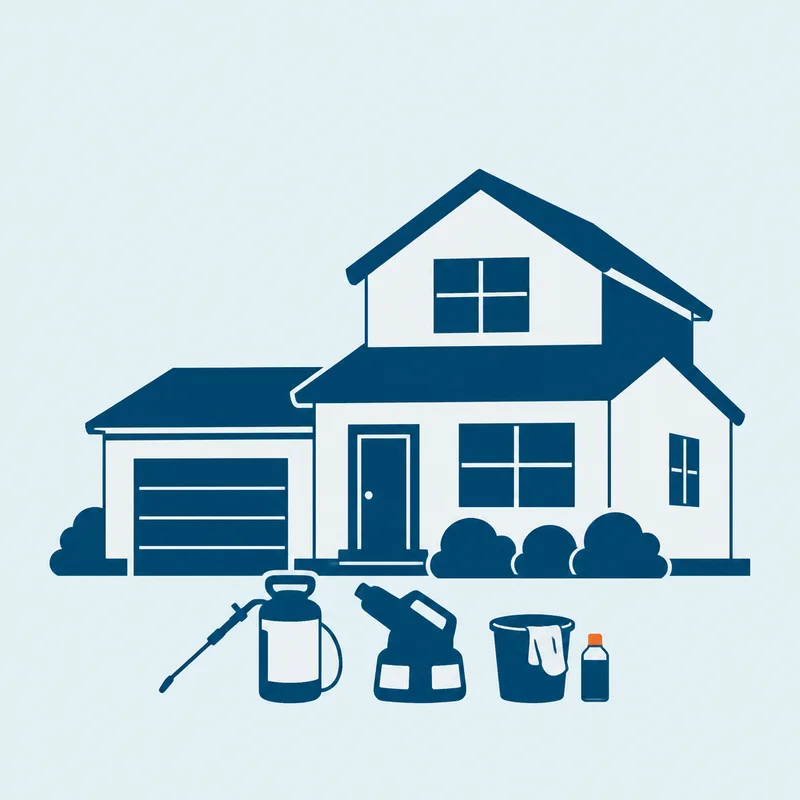
Before moving into a home
Before you move into a flat someone else lived in, you cannot know what they left on the surfaces and in the bathrooms.
Why the job is different in Al Murabba
Residents and office workers in Al Murabba share ageing buildings with tourists and visitors to the historical centre, so contamination spreads quickly between different groups moving through the same spaces. The whole method is set out in our full account of disinfection and sanitisation.
-
Ageing structures demand respectful care
Al Murabba's buildings date back nearly a century, and buried pipes and wiring are fragile. Disinfection using spray and chemicals must avoid excess moisture, which can compromise old foundations and original finishes in some areas, particularly where plaster and tile are original.
-
A mix of government, heritage and residential use
Al Murabba Palace is now a museum but stands surrounded by government offices and apartments within a tightly packed district. Each use brings different foot traffic and different contamination patterns, so treatment must be targeted to each building's actual use and occupancy.
-
Narrow streets trap dust and humidity
Street width in Al Murabba means air does not flow freely, and dust and moisture settle fast on surfaces and windows. Disinfection needs strong ventilation and careful planning that does not leave dampness to seep into the old walls, because these buildings cannot tolerate sustained wet.
What's Included
The district lies between King Saud Road and King Fahd Road, both carrying steady traffic that brings dust and vehicle emissions. Old pipes and wiring inside the buildings are sensitive to moisture and require careful handling during treatment.
-
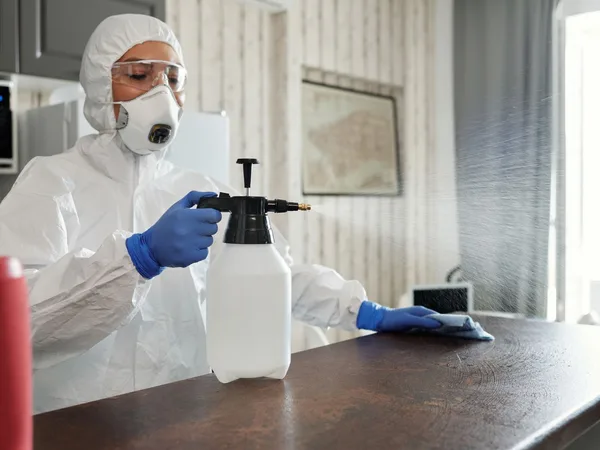
Cleaned before disinfecting
Cleaning old buildings before disinfection must be gentle so original foundations and finishes are not affected. We clean only the surface dust before chemical treatment, avoiding the aggressive methods that suit newer construction.
-
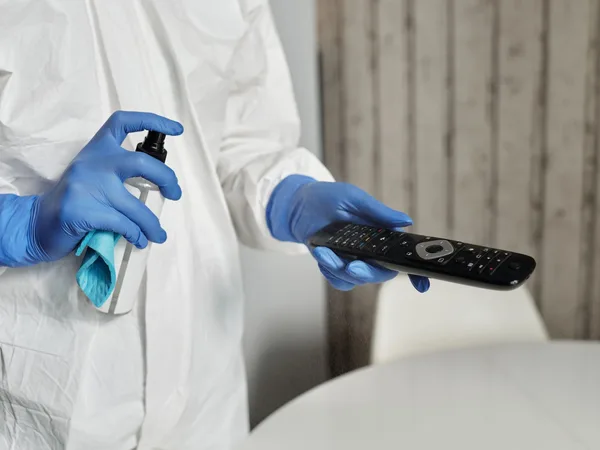
High-touch points
High touch points here are varied: old wooden doors, bronze handles and stone surfaces all need different contact times and suited products. One time duration does not fit all materials.
-
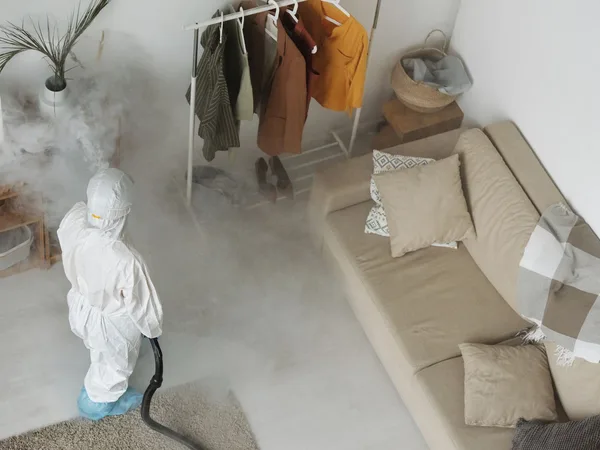
Fogging the open areas
Spray in narrow streets may leave high humidity, so we apply disinfection in short bursts with doors and windows opened between them, preventing moisture from settling into old walls.
-
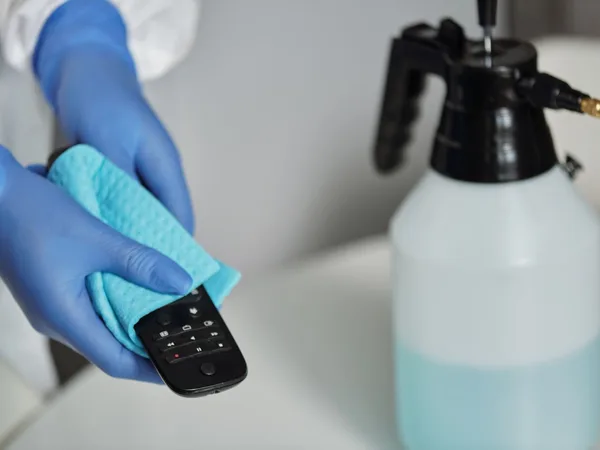
Contact time respected
Contact time differs by surface material and age. Old metal may need shorter duration than stone, and we time it correctly without prolonging the building's exposure to moisture.
-
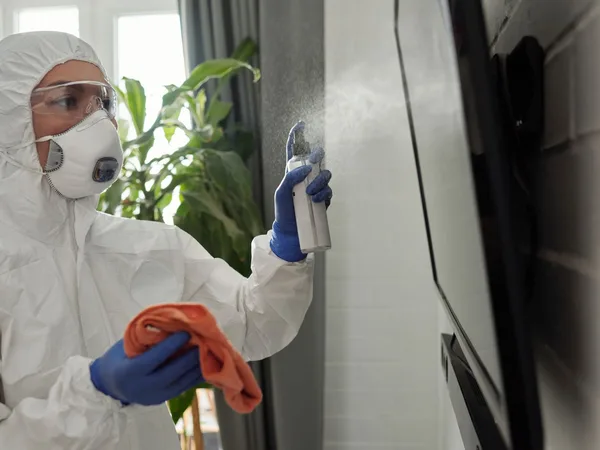
Ventilated before re-entry
Ventilation after disinfection is mandatory in Al Murabba because streets are narrow and air is stagnant. We open every door and window for an extended period until the buildings are fully dry.
-
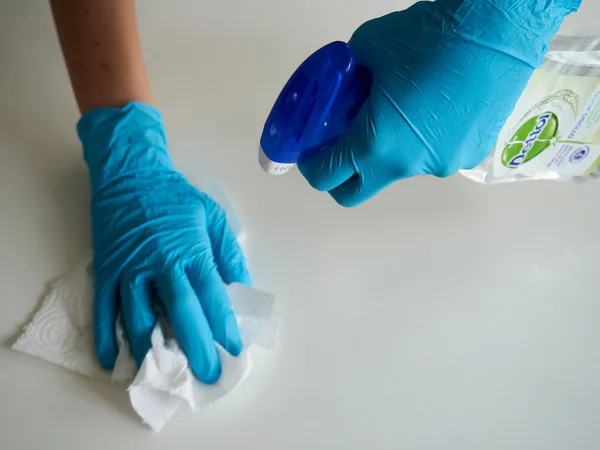
The product used, recorded
Recording the product used is important here especially in heritage and government spaces, so officials know what touched the building and there is formal documentation on file.
The character of Al Murabba
Historic district: close-set buildings, narrow lanes and ageing services
Al Murabba being historic means the structure itself is sensitive and buried services may not tolerate excess moisture. Disinfection must be intelligent, killing contamination without damaging the building or its heritage value.
How we work
We learn the space
We prepare and clean first
We disinfect and wait
We ventilate and hand over
Some of our work
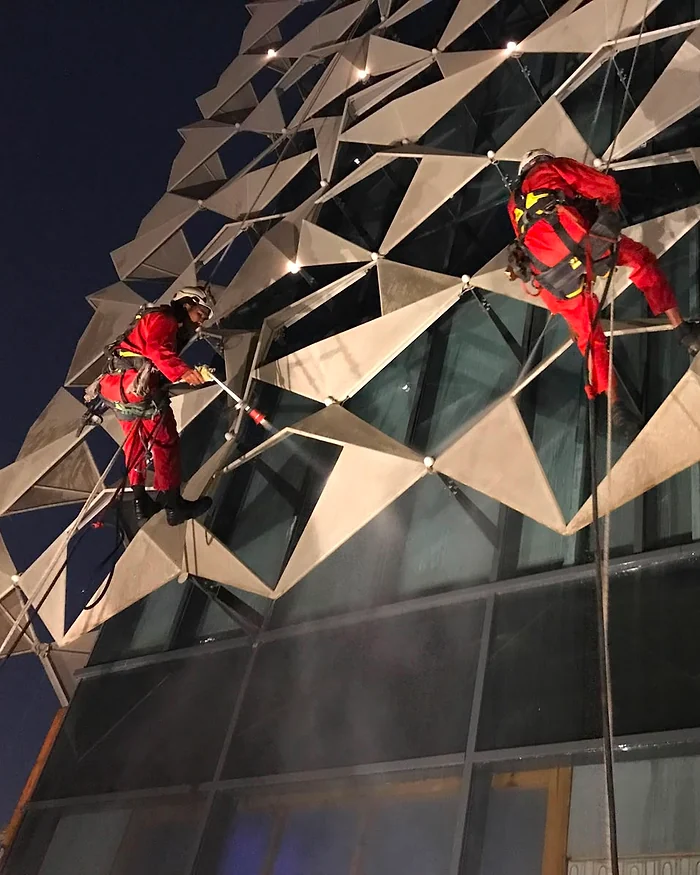
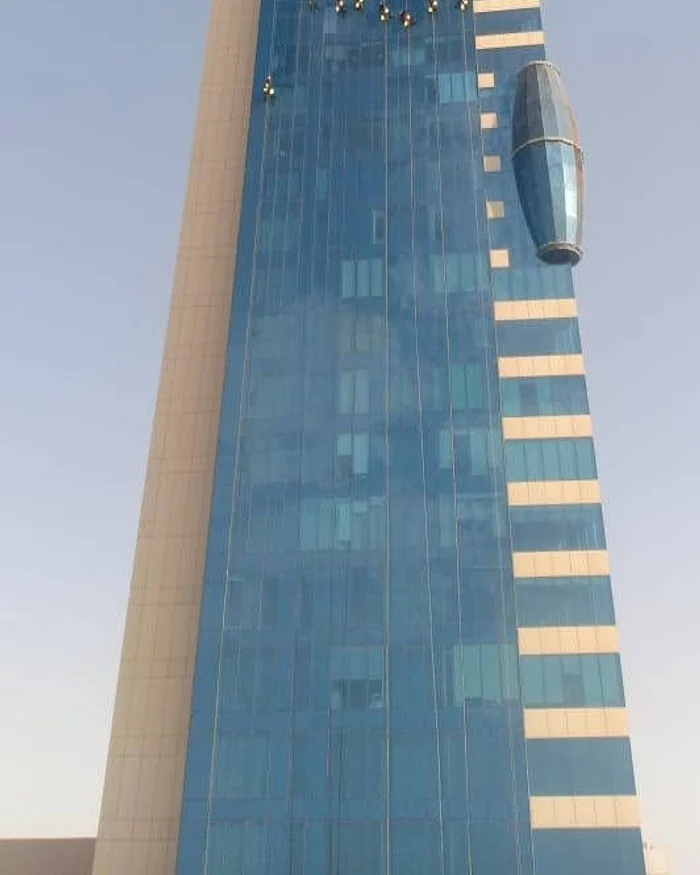
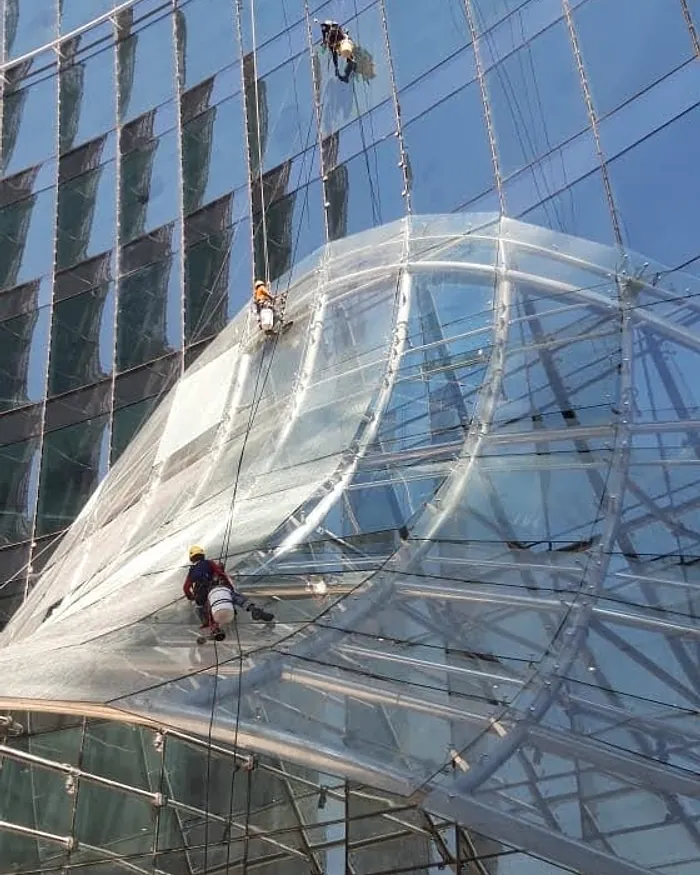
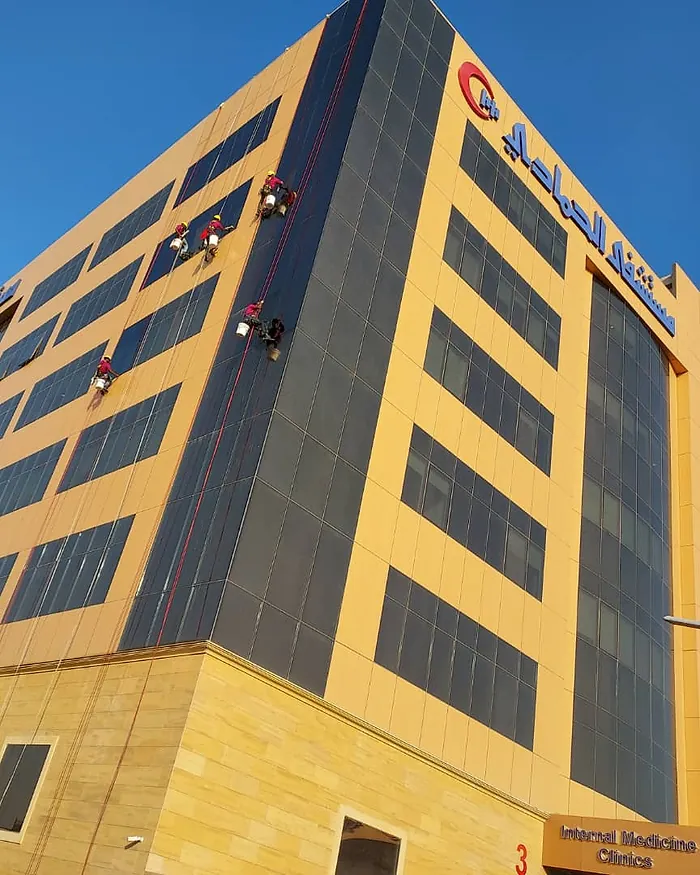
Photos from our team's work.
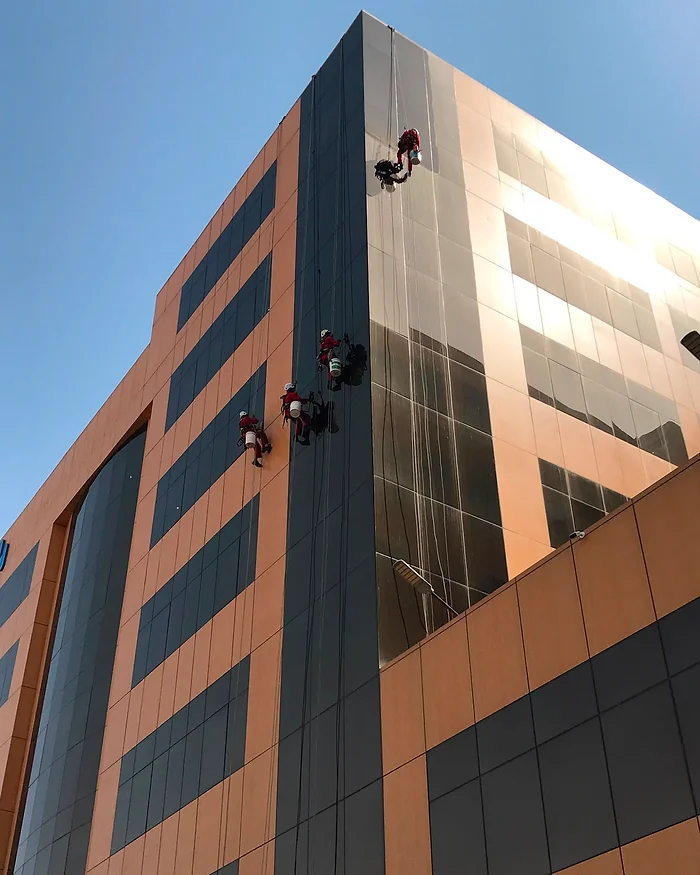
Landmarks of Al Murabba
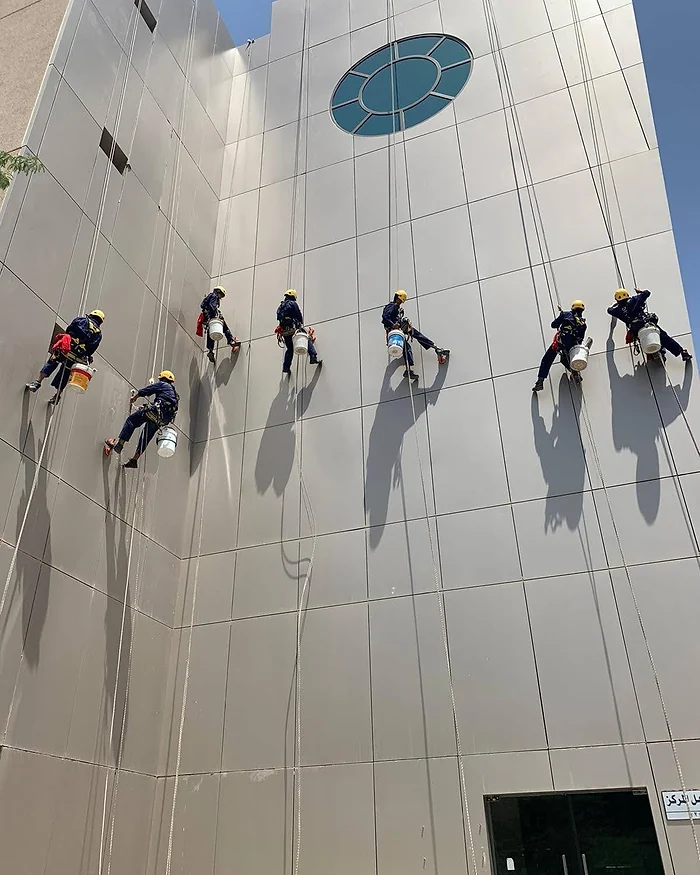
Al Murabba Palace and the King Abdulaziz Historical Centre at the heart of the district shape how we organise the work. We plan disinfection starting with the heritage sites, then moving to surrounding government offices and residential units, respecting the priority order and different uses.
- Al Murabba Palace
- King Abdulaziz Historical Centre
- Al Murabba District Mosque
Other services in Al Murabba
The room and the building around it are on one list.
-
Bathroom cleaning
-
Clinic and medical centre cleaning
-
Water tank cleaning and disinfection
-
Deep cleaning
-
Sofa cleaning
-
Carpet and rug cleaning
-
Mattress cleaning
-
Curtain cleaning
-
House cleaning
-
Apartment cleaning
-
Villa cleaning
-
Majlis and rest-house cleaning
-
Chalet cleaning
-
Yacht cleaning
-
Kitchen cleaning
-
Chandelier cleaning
-
Swimming pool cleaning
-
Garden clearance
-
Water tank waterproofing
-
Move-in and move-out cleaning
-
Post-construction cleaning
-
Pest control
-
Bed bug control
-
Office cleaning
-
Restaurant cleaning
-
Hotel and resort cleaning
-
Shopping mall cleaning
-

Retail shop cleaning
-
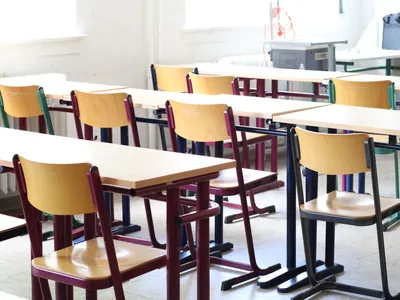
School cleaning
-

Nursery and kindergarten cleaning
-
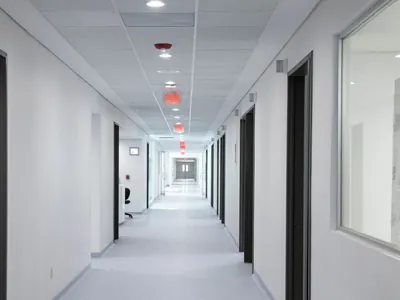
Hospital cleaning
-
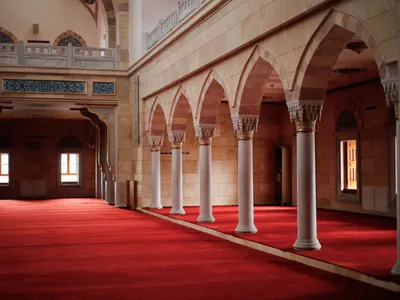
Mosque cleaning
-
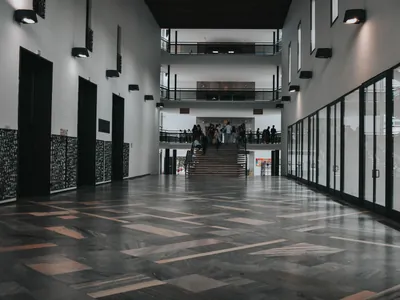
Government facility cleaning
-
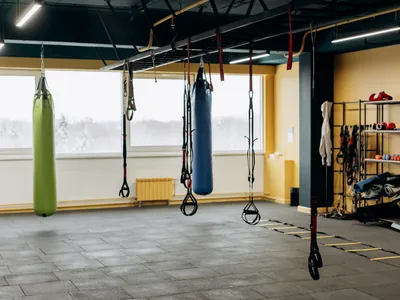
Gym cleaning
-
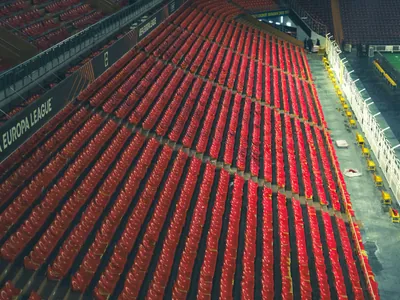
Sports field cleaning
-
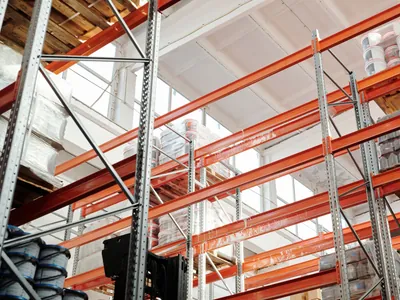
Factory and warehouse cleaning
-

Event cleaning
-
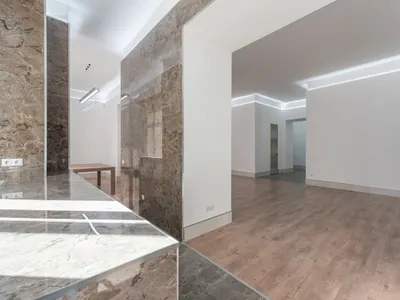
Commercial post-construction cleaning
-
Air duct and AC cleaning
-
Commercial pest control