
Raghwat Al Janoub Maintenance and Cleaning
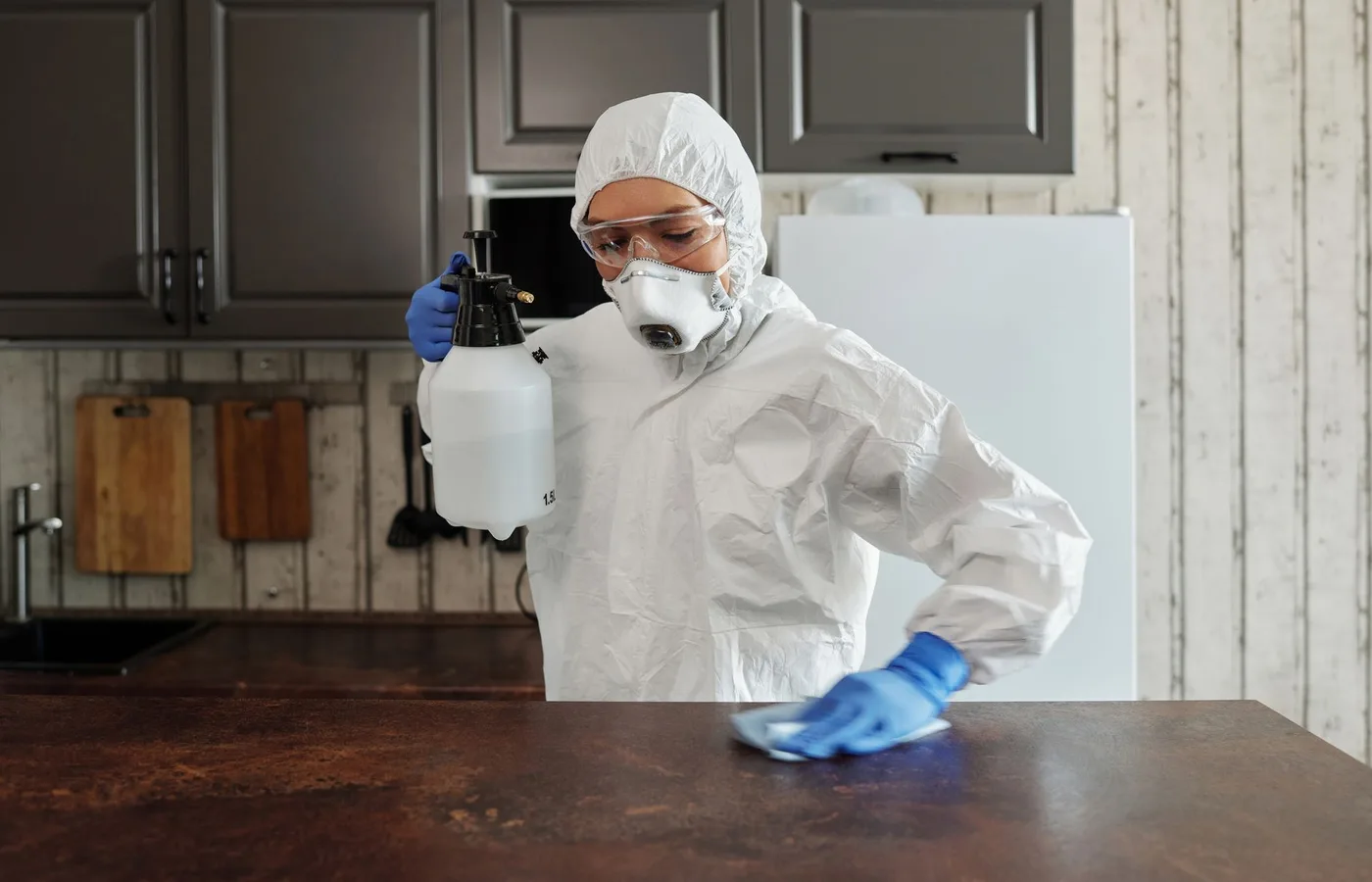
Disinfection and sanitisation in Al Murqab, Riyadh
Al Murqab is an old district in central Riyadh surrounded by historic walls, marked by close-set buildings, narrow lanes and infrastructure from decades past. Al Murqab Market draws visitors from across the city, and the tightly packed buildings with spiral passages create a disinfection challenge unlike modern neighbourhoods. The district sits on the bank of Wadi Al Batha where seasonal water flows, and buildings carry natural high humidity, especially in lower floors and closed passages.
Why disinfecting is separate from cleaning
-
Places people share
Clinics, schools and shared offices see many different people in a single day.
-
After illness at home
When someone in the household has been ill, what they leave on shared surfaces lingers for days.
-
Kitchens and food areas
Surfaces where food is prepared need a sanitiser that is safe for food contact and leaves nothing behind.
-
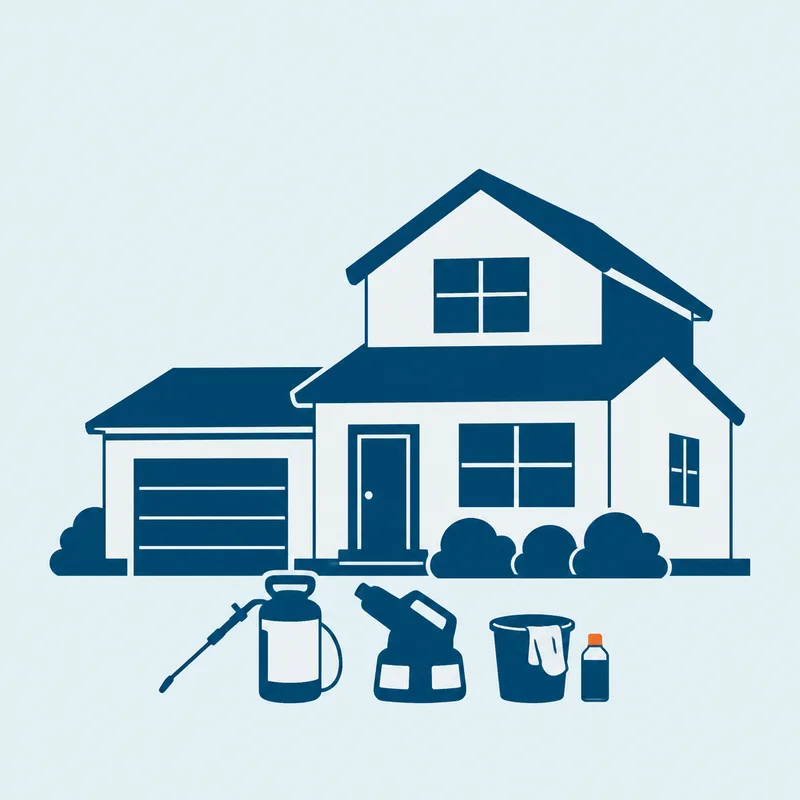
Before moving into a home
Before you move into a flat someone else lived in, you cannot know what they left on the surfaces and in the bathrooms.
Why the job is different in Al Murqab
The spiral stairs and tight passages are extremely narrow, and some passageways receive almost no air movement. Moisture and mould settle there far more than in modern districts, requiring careful planning and extended treatment time. The whole method is set out in the disinfection and sanitisation overview.
-
Close-set buildings and extremely tight spiral stairs
Al Murqab's streets are so narrow that buildings almost touch. Spiral passages between structures are barely wide enough for one person, ceilings are low, and sunlight barely reaches them, leaving them cool and damp year-round. These confined spaces trap moisture and contaminants because air movement is minimal.
-
A busy wholesale market and relentless visitor traffic
Al Murqab Market opens daily and draws hundreds of visitors from across Riyadh. Buying and selling never stops, and local residents and shoppers share the same narrow passages and stairs every day, each bringing contaminants from many other parts of the city.
-
Natural high humidity from the wadi and old building stock
Wadi Al Batha flows seasonally and dampens the soil around buildings. Old structures carry long-standing water seepage from aged foundations and ground floors. High humidity accelerates mould and fungal growth, and disinfecting these zones requires specialist treatment of damp surfaces.
What's Included
The neighbourhood sits on the Wadi Al Batha bank which carries seasonal water, and old tightly packed buildings have naturally elevated moisture levels, particularly in ground floors and enclosed corridors where air circulation is poor.
-
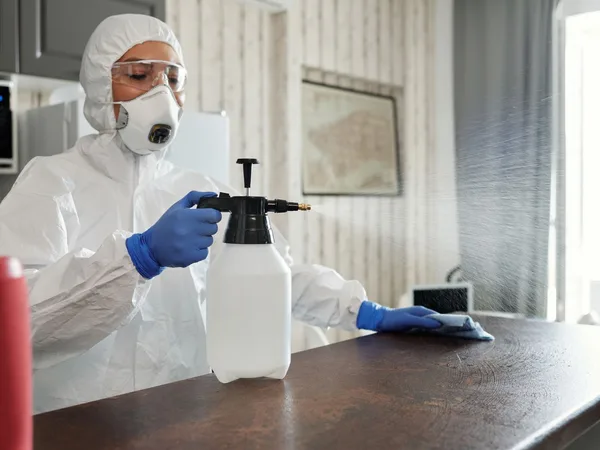
Cleaned before disinfecting
Old buildings carry embedded moisture and accumulated dirt in corners and crevices, requiring deep cleaning and moisture removal before disinfection begins.
-
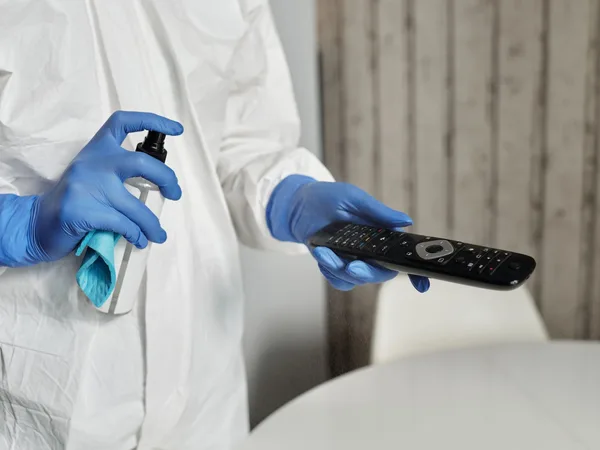
High-touch points
Handles, railings and touched surfaces in tight passages concentrate traffic from hundreds of people daily, making them the primary infection transmission points.
-
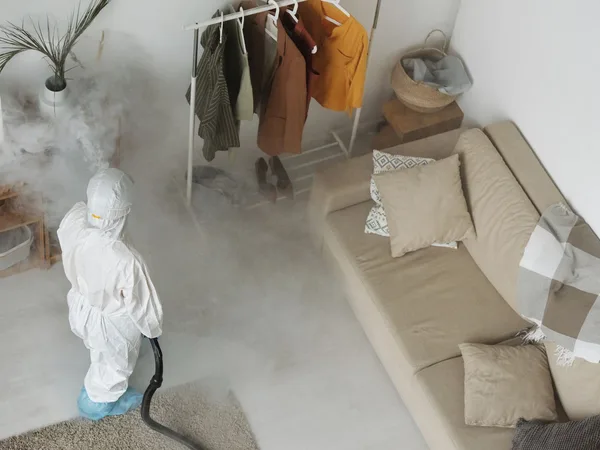
Fogging the open areas
Tight passages and stairs require disinfectant fog that fills the entire space, because high humidity and still air prevent manual wiping from reaching every area.
-
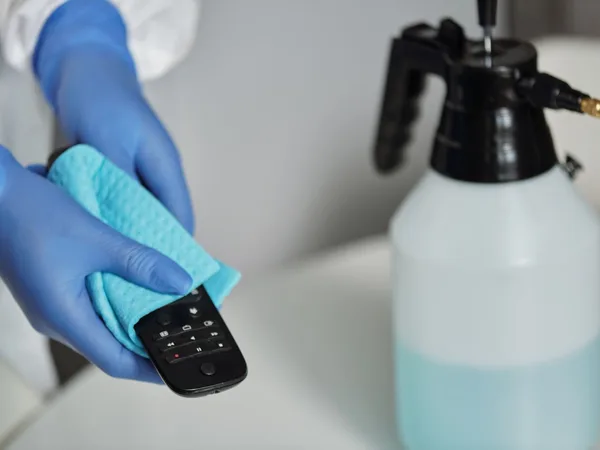
Contact time respected
Disinfectant must remain in contact with damp surfaces longer than dry ones to kill mould and fungi, so contact time extends beyond standard treatment.
-
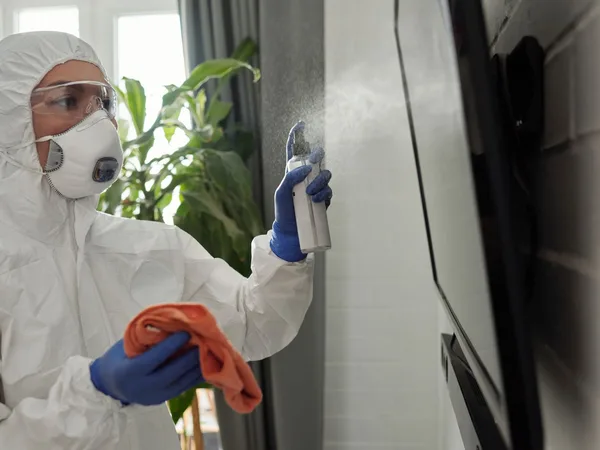
Ventilated before re-entry
Ventilation in Al Murqab takes much longer because passages are confined and air still. Full drying may require an hour to two hours before the space is safe to re-enter.
-
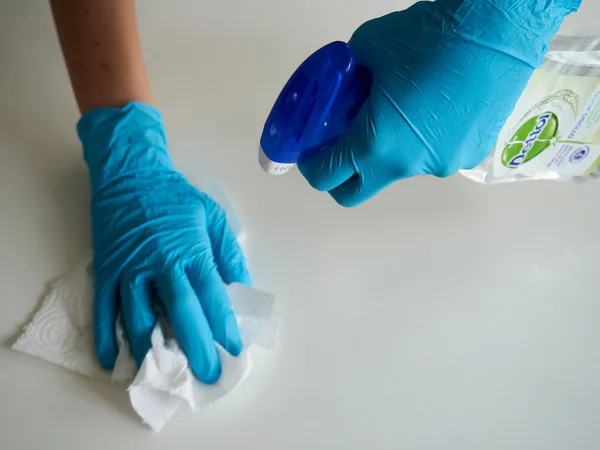
The product used, recorded
We record the product used, disinfection date and areas treated on a sheet for residents because the district is dense and residents share passages with many others.
Al Murqab on the map
Al Murqab sits about 0.5 km from Al Qura and about 1 km from Al Dirah.
Open in Google MapsHow we work
We learn the space
We prepare and clean first
We disinfect and wait
We ventilate and hand over
Some of our work
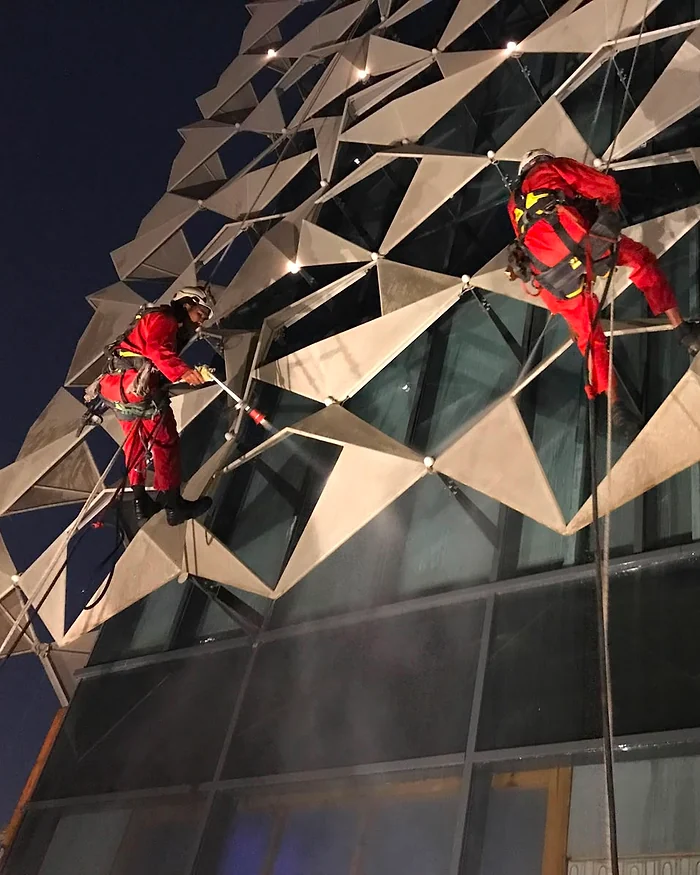
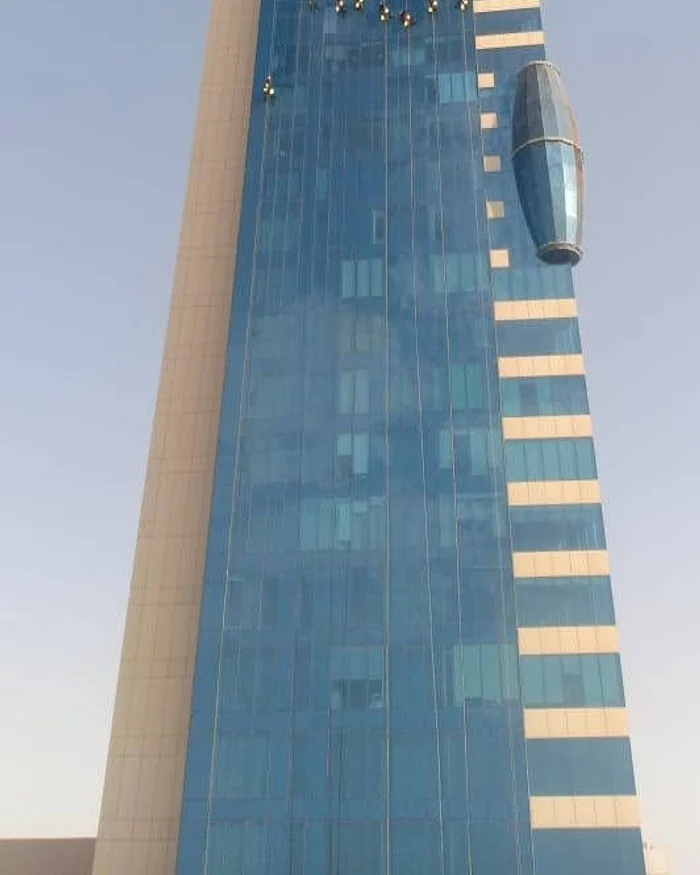
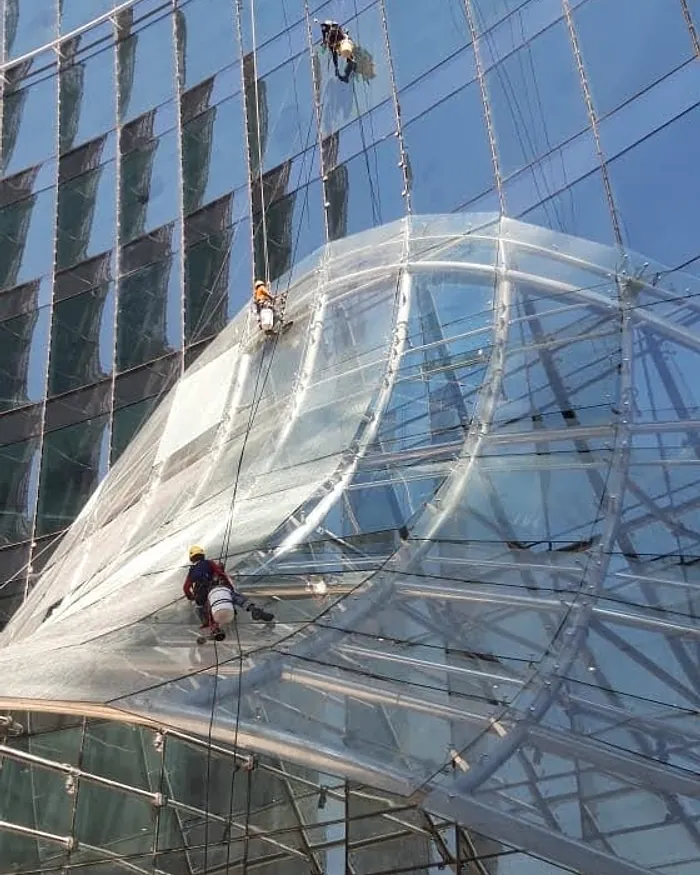
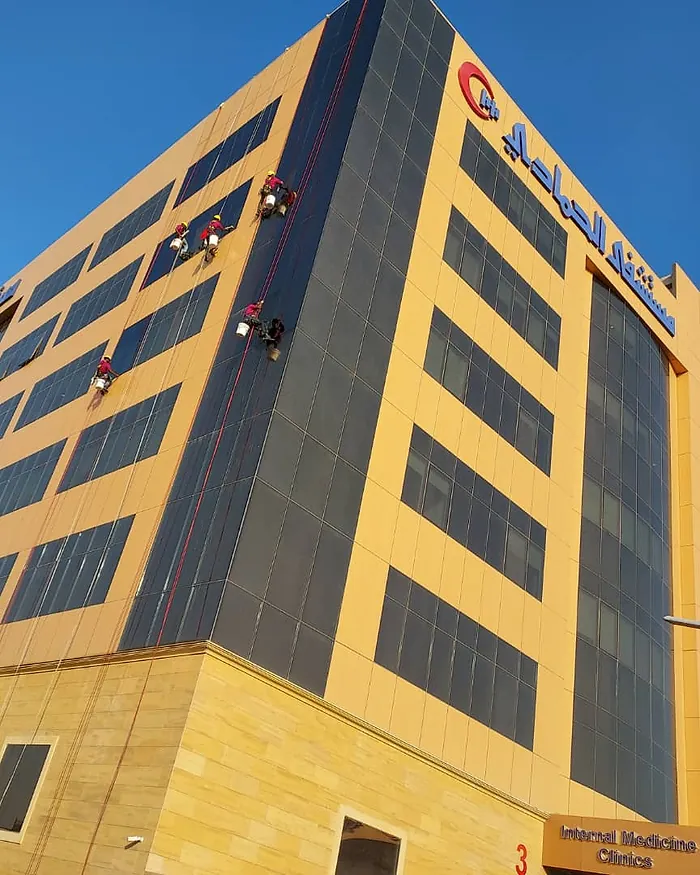
Photos from our team's work.
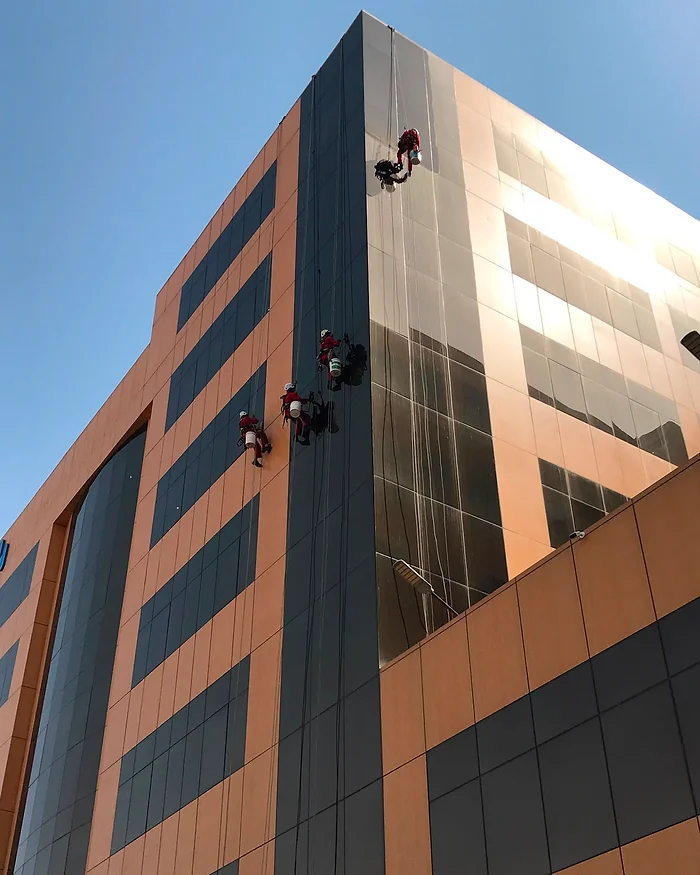
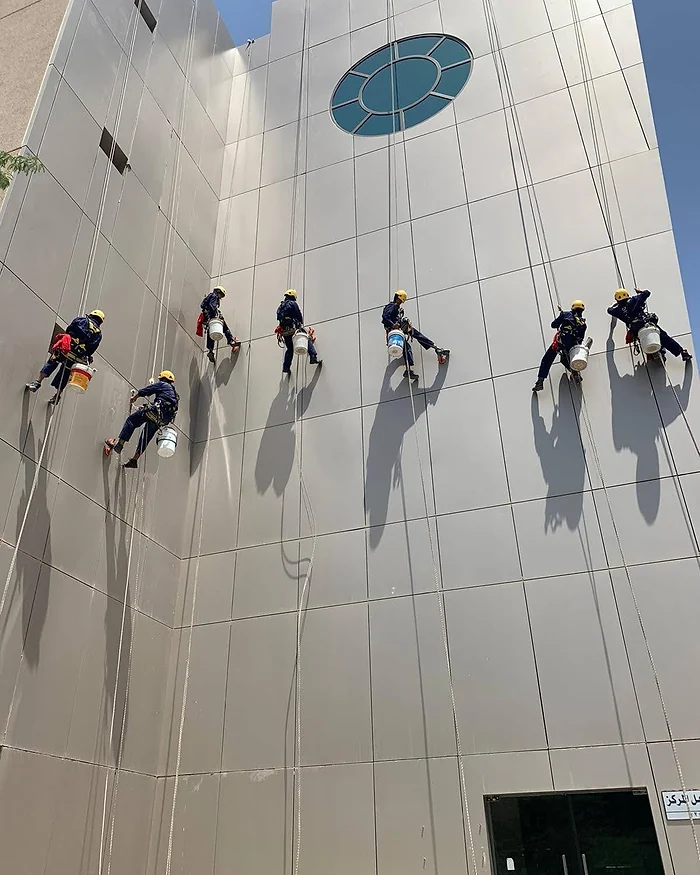
Landmarks of Al Murqab
Al Murqab sits on the Wadi Al Batha bank near the famous Al Murqab Market, and work is timed around market operations and shop opening hours. With continuous congestion at Al Murqab Market through the morning, we schedule disinfection after market hours, while we treat the adjoining residential buildings during quieter afternoon hours when residents are not moving in and out.
- Al Murqab Market
- Suhail bin Al Samt Street
- Wadi Al Batha
Other services in Al Murqab
The room and the building around it are on one list.
-
Bathroom cleaning
-
Clinic and medical centre cleaning
-
Water tank cleaning and disinfection
-
Deep cleaning
-
Sofa cleaning
-
Carpet and rug cleaning
-
Mattress cleaning
-
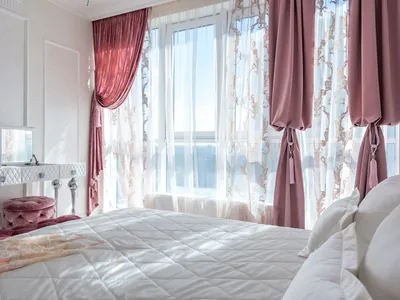
Curtain cleaning
-
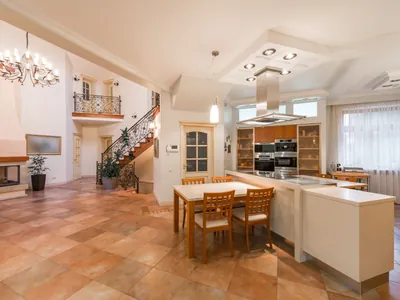
House cleaning
-
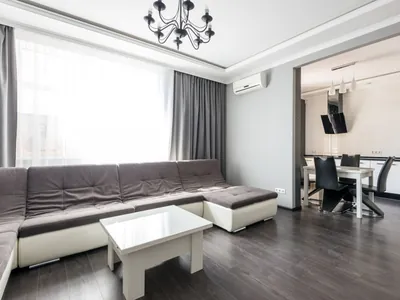
Apartment cleaning
-
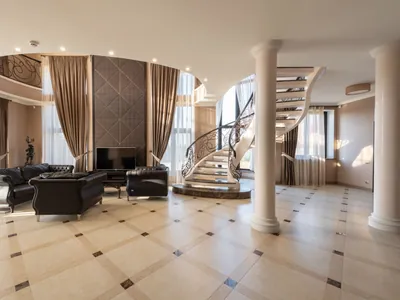
Villa cleaning
-
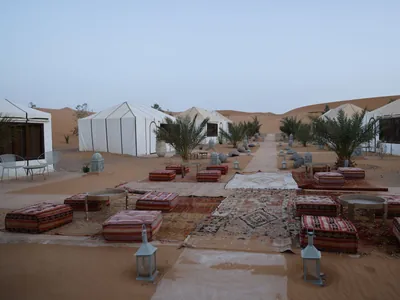
Majlis and rest-house cleaning
-
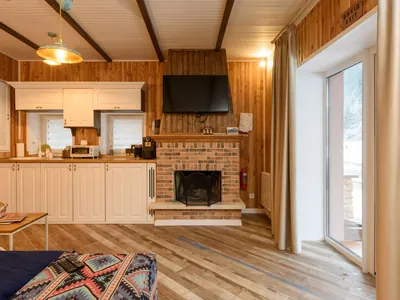
Chalet cleaning
-
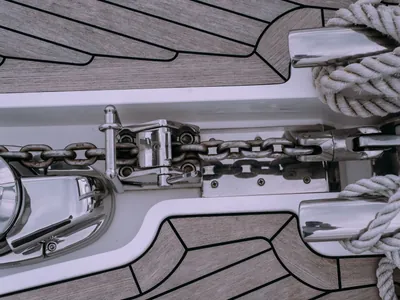
Yacht cleaning
-
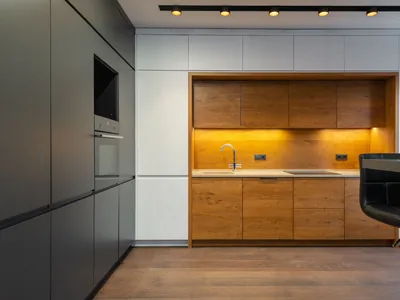
Kitchen cleaning
-
Chandelier cleaning
-
Swimming pool cleaning
-
Garden clearance
-
Water tank waterproofing
-
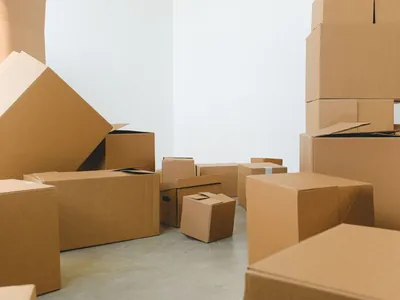
Move-in and move-out cleaning
-
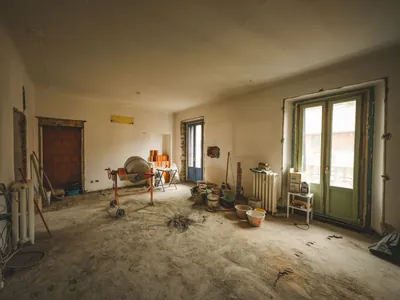
Post-construction cleaning
-
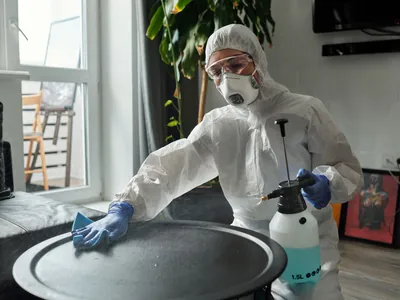
Pest control
-
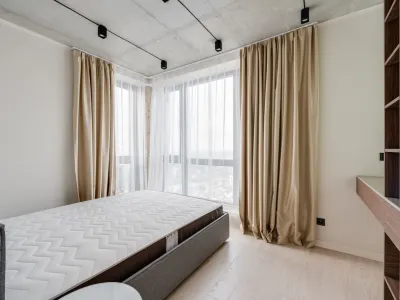
Bed bug control
-
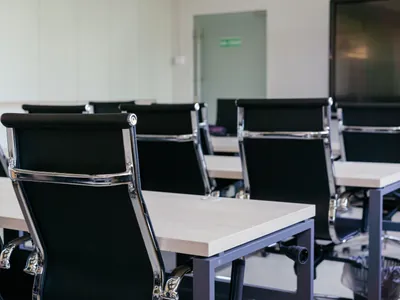
Office cleaning
-
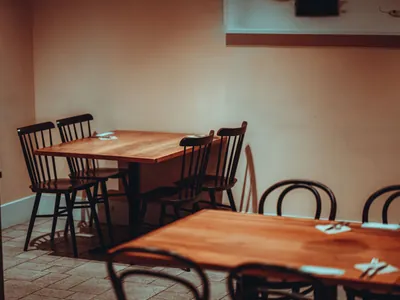
Restaurant cleaning
-
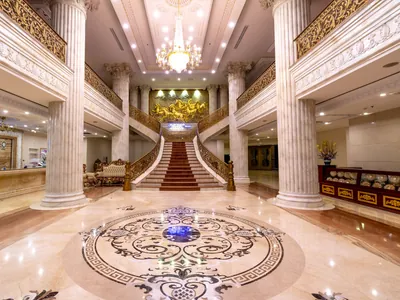
Hotel and resort cleaning
-
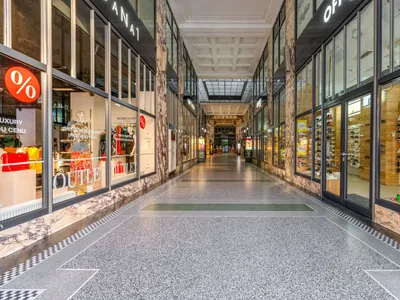
Shopping mall cleaning
-

Retail shop cleaning
-
School cleaning
-

Nursery and kindergarten cleaning
-
Hospital cleaning
-
Mosque cleaning
-
Government facility cleaning
-
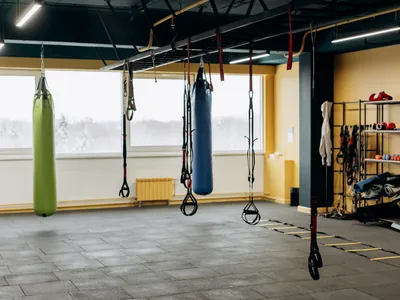
Gym cleaning
-
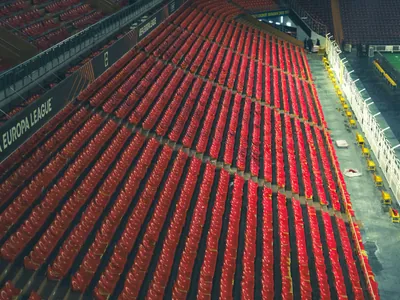
Sports field cleaning
-
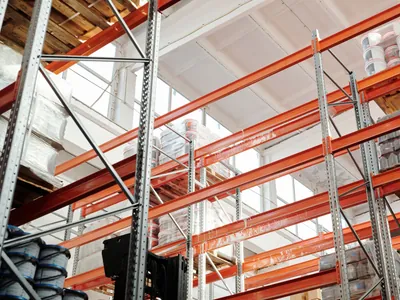
Factory and warehouse cleaning
-

Event cleaning
-
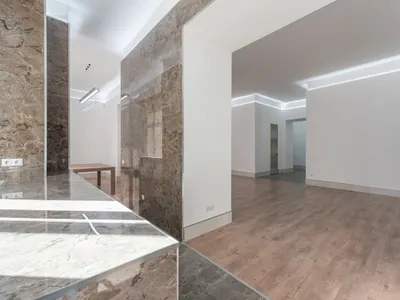
Commercial post-construction cleaning
-
Air duct and AC cleaning
-
Commercial pest control