
Raghwat Al Janoub Maintenance and Cleaning
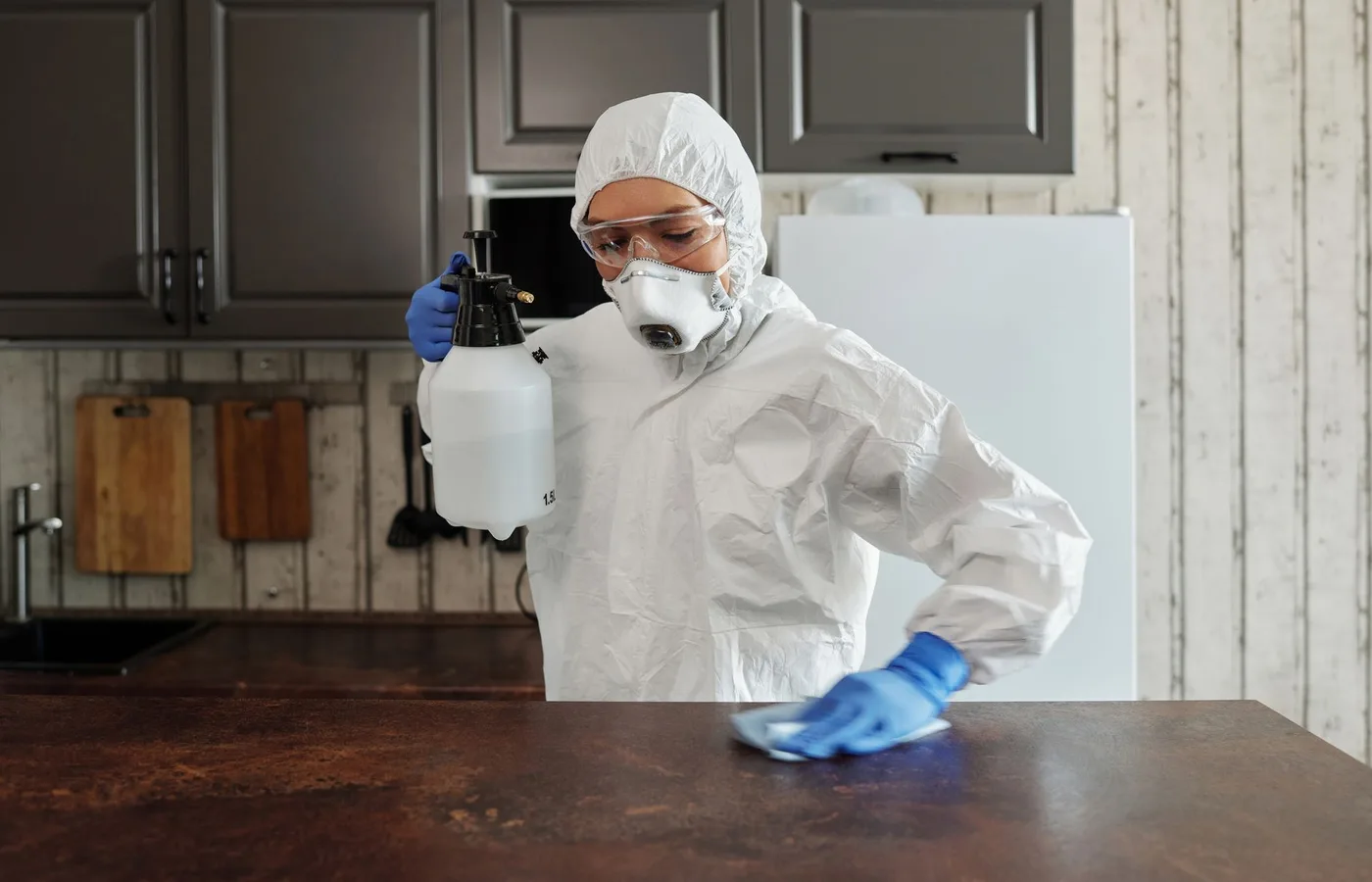
Disinfection and sanitisation in Al Sulay, Riyadh
Al Sulay is an industrial district in south Riyadh surrounded by warehouses, showrooms and manufacturing operations, with residential villas and apartments sitting within this industrial zone. Homes here face industrial contamination patterns completely different from purely residential neighbourhoods. Oily grime from workshops, diesel soot and unpaved yard dust accumulate on ground floors and entry points far faster than in housing districts distant from industry. Sanitising requires strong treatment to remove these industrial contaminants from residential surfaces.
Why disinfecting is separate from cleaning
-
Places people share
Clinics, schools and shared offices see many different people in a single day.
-
After illness at home
When someone in the household has been ill, what they leave on shared surfaces lingers for days.
-
Kitchens and food areas
Surfaces where food is prepared need a sanitiser that is safe for food contact and leaves nothing behind.
-
Before moving into a home
Before you move into a flat someone else lived in, you cannot know what they left on the surfaces and in the bathrooms.
Why the job is different in Al Sulay
Oily and chemical pollutants from workshops and storage facilities settle on surfaces and furnishings far more rapidly than in residential districts removed from industrial operations. The whole method is set out in the disinfection and sanitisation overview.
-
Oily grime from surrounding workshops
Workshops and warehouses surrounding Al Sulay release oily smoke and metal particulates. These contaminants settle on villas and apartments quickly and build up on surfaces fast. Disinfecting homes in Al Sulay must begin by removing oil residue first, adding significant pre treatment time before actual disinfection can proceed.
-
Diesel soot and heavy vehicle exhausts
The Second Ring Road and lorries passing through Al Sulay release heavy diesel fumes and black soot. This soot deposits on walls, windows and furniture as stubborn residue. Home disinfection requires special treatment to remove soot first as a prerequisite.
-
Tiled floors and trapped contamination layers
Unpaved yards surrounding warehouses raise dust and soil continuously. This soil settles on tiled floors in homes. Tiled surfaces trap pollutants quickly, and disinfectant must dwell much longer on smooth soiled surfaces to penetrate properly through accumulated grime layers.
What's Included
An industrial area ringed by factories, warehouses and loading yards, with residential villas and apartments within its zone, creating continuous exposure to industrial and chemical contaminants.
-
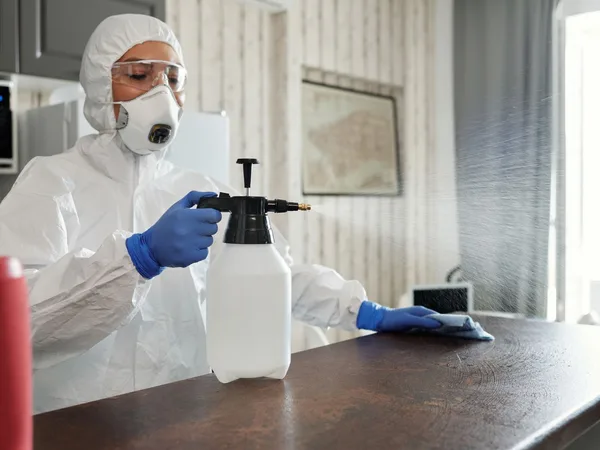
Cleaned before disinfecting
Oily grime from workshops deposits as thick layers requiring heavy cleaning before disinfection can start working effectively.
-
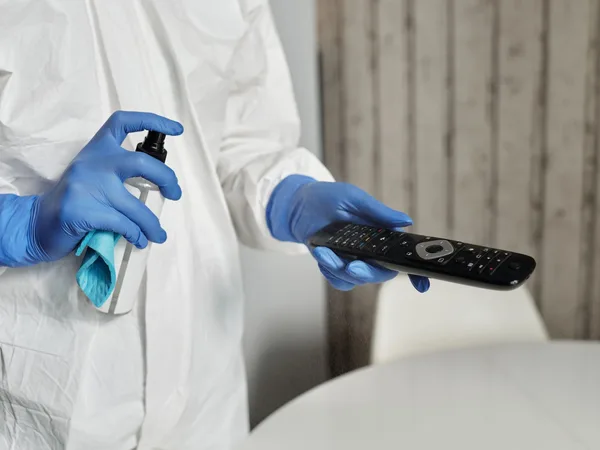
High-touch points
Touch points, door handles and railings collect soot and oil residue requiring intensive pre cleaning before treatment.
-
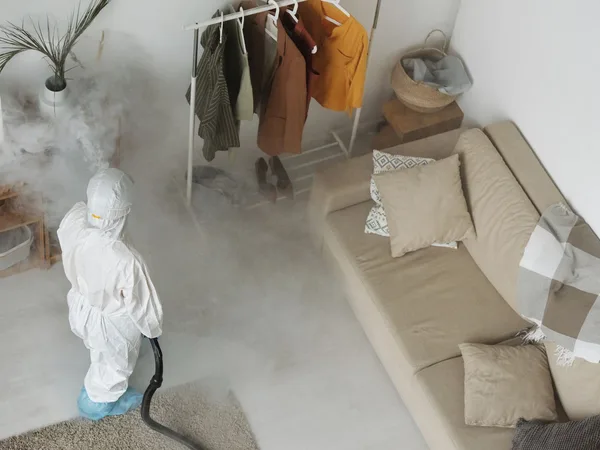
Fogging the open areas
Open spaces, balconies and yards need very strong mist application because industrial pollutant concentration is high.
-
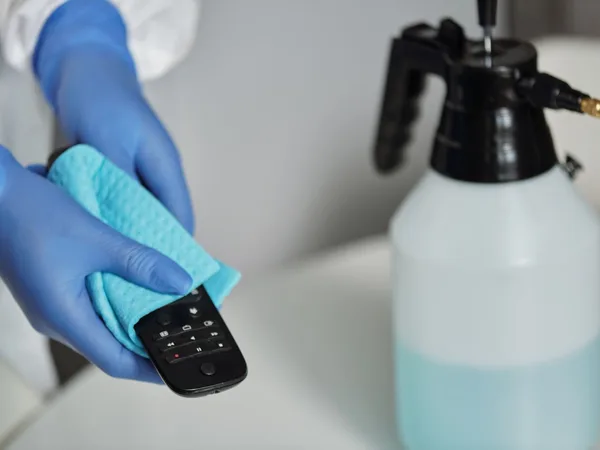
Contact time respected
Contact time must extend much longer on oil and soot contaminated surfaces because these industrial pollutants are hard to penetrate.
-
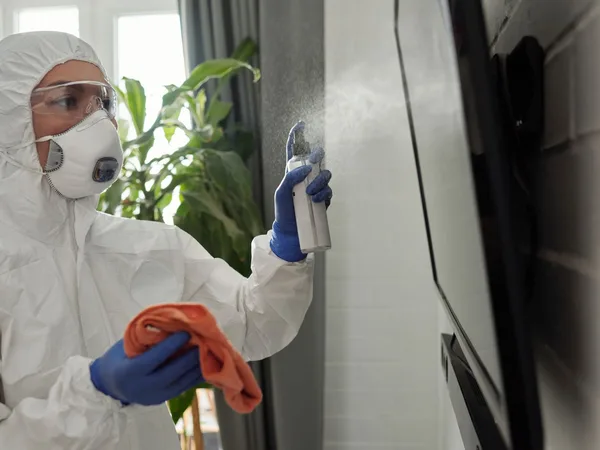
Ventilated before re-entry
Post treatment ventilation must be strong to clear oil odours, diesel smell and disinfectant residue together from the space.
-
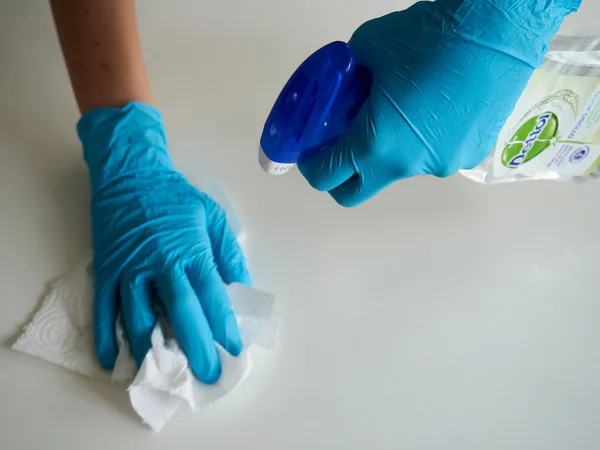
The product used, recorded
We record which industrial operations sit nearest your home because each factory or warehouse type releases different contaminant profiles.
Landmarks of Al Sulay
Mohammed bin Mandour Mosque and the Second Ring Road mark access to homes in Al Sulay, where we navigate through Shibh Al Jazirah Street to avoid heavy lorry traffic and reach villas and apartments positioned within the industrial zone.
- Shibh Al Jazirah Street
- Mohammed bin Mandour Mosque
- Second Ring Road
- Istanbul Street
How we work
We learn the space
We prepare and clean first
We disinfect and wait
We ventilate and hand over
Some of our work
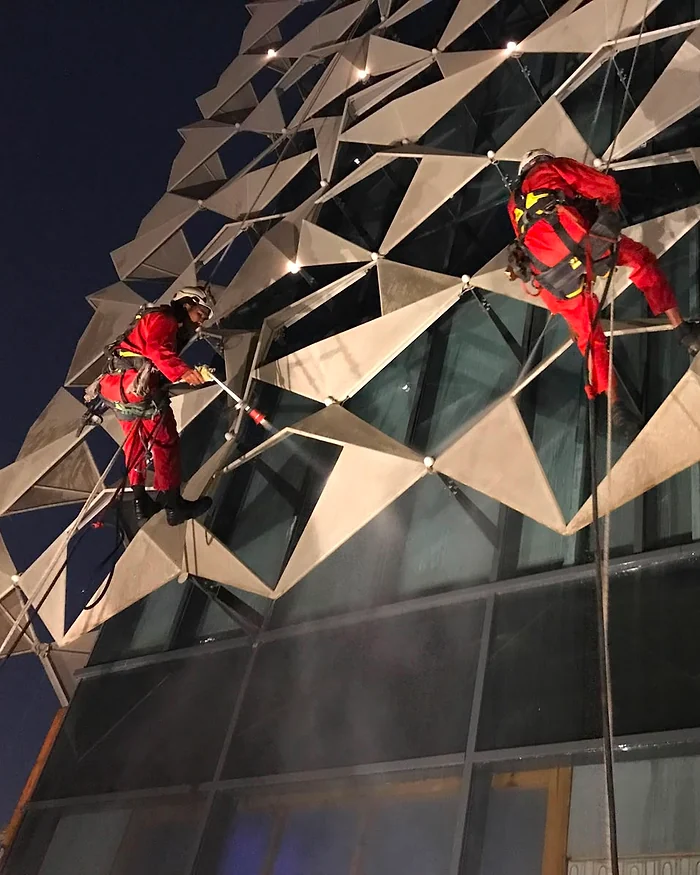
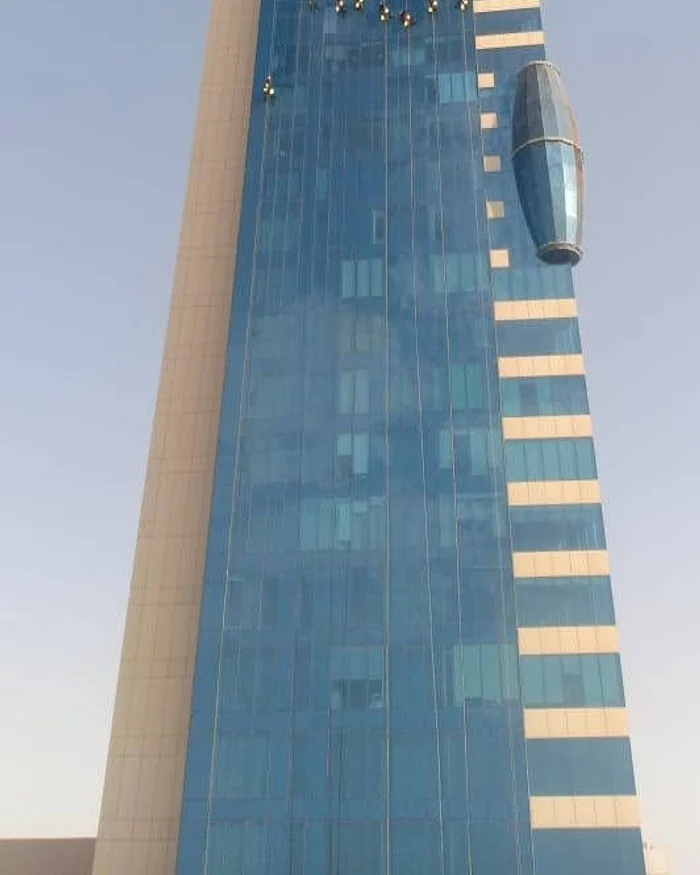
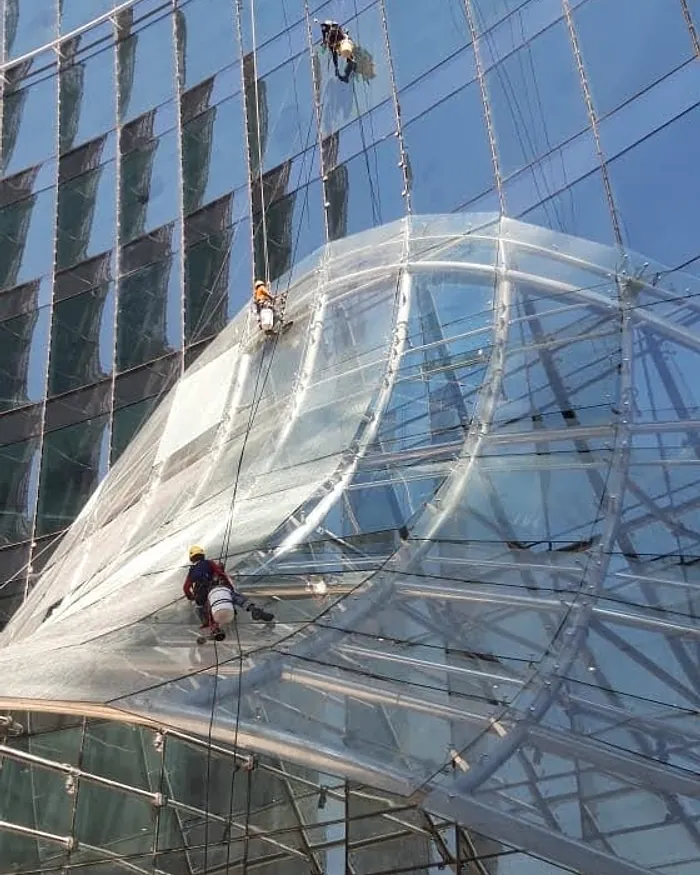
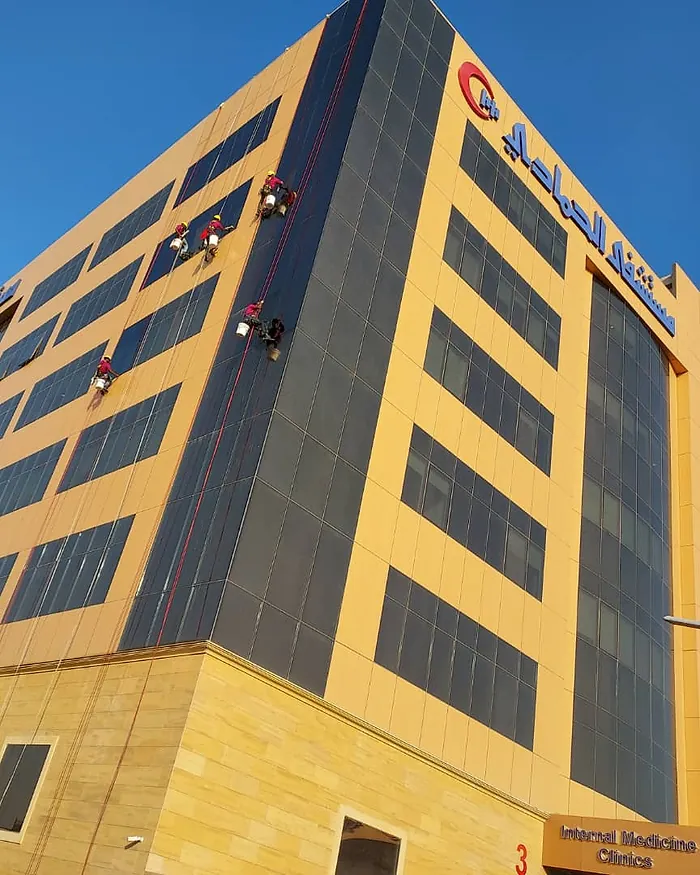
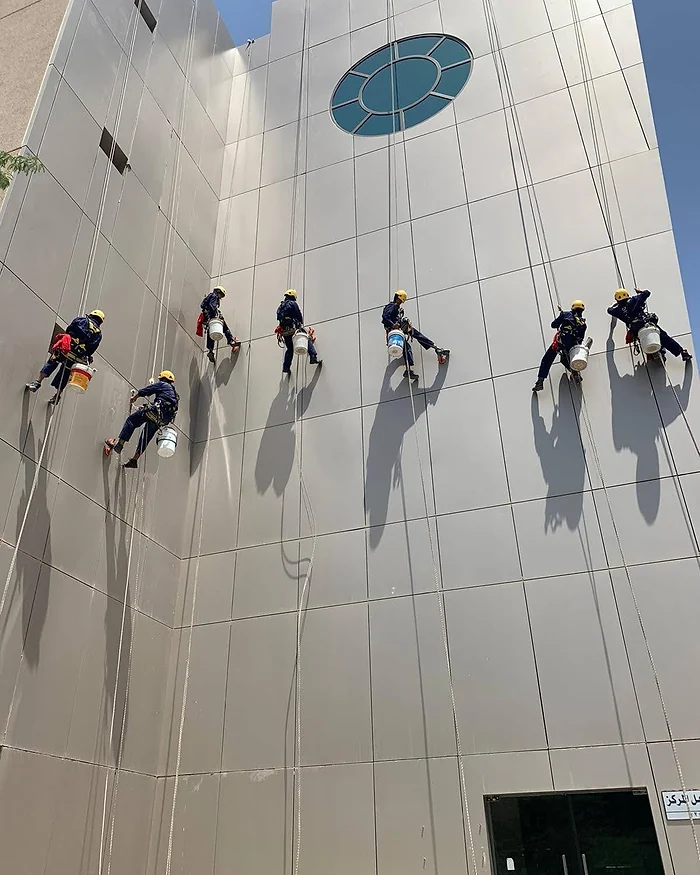
Photos from our team's work.
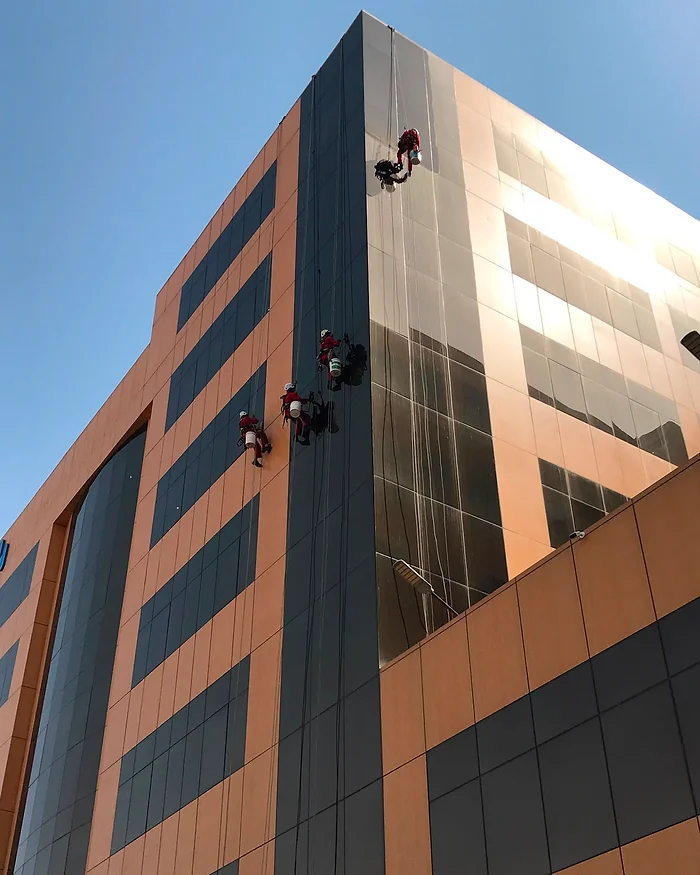
What is different about South Riyadh
South Riyadh is the older, denser and more industrial side of the capital. Manfuhah, Al Shifa, Al Aziziyah, Al Dar Al Baida and Al Faisaliyah are closely built low rise blocks and small villas with shops, workshops and warehouses between them, the wholesale vegetable market sits in Al Aziziyah, and the industrial city and Al Kharj Road carry lorry traffic all day. Oily grime from workshops, diesel soot and soil from unpaved yards build up on ground floors, entrances and tiled floors faster than anywhere else in the city.
Other services in Al Sulay
The room and the building around it are on one list.
-
Bathroom cleaning
-
Clinic and medical centre cleaning
-
Water tank cleaning and disinfection
-
Deep cleaning
-
Sofa cleaning
-
Carpet and rug cleaning
-
Mattress cleaning
-
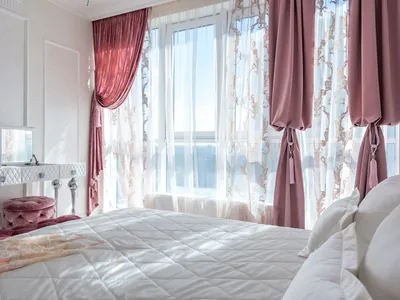
Curtain cleaning
-
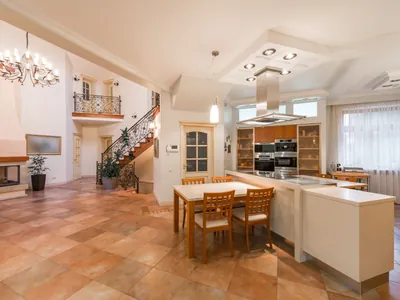
House cleaning
-
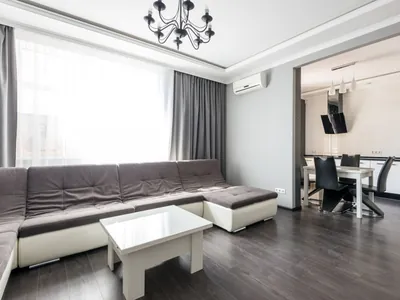
Apartment cleaning
-
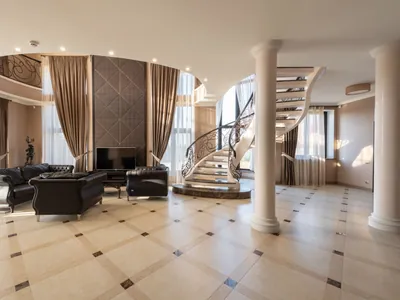
Villa cleaning
-
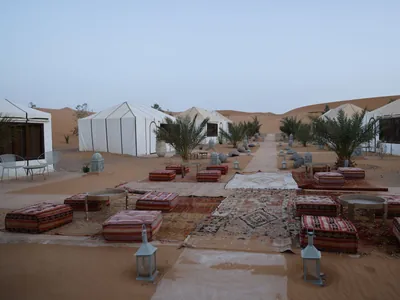
Majlis and rest-house cleaning
-
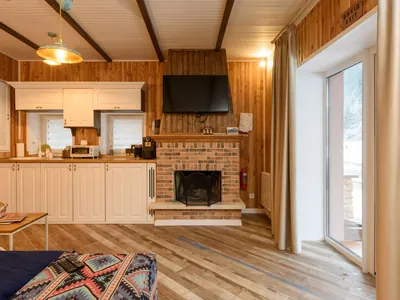
Chalet cleaning
-
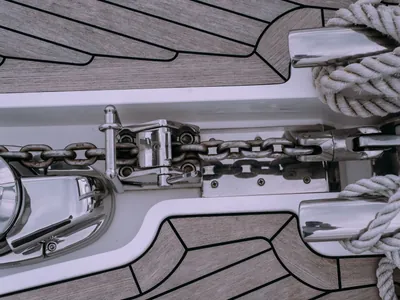
Yacht cleaning
-
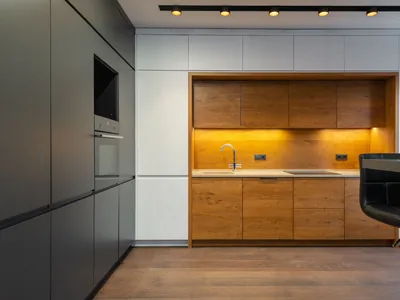
Kitchen cleaning
-
Chandelier cleaning
-
Swimming pool cleaning
-
Garden clearance
-
Water tank waterproofing
-
Move-in and move-out cleaning
-
Post-construction cleaning
-
Pest control
-
Bed bug control
-
Office cleaning
-
Restaurant cleaning
-
Hotel and resort cleaning
-
Shopping mall cleaning
-
Retail shop cleaning
-
School cleaning
-

Nursery and kindergarten cleaning
-
Hospital cleaning
-
Mosque cleaning
-
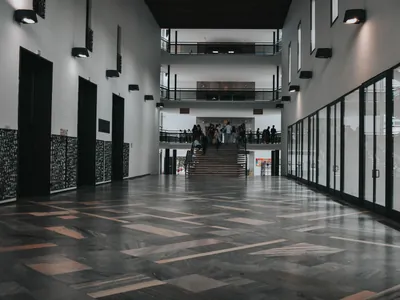
Government facility cleaning
-
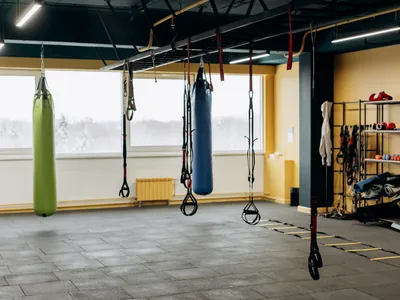
Gym cleaning
-
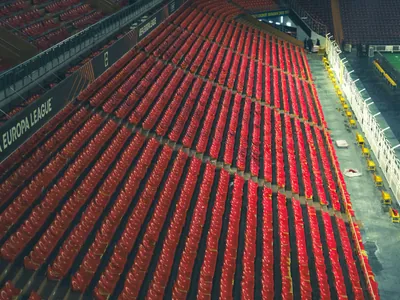
Sports field cleaning
-
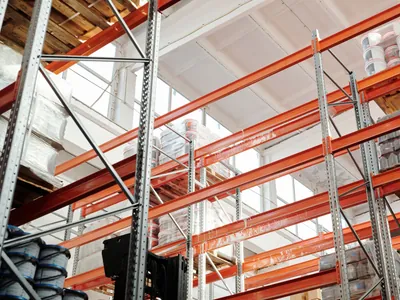
Factory and warehouse cleaning
-
Event cleaning
-
Commercial post-construction cleaning
-
Air duct and AC cleaning
-
Commercial pest control