
Raghwat Al Janoub Maintenance and Cleaning
Disinfection and sanitisation in Heet, Riyadh
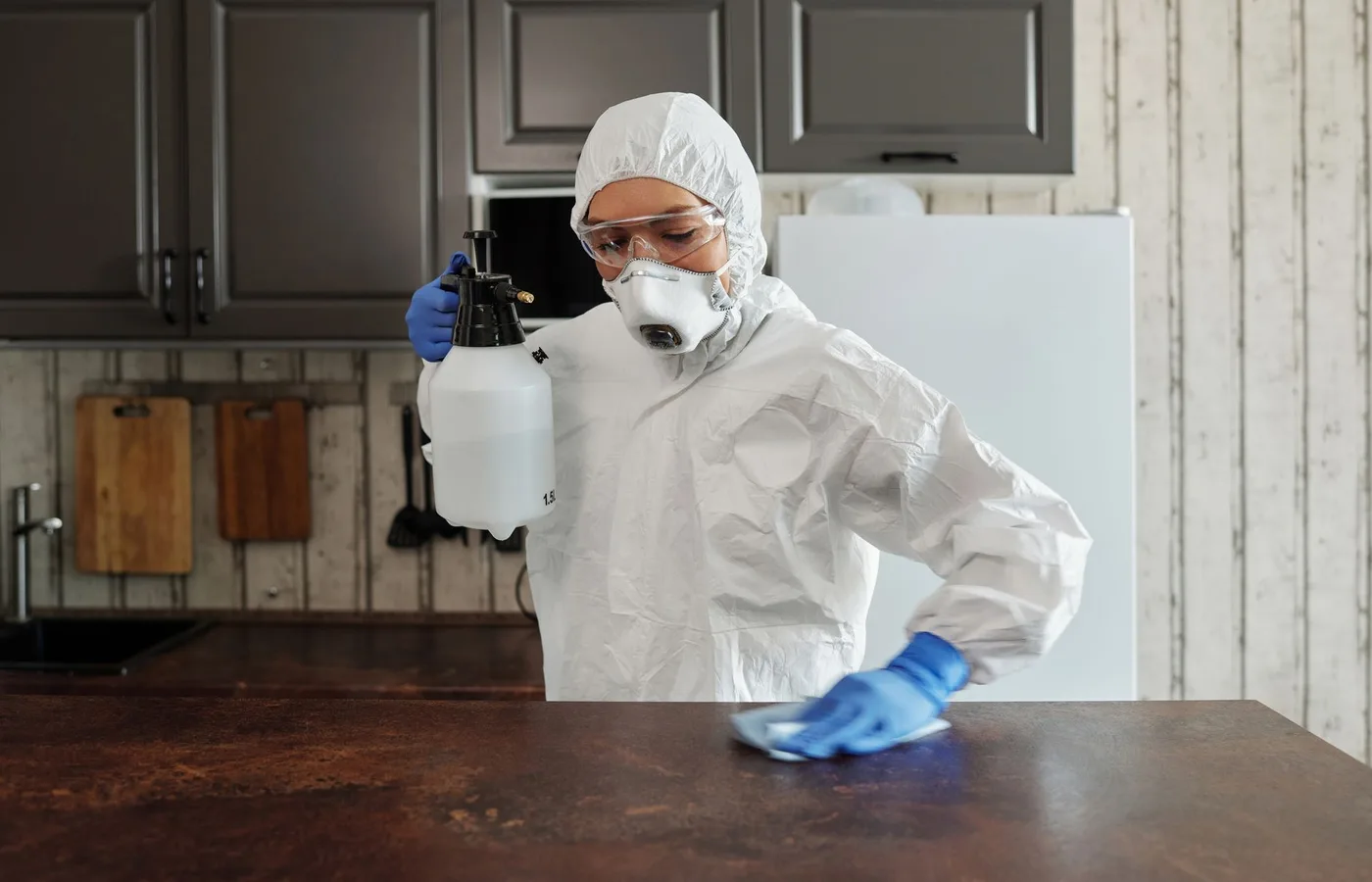
Heet is a small village on the southern fringe of Riyadh home to one extended family on agricultural land. Homes are scattered and roads are quiet, but open ground, livestock, wells and farms carry different contaminants than the city. Disinfection here focuses on removing pollution from soil, water and animal-related sources.
Why disinfecting is separate from cleaning
-
Places people share
Clinics, schools and shared offices see many different people in a single day.
-
After illness at home
When someone in the household has been ill, what they leave on shared surfaces lingers for days.
-

Kitchens and food areas
Surfaces where food is prepared need a sanitiser that is safe for food contact and leaves nothing behind.
-
Before moving into a home
Before you move into a flat someone else lived in, you cannot know what they left on the surfaces and in the bathrooms.
Why the job is different in Heet
Most homes keep livestock and poultry. Internal roads are unpaved and bring dirt and airborne matter into homes easily. The whole method is set out in the details of our disinfection and sanitisation service.
-
Livestock, poultry and wells at every home
In Heet each home has its animals, poultry and wells. Livestock carry pathogenic bacteria and water may hold contamination. Disinfection must treat areas where animals sleep, spaces around wells and water points.
-
Unpaved ground and unmade roads
Roads in Heet are unpaved and the ground around homes is not sealed. Soil enters houses easily and carries contaminated particles with it. Cleaning removes visible dirt, but disinfection kills pathogens hidden in the soil.
-
Isolation and wide distances between homes
Homes are scattered with large gaps between them. This means contamination does not pass easily from house to house, but each home needs independent care. Wind carries contaminants from open land directly into homes.
What's Included
A rural area in south Riyadh close to Khashm Heet hill. The land is held under agricultural deeds not residential ones, and medical and educational services are limited. Water comes from wells and education is largely remote.
-
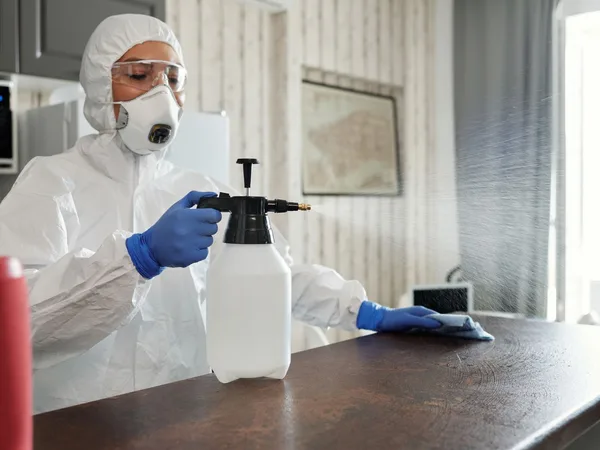
Cleaned before disinfecting
In Heet we clean areas around livestock, sheds and wells thoroughly before disinfecting because animal contaminants run deep.
-
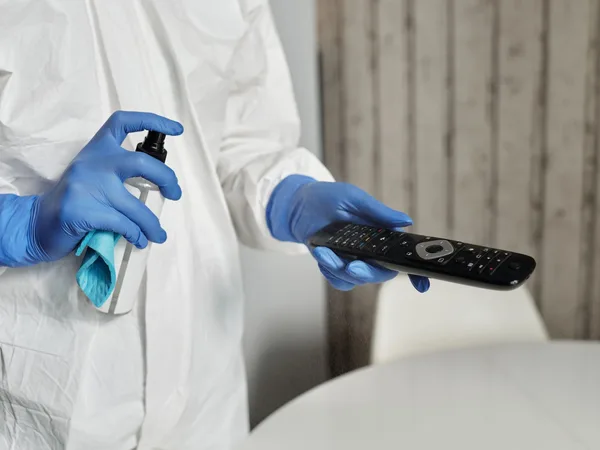
High-touch points
Door handles and spaces touched by hands after animal contact need special attention.
-
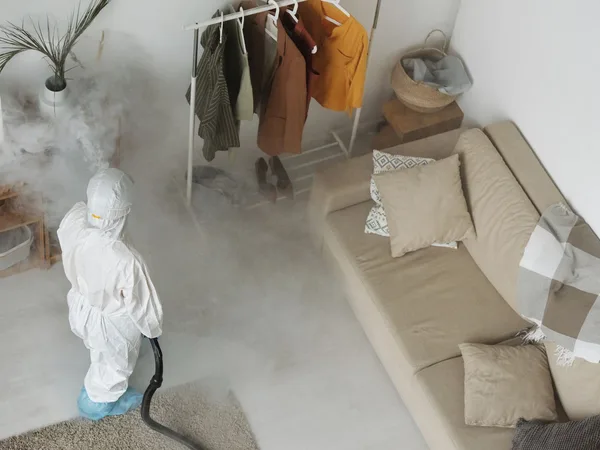
Fogging the open areas
Open ground around the home is fogged heavily to reach every corner and plant surface.
-
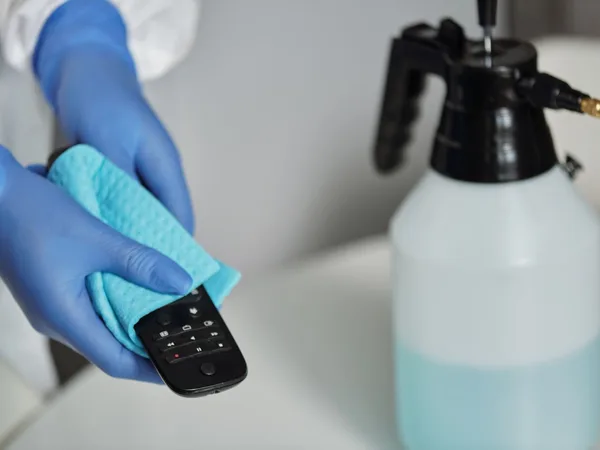
Contact time respected
Contact time runs longer in rural areas because animal contaminants are tougher than standard contamination.
-
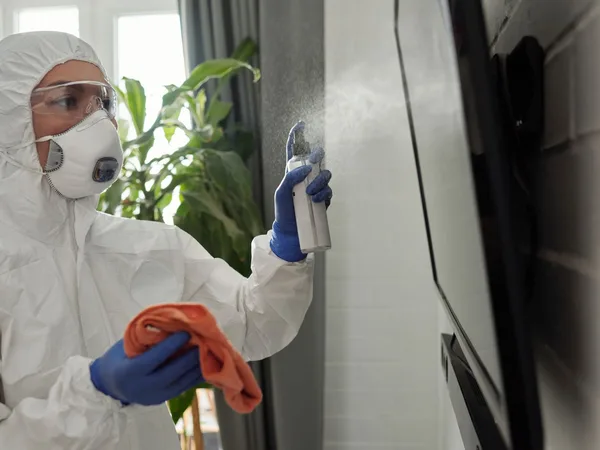
Ventilated before re-entry
Post-disinfection ventilation opens every window for hours to completely refresh the air.
-
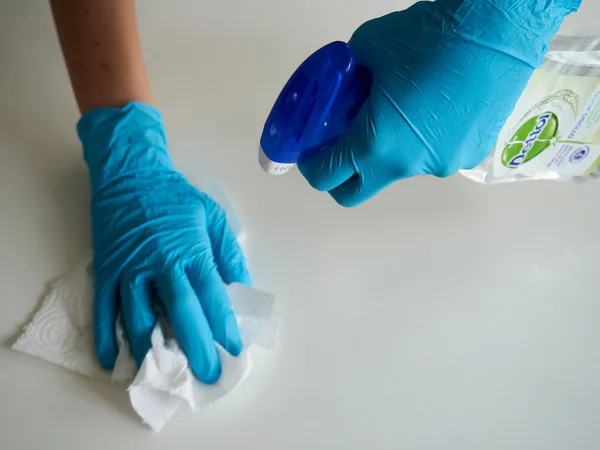
The product used, recorded
We record observations about livestock, farming and date, as disinfection need changes with season.
The character of Heet
Rural area: farms, open ground and scattered homes
In a rural area like Heet, disinfection is not only about the building but about every living element around it. Animals, land and water are all part of the home and need integrated protection.
How we work
We learn the space
We prepare and clean first
We disinfect and wait
We ventilate and hand over
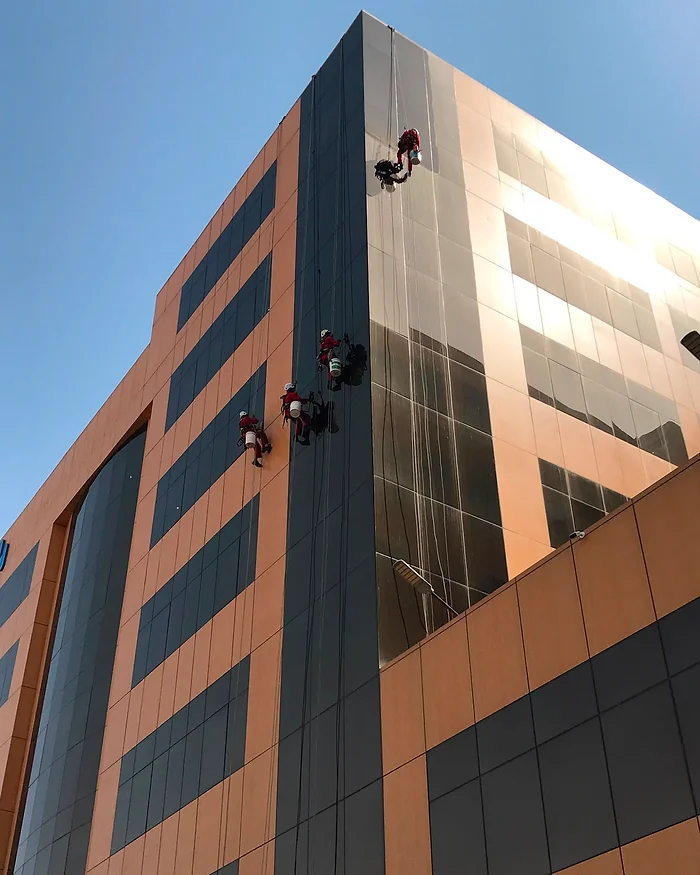
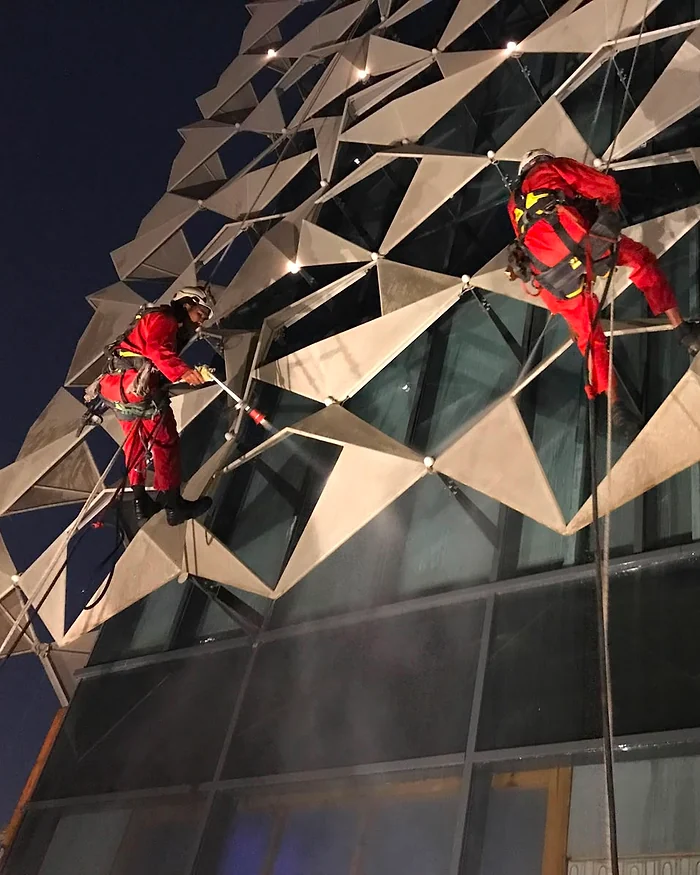
Some of our work
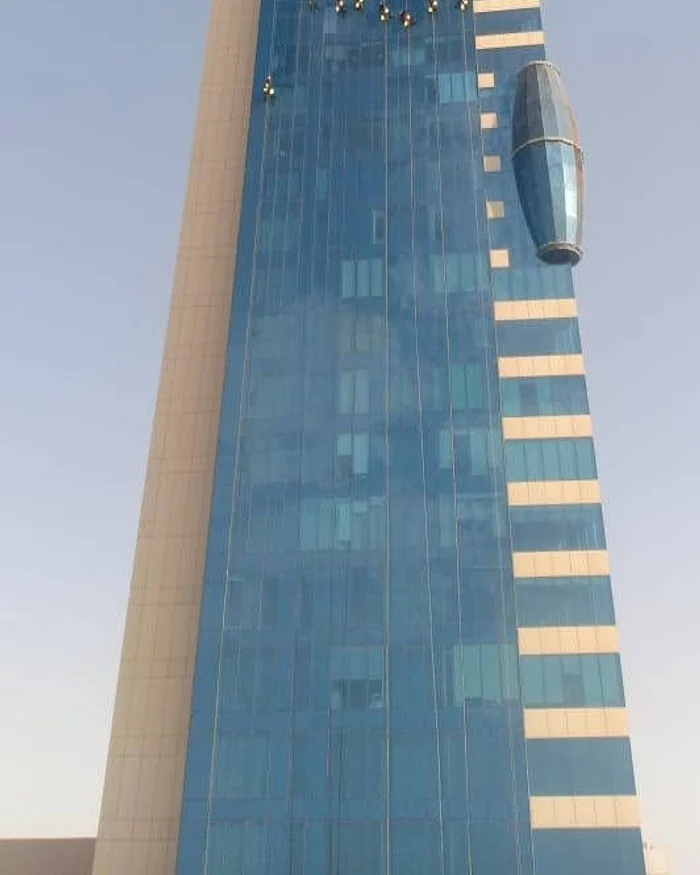
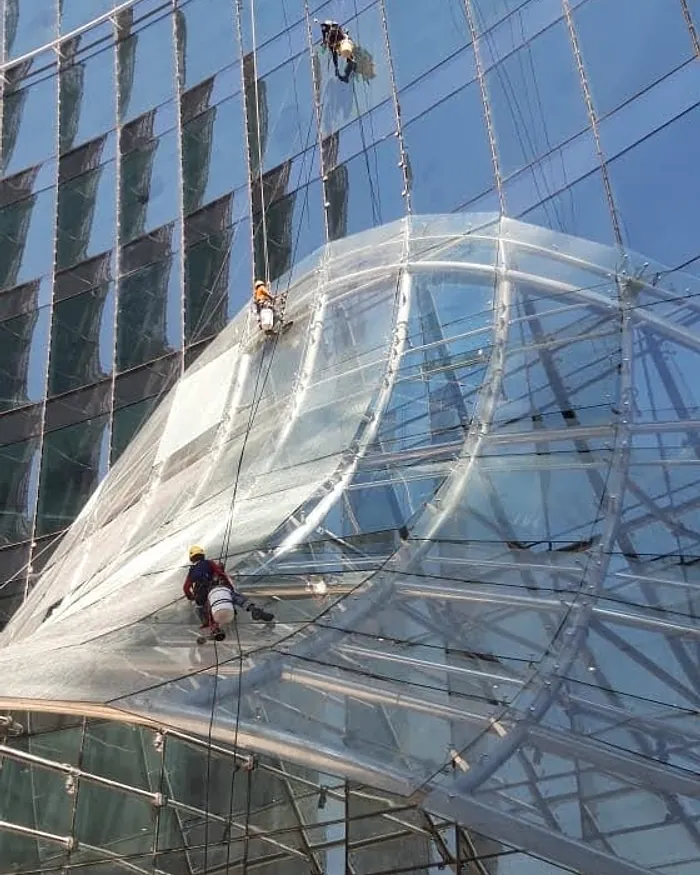
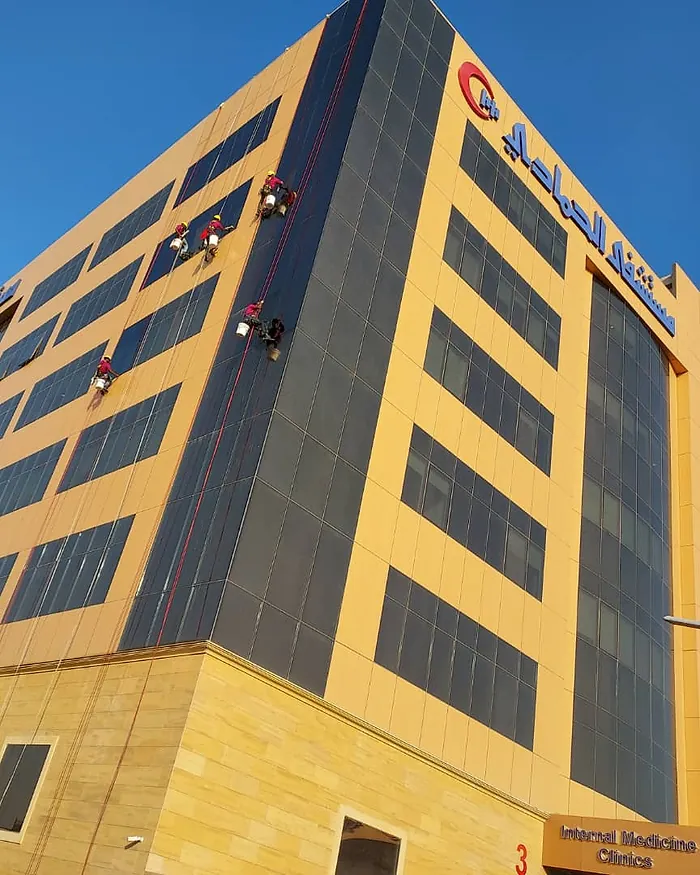
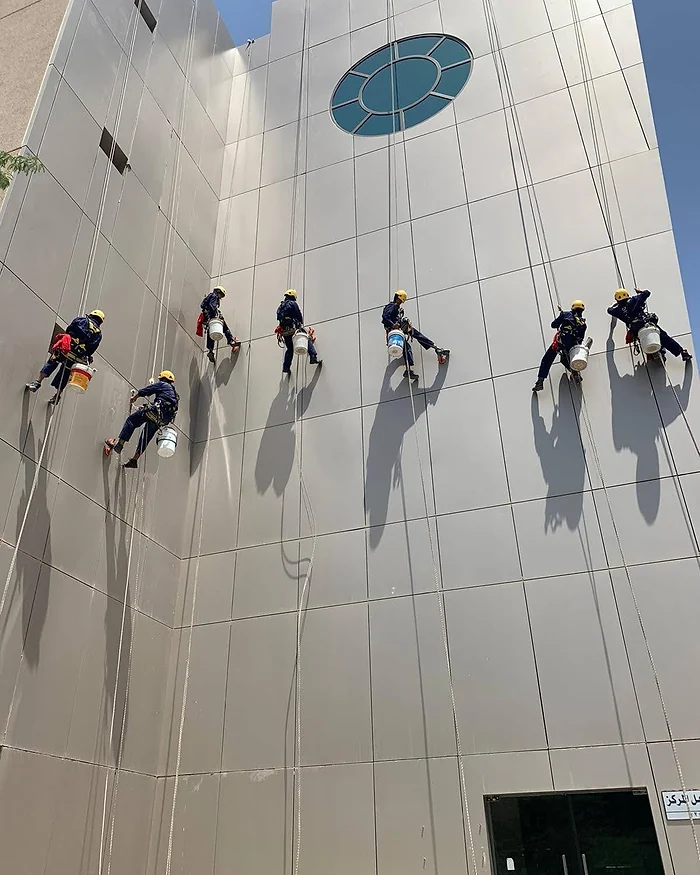
Photos from our team's work.
Landmarks of Heet
We reach Heet via the New Kharj Road close to Khashm Heet hill. Proximity to Wadi Al Sulay helps us identify homes and internal roads.
- Khashm Heet hill
- New Kharj Road
- Wadi Al Sulay
Other services in Heet
The room and the building around it are on one list.
-
Bathroom cleaning
-
Clinic and medical centre cleaning
-
Water tank cleaning and disinfection
-
Deep cleaning
-
Sofa cleaning
-
Carpet and rug cleaning
-
Mattress cleaning
-
Curtain cleaning
-
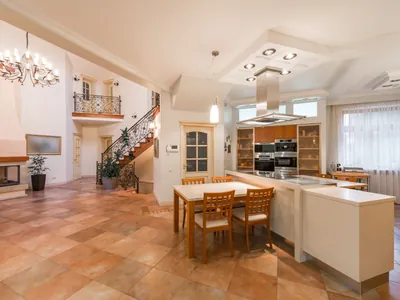
House cleaning
-
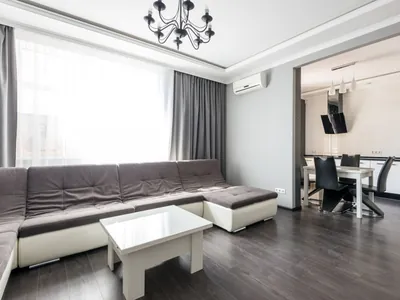
Apartment cleaning
-
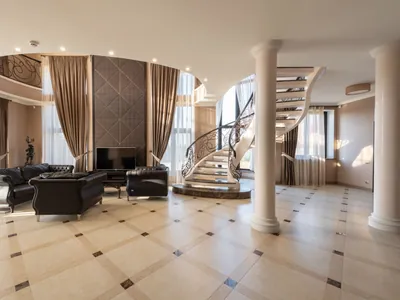
Villa cleaning
-
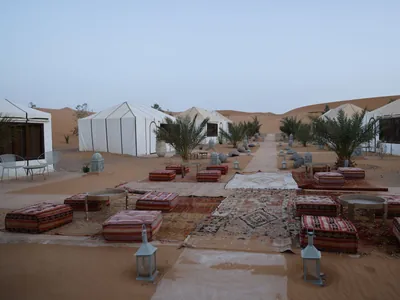
Majlis and rest-house cleaning
-
Chalet cleaning
-
Yacht cleaning
-
Kitchen cleaning
-

Chandelier cleaning
-
Swimming pool cleaning
-
Garden clearance
-
Water tank waterproofing
-
Move-in and move-out cleaning
-
Post-construction cleaning
-
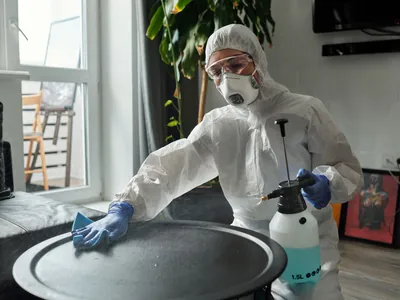
Pest control
-
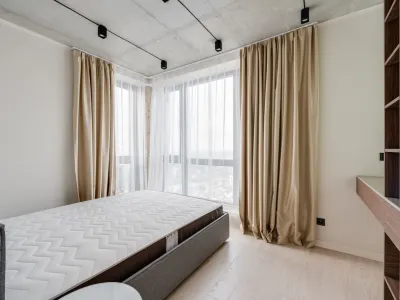
Bed bug control
-
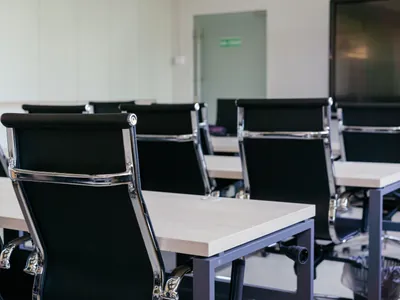
Office cleaning
-
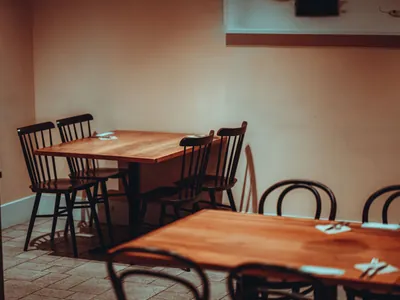
Restaurant cleaning
-
Hotel and resort cleaning
-
Shopping mall cleaning
-
Retail shop cleaning
-
School cleaning
-

Nursery and kindergarten cleaning
-
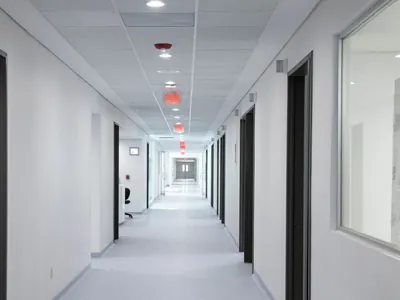
Hospital cleaning
-
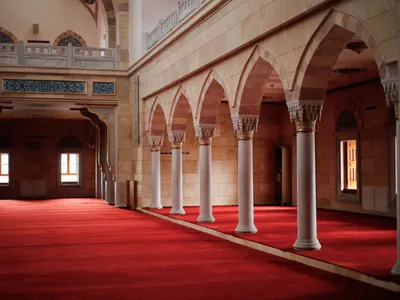
Mosque cleaning
-
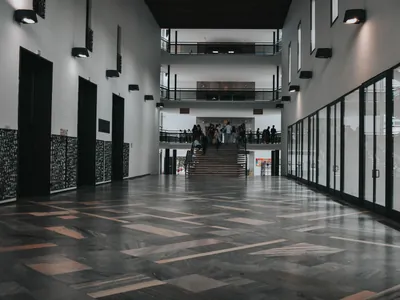
Government facility cleaning
-
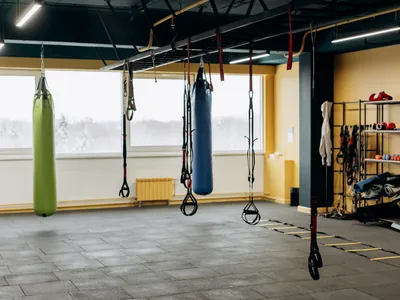
Gym cleaning
-
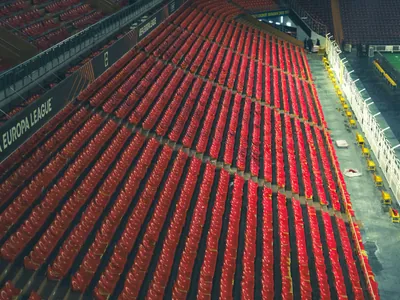
Sports field cleaning
-
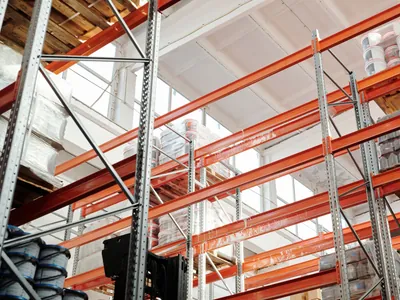
Factory and warehouse cleaning
-

Event cleaning
-
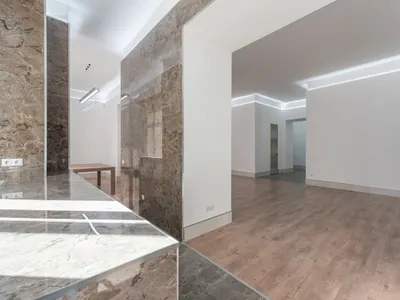
Commercial post-construction cleaning
-
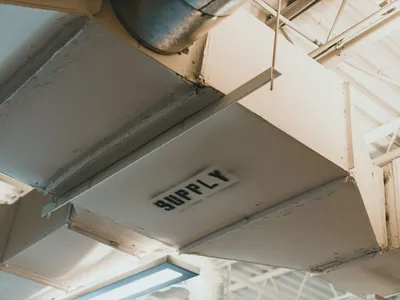
Air duct and AC cleaning
-
Commercial pest control