Raghwat Al Janoub Maintenance and Cleaning
Factory and warehouse cleaning in Hijrat Wadi Laban, Riyadh
Hijrat Wadi Laban sits on the eastern bank of Wadi Laban with both traditional and modern factories and workshops, and its historic settlement status means access is tight and floors are old and may not support heavy equipment. Cleaning here balances dust removal against protecting the old building fabric and the heritage site itself.
Why a scheduled clean pays off
-

Less unplanned machine downtime
Dust that builds up on machinery works into bearings and moving parts and brings failures forward.
-
Lower fire risk overhead
The layer of dust and oil that gathers on high gantries and pipework is a real fire load sitting above your people.
-
A floor that takes heavy traffic
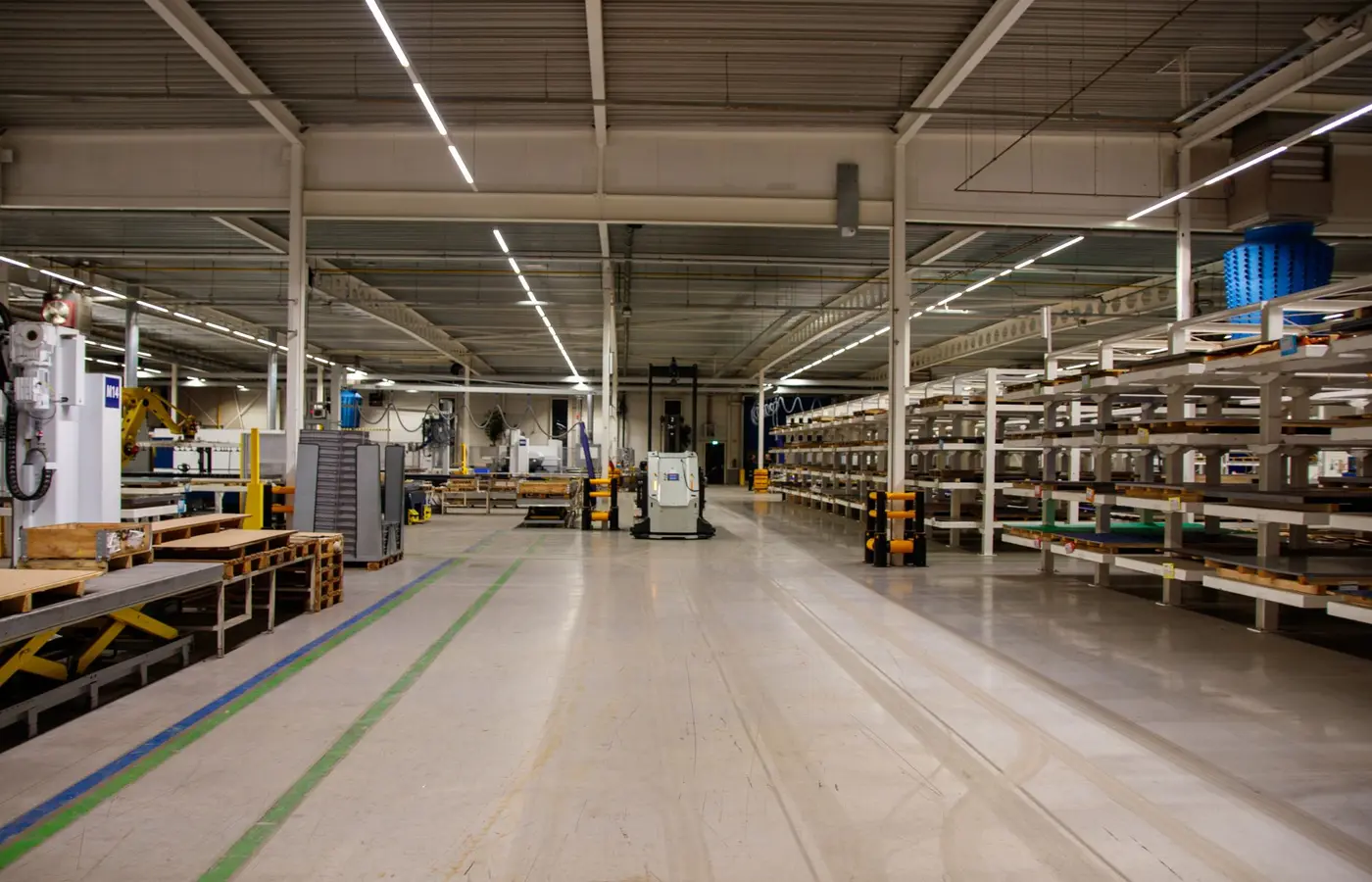
Warehouse floors pick up forklift tyre marks and spilt oil that ordinary mopping only smears around.
-
Cleaner stock and easier stock-takes
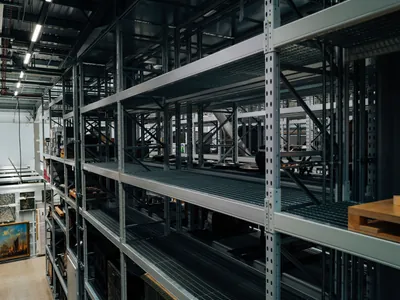
Dust that settles on high racking drifts down onto the cartons and goods stored beneath it.
Why the job is different in Hijrat Wadi Laban
In Hijrat Wadi Laban's workshops we notice fine wadi dust accumulating quickly on surfaces and shelves, and the old warehouse floors have cracks that trap dust deep inside. The whole method is set out in the details of our factory and warehouse cleaning service.
-
Heritage site limits heavy equipment
The hijra is a protected historic site, and its old floors and walls cannot take very heavy suction equipment, so we use lighter machines and more careful manual methods to avoid damaging the heritage fabric.
-
Wadi humidity and fine dust penetration
Warehouses on the wadi bank directly receive high humidity and fine dust carried on wadi air, and cracks in the old floors let dust sink deep rather than stay on the surface.
-
Traditional and modern production side by side
Some hijra workshops make things by traditional methods while others use modern equipment, and each type leaves a different dust and ash mix that needs a different approach.
What's Included
The hijra sits on Wadi Laban's bank at Riyadh's far west, bounded by Wadi Laban Road to the north and Najd Road to the south, and its wadi position means humidity and fine wadi dust enter factories and warehouses readily, especially during windy seasons.
-
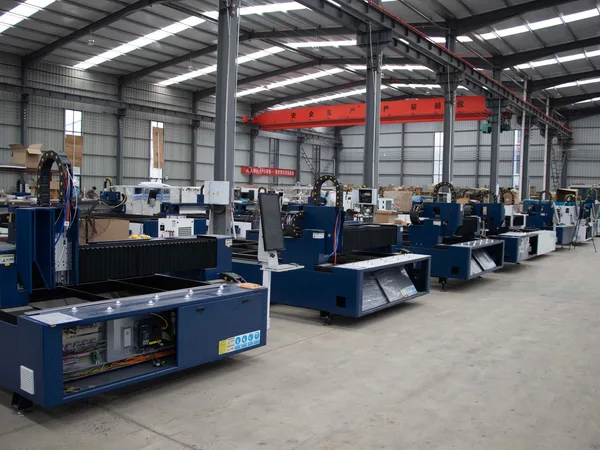
Machine floor scrubbing
The hijra is an old heritage site, so we use lighter equipment and careful manual methods to remove dust without harming the building.
-
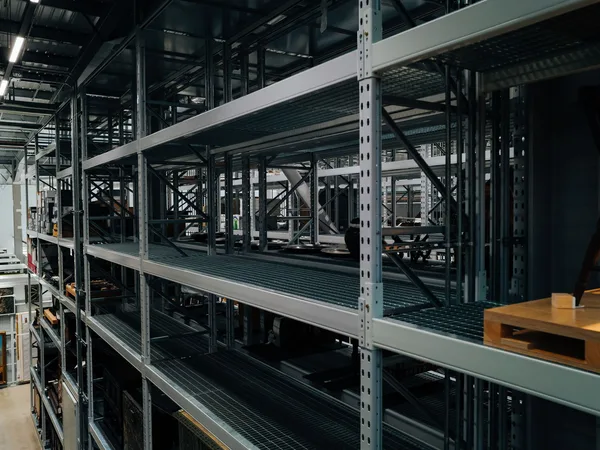
Racking and high shelving
High humidity from the wadi needs extra drying and a long airflow period after suction.
-
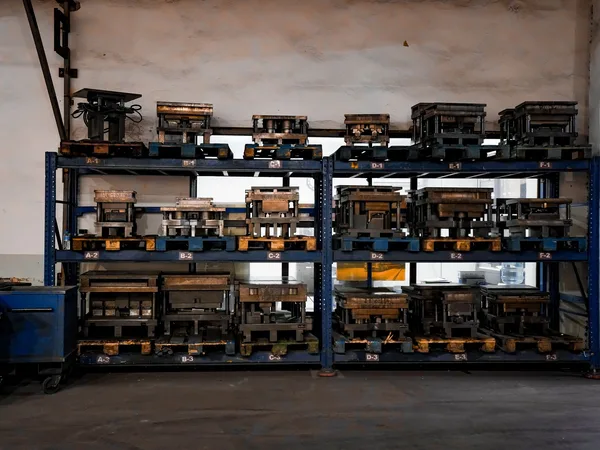
Around the machinery
Cracks in old floors trap dust deep, so we use directed suction with extra hand work.
-

Industrial dust removed
Traditional and modern production together in one site means choosing methods that suit each dust type separately.
-
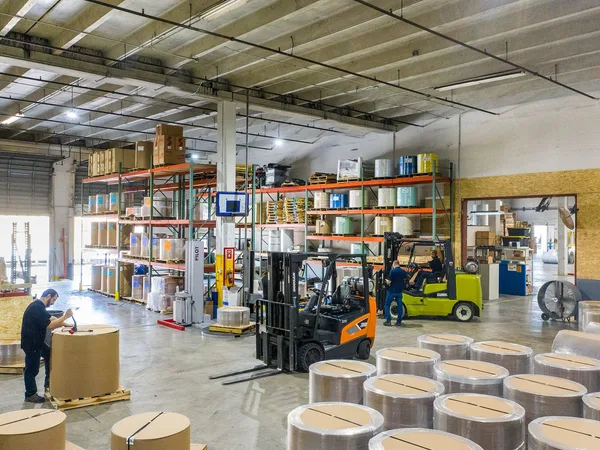
Loading bays
The hijra's walls and surfaces may be sensitive, so we avoid hard scrubbing and focus on careful suction and hand removal.
-
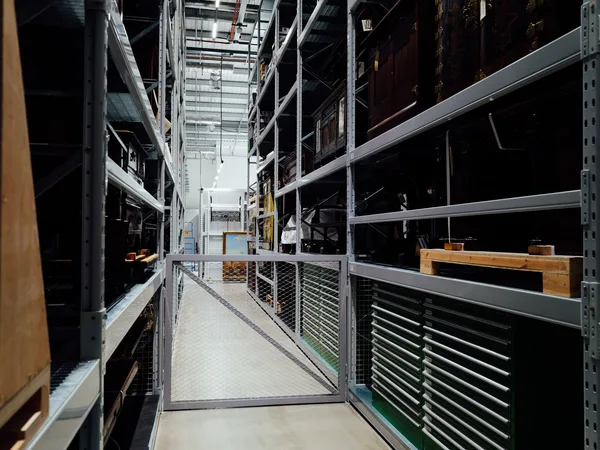
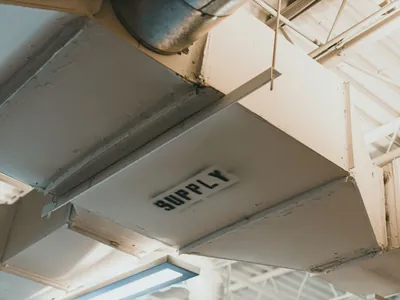
High level surfaces and gantries
After we finish we leave a long period for natural drying and airflow to make sure no moisture stays in the cracks.
Hijrat Wadi Laban on the map
Hijrat Wadi Laban sits about 3.5 km from Dhahrat Laban and about 4.5 km from Tuwaiq.
Open in Google MapsHow we work
Site visit and survey
Agree the schedule
Work top to bottom
Inspect and hand over
Some of our work
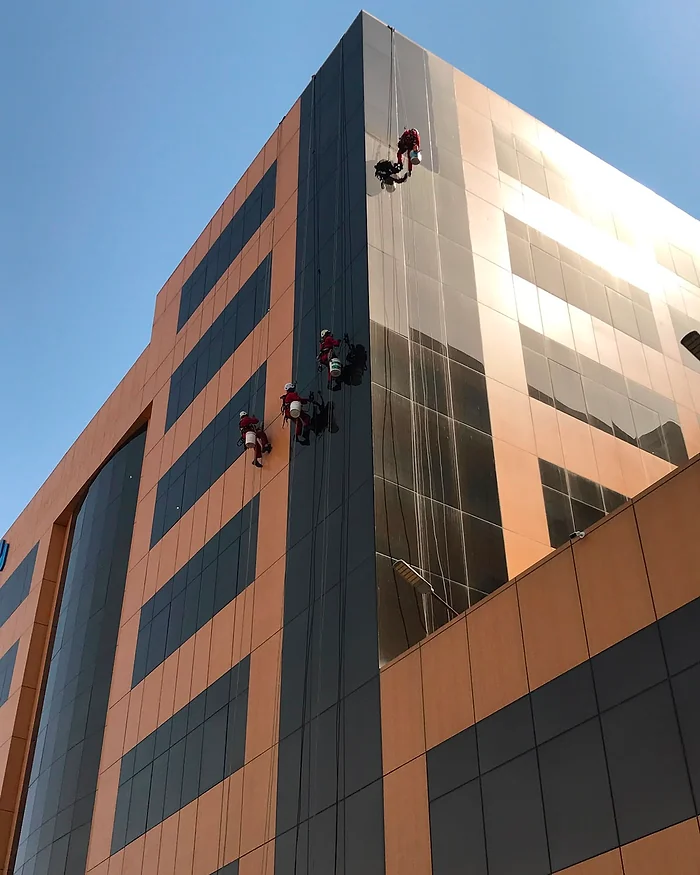
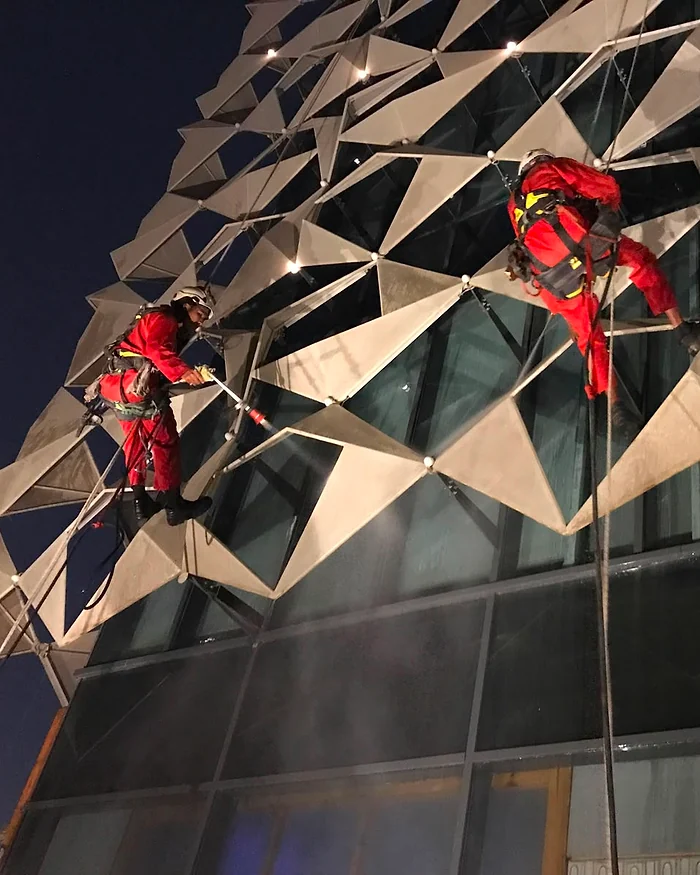
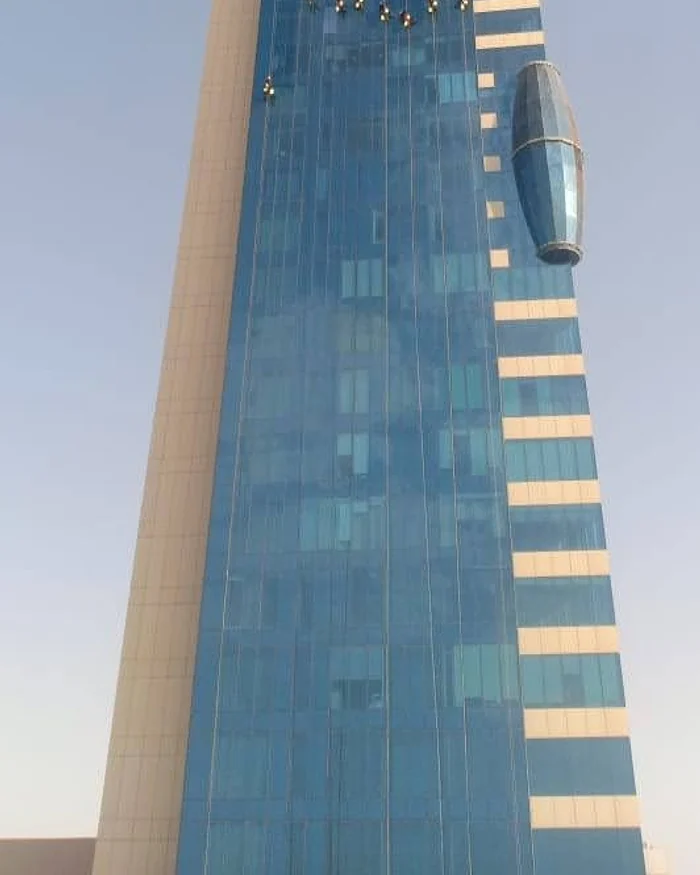
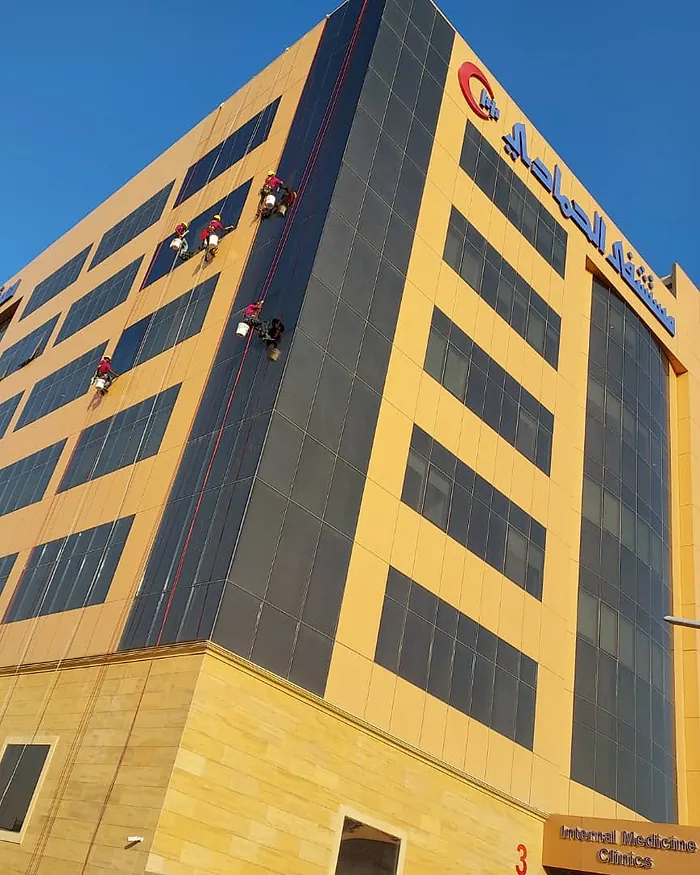
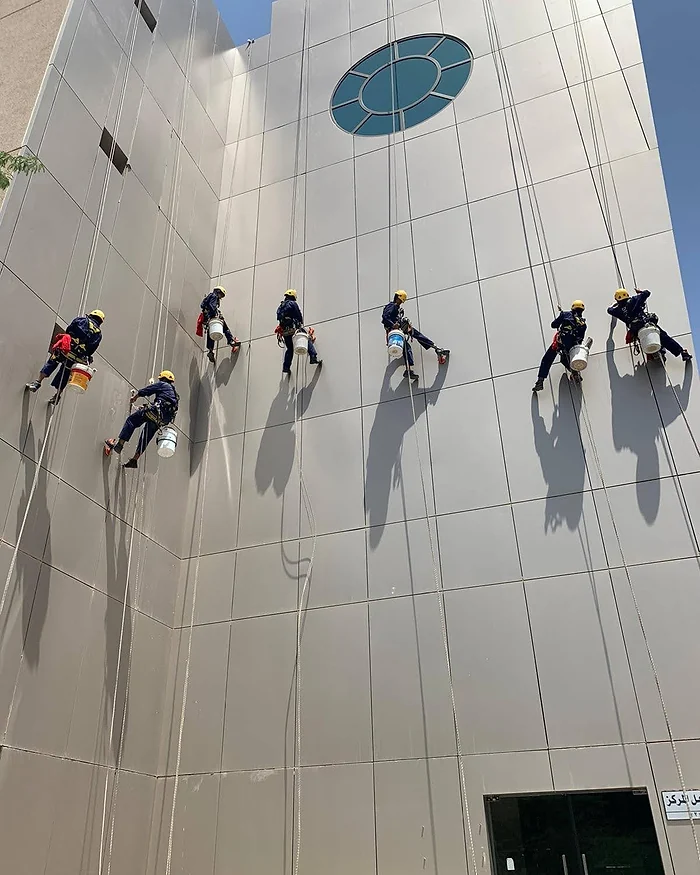
Photos from our team's work.

The character of Hijrat Wadi Laban
Historic district: close-set buildings, narrow lanes and ageing services
Hijrat Wadi Laban is an old heritage site holding both traditional and modern craft workshops, so each building needs special care to protect old fabric while removing dust from it.
Other services in Hijrat Wadi Laban
The room and the building around it are on one list.