
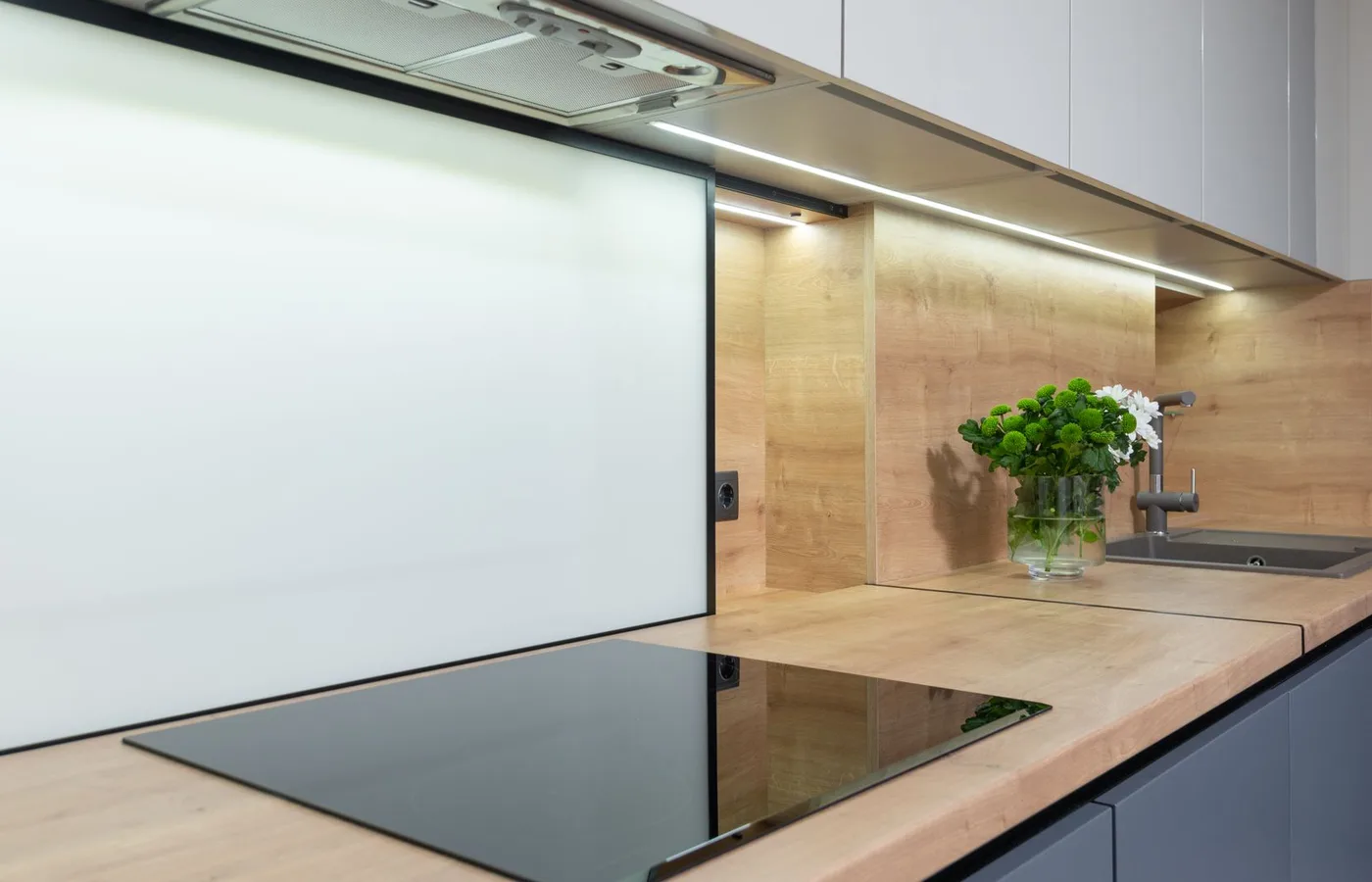
Raghwat Al Janoub Maintenance and Cleaning
Kitchen cleaning in Hijrat Wadi Laban, Riyadh
Hijrat Wadi Laban is a historic settlement in the Wadi Laban valley on Riyadh's western edge, where the tributary runs down towards Wadi Hanifah. The hijra's buildings stand close together, the lanes are narrow and very old, and its position at the wadi floor means higher humidity than the high districts, with westerly wind effects from the plateau arriving differently.
Why a kitchen needs more than a wipe
-
Grease over a flame is a fire load
The fat that builds up inside the hood and along the extract duct is combustible, and it sits directly above the burners.
-
Smells that leave for good
Kitchen odour does not come from the air but from old grease stuck on surfaces and sitting in the drain trap.
-
Surfaces safe for food prep
Greasy worktops and the porous grout between tiles collect food residue and bacteria right where you cook.
-
Appliances that run better
An oven caked in burnt-on grease uses more energy and heats unevenly, and a fridge with dirty door seals never closes tight.
Why the job is different in Hijrat Wadi Laban
Residents of Hijrat Wadi Laban notice higher moisture in the kitchen especially in cooler seasons, and the tiles and grout stay damp for longer than in higher neighbourhoods. The whole method is set out in our kitchen cleaning guide.
-
The wadi floor collects and holds moisture
Hijrat Wadi Laban sits at the valley floor that descends towards Wadi Hanifah, which means moisture gathers there more than in high districts. Grease absorbs the moisture and becomes heavier and far harder to remove.
-
Close-packed buildings trap air and odours
The hijra's buildings stand very close together with narrow lanes, which traps air and odours and prevents natural circulation. The extractor cannot pull the odours out as easily.
-
The wadi carries dust and silt in seasonal floods
Wadi Laban carries dust, soil and clay during the seasonal floods. These particles may enter the kitchen through old windows and balconies that face the wadi.
What's Included
A historic hijra in the bed of Wadi Laban, which descends towards Wadi Hanifah. Buildings cluster tightly and humidity differs from other districts. The wadi carries soil and dust during seasonal floods.
-
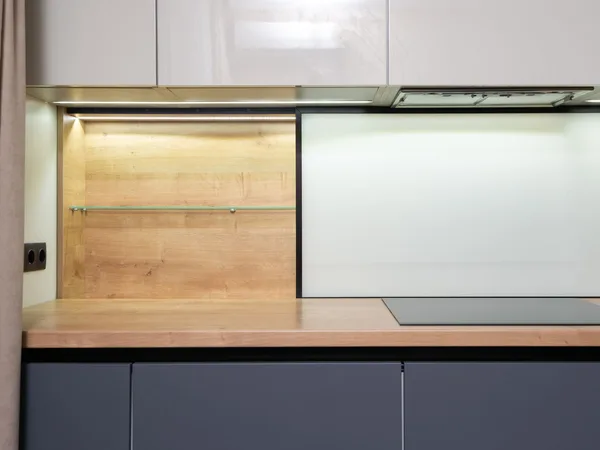
Degreasing the extractor
The hood in Hijrat Wadi Laban collects grease mixed with moisture, and cleaning removes the layer but drying needs extra care.
-
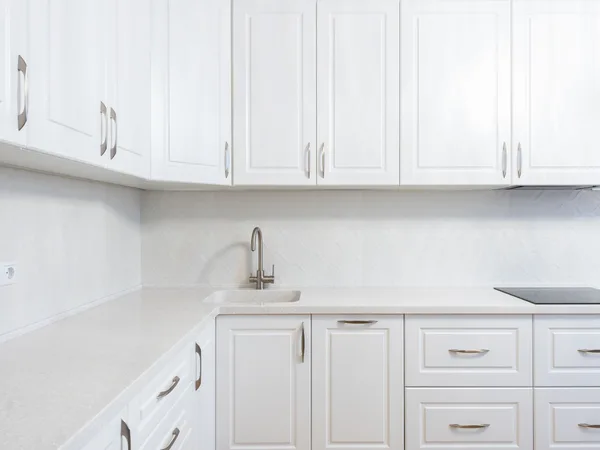
Cupboard fronts, inside and out
Cupboards absorb moisture from the wadi floor location, and cleaning inside and out removes damp deposits.
-
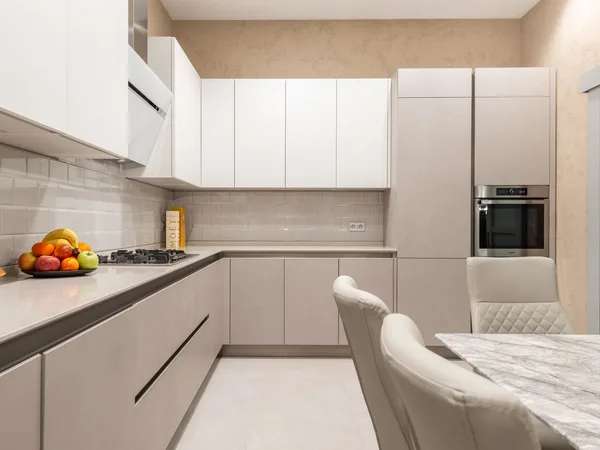
Appliances: oven and fridge inside
The oven and fridge collect excess moisture, and cleaning inside removes damp deposits and any mould that may be forming.
-
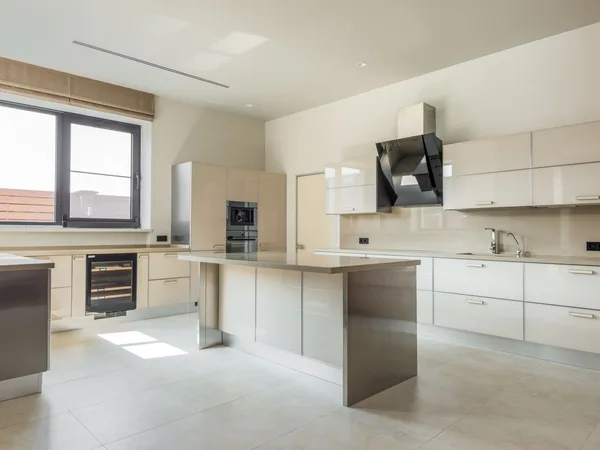
Worktops and the sink
Worktops and the sink stay damp longer, and cleaning must be followed by thorough drying.
-
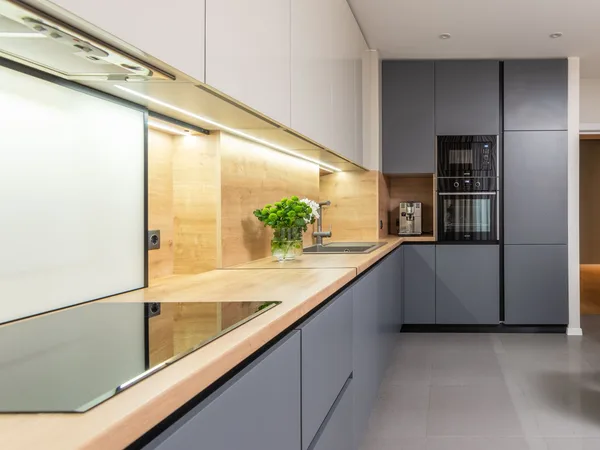
Tile and grout behind the hobs
Tiles and grout behind the hobs absorb moisture deeply, and cleaning removes deposits and careful drying afterward is essential.
-
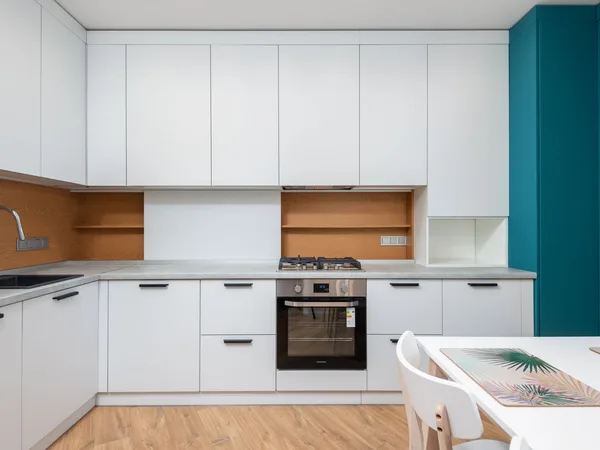
Drain and trap
The drain and trap collect moisture and particles, and clearing them removes blockage and improves drainage at the wadi floor.
Hijrat Wadi Laban on the map
Hijrat Wadi Laban sits about 3.5 km from Dhahrat Laban and about 4.5 km from Tuwaiq.
Open in Google MapsHow we work
Survey the kitchen
Prepare and protect
Dissolve grease and clean
Dry and hand over
Some of our work
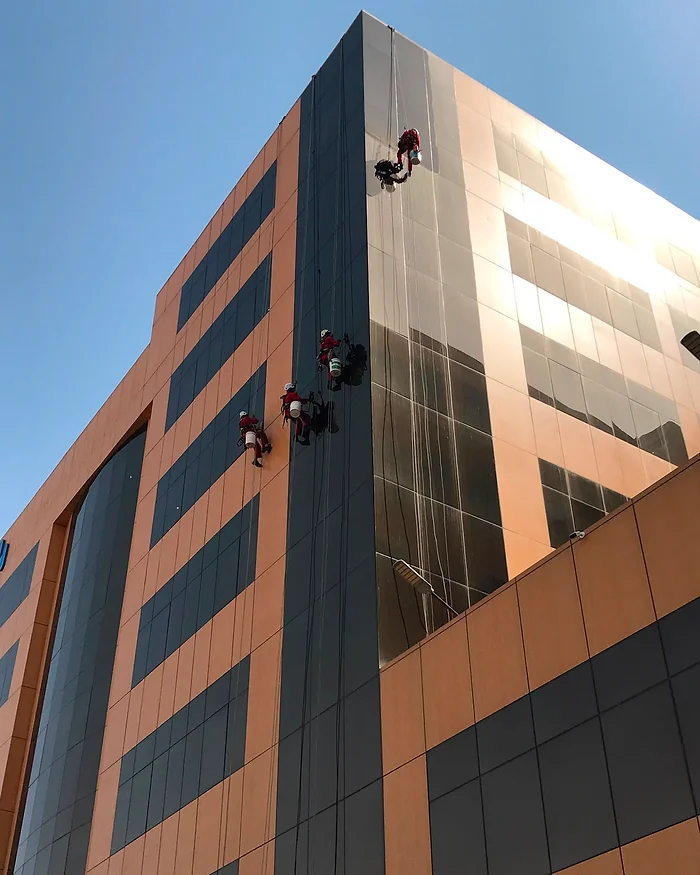
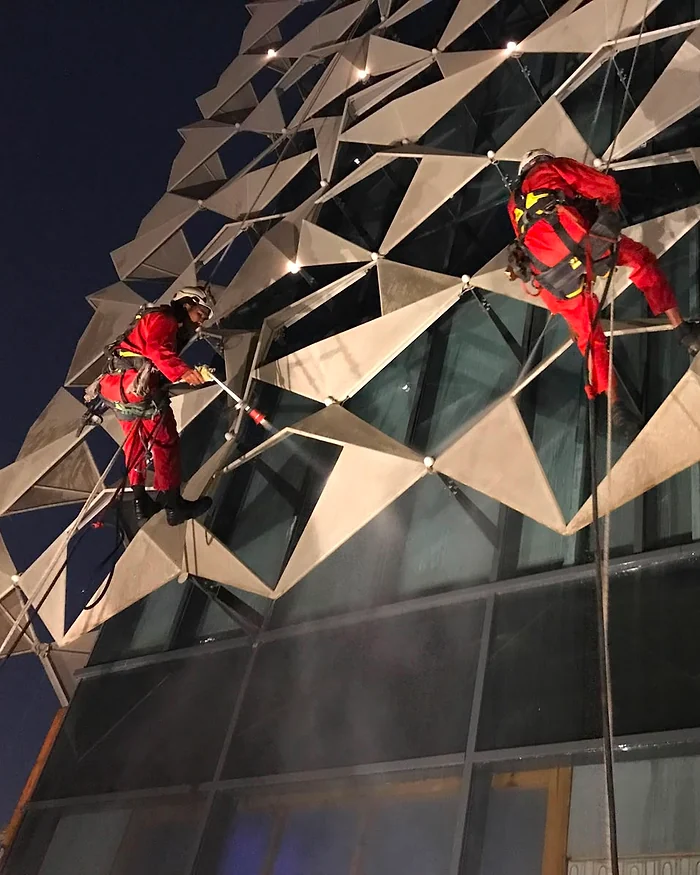
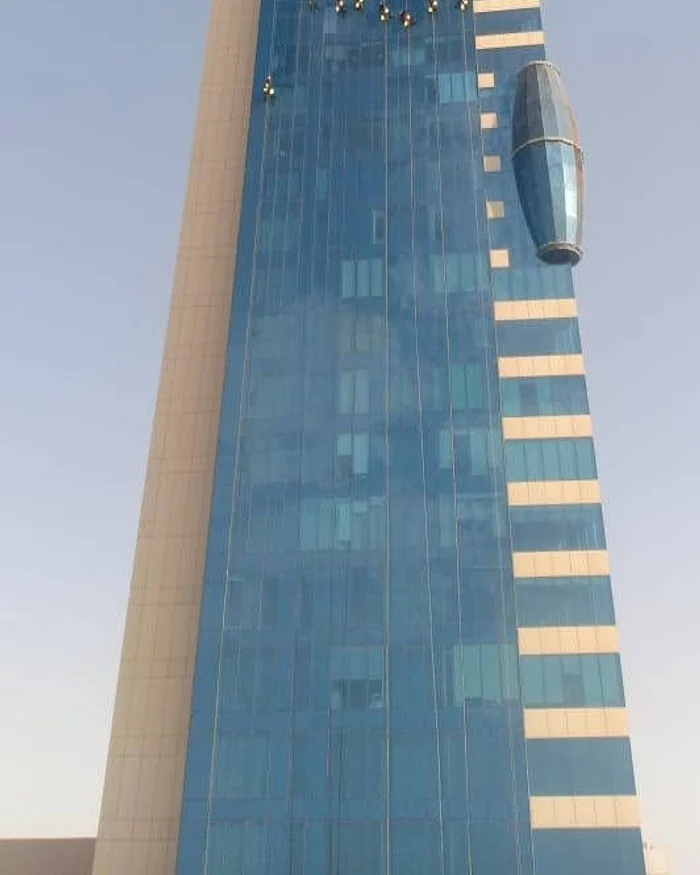
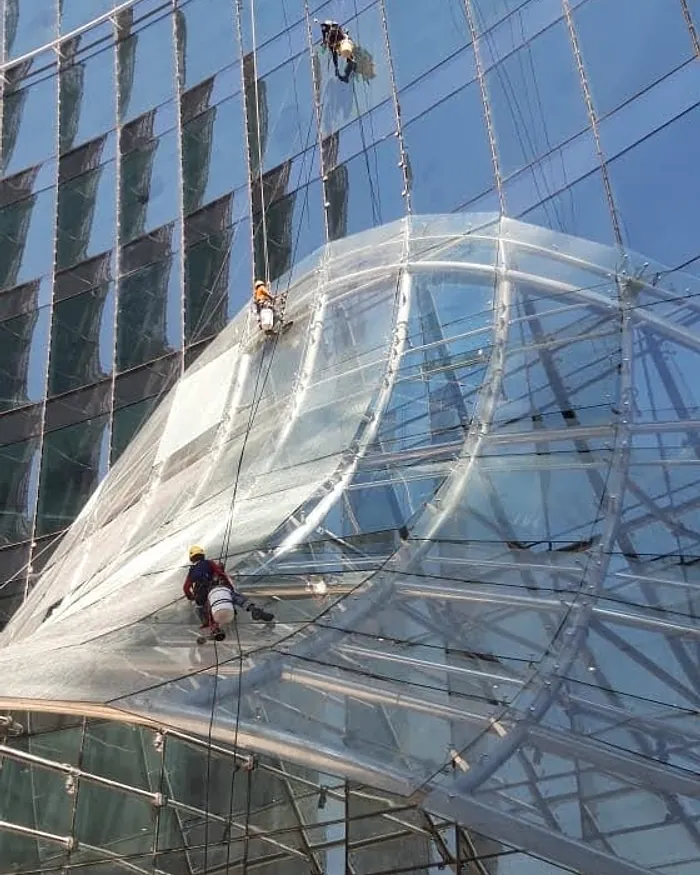
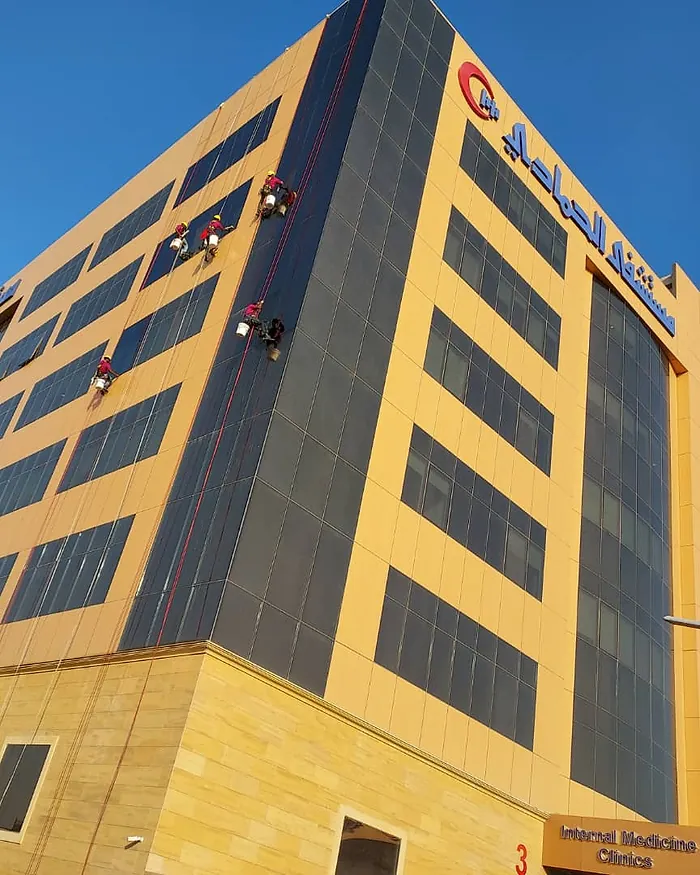
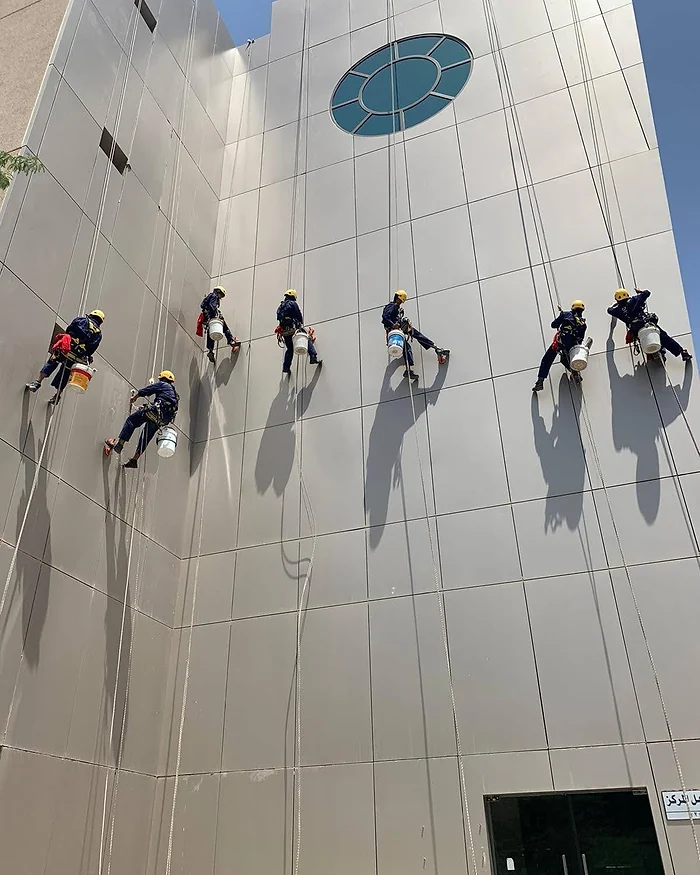
Photos from our team's work.
The character of Hijrat Wadi Laban
Historic district: close-set buildings, narrow lanes and ageing services
The old hijra at the wadi floor means your kitchen faces moisture pressures unlike other districts. Deep cleaning must be followed by careful drying to prevent mould and scale returning quickly.
Other services in Hijrat Wadi Laban
The room and the building around it are on one list.
-
House cleaning
-
Restaurant cleaning
-
Deep cleaning
-
Disinfection and sanitisation
-
Sofa cleaning
-
Carpet and rug cleaning
-

Mattress cleaning
-

Curtain cleaning
-
Apartment cleaning
-
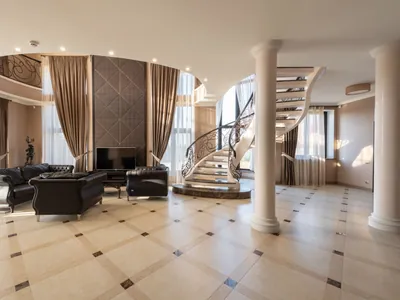
Villa cleaning
-
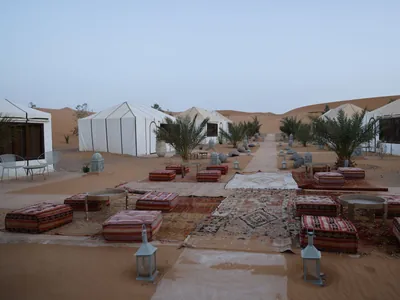
Majlis and rest-house cleaning
-
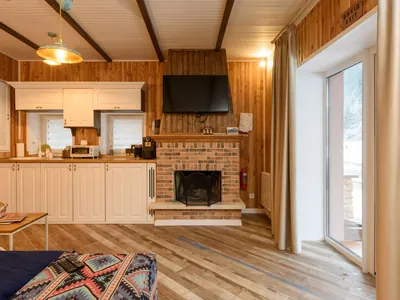
Chalet cleaning
-
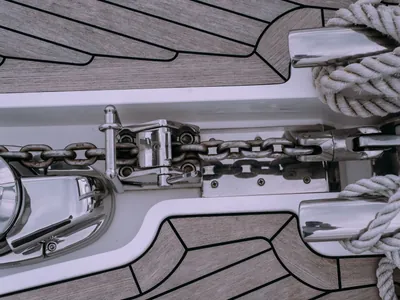
Yacht cleaning
-
Bathroom cleaning
-
Chandelier cleaning
-

Swimming pool cleaning
-
Garden clearance
-
Water tank cleaning and disinfection
-
Water tank waterproofing
-
Move-in and move-out cleaning
-
Post-construction cleaning
-
Pest control
-
Bed bug control
-

Office cleaning
-
Hotel and resort cleaning
-
Shopping mall cleaning
-

Retail shop cleaning
-
School cleaning
-

Nursery and kindergarten cleaning
-
Hospital cleaning
-
Clinic and medical centre cleaning
-
Mosque cleaning
-
Government facility cleaning
-
Gym cleaning
-
Sports field cleaning
-
Factory and warehouse cleaning
-

Event cleaning
-
Commercial post-construction cleaning
-
Air duct and AC cleaning
-
Commercial pest control