
Raghwat Al Janoub Maintenance and Cleaning
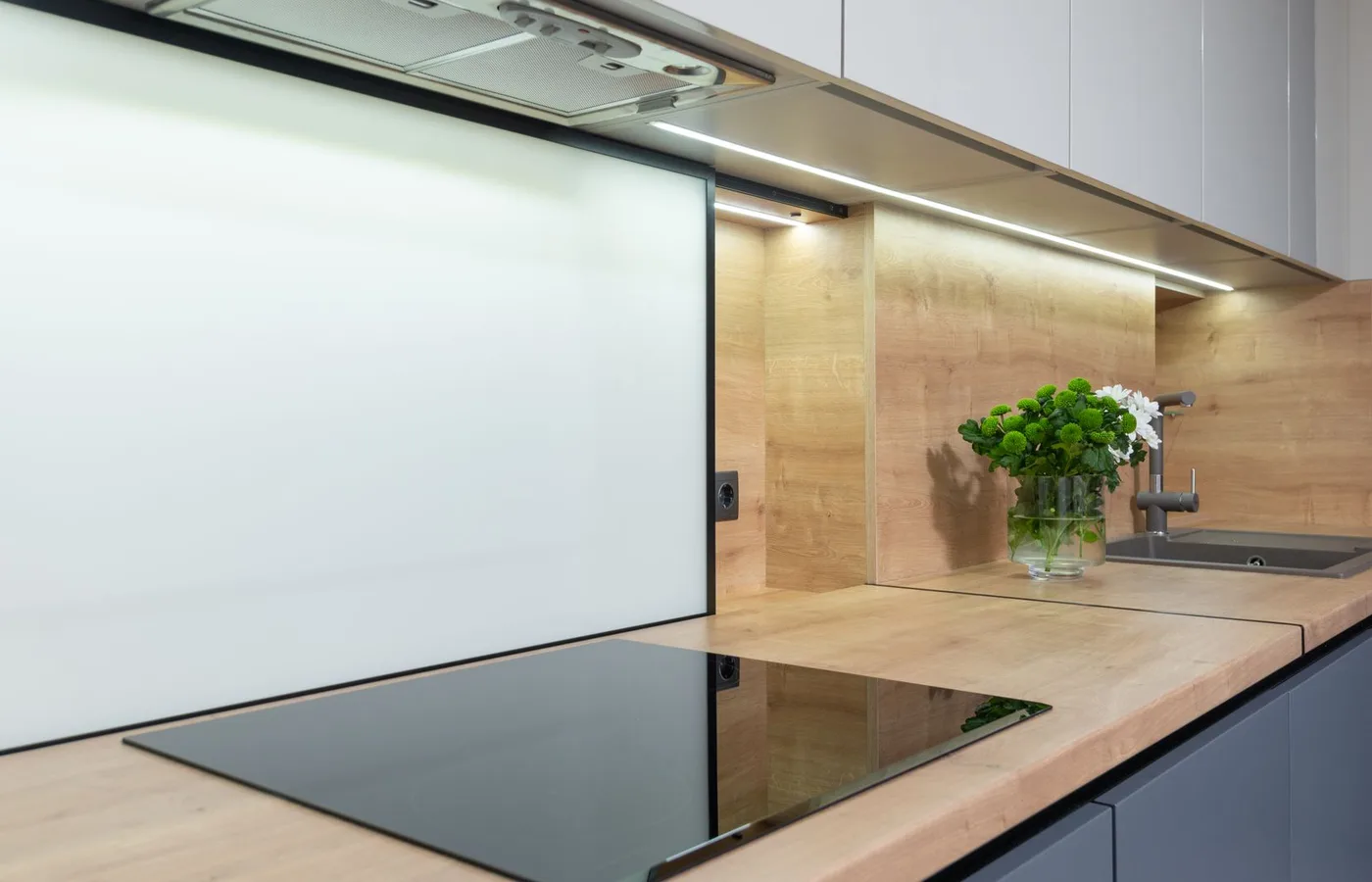
Kitchen cleaning in King Fahd, Riyadh
King Fahd district mixes commercial units with residential homes, so kitchens absorb cooking vapours and grease from restaurant and shop neighbours below, above and beside you. The extractor handles exhaust not just from your own food but from tenants in other units. Grease builds in shared ducting and filters faster than in purely residential areas.
Why a kitchen needs more than a wipe
-
Grease over a flame is a fire load
The fat that builds up inside the hood and along the extract duct is combustible, and it sits directly above the burners.
-
Smells that leave for good
Kitchen odour does not come from the air but from old grease stuck on surfaces and sitting in the drain trap.
-
Surfaces safe for food prep
Greasy worktops and the porous grout between tiles collect food residue and bacteria right where you cook.
-
Appliances that run better
An oven caked in burnt-on grease uses more energy and heats unevenly, and a fridge with dirty door seals never closes tight.
Why the job is different in King Fahd
Kitchens in residential units above commercial premises draw food odours and cooking vapours from their neighbours daily, with grease settling into shared walls, ducts and filter banks. The whole method is set out in our notes on kitchen cleaning.
-
Commercial premises below raise vapour load
When restaurants and bakeries operate directly below, their cooking vapours rise through shared ventilation paths, windows and gaps in the structure. Your extractor works twice as hard, pulling in grease not generated by your own cooking. Over time this mixed grease hardens inside the hood and within the filter and becomes harder to shift with ordinary wiping.
-
Shared party walls trap grease at multiple points
Grease from neighbouring kitchens migrates through shared party walls, into your ducting, and down through the grout lines behind tiles. These trapped deposits become odour sources that activate every time the cooker heats the spaces around it. Deep cleaning dissolves the grease within the grout and releases odours trapped in shared ductwork.
-
King Fahd Road traffic adds oily particulate
Constant heavy traffic on the road beside the district coats window glass and balcony railings in oily exhaust soot. This fine particulate enters through open windows and rests on the extractor's outside vent grille. It mixes with kitchen grease and hardens the layer, especially on north-facing side that faces the road.
What's Included
Shops and restaurants occupy ground floors beneath residential units, with heavy traffic on King Fahd Road constantly adding a fine haze of exhaust particles to window glass, balconies and ventilation openings.
-
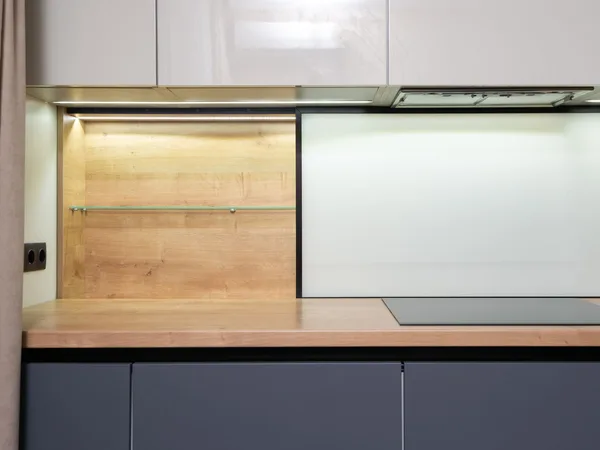
Degreasing the extractor
The extractor in King Fahd works harder because commercial cooking vapours add a constant additional load. Soot builds faster than in purely residential blocks, and the interior of the hood casing and impeller blades carry mixed grease that hardens more quickly.
-
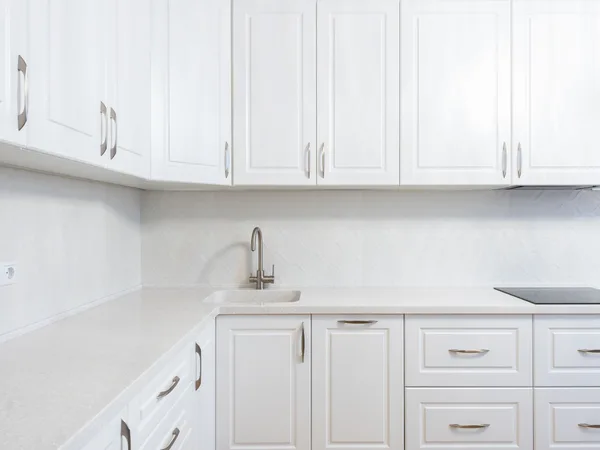
Cupboard fronts, inside and out
Cupboard fronts and internal shelves absorb cooking odours from shared walls and neighbouring units. Deep internal cleaning removes odour from wood grain and laminate, while external cleaning removes road grime from heavy traffic on King Fahd Road.
-
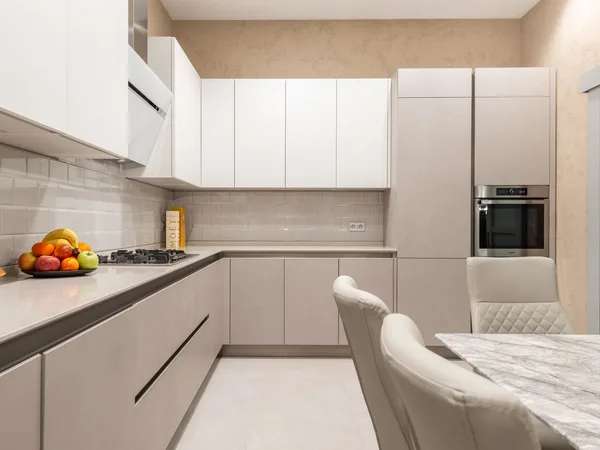
Appliances: oven and fridge inside
Ovens and fridges collect grease vapour from multiple sources: your own cooking, neighbours above and below, and restaurant exhausts. Inside surfaces require deep degreasing to remove the accumulated layers and odour trapped in seals and hinges.
-
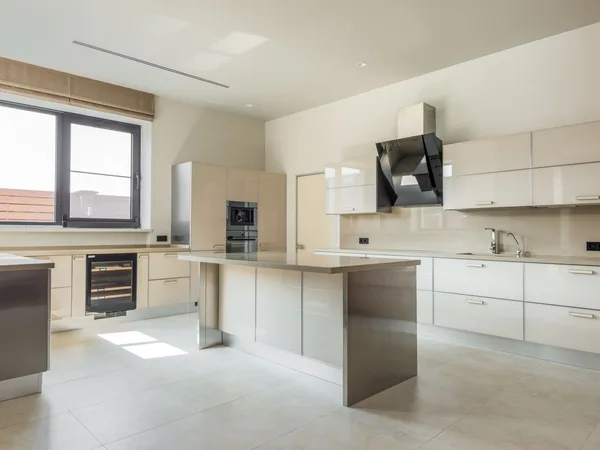
Worktops and the sink
Worktops and the sink sit close to shared ventilation openings and absorb fine oily spray from neighbours' cooking. These surfaces require specialist treatment to remove the fine particulate and restore the finish without damage.
-
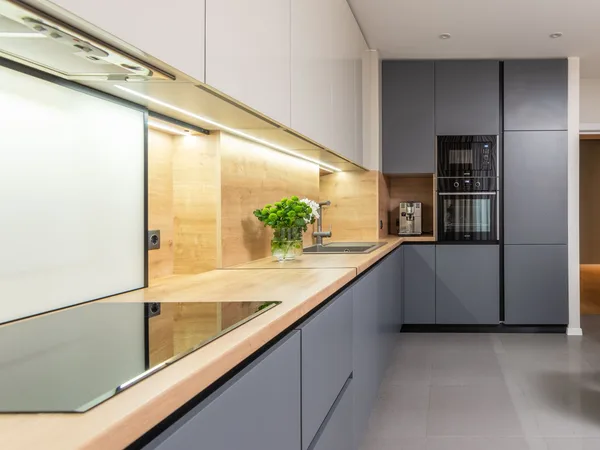
Tile and grout behind the hobs
Tile and grout behind the hobs trap grease and odours from both your cooking and your neighbours'. The grout cavities become pathways for odour and require deep dissolution and cleaning to remove deposits and prevent odour return.
-
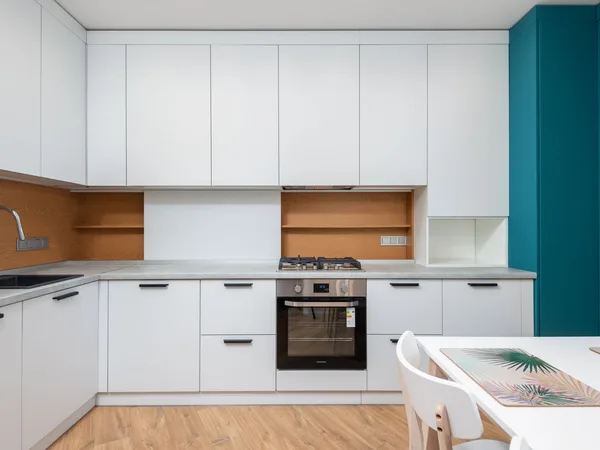
Drain and trap
The drain and trap may receive water from shared waste lines during peak commercial cooking hours. Cleaning and deodorising the trap and accessible pipework reduces odours from outside sources and improves drainage flow.
King Fahd on the map
King Fahd sits about 1.5 km from Al Muruj and about 2 km from Al Mursalat.
Open in Google MapsHow we work
Survey the kitchen
Prepare and protect
Dissolve grease and clean
Dry and hand over
Some of our work
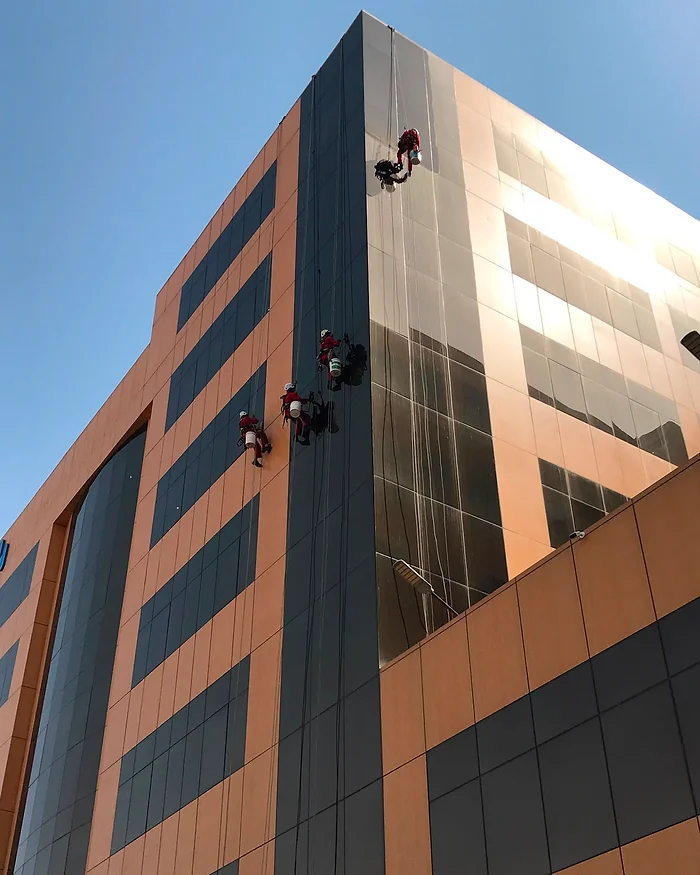
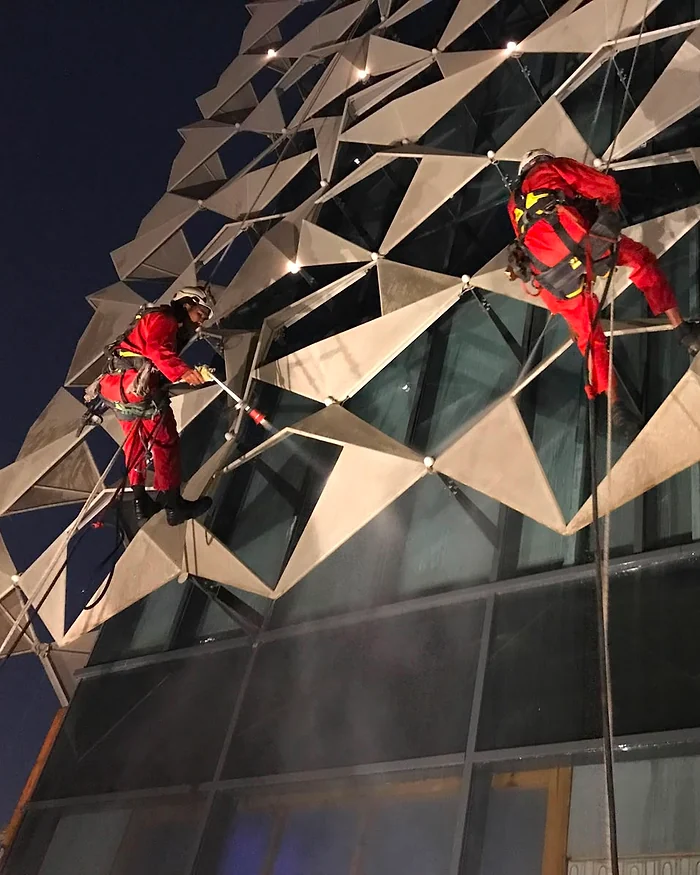
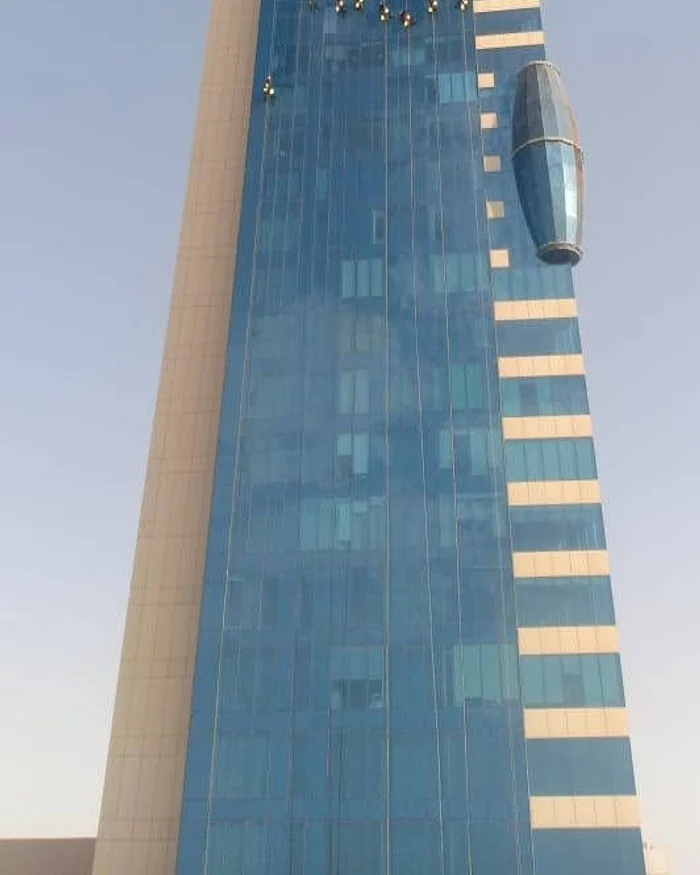
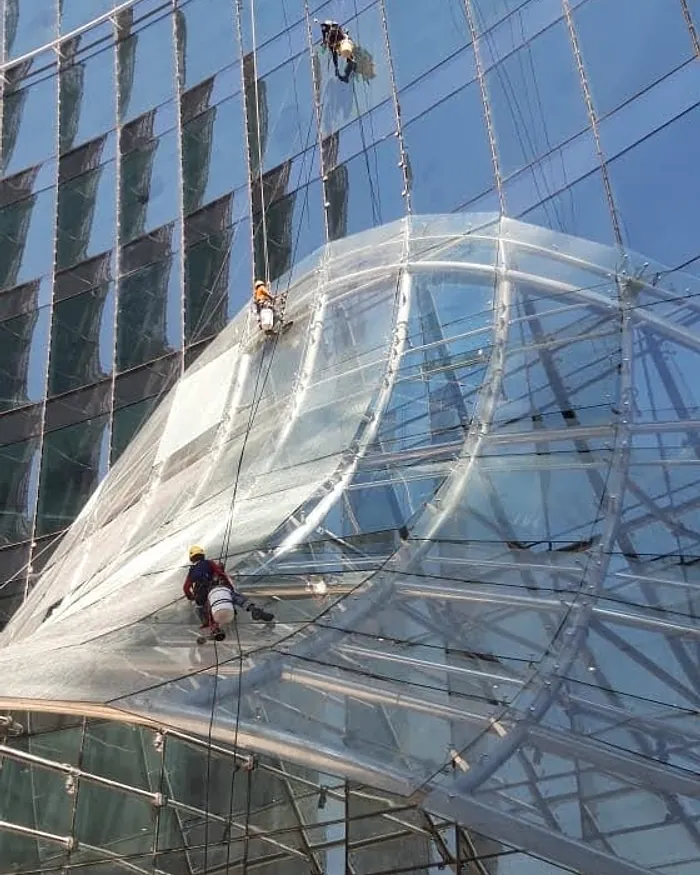
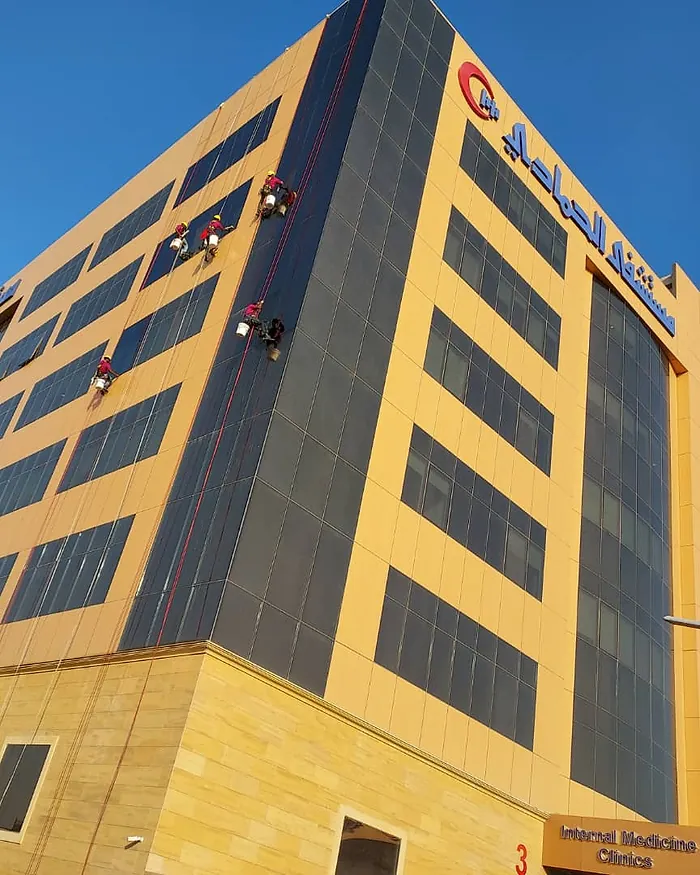
Photos from our team's work.
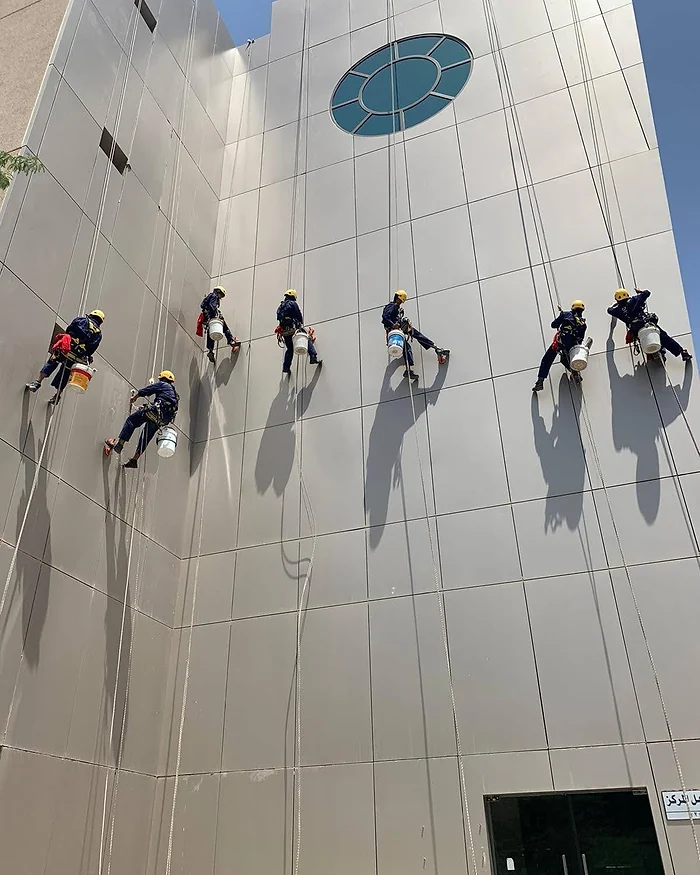
The character of King Fahd
Mixed district: shops at street level with homes above them
Kitchens here handle grease from more than one source: your own cooking, restaurant and shop neighbours below, and sometimes households beside you. Grease composition is more complex and often harder to remove completely, especially in ducts, shared walls, grout and filter banks where multiple sources deposit layers.
Other services in King Fahd
The room and the building around it are on one list.
-
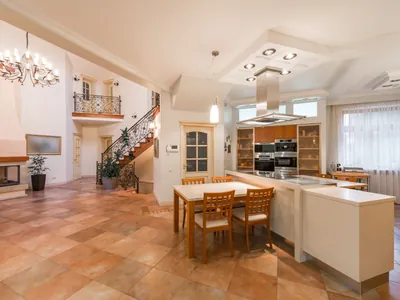
House cleaning
-
Restaurant cleaning
-
Deep cleaning
-
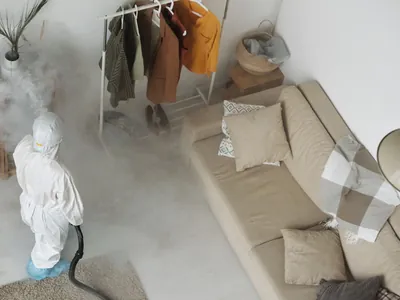
Disinfection and sanitisation
-
Sofa cleaning
-
Carpet and rug cleaning
-
Mattress cleaning
-
Curtain cleaning
-
Apartment cleaning
-
Villa cleaning
-
Majlis and rest-house cleaning
-
Chalet cleaning
-
Yacht cleaning
-
Bathroom cleaning
-
Chandelier cleaning
-
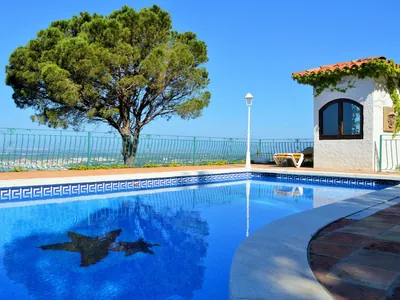
Swimming pool cleaning
-
Garden clearance
-
Water tank cleaning and disinfection
-
Water tank waterproofing
-
Move-in and move-out cleaning
-
Post-construction cleaning
-
Pest control
-
Bed bug control
-
Office cleaning
-
Hotel and resort cleaning
-
Shopping mall cleaning
-

Retail shop cleaning
-
School cleaning
-
Nursery and kindergarten cleaning
-
Hospital cleaning
-
Clinic and medical centre cleaning
-
Mosque cleaning
-
Government facility cleaning
-
Gym cleaning
-
Sports field cleaning
-
Factory and warehouse cleaning
-

Event cleaning
-
Commercial post-construction cleaning
-
Air duct and AC cleaning
-
Commercial pest control