
Raghwat Al Janoub Maintenance and Cleaning
Majlis and rest-house cleaning in Al Falah, Riyadh
Al Falah is a northern Riyadh district home to Imam Muhammad ibn Saud Islamic University, the Arab Open University, Al Falah Mosque, residential villas and apartments, and commercial and hotel facilities. Continuous footfall from students, employees and guests means majlis rooms face heavy daily traffic. Cement dust and fine sand from the open desert beyond Banban settle on every surface, and hard blended water leaves mineral scale on glass and stone.
Why deep cleaning a majlis pays off
-
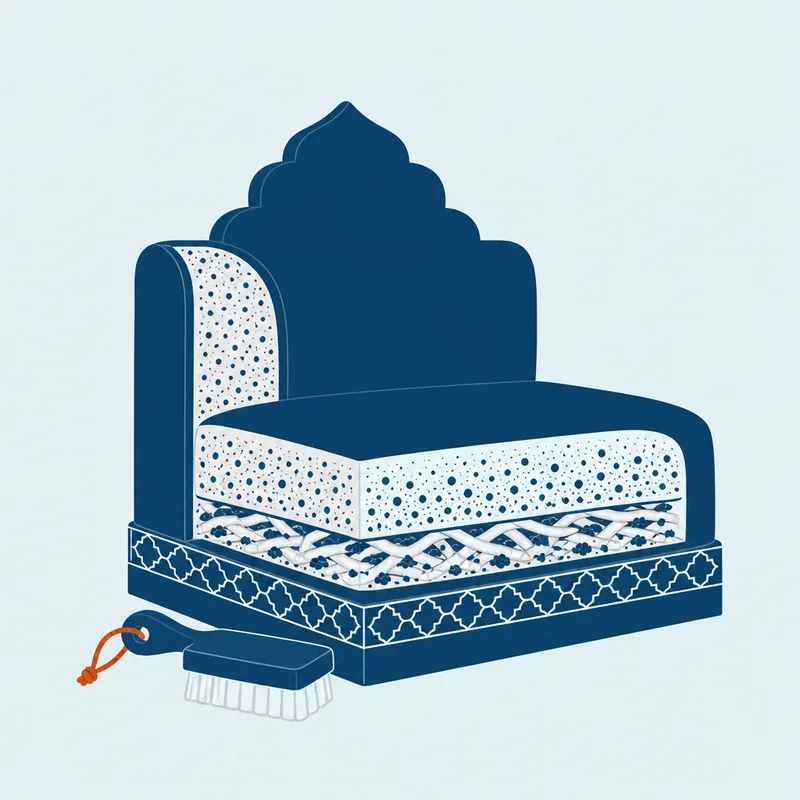
Odour that stays gone
A surface wipe masks the smell for a day or two, then it returns with the first humid weather.
-
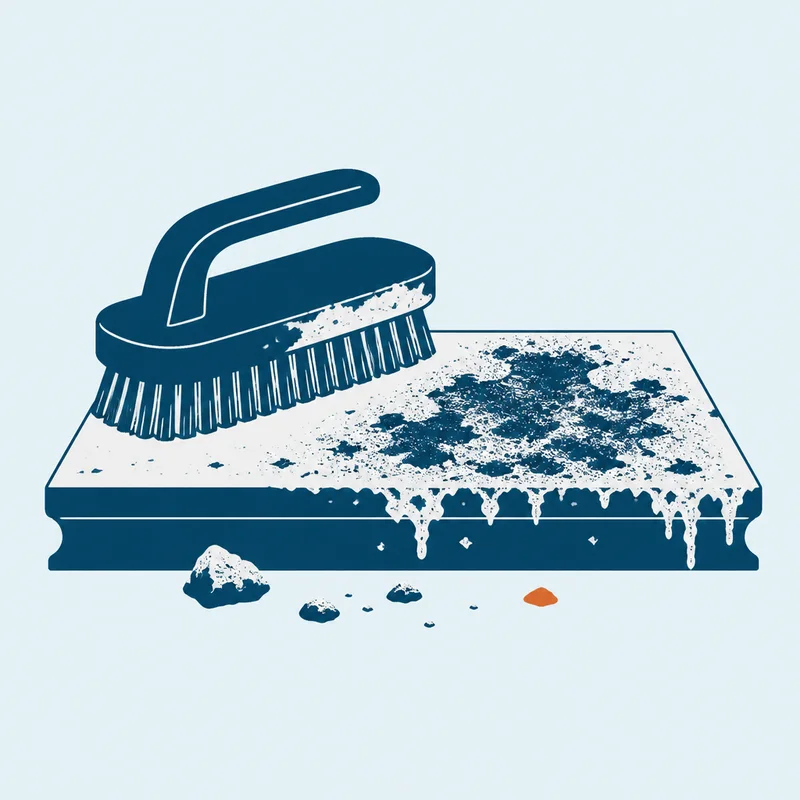
Ready before your guests
Before a gathering you want clean seating and neutral air, no coffee stains and no stale perfume clinging to the cushions.
-

Protecting the fabric itself
Fine mineral dust acts like grit inside the weave, so the colour fades and the threads weaken with regular use.
-
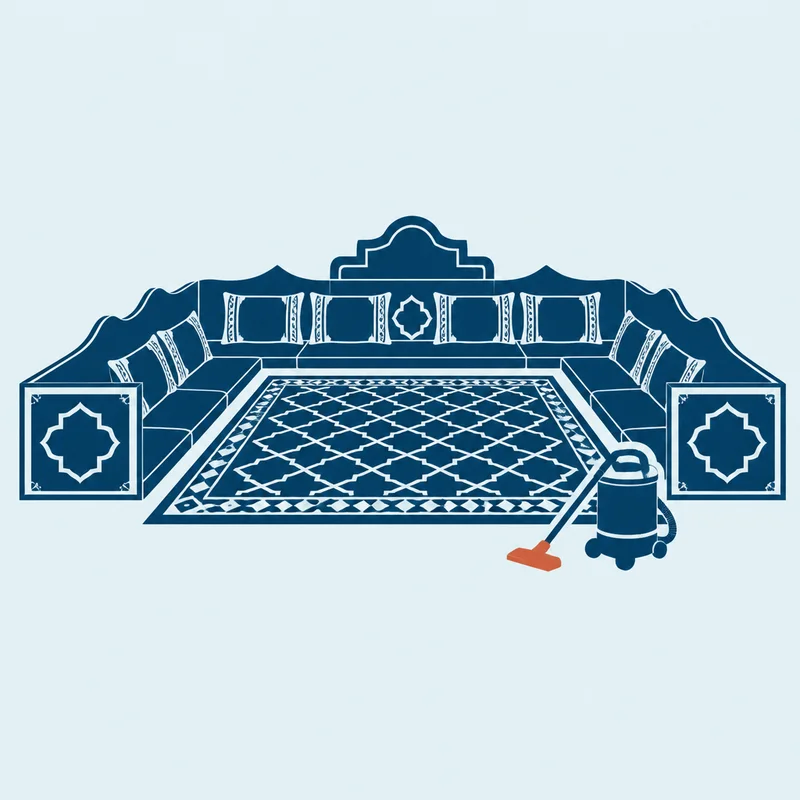
Floor seating you can't wash alone
Floor mattresses and backrests are heavy and long, hard to lift and wash at home, and large carpets stay fixed in place.
Why the job is different in Al Falah
The district sees intense student movement and continuous hotel traffic. Dust from nearby construction projects adds to the desert dust, so majlis rooms need more frequent cleaning than purely residential districts nearby. The whole method is set out in the majlis and rest-house cleaning overview.
-
Heavy footfall from universities and hotel facilities
Imam Muhammad ibn Saud University, the Arab Open University and the hotels bring continuous daily traffic from students, staff and guests. Residential majlis rooms in the district see far more visitors than purely residential neighbourhoods. Dust enters with every new guest, and moisture from government and hotel buildings affects the surrounding air.
-
Cement dust and sand from ongoing Banban desert construction
Behind the district, Al Arid, Al Qirawan and new plots are still under construction, cement and fine sand blow from the open Banban desert. This dust type is heavier and stickier, settles on surfaces and penetrates fabric easily. Continuous building means the dust never stops.
-
Hard water and mineral deposits on surfaces
The blended hard water leaves mineral scale on glass, stone and metal. In a district extending to the city edge with building ongoing, the water is harder than in inner neighbourhoods. Curtains and covers are exposed to these mineral deposits through ambient moisture.
What's Included
Al Falah sits at Exit 7 on Uthman ibn Affan Road, with construction continuing on new plots and master plans behind it. Beyond Al Arid and Al Qirawan the new schemes are still being built, so cement and sand blow from the open Banban desert. Movement from the universities and hotels brings additional dust daily.
-
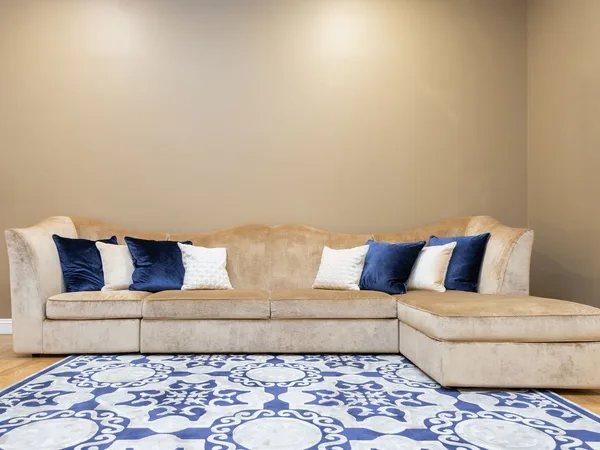
Floor seating and backrests
Floor seating in Al Falah faces continuous traffic from students and visitors, so we wash it deeply and dry it thoroughly to prevent moisture build-up.
-
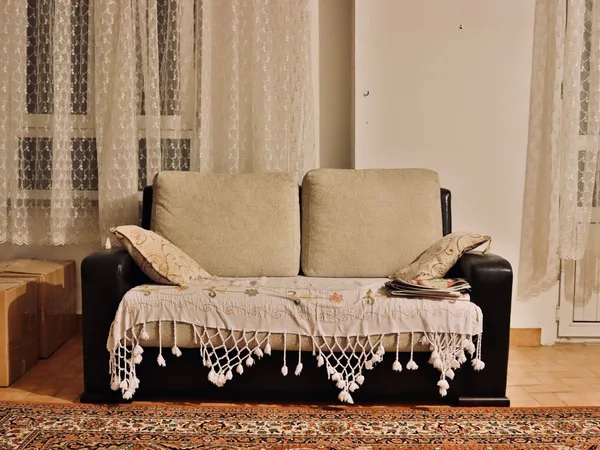
Large carpets, in place
Large carpets trap cement and sand firmly, so we emphasise deep suction and special treatment to remove heavy particles from the pile completely.
-
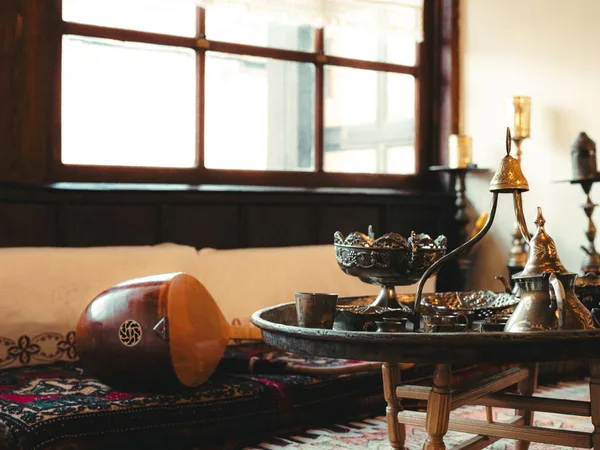
Cushions and bolsters
Cushions and bolsters see more daily traffic, so we wash them deeply with strong suction and dry with warm air to prevent mildew.
-
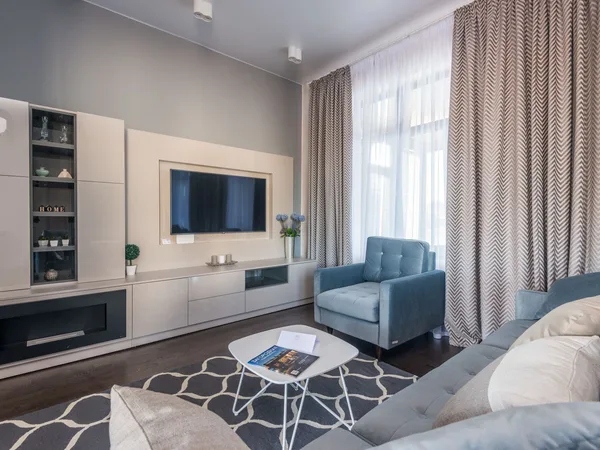
Curtains and covers
Curtains absorb cement dust and metallic moisture from the air, so we wash with care and dry thoroughly to clear any mineral deposits.
-
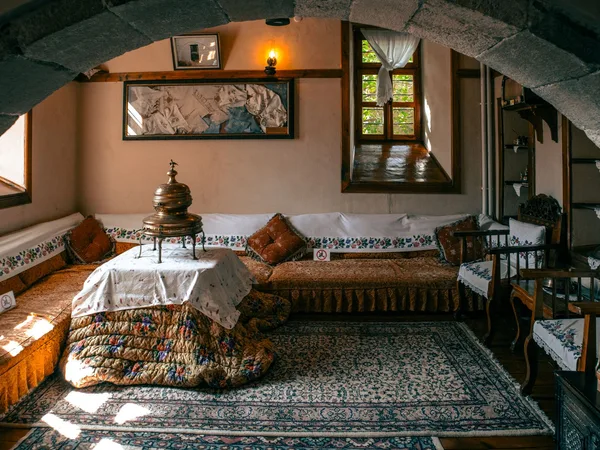
The coffee corner and trays
The coffee corner may see extra visitor traffic in a university district, so we clean deeply and dry thoroughly to prevent moisture odours.
-
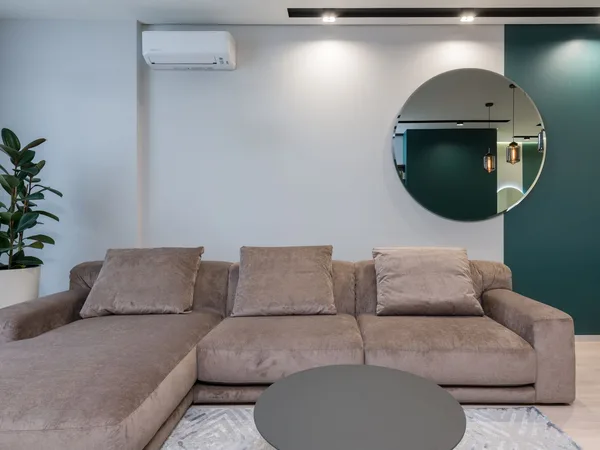
Airing and odour removal
Post-wash ventilation is essential in Al Falah because cement dust and moisture return quickly; we leave windows open for extended periods.
Landmarks of Al Falah
Al Falah is located at Exit 7 on Uthman ibn Affan Road and sits within reach of Imam Muhammad ibn Saud Islamic University and the Arab Open University. Access to homes is via the universities or the main road, and cleaning schedules are arranged according to how much the majlis faces exposure to student, staff and guest traffic.
- Imam Muhammad ibn Saud Islamic University
- Arab Open University
- Al Falah Mosque
- Uthman ibn Affan Road
How we work
Call and scope the work
Check fabric and stains
Deep wash and extract
Air out and hand over
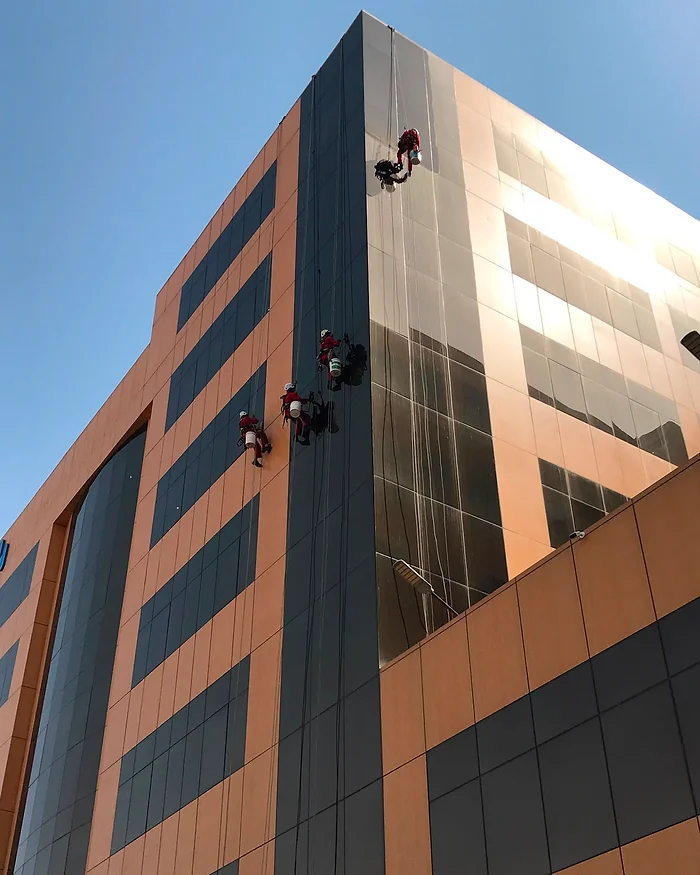
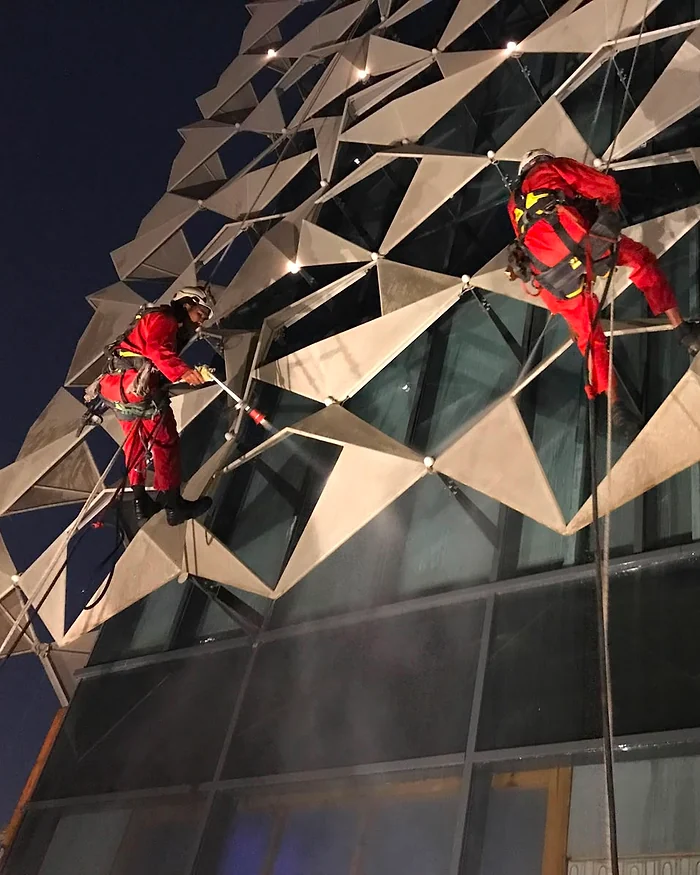
Some of our work
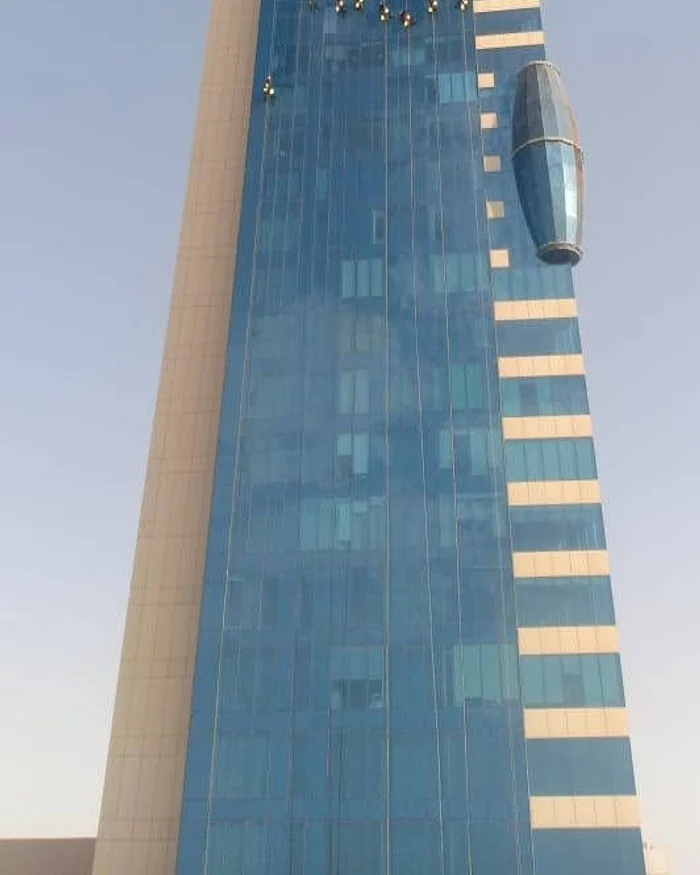
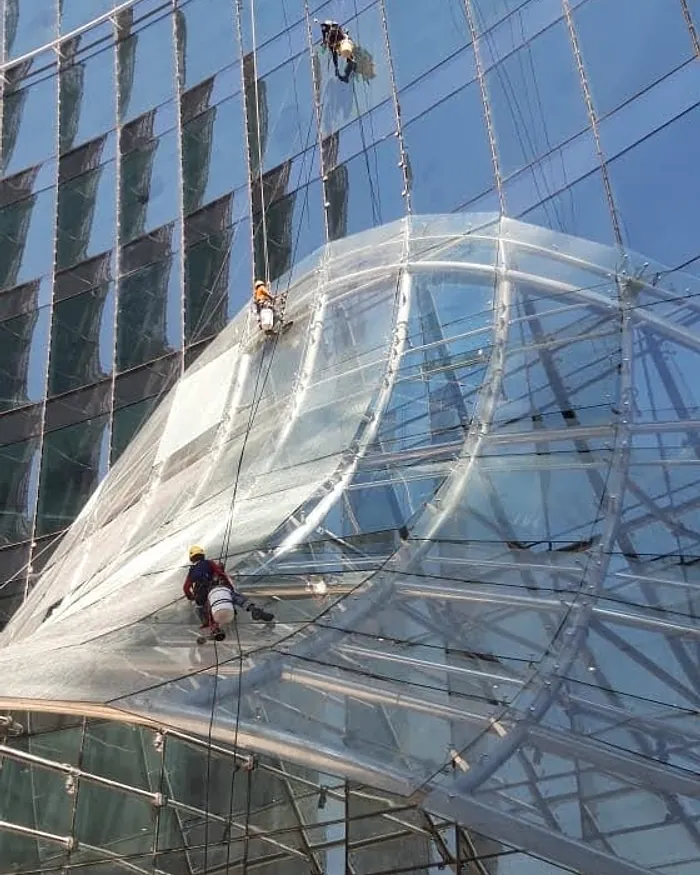
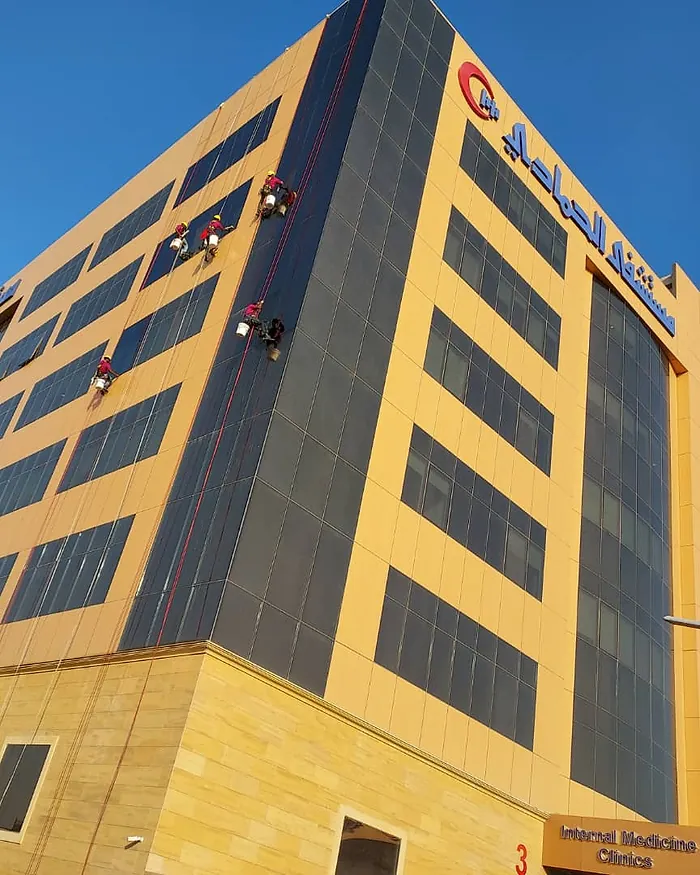
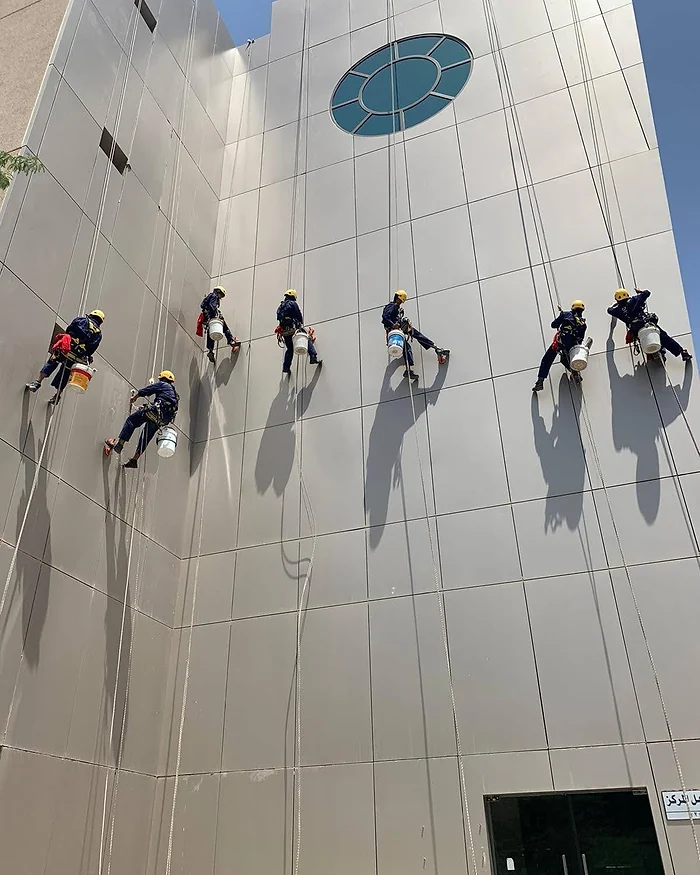
Photos from our team's work.
What is different about North Riyadh
North Riyadh is where the capital has grown fastest. Along the Northern Ring Road and King Salman Road, districts such as Al Malqa, Hittin, Al Yasmin, Al Narjis and Al Sahafa are largely new villas in light render, stone and glass, while the King Abdullah Financial District and the towers around Riyadh Front add curtain wall glass and marble lobbies. Beyond Al Arid and Al Qirawan the plots are still being built, so cement dust and fine sand from the open desert towards Banban settle on every surface, and the hard blended supply water leaves scale on glass and stone.
Other services in Al Falah
The room and the building around it are on one list.
-
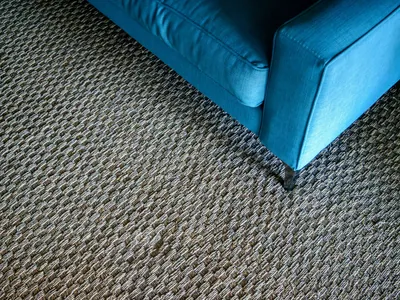
Sofa cleaning
-
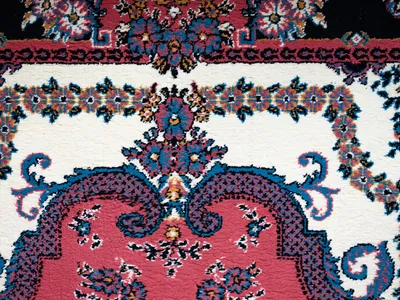
Carpet and rug cleaning
-
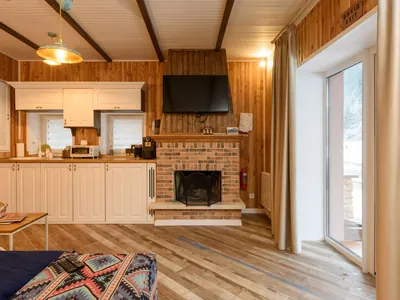
Chalet cleaning
-

Event cleaning
-

Mattress cleaning
-
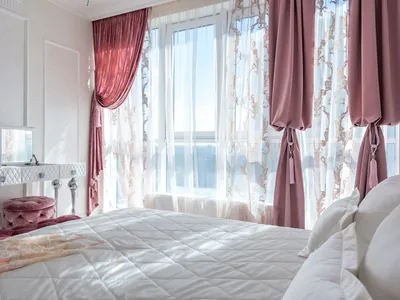
Curtain cleaning
-
House cleaning
-
Apartment cleaning
-
Villa cleaning
-
Yacht cleaning
-
Kitchen cleaning
-
Bathroom cleaning
-
Chandelier cleaning
-
Swimming pool cleaning
-
Garden clearance
-
Water tank cleaning and disinfection
-
Water tank waterproofing
-
Deep cleaning
-

Move-in and move-out cleaning
-
Post-construction cleaning
-
Disinfection and sanitisation
-
Pest control
-
Bed bug control
-
Office cleaning
-
Restaurant cleaning
-
Hotel and resort cleaning
-
Shopping mall cleaning
-

Retail shop cleaning
-
School cleaning
-

Nursery and kindergarten cleaning
-
Hospital cleaning
-
Clinic and medical centre cleaning
-
Mosque cleaning
-
Government facility cleaning
-
Gym cleaning
-
Sports field cleaning
-
Factory and warehouse cleaning
-
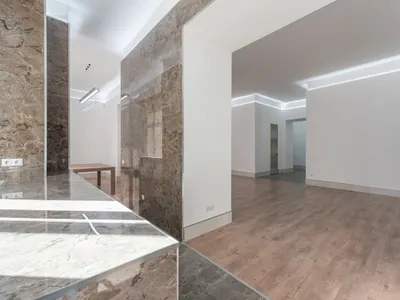
Commercial post-construction cleaning
-
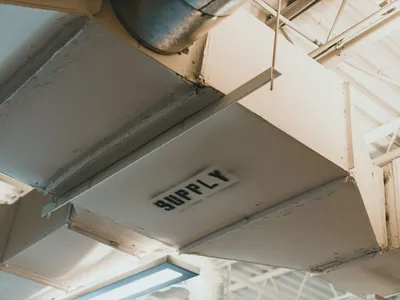
Air duct and AC cleaning
-
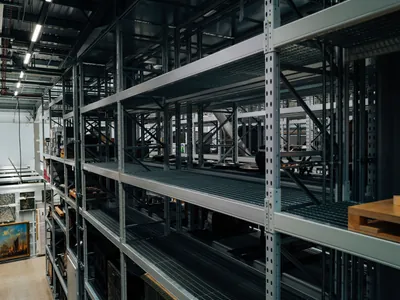
Commercial pest control