
Raghwat Al Janoub Maintenance and Cleaning
Majlis and rest-house cleaning in Al Wadi, Riyadh
Al Wadi blends shops at street level with family homes above, meaning your majlis sees constant daily footfall from visitors and guests. Dust enters with every door opening, and winter humidity traps odours deep in the fabric and padding. The mix of commercial and residential uses changes how quickly dirt builds and where it settles.
Why deep cleaning a majlis pays off
-
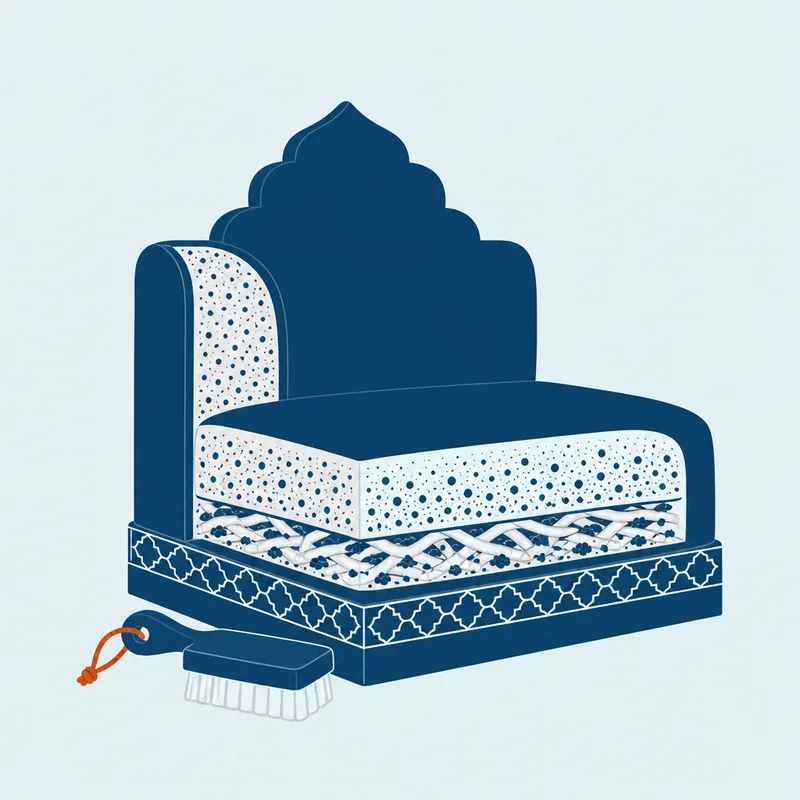
Odour that stays gone
A surface wipe masks the smell for a day or two, then it returns with the first humid weather.
-
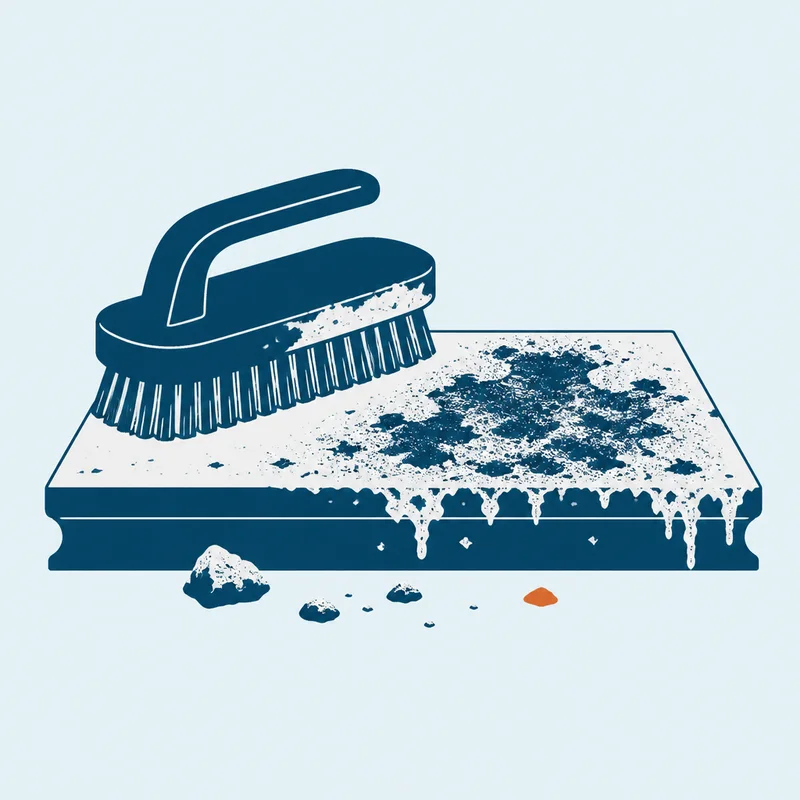
Ready before your guests
Before a gathering you want clean seating and neutral air, no coffee stains and no stale perfume clinging to the cushions.
-

Protecting the fabric itself
Fine mineral dust acts like grit inside the weave, so the colour fades and the threads weaken with regular use.
-
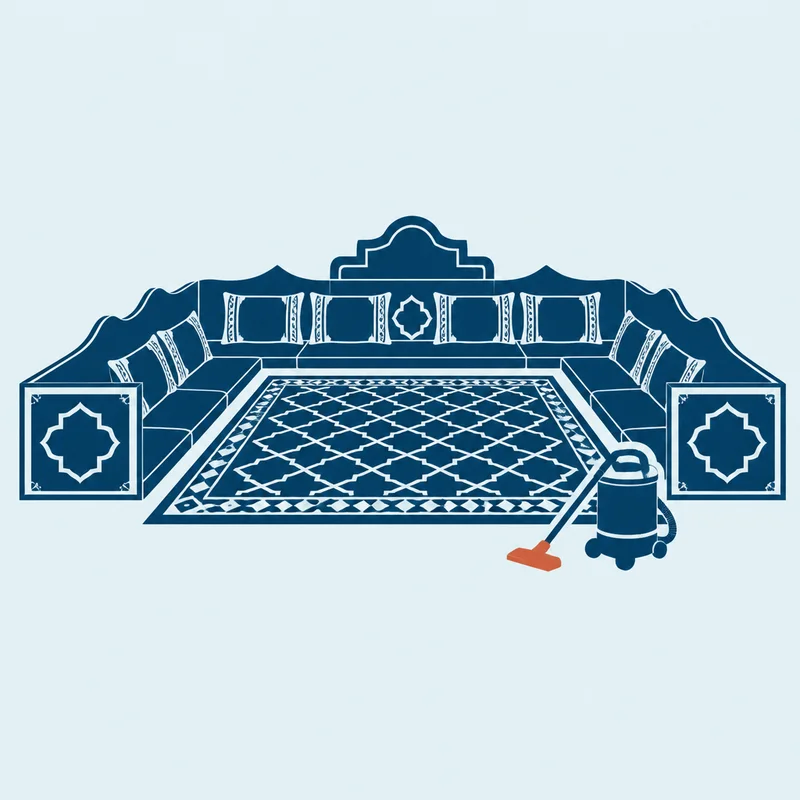
Floor seating you can't wash alone
Floor mattresses and backrests are heavy and long, hard to lift and wash at home, and large carpets stay fixed in place.
Why the job is different in Al Wadi
Majlis rooms in mixed districts accumulate dust noticeably faster because foot traffic is constant, not occasional. Ground floor moisture from the commercial spaces below affects the smell upstairs more persistently than it does in separate villas. The whole method is set out in our majlis and rest-house cleaning guide.
-
Constant traffic drives faster dust build-up
In a mixed district like Al Wadi, every door opening brings street dust into the majlis. Visitors and guests walk straight in from outside, and floor cushions gather fine particles far quicker than rooms in walled villa compounds. The commercial activity below means more people in and out than any other setting.
-
Commercial moisture rises through the structure
Ground floor shops are washed daily with water, and that moisture wicks up through walls and floor gaps into the apartments above. This raises the majlis humidity, so odours return quickly even after cleaning, and the fabric stays damp longer than it should.
-
Mixed fabrics and age demand different methods
Families in Al Wadi often mix traditional floor cushions with modern upholstered sofas, old hand-woven bolsters alongside new synthetic fabric. Each piece needs a different wash approach; treating them all the same damages the older textiles or leaves newer ones damp.
What's Included
Al Wadi sits on Wadi Al Sarh Street in a busy commercial zone, with the Girls' Colleges and Imam Muhammad ibn Saud University just a short distance away. The steady flow of visitors and traders means heavier dust loads than residential-only districts.
-
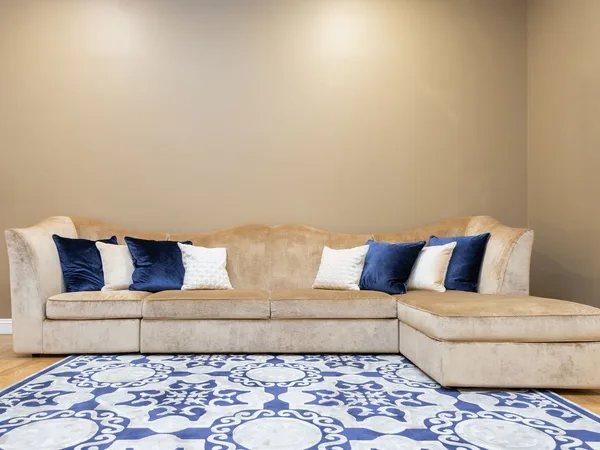
Floor seating and backrests
Floor seating in a mixed zone carries footfall from the street, so it needs deeper washing and must be bone-dry before anyone sits on it again.
-
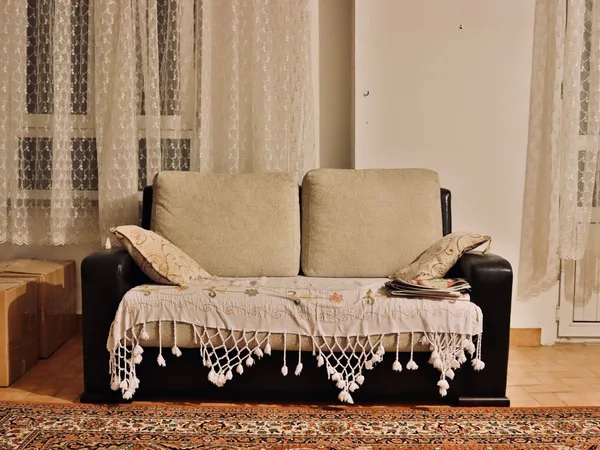
Large carpets, in place
Large carpets absorb moisture from the commercial space below faster than they do in separate villas, so we focus on full extraction and air-drying, not just surface cleaning.
-
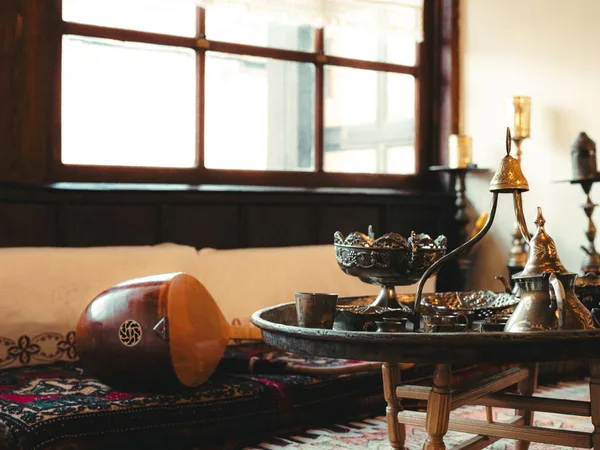
Cushions and bolsters
Cushions and bolsters trap both dust and humidity together, so we wash them with vacuum and air-dry them, never relying on sun and breeze alone.
-
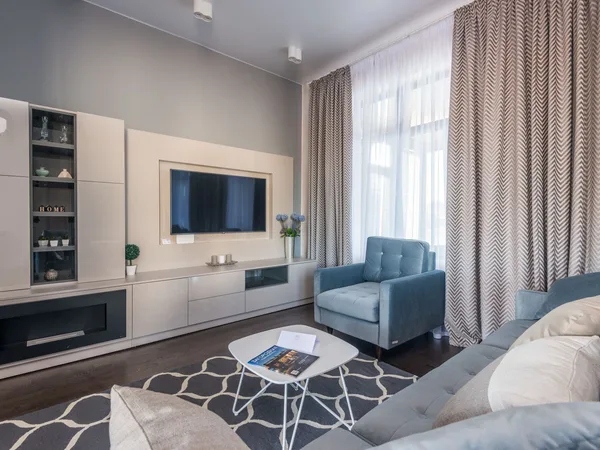
Curtains and covers
Curtains in the commercial zone hold exhaust fumes and mineral dust, so we wash them in cooler water to avoid fixing the soil deeper into the weave.
-
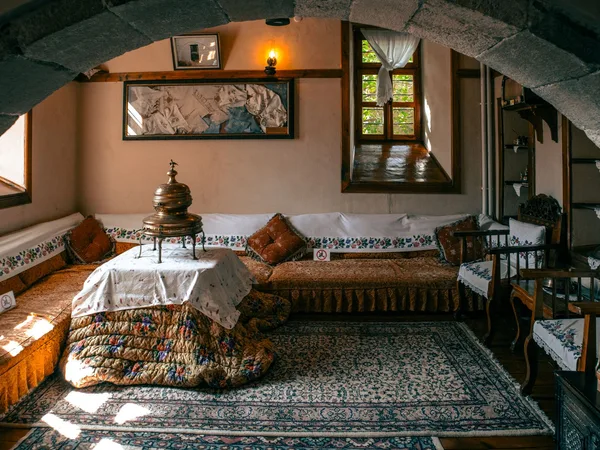
The coffee corner and trays
The coffee corner collects dust, humidity and lingering smells, so we clean it carefully and dry the edges and crevices thoroughly before handing back.
-
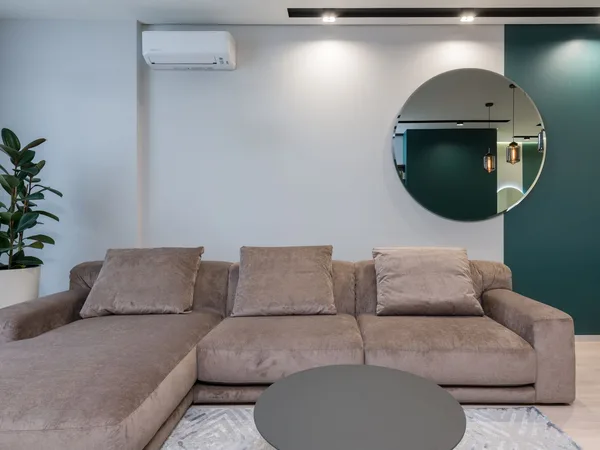
Airing and odour removal
Ventilation after washing is critical in Al Wadi because moisture rises from below; we open windows until the majlis is completely dry, not just damp-free.
The character of Al Wadi
Mixed district: shops at street level with homes above them
In a mixed district like Al Wadi, the majlis is not isolated but constantly transited. Guests, visitors and workers come through in their outdoor shoes, and dust seeps up from the street and the shop below. Deep cleaning is not optional but essential to break the continuous cycle of resoiling.
How we work
Call and scope the work
Check fabric and stains
Deep wash and extract
Air out and hand over
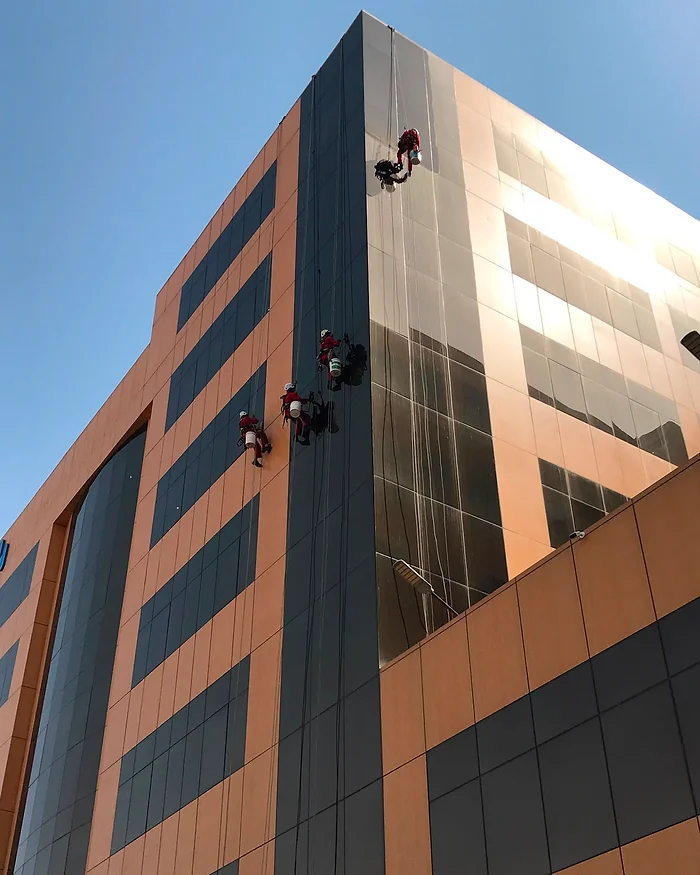
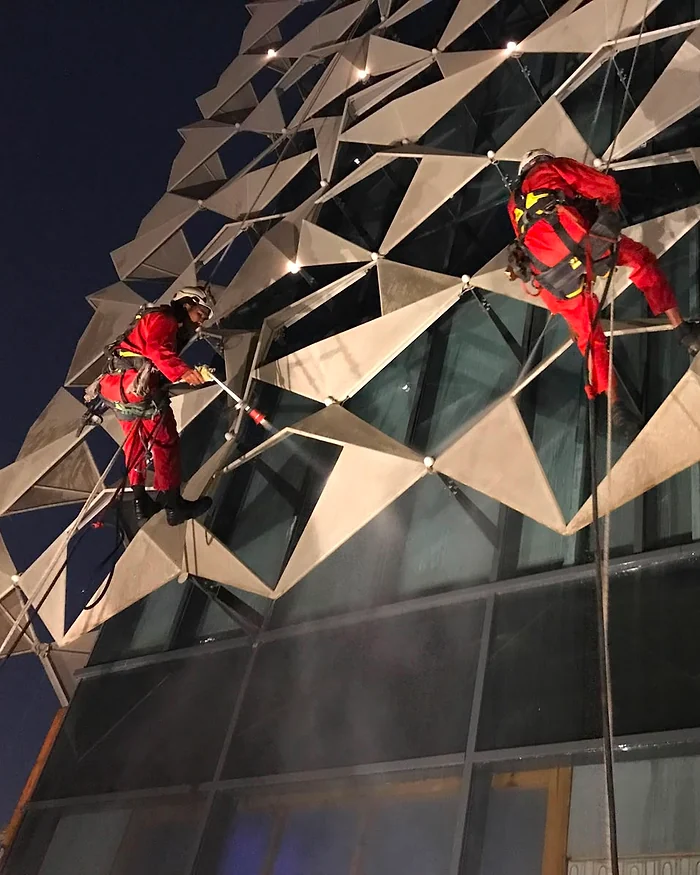
Some of our work
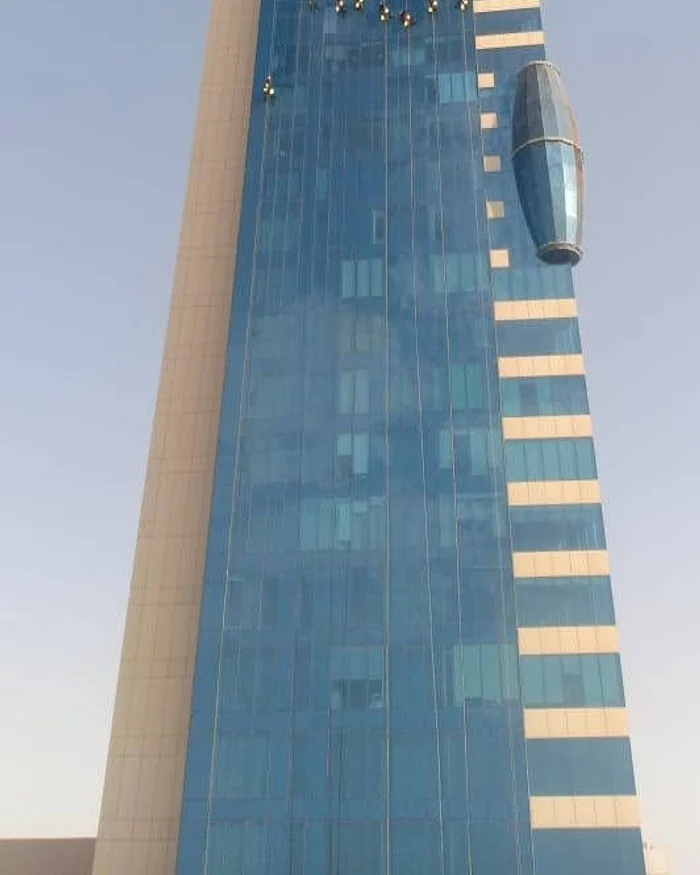
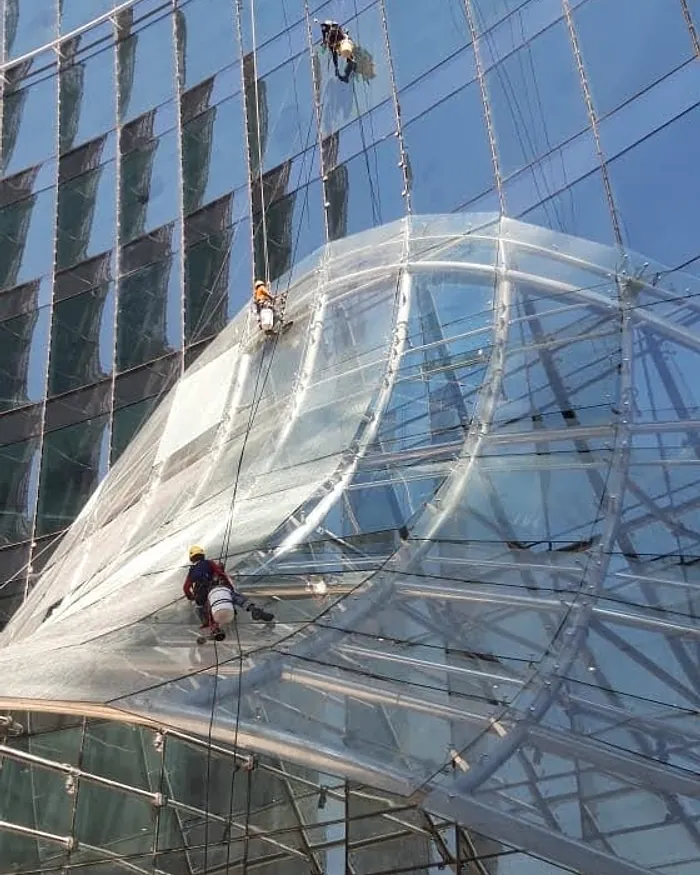
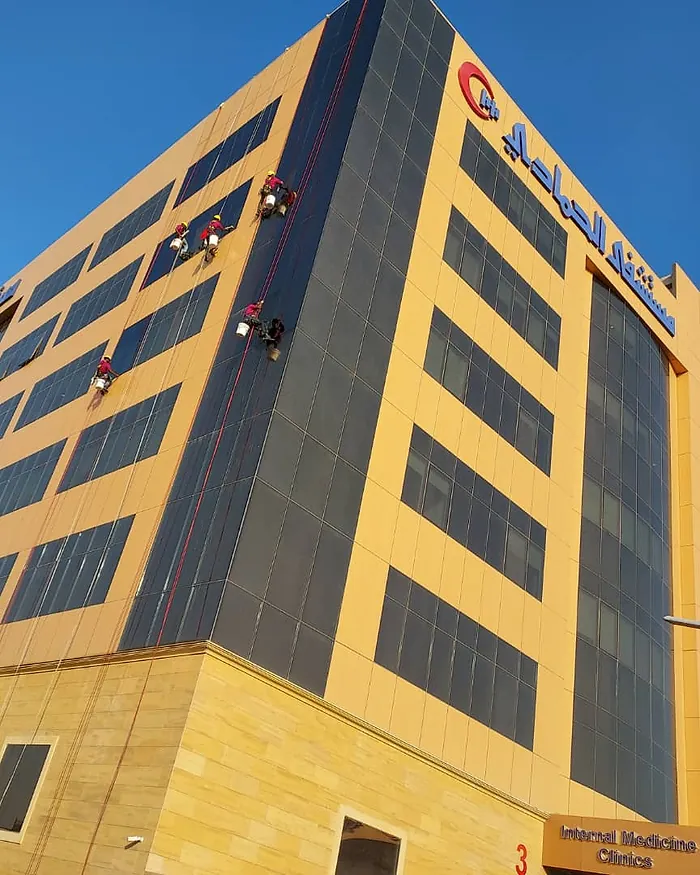
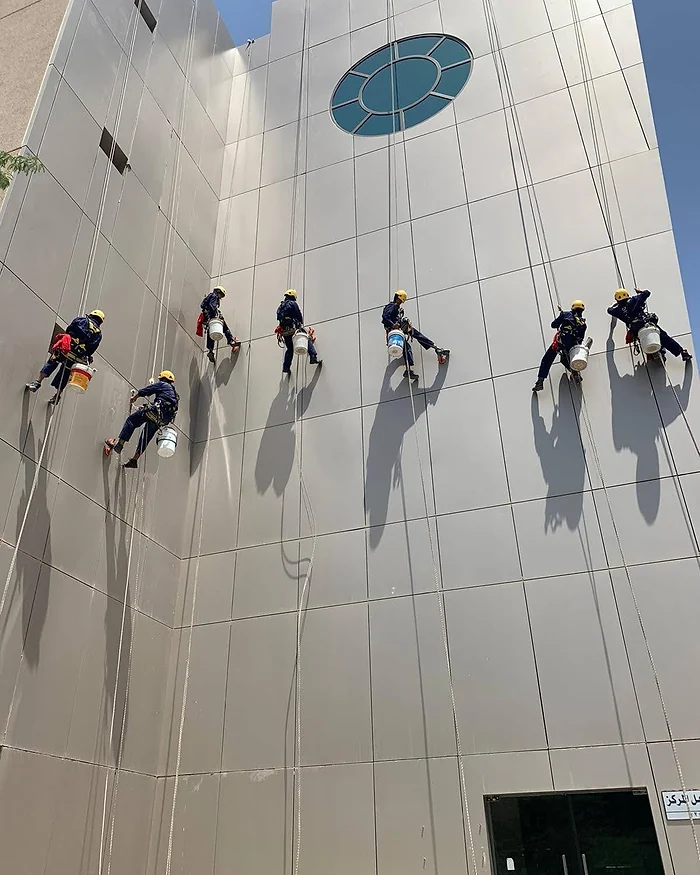
Photos from our team's work.
What is different about North Riyadh
North Riyadh is where the capital has grown fastest. Along the Northern Ring Road and King Salman Road, districts such as Al Malqa, Hittin, Al Yasmin, Al Narjis and Al Sahafa are largely new villas in light render, stone and glass, while the King Abdullah Financial District and the towers around Riyadh Front add curtain wall glass and marble lobbies. Beyond Al Arid and Al Qirawan the plots are still being built, so cement dust and fine sand from the open desert towards Banban settle on every surface, and the hard blended supply water leaves scale on glass and stone.
Other services in Al Wadi
The room and the building around it are on one list.
-
Sofa cleaning
-
Carpet and rug cleaning
-
Chalet cleaning
-

Event cleaning
-

Mattress cleaning
-
Curtain cleaning
-
House cleaning
-
Apartment cleaning
-
Villa cleaning
-
Yacht cleaning
-
Kitchen cleaning
-
Bathroom cleaning
-
Chandelier cleaning
-
Swimming pool cleaning
-
Garden clearance
-
Water tank cleaning and disinfection
-
Water tank waterproofing
-
Deep cleaning
-

Move-in and move-out cleaning
-
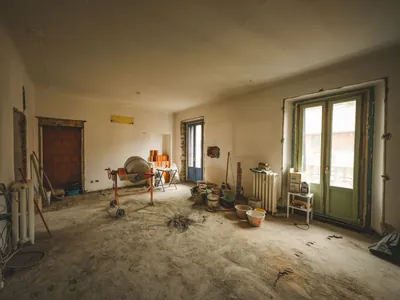
Post-construction cleaning
-
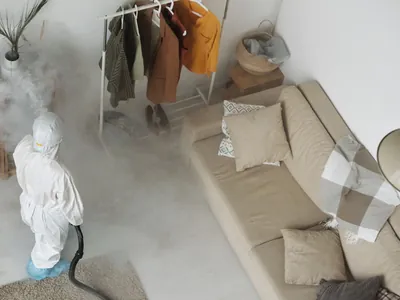
Disinfection and sanitisation
-
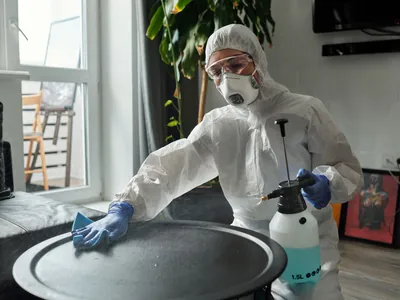
Pest control
-
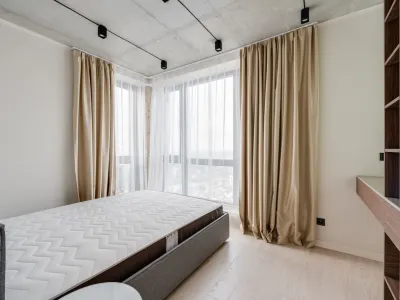
Bed bug control
-

Office cleaning
-
Restaurant cleaning
-
Hotel and resort cleaning
-
Shopping mall cleaning
-

Retail shop cleaning
-

School cleaning
-

Nursery and kindergarten cleaning
-
Hospital cleaning
-
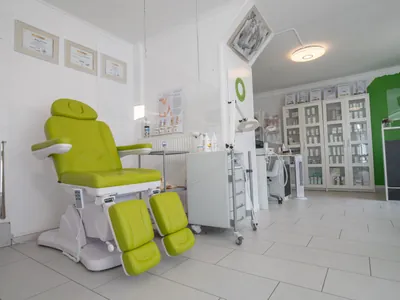
Clinic and medical centre cleaning
-
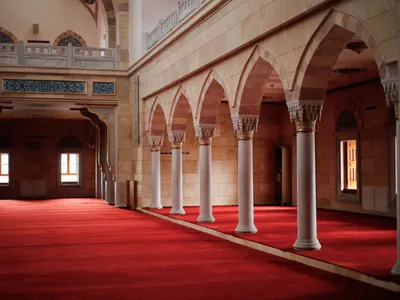
Mosque cleaning
-
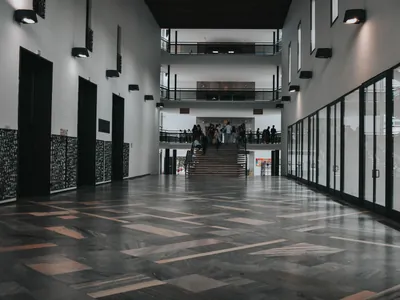
Government facility cleaning
-
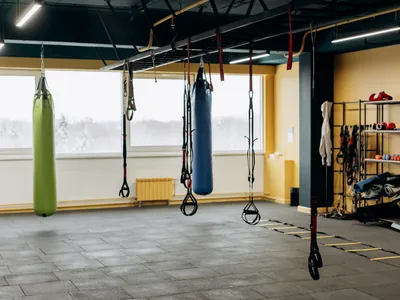
Gym cleaning
-
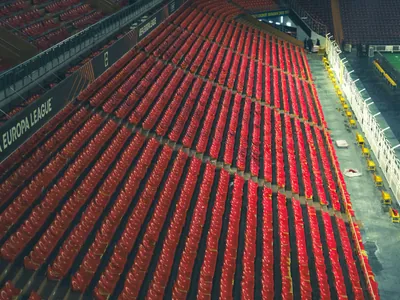
Sports field cleaning
-
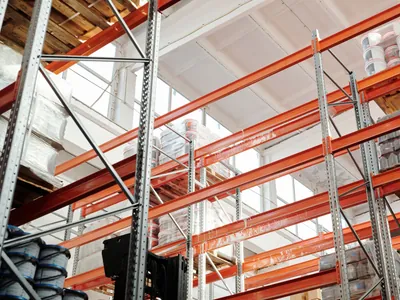
Factory and warehouse cleaning
-
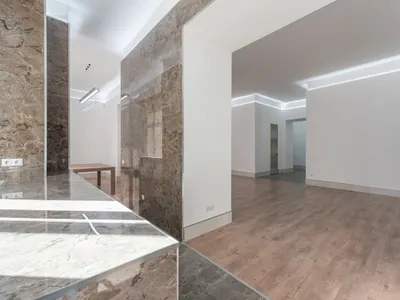
Commercial post-construction cleaning
-
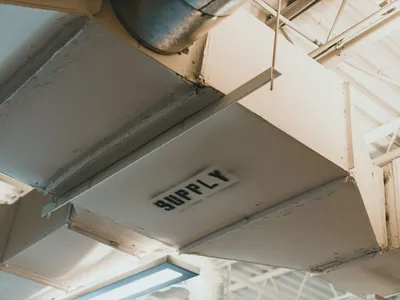
Air duct and AC cleaning
-
Commercial pest control