

Raghwat Al Janoub Maintenance and Cleaning
Majlis and rest-house cleaning in Al Hair, Riyadh
Al Hair is a rural area 27 kilometres south of Riyadh centre, with residents scattered across small farms and hamlets along Wadi Hanifah. Rest houses and majlis here sit under trees and palms, constantly exposed to the steady moisture rising from the wadi and heavy earth dust that mixes with damp soil and does not blow away like city dust.
Why deep cleaning a majlis pays off
-
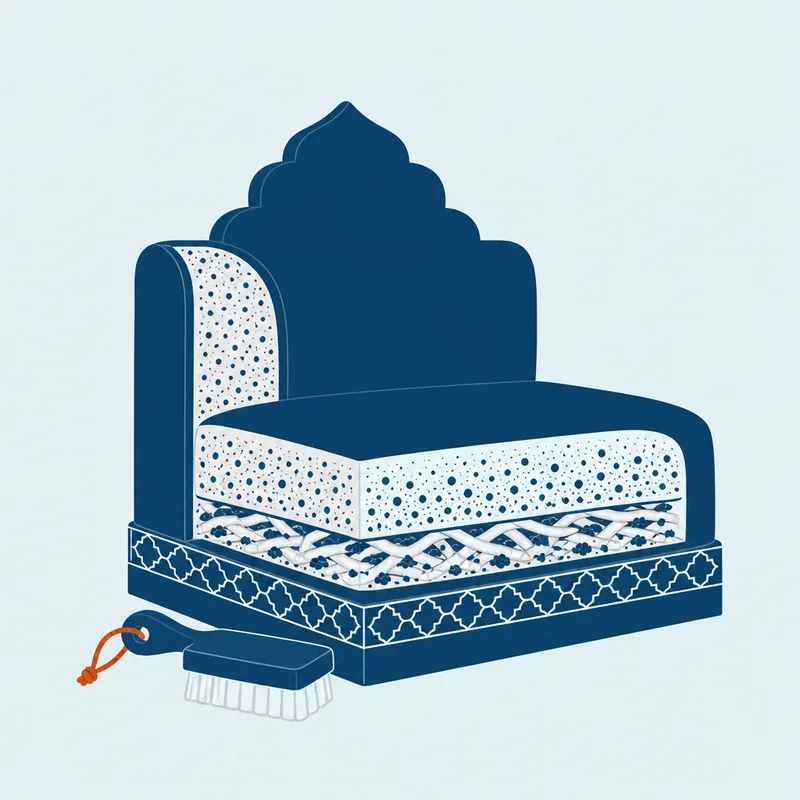
Odour that stays gone
A surface wipe masks the smell for a day or two, then it returns with the first humid weather.
-
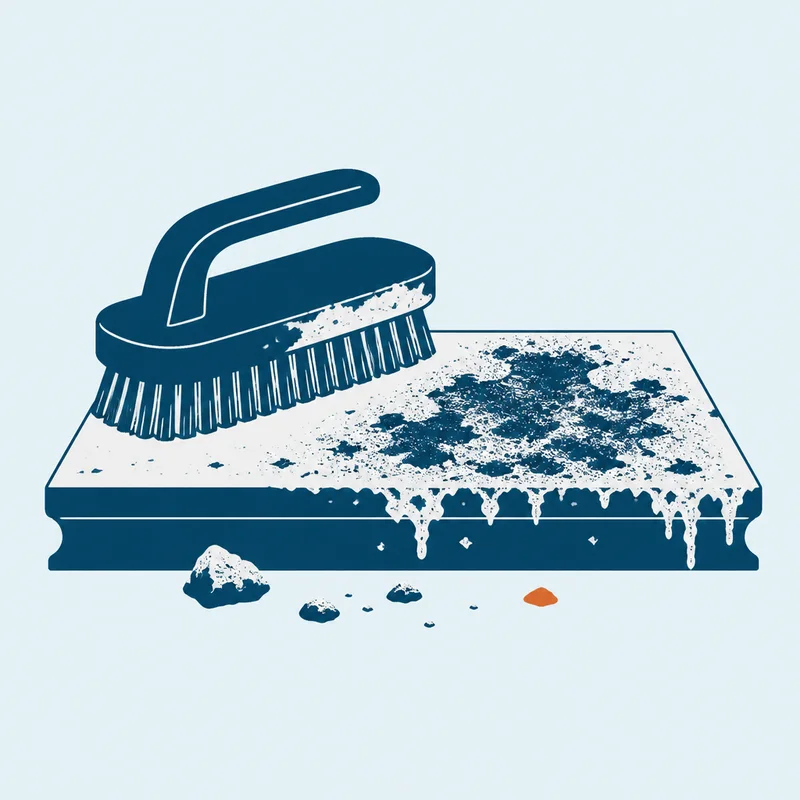
Ready before your guests
Before a gathering you want clean seating and neutral air, no coffee stains and no stale perfume clinging to the cushions.
-

Protecting the fabric itself
Fine mineral dust acts like grit inside the weave, so the colour fades and the threads weaken with regular use.
-
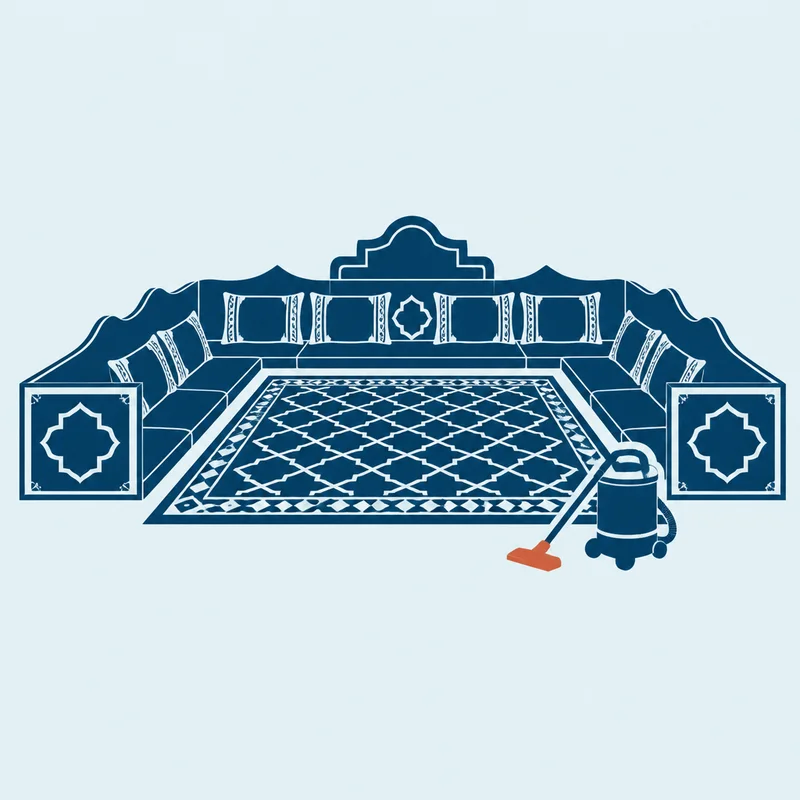
Floor seating you can't wash alone
Floor mattresses and backrests are heavy and long, hard to lift and wash at home, and large carpets stay fixed in place.
Why the job is different in Al Hair
Majlis in rural rest houses here collect more moisture than elsewhere, and musty smell returns faster than in dry areas, even after professional cleaning, because the wadi keeps the air constantly humid. The whole method is set out in the majlis and rest-house cleaning overview.
-
Constant wadi moisture breeds mould in padding
Wadi Hanifah carries water year round, and humidity stays high in rest houses and majlis near the wadi. This constant damp causes mould and smell in cushion fills and fabrics. Deep washing removes mould from inside the padding, and strong drying prevents it from returning quickly. Without proper extraction drying, the smell wakes again within days.
-
Damp earth and unpaved roads add heavy dust
Roads in Al Hair are unpaved, and the earth is wet and heavy, clinging to shoes and clothes more than fine city dust. This thick earth enters rest houses and majlis easily and settles deep in fabric fibres and cushion fills where it mixes with moisture and becomes harder to remove than dry dust.
-
Farms, palms and trees draw insects and raise ground moisture
Trees and palms around rest houses provide shade but attract insects and raise soil and air humidity. Fallen leaves enter the majlis, and insects leave marks and odours on fabrics. This cycle means cleaning must be deeper and more frequent than in built up areas to truly stop the smell returning.
What's Included
Al Hair sits on Wadi Hanifah, which carries water nearly year round, so the air is always damp and the soil is heavier. Houses are far apart and roads are unpaved, which means dust and moisture travel differently than in urban areas.
-

Floor seating and backrests
Floor seating in rural rest houses absorbs dampness and earth water, and washing removes mould from the fills and dries them completely to prevent quick return.
-
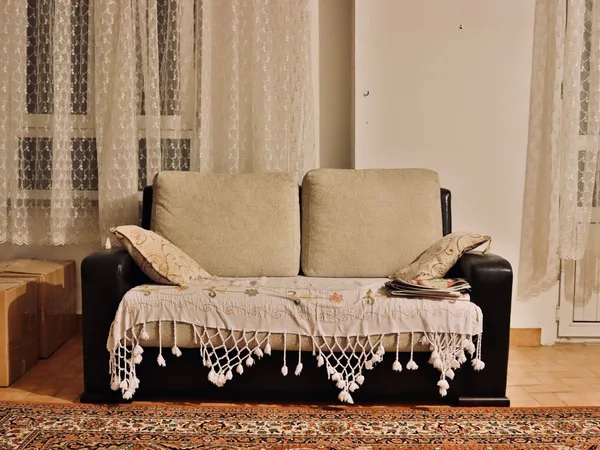
Large carpets, in place
Large carpets in rest houses on Wadi Hanifah absorb wadi moisture and wet earth, so strong extraction and thorough drying are essential to stop musty smell.
-
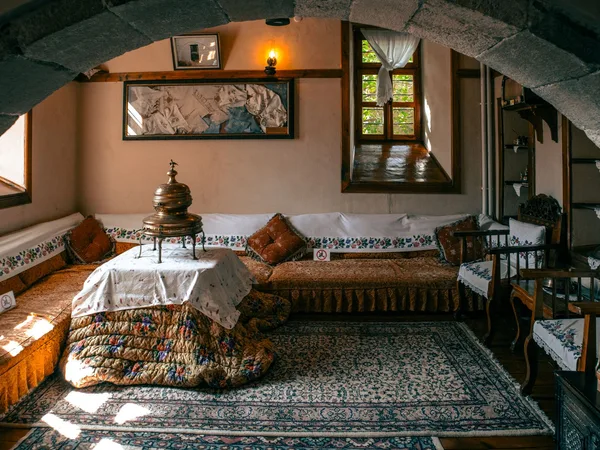
Cushions and bolsters
Heavy cushions in farms and rest houses trap humidity and mould, and washing and drying remove the smell and mould from deep inside the padding.
-
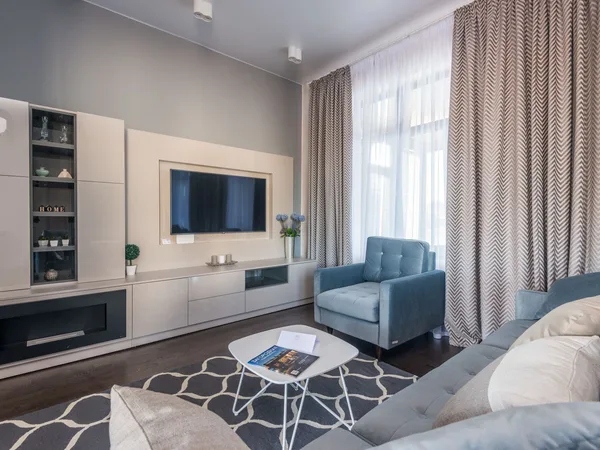
Curtains and covers
Curtains in rest houses near trees trap leaves, insects and odours, and deep cleaning removes all of them before they embed into the fabric.
-
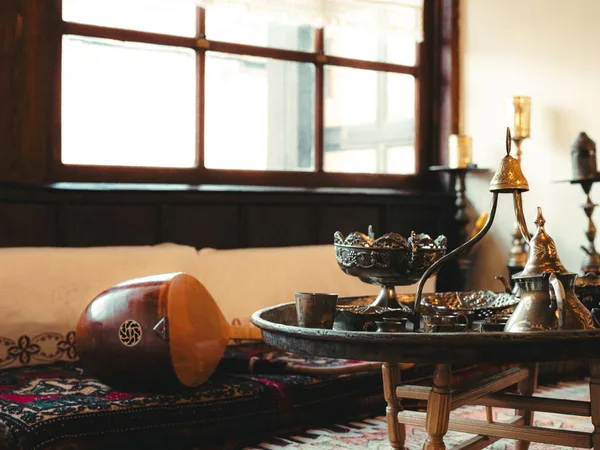
The coffee corner and trays
The coffee corner in rural rest houses may accumulate extra earth and dust, and thorough cleaning removes stains and odours that linger from daily use.
-
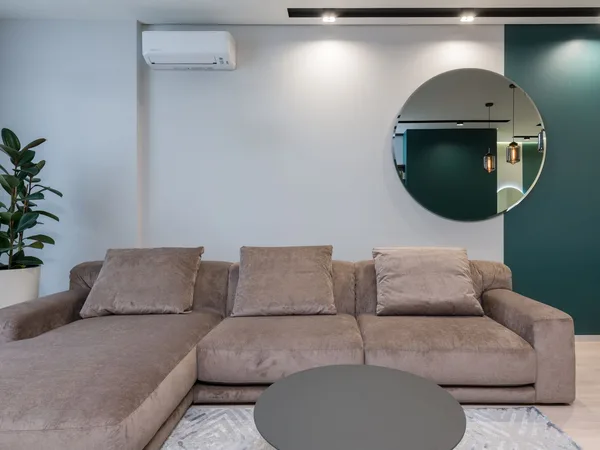
Airing and odour removal
Airing and drying are critical in rural rest houses because moisture returns rapidly, and fans and sun are essential to stop mould from forming again quickly.
The character of Al Hair
Rural area: farms, open ground and scattered homes
Rural areas like Al Hair need different care because dampness, wet earth and insects come directly from nature rather than traffic and fumes. Deep washing and strong drying protect fabrics from rapid damage and keep odours from embedding in the first place.
How we work
Call and scope the work
Check fabric and stains
Deep wash and extract
Air out and hand over
Some of our work
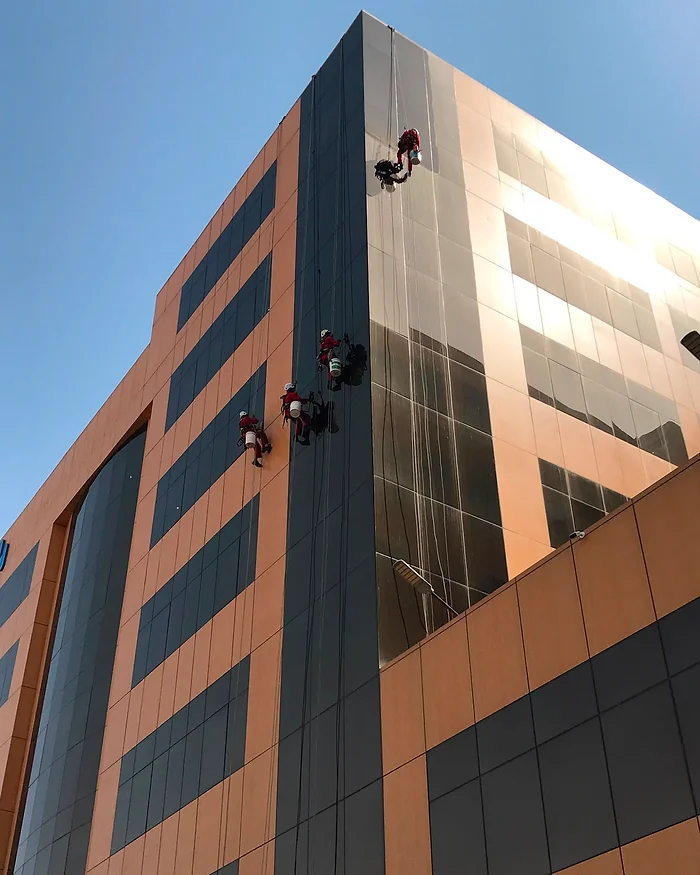
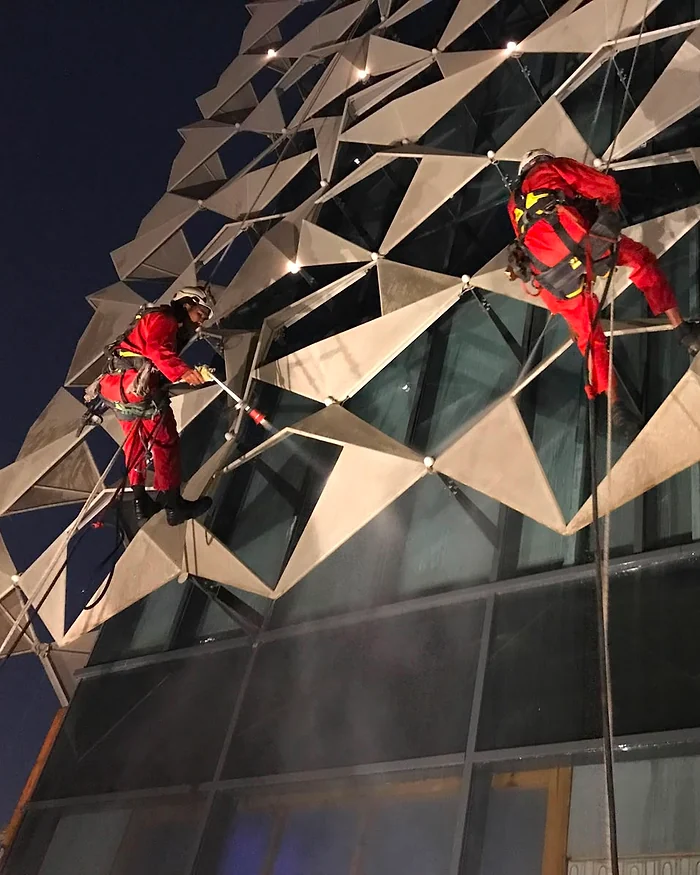
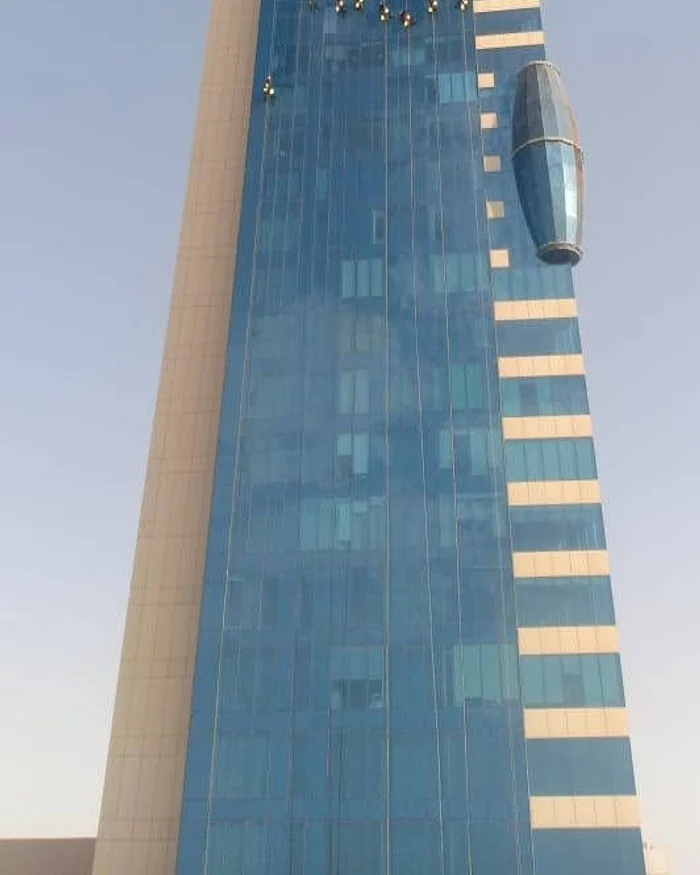
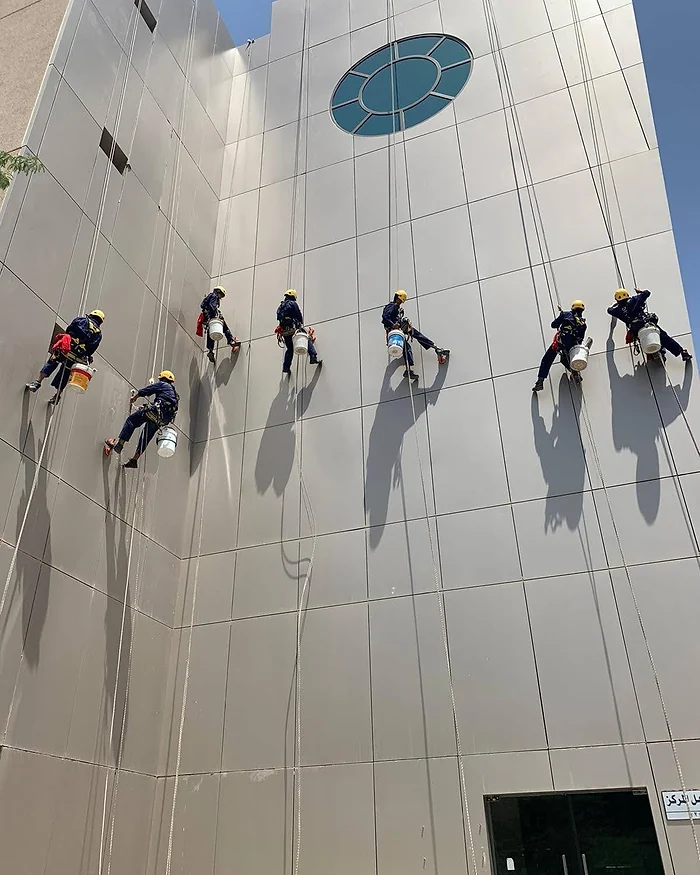
Photos from our team's work.


Landmarks of Al Hair
Rest houses in Al Hair are spread along Wadi Hanifah among small villages and farms. We reach rest houses near Jifran Al Subaie Mosque and Abu Bakr Al Siddiq Mosque and locate your space based on the wadi and which hamlet it serves.
- Jifran Al Subaie Mosque
- Abu Bakr Al Siddiq Mosque
- Wadi Hanifah
Other services in Al Hair
The room and the building around it are on one list.
-
Sofa cleaning
-
Carpet and rug cleaning
-
Chalet cleaning
-

Event cleaning
-
Mattress cleaning
-

Curtain cleaning
-
House cleaning
-
Apartment cleaning
-
Villa cleaning
-
Yacht cleaning
-
Kitchen cleaning
-
Bathroom cleaning
-

Chandelier cleaning
-

Swimming pool cleaning
-
Garden clearance
-
Water tank cleaning and disinfection
-
Water tank waterproofing
-
Deep cleaning
-

Move-in and move-out cleaning
-
Post-construction cleaning
-
Disinfection and sanitisation
-
Pest control
-
Bed bug control
-

Office cleaning
-

Restaurant cleaning
-

Hotel and resort cleaning
-
Shopping mall cleaning
-

Retail shop cleaning
-

School cleaning
-

Nursery and kindergarten cleaning
-

Hospital cleaning
-
Clinic and medical centre cleaning
-
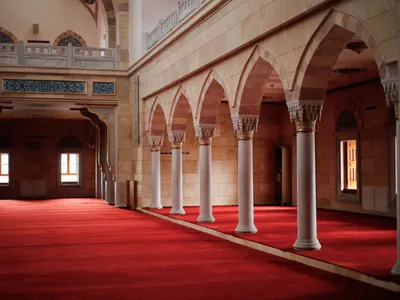
Mosque cleaning
-
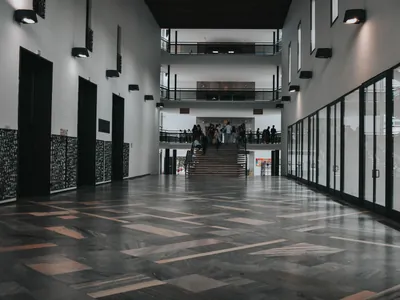
Government facility cleaning
-

Gym cleaning
-

Sports field cleaning
-

Factory and warehouse cleaning
-
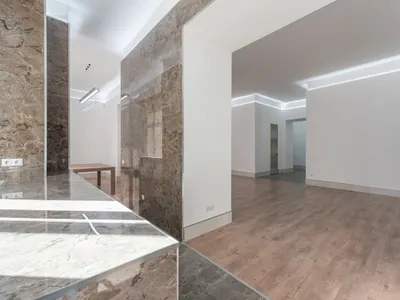
Commercial post-construction cleaning
-
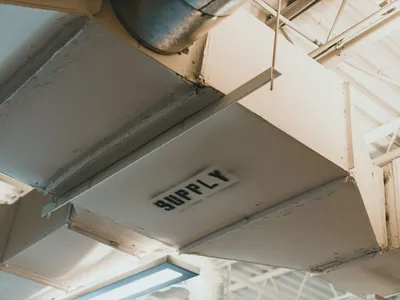
Air duct and AC cleaning
-

Commercial pest control