
Raghwat Al Janoub Maintenance and Cleaning
Sofa cleaning in Al Hair, Riyadh
Al Hair is a rural area with scattered homes stretching along Wadi Hanifah, where sofas collect dust from farms, rest houses and unmade roads. Deep cleaning here extracts what seasonal winds and trapped earth deposit into the fabric weave; a surface wipe leaves the problem unsolved within weeks.
Why a deep clean and not a wipe
-
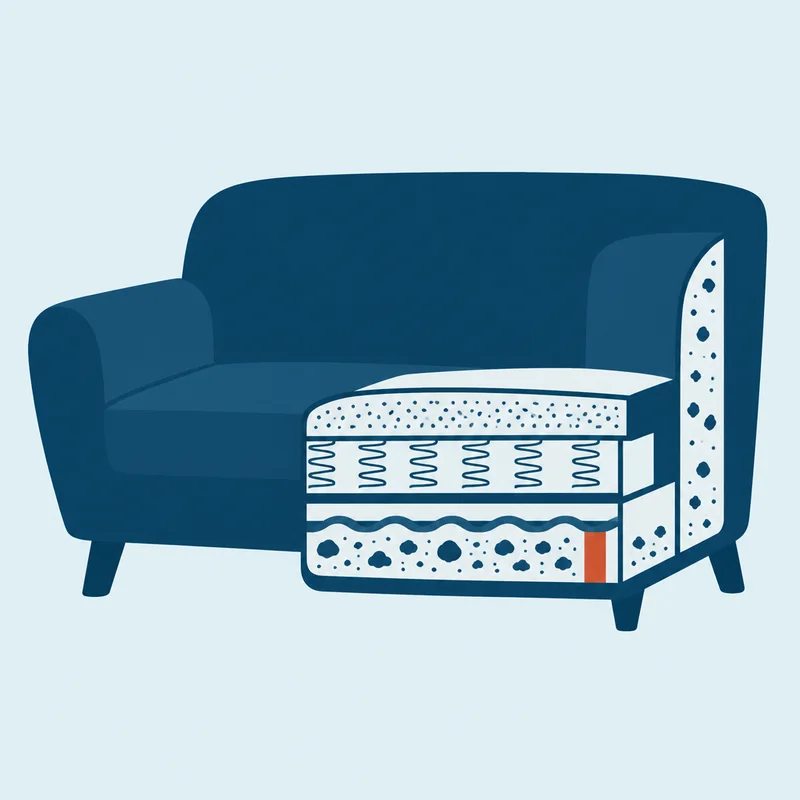
The smell stays gone
Odour lives in the padding, not on the fabric face, and wiping never touches it.
-
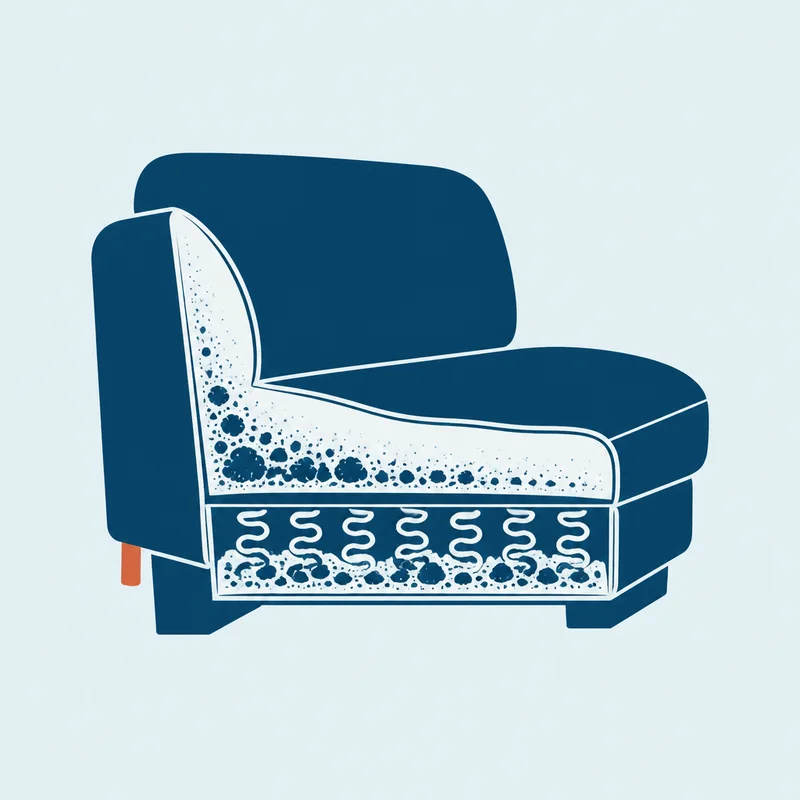
Dust below the surface
Here the dust is fine and builds up in the weave faster than in a coastal city.
-
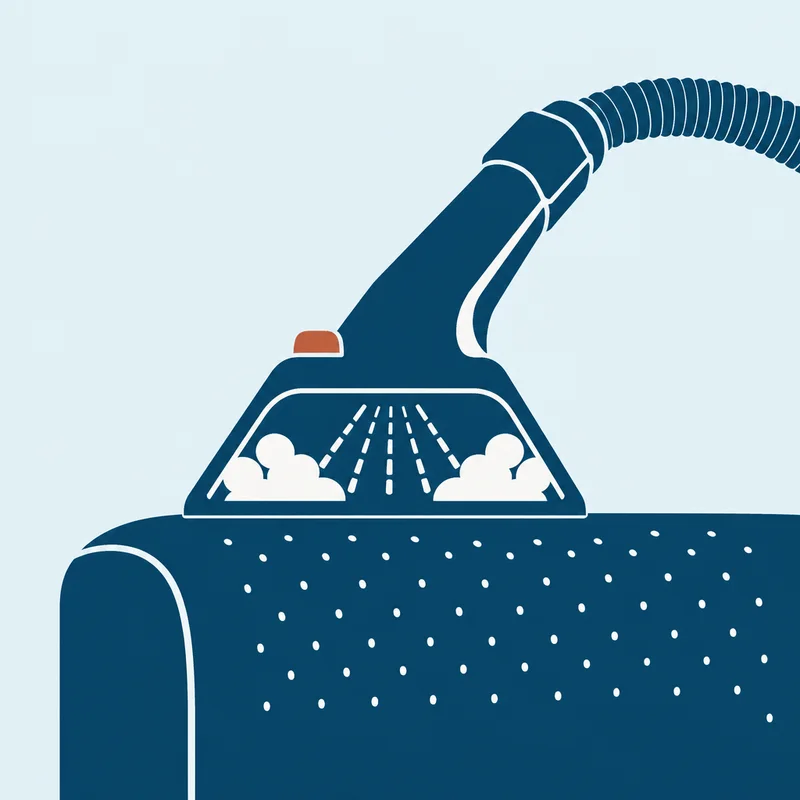
Fabric protected, not risked
Testing the fabric before starting prevents fading, bleeding colour or shrinkage.
-
Fewer mites in the fibres
A clean that reaches the padding lifts out what lives in upholstery, dust mites and bacteria, along with the dust.
Why the job is different in Al Hair
Sofas in rural majlis settings and rest houses carry layered deposits from agricultural dust and unpaved tracks, making surface cleaning effective for only days. The whole method is set out in our notes on sofa cleaning.
-
Agricultural dust embeds deep in the weave
Seasonal winds and desert storms carry coarse particles from working farmland. This dust does not rest on the surface alone but forces its way into the padding layers beneath. A cloth wipe relocates the soil rather than removing it, whereas deep vacuum extraction draws it from inside the fabric layers where it accumulates.
-
Hamlets and small villages are scattered far apart
Residents dispersed across small settlements along the wadi mean travel time to the site requires clear scheduling. Working in rural open-air majlis spaces differs from a closed urban flat in both fabric type and cleaning approach. The setting itself shapes how the job is done.
-
Seasonal moisture from the wadi affects drying
Wadi Hanifah brings seasonal moisture, especially in winter and spring months. Sofas in open-air majlis absorb humidity far more than enclosed flat interiors, speeding up odour and mould growth if drying is incomplete. Full extraction and thorough airing become essential here.
What's Included
The rural setting with farms and open ground means a wider variety of dust types and particles that penetrate deeper into the fibres than typical urban soiling.
-
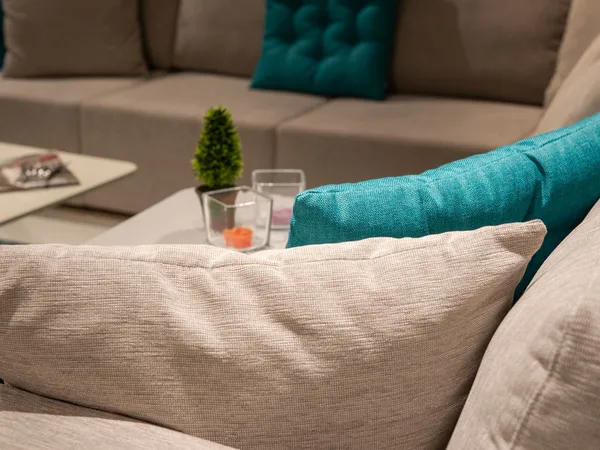
The fabric is tested first
Rural sofa fabrics are often heavier, coarser and thicker than apartment upholstery, requiring cautious testing before any cleaning method is applied.
-
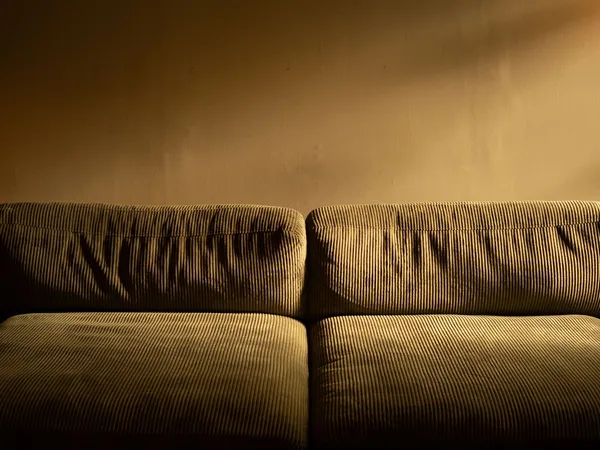
Deep dry vacuum of the padding
Dust settled from farms and rest houses requires strong, deep suction to extract both coarse and fine particles trapped at different depths.
-
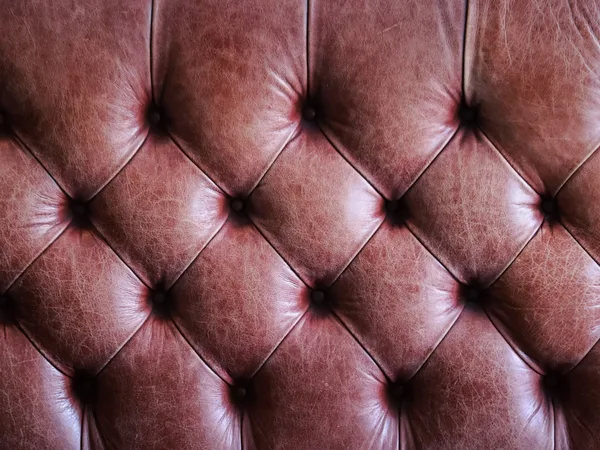
The whole piece, not just the face
Sofas in rural majlis receive dust exposure from all directions in open-air settings, so cleaning covers back, sides, base and all joins equally.
-
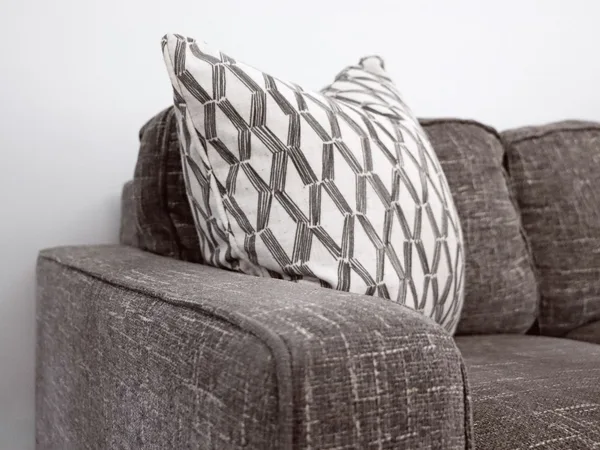
Stains treated before the wash
Stains in rural areas often blend mud, earth and organic matter, requiring targeted pre-treatment before deep washing can succeed.
-
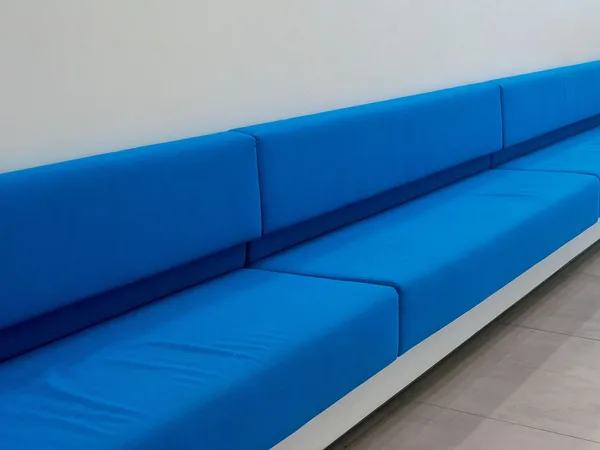
Edges, seams and corners
Seams, edges and corners in rural sofas trap more agricultural dust than urban pieces, demanding close attention and meticulous clearing.
-
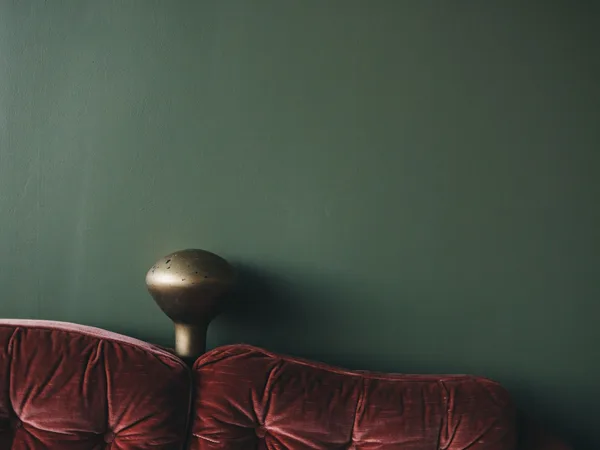
Full extraction, then airing
Drying time after cleaning is longer near the wadi where seasonal humidity is higher, and work includes full extraction before handover.
The character of Al Hair
Rural area: farms, open ground and scattered homes
In this rural setting, sofas are exposed to multiple dust sources from farms, unpaved tracks and open air, not just urban city dust. Cleaning targets extraction of this varied earth from deep within the weave itself.
How we work
Agree and book
Inspect and dry vacuum
Treat and deep clean
Air and hand over
Some of our work
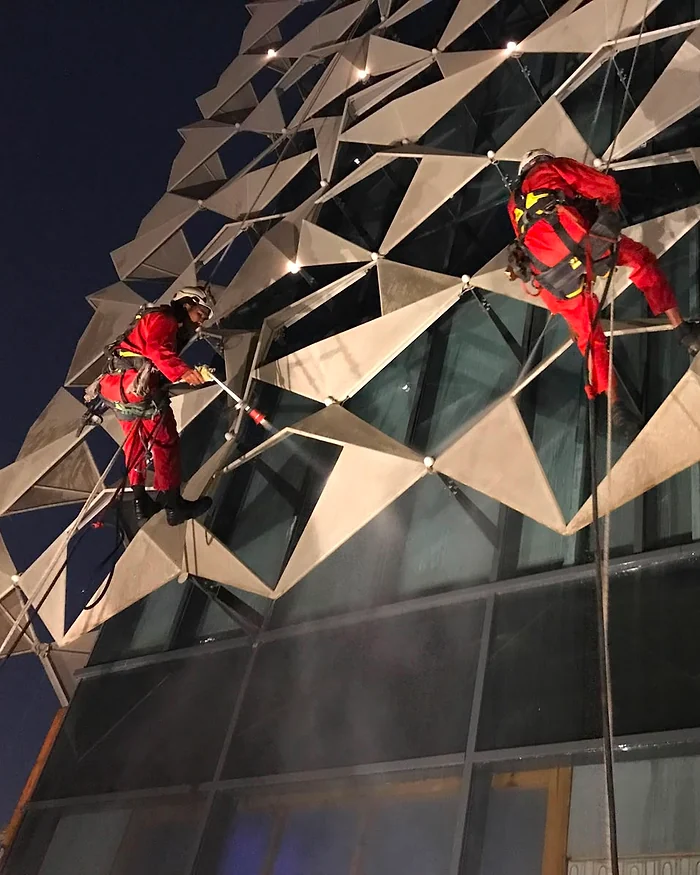
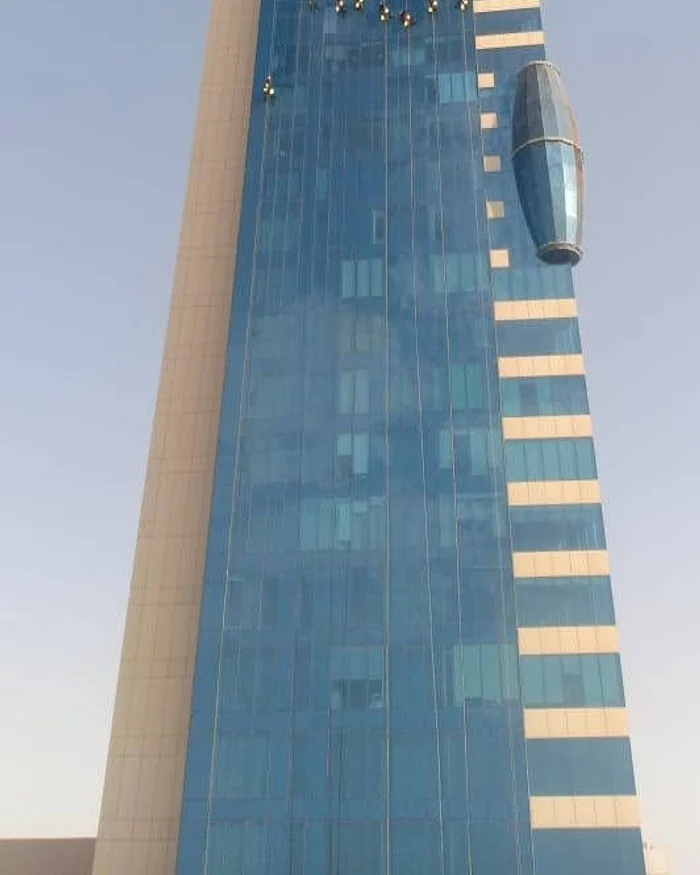
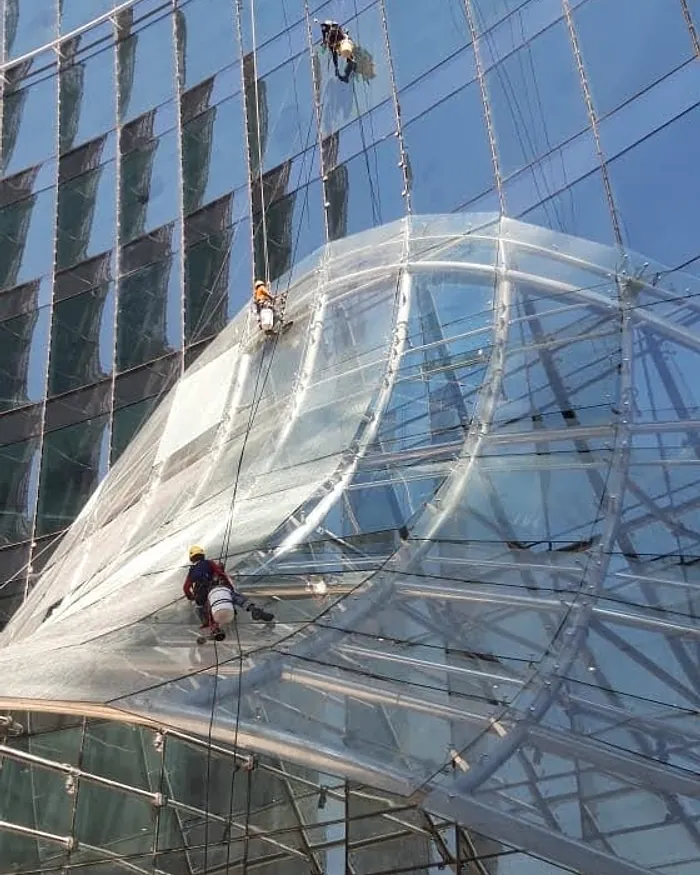
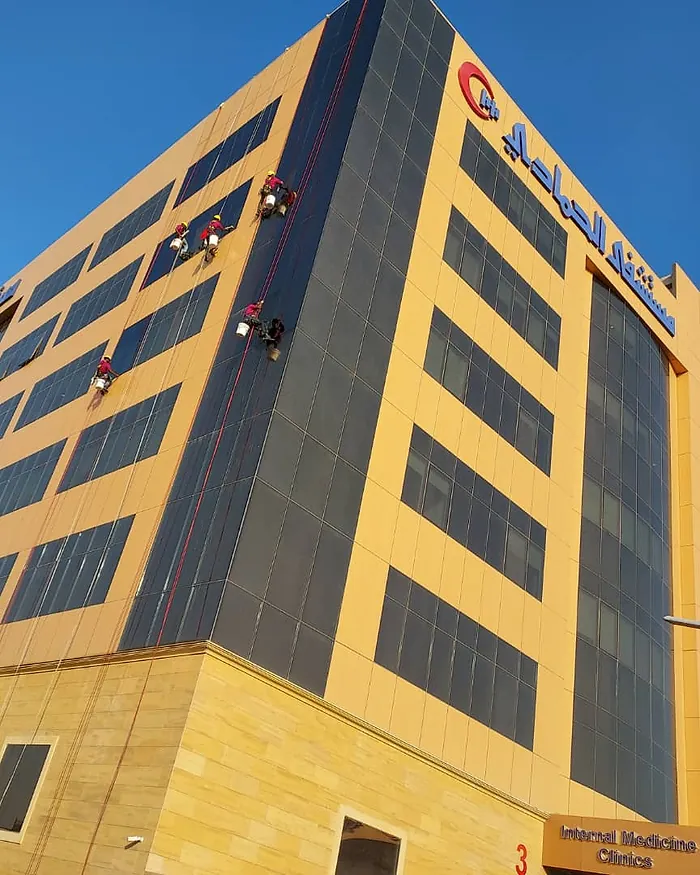
Photos from our team's work.
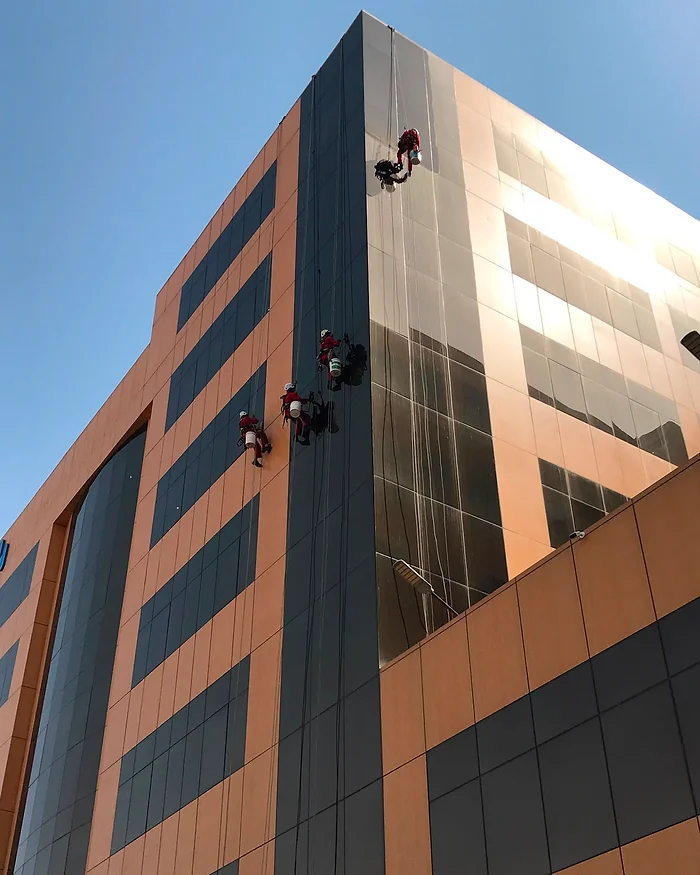
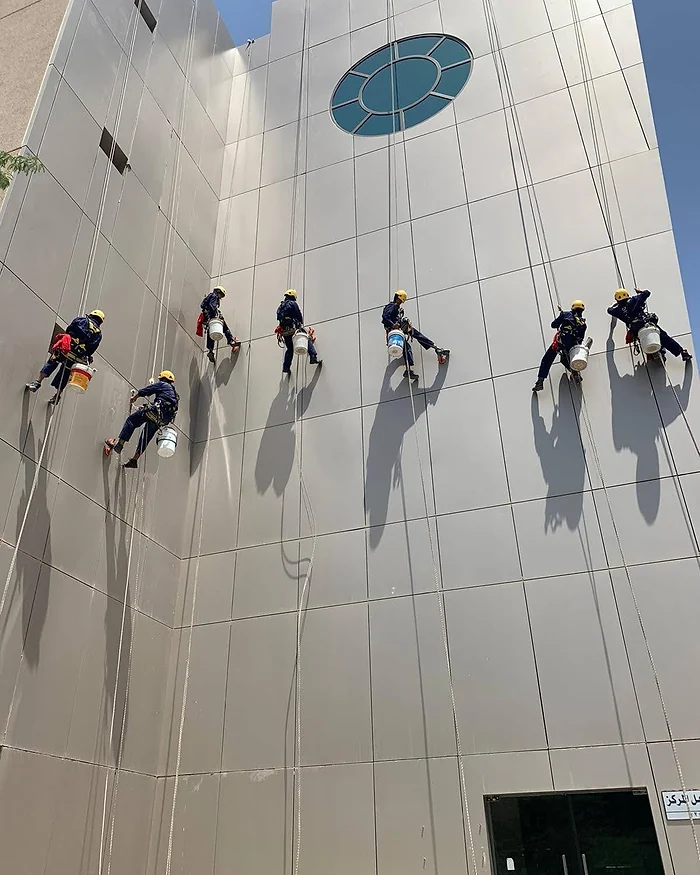
Landmarks of Al Hair
Al Hair stretches along Wadi Hanifah, with work carried out in majlis and rest house spaces between Jifran Al Subaie Mosque and Abu Bakr Al Siddiq Mosque, where homes are scattered across small hamlets.
- Jifran Al Subaie Mosque
- Abu Bakr Al Siddiq Mosque
- Wadi Hanifah
Other services in Al Hair
The room and the building around it are on one list.
-
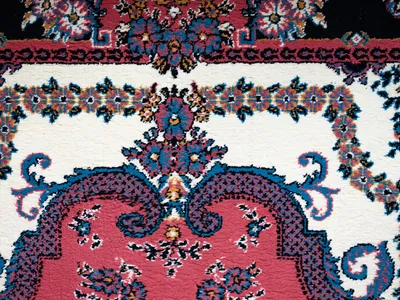
Carpet and rug cleaning
-
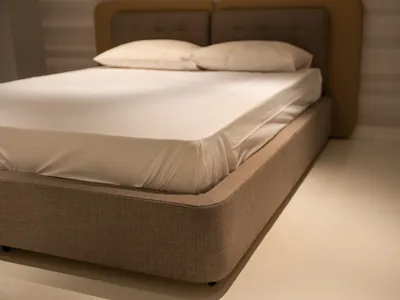
Mattress cleaning
-
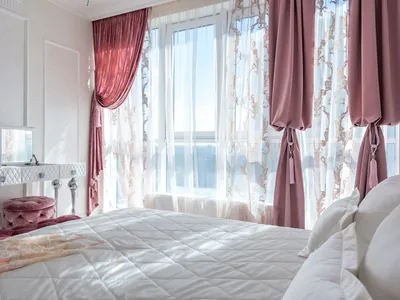
Curtain cleaning
-
Majlis and rest-house cleaning
-
House cleaning
-
Apartment cleaning
-
Villa cleaning
-
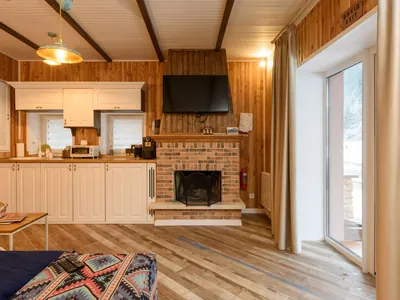
Chalet cleaning
-
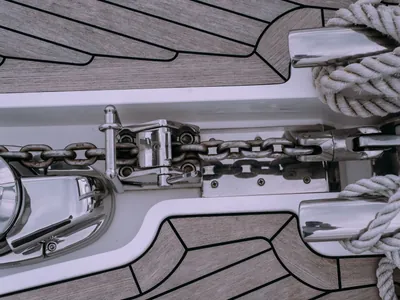
Yacht cleaning
-
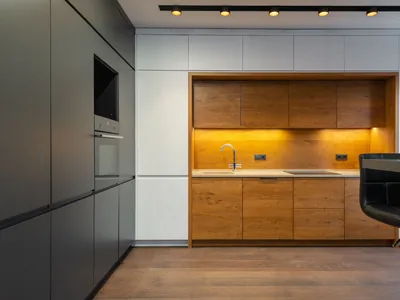
Kitchen cleaning
-
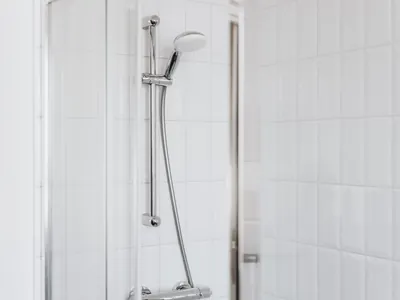
Bathroom cleaning
-
Chandelier cleaning
-

Swimming pool cleaning
-
Garden clearance
-
Water tank cleaning and disinfection
-
Water tank waterproofing
-
Deep cleaning
-

Move-in and move-out cleaning
-
Post-construction cleaning
-
Disinfection and sanitisation
-
Pest control
-
Bed bug control
-

Office cleaning
-
Restaurant cleaning
-
Hotel and resort cleaning
-
Shopping mall cleaning
-
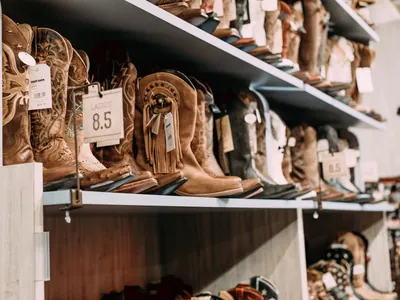
Retail shop cleaning
-

School cleaning
-

Nursery and kindergarten cleaning
-
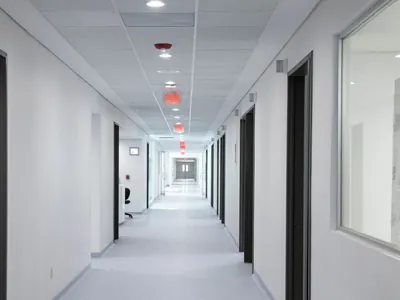
Hospital cleaning
-
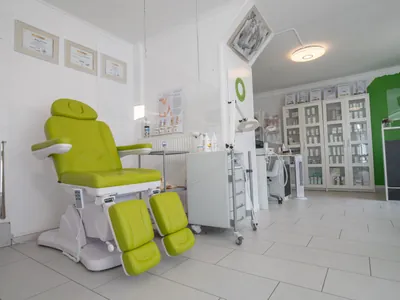
Clinic and medical centre cleaning
-
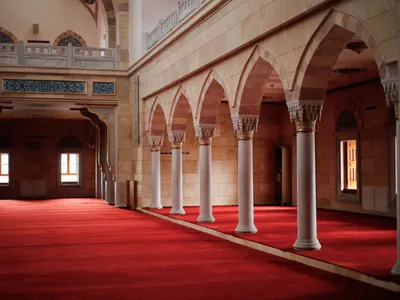
Mosque cleaning
-
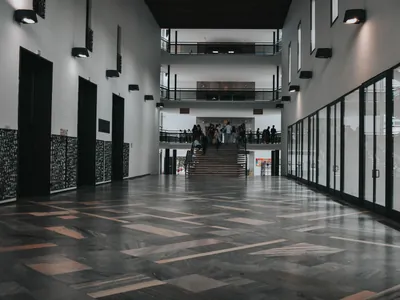
Government facility cleaning
-
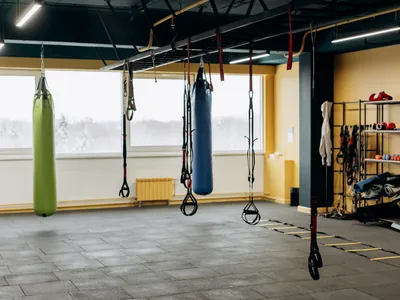
Gym cleaning
-
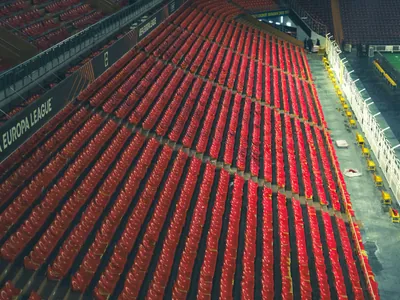
Sports field cleaning
-

Factory and warehouse cleaning
-

Event cleaning
-
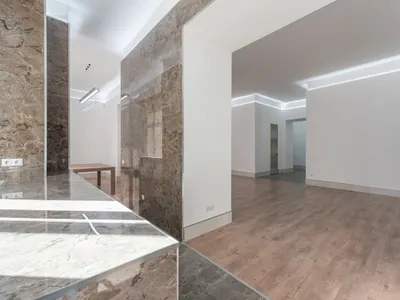
Commercial post-construction cleaning
-
Air duct and AC cleaning
-
Commercial pest control