Raghwat Al Janoub Maintenance and Cleaning
Marble grinding and crystallisation in Abha
Abha mixes modern villas climbing mountain slopes with multi-storey apartment blocks and an old stone heritage quarter, creating a sprawl of marble surfaces of vastly different ages. Mountain mist, cloud cover and seasonal rain leave deep marks on marble surfaces faster than in lowland cities, dulling them quickly.
Why grinding beats a surface polish
-
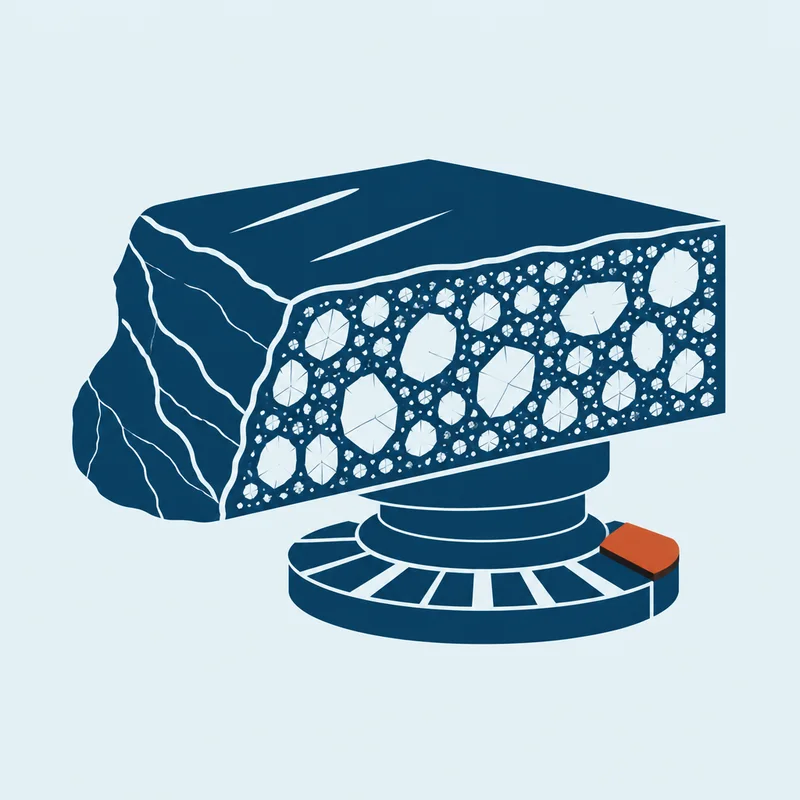
Shine from the stone, not a layer
A surface polish shines for the first week, then flakes off at the doors and busy walkways.
-
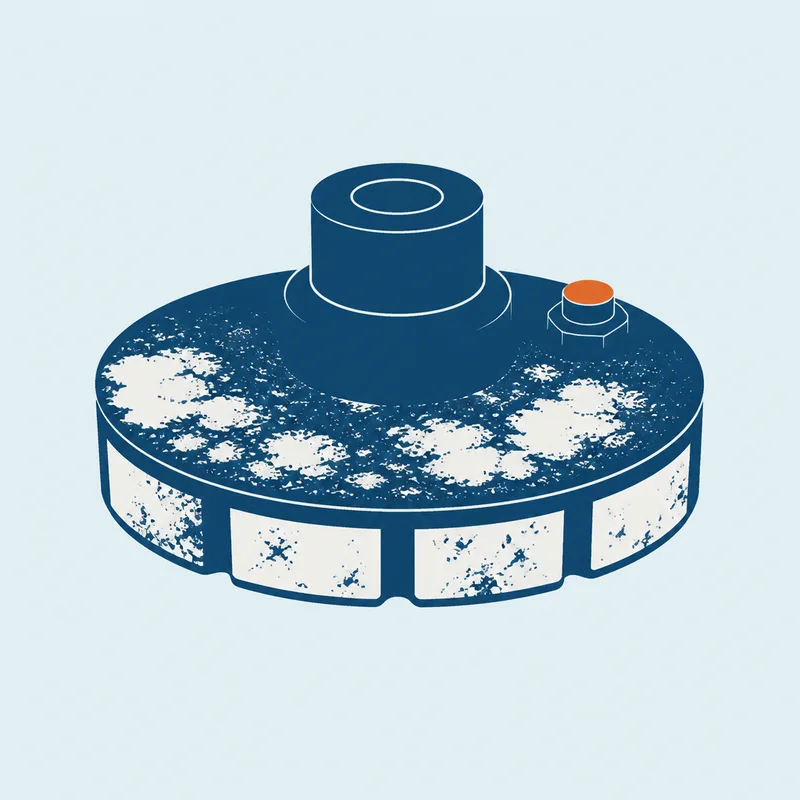
Scratches removed, not hidden
Deep scratches and sunken stains do not wipe away, because they sit inside the stone.
-

A surface that resists Riyadh dust
Central Saudi dust is fine, mineral and constant, and it grinds against a soft polish all day until the shine dulls.
-
Edges and skirtings matched
Many floor jobs leave the corners and skirtings dull, so the edge of every room gives the work away.
Why the job is different in Abha
New villas climbing Abha's slopes stay damper longer because of mountain shade, while marble in older apartment blocks carries green algae and mould traces from constant moisture. The whole method is set out in our marble grinding and crystallisation guide.
-
New villas on steep mountain slopes
New villas in Abha climb sharp slopes surrounded by thick forest, receiving constant moisture from dew, mist and rain, so marble floors dry very slowly even on clear days.
-
Older apartment blocks above shops in the heritage quarter
In Abha's heritage quarter, older blocks sit above stone-built shops, and moisture seeps from shops up into the marble floors above, leaving green mould and algae stains that need special treatment before grinding.
-
Rapid daily temperature and humidity shifts
Abha sees large swings between heat and humidity hour by hour and season by season, causing marble to expand and contract fast, opening fine cracks and dulling the surface finish quickly.
What's Included
Abha sits high among forested mountain peaks, and the constant high humidity, seasonal mist and rainfall cause marble to stay damp longer, speeding up algae and surface mould growth.
-
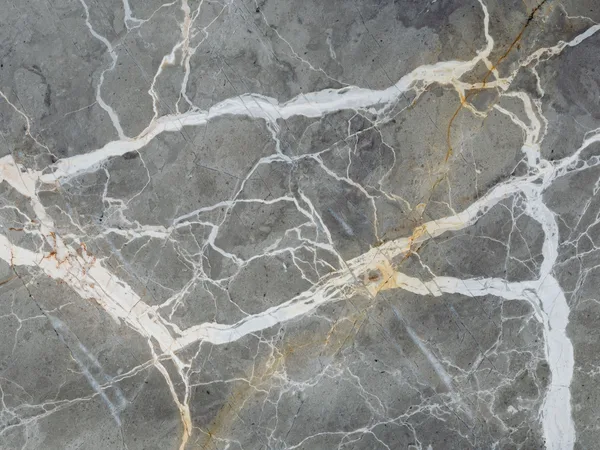
The stone type and its condition read
Green algae and mould on Abha marble are removed using antimicrobial treatment before any extraction or grinding.
-
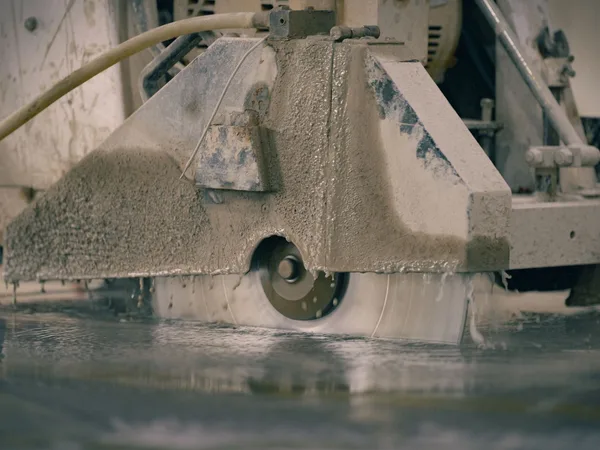
Coarse grinding to take out the scratches
High moisture from mountains and forests means longer natural drying before the new crystal layer is laid.
-
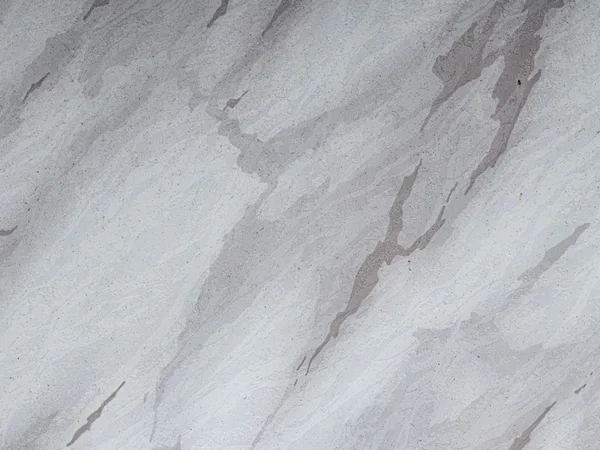
Stepped through to the fine pads
Fine cracks from fast expansion are checked and filled if needed during the grinding phase.
-
Crystallisation for a hard surface
White mineral stains from water and mist need special chemistry during the first cleaning phase.
-
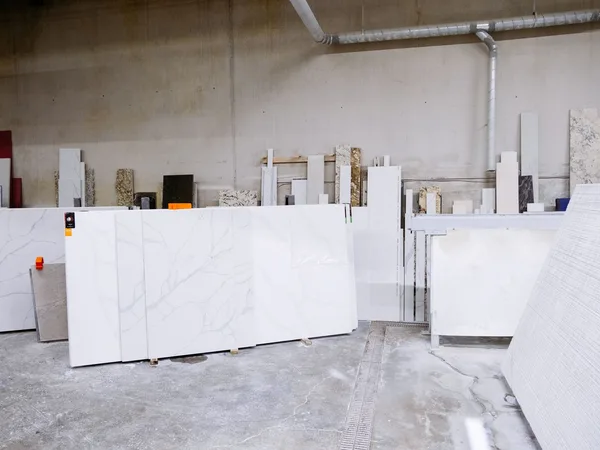
Edges and skirtings
Crystal coatings in Abha need refreshing faster than other areas because of constant moisture.
-
A final seal on the pores
Villas under trees may need a second treatment weeks later if mould returns quickly.
Landmarks of Abha
Crews schedule visits around Al Miftaha Village, the dam and the cable car, reaching villas on the slopes and blocks in the heritage quarter in a sequence that matches each building's location.
- Al Miftaha Heritage Village
- Asir National Park
- Abha Dam
- Shada Palace Museum
- Green Mountain Cable Car
How we work
Survey the floor
Prepare the space
Grind and crystallise
Clean up and hand over
Some of our work
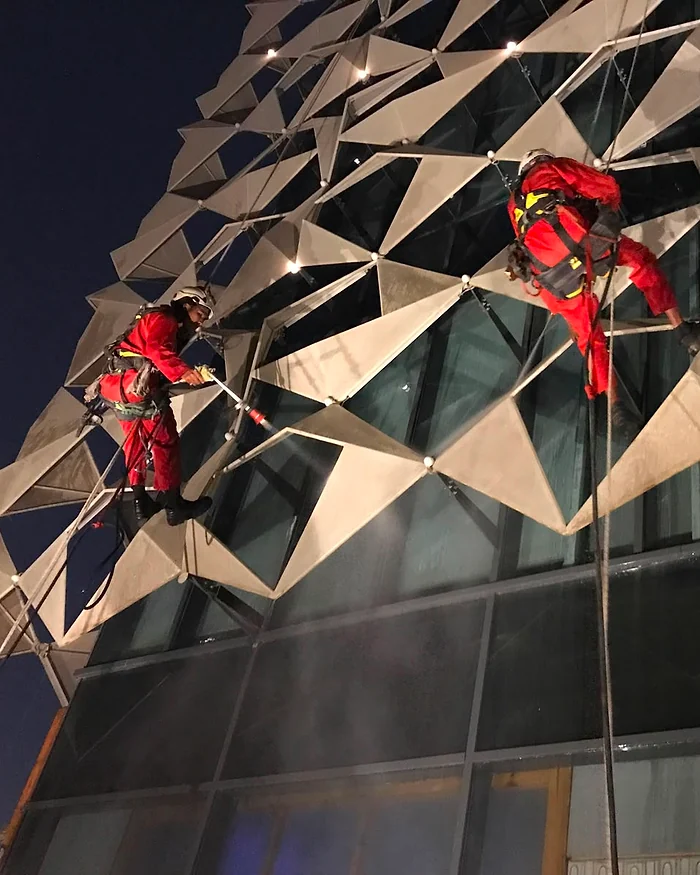
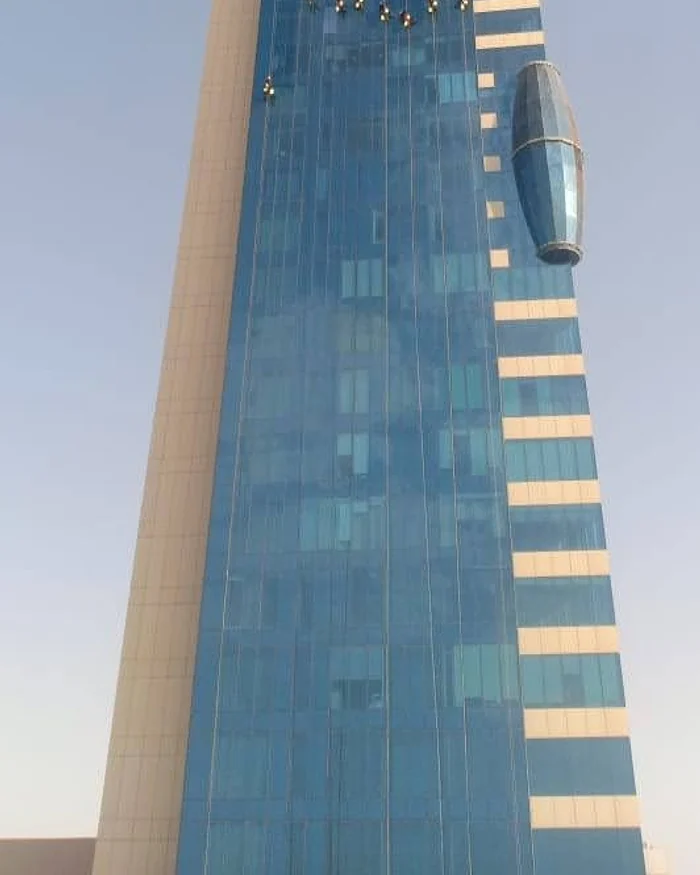
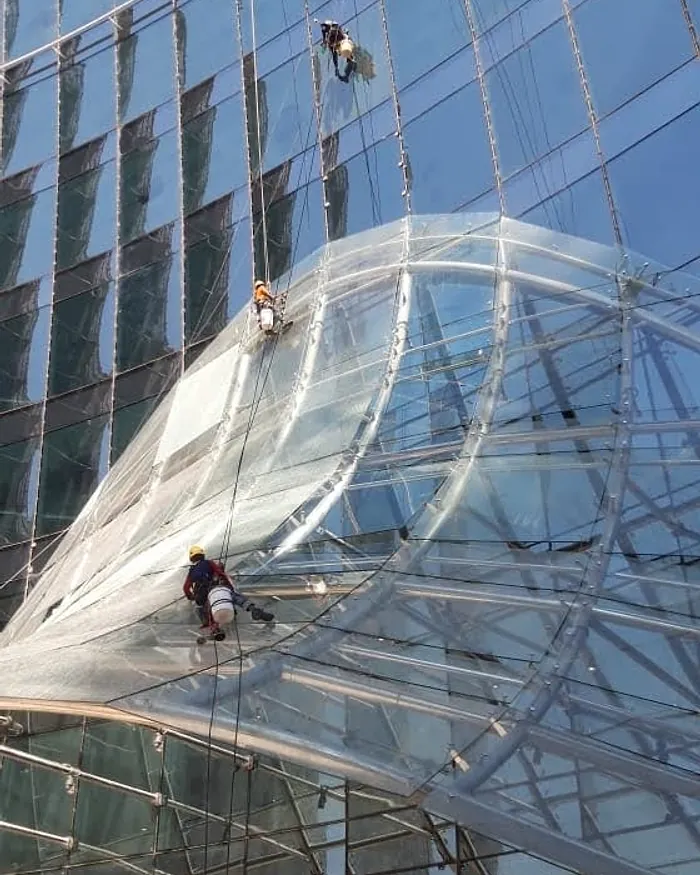
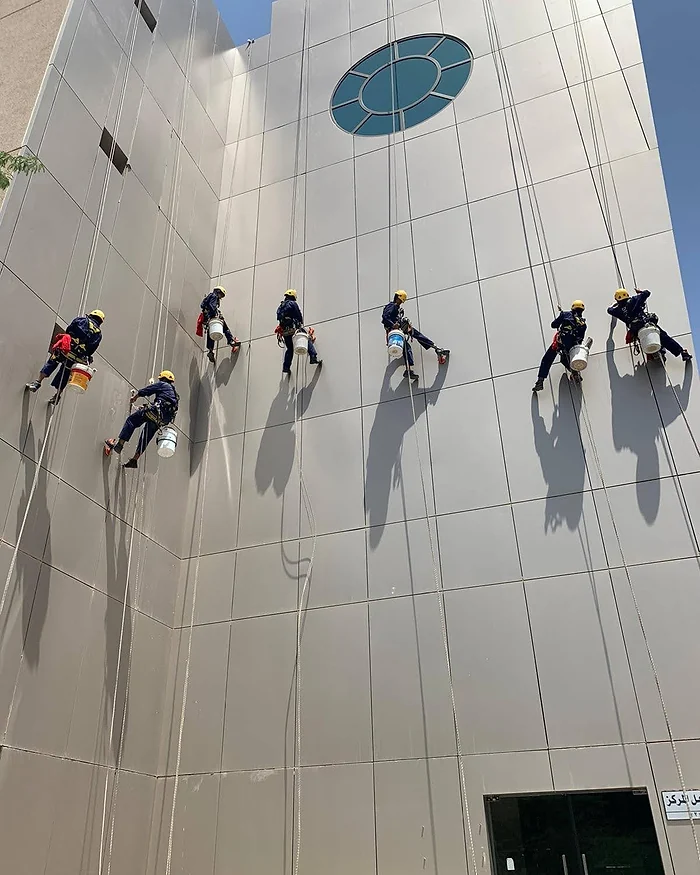
Photos from our team's work.
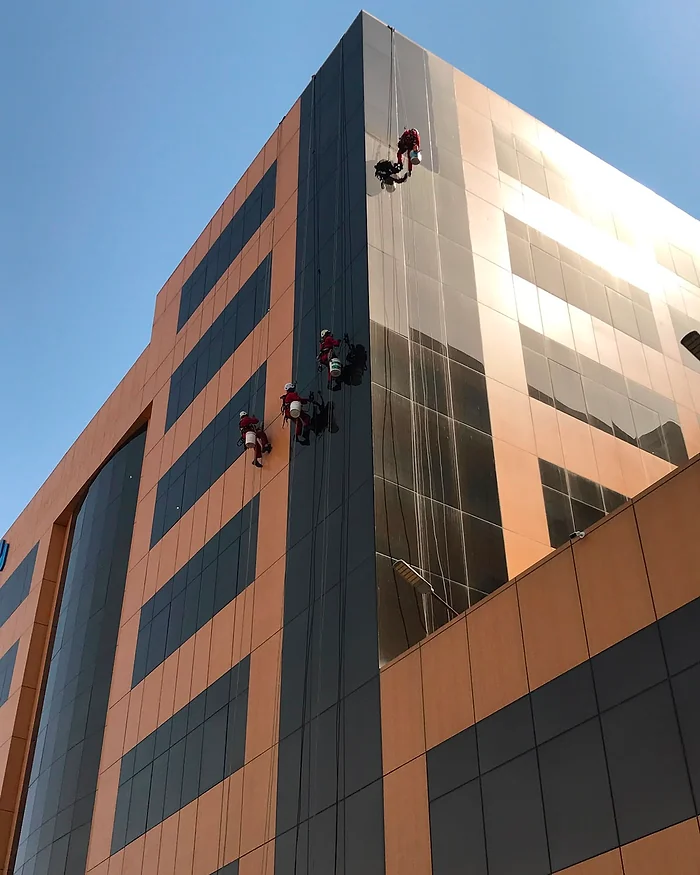

What is different about Asir Region
Asir climbs from the hot, humid Tihama lowland at Muhayil to the highland plateau of Abha and Khamis Mushait. The high country gets summer monsoon rain, thick fog and cold winter nights, so stone villas, painted concrete and terraced villages such as Rijal Almaa stay damp for weeks, and moss and algae take hold on the shaded side of a facade. Khamis Mushait is the larger commercial city of apartment blocks and showrooms. Wet stone stains, mortar leaches white salts, and cleaning has to work with the weather rather than against it.
Other services in Abha
The room and the building around it are on one list.