Raghwat Al Janoub Maintenance and Cleaning
Marble grinding and crystallisation in Afif
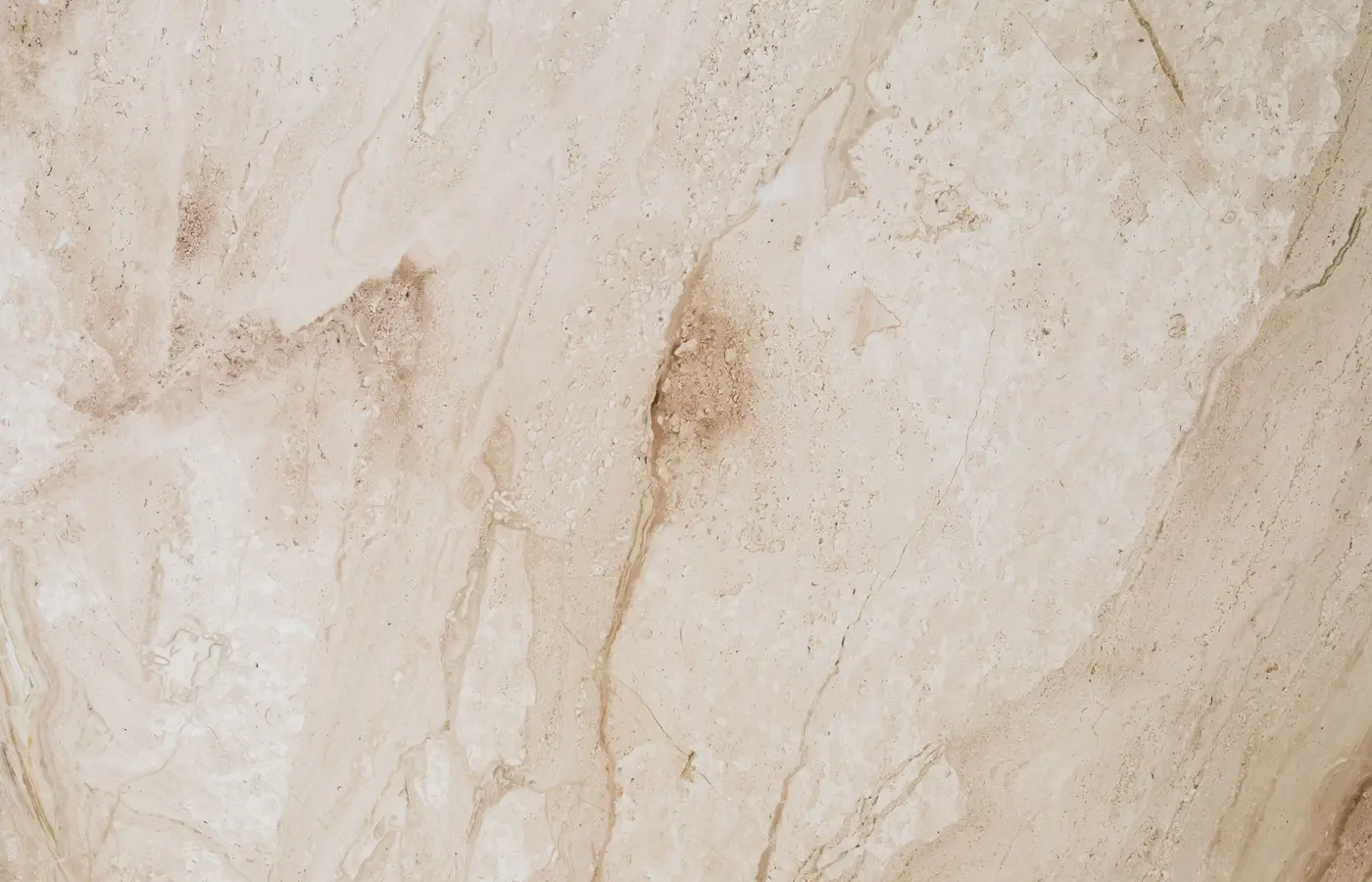
Afif is an ancient stopover on the trade route between Riyadh and Makkah, built around a historic well in an acacia-lined wadi, with residential, government and commercial buildings serving travellers, herders and civil servants. Stone and marble floors here carry layers of road dust and desert heat exposure accumulated over decades.
Why grinding beats a surface polish
-
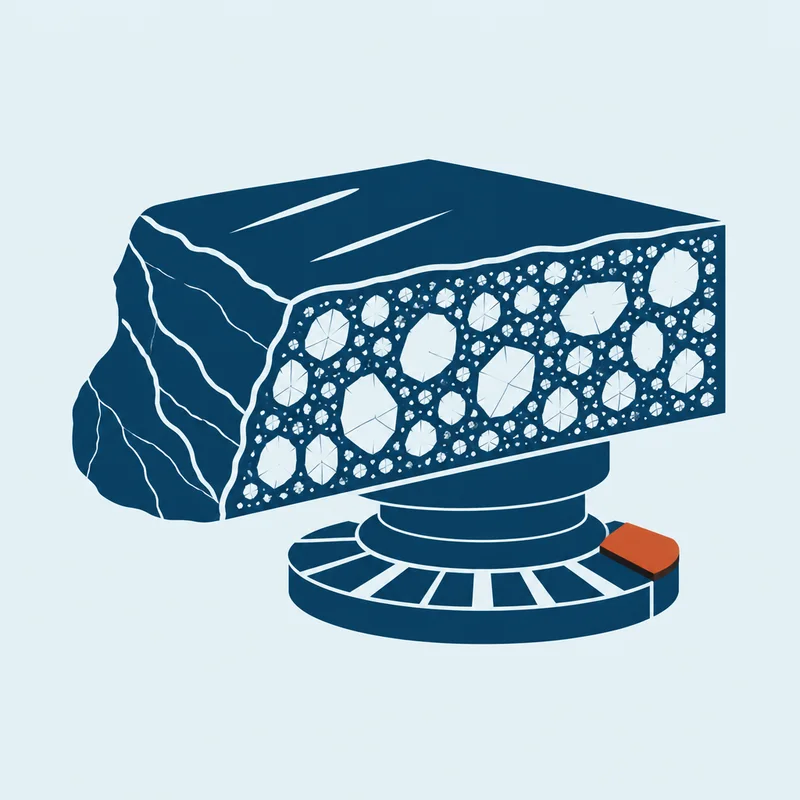
Shine from the stone, not a layer
A surface polish shines for the first week, then flakes off at the doors and busy walkways.
-

Scratches removed, not hidden
Deep scratches and sunken stains do not wipe away, because they sit inside the stone.
-
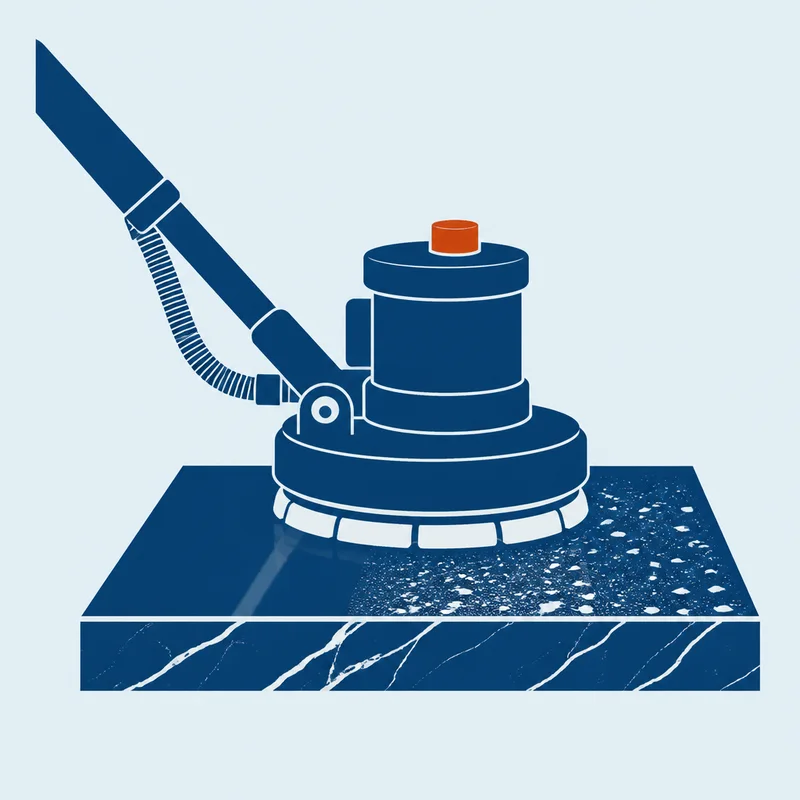
A surface that resists Riyadh dust
Central Saudi dust is fine, mineral and constant, and it grinds against a soft polish all day until the shine dulls.
-
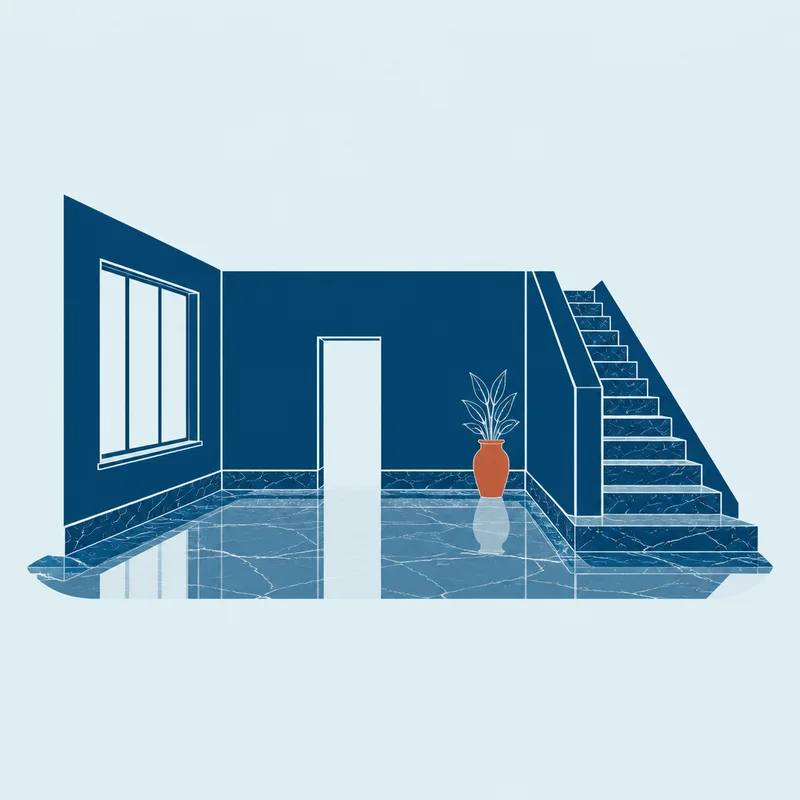
Edges and skirtings matched
Many floor jobs leave the corners and skirtings dull, so the edge of every room gives the work away.
Why the job is different in Afif
Afif's older and newer buildings have stone floors still bearing traces of dust and salt deposits from the Hajj and overland trade eras, so even well-kept buildings need deep cleaning before polishing can begin. The whole method is set out in our marble grinding and crystallisation guide.
-
Trade and government hub on ancient axis
Afif is a small town on the old trade route where government, residential and commercial buildings serve travellers stopping on their journey, and stone floors carry road dust and salt deposits left by centuries of movement and traffic.
-
Historic well and acacia-lined wadi location
The setting around a historic well in an acacia-filled wadi means wadi moisture evaporates fast in the heat, leaving salt deposits on stone and marble that need special treatment before crystallisation can be applied safely.
-
Herding, civil service and pilgrimage economy
Afif's buildings serve livestock herders, government workers and Hajj season pilgrims year-round, so floors see a mix of heavy daily foot traffic and dust entry from animals and pastoral camps.
What's Included
Afif lies on the Riyadh-Makkah road in a wadi depression surrounded by acacias, and its position on the ancient trade axis means its floors carry dust from centuries of animal herds, carts and vehicles passing through.
-
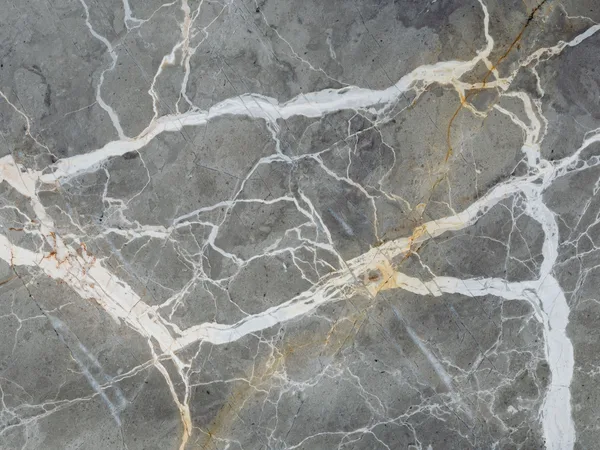
The stone type and its condition read
Buildings in Afif are both old and new, requiring careful inspection to identify salt deposits and dust accumulated over years.
-
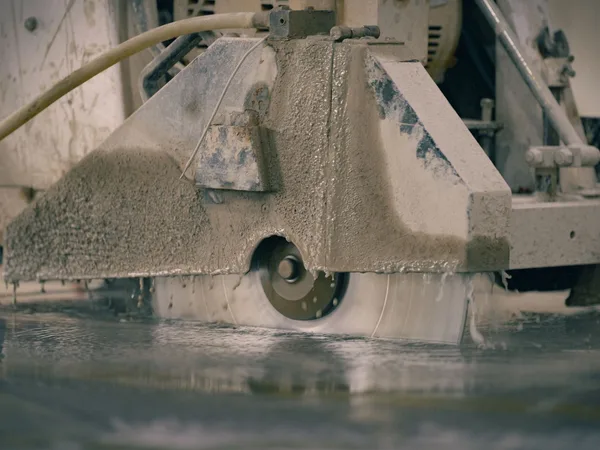
Coarse grinding to take out the scratches
Salt deposits from wadi moisture evaporation need specialist removal so they do not stay trapped under the new polish layer.
-
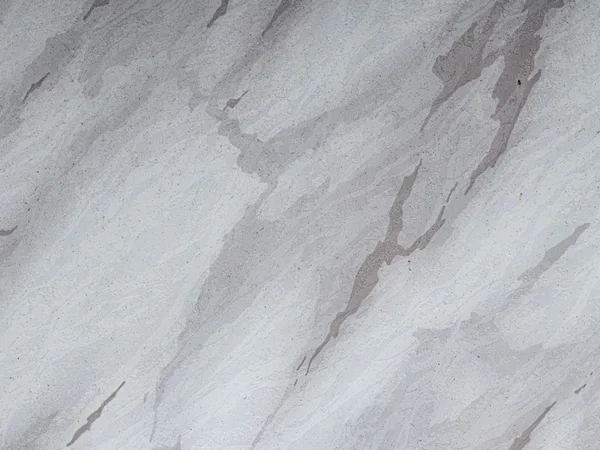
Stepped through to the fine pads
Old stone absorbs water and salt deeply, so initial cleaning focuses on lifting these deposits from aged pores.
-
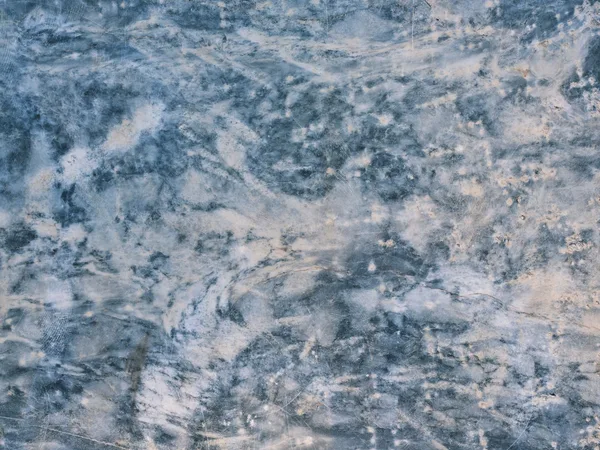
Crystallisation for a hard surface
Crystallisation treatment is chosen carefully to withstand heavy daily use from tourists, pilgrims and government workers.
-
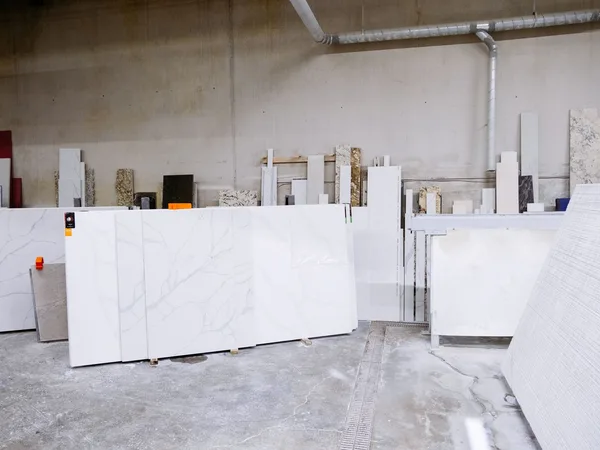
Edges and skirtings
Work times are scheduled to avoid high wadi moisture in early morning and extreme midday heat.
-
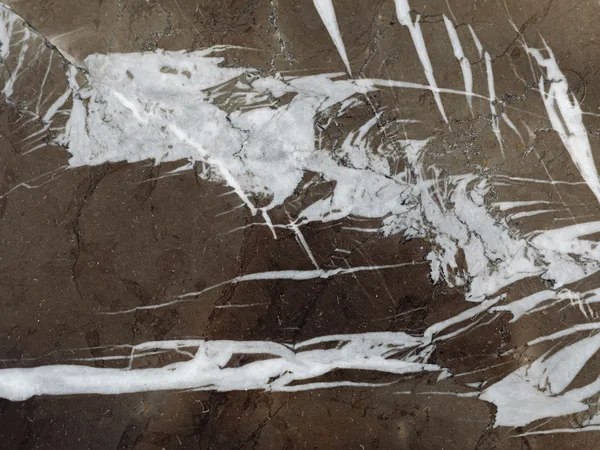
A final seal on the pores
After polishing we provide maintenance guidance emphasizing regular sweeping and avoiding excess moisture so new salt deposits do not form again.
Afif on the map
Afif sits about 168 km from Ad-Dawadmi and about 238 km from Al Quwaiiyah.
Open in Google MapsHow we work
Survey the floor
Prepare the space
Grind and crystallise
Clean up and hand over
Some of our work
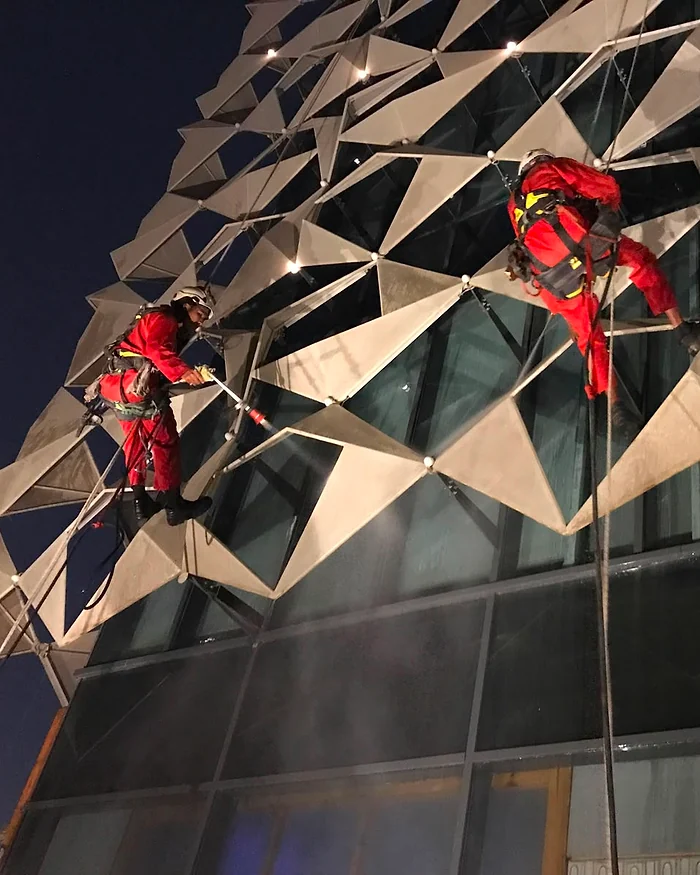
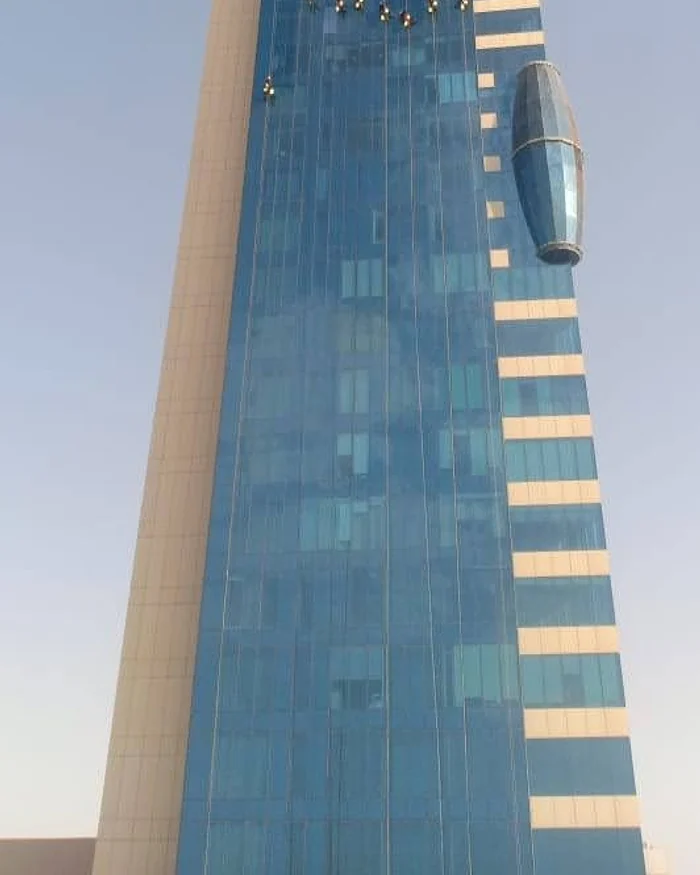
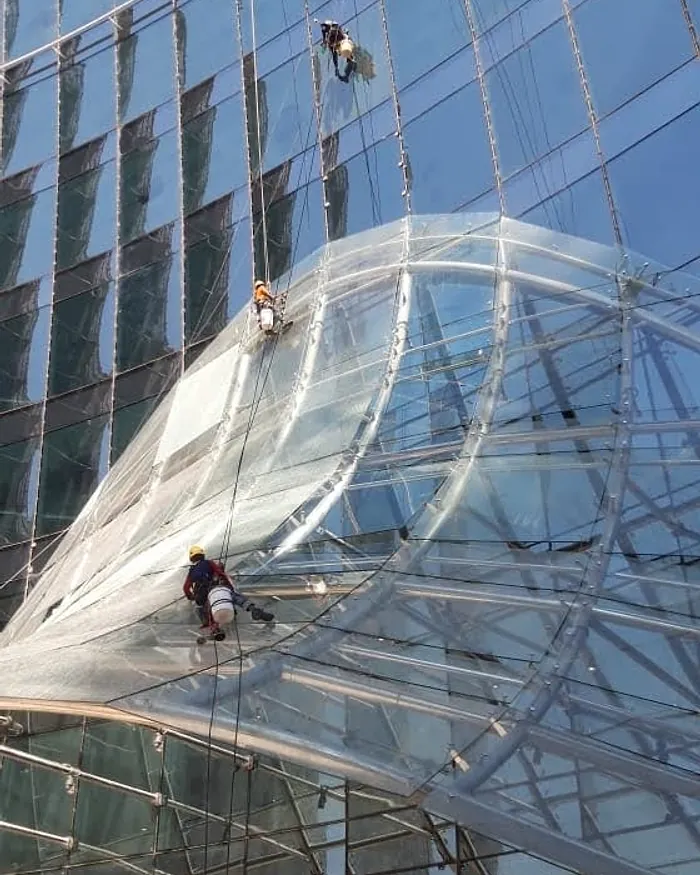
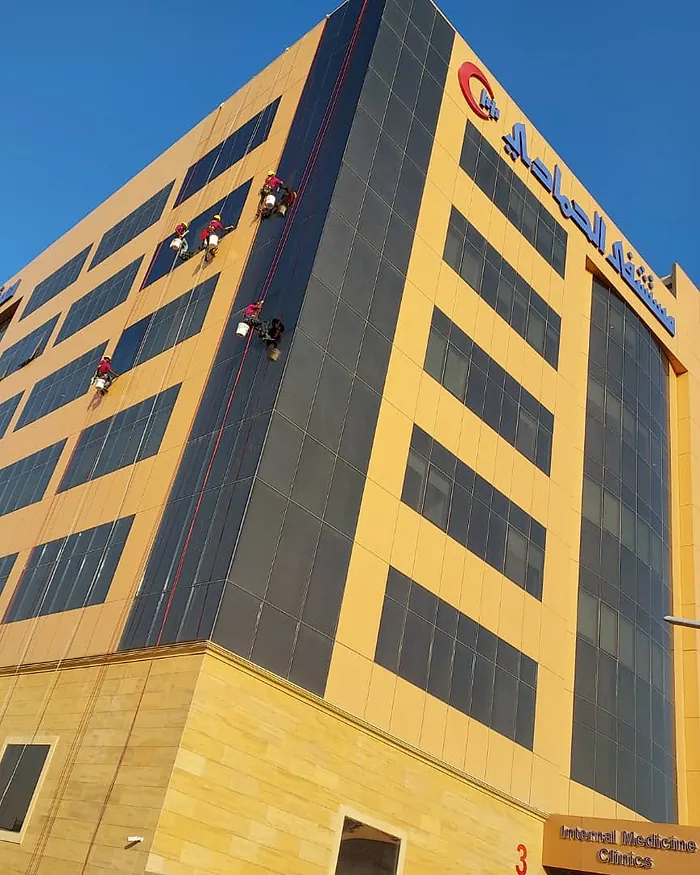
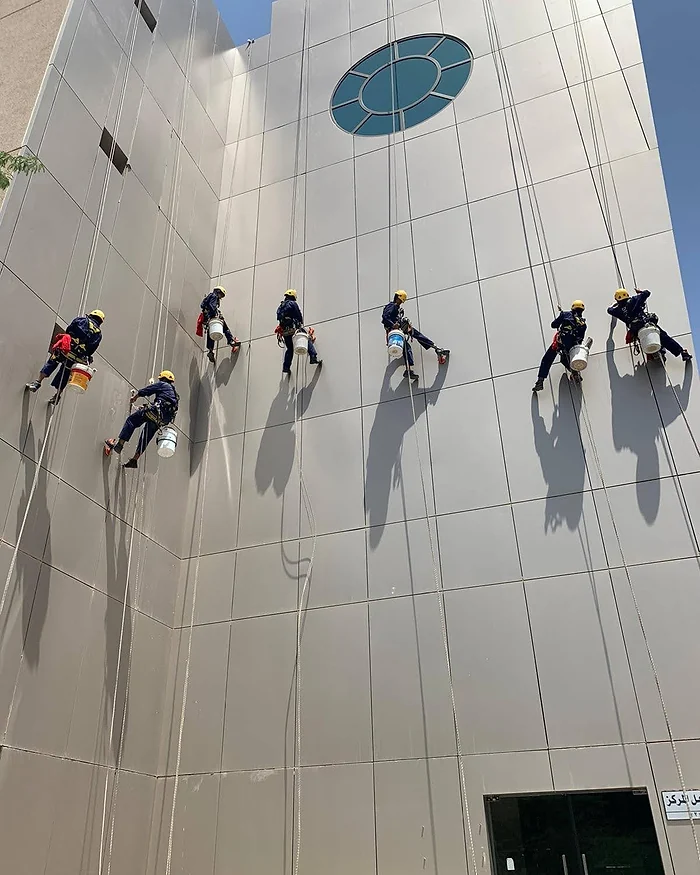
Photos from our team's work.
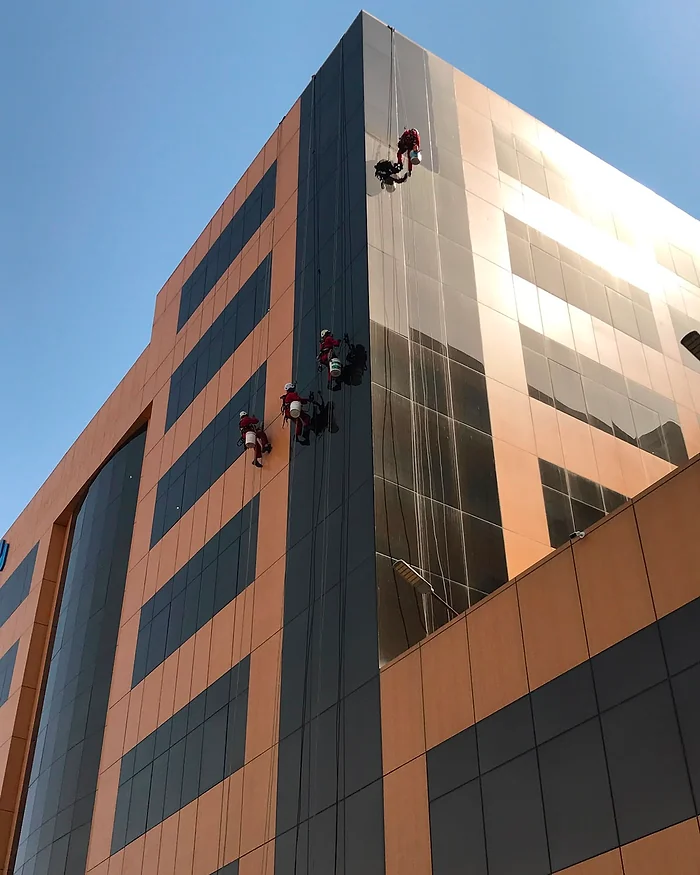
Landmarks of Afif
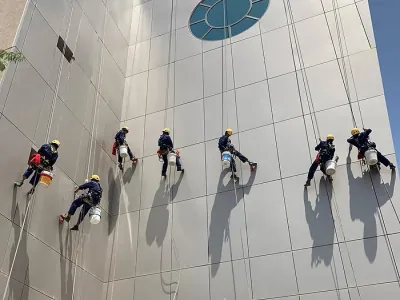
Work crews move through Afif near the historic Afif well, the old airfield and wadi stations, coordinating visits by the location of residential, government and commercial buildings along the Riyadh-Makkah road.
- Bir Afif Al-Oud (historic well)
- Barkah Zubaydah
- Historic Afif Airfield
- Jabal Asfar Afif
Other services in Afif
The room and the building around it are on one list.