
Raghwat Al Janoub Maintenance and Cleaning
Marble grinding and crystallisation in Al Aqiq
Al Aqiq is a scattered governorate town north east of Al-Baha on the Sarawat mountain edge with mild climate and wet winters, surrounded by farmland, scattered villas, Al-Aqiq Dam and the ancient paved Elephant Road through the hills. Homes here sit spread across valleys and slopes, each on different foundations and exposures, so moisture and its effect on marble vary from one house to the next.
Why grinding beats a surface polish
-
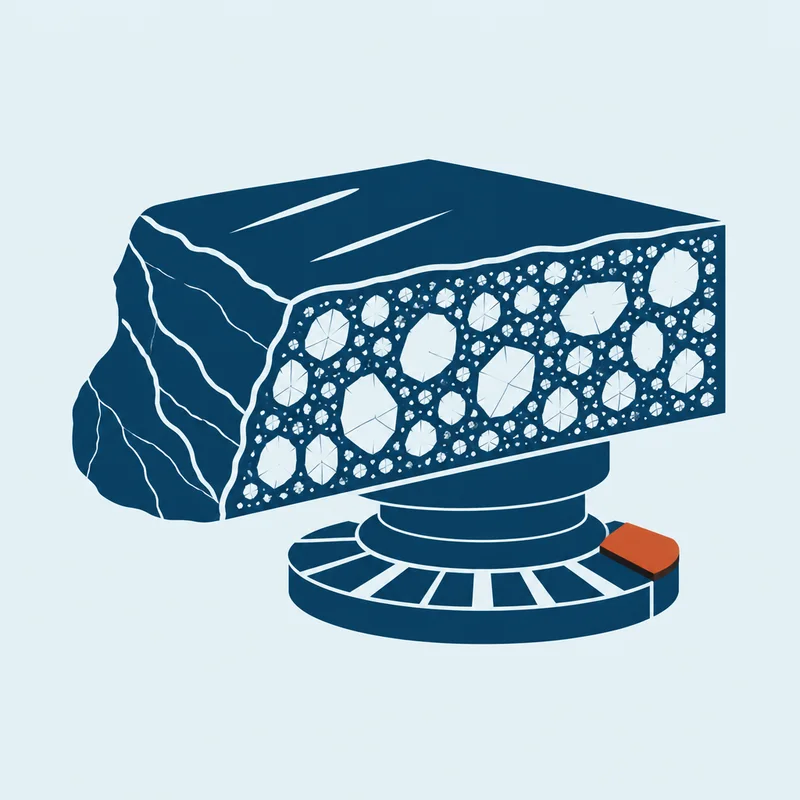
Shine from the stone, not a layer
A surface polish shines for the first week, then flakes off at the doors and busy walkways.
-

Scratches removed, not hidden
Deep scratches and sunken stains do not wipe away, because they sit inside the stone.
-
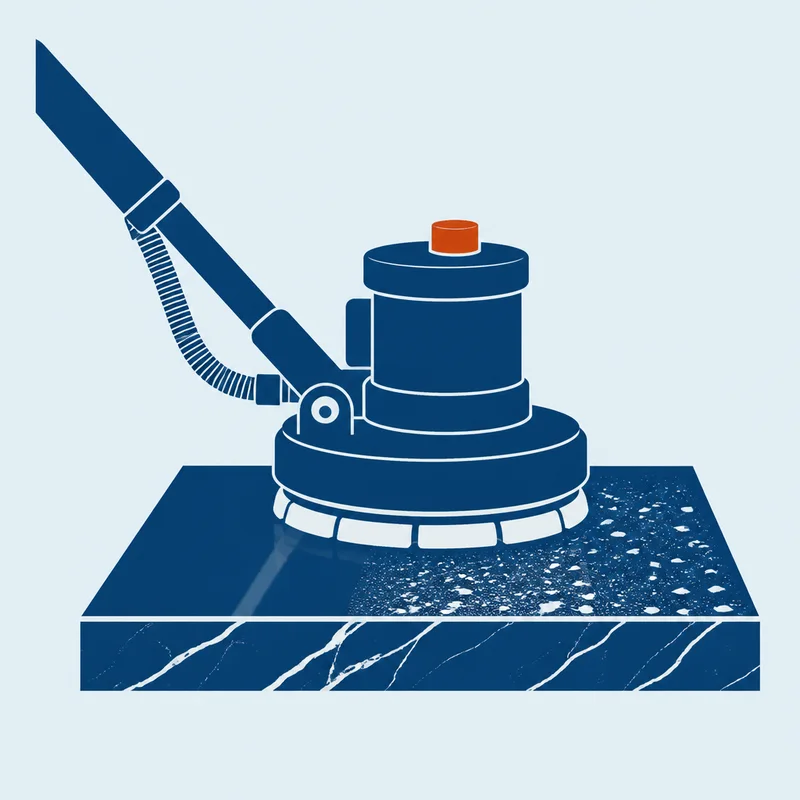
A surface that resists Riyadh dust
Central Saudi dust is fine, mineral and constant, and it grinds against a soft polish all day until the shine dulls.
-
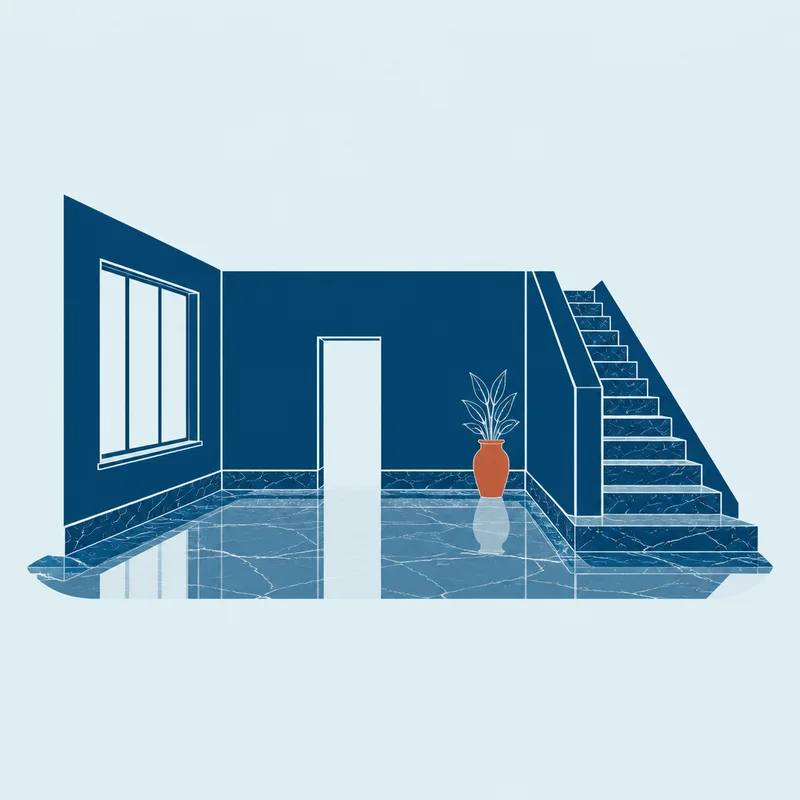
Edges and skirtings matched
Many floor jobs leave the corners and skirtings dull, so the edge of every room gives the work away.
Why the job is different in Al Aqiq
Villas and homes in Al Aqiq sit scattered across varying terrain, so some face more moisture than others based on proximity to valleys and dams, affecting how fast mineral marks build up on their marble differently. The whole method is set out in the marble grinding and crystallisation overview.
-
Scattered villas across varied valley terrain
Al Aqiq is rough terrain between valleys and high hills, so villas are spread at different elevations, some near dams and water courses with high moisture, others on higher slopes with relative dryness. Each location needs a separate moisture check before scheduling polishing.
-
Al-Aqiq Dam and Wadi Tharad Dam raise moisture
Villas close to dams and water valleys face high moisture especially at night and early morning, so natural vapour settles on marble quickly, especially if the home is surrounded by shaded trees.
-
Elephant Road stone track speaks to the area's old water history
The ancient Elephant Road near many villas bears witness to deep historic water flows in the valleys, so old houses next to it sit on foundations with natural minerals that rise into the marble floor through ground moisture.
What's Included
Al Aqiq sits between Al-Aqiq Dam, Wadi Tharad Dam and the Elephant Road, and proximity to water and valleys increases soil and air moisture around villas, especially those sitting lower away from the higher ground.
-
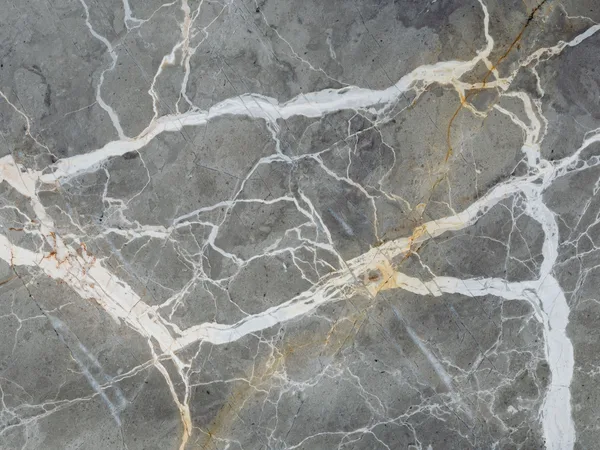
The stone type and its condition read
Checking villa location on terrain and proximity to dams and valleys is done before any polishing schedule starts.
-
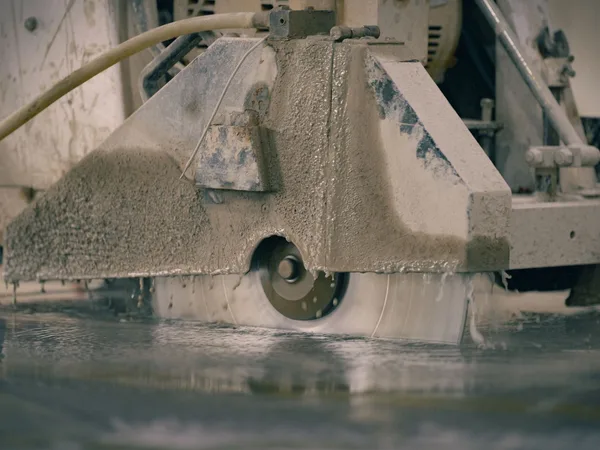
Coarse grinding to take out the scratches
Moisture from old foundations and groundwater is assessed by checking soil and exterior walls.
-
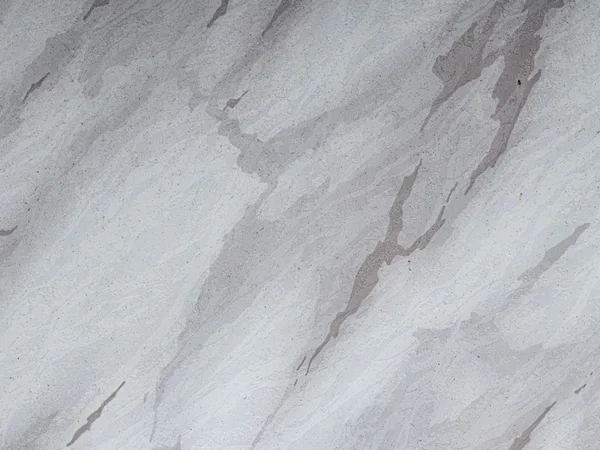
Stepped through to the fine pads
Marble exposed outside needs stronger protective treatment than indoor floors because it faces direct air and water.
-
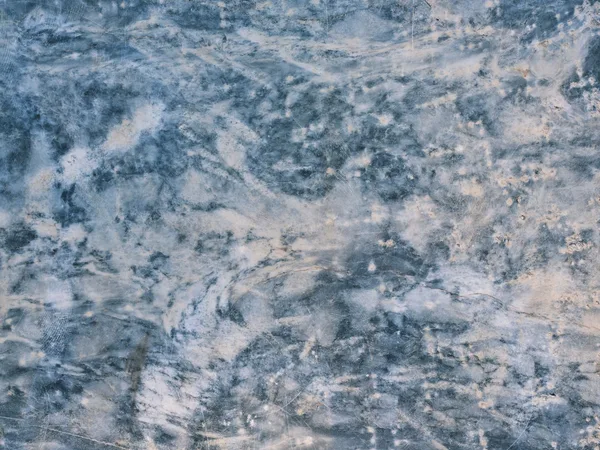
Crystallisation for a hard surface
Mineral marks from high moisture are removed gently during grinding because some natural marble types are very sensitive.
-
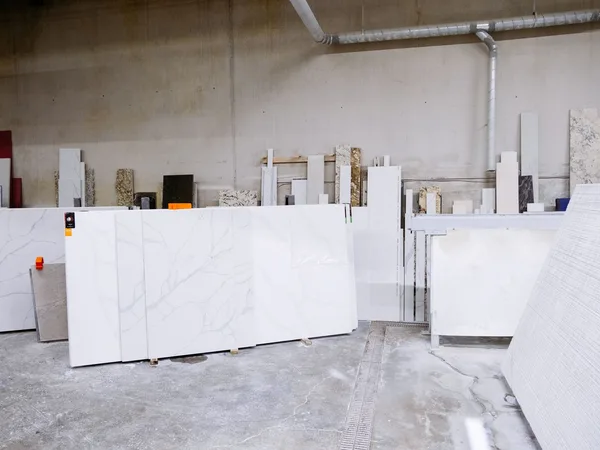
Edges and skirtings
Shade from nearby trees slows drying after polishing, so we suggest leaving the home undisturbed for longer until the protective coat sets.
-
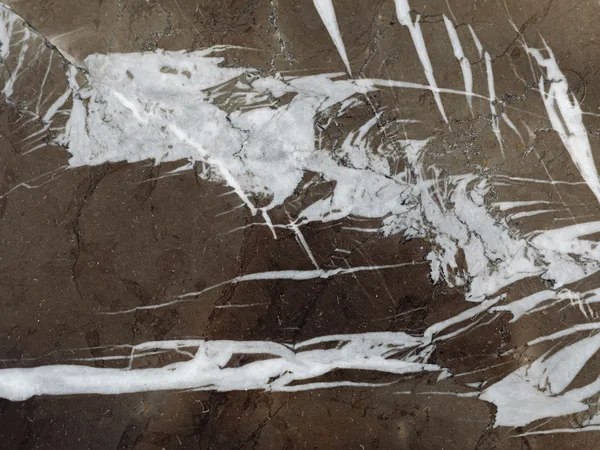
A final seal on the pores
Repeated polishing schedules vary based on whether a villa sits on a slope or close to a dam.
Al Aqiq on the map
Al Aqiq sits about 36 km from Al-Baha and about 43 km from Al Mandaq.
Open in Google MapsHow we work
Survey the floor
Prepare the space
Grind and crystallise
Clean up and hand over
Some of our work
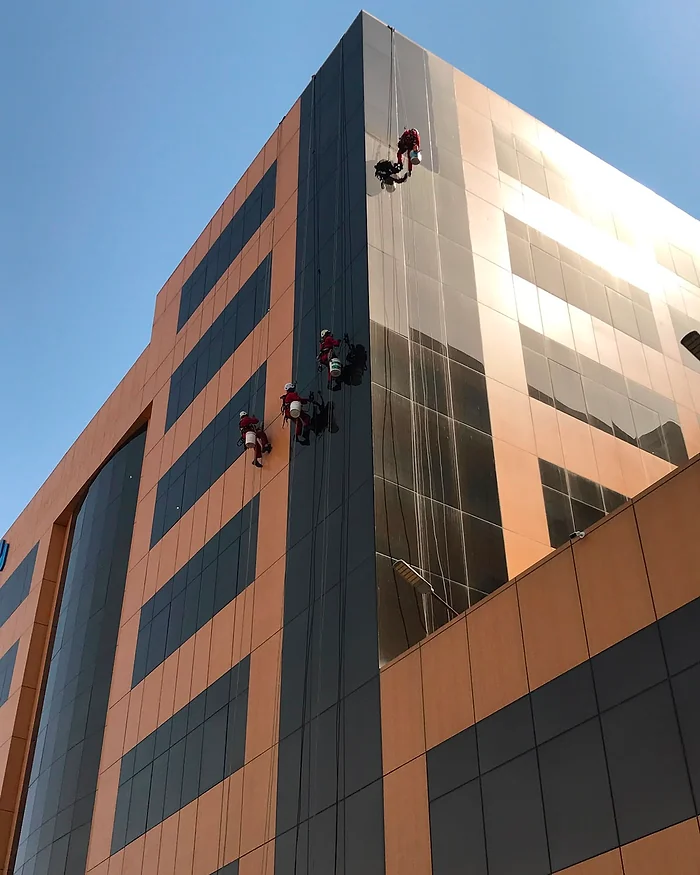
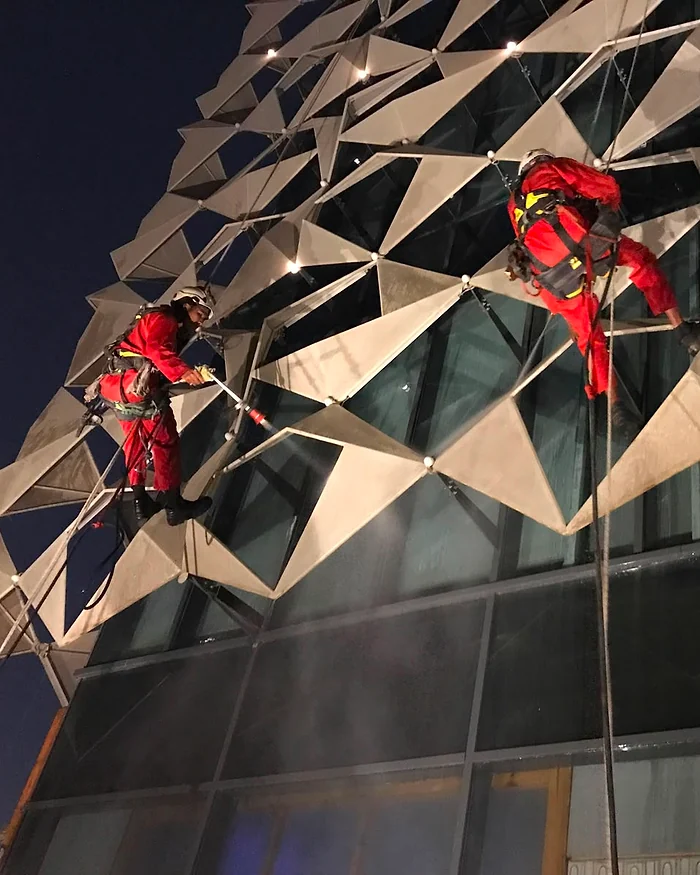
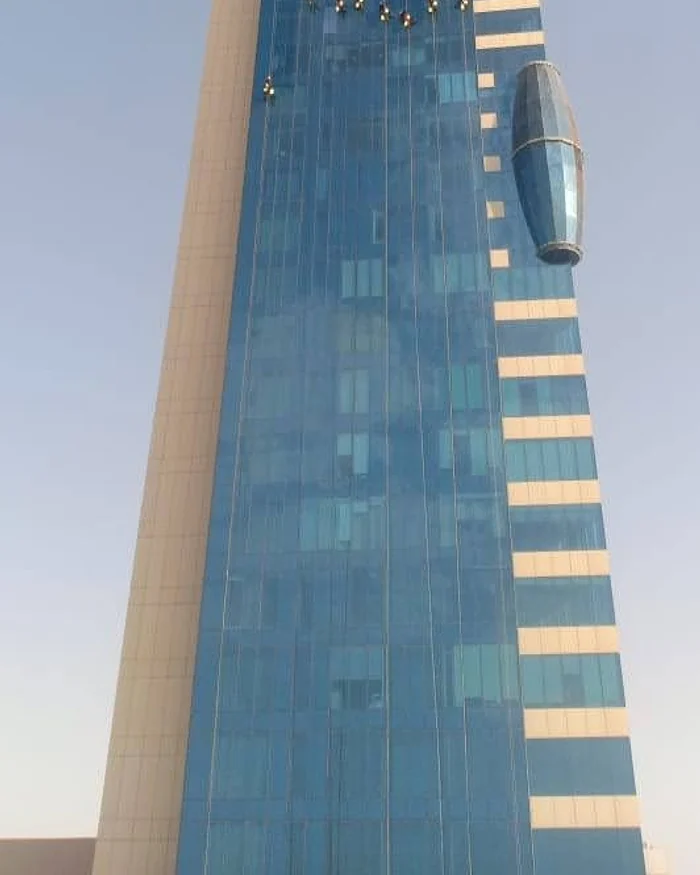
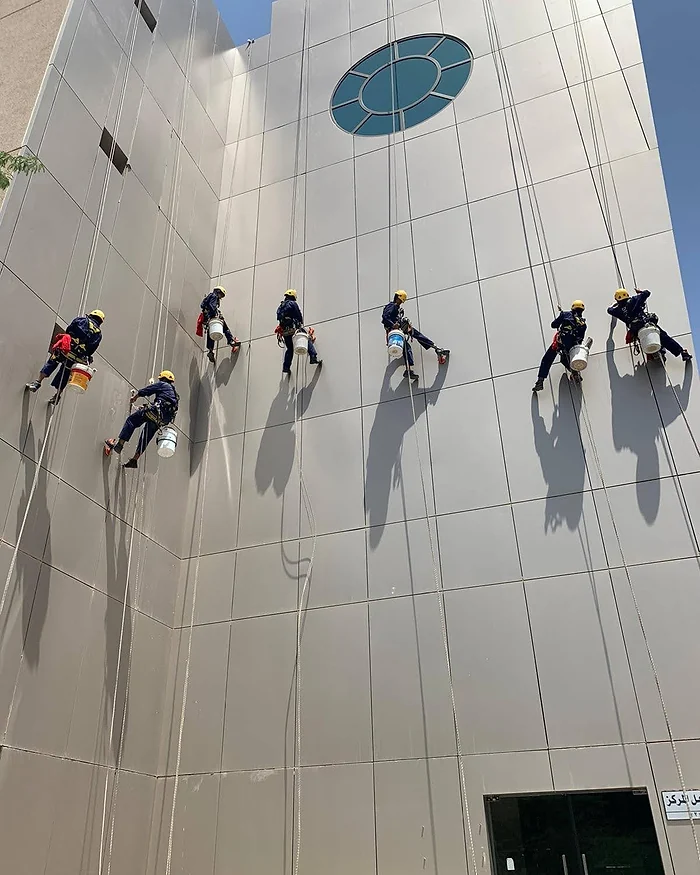
Photos from our team's work.


Landmarks of Al Aqiq
Work teams schedule Al Aqiq visits starting with villas near the dams and valleys early in the morning, then move to villas on higher slopes in the afternoon, using the ancient Elephant Road stone track as a geographic marker between high and low moisture zones.
- Al-Aqiq Dam
- Wadi Tharad Dam
- Elephant Road (ancient paved track)
Other services in Al Aqiq
The room and the building around it are on one list.