
Raghwat Al Janoub Maintenance and Cleaning
Marble grinding and crystallisation in Al Midhnab
Al Midhnab sits on a limestone plateau where a heritage house and lakeside parks sit among clinics, schools and homes, and stone floors here absorb fine dust and seasonal moisture drifting from the nearby lake. The mix of dust and damp calls for a different crystallisation approach than towns surrounded only by sand.
Why grinding beats a surface polish
-

Shine from the stone, not a layer
A surface polish shines for the first week, then flakes off at the doors and busy walkways.
-

Scratches removed, not hidden
Deep scratches and sunken stains do not wipe away, because they sit inside the stone.
-

A surface that resists Riyadh dust
Central Saudi dust is fine, mineral and constant, and it grinds against a soft polish all day until the shine dulls.
-
Edges and skirtings matched
Many floor jobs leave the corners and skirtings dull, so the edge of every room gives the work away.
Why the job is different in Al Midhnab
Floors in Al Midhnab's hospital and clinics see daily footfall from patients and visitors, leaving accumulated marks from wet shoes and fine dust faster than residential homes do. The whole method is set out in our marble grinding and crystallisation guide.
-
Heritage house limestone and bedrock stone
Al-Hasayani Heritage House retains original stone flooring from the building's first generation, and this limestone needs handling different from modern marble, since limestone is more porous and absorbs moisture faster than contemporary floors do.
-
Seasonal damp from Lake Park nearby
Lake Park close by raises humidity levels during certain seasons, and this causes mineral salts to build up and deposit on stone floors, forming a dull white layer that needs specialist removal before new crystallisation can hold.
-
Daily footfall from patients and clinic staff
Al-Midhnab General Hospital and the town's clinics see continuous traffic in and out, and patients' shoes bring mud and wet from outside, so mineral residue builds up faster on corridor and reception floors than on any single home's entranceway.
What's Included
Al Midhnab lies on a limestone plateau ringed by sand dunes, and proximity to Lake Park brings seasonal moisture that leaves mineral marks on stone floors faster than in purely arid areas.
-
The stone type and its condition read
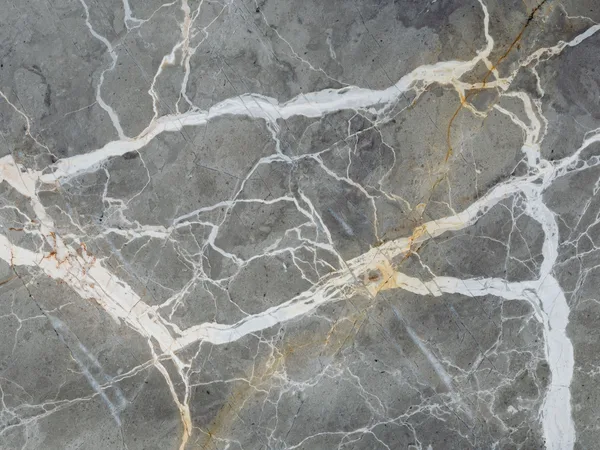
Original limestone in the heritage house is inspected first to measure surface porosity and hardness before any acid treatment is applied.
-
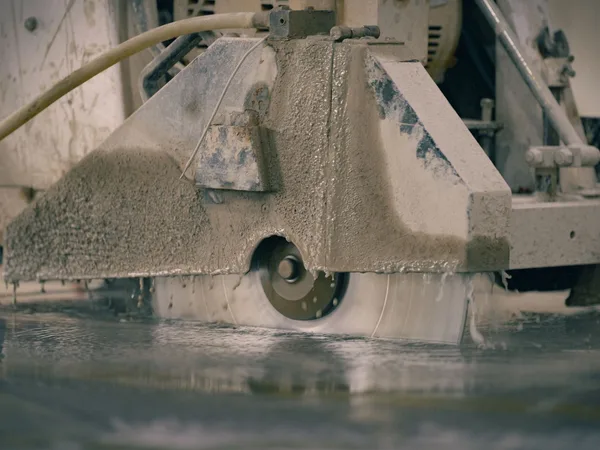
Coarse grinding to take out the scratches
Mineral salts from lake damp are removed with acid treatment calibrated for limestone, not the standard treatment used for manufactured marble.
-
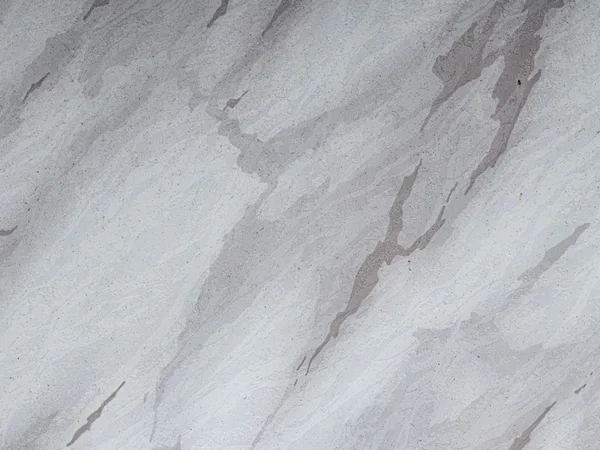
Stepped through to the fine pads
Limestone crystallisation uses lighter polishing than industrial marble to avoid surface cracking under treatment pressure.
-
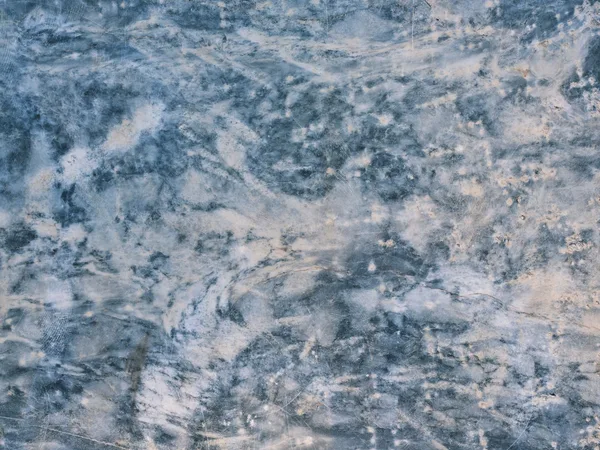
Crystallisation for a hard surface
Clinic and hospital floors are cleaned first of dust and salt accumulation from daily traffic before crystallisation work begins.
-
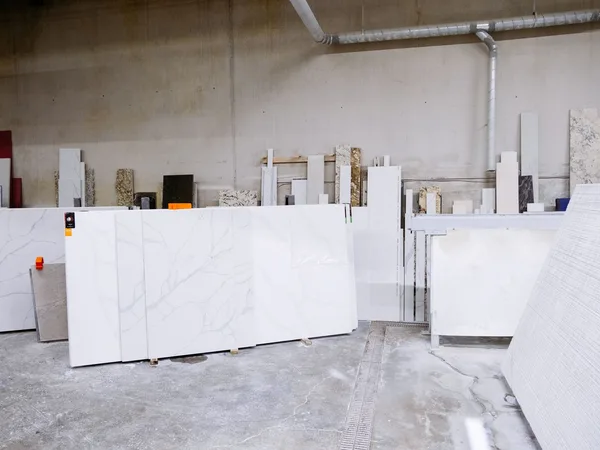
Edges and skirtings
Final protective coating is applied to limestone to reduce seasonal moisture absorption, not to eliminate it completely.
-
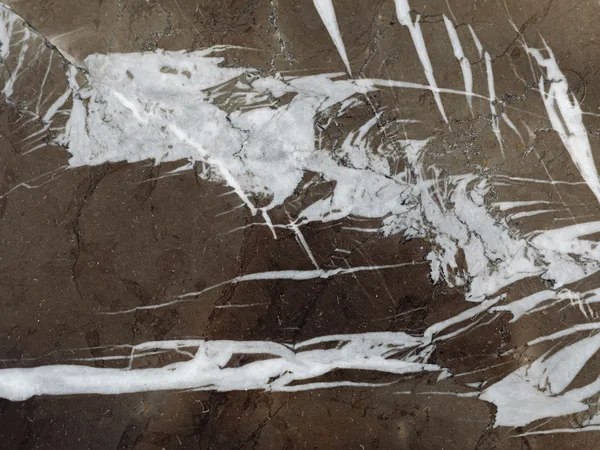
A final seal on the pores
After crystallisation, we recommend half-yearly inspections for buildings near Lake Park to measure fresh salt buildup and plan next treatment.
The character of Al Midhnab
Mixed district: shops at street level with homes above them
Al Midhnab mixes a heritage house with clinics and residential homes on limestone bedrock, so each building has stone floors with different age, porosity and moisture history requiring separate assessment.
How we work
Survey the floor
Prepare the space
Grind and crystallise
Clean up and hand over
Some of our work
Photos from our team's work.
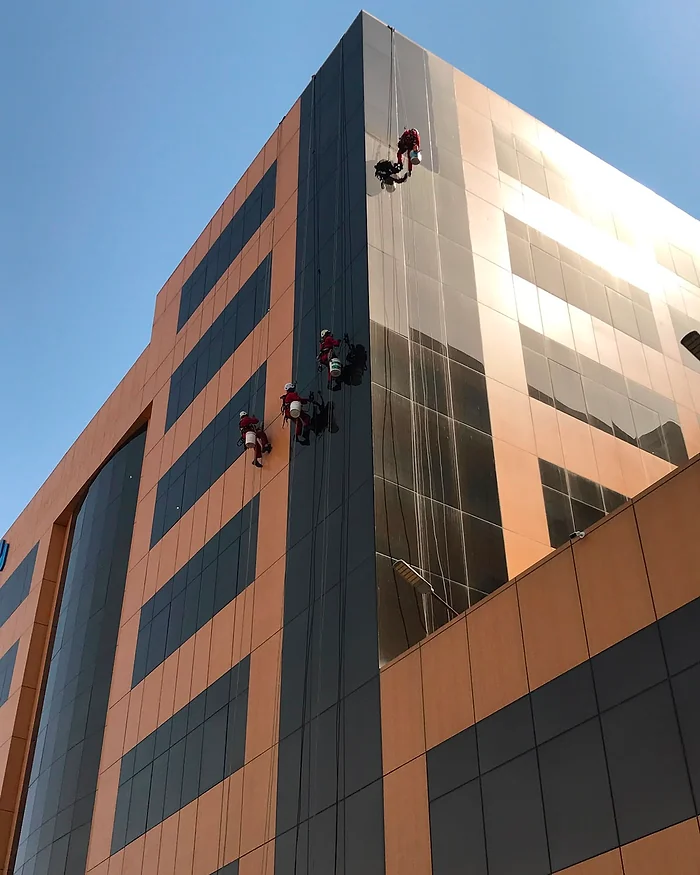
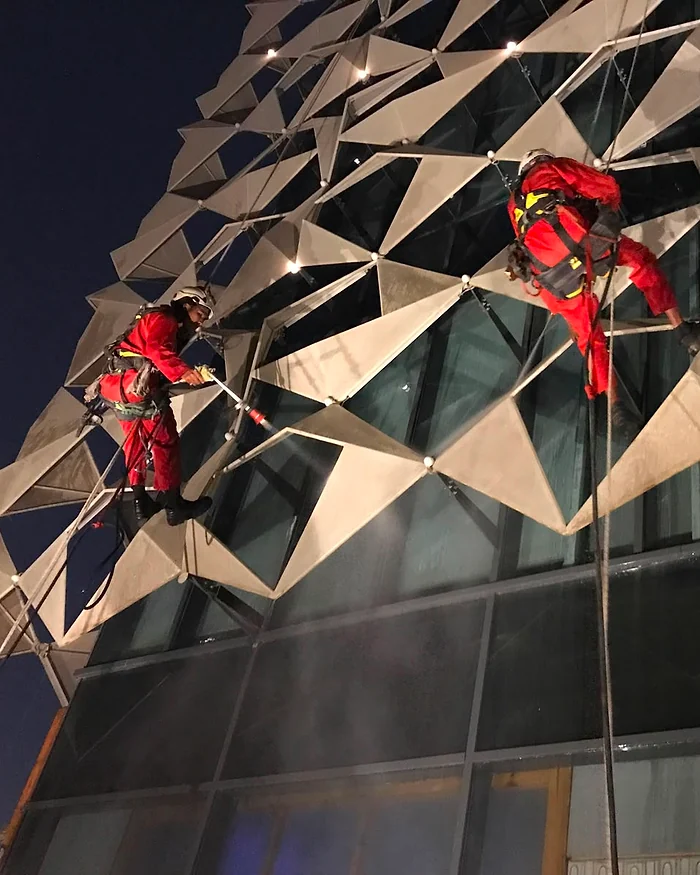
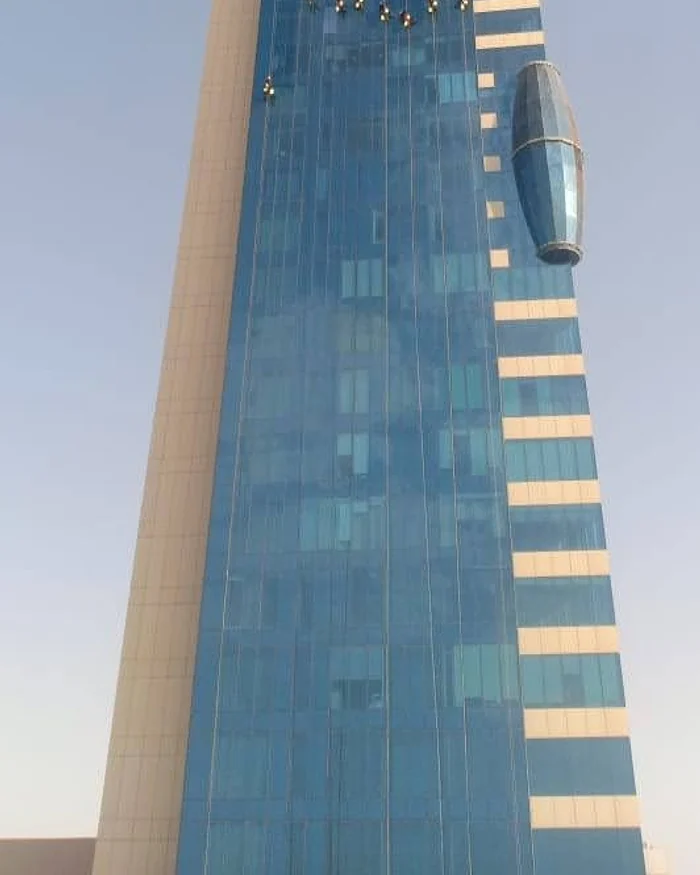


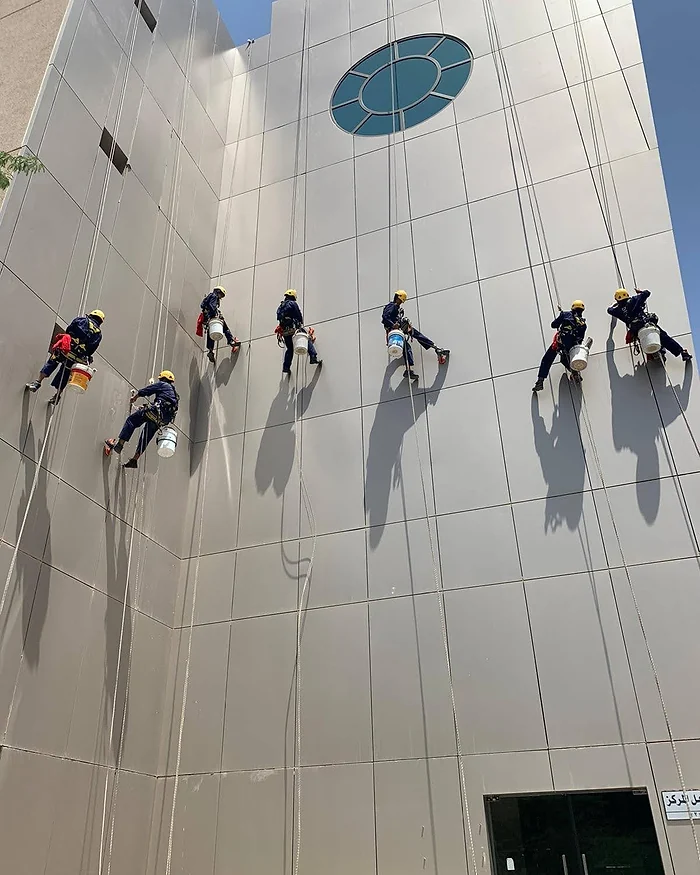
What is different about Qassim Region
Qassim is farming country in the heart of Najd. Buraydah, Unaizah, Al Rass, Al Bukayriyah and Al Badayea are low rise towns of villas, wide streets and new commercial blocks, with the old mud quarters of Unaizah and the date markets of Buraydah among them, and palm groves and irrigated fields on every side. The Nafud sands lie to the north, so spring winds carry a fine reddish grit that settles on render and glass, and winter nights bring frost and occasional rain that streaks dusty facades. The groundwater is hard and marks stone when it dries.
Other services in Al Midhnab
The room and the building around it are on one list.