Raghwat Al Janoub Maintenance and Cleaning
Marble grinding and crystallisation in Al Mikhwah
Al-Mikhwah is a government town on a high plateau where valleys converge, mixing modest residential housing with public buildings near the College of Science and Arts and general hospital, close to historic Dhee Ain village with its natural white marble outcrop. Cold wet winters leave repeated marks on marble flooring and walls, so polishing here needs regular schedules and uniform care standards across different building types.
Why grinding beats a surface polish
-
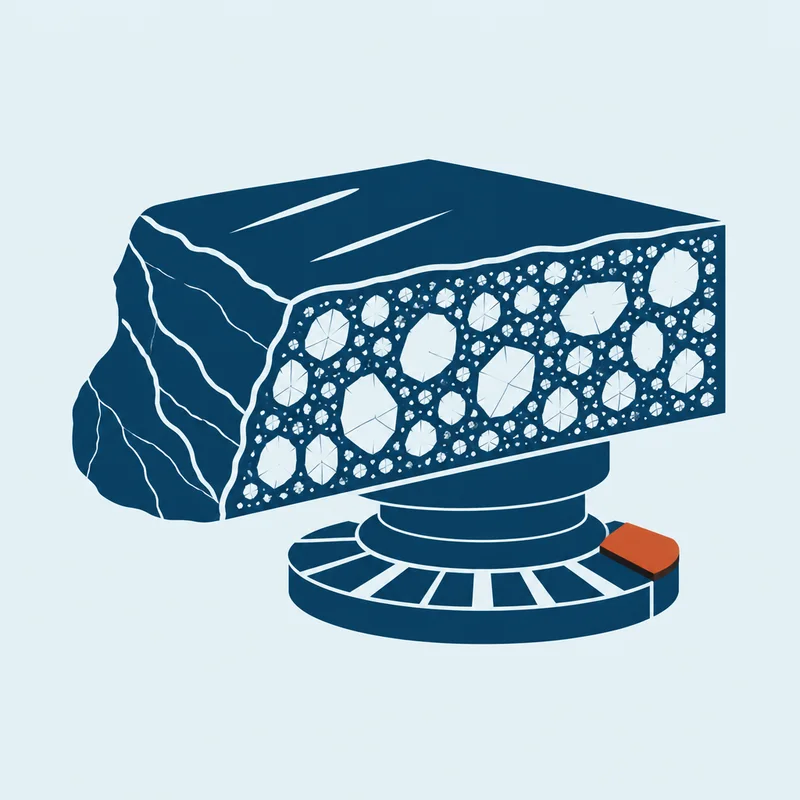
Shine from the stone, not a layer
A surface polish shines for the first week, then flakes off at the doors and busy walkways.
-
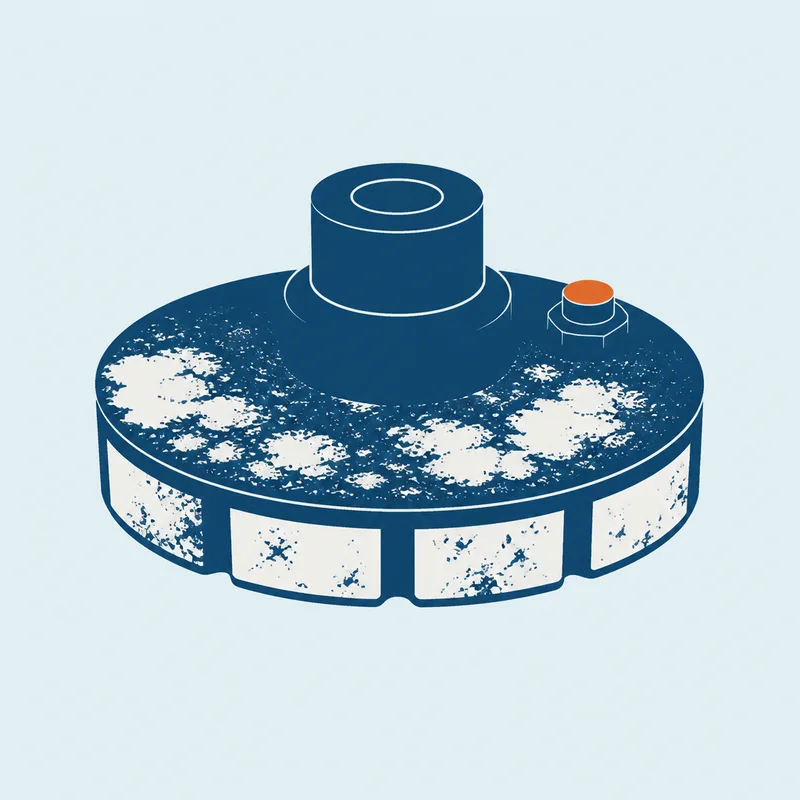
Scratches removed, not hidden
Deep scratches and sunken stains do not wipe away, because they sit inside the stone.
-
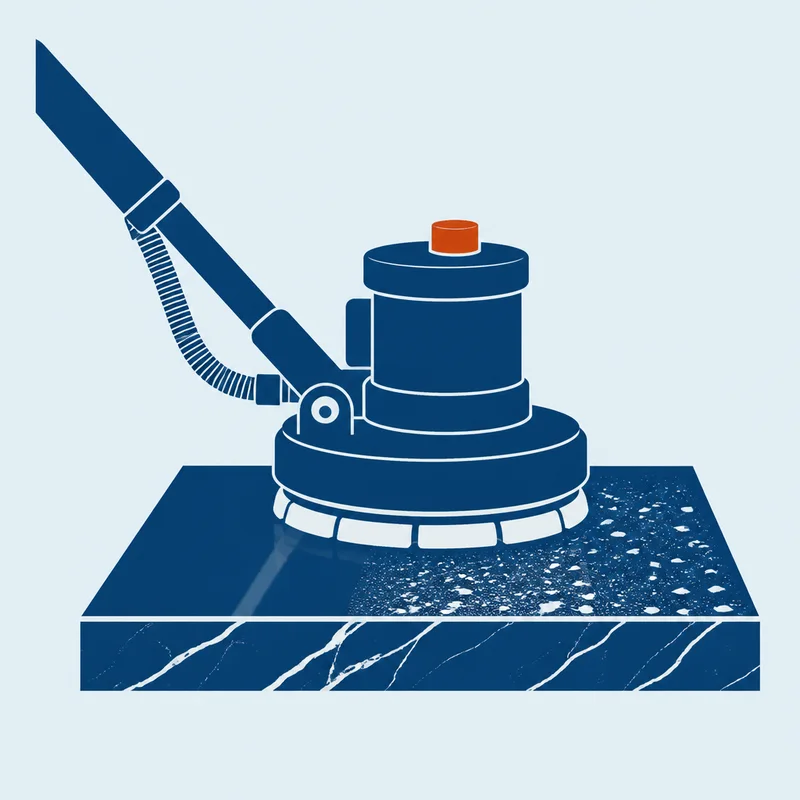
A surface that resists Riyadh dust
Central Saudi dust is fine, mineral and constant, and it grinds against a soft polish all day until the shine dulls.
-
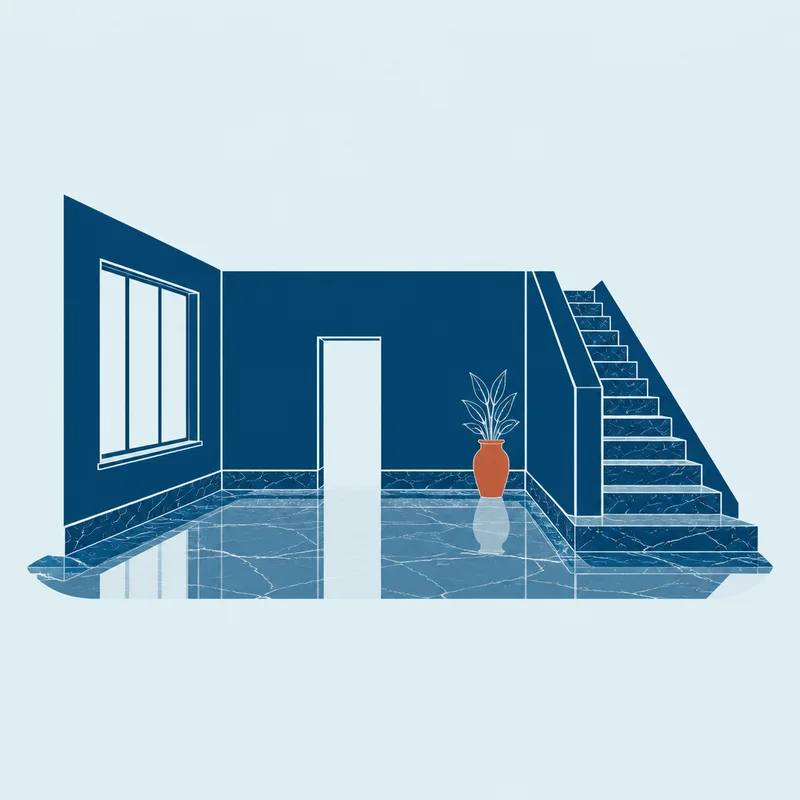
Edges and skirtings matched
Many floor jobs leave the corners and skirtings dull, so the edge of every room gives the work away.
Why the job is different in Al Mikhwah
Government and university buildings in Al-Mikhwah see heavy daily foot traffic, so wet shoes and boots leave repeated mineral and dirt marks on the light white marble. The whole method is set out in the marble grinding and crystallisation overview.
-
Government and university buildings next to residential homes
Al-Mikhwah mixes public buildings with daily foot traffic at main entrances, university offices with high-use floors, and quiet residential homes nearby with less-worn marble. Each building needs a different polishing schedule based on daily wear.
-
Cold wet winter and natural white marble
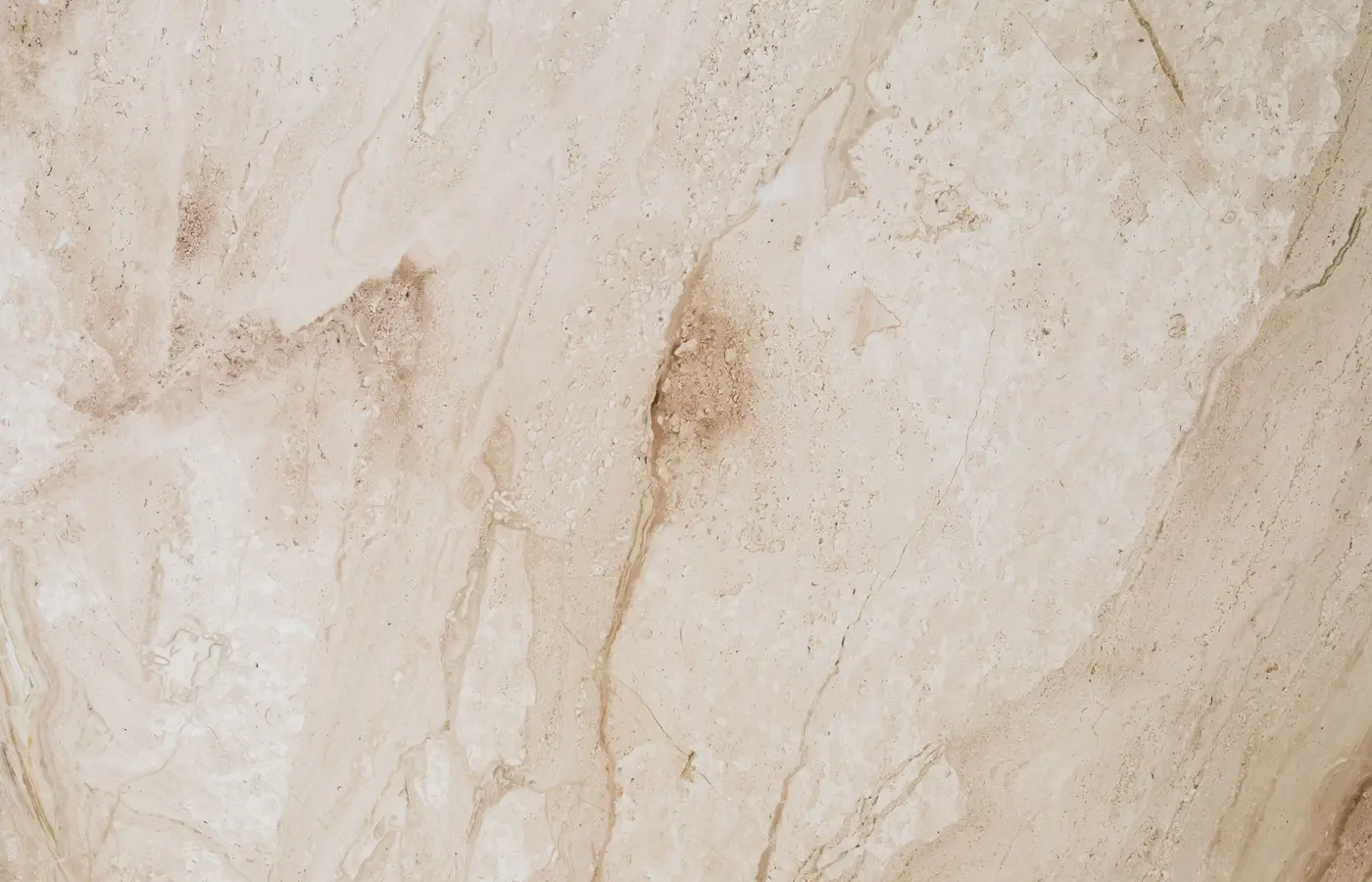
Many floors in Al-Mikhwah are natural white marble similar to stone from nearby Dhee Ain village, and this type is very sensitive to moisture and cold, so rainy winters leave a layer of mineral buildup on the surface quickly.
-
Wet shoes from rain and rare snow
The cold rainy climate means people enter buildings with wet shoes and damp clothing, so mud, salt and mineral traces settle on marble faster than in drier areas.
What's Included
Al-Mikhwah sits on a high plateau in Al-Baha where winters are cold, wet and rainy, and proximity to historic Dhee Ain village means many floors here are natural white marble requiring extra protection from moisture.
-
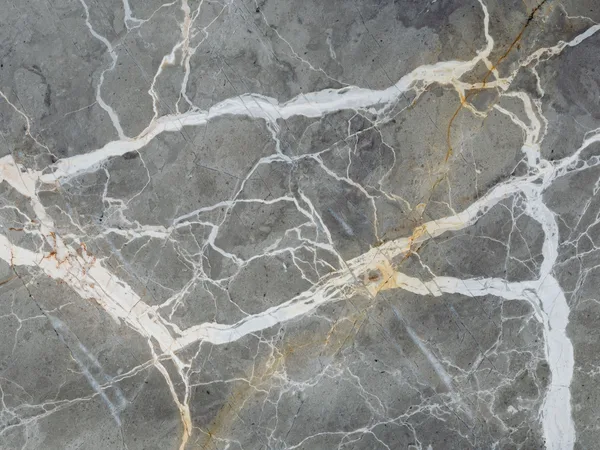
The stone type and its condition read
Checking natural white marble starts with identifying its source and moisture sensitivity before any grinding begins.
-
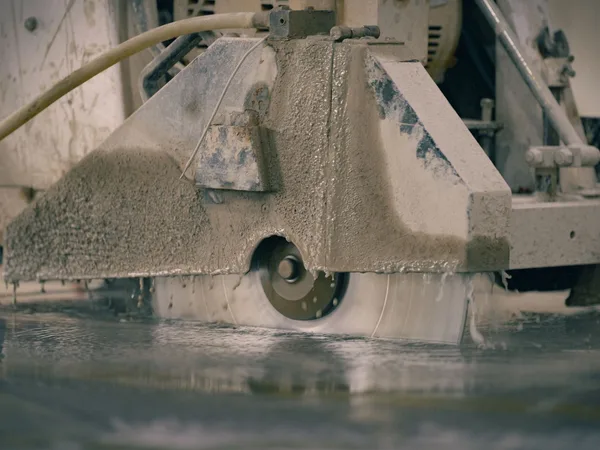
Coarse grinding to take out the scratches
Mineral deposits from wet winters are treated gently during grinding because soft white marble can be damaged easily.
-
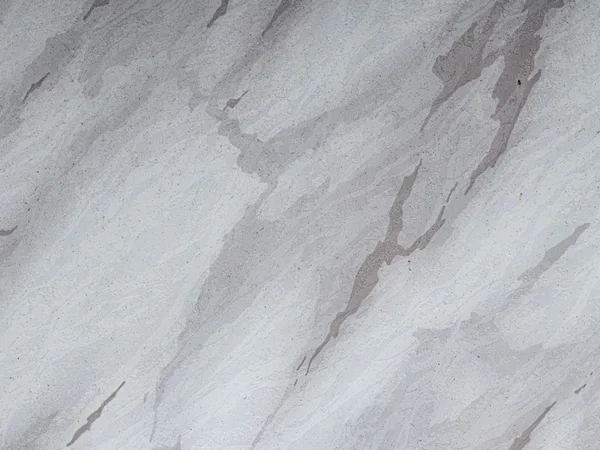
Stepped through to the fine pads
Government and university buildings with heavy daily traffic need higher-pressure grinding than quiet residential homes.
-
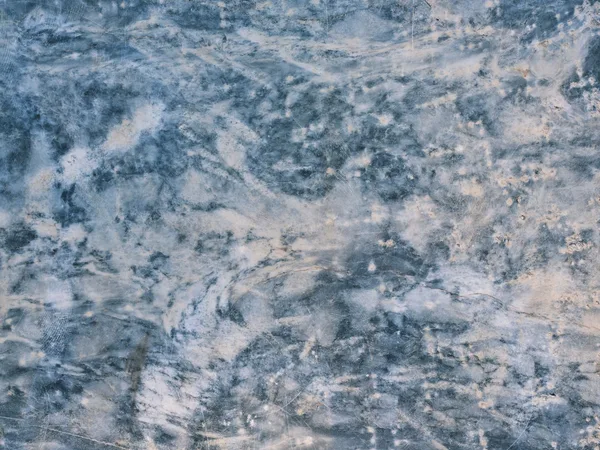
Crystallisation for a hard surface
Complete drying after grinding is crucial in Al-Mikhwah because moisture returns quickly from the cold air.
-
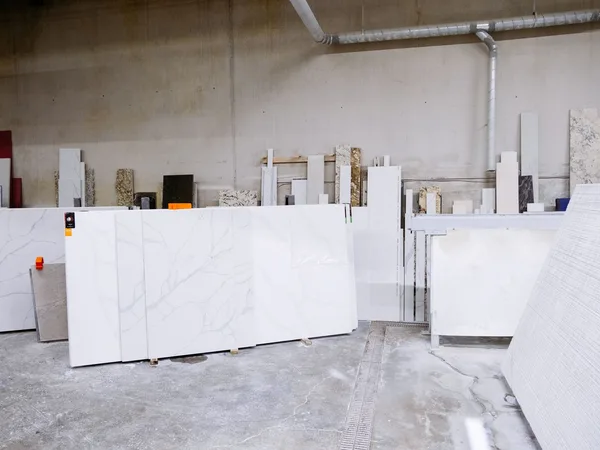
Edges and skirtings
The protective crystalline seal is applied to white marble using higher standards than normal protocols.
-
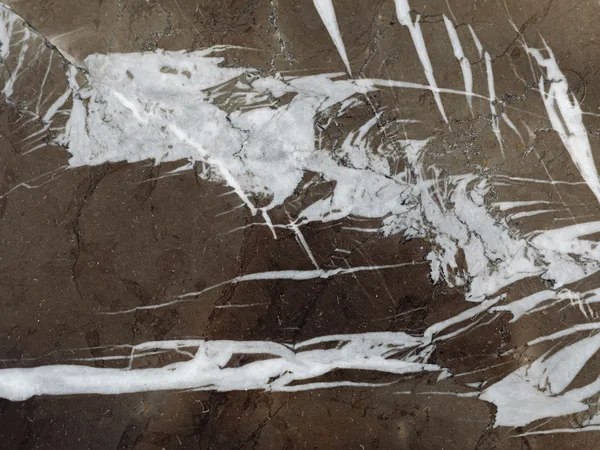
A final seal on the pores
Maintenance and polishing schedules vary between buildings based on use, location and moisture sensitivity.
Al Mikhwah on the map
Al Mikhwah sits about 15.5 km from Baljurashi and about 26 km from Al-Baha.
Open in Google MapsHow we work
Survey the floor
Prepare the space
Grind and crystallise
Clean up and hand over
Some of our work
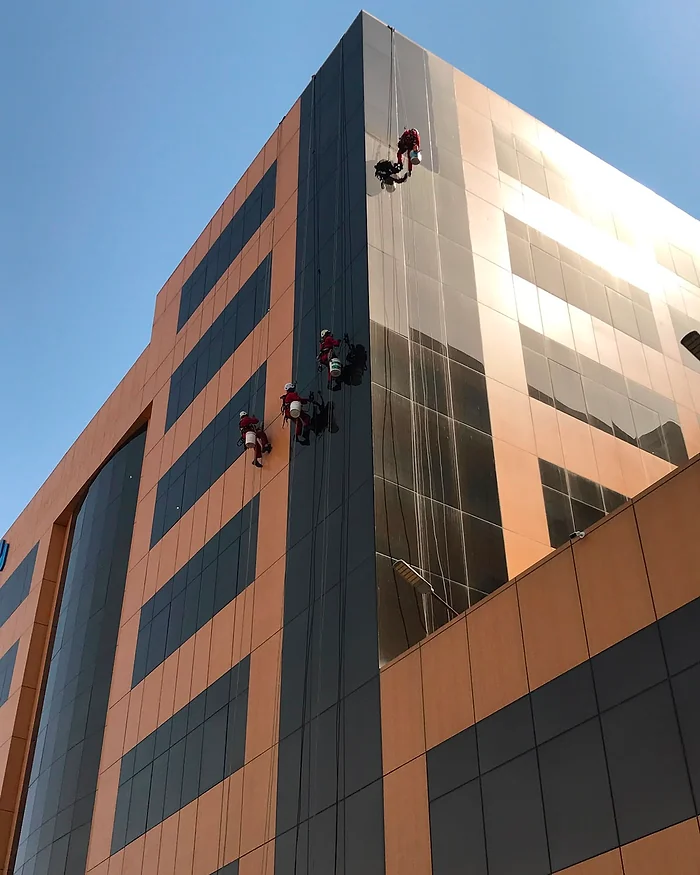
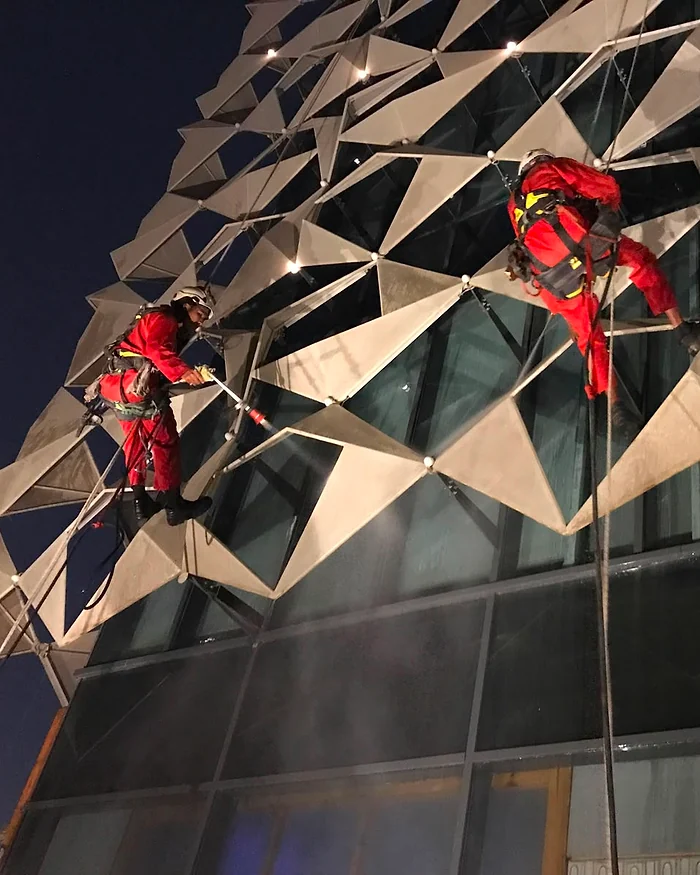
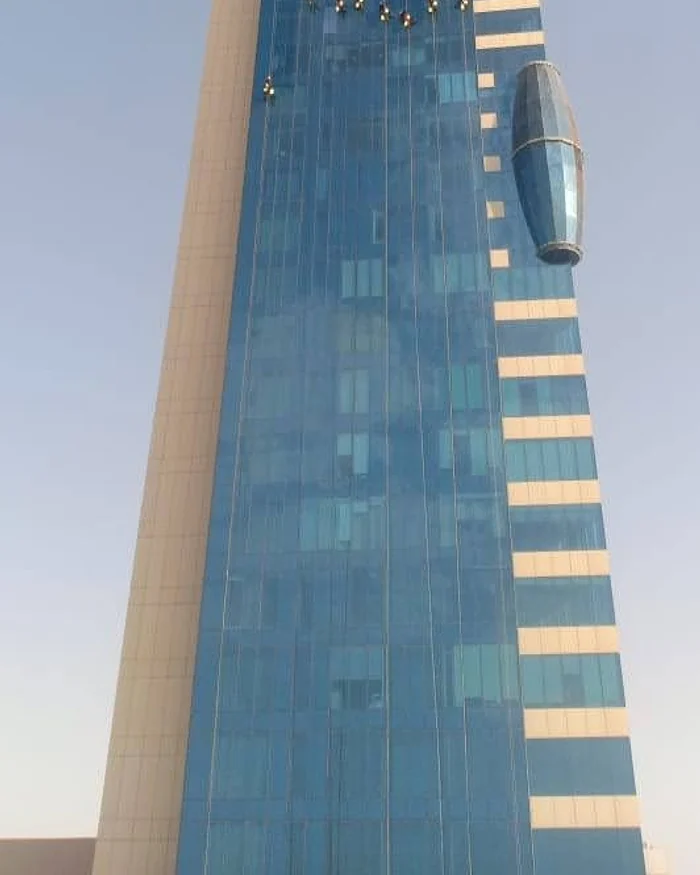
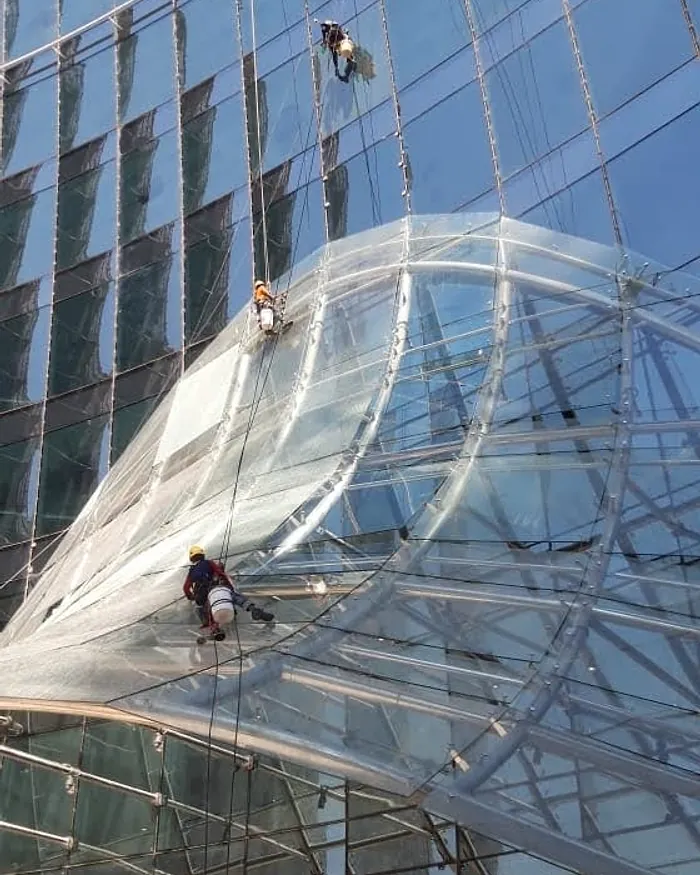
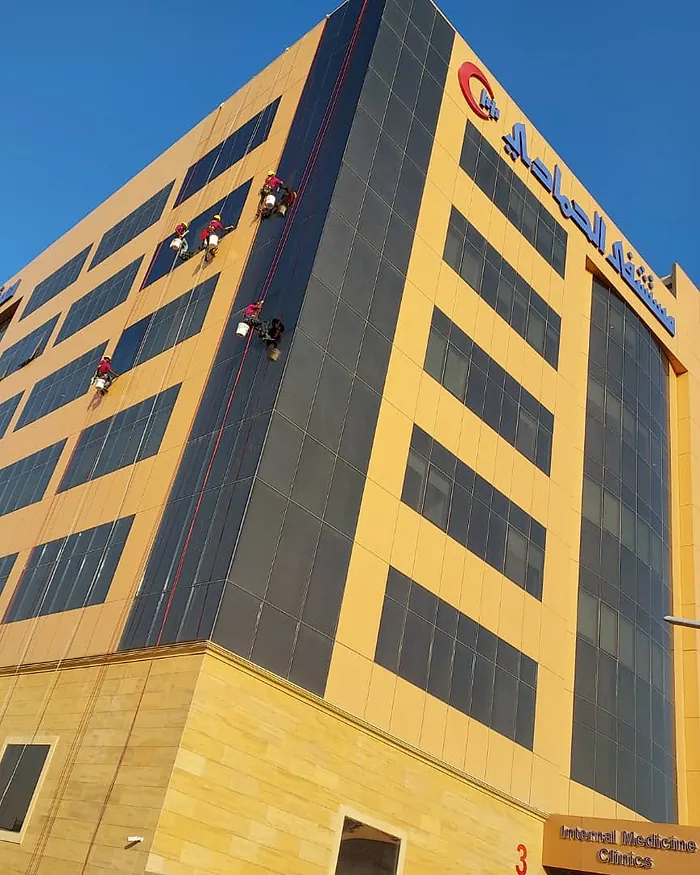
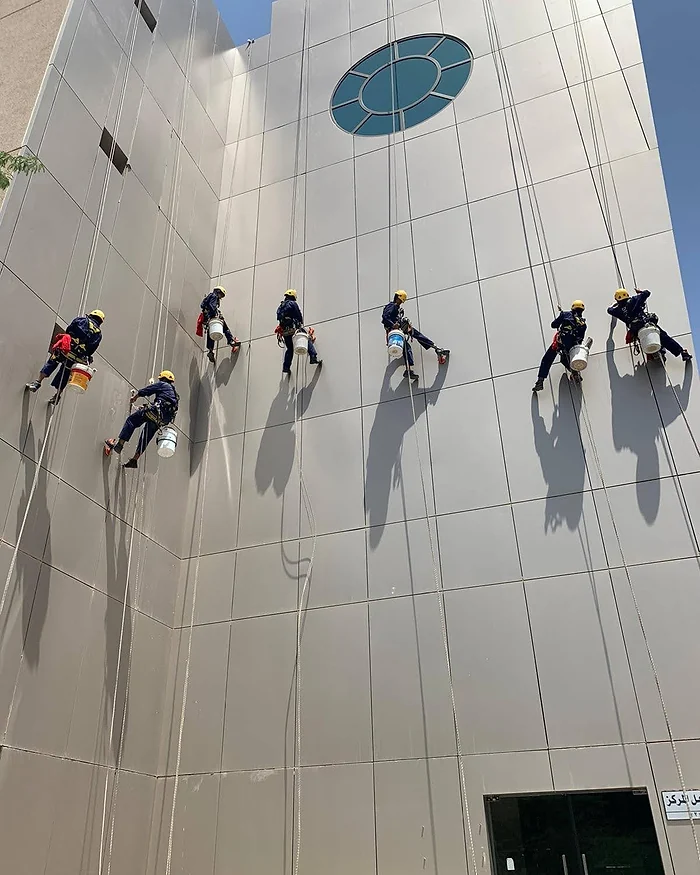
Photos from our team's work.
What is different about Al Bahah Region
Al Bahah is a small highland region of forests, terraces and stone villages on the Sarawat, with Baljurashi and Al Mandaq beside the capital and Qilwah and Al Mikhwah down in the hot Tihama lowland. The high country is cool, foggy and rainy for much of the year, and the traditional houses are slate and granite with the marble village of Dhee Ayn among them. Stone stays wet, lichen and moss creep over north facing walls, and mud from the terraces splashes ground floors, while the lowland towns take the humid heat and salt haze of the coast.
Other services in Al Mikhwah
The room and the building around it are on one list.