
Raghwat Al Janoub Maintenance and Cleaning
Marble grinding and crystallisation in Az-Zulfi
Az-Zulfi sits at the base of Tuwaiq Mountains in northern Najd, mixing low-rise villas and government buildings whose marble floors face heavy dust from surrounding farmland and rural roads. Historical springs and valley moisture in the town leave white mineral marks on marble that plain washing cannot remove.
Why grinding beats a surface polish
-

Shine from the stone, not a layer
A surface polish shines for the first week, then flakes off at the doors and busy walkways.
-

Scratches removed, not hidden
Deep scratches and sunken stains do not wipe away, because they sit inside the stone.
-

A surface that resists Riyadh dust
Central Saudi dust is fine, mineral and constant, and it grinds against a soft polish all day until the shine dulls.
-
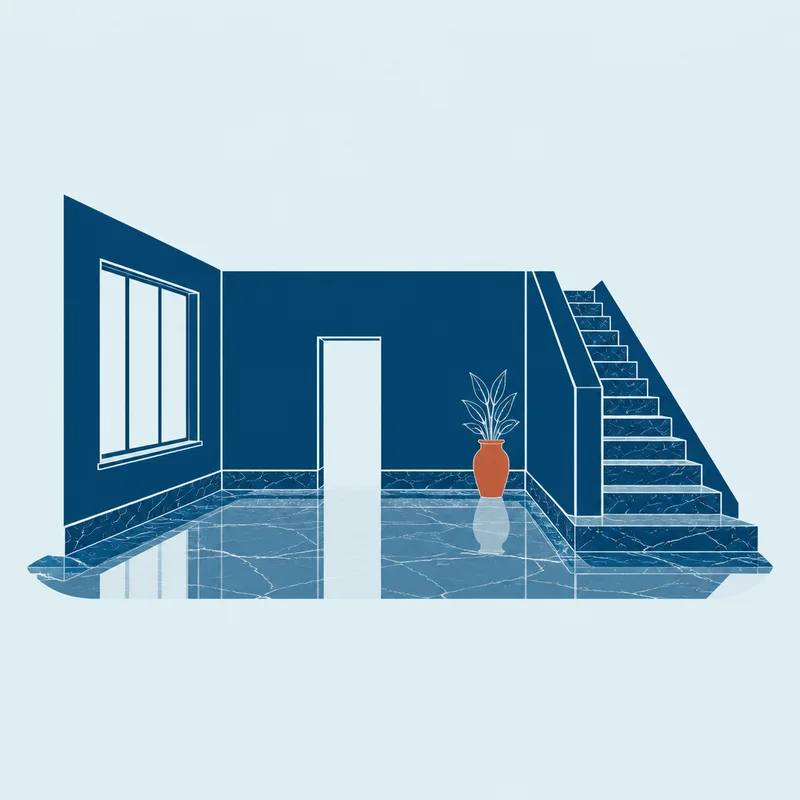
Edges and skirtings matched
Many floor jobs leave the corners and skirtings dull, so the edge of every room gives the work away.
Why the job is different in Az-Zulfi
Marble floors in Az-Zulfi accumulate thick layers of rural dust, and show white deposits from hard water runoff fed by local wells and springs. The whole method is set out in our full account of marble grinding and crystallisation.
-
Low-rise villas on sand foundations
Az-Zulfi villas sit on sandy soil with solid stone footings, and their marble floors retain moisture from the ground beneath them, causing circular white stains as hard water evaporates through the stone's pores.
-
Dust from farmland and unpaved roads
Agricultural fields and unsurfaced roads surrounding Az-Zulfi send plumes of fine dust and sand toward buildings, where particles lodge between marble grains and settle into the gaps between tiles.
-
Government buildings with wide marble halls
Government offices and the administrative centre of Az-Zulfi contain broad marble corridors and entrance halls, and daily foot traffic from staff and visitors causes dirt to build up faster than in closed residential buildings.
What's Included
Az-Zulfi lies on the Riyadh-Buraidah Highway near Tuwaiq Mountains, and winds carry field dust and sand particles toward buildings, where fine sediment deposits on marble surfaces and settles into grout lines.
-
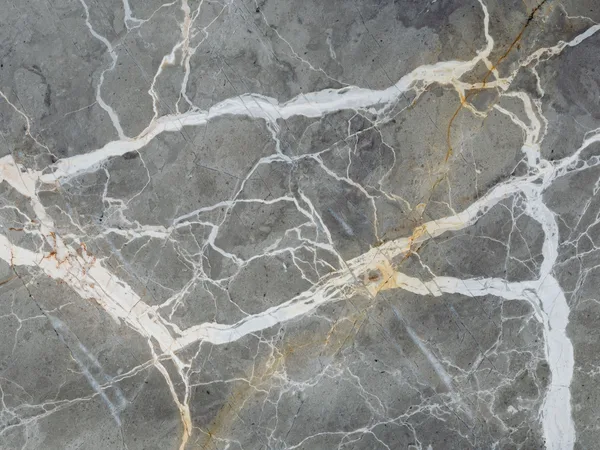
The stone type and its condition read
Marble in Az-Zulfi carries thick rural dust that must be fully removed before grinding to avoid surface scratches.
-
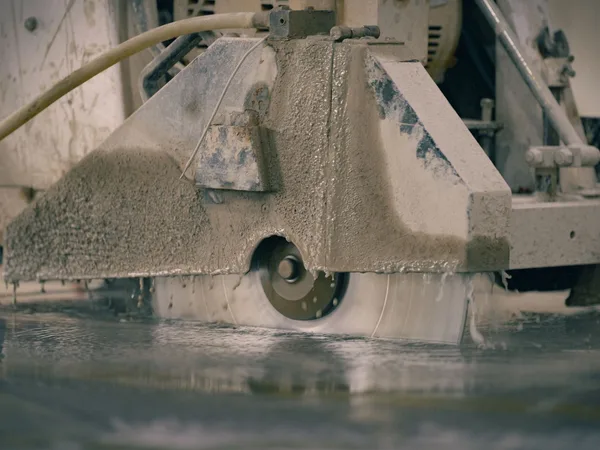
Coarse grinding to take out the scratches
Areas near villa footings show white stains from rising moisture, treated chemically before crystallisation.
-
Stepped through to the fine pads
Long government building corridors are divided into sections based on outdoor air exposure and dust levels.
-
Crystallisation for a hard surface
Surrounding fields send continuous rural sediment, so we recommend sealing the marble after crystallisation to reduce new dust adhesion.
-
Edges and skirtings
Moisture beneath floors needs first inspection to set the intensity of abrasion before grinding.
-
A final seal on the pores
After crystallisation we recommend light cleaning every two weeks to protect the surface from accumulating rural dust.
The character of Az-Zulfi
Rural area: farms, open ground and scattered homes
Az-Zulfi is a simple rural town with low villas and government buildings on sand-based foundations, so marble floors here are affected by moisture from below and field dust from above in ways entirely different from fully paved urban neighborhoods.
How we work
Survey the floor
Prepare the space
Grind and crystallise
Clean up and hand over
Some of our work
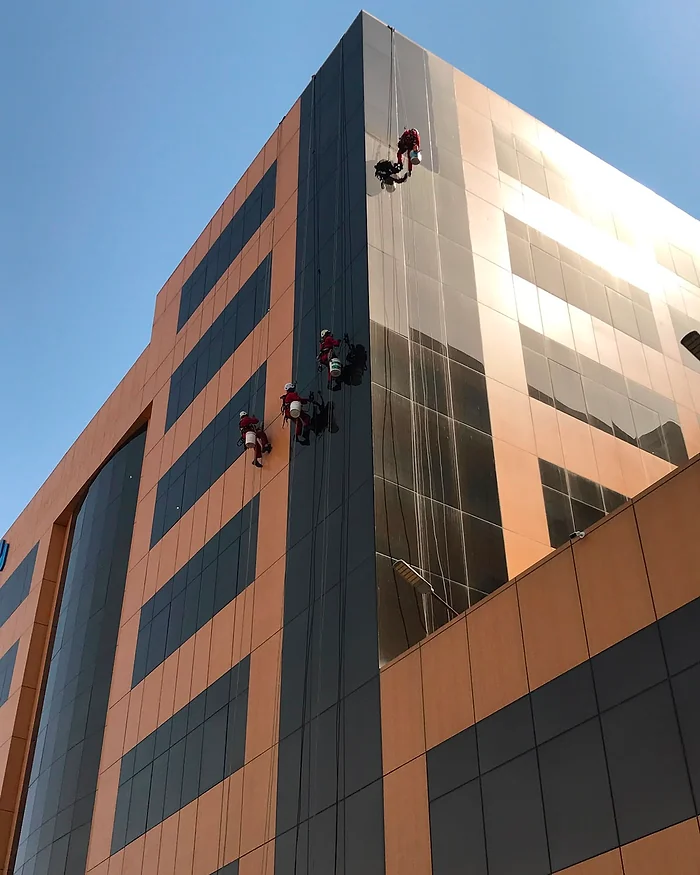
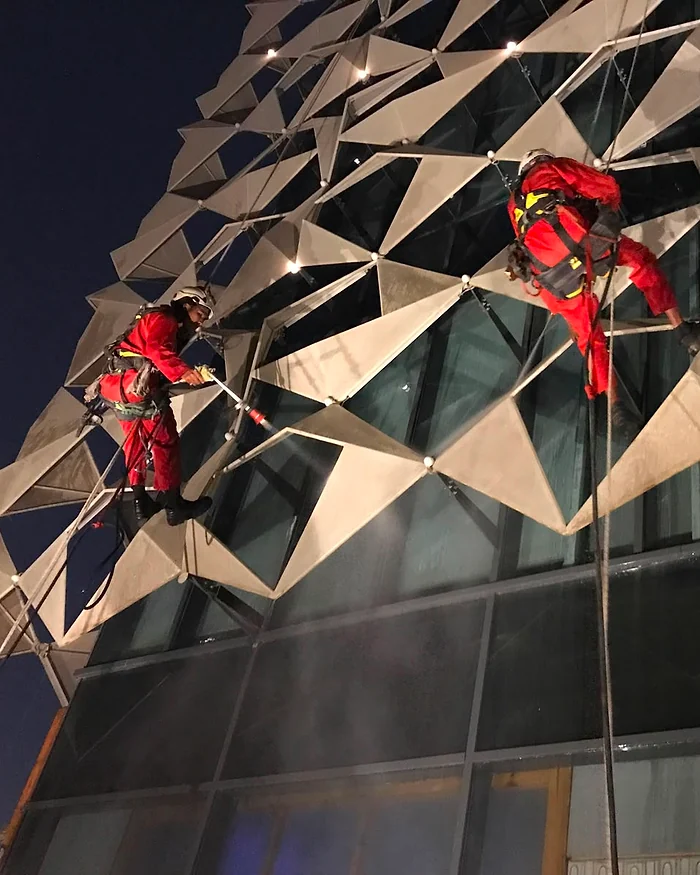
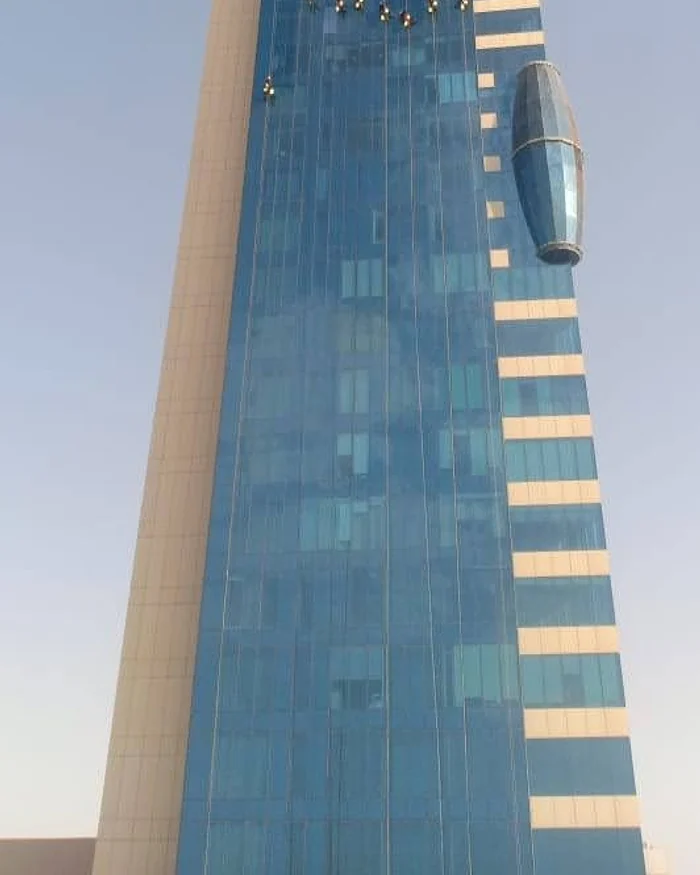
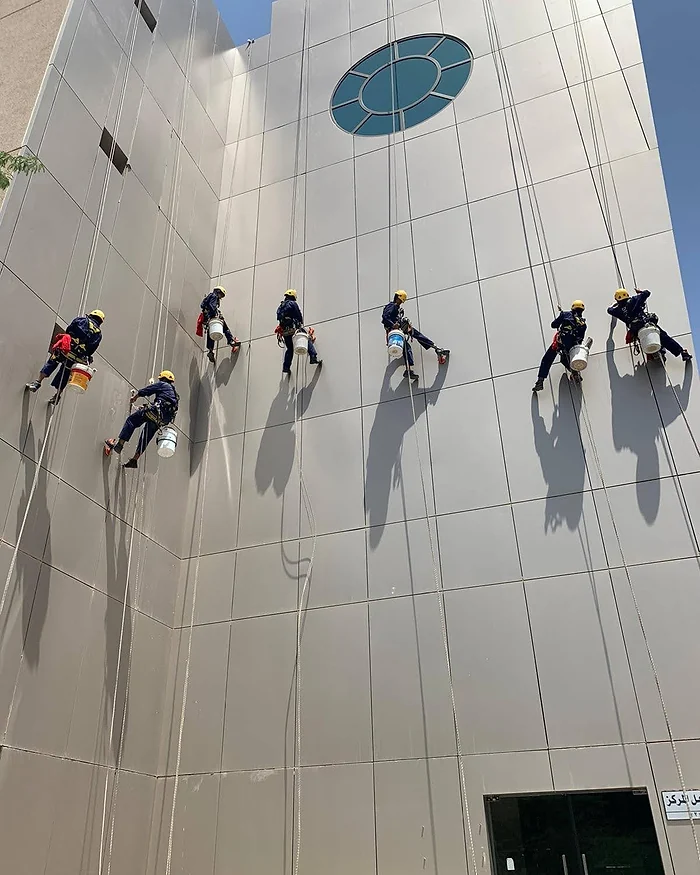
Photos from our team's work.


Landmarks of Az-Zulfi
Work scheduling in Az-Zulfi runs around proximity to Tuwaiq Mountains and the Battle of Sabilla historic site, so visits are arranged to cover villas on the northern road and government buildings near the town centre without gaps between appointments.
- Tuwaiq Mountains
- Battle of Sabilla site
- Riyadh-Buraidah Highway
Other services in Az-Zulfi
The room and the building around it are on one list.