Raghwat Al Janoub Maintenance and Cleaning
Marble grinding and crystallisation in Khaybar
Khaybar spreads across a historic oasis ringed by black volcanic lava fields, and its older stone houses and newer villas sit on marble and flagstone floors exposed to fine volcanic dust and salts from deep springs. The lava soil and seasonal moisture from underground water leave marks on surfaces that need tailored polishing care to bring stone back to life.
Why grinding beats a surface polish
-
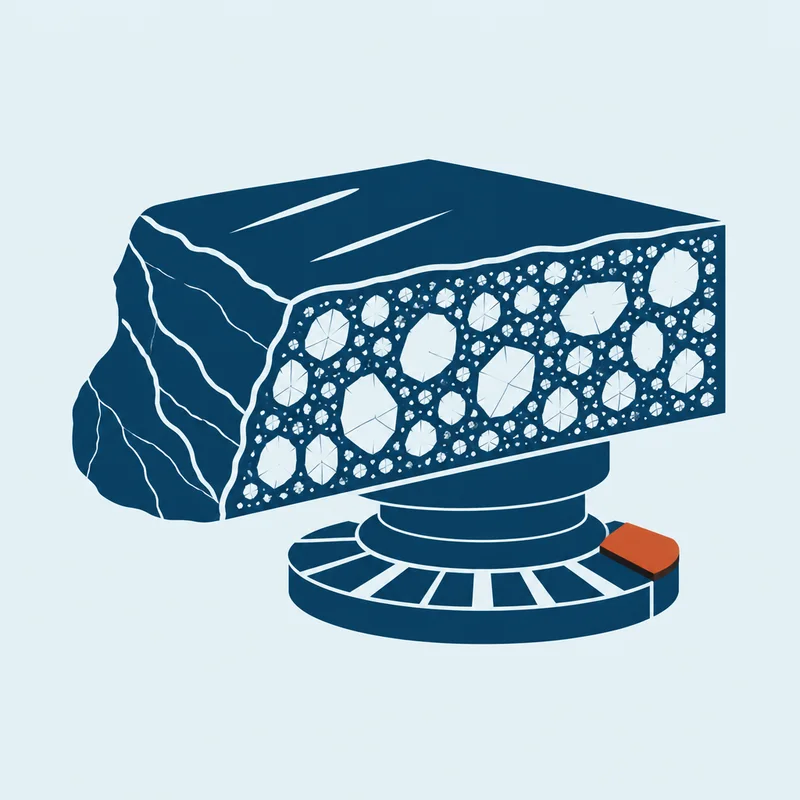
Shine from the stone, not a layer
A surface polish shines for the first week, then flakes off at the doors and busy walkways.
-
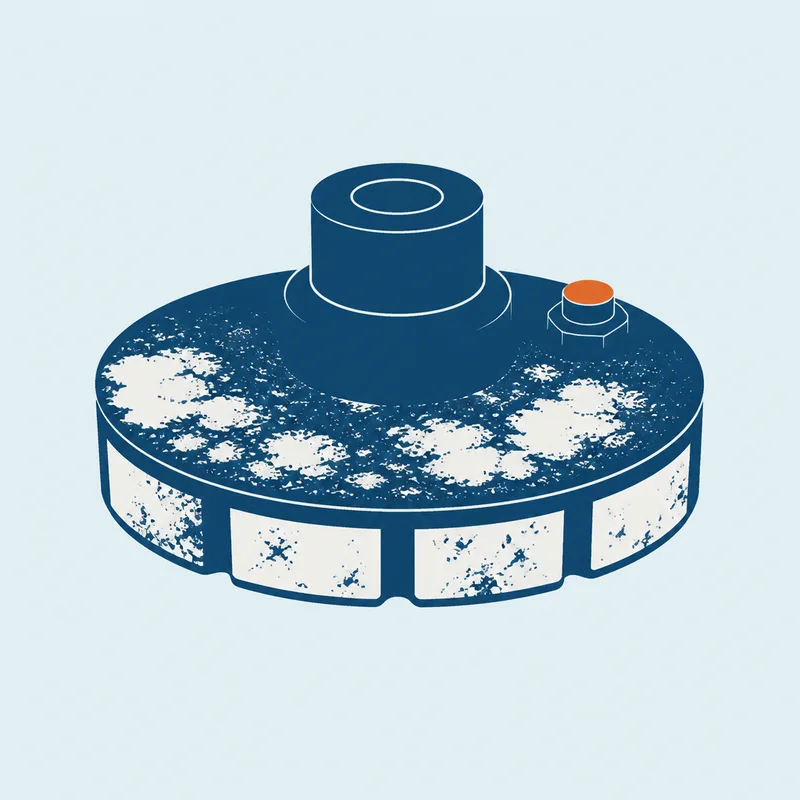
Scratches removed, not hidden
Deep scratches and sunken stains do not wipe away, because they sit inside the stone.
-
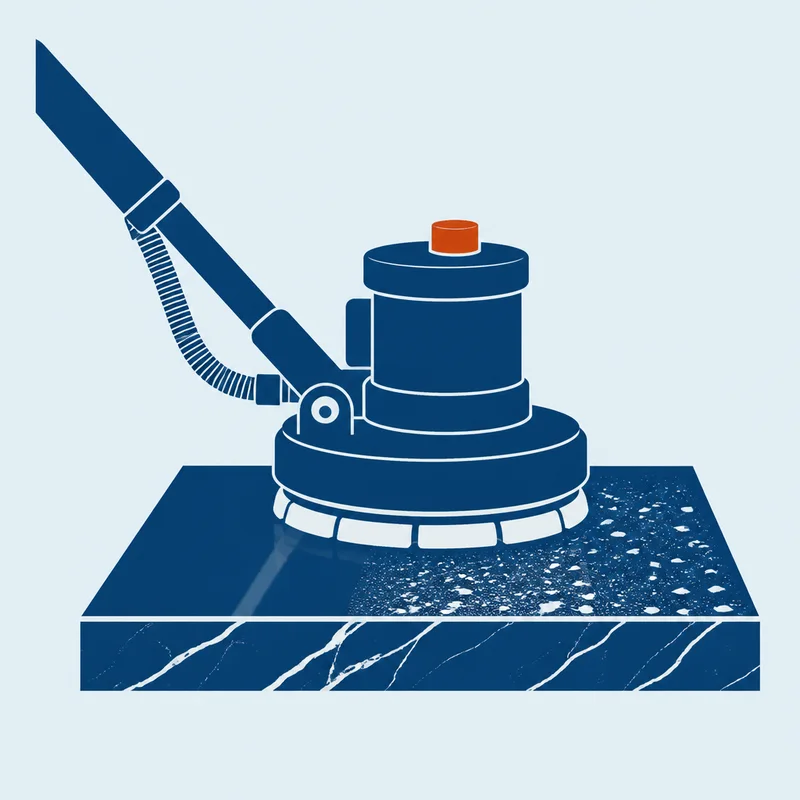
A surface that resists Riyadh dust
Central Saudi dust is fine, mineral and constant, and it grinds against a soft polish all day until the shine dulls.
-
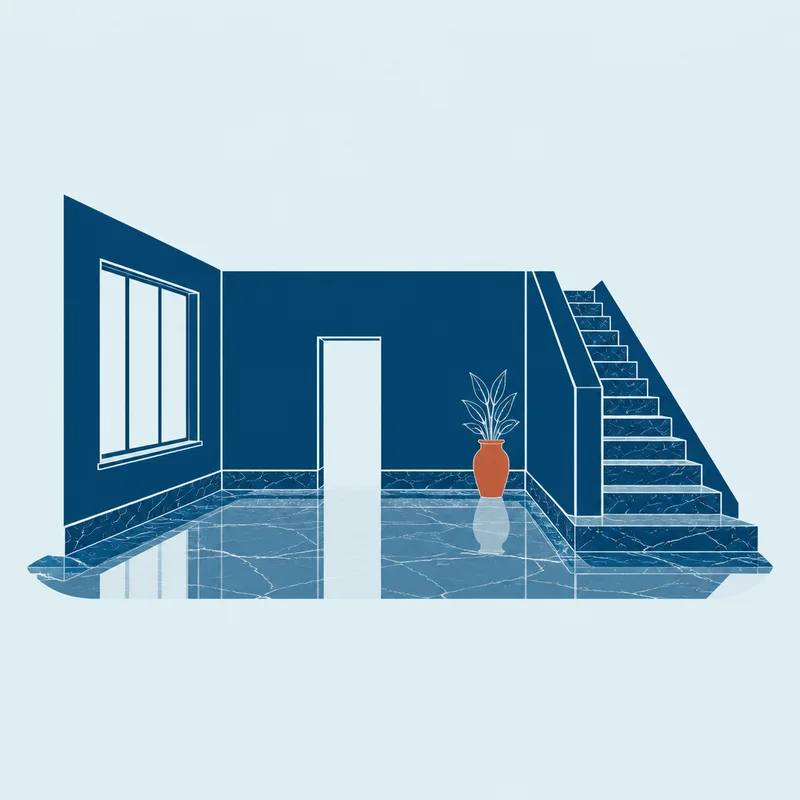
Edges and skirtings matched
Many floor jobs leave the corners and skirtings dull, so the edge of every room gives the work away.
Why the job is different in Khaybar
Khaybar floors carry fine volcanic deposits and salt stains from the deep groundwater that feeds palm groves and springs, demanding deeper cleaning before any polishing can begin. The whole method is set out in our notes on marble grinding and crystallisation.
-
Old stone houses and new villas
Khaybar pairs Ottoman-era stone houses with heavy flagstone floors against modern villas set on imported marble, so each type needs a separate assessment of surface condition and stone wear before a polishing plan is chosen.
-
Volcanic dust and salt stains from groundwater
The lava fields ringing Khaybar carry winds that deposit fine, sharp volcanic dust on floors, while historic springs and deep groundwater leave white salt deposits across marble and stone that build up over time.
-
Harsh weather swings and rapid expansion
Khaybar experiences large temperature swings between day and night and across seasons, so marble and stone expand and contract fast, creating hairline cracks that trap soil and need special handling in polishing work that cannot be rushed.
What's Included
Khaybar sits north of Madinah within volcanic lava fields that bring hot dry daytime winds and cool nights, causing rapid expansion and contraction in marble and natural stone as seasons shift.
-
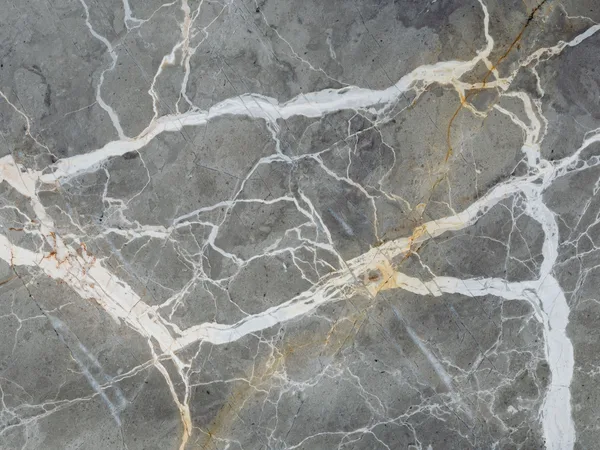
The stone type and its condition read
The first inspection identifies stone type and strength, as old houses and new villas need completely different treatment paths.
-
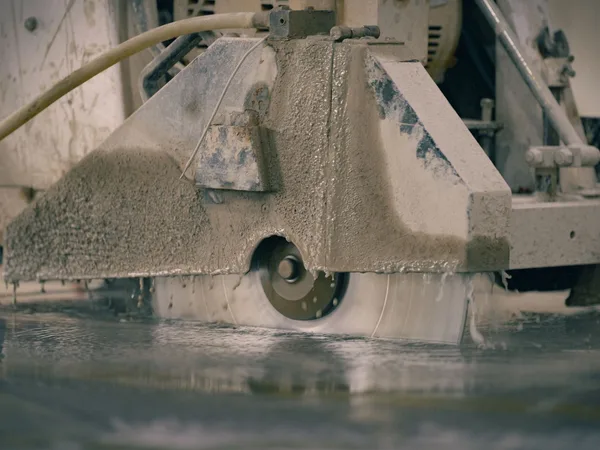
Coarse grinding to take out the scratches
Removing volcanic dust and white salt deposits takes longer in Khaybar because they sit deep within stone pores.
-
Stepped through to the fine pads
Stone grinding follows with extra caution on old flagstone floors that may be weakened by rapid thermal expansion stress.
-
Crystallisation for a hard surface
Hairline cracks from temperature swings are treated with a light chemical cleaning step before polishing starts.
-
Edges and skirtings
Crystal polishing restores shine and shields the surface from salts and volcanic dust that constantly settle again.
-
A final seal on the pores
After polishing finishes, floors are left undisturbed for several hours so crystallisation sets properly before use resumes.
The character of Khaybar
Historic district: close-set buildings, narrow lanes and ageing services
Khaybar mixes Ottoman stone houses with modern villas in different stone and marble types, so each building needs its own assessment before grinding intensity is set.
How we work
Survey the floor
Prepare the space
Grind and crystallise
Clean up and hand over
Some of our work
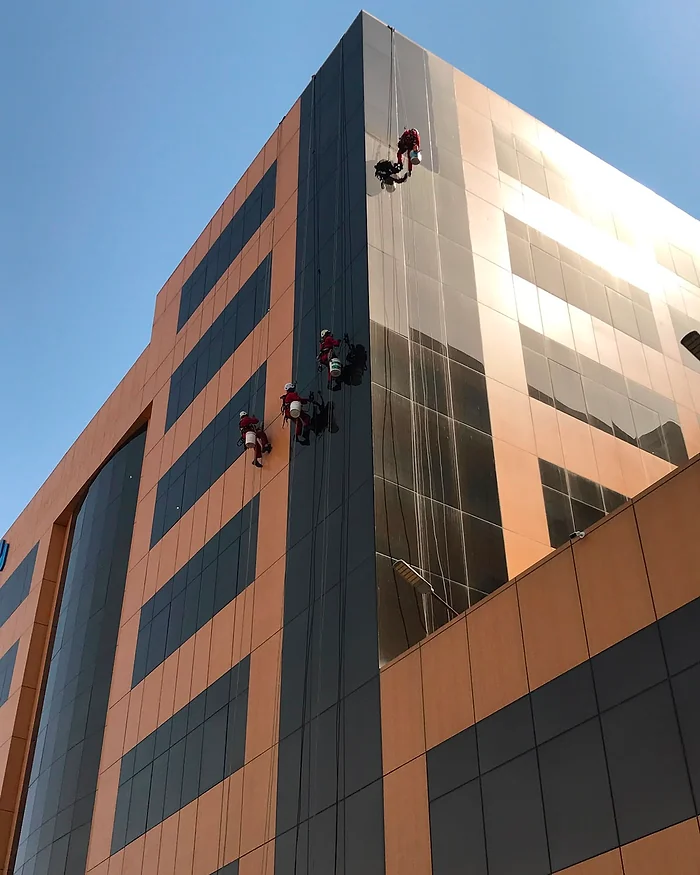
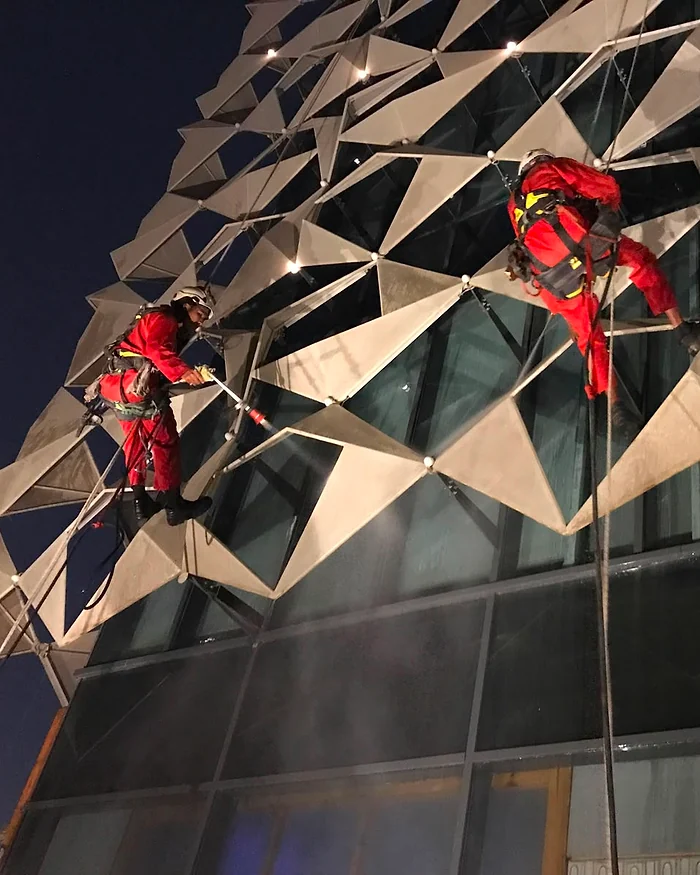
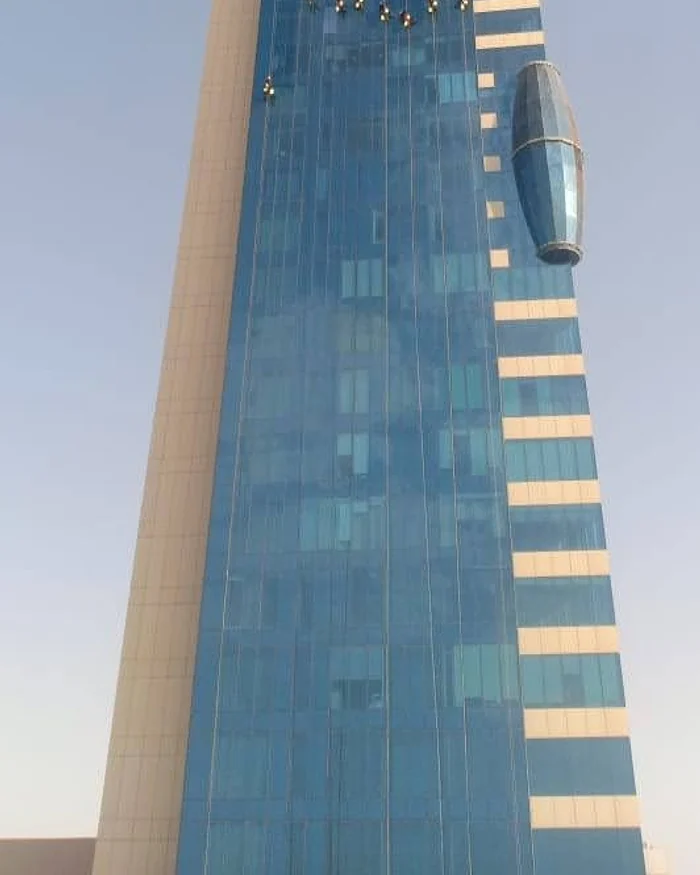
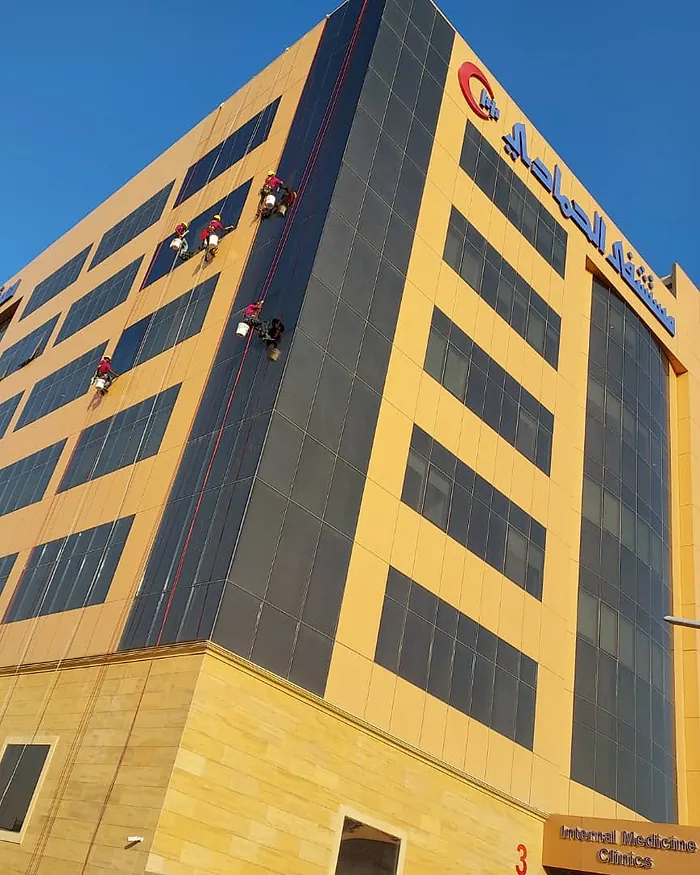
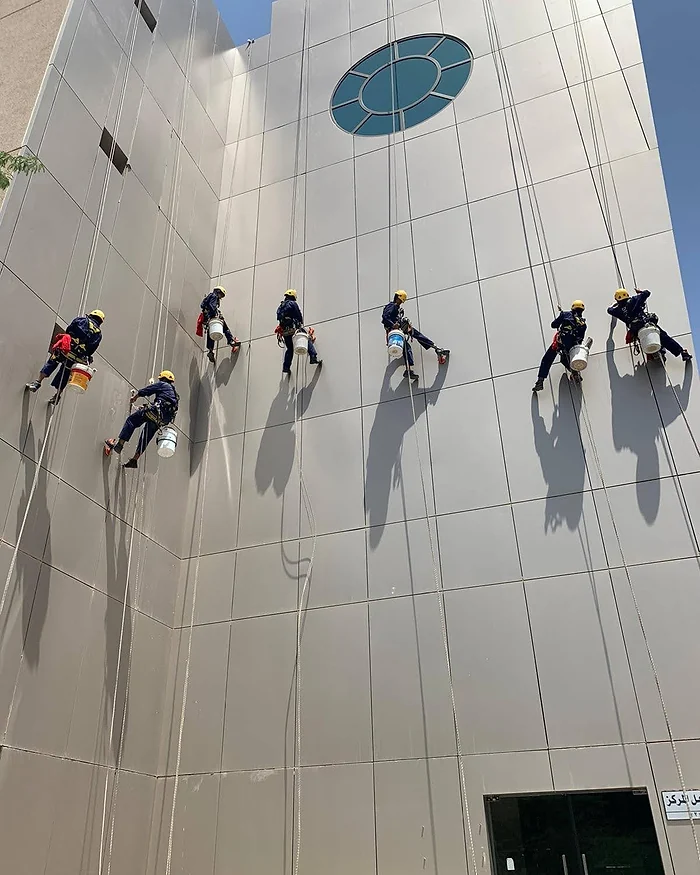
Photos from our team's work.

Landmarks of Khaybar
Polishing crews move between sites near Al-Qamus Fortress and Na'im Fortress and scattered villages across the lava field, scheduling visits by house clusters around springs and farms so one appointment flows into the next without overlap.
- Al-Qamus Fortress
- Na'im Fortress
- Harrat Khaybar (lava field)
Other services in Khaybar
The room and the building around it are on one list.