
Raghwat Al Janoub Maintenance and Cleaning
Marble grinding and crystallisation in Najran
Najran is a desert provincial capital mixing modern apartments and hotels beside a historic mudbrick quarter near the Al Ukhdood archaeological site. Marble floors in these modern buildings face desert dust and dampness from the nearby dam, palm groves and wadi water, creating maintenance challenges unlike other regions.
Why grinding beats a surface polish
-

Shine from the stone, not a layer
A surface polish shines for the first week, then flakes off at the doors and busy walkways.
-

Scratches removed, not hidden
Deep scratches and sunken stains do not wipe away, because they sit inside the stone.
-
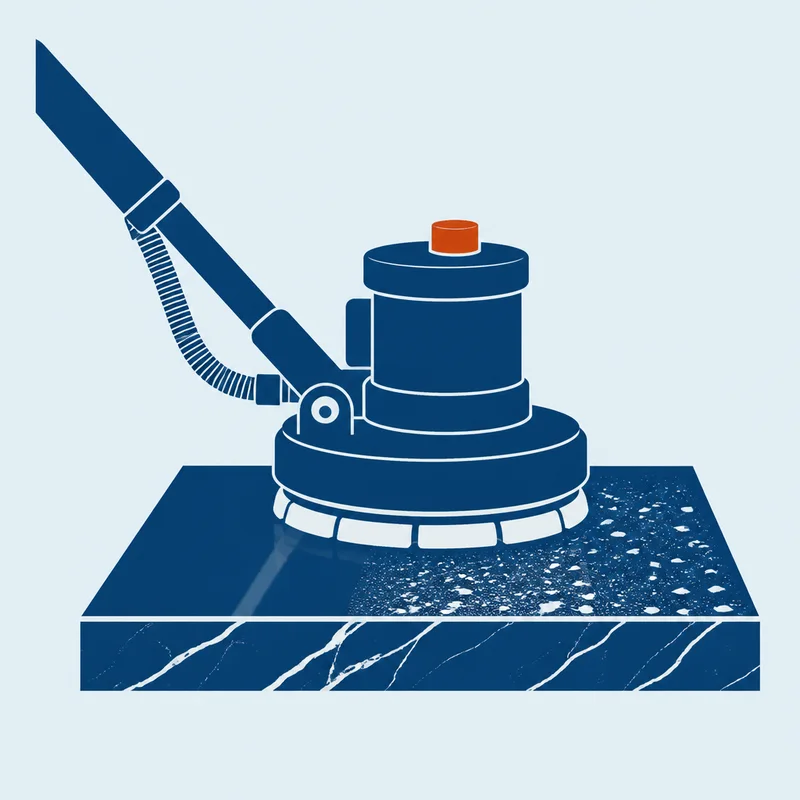
A surface that resists Riyadh dust
Central Saudi dust is fine, mineral and constant, and it grinds against a soft polish all day until the shine dulls.
-
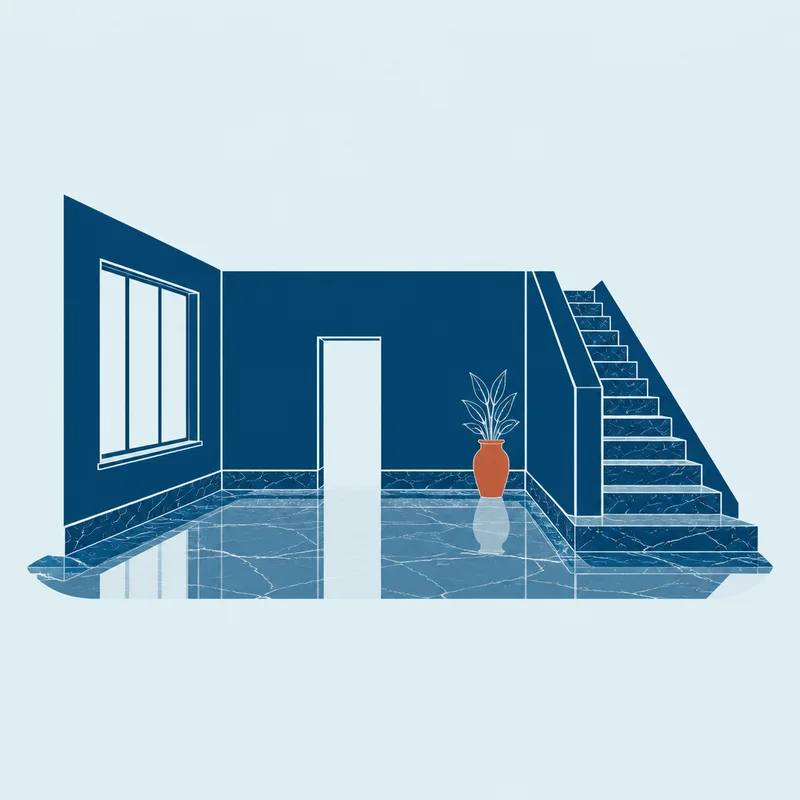
Edges and skirtings matched
Many floor jobs leave the corners and skirtings dull, so the edge of every room gives the work away.
Why the job is different in Najran
Hotel and apartment marble in Najran accumulates heavy desert dust, but wadi and dam water leaves white mineral deposits on surfaces that call for special treatment beyond standard grinding. The whole method is set out in our full account of marble grinding and crystallisation.
-
Modern hotels and flats beside historic quarters
Najran pairs new hotels with luxury marble floors against a mud-brick historic quarter near the Al Ukhdood site, so hotels need finer treatment while older buildings may have no marble floors at all.
-
Heavy desert dust and wadi moisture
Najran sits beside a dam and palm groves on an irrigated wadi, so desert dust reaches hotel and apartment floors, but water and plant moisture leave white mineral deposits on marble that standard grinding does not remove.
-
University and markets with moderate traffic
Najran University and Al Junabi Market sit in newer buildings with moderate daily footfall, so maintenance schedules run less frequently than in larger cities, but attention to local mineral deposits remains high.
What's Included
Najran sits in a depression fed by dams and irrigated wadis, so moisture from water and surrounding vegetation reaches marble floors in central hotels and apartments more readily than in drier desert towns.
-
The stone type and its condition read
Hotel marble in Najran starts with inspection for white mineral deposits from dam water before any grinding.
-
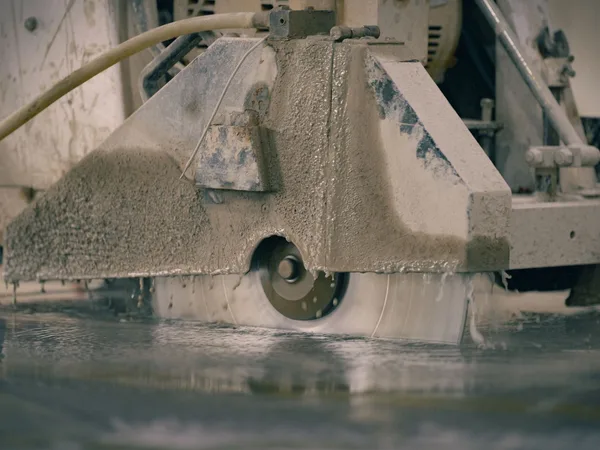
Coarse grinding to take out the scratches
Desert dust is extracted deeply first, then any mineral deposits are treated with light acidic solution.
-
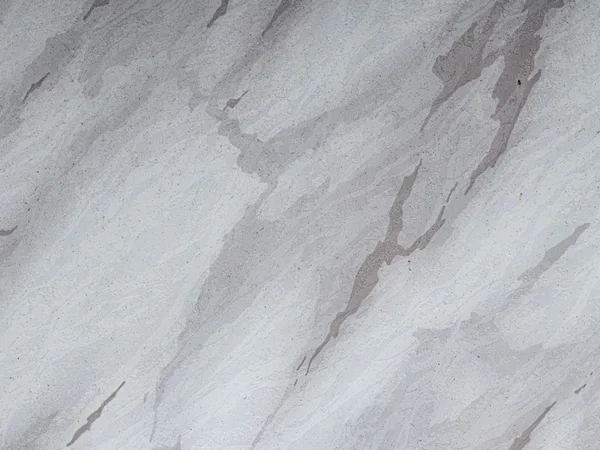
Stepped through to the fine pads
Flats near the wadi and vegetation need extra protective coatings after polishing.
-
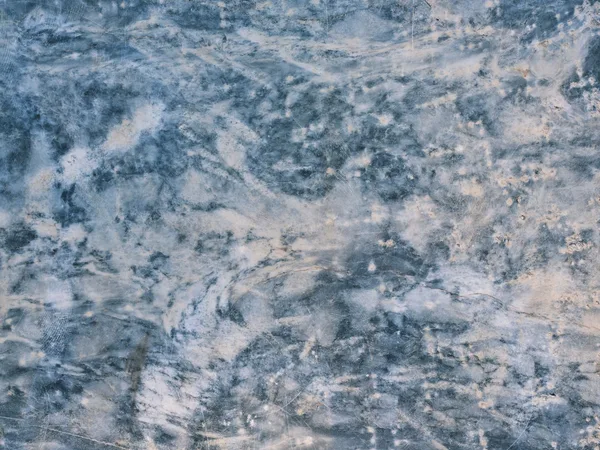
Crystallisation for a hard surface
Hotel maintenance schedules are more frequent than apartments due to heavy daily traffic.
-
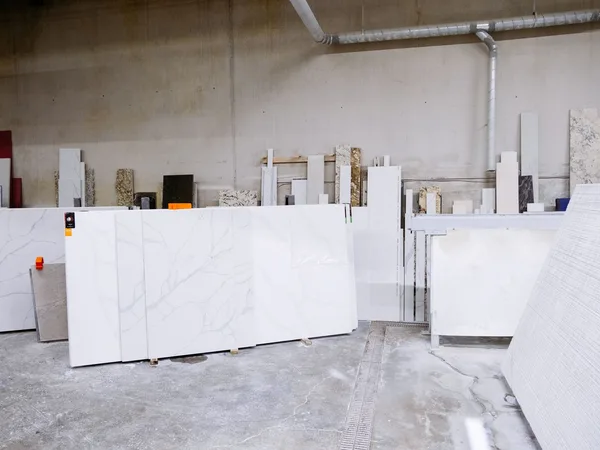
Edges and skirtings
Old market floors are checked for cracks before grinding, and may need a gentler method.
-
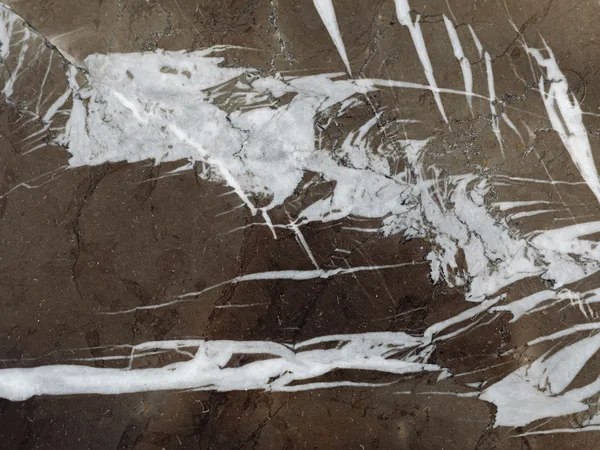
A final seal on the pores
After polishing, floors are left to dry fully, and we recommend avoiding heavy wet cleaning for one week.
Najran on the map
Najran sits about 318.5 km from Sharurah.
Open in Google MapsHow we work
Survey the floor
Prepare the space
Grind and crystallise
Clean up and hand over
Some of our work
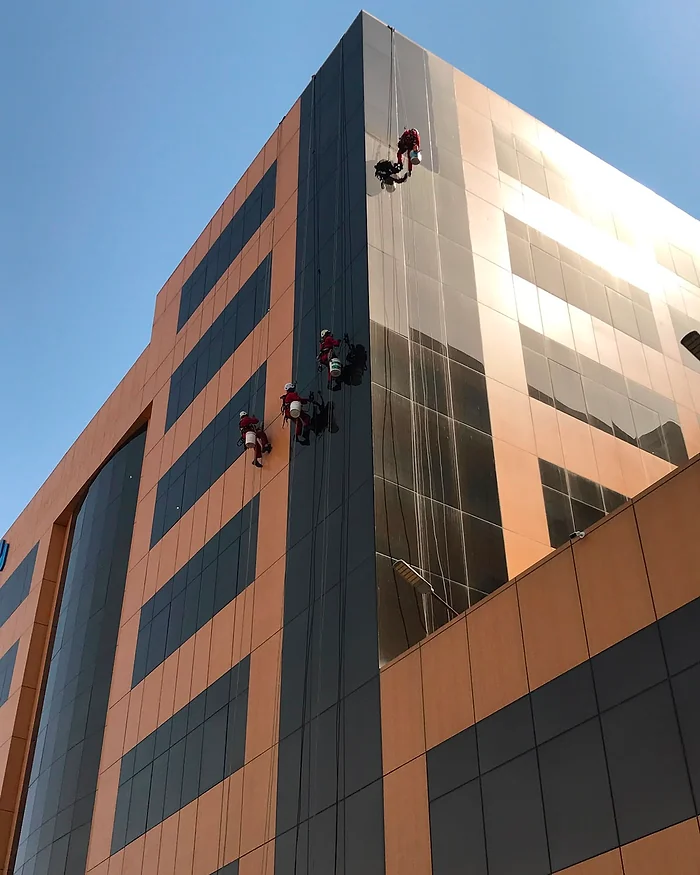
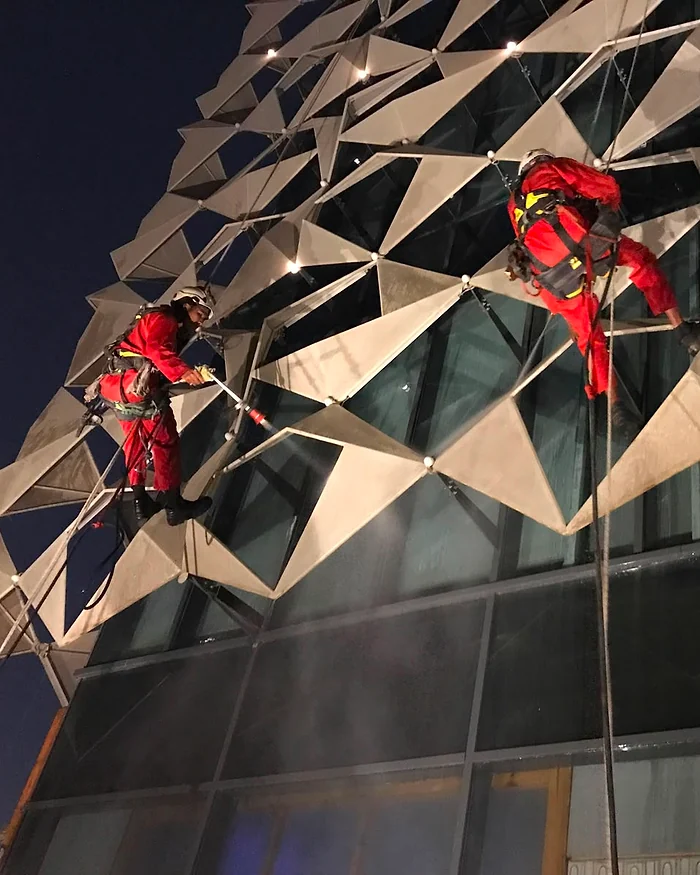
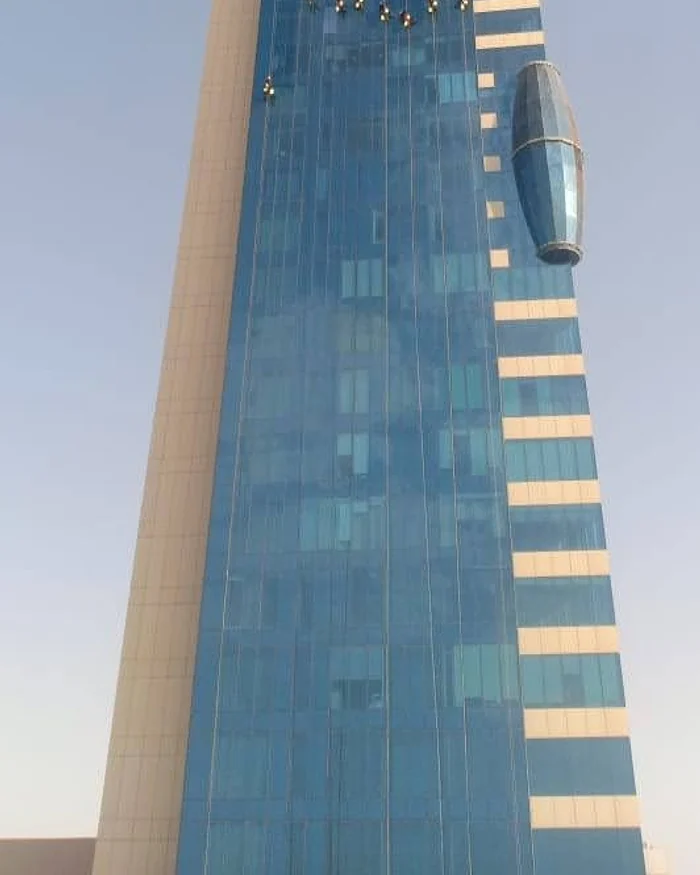
Photos from our team's work.


Landmarks of Najran
Work teams in Najran move between hotel and apartment appointments near Al Ukhdood Archaeological Site, Najran Dam and Al Junabi Market, so scheduling covers central modern buildings without delay across the province.
- Al Ukhdood Archaeological Site
- Najran Dam
- Najran University
- Al Junabi Market
- Prince Sultan Wildlife Reserve
Other services in Najran
The room and the building around it are on one list.