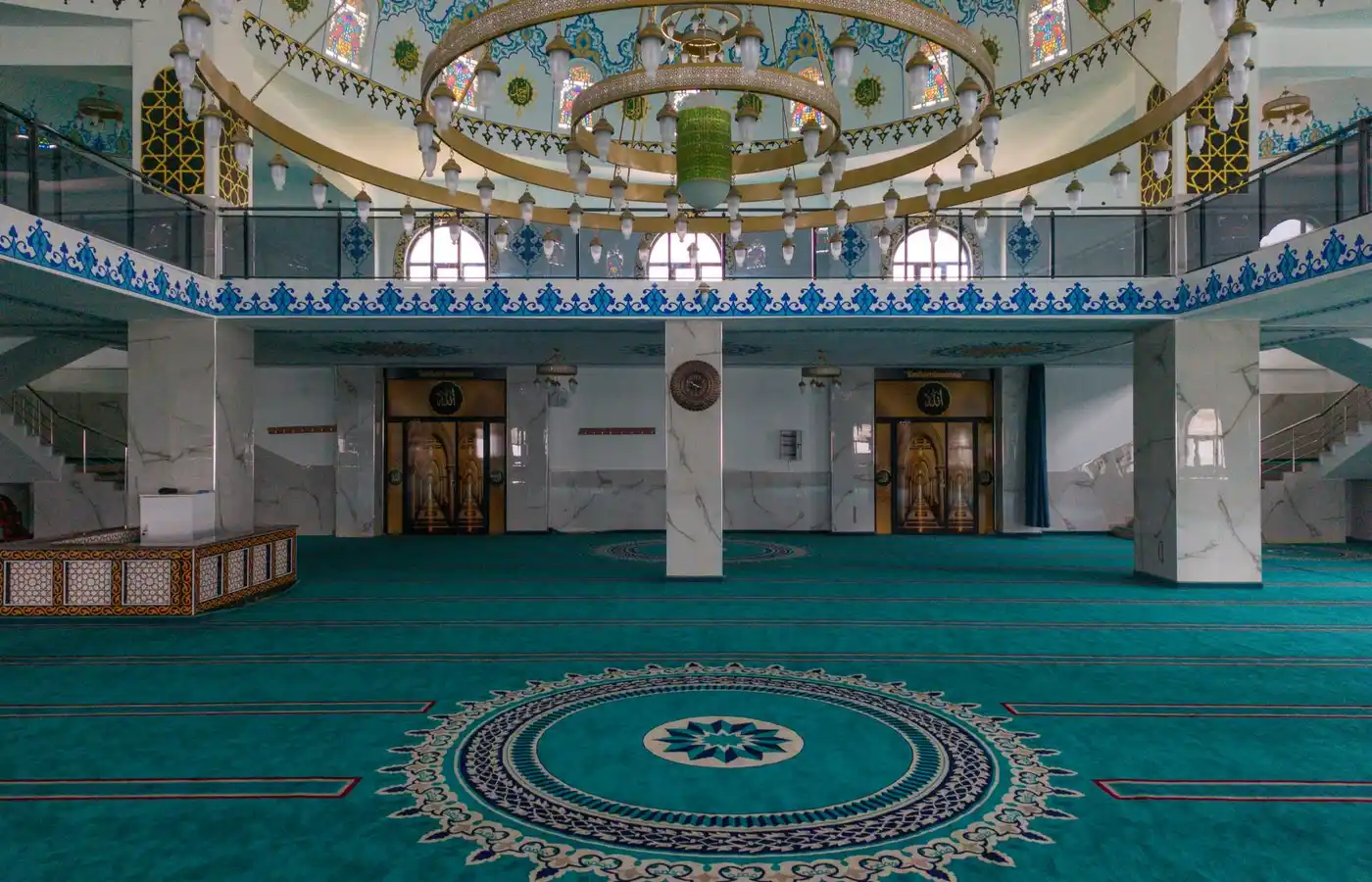
Raghwat Al Janoub Maintenance and Cleaning
Mosque cleaning in Al Amajiyah, Riyadh
Al Amajiyah is a rural district in south Riyadh stretching along old and new Kharj roads surrounded by large farms, agricultural plots and Al Yamamah Lake chalets. Its mosques serve scattered farm settlements and small villages, and their floors face seasonal moisture, heavy earth dust and the stains that come with rural life and seasonal farming cycles.
Why a mosque needs specialist cleaning
-

Cleaned without closing the mosque
We work in the gaps between prayers and split the floor into sections, so worshippers always find a part open and no wet ground at the time of the obligatory prayer.
-

Odour that does not return
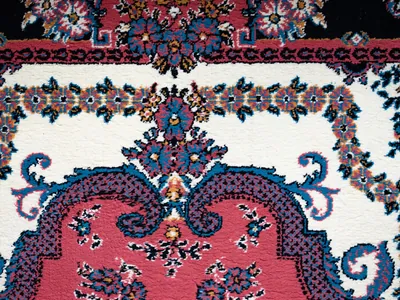
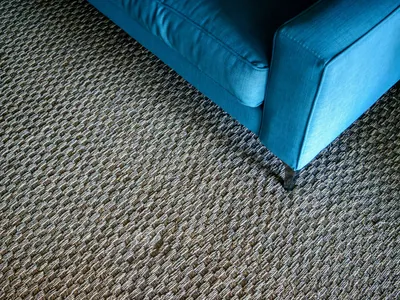
A deep wash matched to the carpet pulls sweat and grime out of its padding, not just off the surface.
-

Marble polished, not coated
Marble floors are ground back with progressively finer diamond pads and then crystallised, so the shine comes from the stone itself.
-
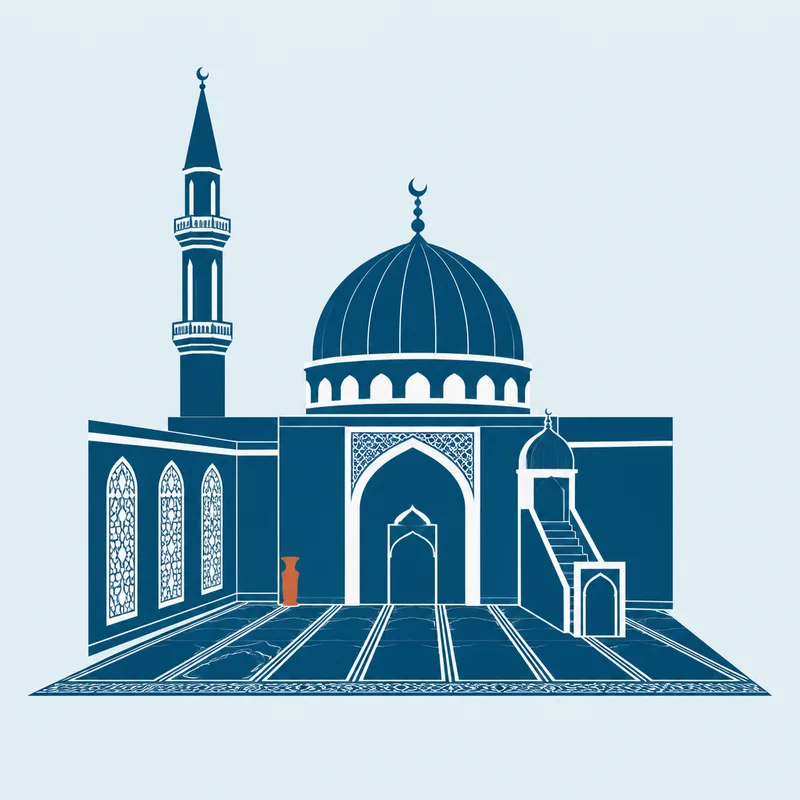
Cleaner air, safer floors
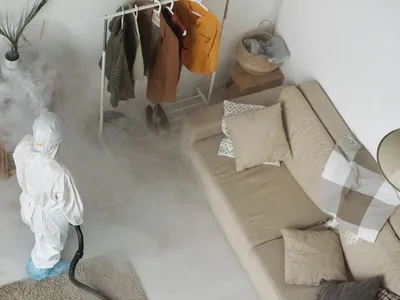
Ablution areas hold water and scale, and split AC units store dust in their filters and blow it back over the congregation.
Why the job is different in Al Amajiyah
In Al Amajiyah's mosques we find heavy red earth settling during harvest season, high moisture in carpets during seasonal irrigation cycles, and persistent farm-boot soiling year-round. The whole method is set out in our full account of mosque cleaning.
-
Large farms bring heavy red earth
Al Amajiyah is surrounded by vast farmland and agricultural plots, so workers and residents enter the mosque straight from fields with boots caked in heavy red clay, especially during harvest. This clay leaves deep marks in the carpet and resists surface cleaning alone.
-
Seasonal moisture from irrigation and flooding
Seasonal irrigation and periodic flooding increase ground and air moisture at certain times of year, so carpets absorb that damp and become breeding grounds for mould and odour if not dried promptly and carefully.
-
Few services and the mosque as a social hub
The scarcity of public facilities in Al Amajiyah makes the mosque a main gathering point for scattered residents, so it sees all-day use by varying numbers of worshippers, which puts heavy sustained pressure on floors and carpets.
What's Included
Al Amajiyah sits along old and new Kharj roads far from central Riyadh, and the lack of basic services means mosques are main gathering points for residents scattered across farms, so agricultural soil and field dust flow in more readily.
-
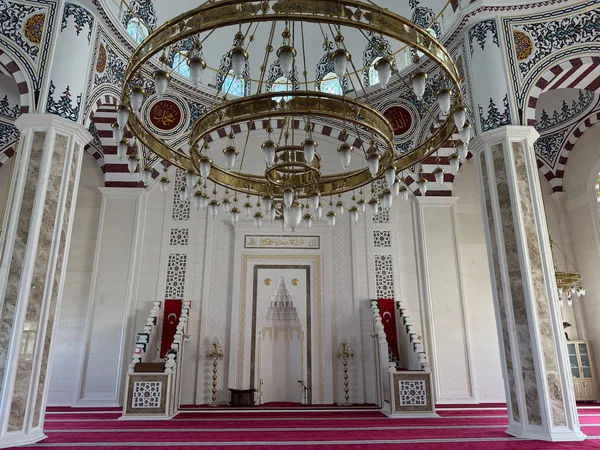
Prayer carpet, in place
Heavy red earth from farms must dry first before vacuuming to avoid driving it deeper into the pile.
-
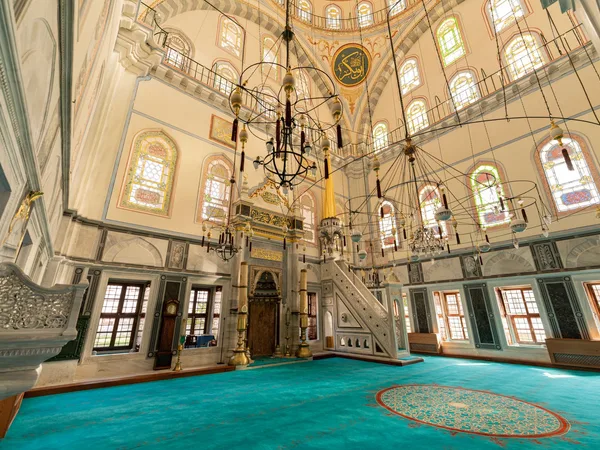
Ablution areas and drainage
Entry zones and main hallways get extra attention since farm boots leave concentrated marks there.
-
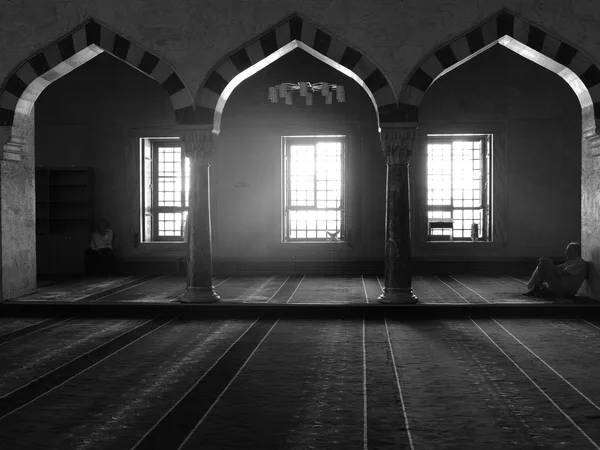
Marble flooring
Antifungal treatment is applied in every clean cycle during seasonal irrigation and flooding periods.
-
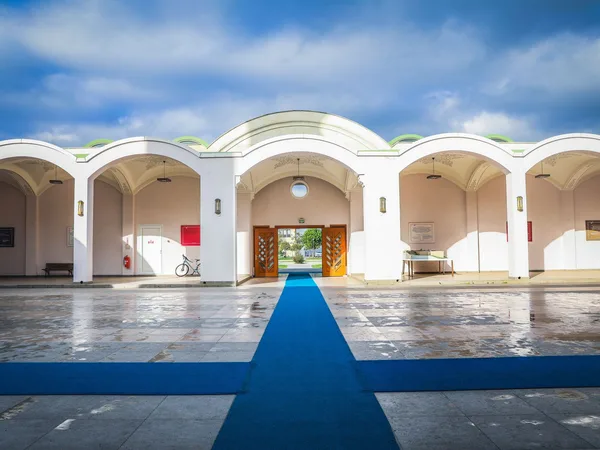
Shoe racks and entrances
Windows and walls carrying heavy farm dust need separate washing from the mosque floor itself.
-
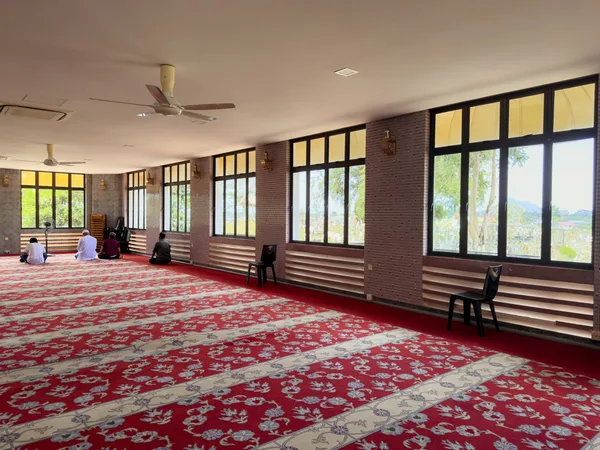
Fans and lighting
Strong drying after washing is essential to prevent moisture buildup and mould in the rural setting.
-
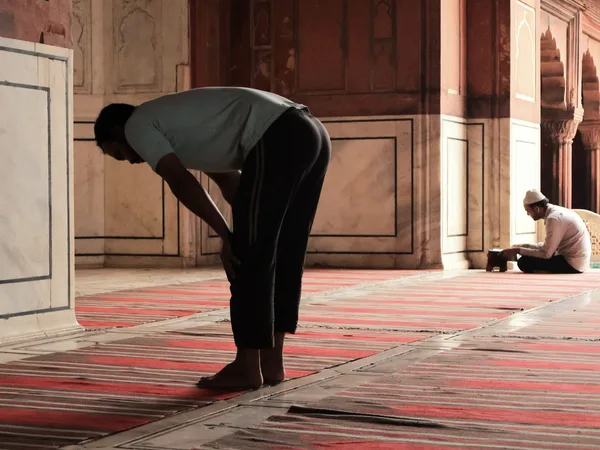
Work scheduled between prayers
Odours from damp require deep sanitising treatment, not just surface airing alone.
The character of Al Amajiyah
Rural area: farms, open ground and scattered homes
Al Amajiyah is a rural, service-sparse district of farms, fields and lake chalets, so its mosques reflect this rural character and serve residents from an agricultural rather than urban setting.
How we work
Visit and survey
Schedule between prayers
Clean in order
Dry and hand over
Some of our work
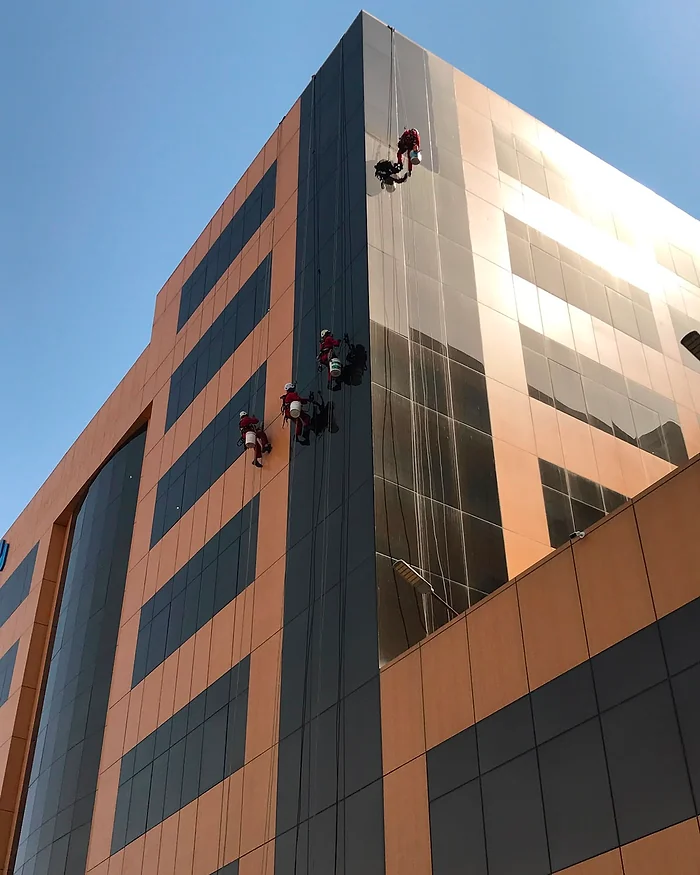
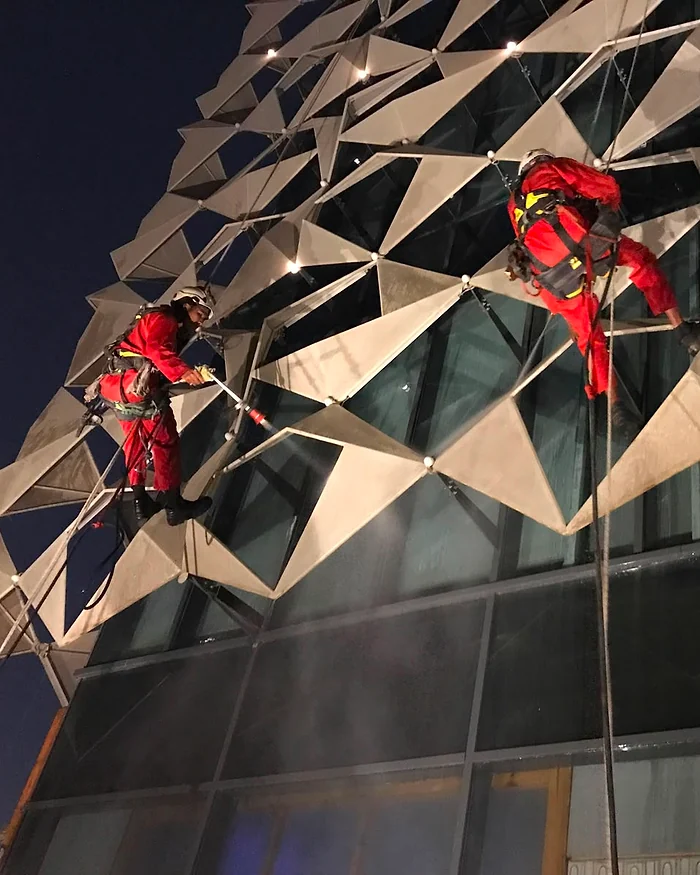
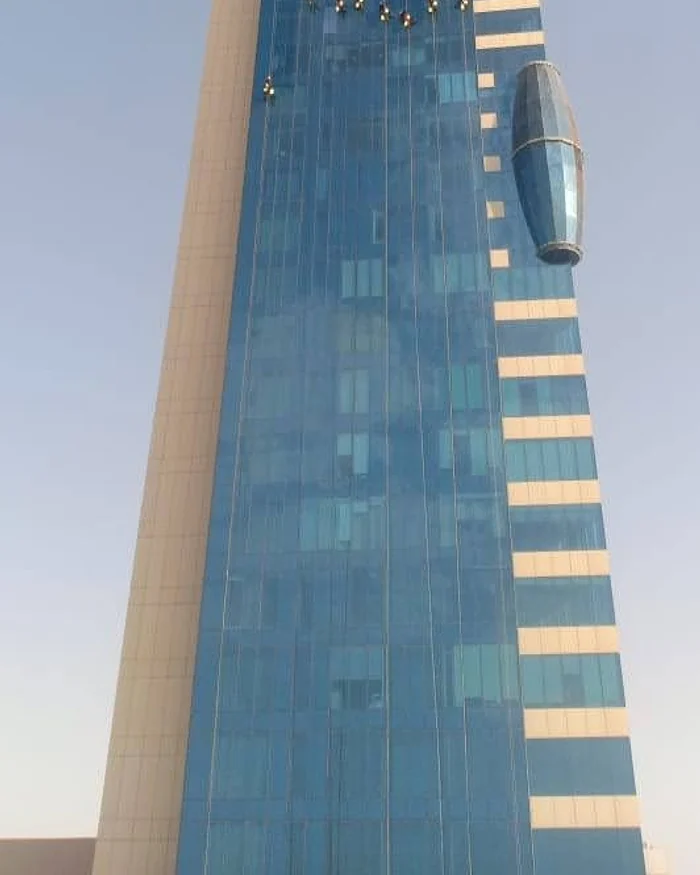
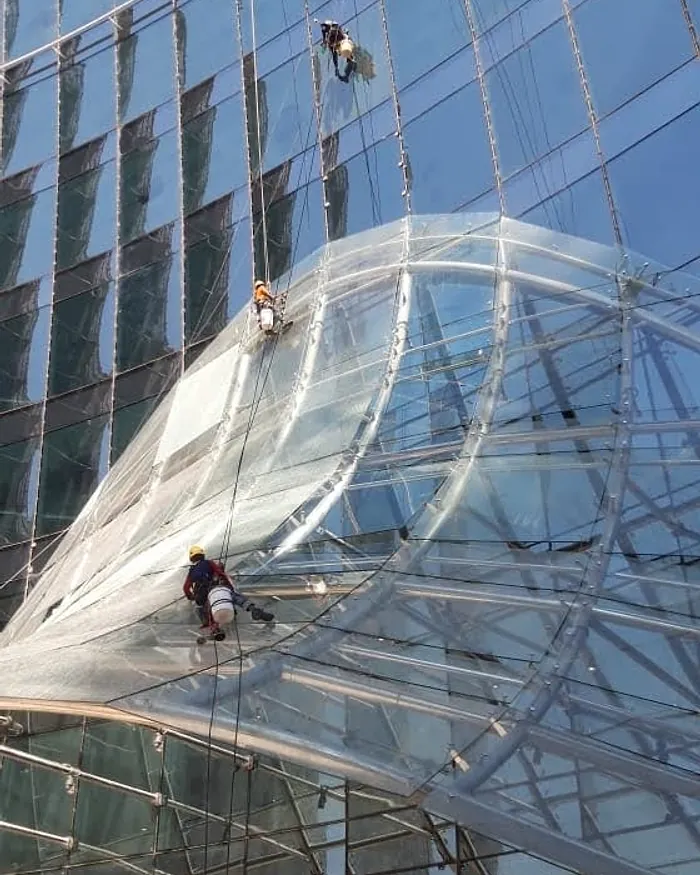
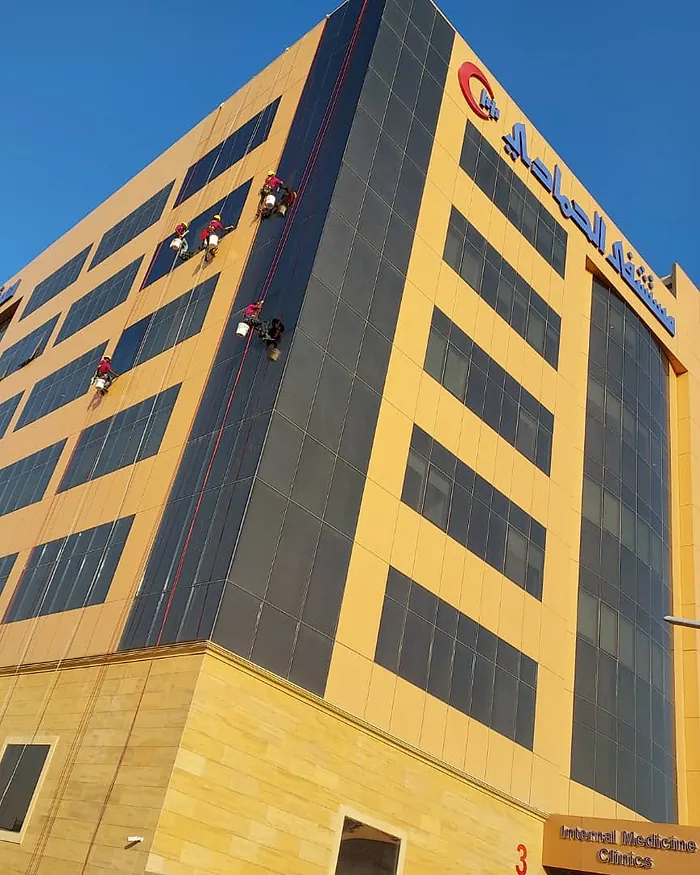
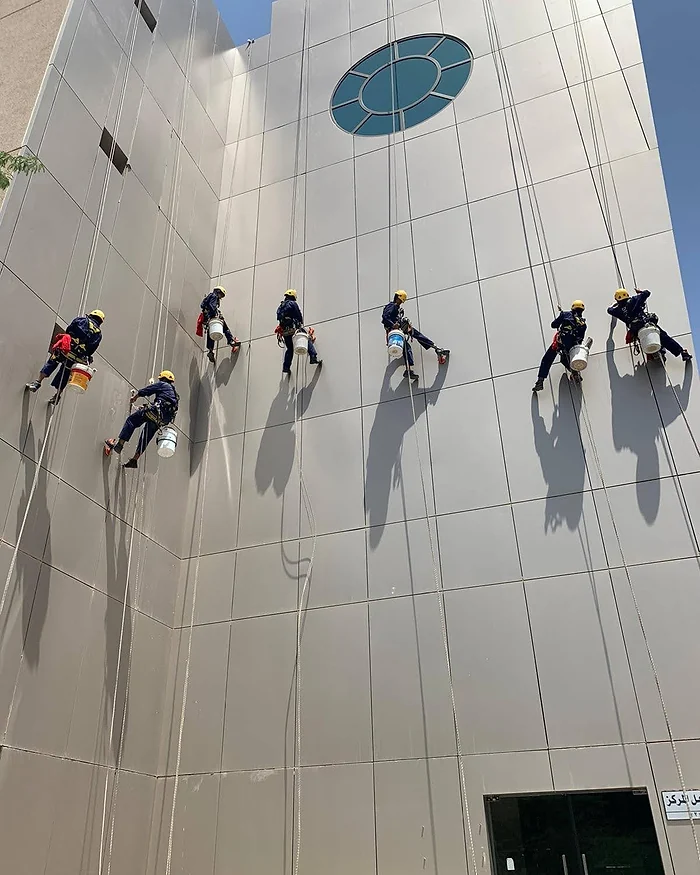
Photos from our team's work.
Landmarks of Al Amajiyah
Scheduling in Al Amajiyah is arranged around Al Yamamah Lake and Watani Steel, so crews reach chalets and farms near the lake, then move to mosques in other parts of the district without overlap or delay between visits.
- Old Kharj Road
- New Kharj Road
- Al Yamamah Lake chalets
- Watani Steel plant
Other services in Al Amajiyah
The room and the building around it are on one list.