Raghwat Al Janoub Maintenance and Cleaning
Mosque cleaning in Al Nasriyah, Riyadh
Al Nasriyah is a mixed district in west-central Riyadh combining villas, apartments and shops near official government buildings, so its mosques serve a diverse congregation of residents and official visitors. The range of worshippers and visiting patterns means cleaning and maintenance must fit around prayer times and peak use periods, especially during congregational prayers.
Why a mosque needs specialist cleaning
-
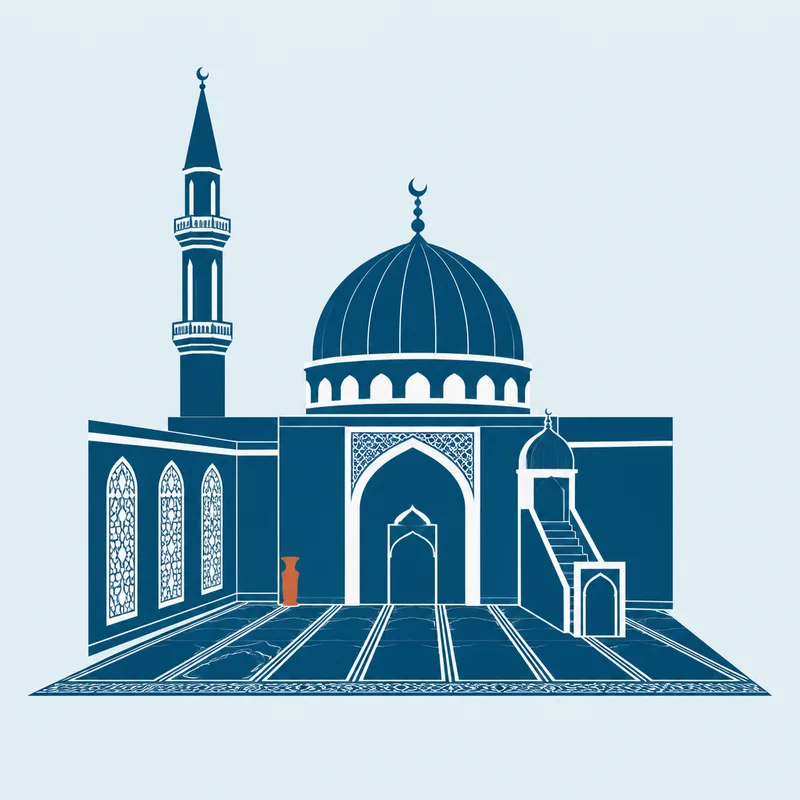
Cleaned without closing the mosque
We work in the gaps between prayers and split the floor into sections, so worshippers always find a part open and no wet ground at the time of the obligatory prayer.
-
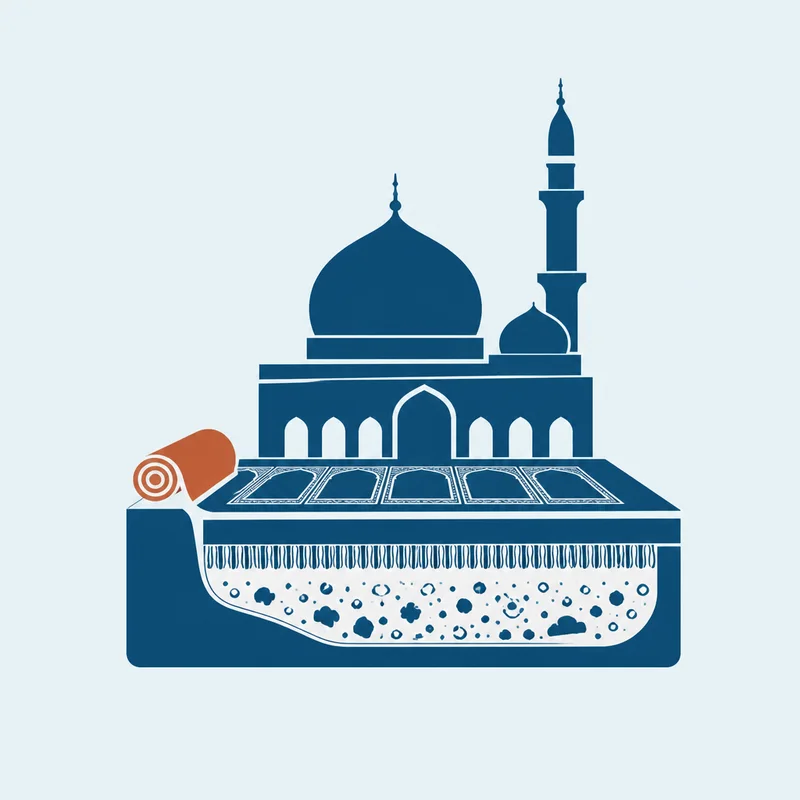
Odour that does not return
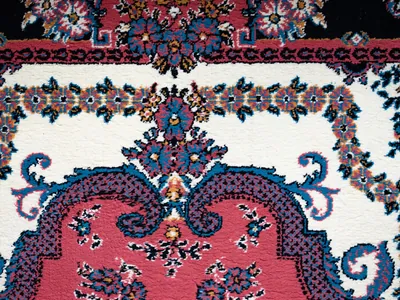
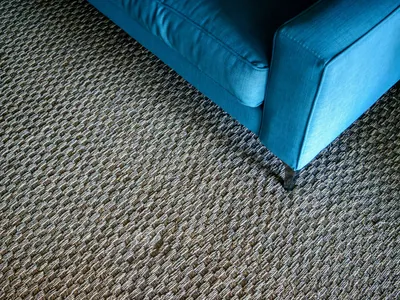
A deep wash matched to the carpet pulls sweat and grime out of its padding, not just off the surface.
-

Marble polished, not coated
Marble floors are ground back with progressively finer diamond pads and then crystallised, so the shine comes from the stone itself.
-
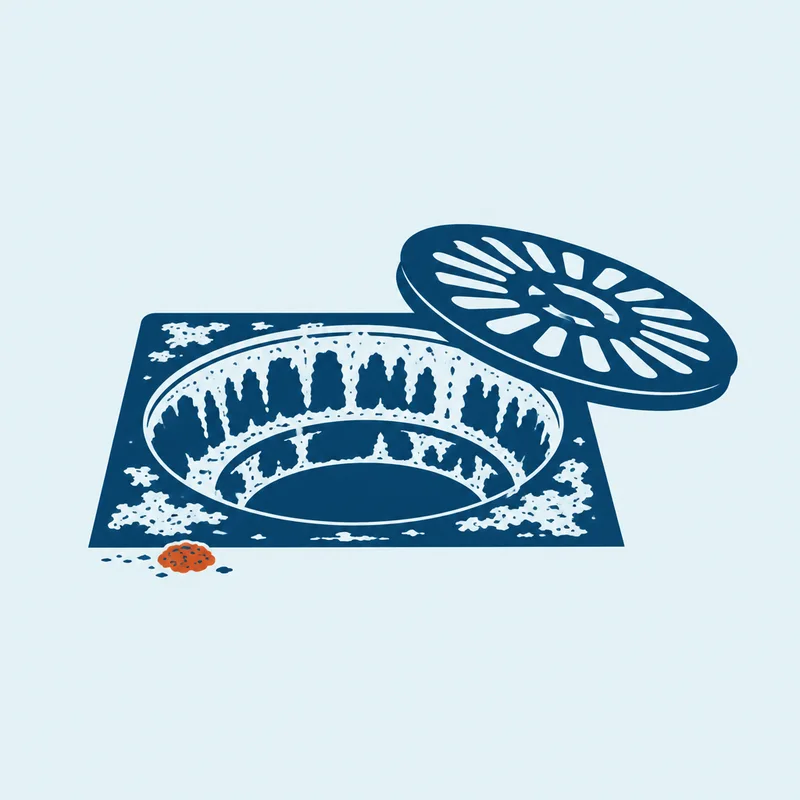
Cleaner air, safer floors
Ablution areas hold water and scale, and split AC units store dust in their filters and blow it back over the congregation.
Why the job is different in Al Nasriyah
Mosques in Al Nasriyah see variable worship numbers tied to official government hours, with heavy floor and carpet use during the five daily prayers. The whole method is set out in our notes on mosque cleaning.
-
Mosques near government offices
Mosques in Al Nasriyah close to the Ministry of Foreign Affairs and Royal Guard headquarters receive official visitors and staff alongside local residents, so they see particular crowding during the obligatory prayers, especially at noon and afternoon.
-
Carpets and floors under heavy use pressure
The constant movement of worshippers through the prayer hall, hallways and annexes deposits dust and dirt on carpets and floors faster than it would in a quieter residential neighbourhood, building up between cleaning sessions.
-
Location on main roads and near shops
The mosque's position on King Saud and Al Takhassusi Streets near commercial shops means traffic dust and street dirt enter the prayer space with every worshipper passing through the doors during daytime hours.
What's Included
Al Nasriyah sits between King Saud Road and Al Takhassusi Street near the Ministry of Foreign Affairs and the Royal Guard, and this proximity to official headquarters raises congregational numbers at noon and afternoon prayers.
-
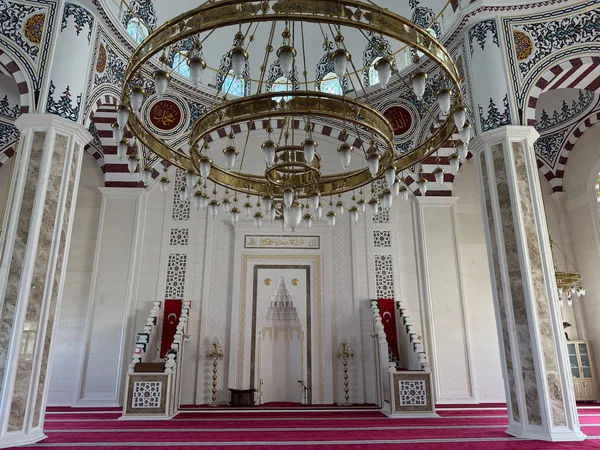
Prayer carpet, in place
Al Nasriyah mosques are checked in early morning before government offices nearby open, so cleaning focuses on areas that will receive the most worshippers.
-
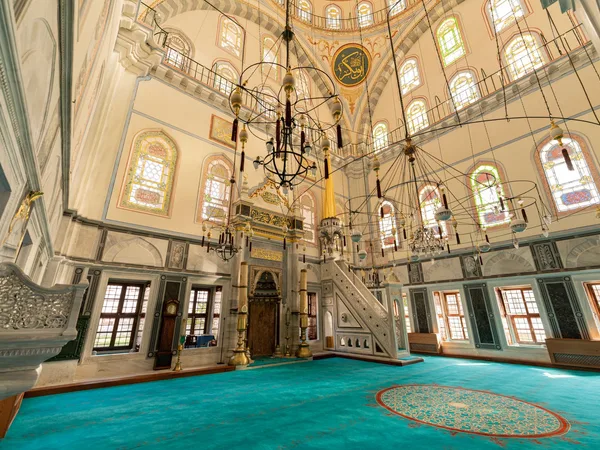
Ablution areas and drainage
Carpets in the courtyard and main prayer halls are dry-vacuumed first, then washed as one piece without separating sections of the mat.
-
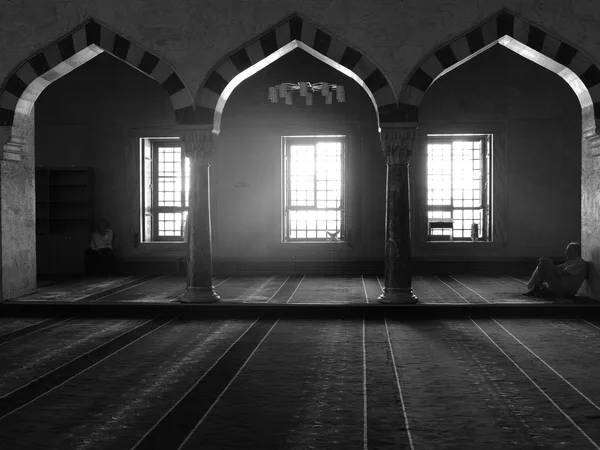
Marble flooring
Hard floors and hallways between rooms are wiped with controlled moisture, ensuring they are completely dry before work ends.
-
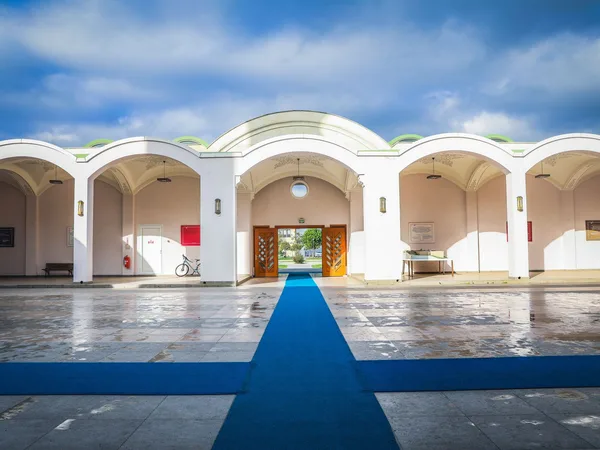
Shoe racks and entrances
Residue and dust from the main roads are carefully removed from around the entrances so fresh dirt does not follow in with new arrivals.
-
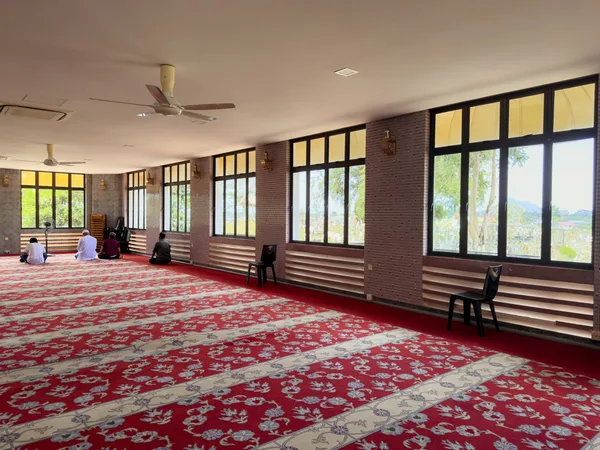
Fans and lighting
Corners of prayer halls and wall zones where worshippers sit are cleaned in detail to remove dust settled in gaps and crevices.
-
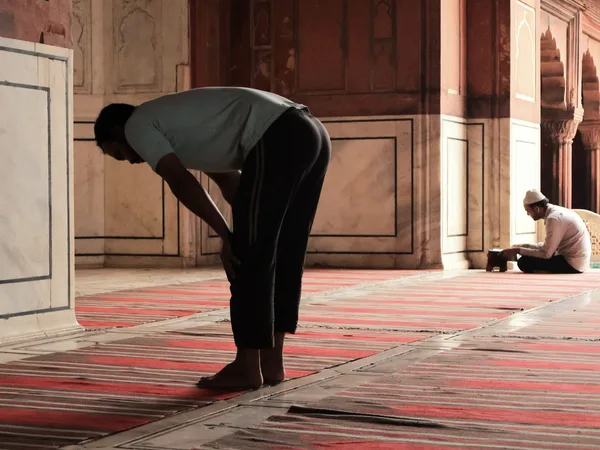
Work scheduled between prayers
Once cleaning is finished, the mosque is left to air dry with windows open to ensure complete dryness before the next prayer congregation arrives.
The character of Al Nasriyah
Mixed district: shops at street level with homes above them
Al Nasriyah is a mixed district with upscale villas, residential apartments and shops, so its mosques serve congregations from different backgrounds and neighbourhoods, some located near shop entrances or within residential complexes.
How we work
Visit and survey
Schedule between prayers
Clean in order
Dry and hand over
Some of our work
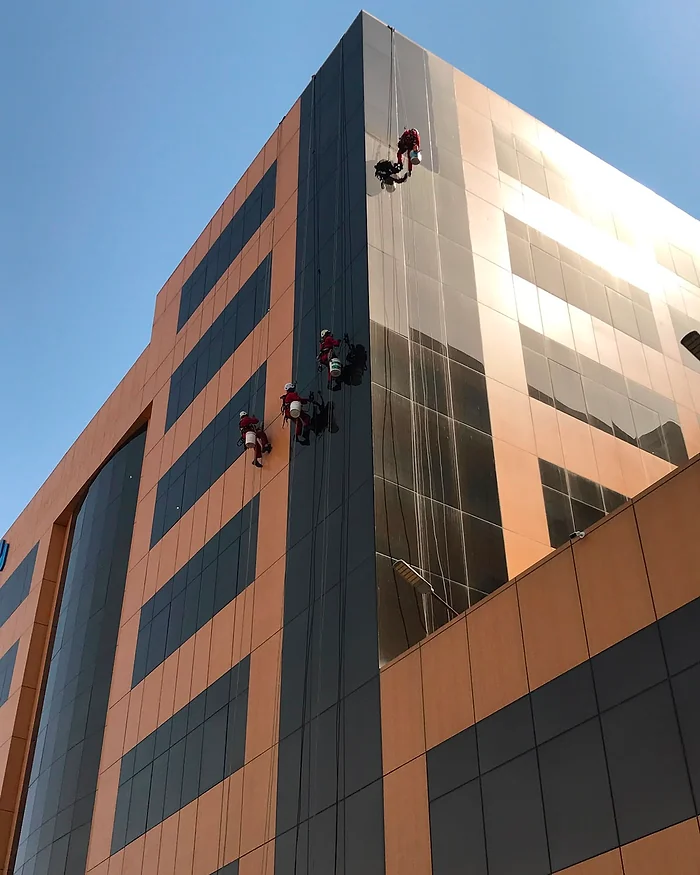
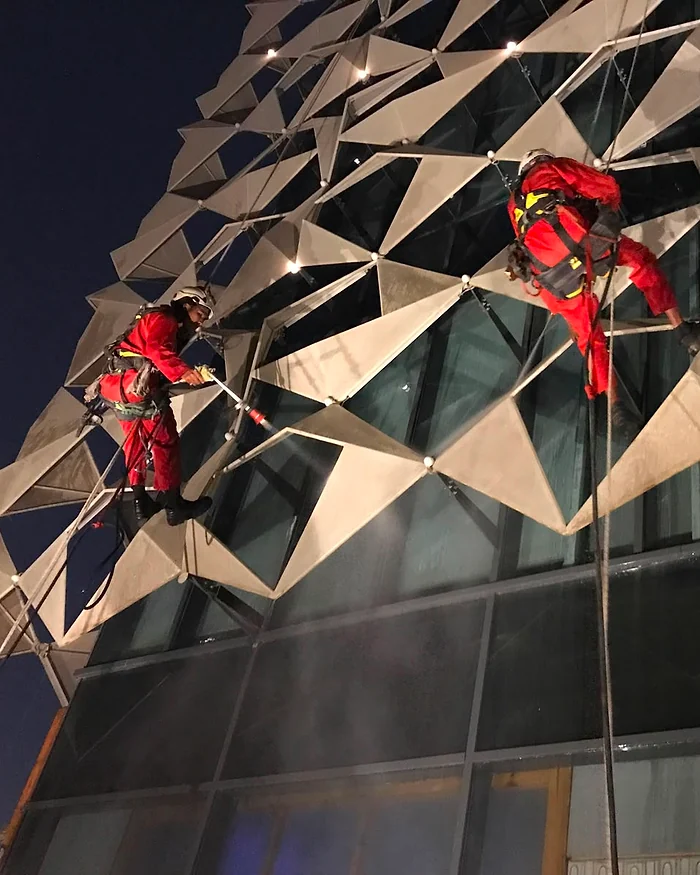
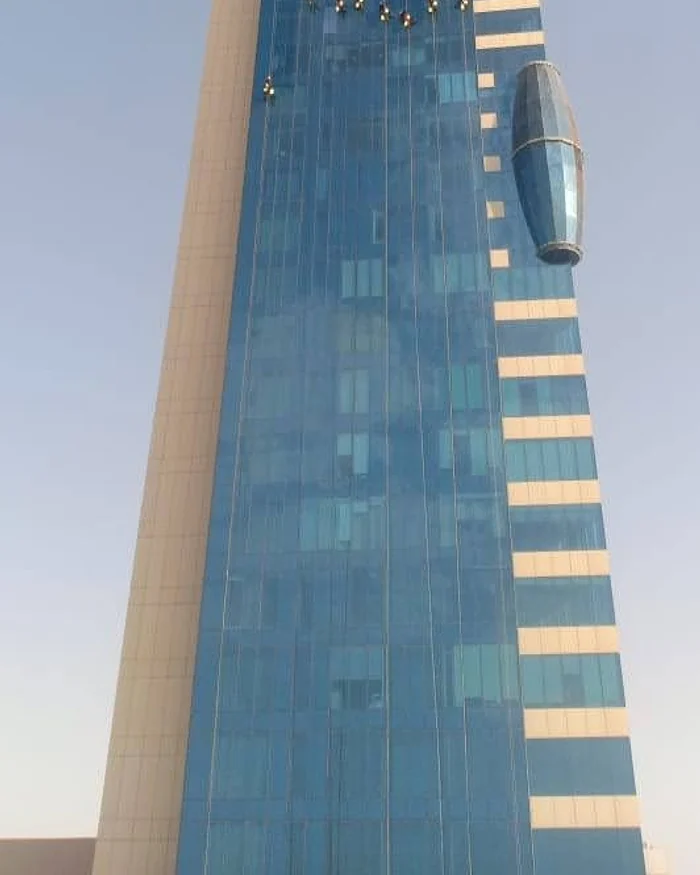
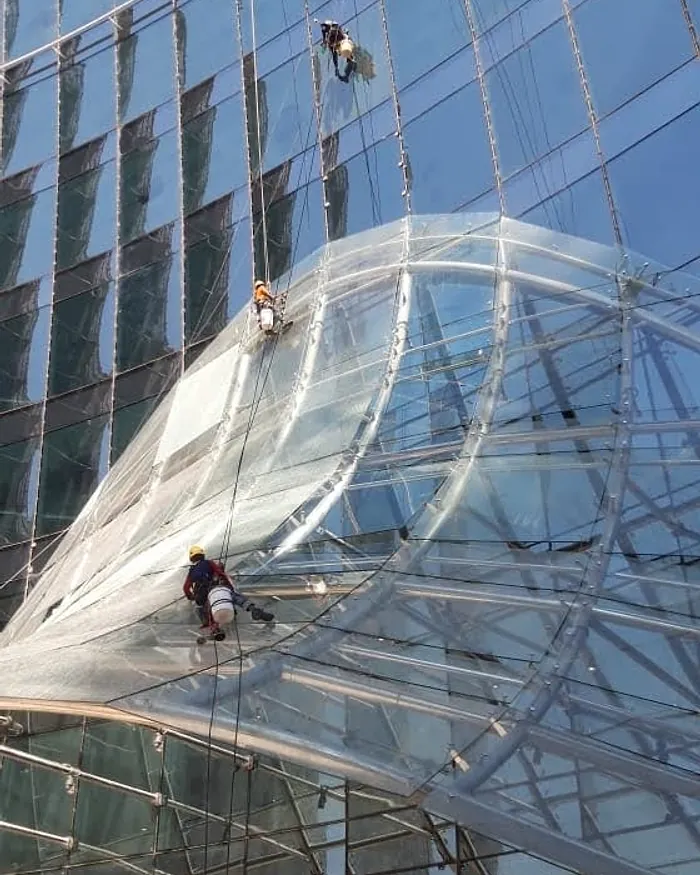
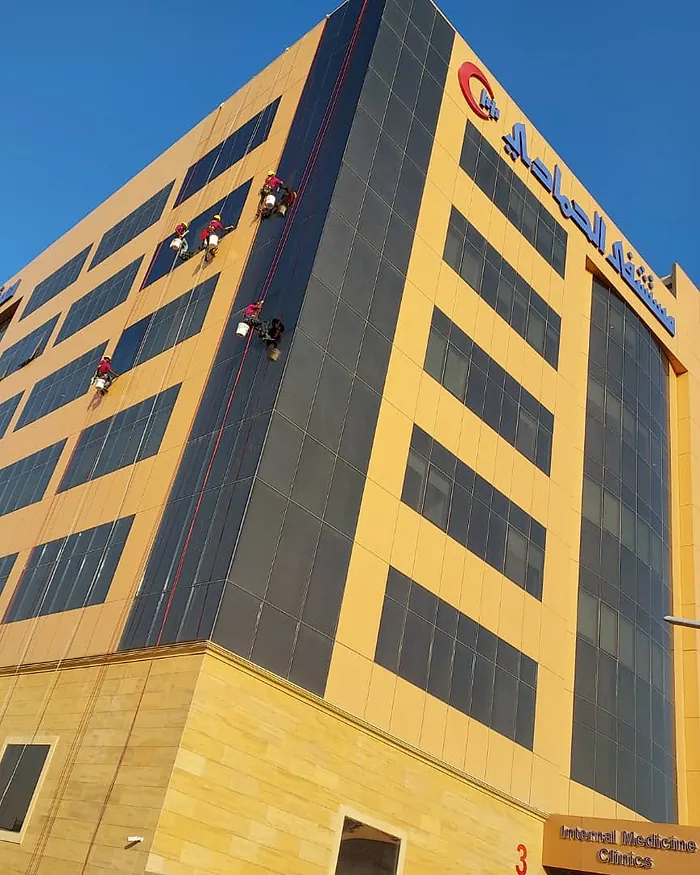
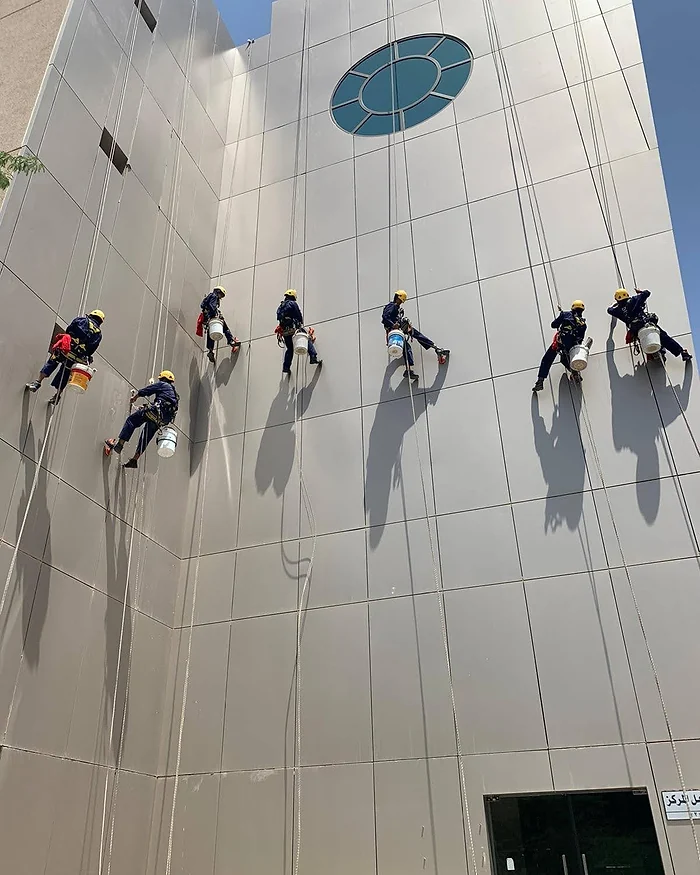
Photos from our team's work.
What is different about Central Riyadh
Central Riyadh is the oldest and busiest part of the city. Olaya and Sulaimaniyah carry the office towers along King Fahd Road and Tahlia Street, including Kingdom Centre and Al Faisaliah, while Al Malaz, Al Murabba, Al Batha and Al Dirah are older apartment blocks with shops on the ground floor, the Masmak quarter and the markets around Qasr Al Hukm. Heavy traffic on the main roads coats glass and shopfronts in a grey exhaust film, older stairwells and tiled corridors show worn grout and scale from the hard water, and the commercial buildings never stop taking footfall.
Other services in Al Nasriyah
The room and the building around it are on one list.