Raghwat Al Janoub Maintenance and Cleaning
Mosque cleaning in Hijrat Wadi Laban, Riyadh
Hijrat Wadi Laban is a historic settlement on the western side of Wadi Laban at the city's edge, where mosques were built to serve the old community and follow no uniform design standard. This variety in layout and older construction means each mosque here needs a separate understanding of its structure and floor plan before cleaning can begin.
Why a mosque needs specialist cleaning
-
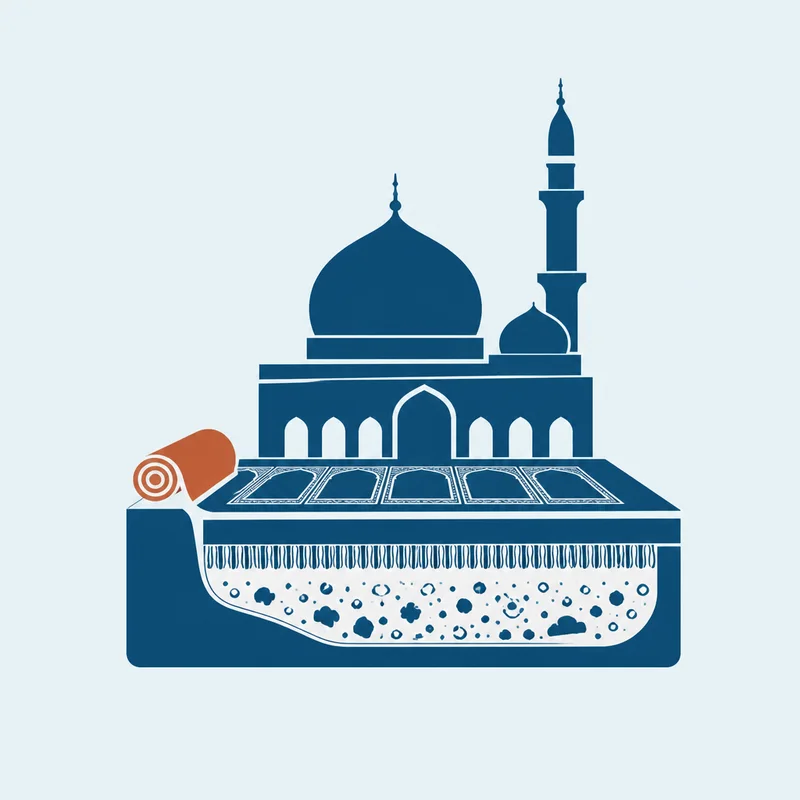
Cleaned without closing the mosque
We work in the gaps between prayers and split the floor into sections, so worshippers always find a part open and no wet ground at the time of the obligatory prayer.
-
Odour that does not return
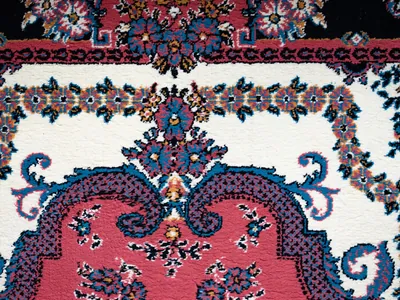
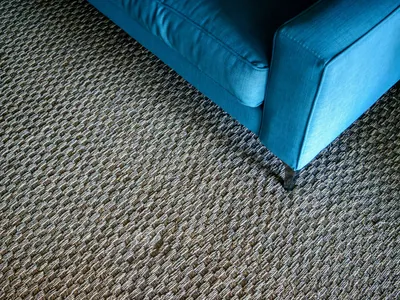
A deep wash matched to the carpet pulls sweat and grime out of its padding, not just off the surface.
-
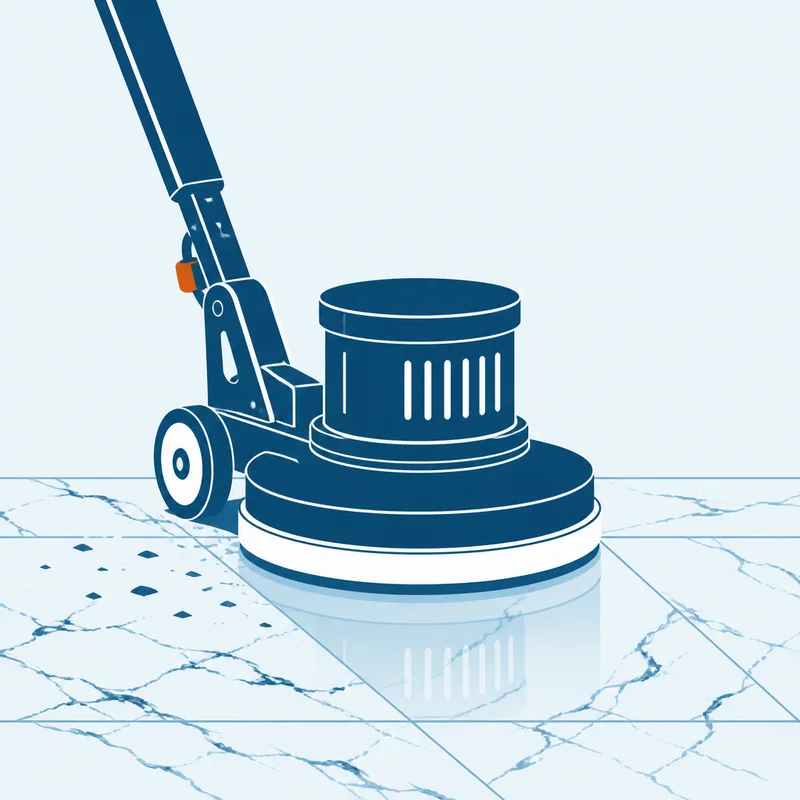
Marble polished, not coated
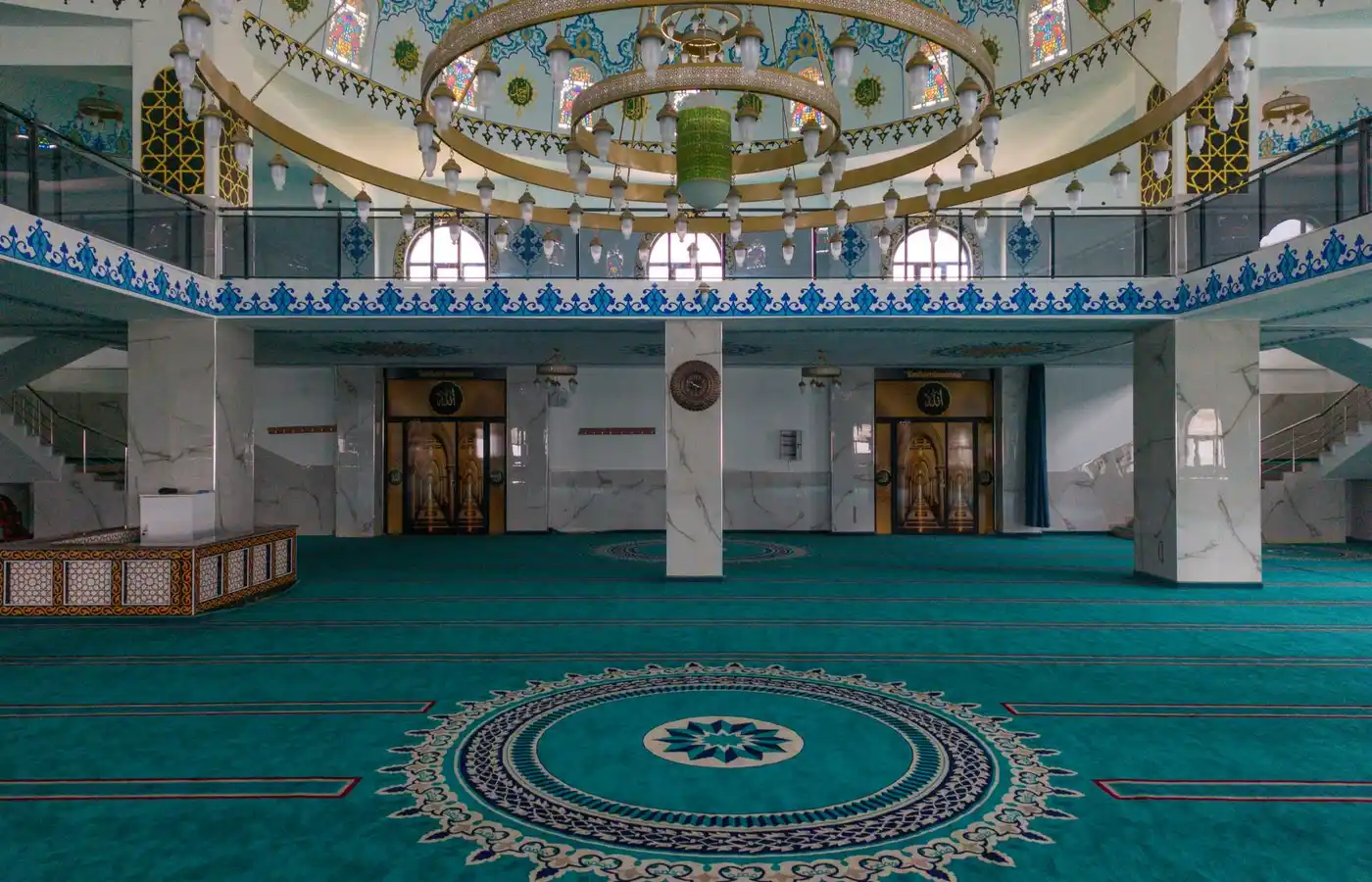
Marble floors are ground back with progressively finer diamond pads and then crystallised, so the shine comes from the stone itself.
-
Cleaner air, safer floors
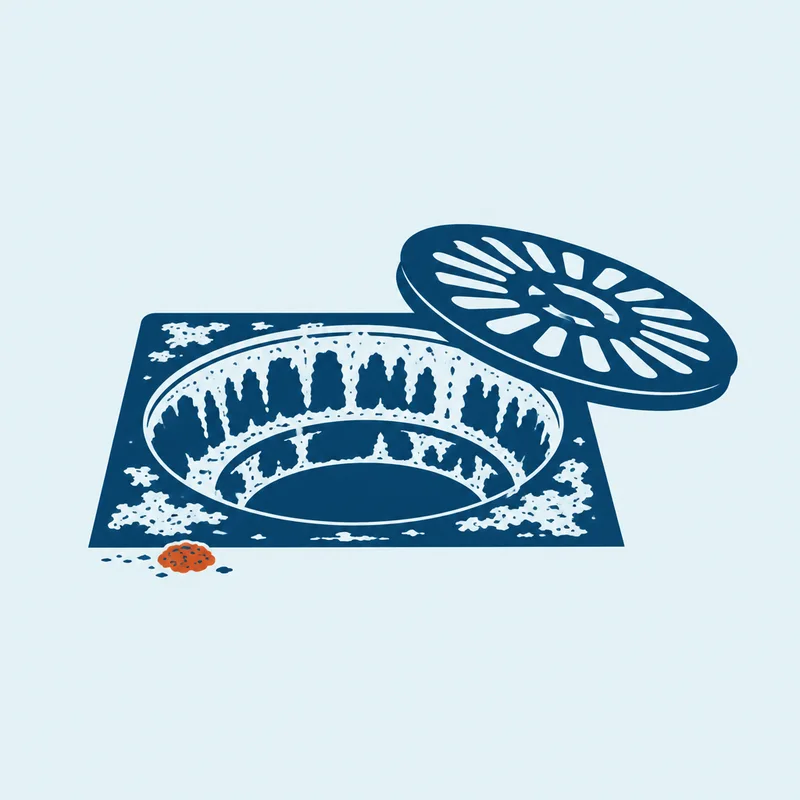
Ablution areas hold water and scale, and split AC units store dust in their filters and blow it back over the congregation.
Why the job is different in Hijrat Wadi Laban
Mosques in Hijrat Wadi Laban are older, smaller than modern facilities, and carry accumulated dust deep in foundations, cracks and corners due to direct wadi exposure. The whole method is set out in the details of our mosque cleaning service.
-
Older structures with cracks in walls and floors
Most mosques in the hijra were built decades ago, so cracks show in walls, surfaces and marble, and these fissures trap dust and moisture differently than modern new buildings do.
-
Wadi winds carry dust and fine sand directly
The settlement sits on Wadi Laban's bank, so winds from the wadi enter the prayer space easily and fine dust and sand settle into carpet and corners faster and deeper than in districts away from watercourses.
-
Small prayer spaces and old windows with limited ventilation
Mosques in the hijra are relatively small with older window frames, so natural airflow is limited and moisture can linger in corners and areas far from the main entrance.
What's Included
The settlement sits on Wadi Laban and is served by Wadi Laban Road and Najd Road, lying close to Jeddah Road metro station, and proximity to the wadi means direct exposure to winds carrying dust, sand and debris from nearby desert terrain.
-
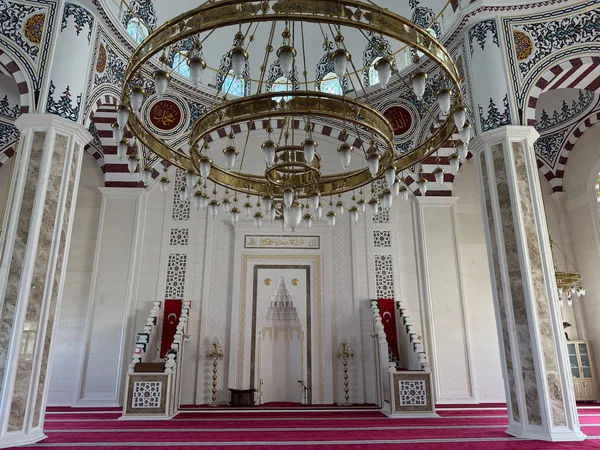
Prayer carpet, in place
Old hijra mosques need an initial inspection of cracks and gaps before cleaning to avoid worsening existing damage.
-
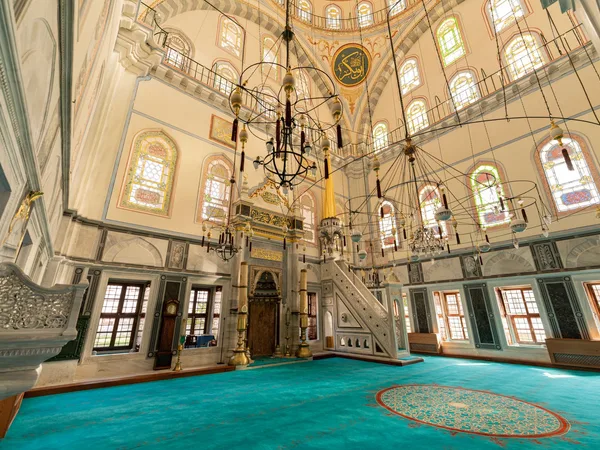
Ablution areas and drainage
Wadi dust and sand settle deeper in carpet and corners here than in other areas, so dry vacuuming takes longer.
-
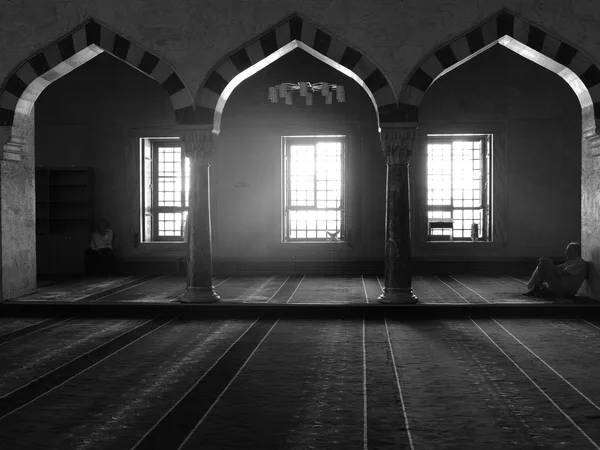
Marble flooring
Old marble and ceramic in courtyards need gentle handling to avoid surface damage and new cracks appearing.
-
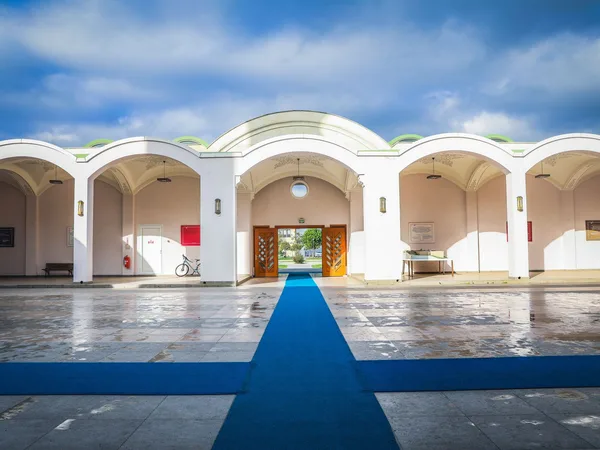
Shoe racks and entrances
Trapped moisture in corners and spaces under the mosque needs complete drying and good ventilation after cleaning.
-
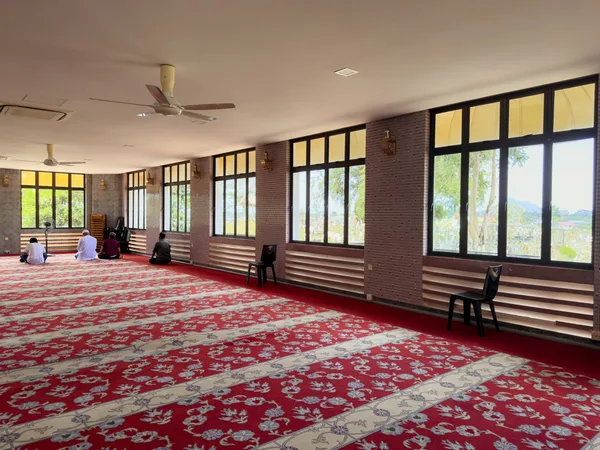
Fans and lighting
Worn older carpet needs less pressure than modern weave, so extraction machines are adjusted for each piece's condition.
-
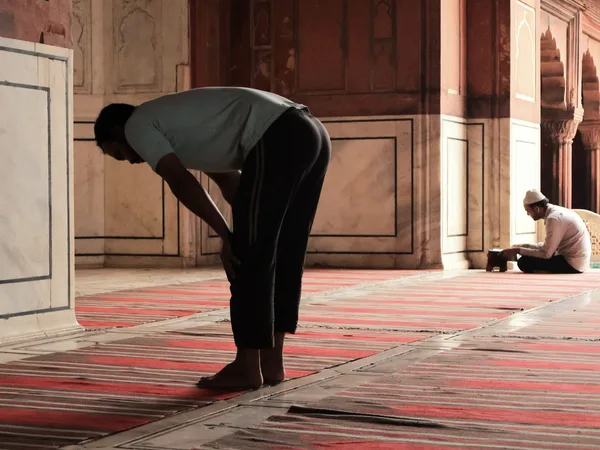
Work scheduled between prayers
When finished, we ensure doors and windows stay open to fully air the mosque before it returns to use.
Hijrat Wadi Laban on the map
Hijrat Wadi Laban sits about 3.5 km from Dhahrat Laban and about 4.5 km from Tuwaiq.
Open in Google MapsHow we work
Visit and survey
Schedule between prayers
Clean in order
Dry and hand over
Some of our work
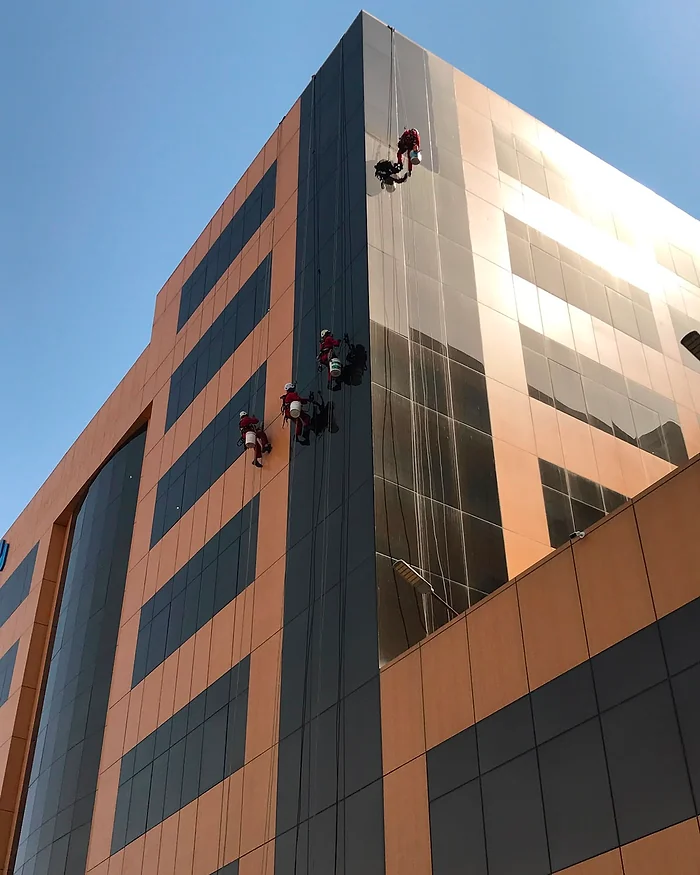
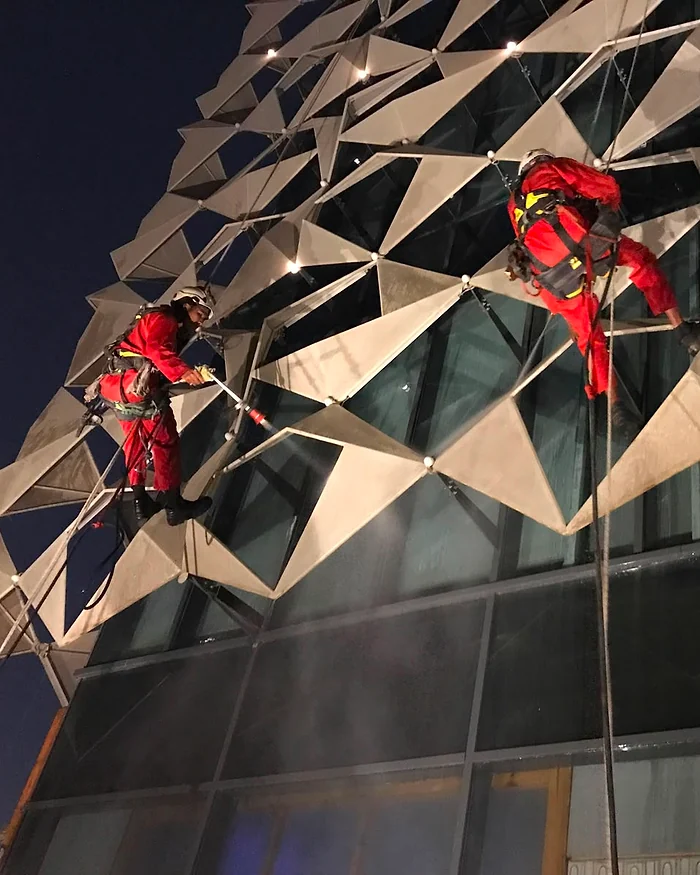
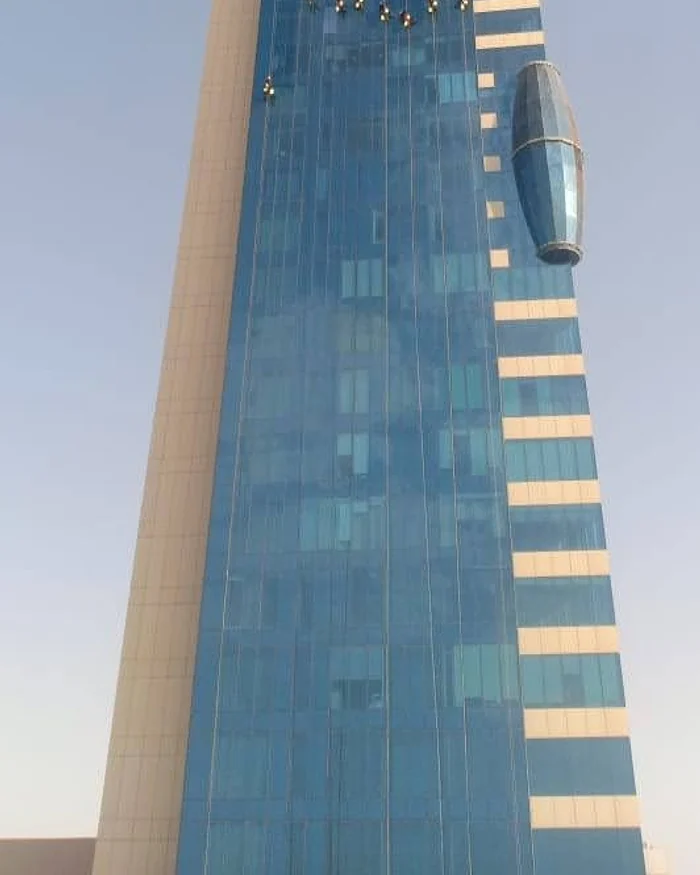
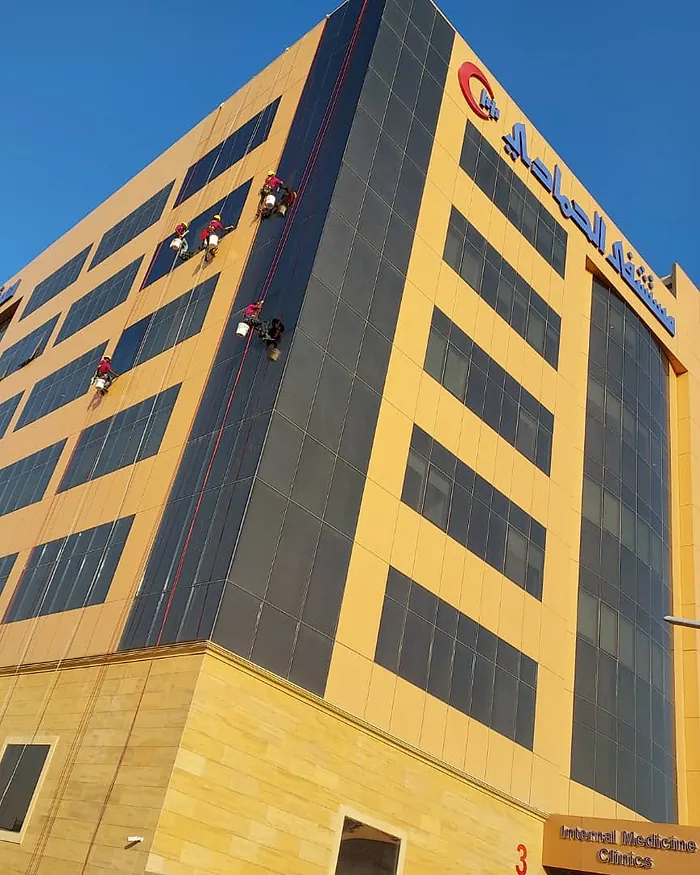
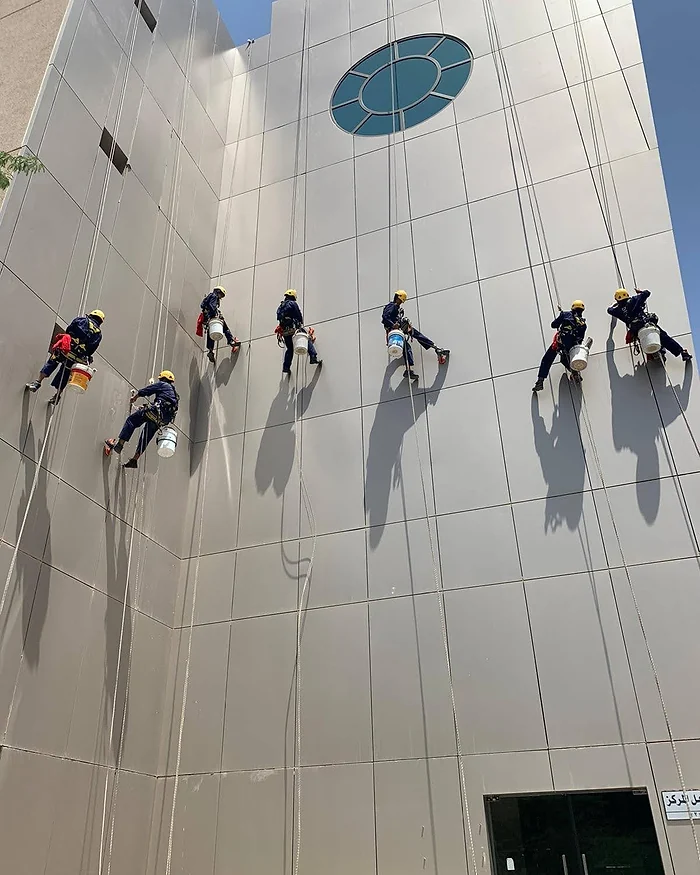
Photos from our team's work.

The character of Hijrat Wadi Laban
Historic district: close-set buildings, narrow lanes and ageing services
Hijrat Wadi Laban is a historic settlement of older, smaller mosques, each reflecting the original needs of its community rather than a uniform modern design standard.
Other services in Hijrat Wadi Laban
The room and the building around it are on one list.