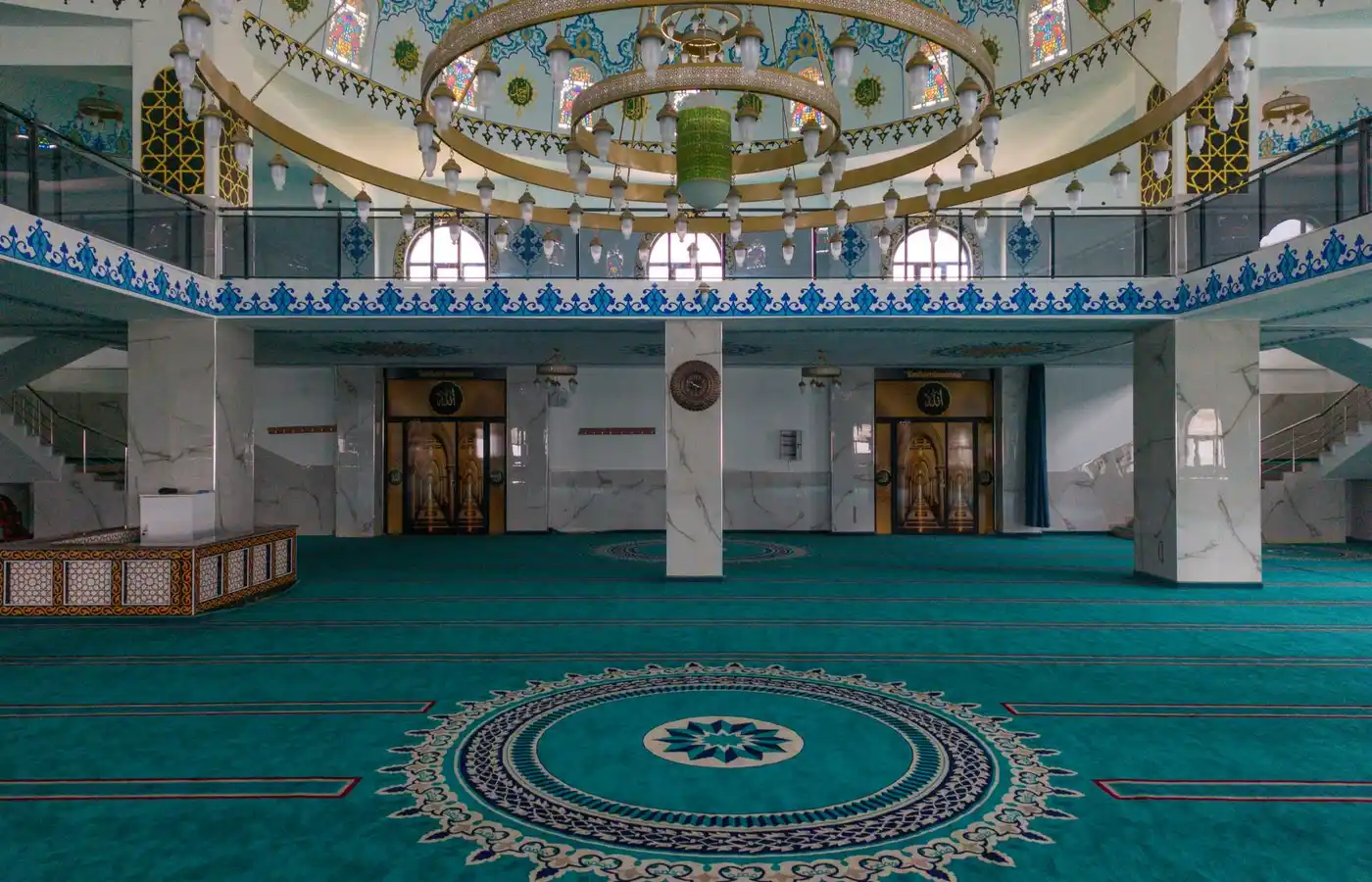
Raghwat Al Janoub Maintenance and Cleaning
Mosque cleaning in King Abdulaziz, Riyadh
King Abdulaziz is an older district that grew beside the former airport and now holds dense multi-storey apartment blocks near congested roads like Khurais, Al Ahsa and Al Nahda. Mosques here serve thousands of residents from tightly-packed flats, so they collect dust from heavy traffic and moisture seeping from closely-spaced units above and around them.
Why a mosque needs specialist cleaning
-
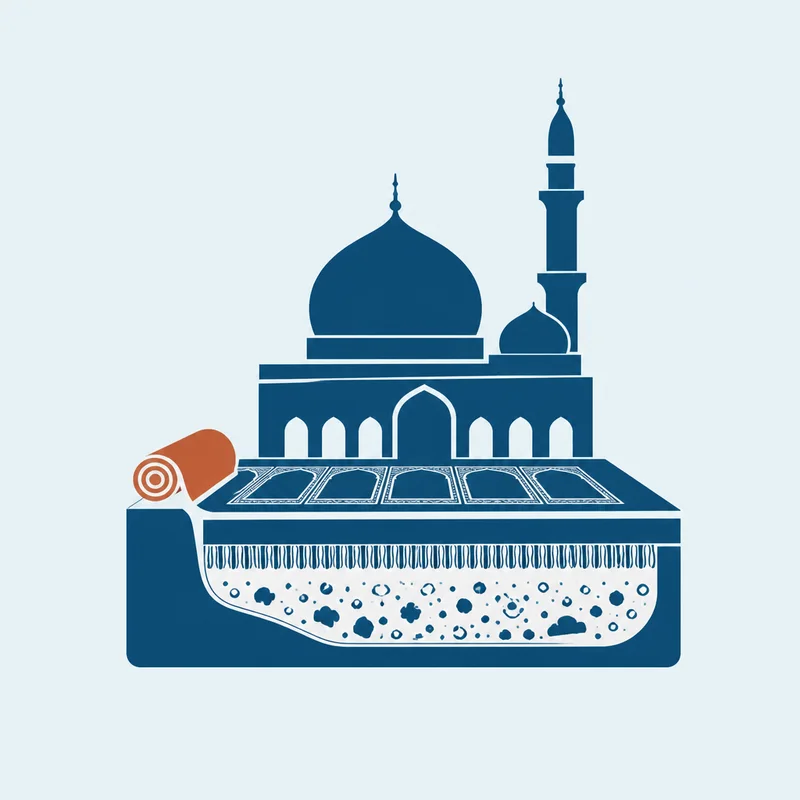
Cleaned without closing the mosque
We work in the gaps between prayers and split the floor into sections, so worshippers always find a part open and no wet ground at the time of the obligatory prayer.
-
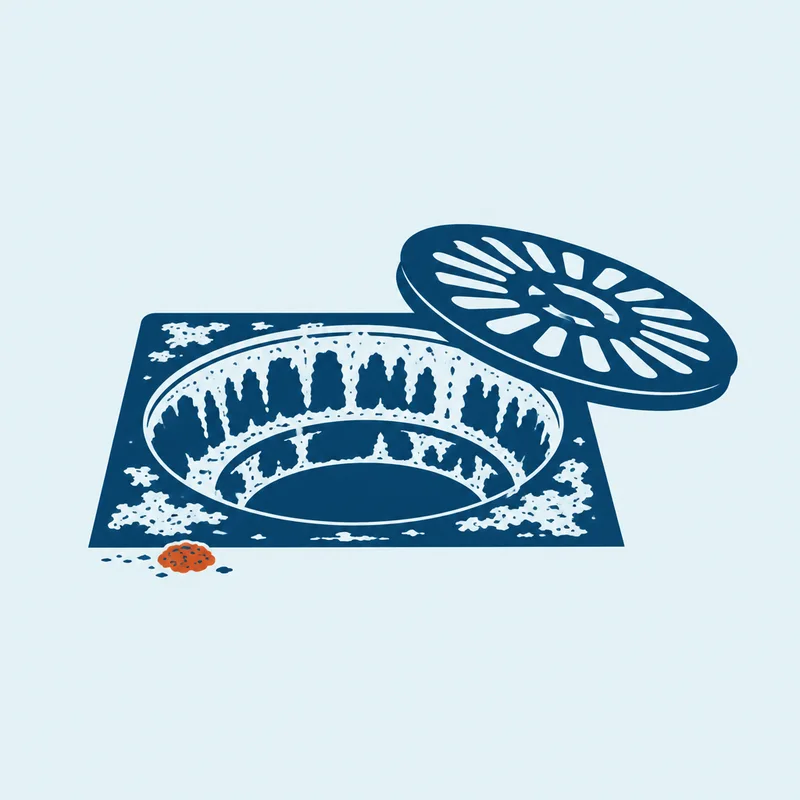
Odour that does not return
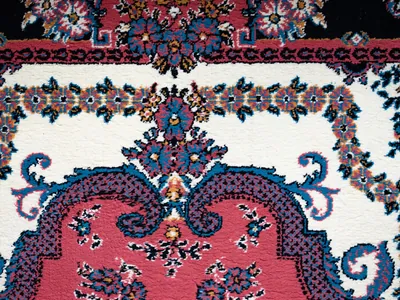
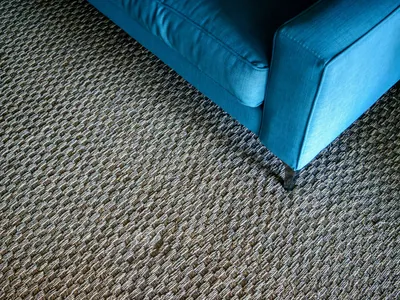
A deep wash matched to the carpet pulls sweat and grime out of its padding, not just off the surface.
-
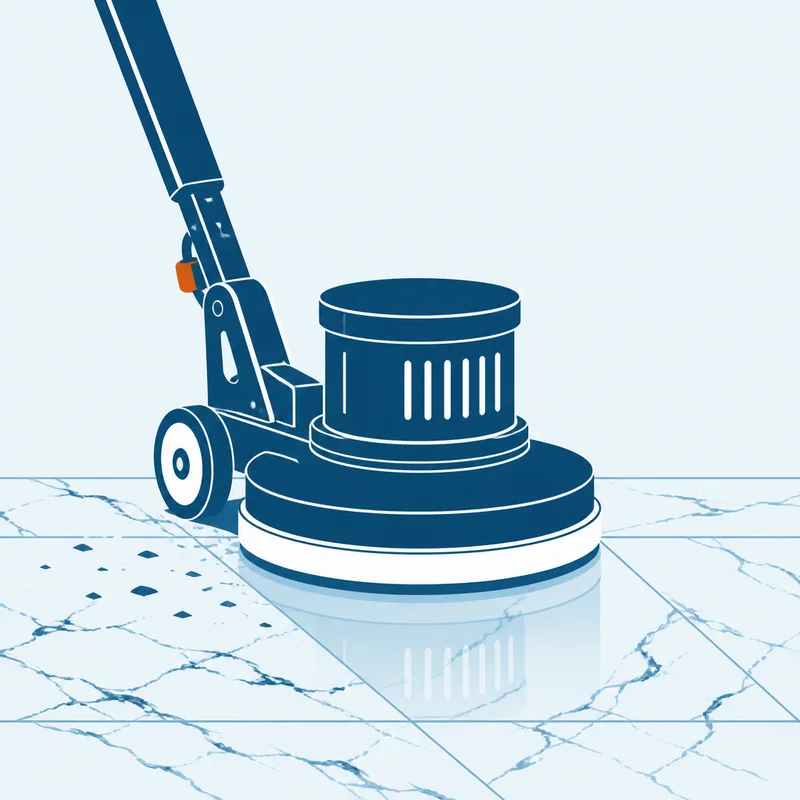
Marble polished, not coated
Marble floors are ground back with progressively finer diamond pads and then crystallised, so the shine comes from the stone itself.
-
Cleaner air, safer floors
Ablution areas hold water and scale, and split AC units store dust in their filters and blow it back over the congregation.
Why the job is different in King Abdulaziz
Mosques in King Abdulaziz see heavy foot traffic during prayer times because they serve the high population density of surrounding apartment buildings, which increases dirt and footprints on the mihrabs and carpets. The whole method is set out in our notes on mosque cleaning.
-
Dense apartment buildings around the mosque
The mosque sits surrounded by tightly-packed apartment blocks, so humidity from hundreds of bathrooms and kitchens seeps into the mosque walls and carpets. This is worse during cooler, wetter seasons when air conditioning and heating are used heavily.
-
Dust from congested arterial roads
Khurais Road, Al Ahsa Road and Al Nahda Road are three major thoroughfares packed with vehicles all day, and fine dust from exhaust and skidding enters the mosque through every window and door faster than it would in quieter districts.
-
Large crowds at peak prayer times
Because the district is densely populated and the mosque is one of few in a wide area, thousands of worshippers arrive for Friday and evening prayers, so footprints and dirt build up on carpets and floors much faster than in less densely populated neighbourhoods.
What's Included
The district sits between Khurais Road, Al Ahsa Road and Al Nahda Road, and these three busy arterials carry dust and air pollutants that enter the mosque whenever doors or windows are opened.
-
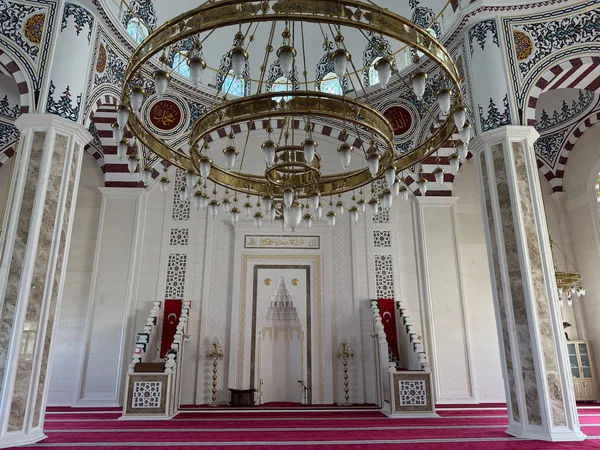
Prayer carpet, in place
Dust from the three major roads enters whenever a door opens, so cleaning starts with strong vacuuming to pull fine dust from the carpets before any other treatment.
-
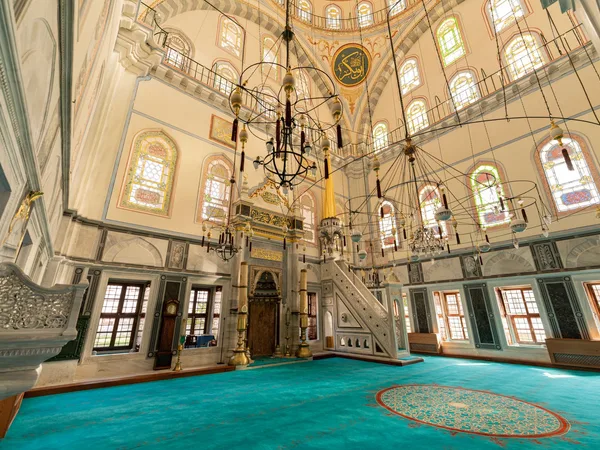
Ablution areas and drainage
Carpets in this district carry heavy foot traffic, so footprints and dirt accumulate visibly in the front prayer lines more than in the back rows.
-
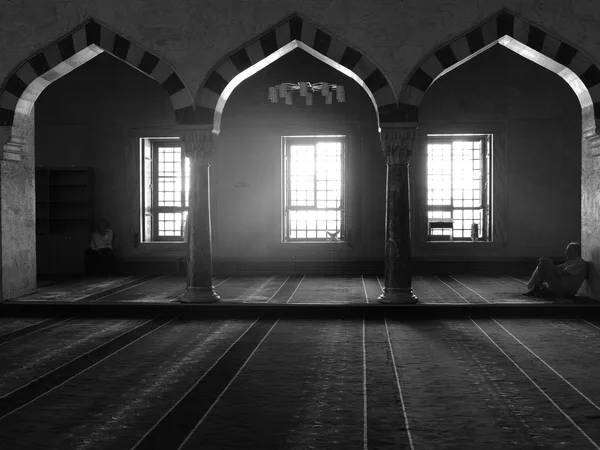
Marble flooring
Humidity from surrounding flats seeps through lower walls, so the mihrab and nearby floors need extra treatment for mold and moisture.
-
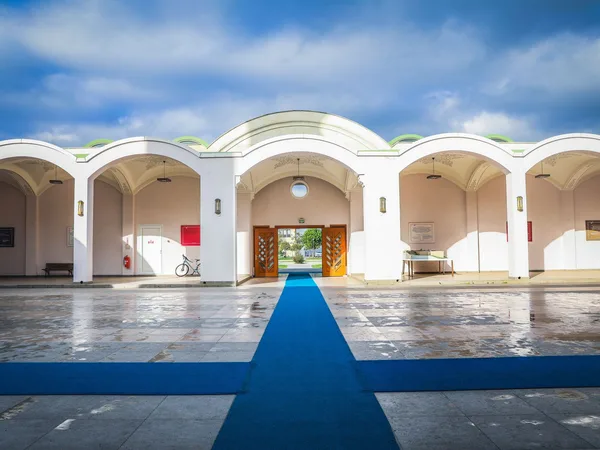
Shoe racks and entrances
Mihrabs and minbars made from stone or marble are cleaned in a way that preserves carvings and patterns without harsh scrubbing.
-
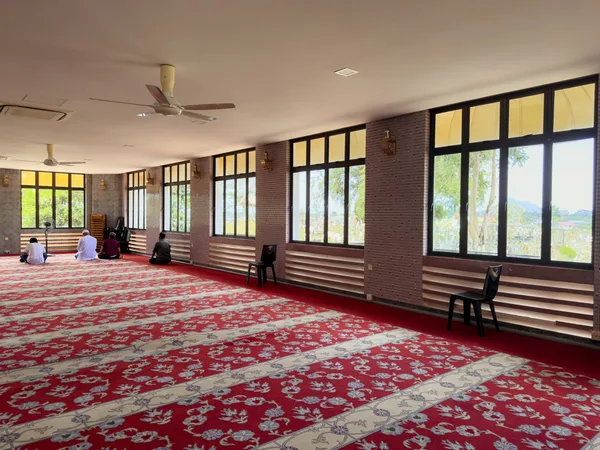
Fans and lighting
Corridors and entrances collect more dust and mud from the street, so they take longer to vacuum and wipe than the interior of the prayer hall.
-
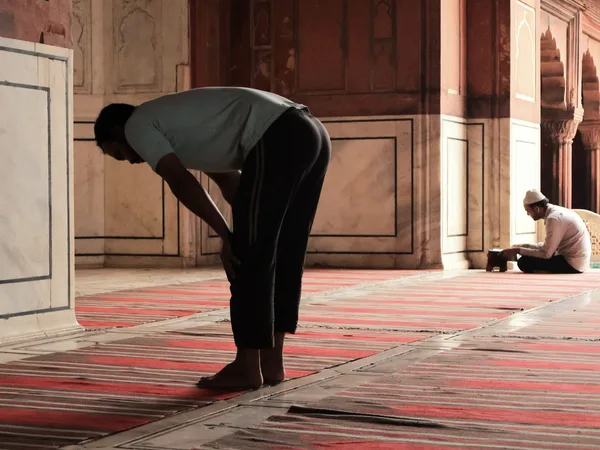
Work scheduled between prayers
After deep cleaning, carpets are left to dry naturally before the mosque reopens for prayers, especially on cooler days when drying takes longer.
Landmarks of King Abdulaziz
Cleaning teams navigate King Abdulaziz using the three main roads, Khurais, Al Ahsa and Al Nahda, as reference points, scheduling visits to mosques distributed across these adjacent arterials without gaps or delays between sites.
- Khurais Road
- Al Ahsa Road
- Al Nahda Road
How we work
Visit and survey
Schedule between prayers
Clean in order
Dry and hand over
Some of our work
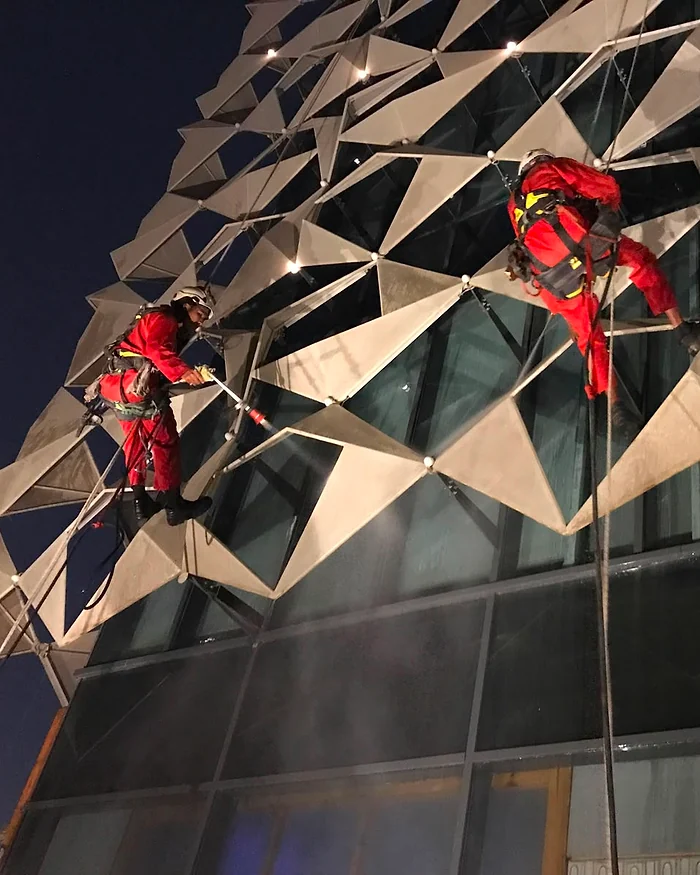
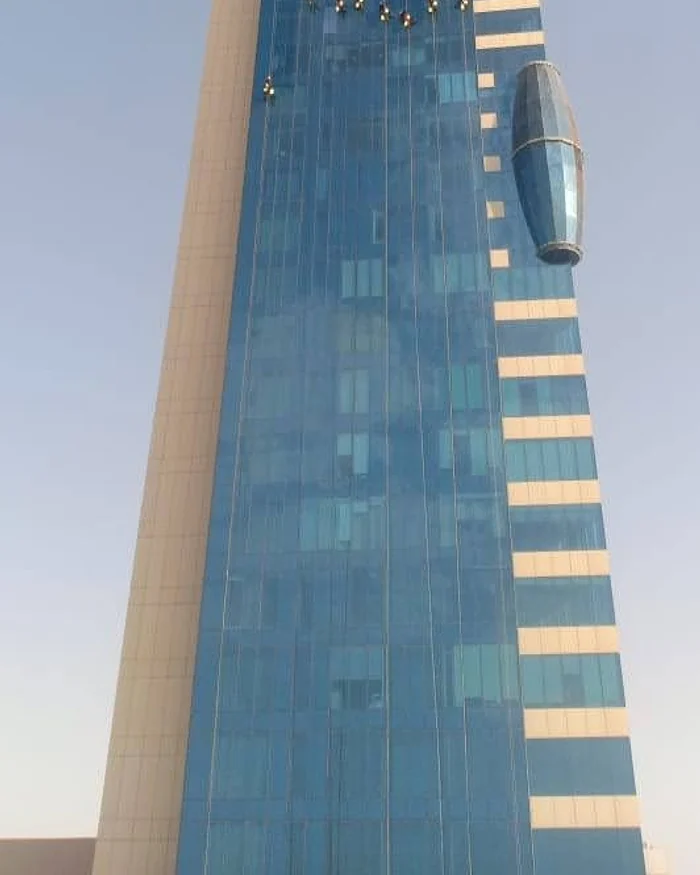
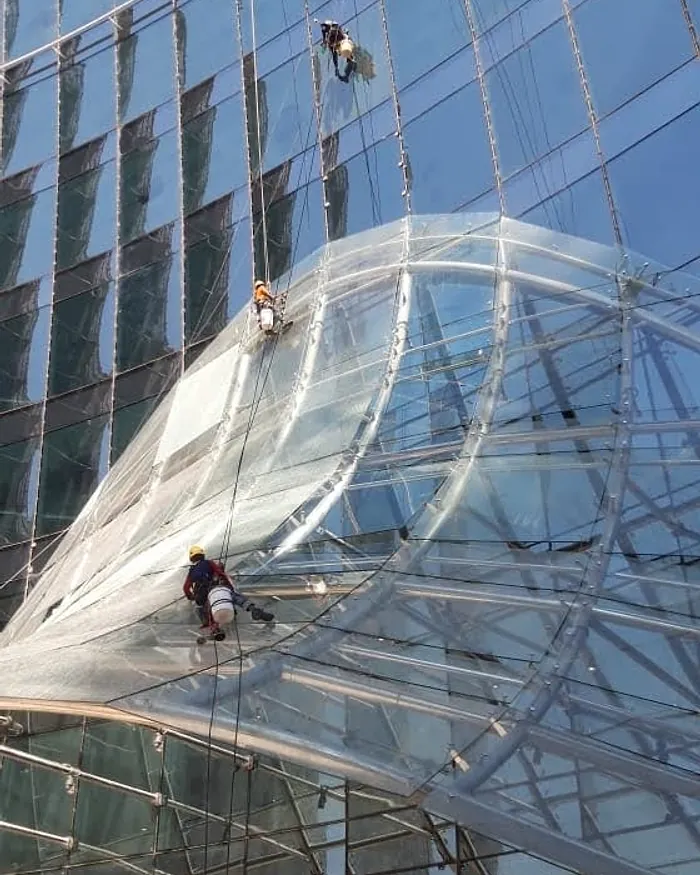
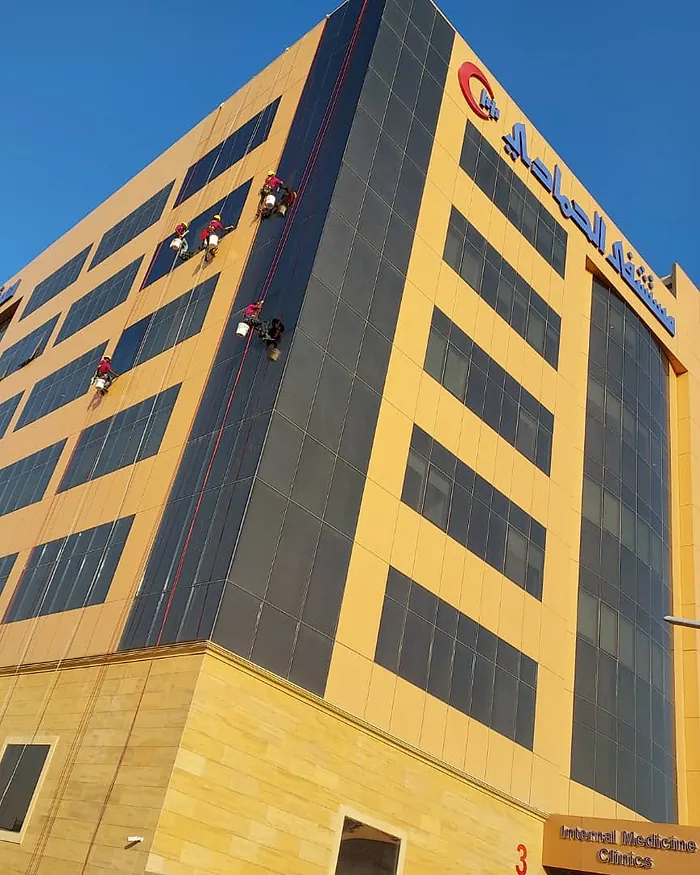
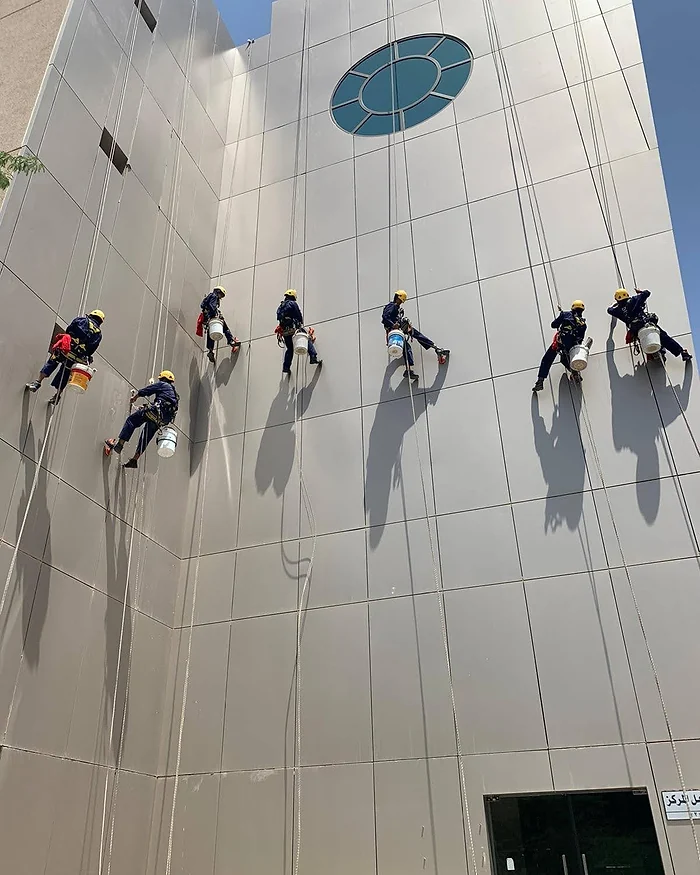
Photos from our team's work.
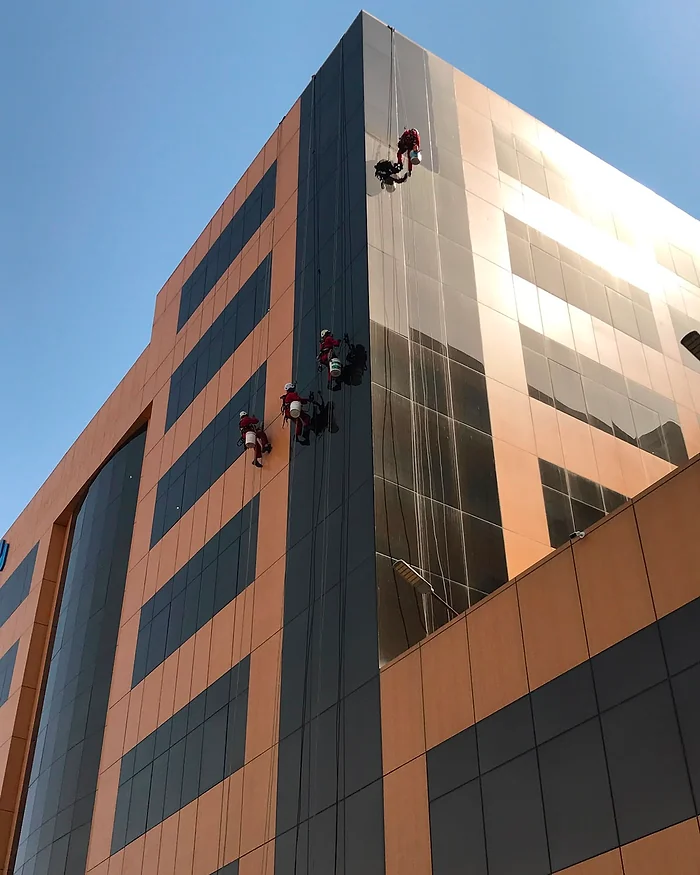
What is different about Central Riyadh
Central Riyadh is the oldest and busiest part of the city. Olaya and Sulaimaniyah carry the office towers along King Fahd Road and Tahlia Street, including Kingdom Centre and Al Faisaliah, while Al Malaz, Al Murabba, Al Batha and Al Dirah are older apartment blocks with shops on the ground floor, the Masmak quarter and the markets around Qasr Al Hukm. Heavy traffic on the main roads coats glass and shopfronts in a grey exhaust film, older stairwells and tiled corridors show worn grout and scale from the hard water, and the commercial buildings never stop taking footfall.
Other services in King Abdulaziz
The room and the building around it are on one list.