
Raghwat Al Janoub Maintenance and Cleaning
Post-construction cleaning in Al Shumaisi, Riyadh
Al Shumaisi is a historic district with tightly packed buildings and narrow lanes where older infrastructure dominates the skyline. Post-construction cleaning here faces cement dust trapped between facades only metres apart, and narrow streets slow air circulation, letting dust settle thick on glass and surfaces. Adjacent older buildings may also be undergoing work, sending their own grit into your newly finished structure.
Why this is not routine cleaning
-
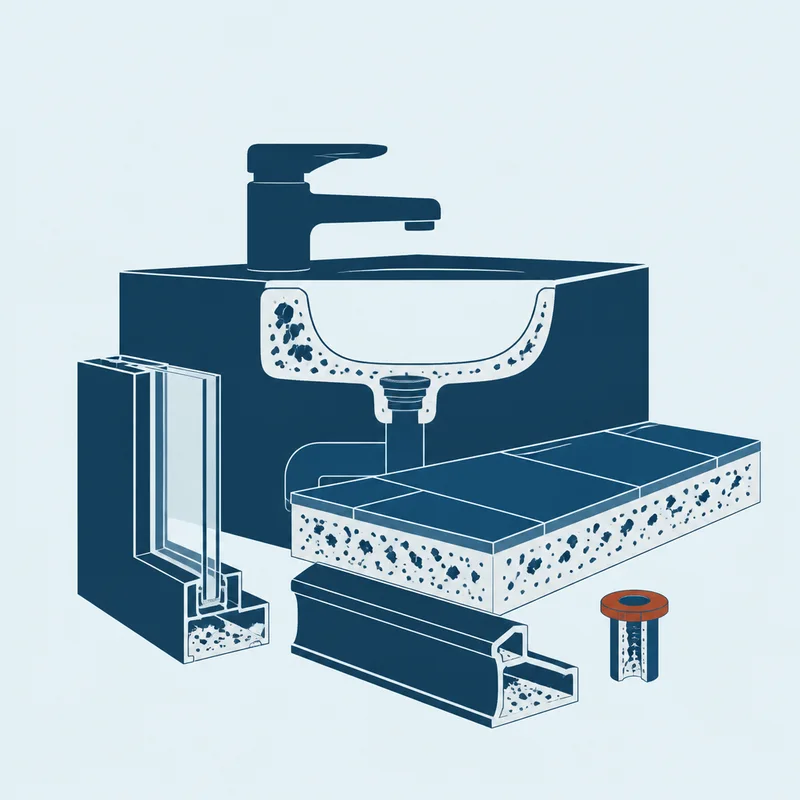
Build residue needs more than wiping
Cement haze and silicone lines need a scraper and the right chemical for each surface, not a cloth.
-
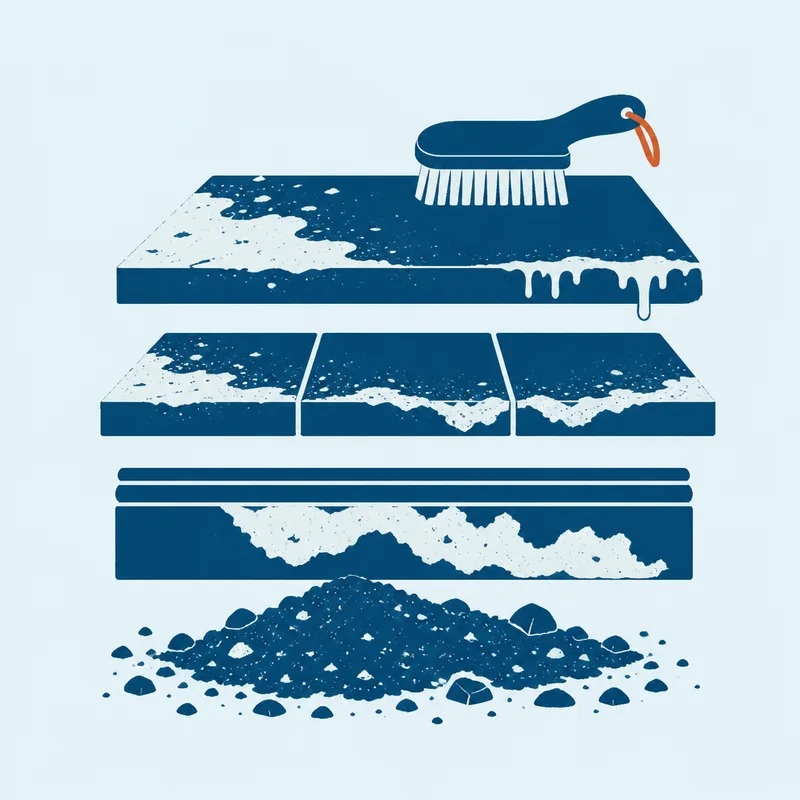
The right order, top to bottom
We start at the ceiling and high vents and work down to the floor, dry before wet.
-
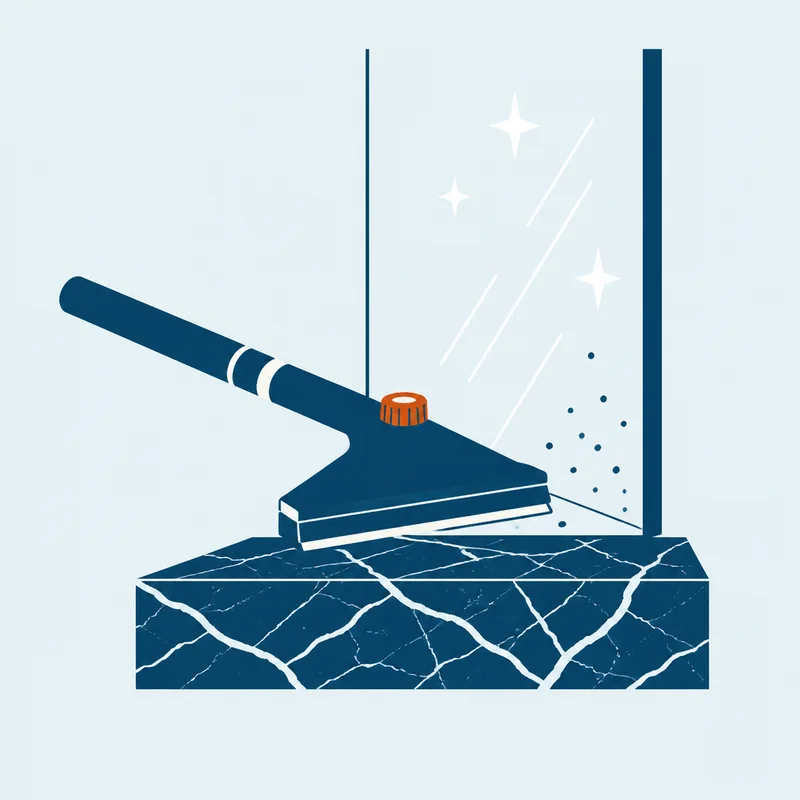
Glass and marble handled with care
Riyadh's mineral dust and the region's hard water leave calcium scale on glass that scratches if you scrub hard or leave it too long.
-

Vents cleared before first use
Building dust drifts into AC outlets and vents and lodges in the filters, so the first time the unit runs it blows that dust through every room.
Why the job is different in Al Shumaisi
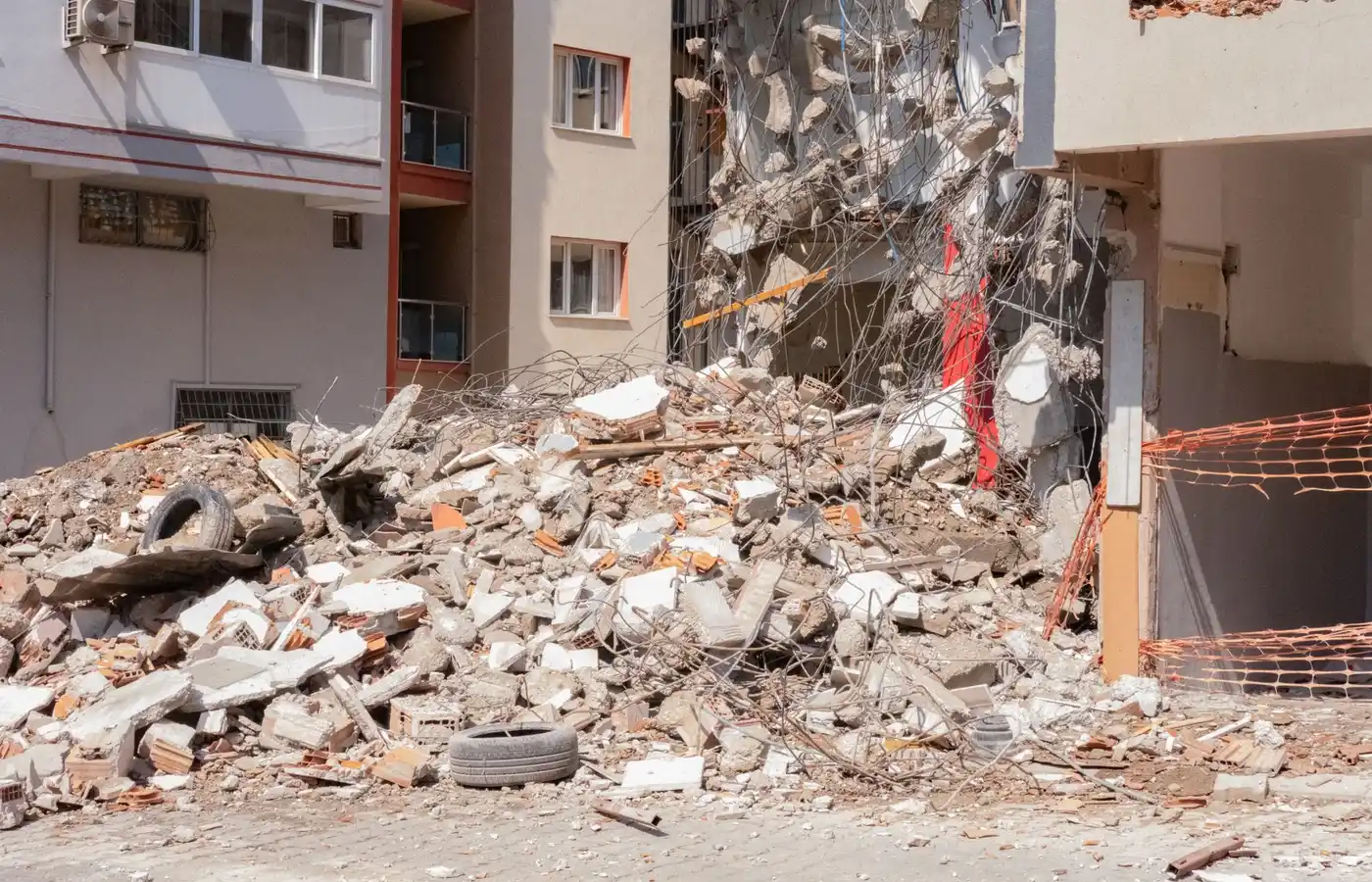
Narrow streets between tightly set buildings trap wind and slow the drying of floors and glass; dust from neighbouring sites drifts in during the clean and continues to settle for days afterwards. The whole method is set out in our notes on post-construction cleaning.
-
Narrow streets trap dust and hold moisture longer
Buildings in Al Shumaisi are packed tightly and the lanes between them are so narrow that natural ventilation is almost absent. Dust from work on one structure does not lift and drift away but settles on adjacent windows and frames. Air circulation is so poor that water also dries far more slowly here than in open districts.
-
Neighbouring old buildings are continuous dust sources
Al Shumaisi sits among very old structures, many undergoing ongoing repairs or decay, and renovation dust constantly drifts toward your newly completed building. A perfect final clean may not hold its shine if adjacent properties are actively shedding grit and debris. Coordination with neighbours about when they run work is nearly impossible.
-
High moisture and aged drains slow the final drying
Al Bathaa Road and the district's old drainage system keep humidity in the air and on surfaces. Drying takes far longer than in newer areas, and water trapped under cracks in old adjacent floors may seep through shared walls if not managed carefully during work.
What's Included
A deeply historic quarter where buildings cluster tightly and streets between them are narrow, and moisture from Al Bathaa Road and ageing drainage systems affects how fast surfaces dry after washing.
-
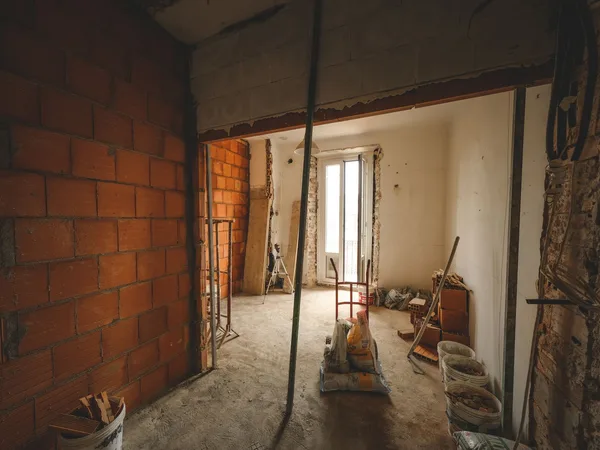
Construction debris removed
Construction debris is cleared from the narrow entrance and tight street carefully so it does not blow back onto the facade or windows of adjacent old buildings.
-
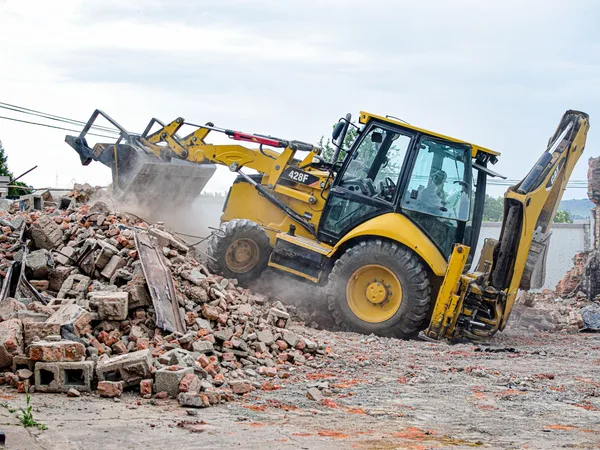
Cement haze removed
Cement dust on surfaces, floors and glass is removed carefully to account for ongoing dust drift from adjacent work, and the narrow street may need temporary protection screening.
-
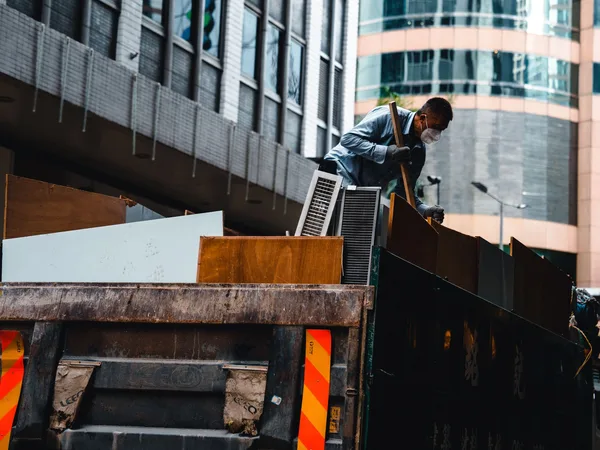
Stickers and protective film stripped
Stickers and protective film are stripped quickly from glass and doors to prevent adhesive marks appearing in the high ambient moisture and narrow-street humidity.
-
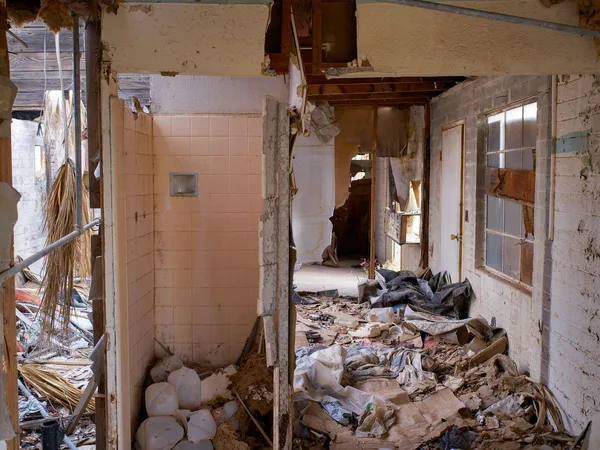
Paint spots and silicone smears
Paint spots and silicone marks on glass and frames are cleaned with products suited to damp air and the moist conditions typical of narrow historic streets.
-
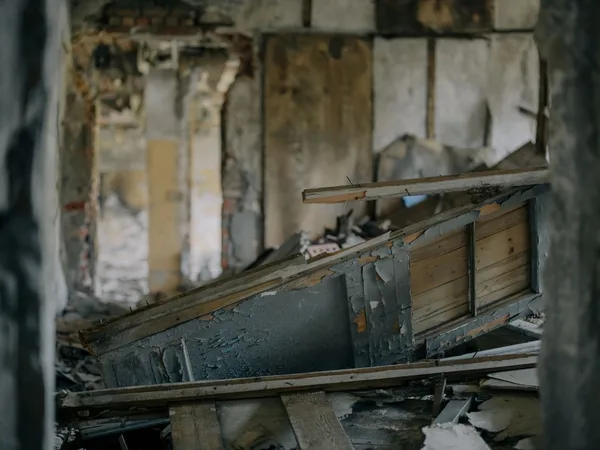
Vents and outlets de-dusted
Vents and outlet openings are de-dusted thoroughly because accumulated grit is heavier here, and pre-start cleaning of mechanical systems is vital before first switch-on.
-
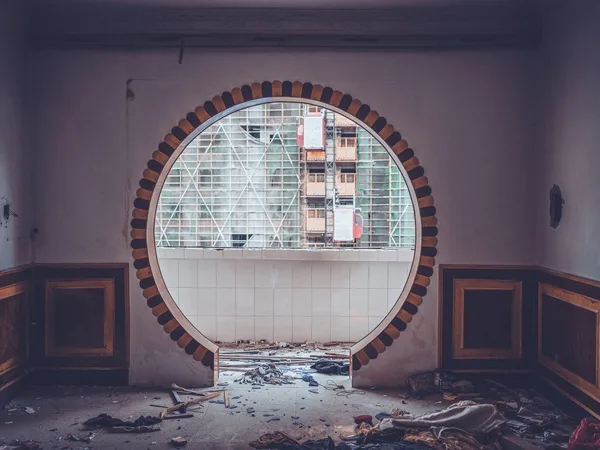
Final polish of the surfaces
Final polish ensures surfaces and glass dry evenly despite the moisture-heavy air, and protection from the dust of adjacent buildings continues to matter after handover.
Al Shumaisi on the map
Al Shumaisi sits about 1 km from Al Jaradiyah and about 1 km from Umm Sulaim.
Open in Google MapsHow we work
Site survey
Clear the debris
Strip residue and dust
Wash, polish and hand over
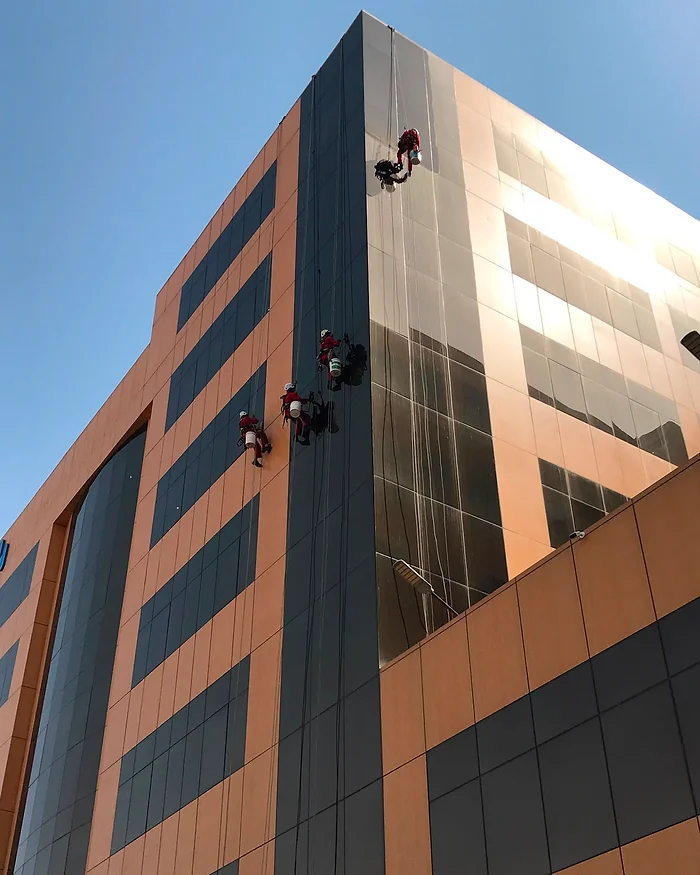
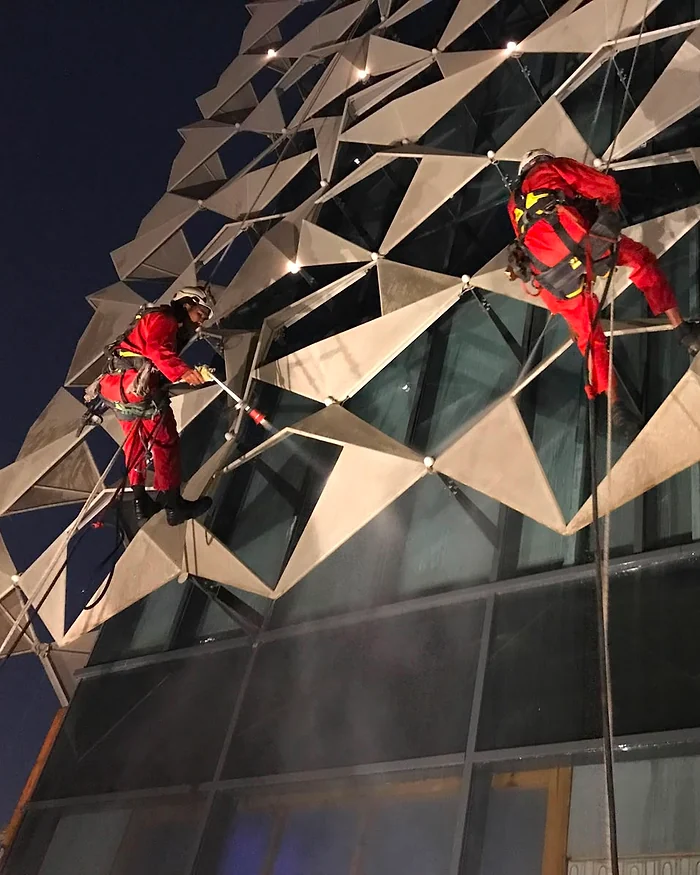
Some of our work
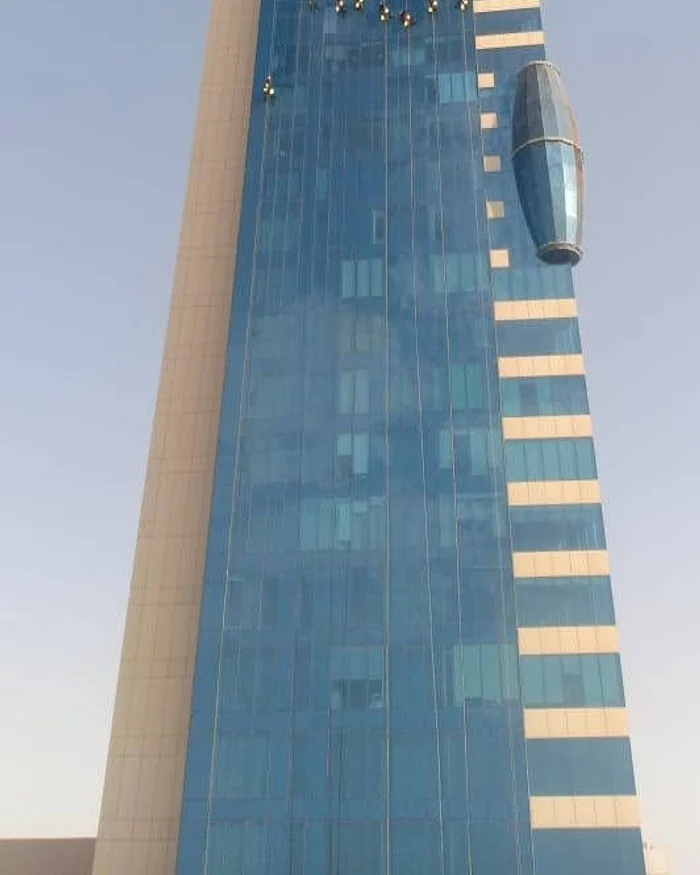
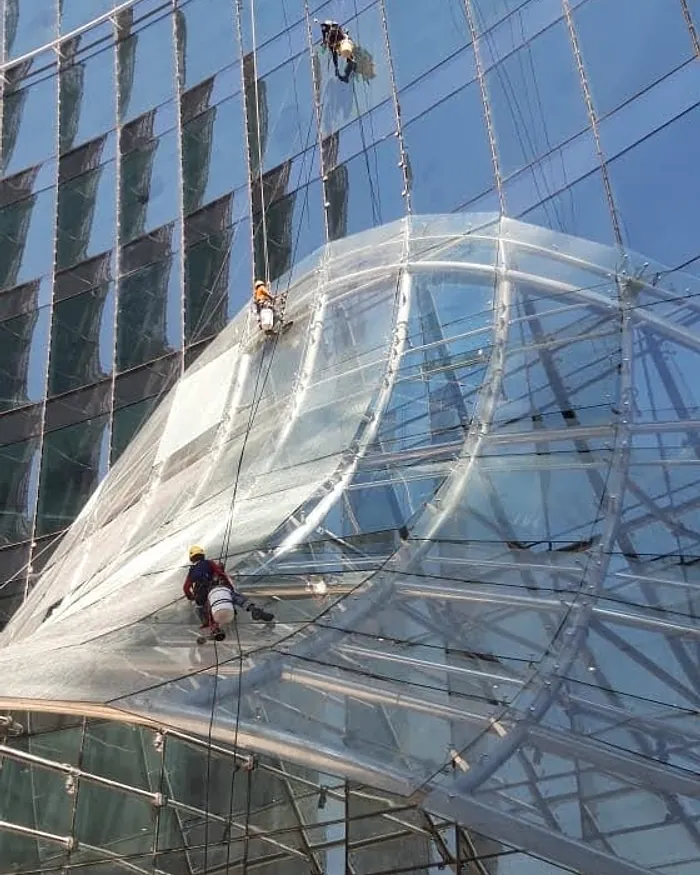
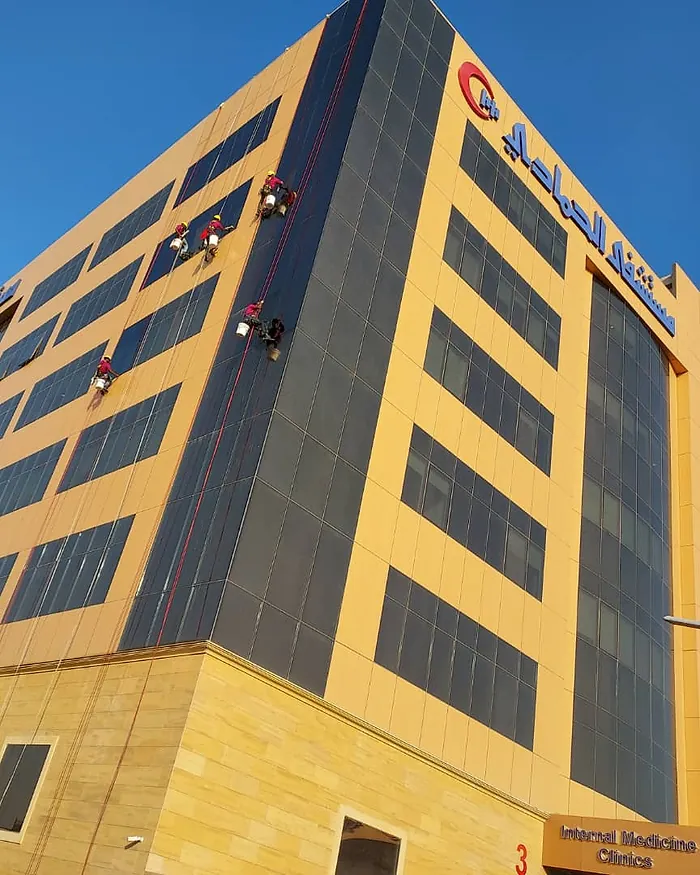
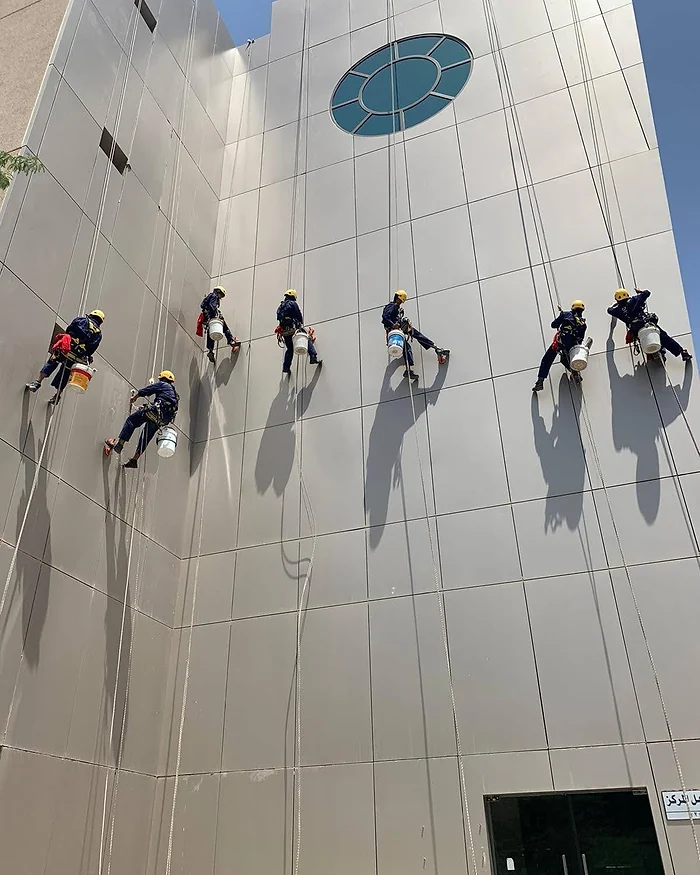
Photos from our team's work.
What is different about Central Riyadh
Central Riyadh is the oldest and busiest part of the city. Olaya and Sulaimaniyah carry the office towers along King Fahd Road and Tahlia Street, including Kingdom Centre and Al Faisaliah, while Al Malaz, Al Murabba, Al Batha and Al Dirah are older apartment blocks with shops on the ground floor, the Masmak quarter and the markets around Qasr Al Hukm. Heavy traffic on the main roads coats glass and shopfronts in a grey exhaust film, older stairwells and tiled corridors show worn grout and scale from the hard water, and the commercial buildings never stop taking footfall.
Other services in Al Shumaisi
The room and the building around it are on one list.
-
Deep cleaning
-
Move-in and move-out cleaning
-
Sofa cleaning
-
Carpet and rug cleaning
-

Mattress cleaning
-
Curtain cleaning
-
House cleaning
-
Apartment cleaning
-
Villa cleaning
-
Majlis and rest-house cleaning
-
Chalet cleaning
-
Yacht cleaning
-
Kitchen cleaning
-
Bathroom cleaning
-
Chandelier cleaning
-
Swimming pool cleaning
-
Garden clearance
-
Water tank cleaning and disinfection
-
Water tank waterproofing
-
Disinfection and sanitisation
-
Pest control
-
Bed bug control
-
Office cleaning
-
Restaurant cleaning
-
Hotel and resort cleaning
-
Shopping mall cleaning
-
Retail shop cleaning
-
School cleaning
-
Nursery and kindergarten cleaning
-
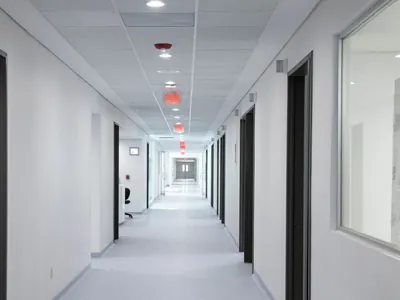
Hospital cleaning
-
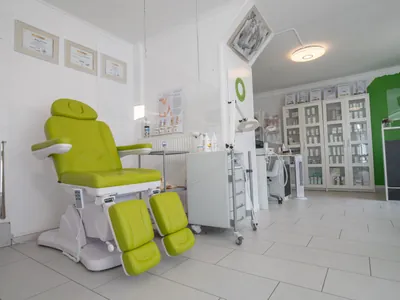
Clinic and medical centre cleaning
-
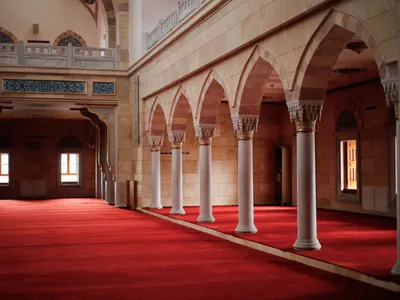
Mosque cleaning
-
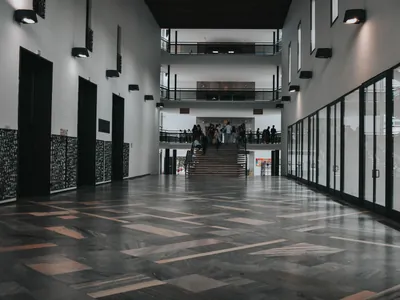
Government facility cleaning
-
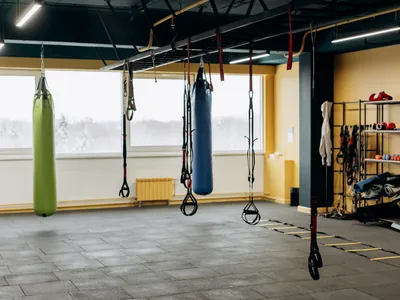
Gym cleaning
-
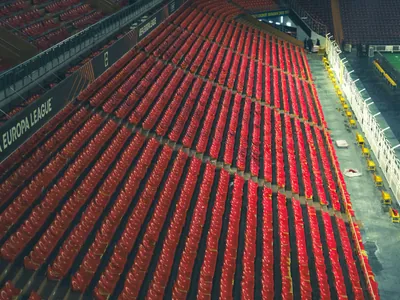
Sports field cleaning
-
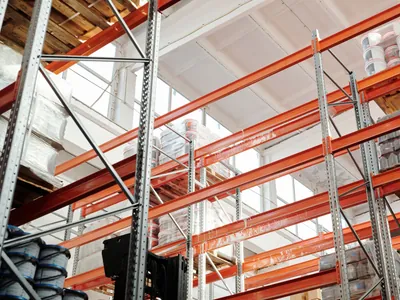
Factory and warehouse cleaning
-
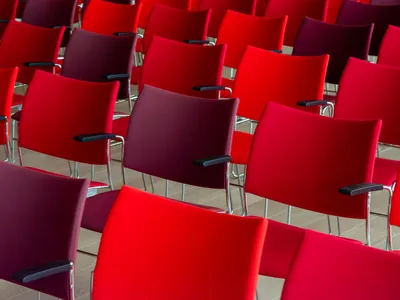
Event cleaning
-
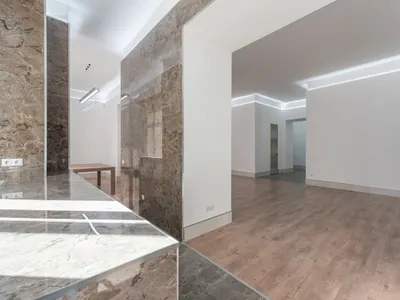
Commercial post-construction cleaning
-
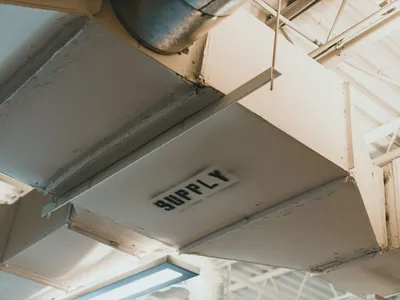
Air duct and AC cleaning
-
Commercial pest control