
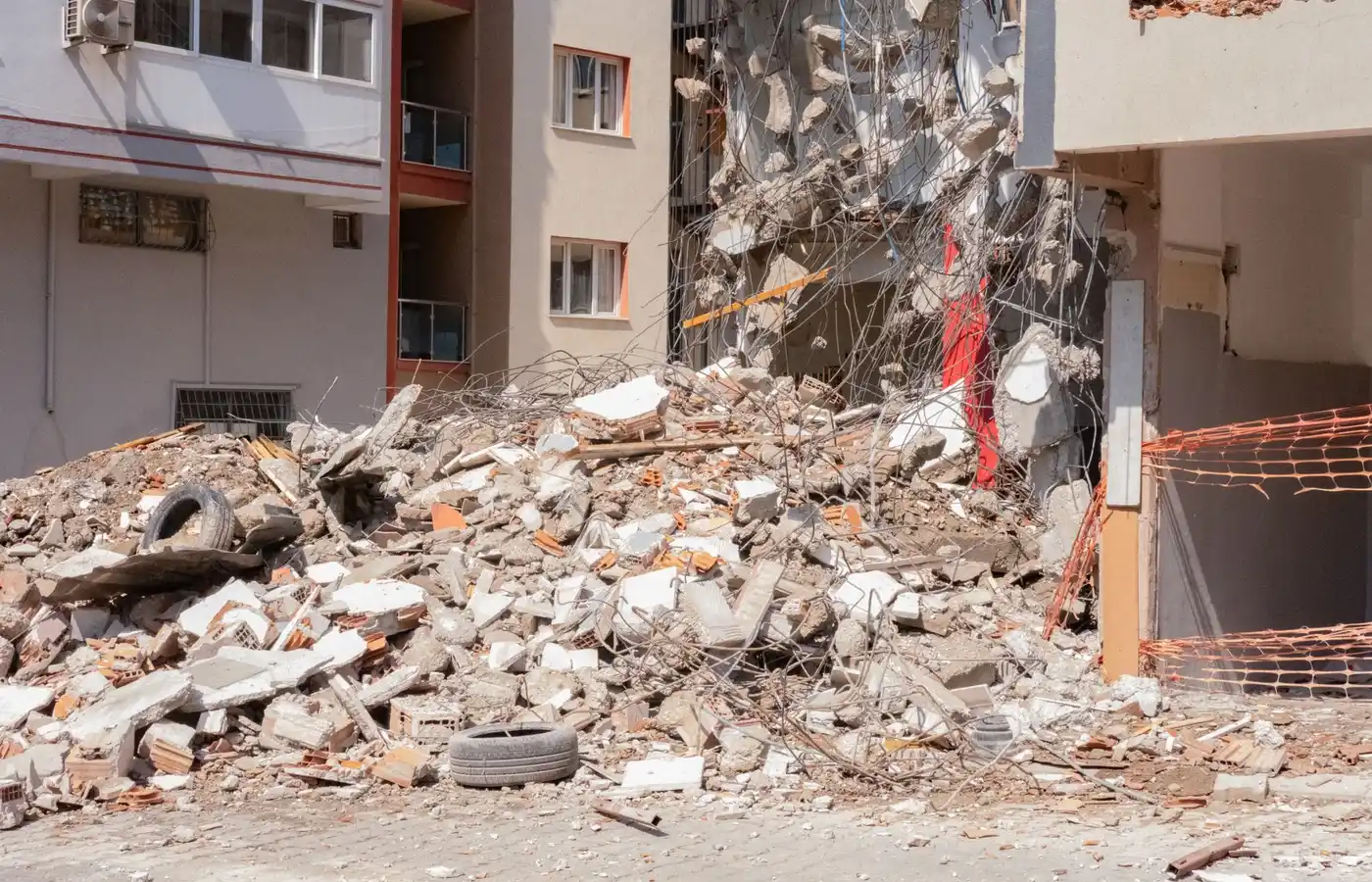
Raghwat Al Janoub Maintenance and Cleaning
Post-construction cleaning in Jabrah, Riyadh
Jabrah is an old quarter where buildings crowd together and lanes run narrow, blocking the passage of heavy furniture and large equipment. When construction ends, the tight spaces trap dust and moisture with ease, and walls so close that building work in one home sends grit and settled particles into neighbours through cracks and shared openings.
Why this is not routine cleaning
-
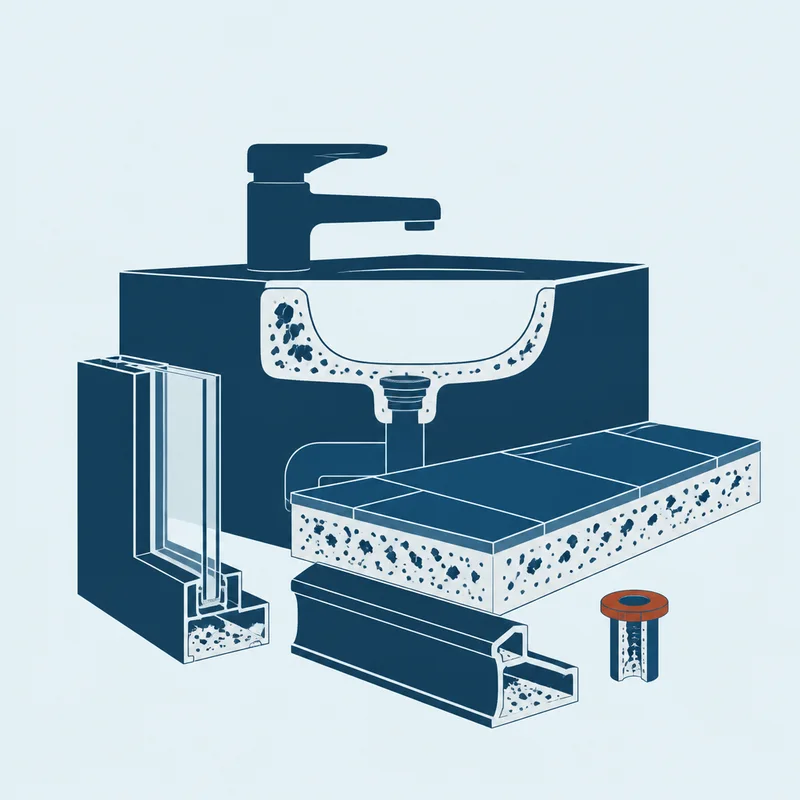
Build residue needs more than wiping
Cement haze and silicone lines need a scraper and the right chemical for each surface, not a cloth.
-
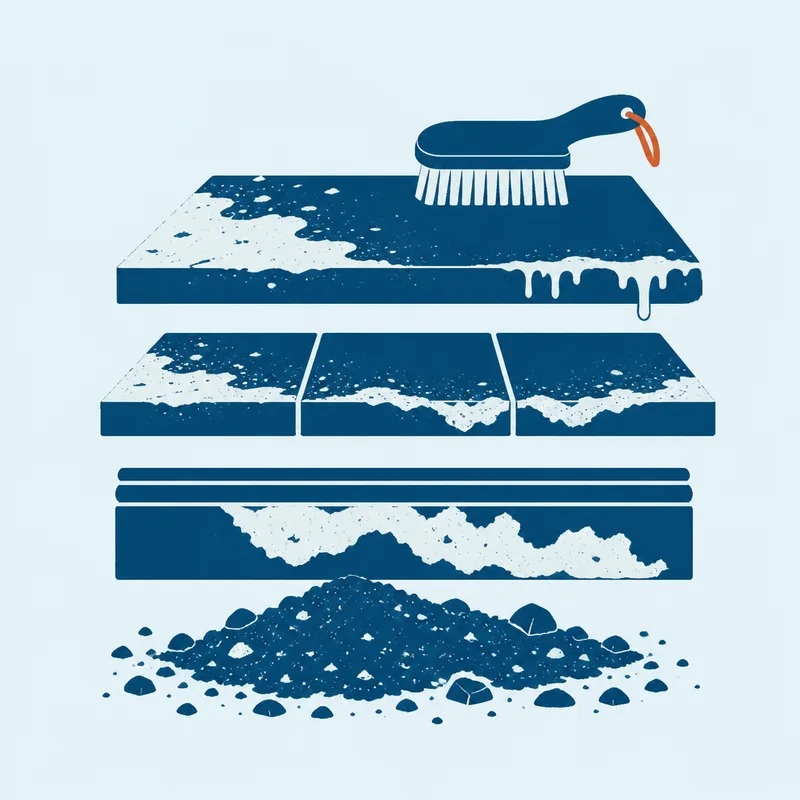
The right order, top to bottom
We start at the ceiling and high vents and work down to the floor, dry before wet.
-
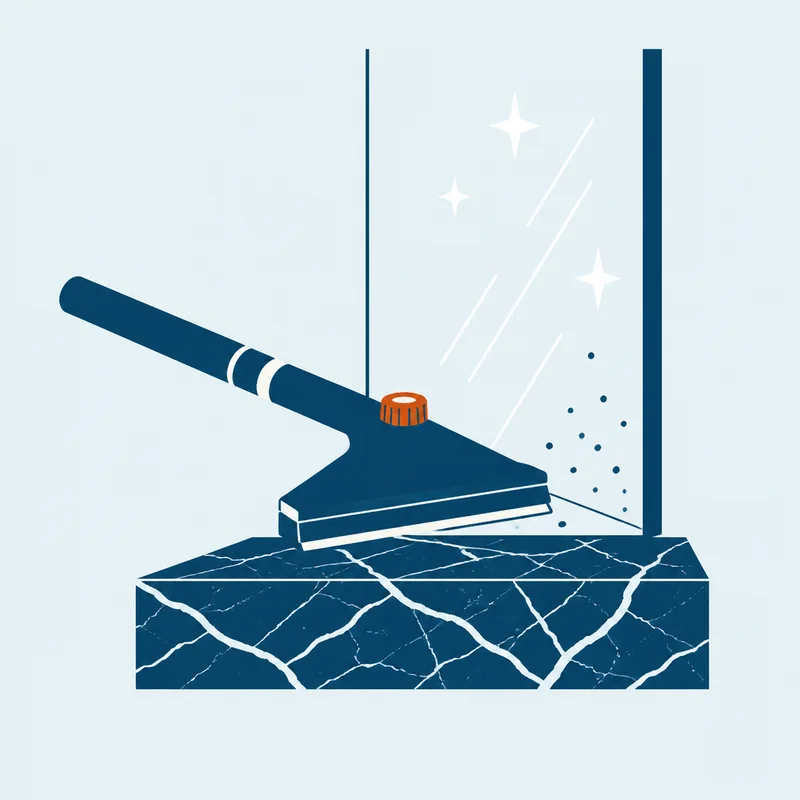
Glass and marble handled with care
Riyadh's mineral dust and the region's hard water leave calcium scale on glass that scratches if you scrub hard or leave it too long.
-

Vents cleared before first use
Building dust drifts into AC outlets and vents and lodges in the filters, so the first time the unit runs it blows that dust through every room.
Why the job is different in Jabrah
Lanes are so narrow that cleaning teams cannot deploy large vehicles or heavy machinery; the work is done by hand throughout, and distances between units are measured in mere centimetres. The whole method is set out in the post-construction cleaning overview.
-
Trapped moisture in narrow voids and tight spaces
Old buildings in Jabrah hold cracks, tight cavities and narrow corners where moisture and dust have accumulated for decades. Post-construction cleaning of these tight spots demands powerful ventilation and complete drying before any polish is applied, or trapped dampness will gather fresh dust and create odours.
-
Protecting aged neighbouring structures from water damage
Lanes here are extremely tight and gaps between houses measure only centimetres. When water and chemicals are applied, neighbouring buildings must be shielded from the spray, and work must proceed carefully so that water does not penetrate old adjacent units through existing gaps and openings.
-
Cramped shared passages and stairs with many dead angles
Common passages and external stairs in old districts hold numerous angles and tight spaces. Cleaning demands extra time and careful hand work to avoid leaving grit or silicone residue in crevices, especially around stairs and internal corners where dust likes to settle.
What's Included
Jabrah is one of Riyadh's historic and culturally significant neighbourhoods, home to the nineteenth-century Jabrah Mosque, the traditional Jabrah Market, and Jabrah Garden. Buildings are old, foundations are deep, and moisture is a seasonal risk.
-
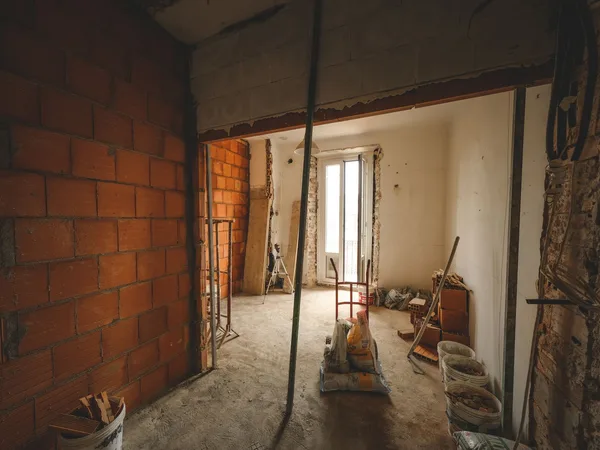
Construction debris removed
Old buildings in Jabrah leave less construction debris than large new towers, but the debris often mixes with ancient dust trapped in voids for years and requires careful staged removal.
-
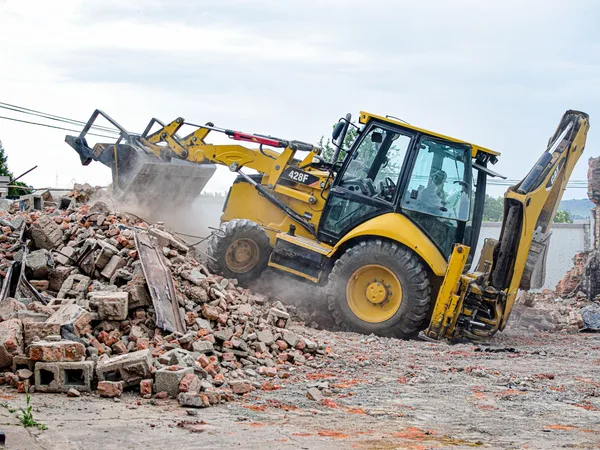
Cement haze removed
Dust in the historic neighbourhood is aged and caked on walls and in corners, and complete removal demands careful hand work especially in tight openings and narrow cracks where tools cannot easily reach.
-
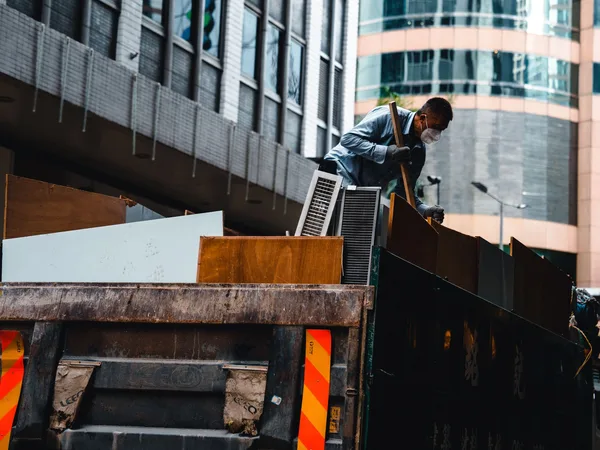
Stickers and protective film stripped
Stickers and protective film are fewer on original structures, but renovation residue and building traces may have etched deep marks into aged stone and marble that need cautious removal.
-
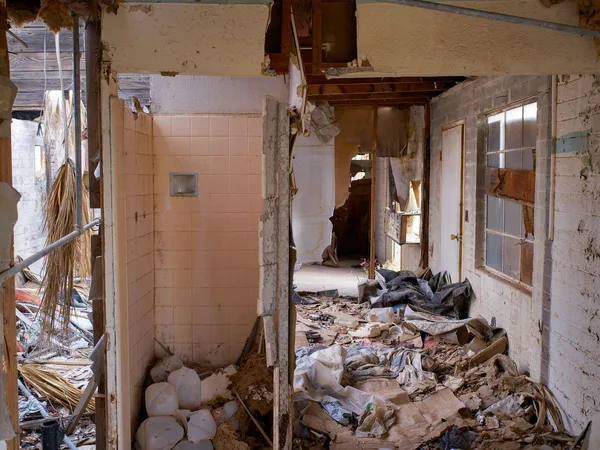
Paint spots and silicone smears
Silicone residue and paint spots on old stone and walls demand extreme care so that the original stone surface is not harmed and no permanent marks are left behind on aged materials.
-
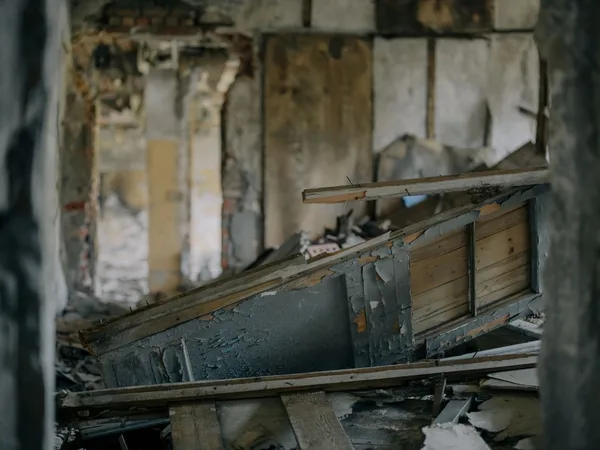
Vents and outlets de-dusted
Old outlets and vents in passages and stairs may be clogged with decades of accumulated dust, and clearing them requires patience and care so that the aged surface is not disturbed or damaged.
-
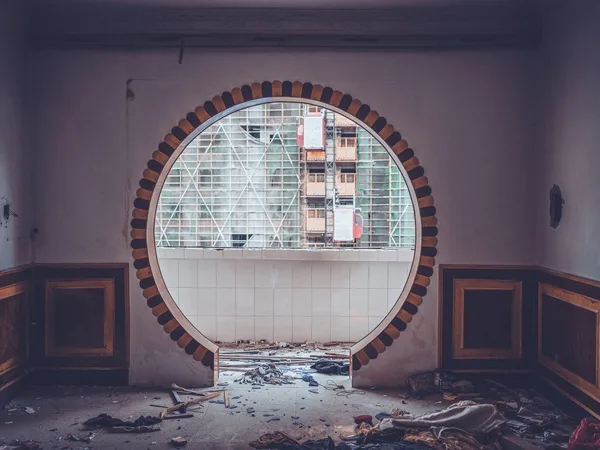
Final polish of the surfaces
Final polishing of aged stone and marble differs completely from modern surfaces; strong polishes may be avoided in favour of restoring the stone's natural patina and sheen alone.
The character of Jabrah
Historic district: close-set buildings, narrow lanes and ageing services
In an old district like Jabrah, final cleanliness means more than dust removal; it means respect for aged walls and stone and consideration for neighbours in tight quarters. Cleaning here requires knowledge of historic structures and care to avoid harm to original fabric.
How we work
Site survey
Clear the debris
Strip residue and dust
Wash, polish and hand over
Some of our work
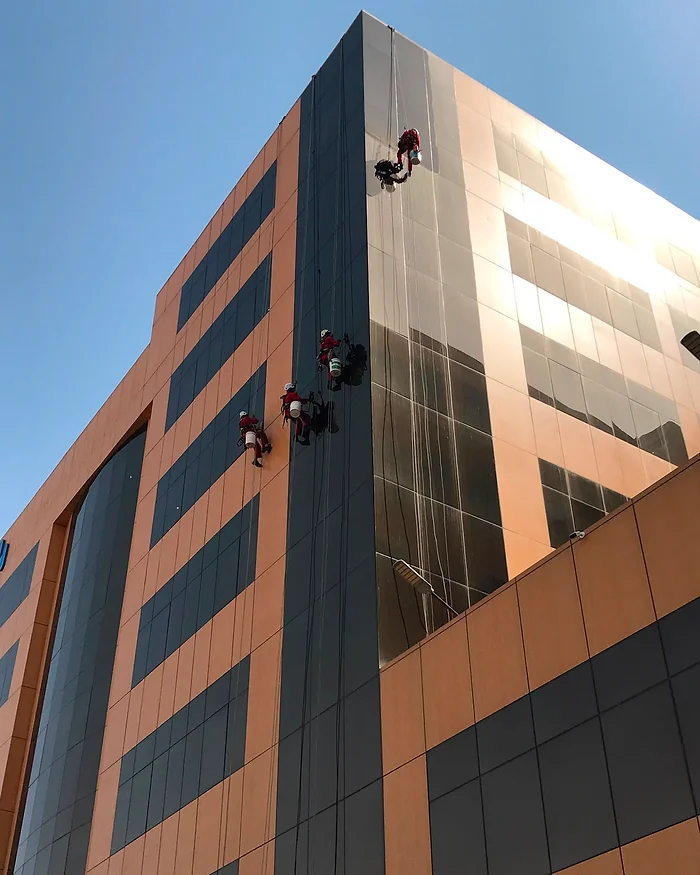
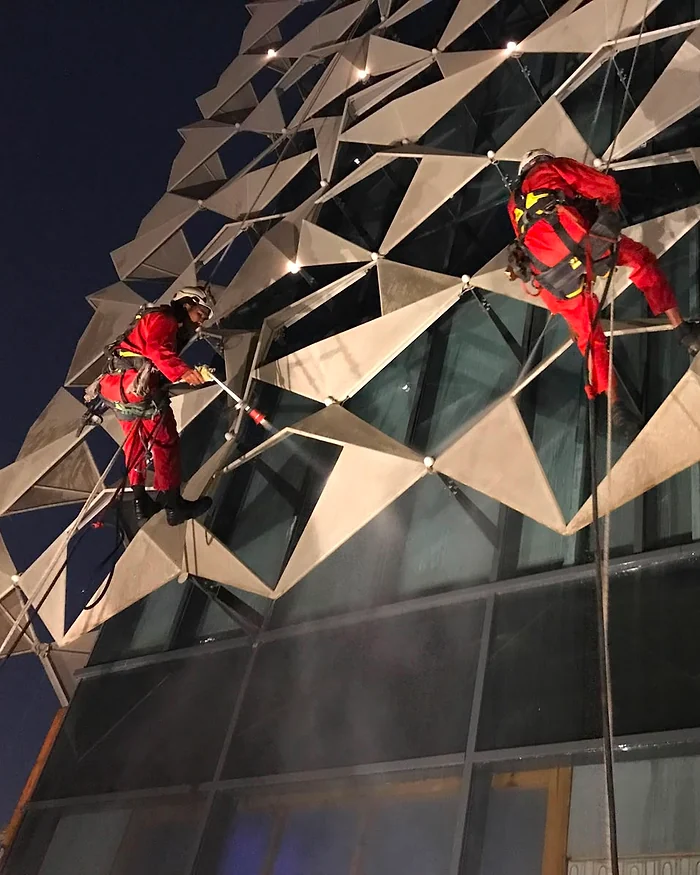
Photos from our team's work.
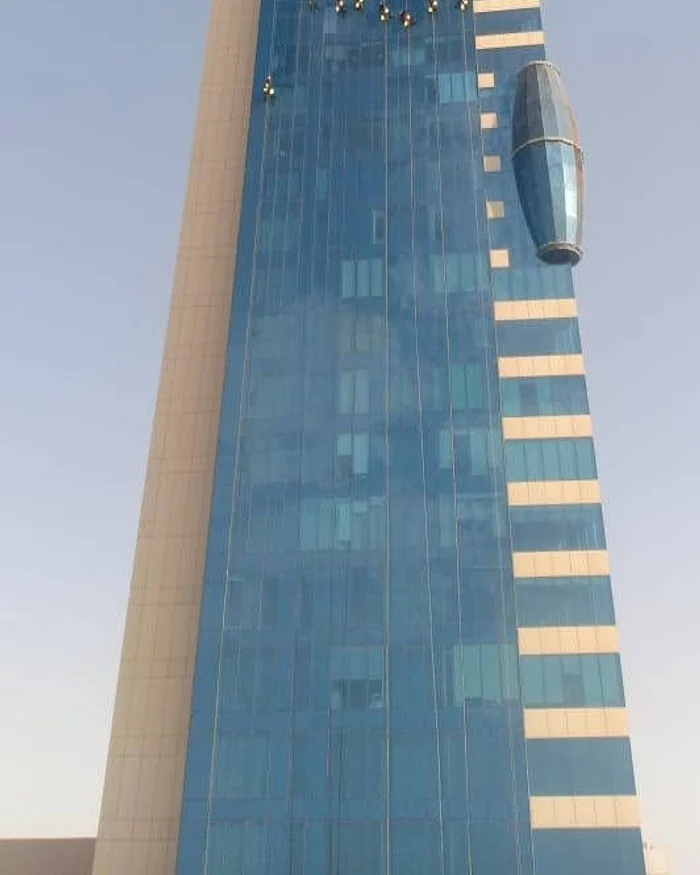
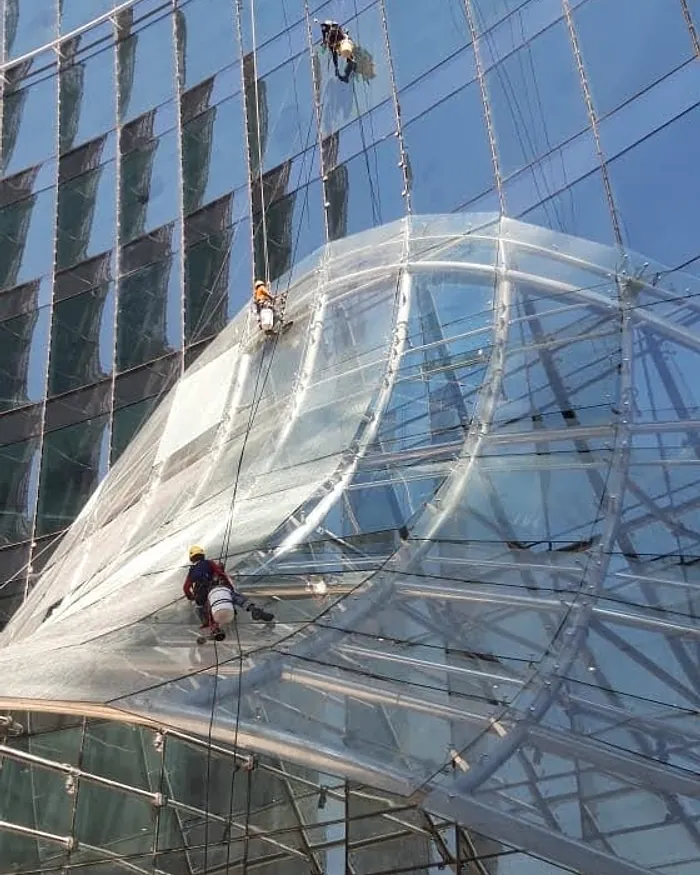
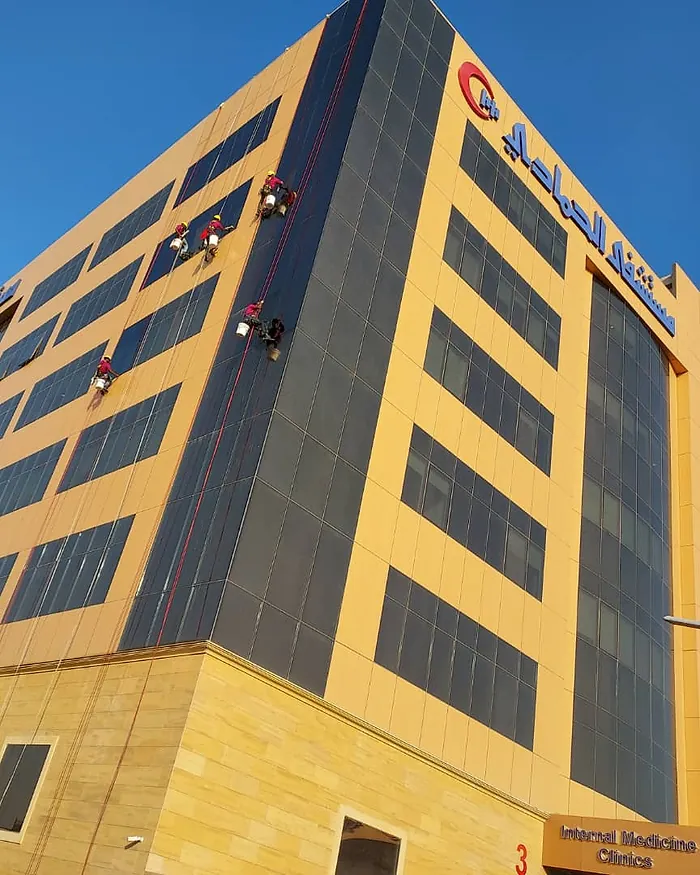
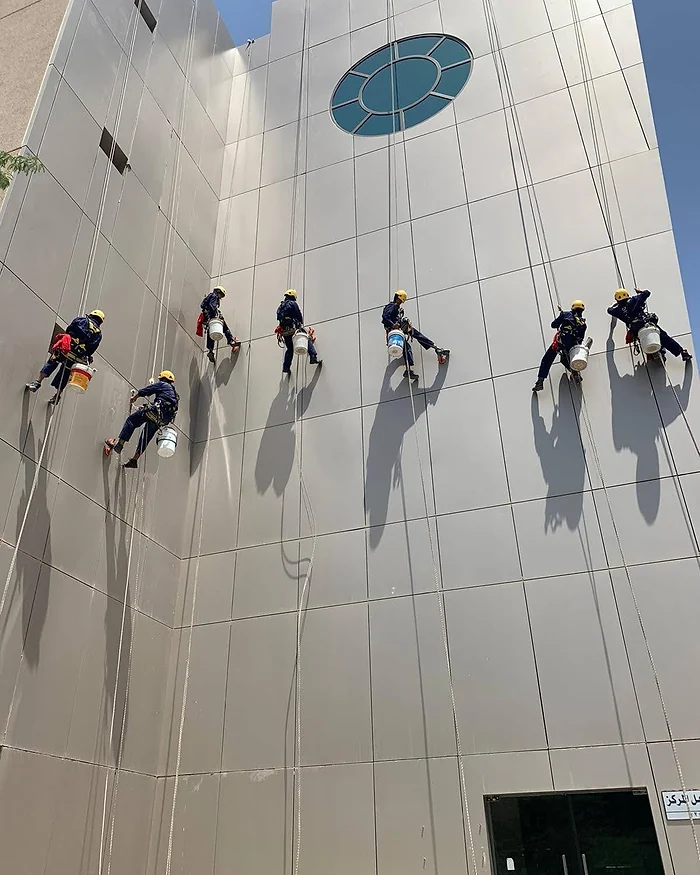
Landmarks of Jabrah
Near the nineteenth-century Jabrah Mosque and the traditional market, narrow lanes and crowded streets completely change the plan. We map the team's route from the main road to each target building and coordinate around daily market activity so that we do not block residents and visitors from passing through.
- Jabrah Mosque
- Traditional Jabrah Market
- Jabrah Garden
- King Faisal Road
Other services in Jabrah
The room and the building around it are on one list.
-
Deep cleaning
-

Move-in and move-out cleaning
-
Sofa cleaning
-
Carpet and rug cleaning
-

Mattress cleaning
-

Curtain cleaning
-
House cleaning
-
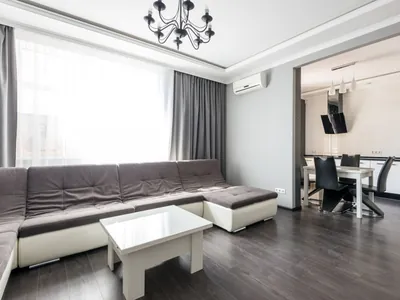
Apartment cleaning
-
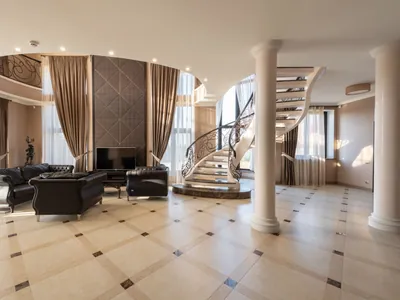
Villa cleaning
-
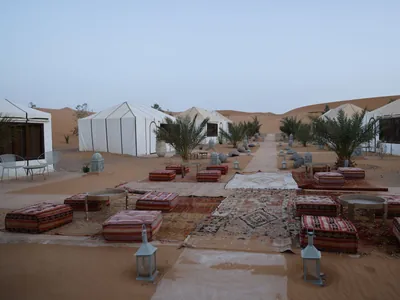
Majlis and rest-house cleaning
-
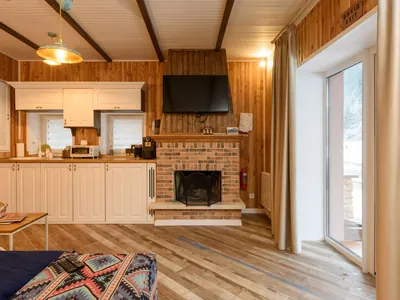
Chalet cleaning
-
Yacht cleaning
-
Kitchen cleaning
-
Bathroom cleaning
-
Chandelier cleaning
-

Swimming pool cleaning
-
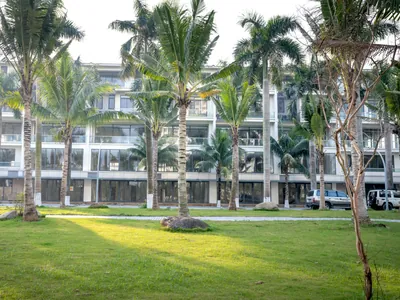
Garden clearance
-
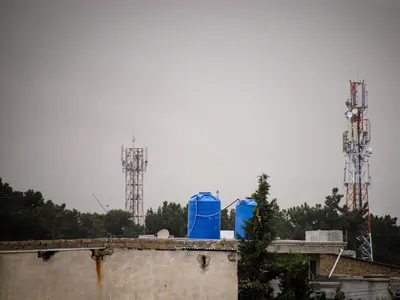
Water tank cleaning and disinfection
-
Water tank waterproofing
-
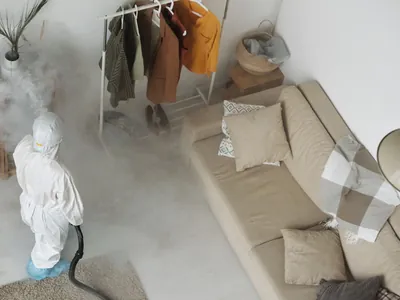
Disinfection and sanitisation
-
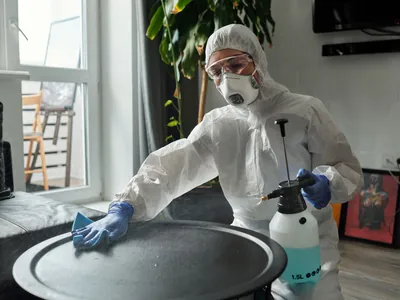
Pest control
-
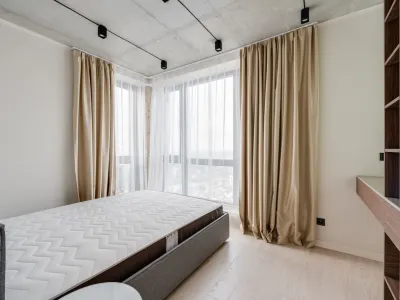
Bed bug control
-

Office cleaning
-
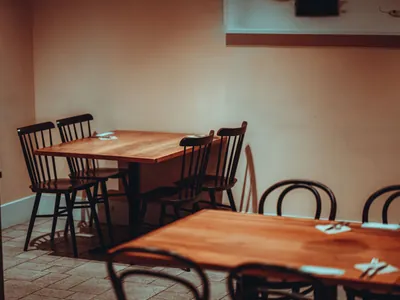
Restaurant cleaning
-
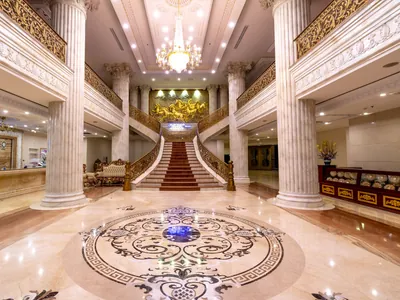
Hotel and resort cleaning
-
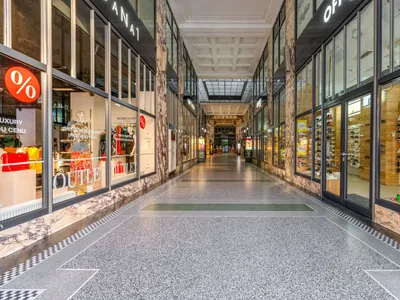
Shopping mall cleaning
-

Retail shop cleaning
-
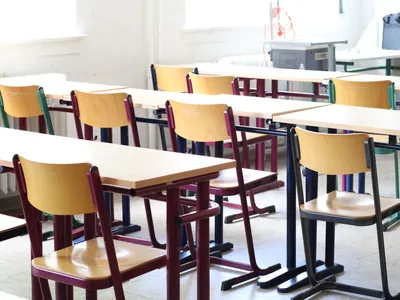
School cleaning
-

Nursery and kindergarten cleaning
-
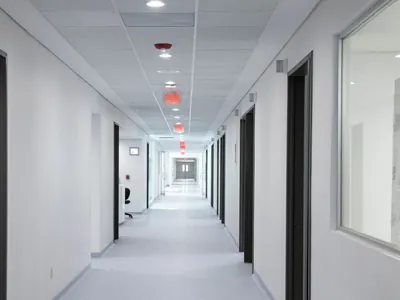
Hospital cleaning
-
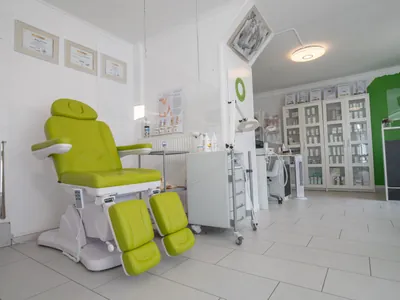
Clinic and medical centre cleaning
-
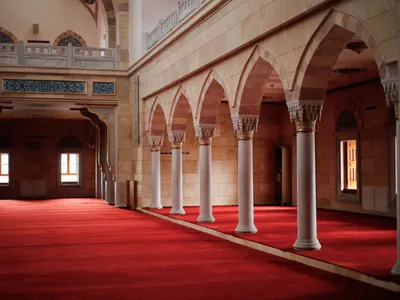
Mosque cleaning
-
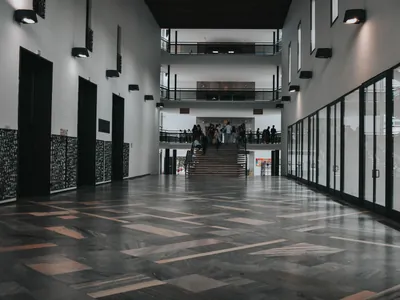
Government facility cleaning
-
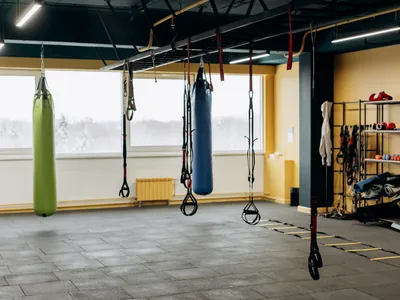
Gym cleaning
-
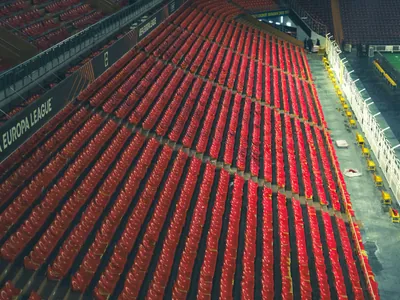
Sports field cleaning
-
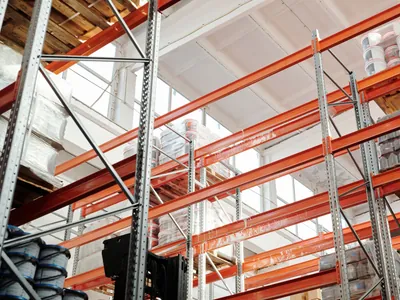
Factory and warehouse cleaning
-

Event cleaning
-
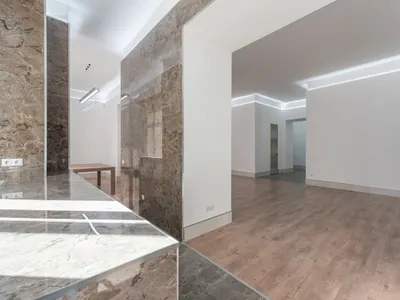
Commercial post-construction cleaning
-
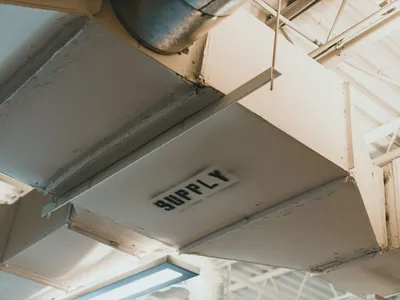
Air duct and AC cleaning
-
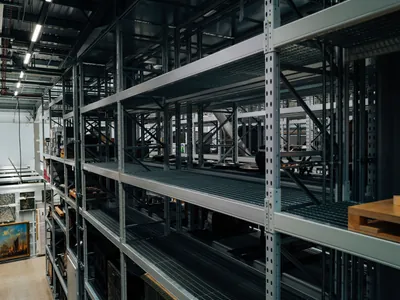
Commercial pest control