
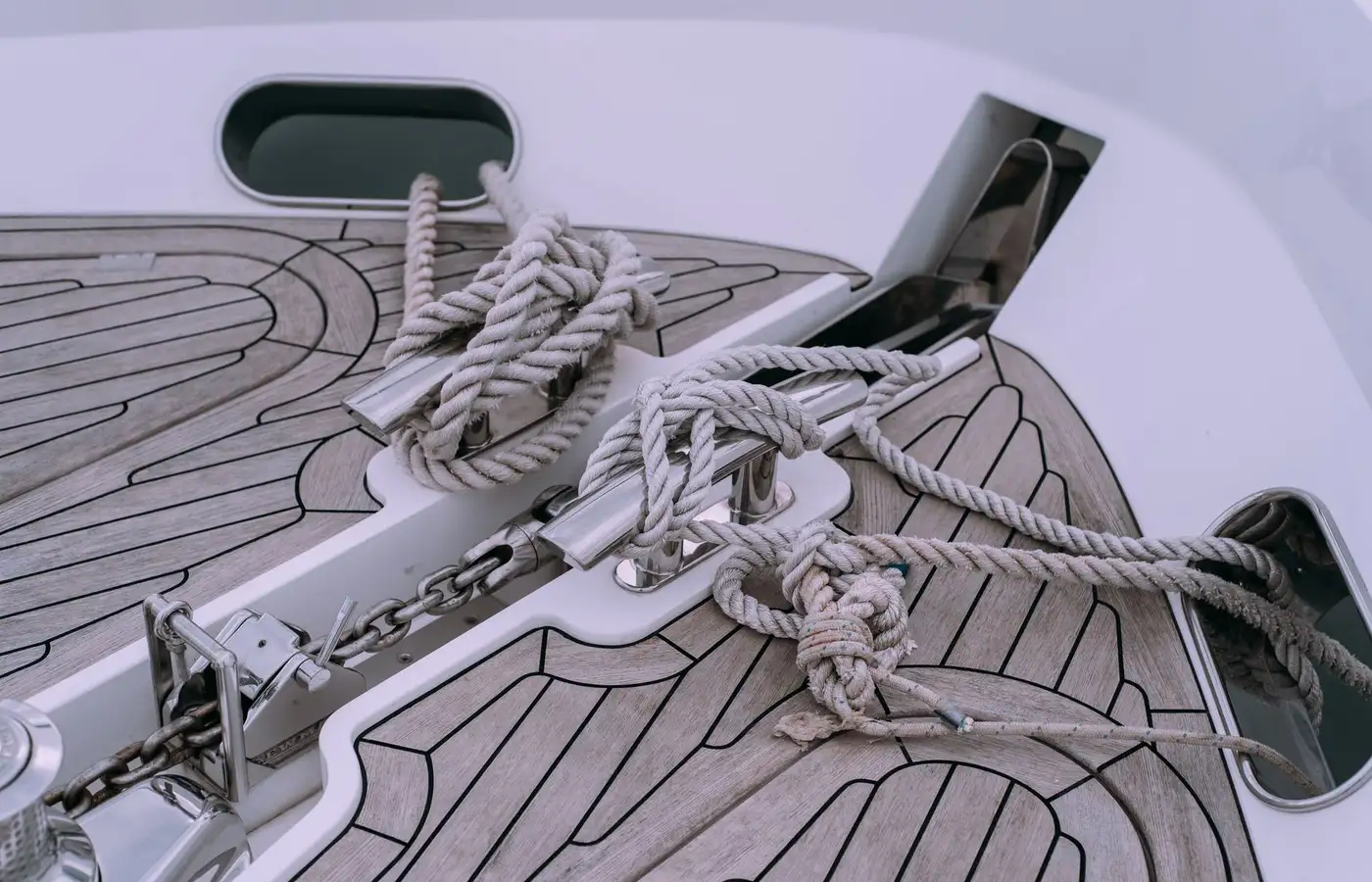
Raghwat Al Janoub Maintenance and Cleaning
Yacht cleaning in Al Misfat, Riyadh
Yachts moored in Al Misfat face genuine industrial pressure: welding and metal-cutting fumes settle on the deck and upholstery, heavy oils from repair shops cling to every surface. Cleaning a boat here means extracting what an ordinary wipe cannot reach. The salt is one problem; the industrial residue is another.
Why a yacht needs regular cleaning
-
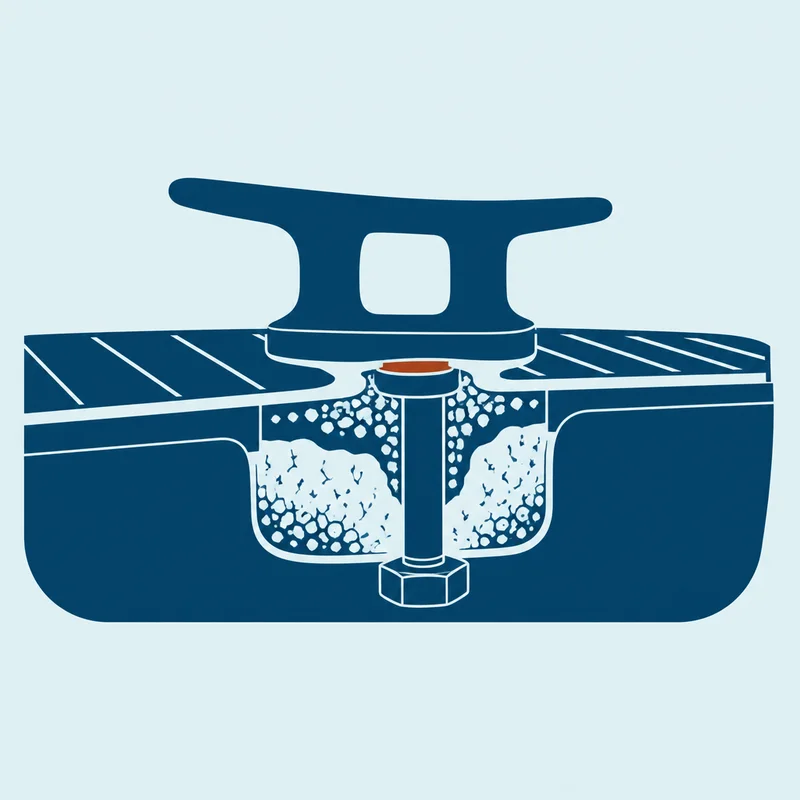
Stop salt before it pits
Salt residue attacks plated steel and aluminium if it sits for weeks, and the first sign is a small pit that will not polish out afterwards.
-

A smell that stays gone
Damp and salt sit inside the seat padding, and wiping the surface masks the odour for a day before it comes back.
-
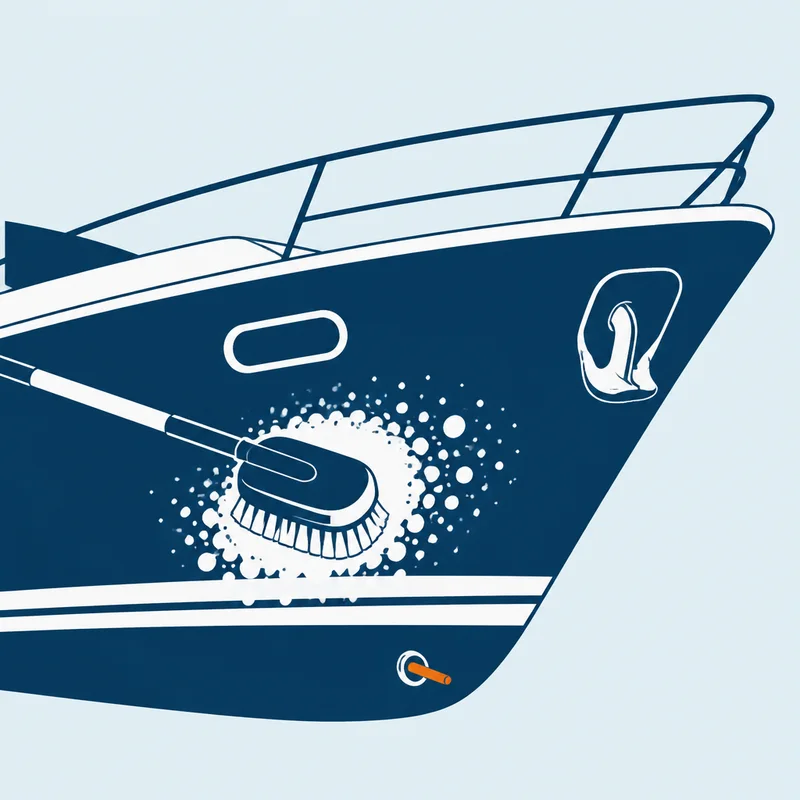
Products that spare the finish
Harsh cleaners strip gelcoat and marine paint, leaving the colour faded and blotchy.
-
Ready whenever you sail
A boat cleaned on a schedule stays ready for guests and for the water with no surprises.
Why the job is different in Al Misfat
Industrial fumes penetrate seat fabric faster than sea salt, and the smell returns stronger if the deep interior of the weave is not stripped clean the first time. The whole method is set out in the details of our yacht cleaning service.
-
Heavy oils from repair yards demand specialist degreasers
Oils and greases from nearby repair and metalworking shops adhere to metalwork and deck with force that ordinary soap cannot break. Industrial-grade degreasers approved for boat use break the bond without harming the paint. Once removed completely, they do not reaccumulate as quickly as salt does.
-
Welding fumes embed deep in upholstery weave
Metal vapours from the workshops nearby penetrate seat padding and cabin fabrics to depths a surface wipe never reaches. Surface cleaning hides the smell for a day or two. Deep cleaning suited to the fabric type pulls the embedded particles out and stops the smell returning for weeks.
-
Metal dust clogs bilge and drainage fast
Fine metal particles from cutting and welding accumulate in the bilge and drainage faster than salt does. This blocks water flow and creates stagnant damp. Bilge inspection and cleaning here is more critical than in a coastal mooring because the debris is finer and heavier.
What's Included
The Riyadh Refinery perimeter, repair yards and large storage facilities completely surround this district, meaning industrial sediment accumulates on moored boats continuously and compounds with every passing week.
-
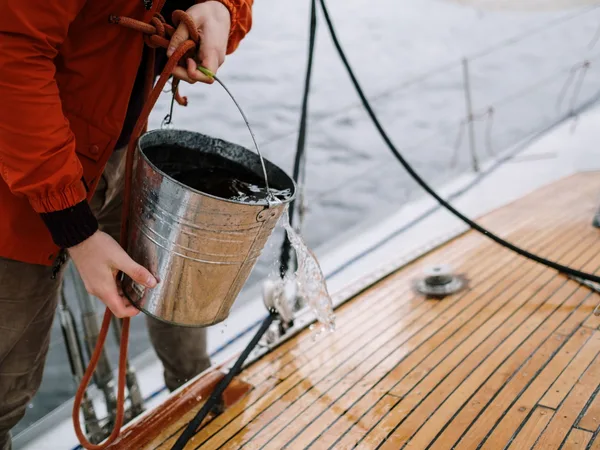
Deck wash with marine-safe products
The deck here carries metal dust and oils, so the wash starts by lifting heavy particles before regular water can do its work.
-
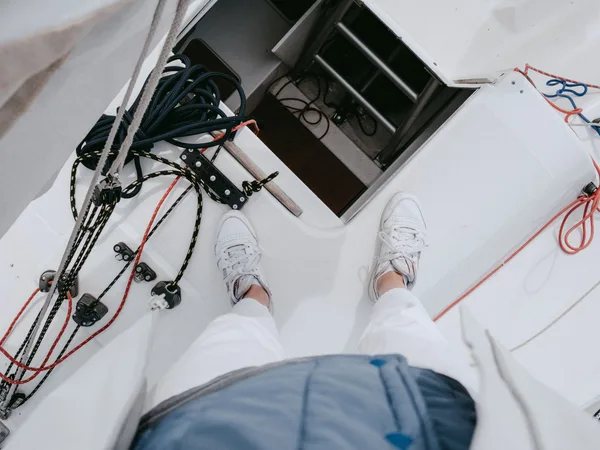
Salt removed from metalwork
Metalwork here corrodes from oils and fumes faster than it does from salt, so deep removal protects the polish from pitting.
-
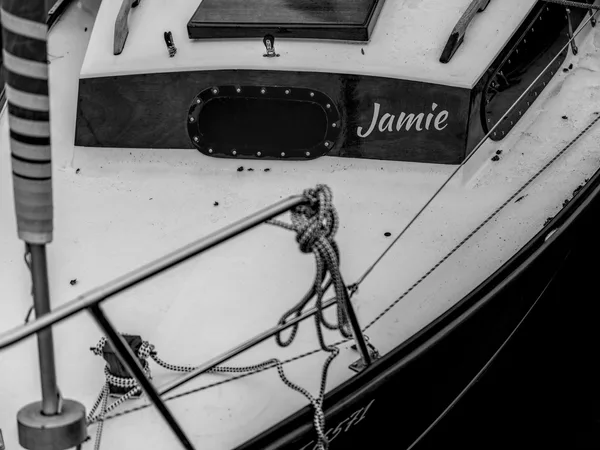
Cabin upholstery and seating
Upholstery absorbs welding fumes deep into the weave, and only cleaning that pulls from inside the fibres stops the smell returning.
-
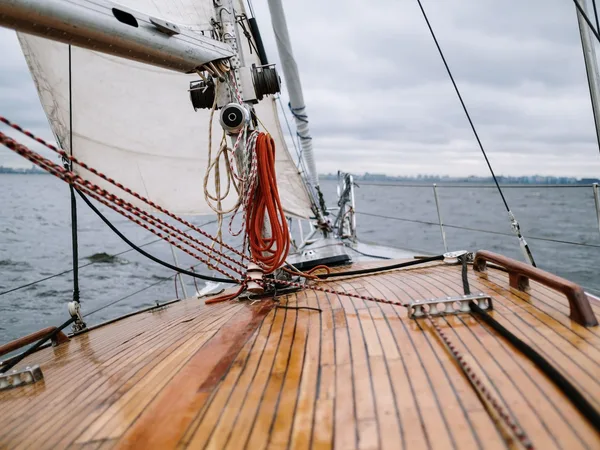
Galley and head
The galley and head get a thick oily film from the surrounding yards, so cleaning requires a degreasing step that water alone cannot achieve.
-
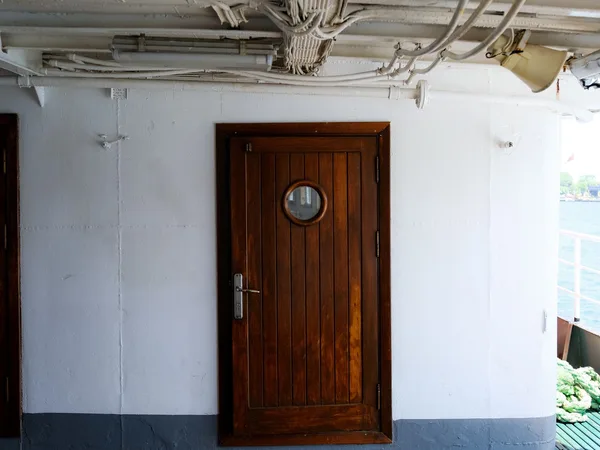
Glass and portholes
Glass and portholes suffer from heavy scale and fume deposits, so cleaning uses protective solution, not plain water.
-
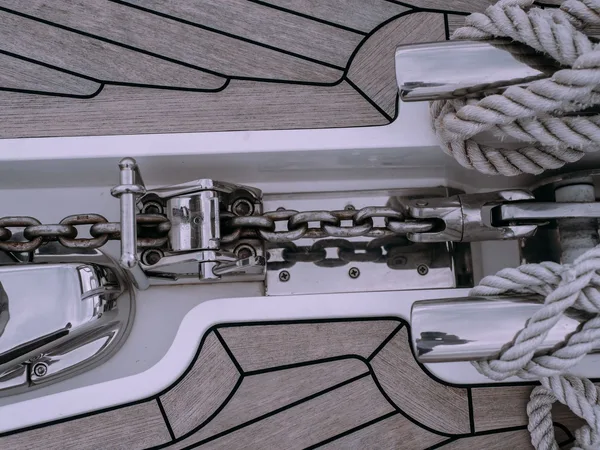
Bilge and drainage check
The bilge and drainage here clog with fine metal particles faster than with salt, so inspection and cleaning are even more critical than at coastal moorings.
The character of Al Misfat
Industrial area: workshops, warehouses and loading yards
Al Misfat is a working industrial district, and a boat moored here faces heavy oils and fumes from nearby refineries and repair yards. Deep recurring cleaning and chemical protection are the only way to keep the boat new and odour-free in this environment.
How we work
Survey the boat
Wash deck and metal
Cabin and bilge
Check and hand over
Some of our work
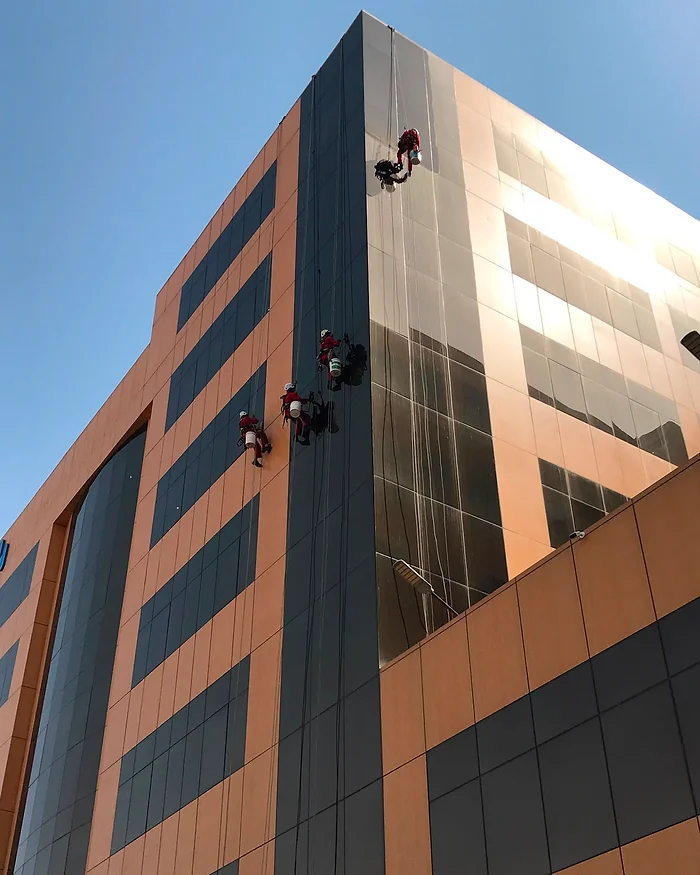
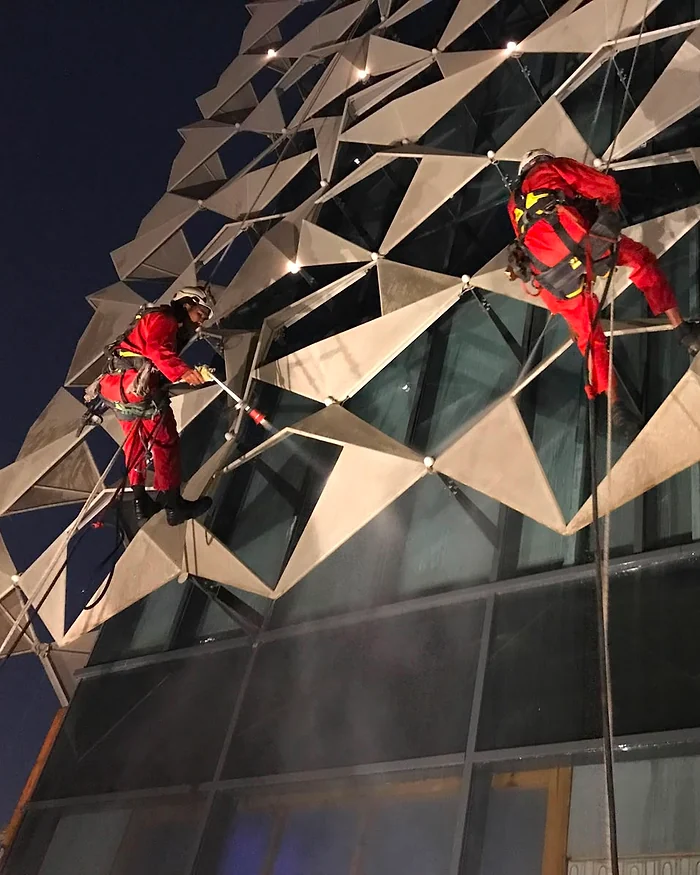
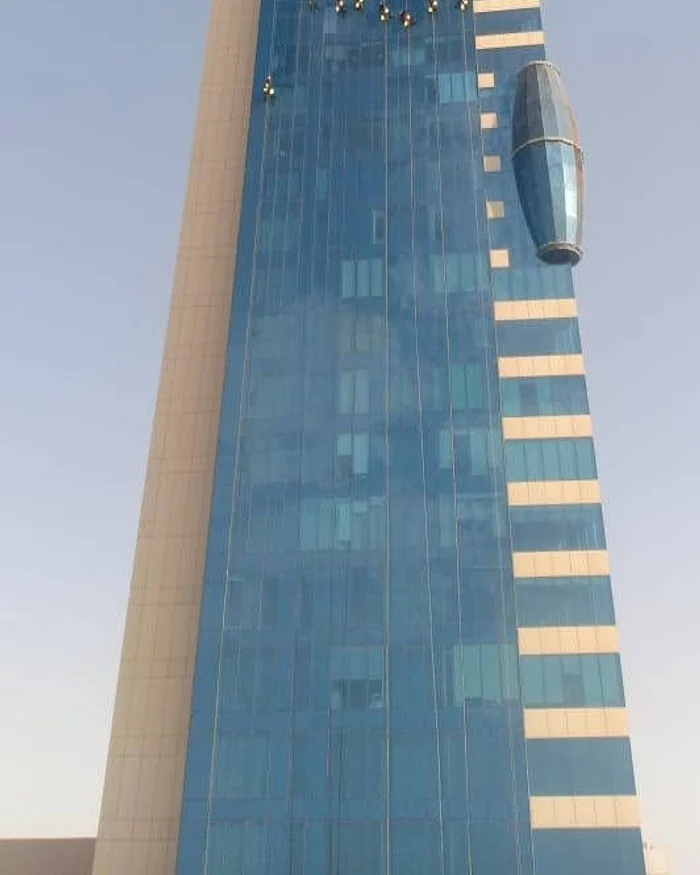
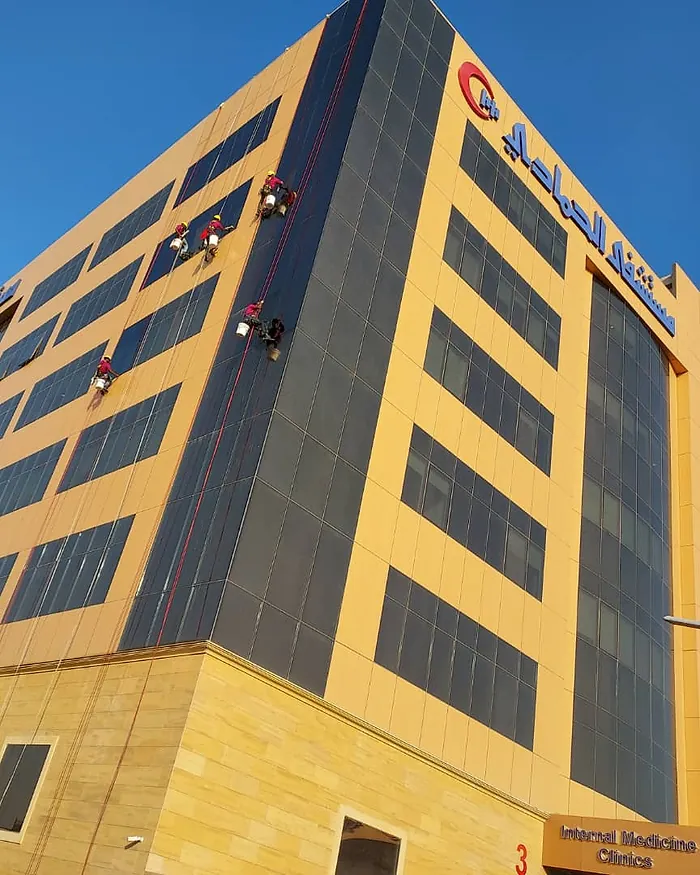
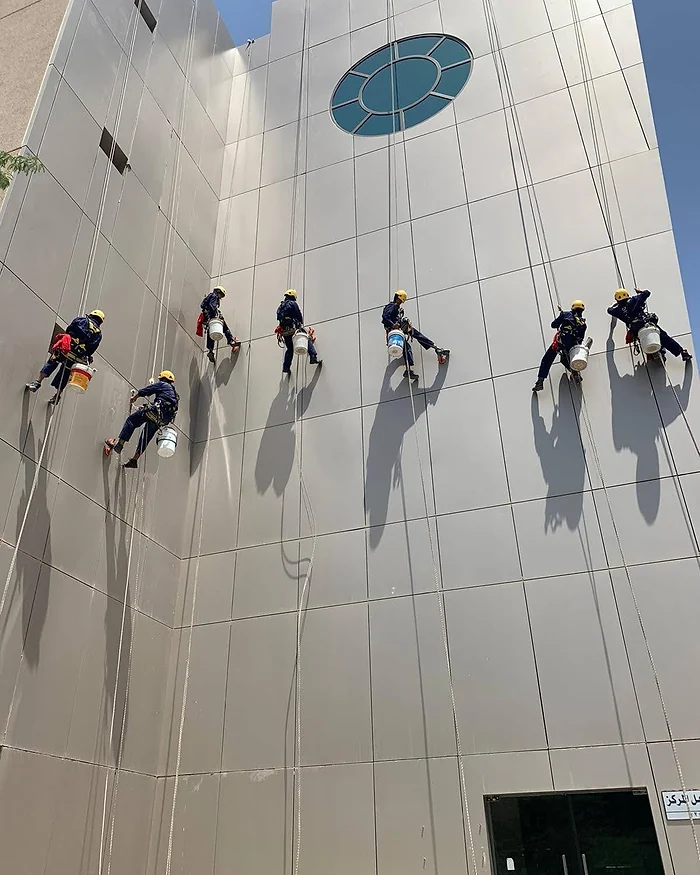
Photos from our team's work.

Landmarks of Al Misfat
Yachts in Al Misfat are easily accessed from Kharj Road which opens into the district, and Al Alam Street borders it to the south, making logistics straightforward throughout the year.
- the Riyadh Refinery
- Kharj Road
- Al Alam Street
Other services in Al Misfat
The room and the building around it are on one list.
-

Chalet cleaning
-
Sofa cleaning
-
Deep cleaning
-
Carpet and rug cleaning
-
Mattress cleaning
-

Curtain cleaning
-
House cleaning
-
Apartment cleaning
-
Villa cleaning
-
Majlis and rest-house cleaning
-
Kitchen cleaning
-
Bathroom cleaning
-
Chandelier cleaning
-
Swimming pool cleaning
-
Garden clearance
-
Water tank cleaning and disinfection
-
Water tank waterproofing
-
Move-in and move-out cleaning
-
Post-construction cleaning
-
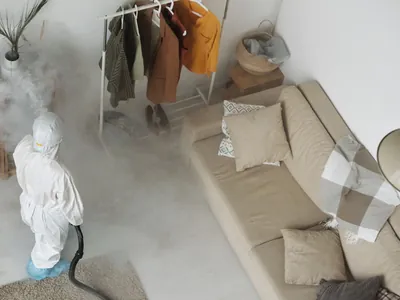
Disinfection and sanitisation
-
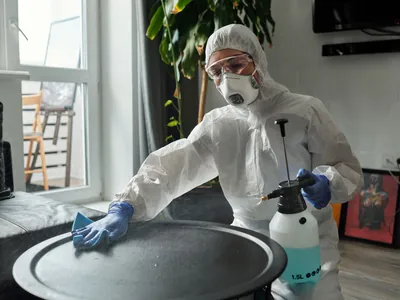
Pest control
-
Bed bug control
-

Office cleaning
-
Restaurant cleaning
-

Hotel and resort cleaning
-
Shopping mall cleaning
-

Retail shop cleaning
-
School cleaning
-

Nursery and kindergarten cleaning
-
Hospital cleaning
-
Clinic and medical centre cleaning
-
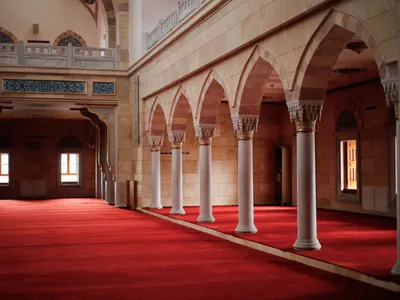
Mosque cleaning
-
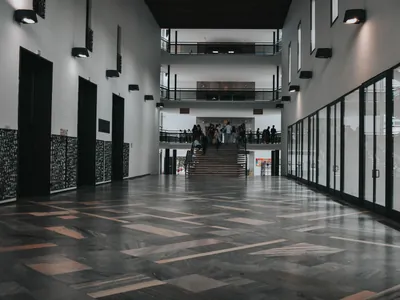
Government facility cleaning
-
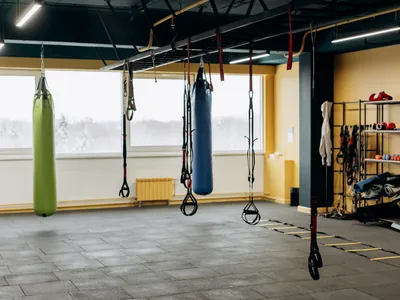
Gym cleaning
-
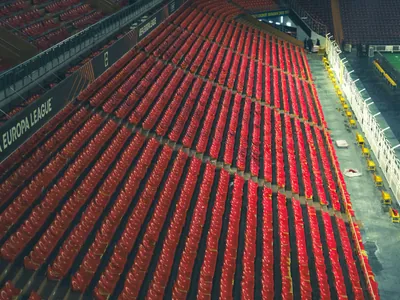
Sports field cleaning
-
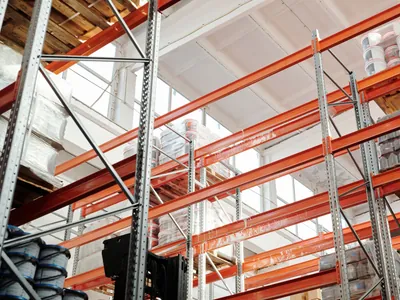
Factory and warehouse cleaning
-

Event cleaning
-
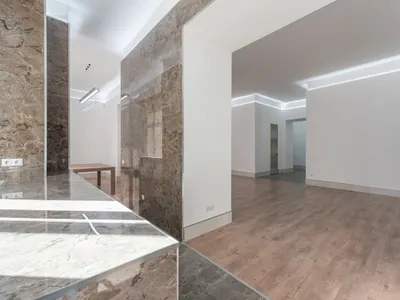
Commercial post-construction cleaning
-
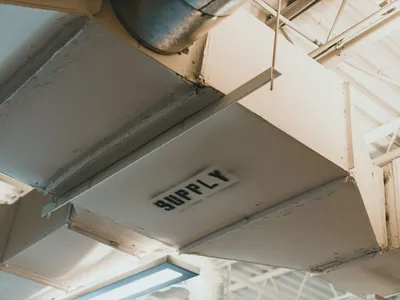
Air duct and AC cleaning
-
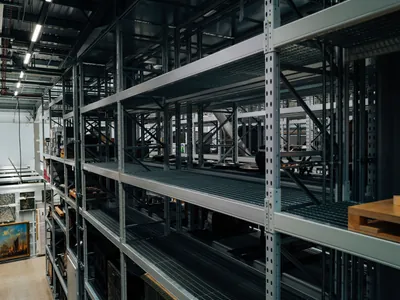
Commercial pest control