
Raghwat Al Janoub Maintenance and Cleaning
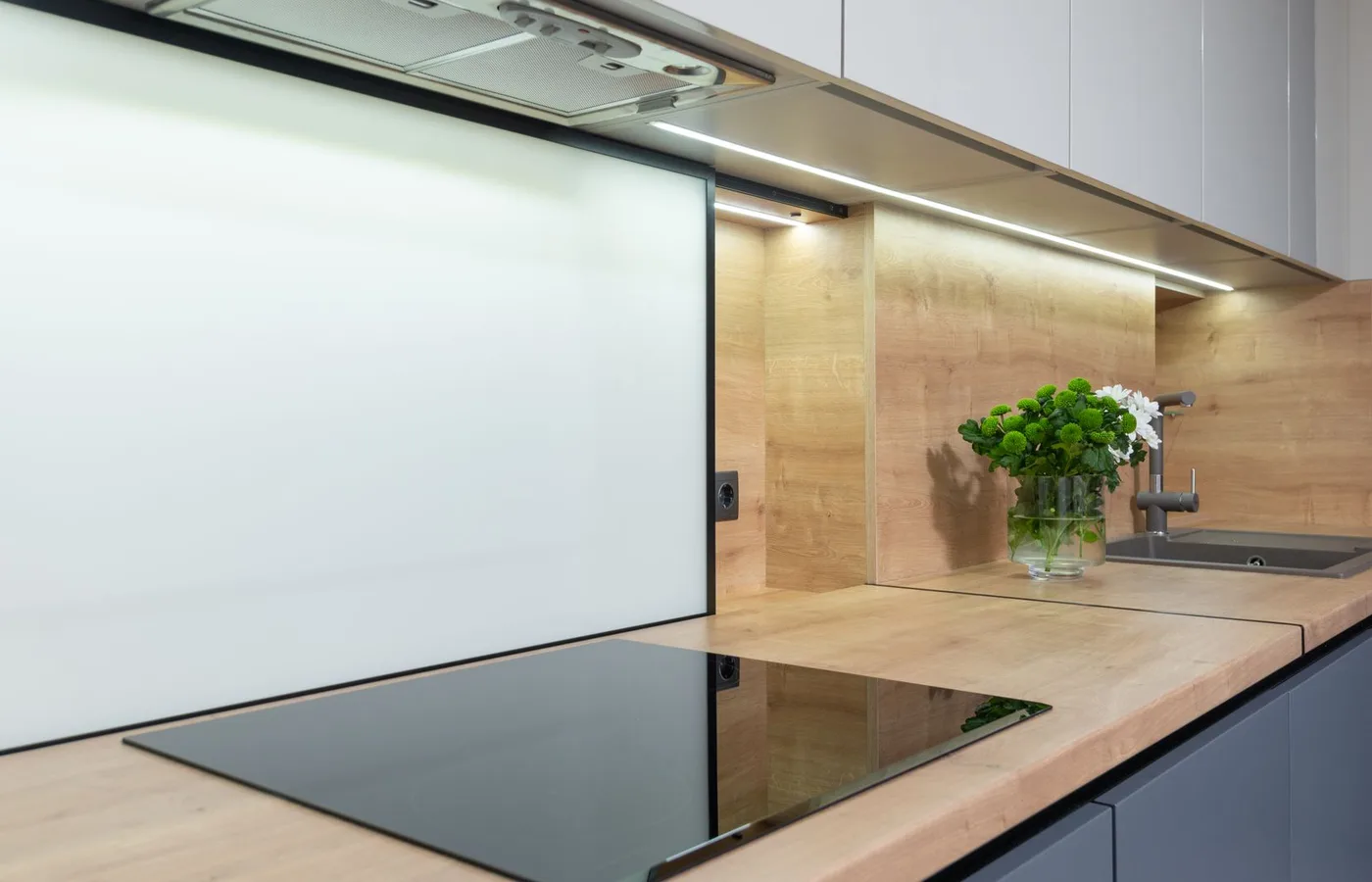
Kitchen cleaning in Al Wizarat, Riyadh
Al Wizarat kitchens feed government workers in institutional buildings clustered along Makkah Road in central Riyadh. These kitchens run continuously through business hours under heavy load, meaning grease and dust accumulate much faster than in homes. A kitchen used by dozens of people each day develops a different grease profile than one used by a family of four.
Why a kitchen needs more than a wipe
-
Grease over a flame is a fire load
The fat that builds up inside the hood and along the extract duct is combustible, and it sits directly above the burners.
-
Smells that leave for good
Kitchen odour does not come from the air but from old grease stuck on surfaces and sitting in the drain trap.
-
Surfaces safe for food prep
Greasy worktops and the porous grout between tiles collect food residue and bacteria right where you cook.
-
Appliances that run better
An oven caked in burnt-on grease uses more energy and heats unevenly, and a fridge with dirty door seals never closes tight.
Why the job is different in Al Wizarat
Government kitchens never stop during office hours, so grease deposits build up in an unbroken sequence rather than in separate daily cycles. The extractor filters clog on a predictable timescale that a home kitchen owner never experiences. The whole method is set out in our full account of kitchen cleaning.
-
Continuous heavy use all day
The government kitchen operates without pause through office hours, so grease never cools between users. Unlike a home kitchen that heats for two hours then sits empty, this one accumulates layers under sustained thermal load, creating much denser, harder deposits.
-
Multiple cooks sharing one hob
Several staff members may use the same stove and oven in quick succession throughout the day. Different cooking styles, different temperatures and different timing mean grease sources overlap and accumulate non-uniformly, putting the extractor under strain it was not designed for.
-
Makkah Road traffic exhaust and dust
The main road in front of the building carries heavy diesel truck traffic. Soot and fine particulates from vehicle exhaust enter the kitchen through windows and ventilation openings, mixing with the grease to create a compound deposit that is heavier and harder than grease alone.
What's Included
Government ministry and office buildings occupy this central district bordered by Makkah Road, which carries constant heavy traffic. The area lies close to Olaya Metro Station and the Institute of Public Administration.
-
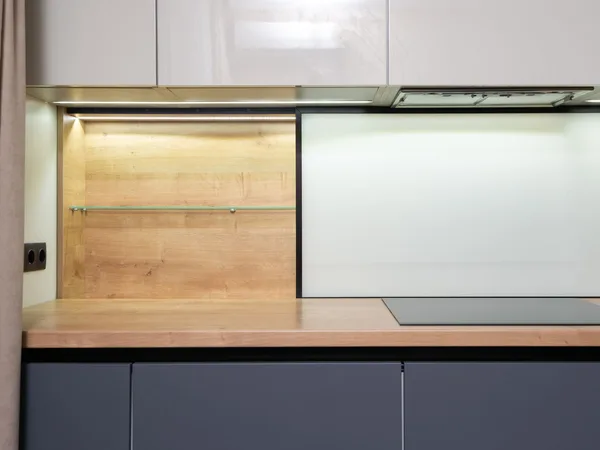
Degreasing the extractor
The extractor runs continuously under heavy load, so filters need inspection and cleaning far more often than in any domestic kitchen.
-
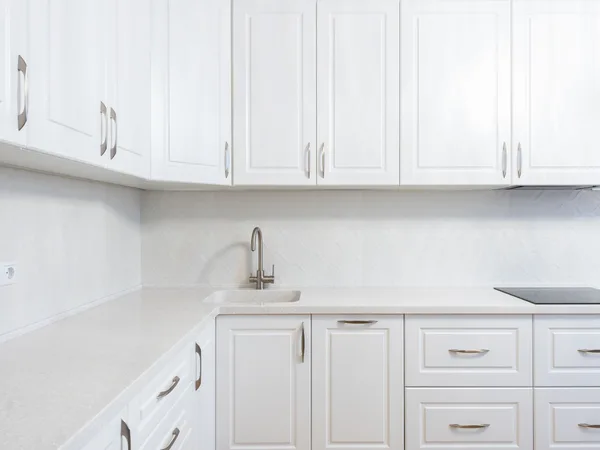
Cupboard fronts, inside and out
Cupboards in government kitchens absorb constant vapour throughout the day, requiring thorough internal inspection to remove accumulated moisture and grease.
-
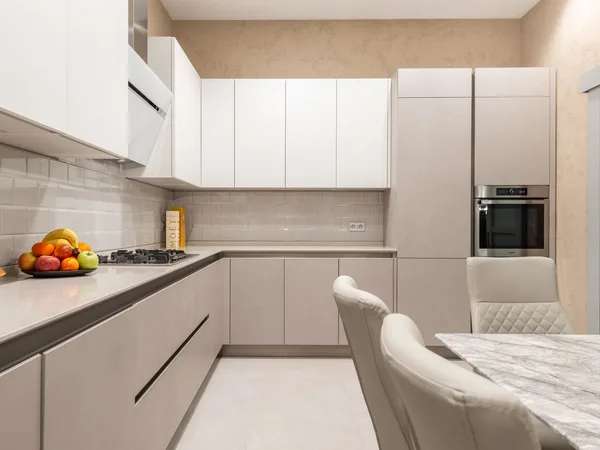
Appliances: oven and fridge inside
The oven and fridge work at high capacity, needing deep interior cleaning to remove built-up grease and food particles from intensive daily use.
-
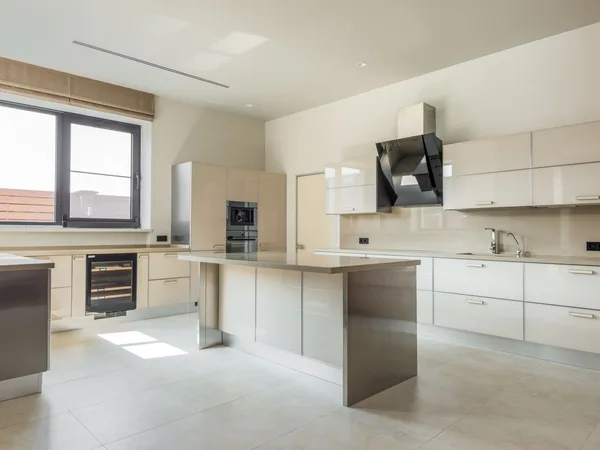
Worktops and the sink
Worktops and sinks are used by multiple people all day, requiring complete deep clean to remove accumulated residues and ensure food safety.
-
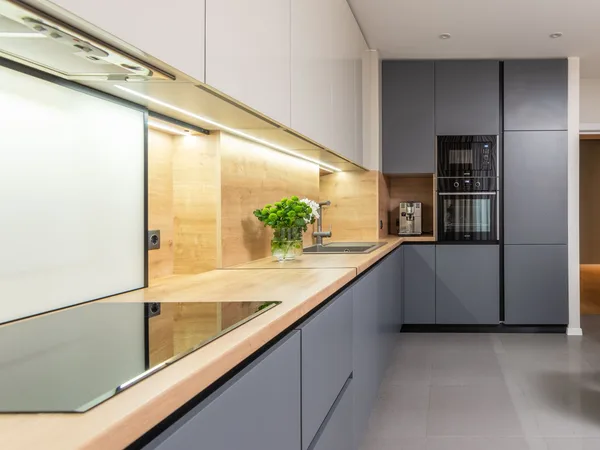
Tile and grout behind the hobs
Tile behind the hob dirties rapidly from constant vapour, and grout needs special attention for mould and moisture damage from the unbroken thermal load.
-
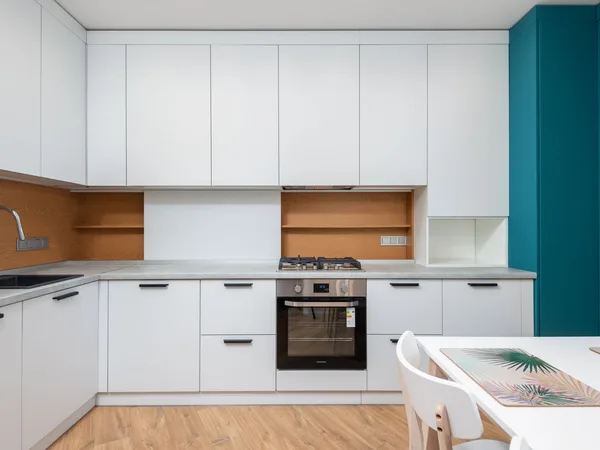
Drain and trap
Drainage and traps handle a large volume of grease and food waste daily, requiring deep pipe cleaning to prevent backups and odours from the concentrated load.
Al Wizarat on the map
Al Wizarat sits about 1 km from Al Dhubbat and about 1.5 km from Al Murabba.
Open in Google MapsHow we work
Survey the kitchen
Prepare and protect
Dissolve grease and clean
Dry and hand over
Some of our work
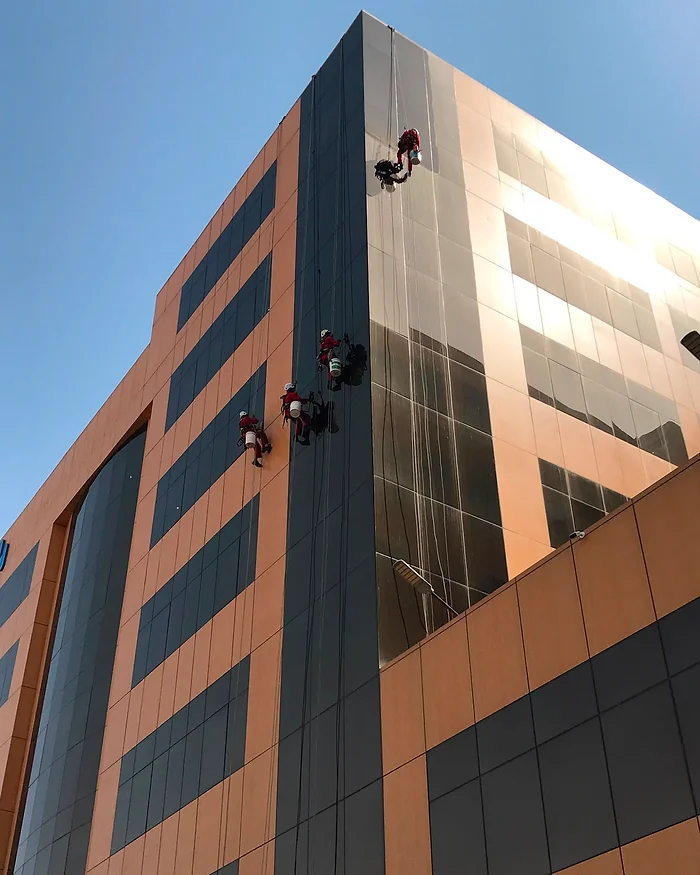
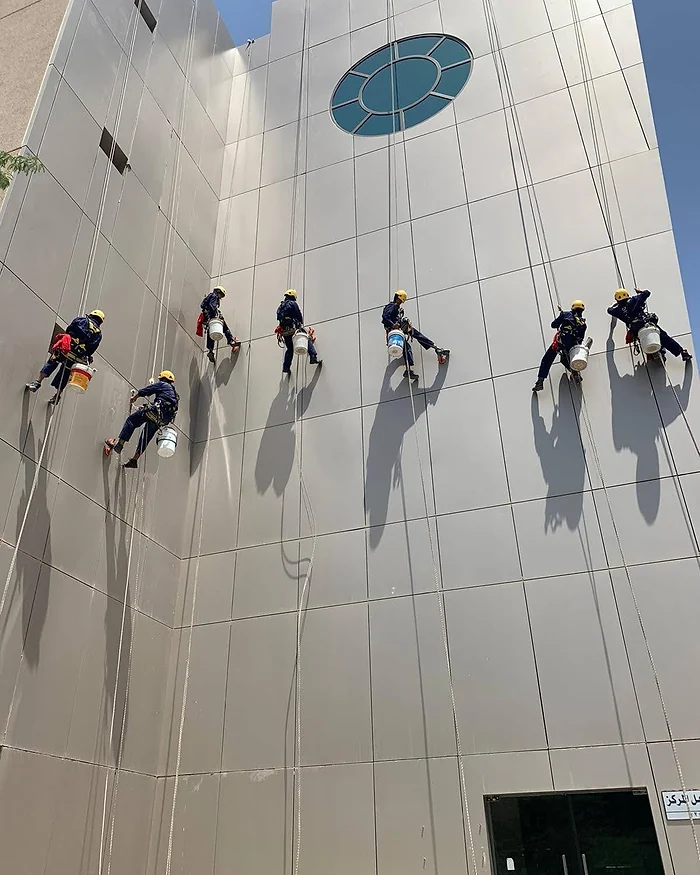
Photos from our team's work.
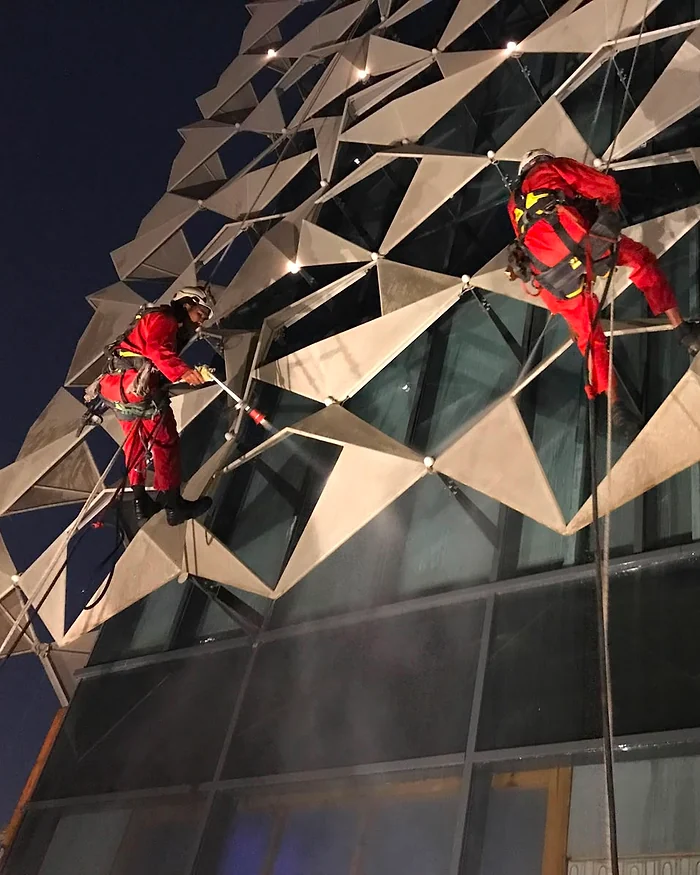
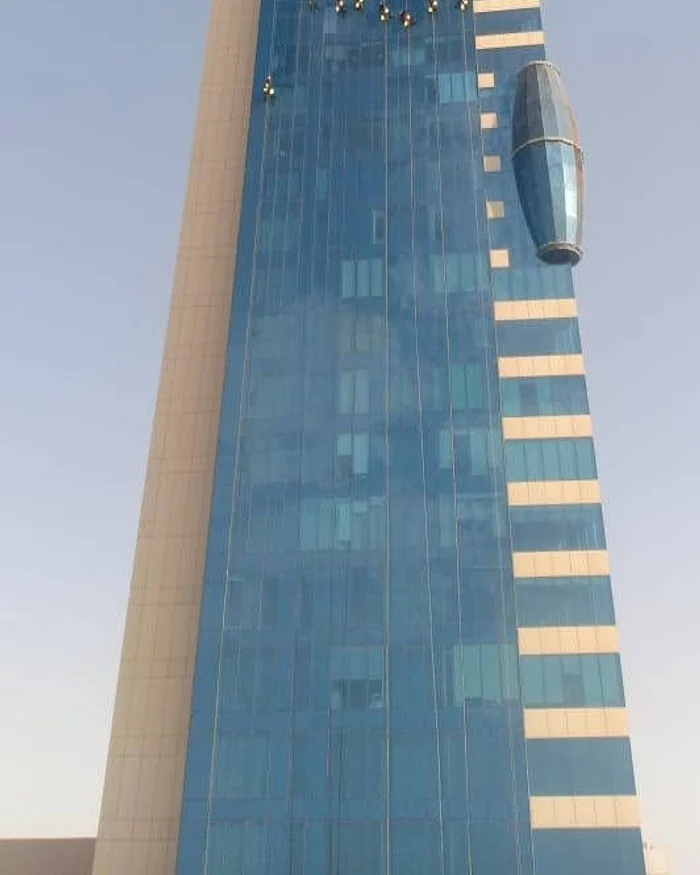
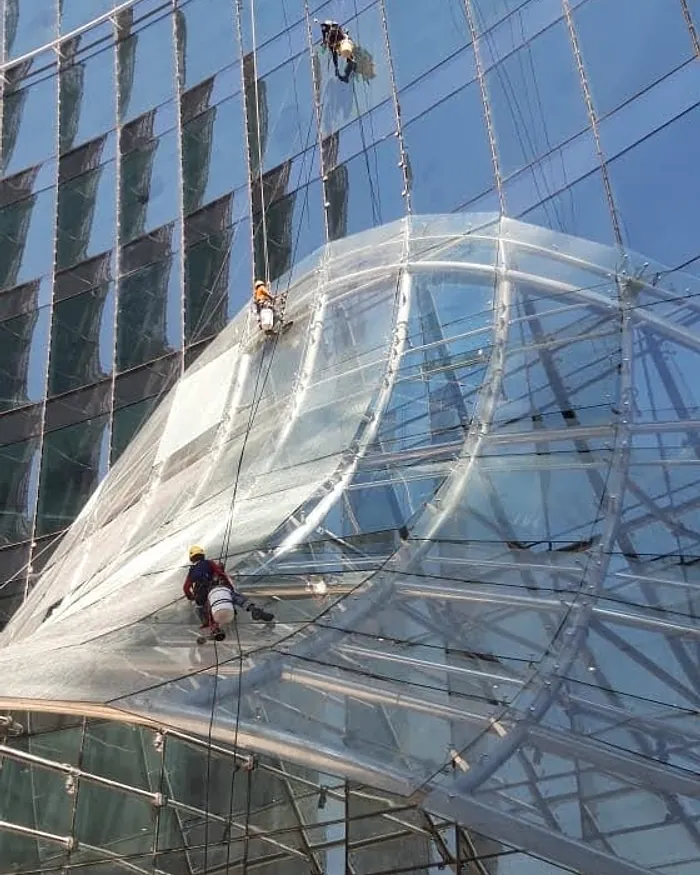
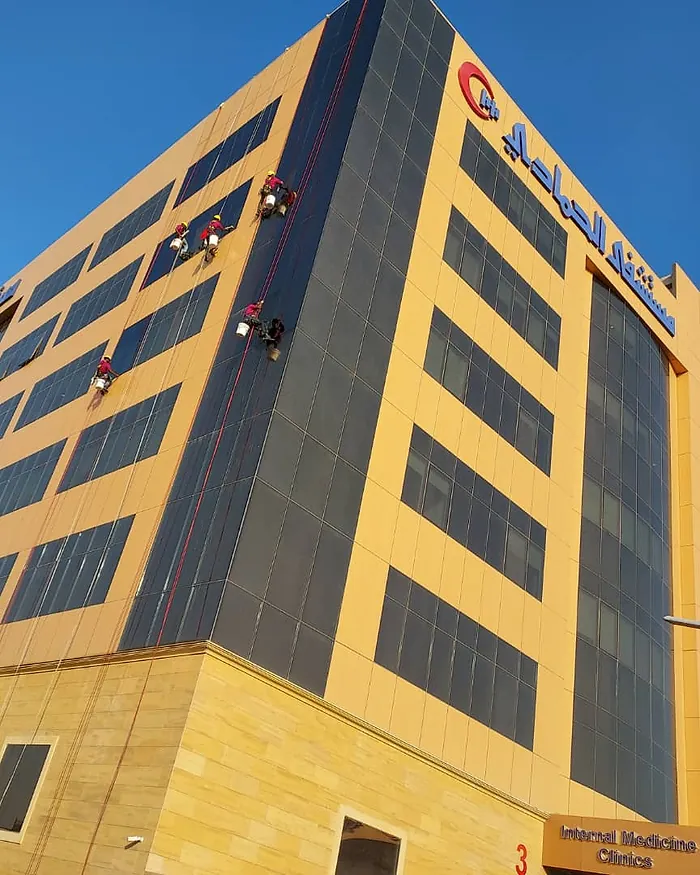
Landmarks of Al Wizarat
Work reaches these kitchens near Olaya Metro Station where government staff arrive and depart, and they sit embedded in ministry buildings along Makkah Road, meaning the kitchens serve the continuous flow of workers and experience the road's unbroken traffic dust and exhaust.
- Makkah Road
- Olaya Metro Station
- Institute of Public Administration
Other services in Al Wizarat
The room and the building around it are on one list.
-
House cleaning
-
Restaurant cleaning
-
Deep cleaning
-
Disinfection and sanitisation
-
Sofa cleaning
-
Carpet and rug cleaning
-

Mattress cleaning
-
Curtain cleaning
-
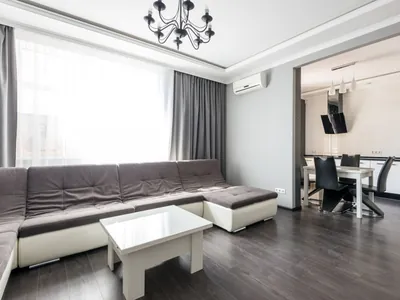
Apartment cleaning
-
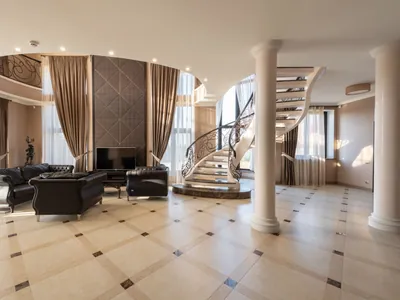
Villa cleaning
-
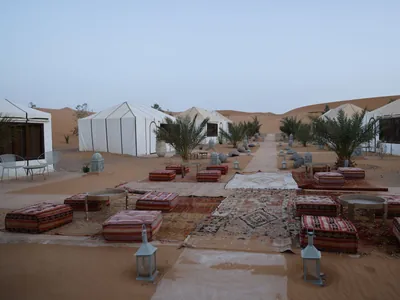
Majlis and rest-house cleaning
-
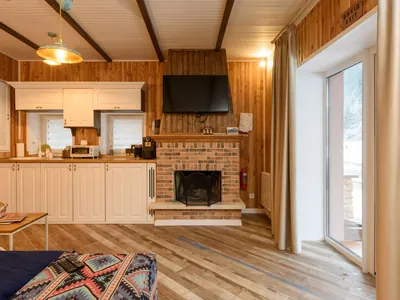
Chalet cleaning
-
Yacht cleaning
-
Bathroom cleaning
-
Chandelier cleaning
-

Swimming pool cleaning
-
Garden clearance
-
Water tank cleaning and disinfection
-
Water tank waterproofing
-
Move-in and move-out cleaning
-
Post-construction cleaning
-
Pest control
-
Bed bug control
-
Office cleaning
-
Hotel and resort cleaning
-
Shopping mall cleaning
-
Retail shop cleaning
-
School cleaning
-

Nursery and kindergarten cleaning
-
Hospital cleaning
-
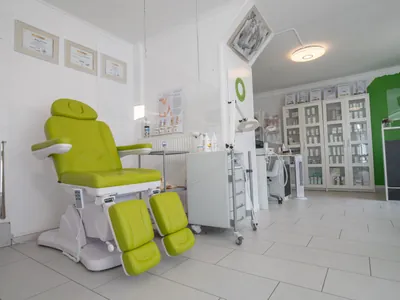
Clinic and medical centre cleaning
-
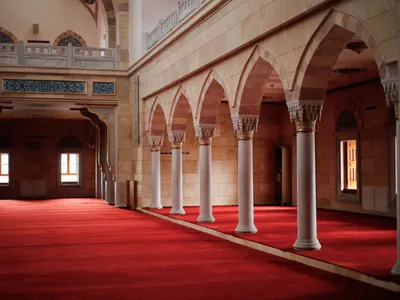
Mosque cleaning
-
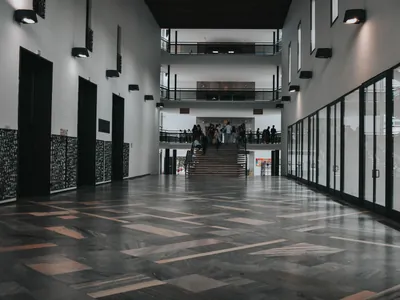
Government facility cleaning
-
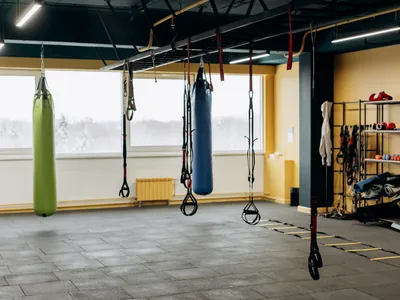
Gym cleaning
-
Sports field cleaning
-
Factory and warehouse cleaning
-
Event cleaning
-
Commercial post-construction cleaning
-
Air duct and AC cleaning
-
Commercial pest control