
Raghwat Al Janoub Maintenance and Cleaning
Marble grinding and crystallisation in Al-Ahsa
Al-Ahsa is a vast oasis inland on flat desert ground, mixing date palms and spring-fed farmland with deep Ottoman history shown in old palaces beside modern buildings, all sitting on clay soil that holds high moisture from natural springs. Marble floors in villas and public buildings here face continuous moisture from below ground, not just from air.
Why grinding beats a surface polish
-

Shine from the stone, not a layer
A surface polish shines for the first week, then flakes off at the doors and busy walkways.
-

Scratches removed, not hidden
Deep scratches and sunken stains do not wipe away, because they sit inside the stone.
-

A surface that resists Riyadh dust
Central Saudi dust is fine, mineral and constant, and it grinds against a soft polish all day until the shine dulls.
-
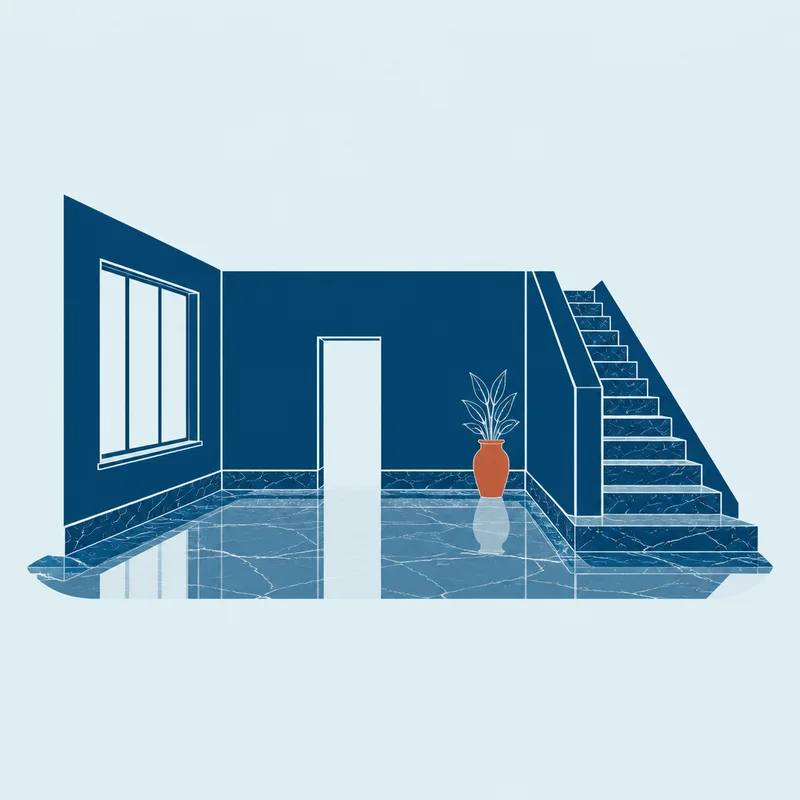
Edges and skirtings matched
Many floor jobs leave the corners and skirtings dull, so the edge of every room gives the work away.
Why the job is different in Al-Ahsa
In Al-Ahsa, marble floors absorb moisture from below because of natural springs, causing small bubbles and surface cracks that need special treatment before polishing. The whole method is set out in our full account of marble grinding and crystallisation.
-
Villas and buildings on damp clay ground
Al-Ahsa is built on clay soil rich in moisture from springs and wells, so villa and residential building floors absorb water from below constantly. This differs from Riyadh or Dammam, where the ground is drier.
-
Ottoman palaces and heritage buildings with stone floors
Qasr Ibrahim and other historic structures in Al-Ahsa have old marble and stone floors that need special care because ancient stone is more sensitive to moisture than modern marble.
-
Shops in Al-Ahsa market and residential areas
Al-Ahsa's main market and shops and admin buildings see heavy daily foot traffic, and marble floors face both human traffic and subsurface moisture at the same time.
What's Included
Al-Ahsa sits on clay ground saturated by natural springs, and that subsurface moisture affects building foundations and raises humidity inside marble floors in a way different from dry inland areas.
-
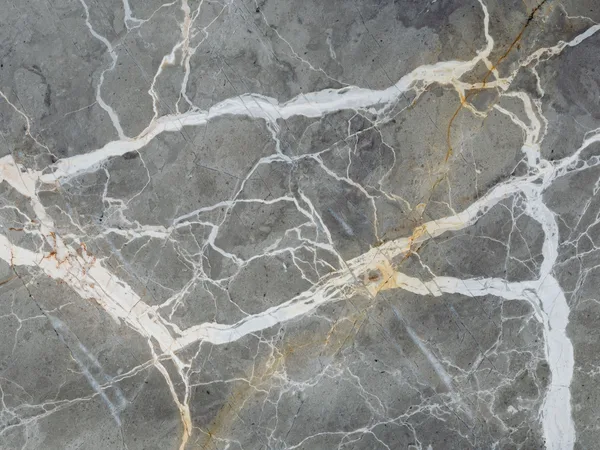
The stone type and its condition read
Al-Ahsa floors absorb moisture from below due to springs, so initial drying takes longer than in other areas.
-
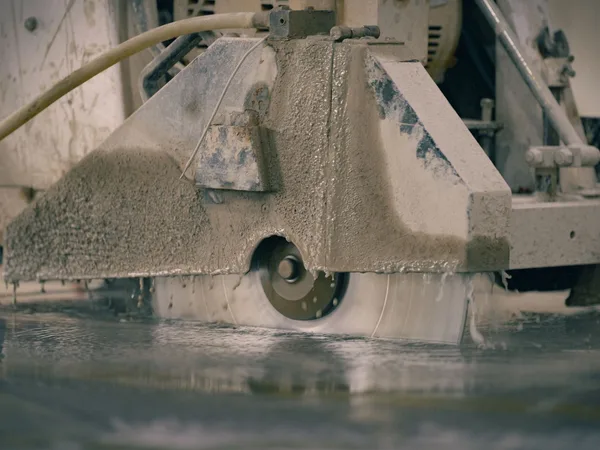
Coarse grinding to take out the scratches
Surface inspection focuses on small bubbles and cracks caused by rising damp before any grinding.
-
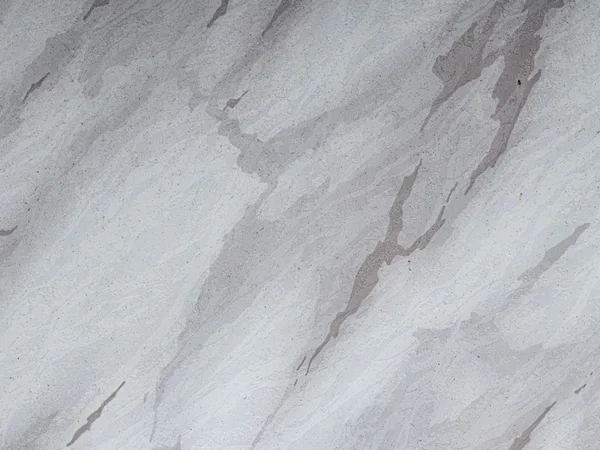
Stepped through to the fine pads
Old stone in heritage palaces needs sensitivity testing first before any polishing solution is used.
-
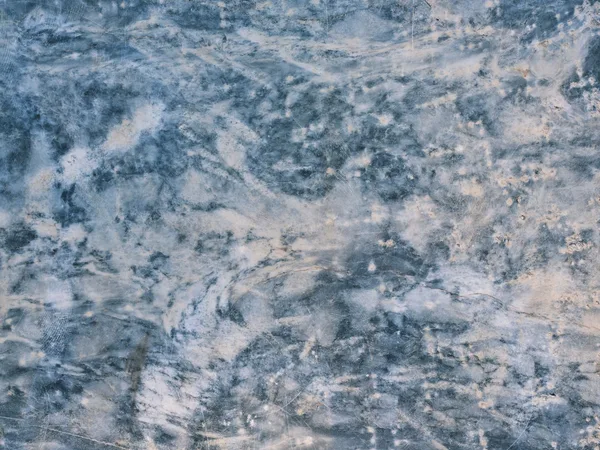
Crystallisation for a hard surface
Specialist moisture barriers may be applied under crystallisation to protect floors from future rising damp.
-
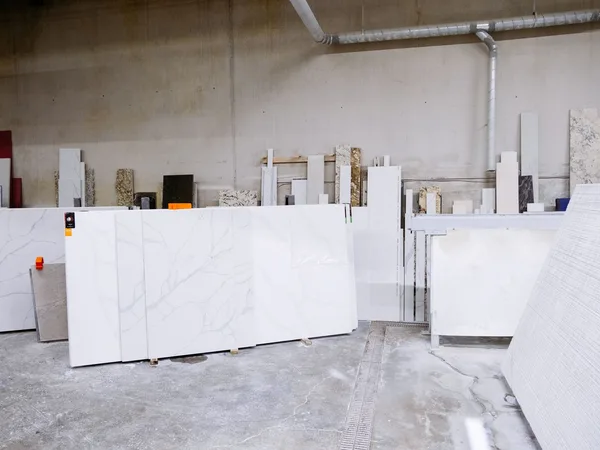
Edges and skirtings
Polishing in Al-Ahsa may need longer cycles than dry areas because moisture affects how the shine holds.
-
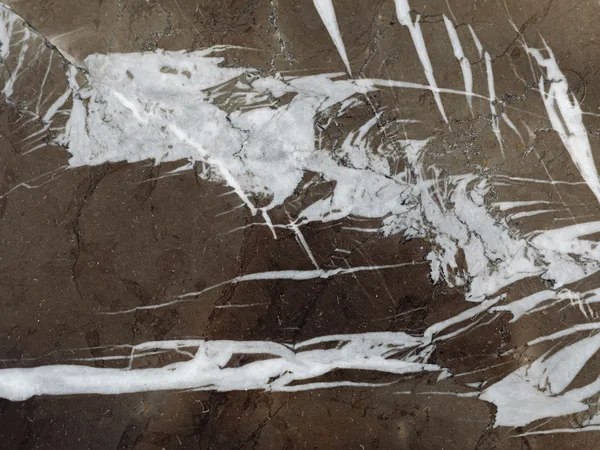
A final seal on the pores
Admin buildings and shops need regular checks because rising damp may return quickly without structural treatment.
Al-Ahsa on the map
Al-Ahsa sits about 5.5 km from Al-Mubarraz and about 6.5 km from Hofuf.
Open in Google MapsHow we work
Survey the floor
Prepare the space
Grind and crystallise
Clean up and hand over
Some of our work
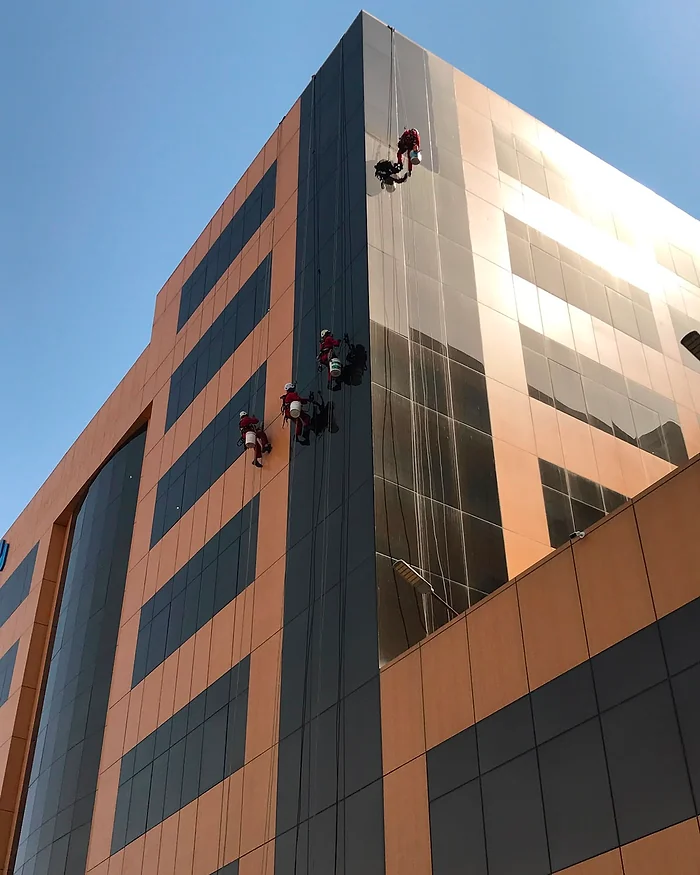
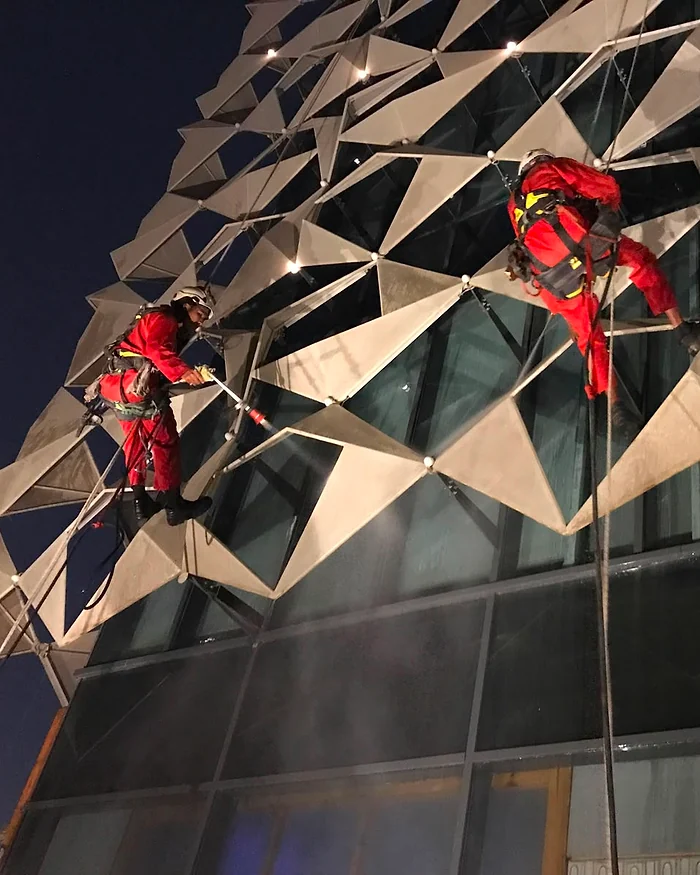
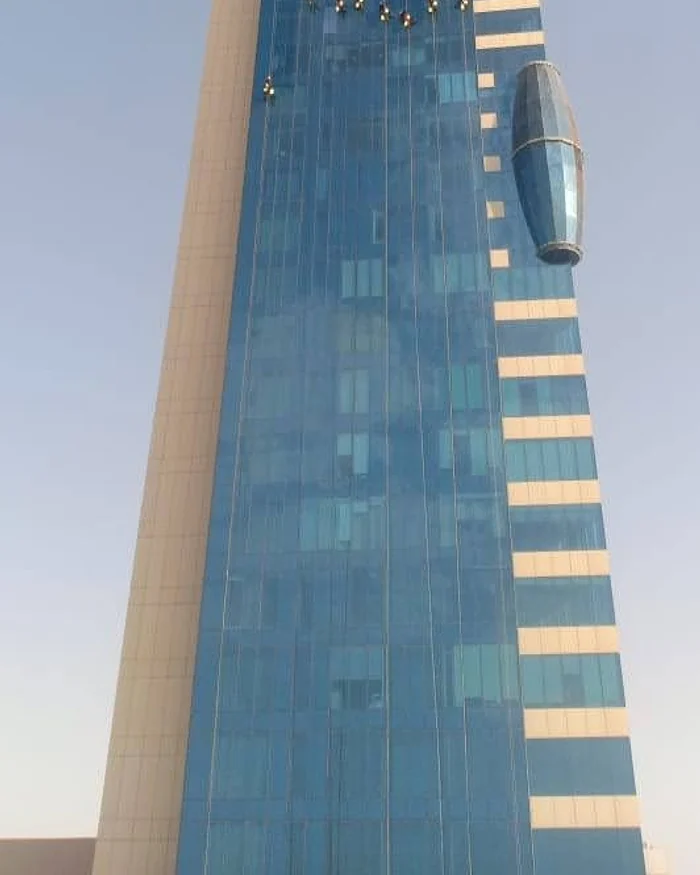
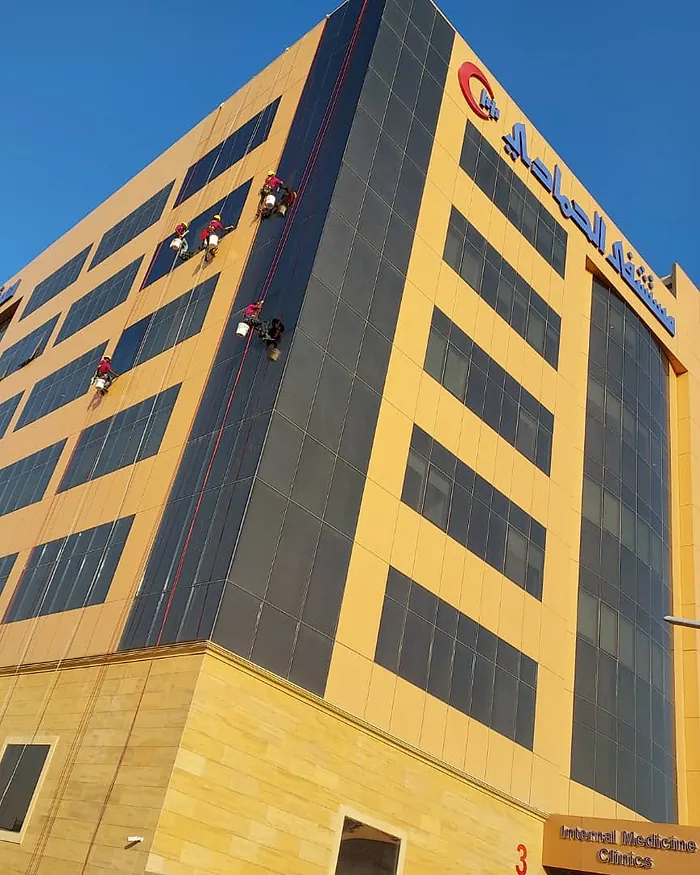
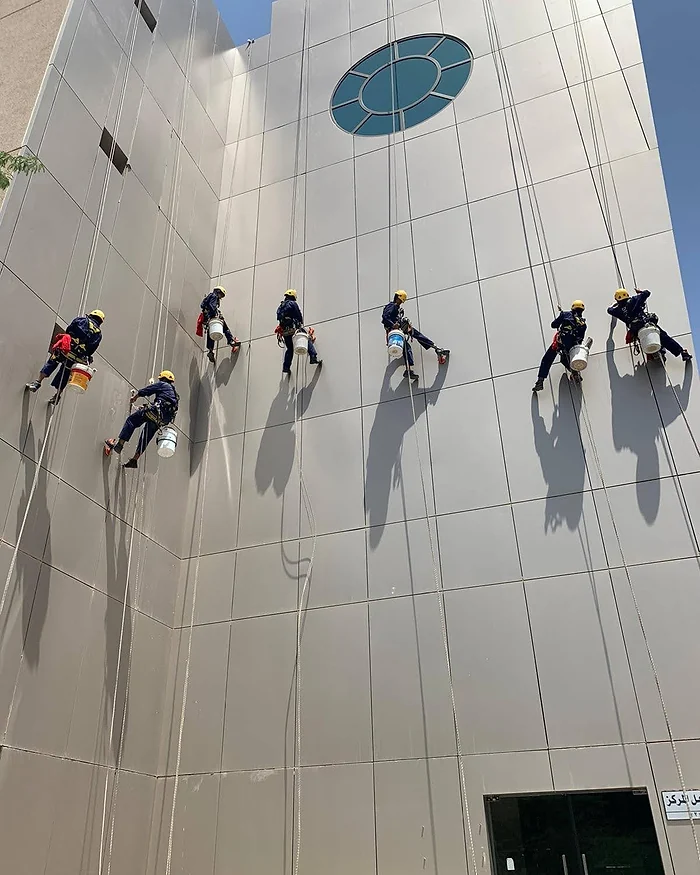
Photos from our team's work.

The character of Al-Ahsa
Rural area: farms, open ground and scattered homes
Al-Ahsa mixes modern villas with old Ottoman palaces and administrative buildings on the same ground, and each building type has different polishing needs based on stone age and the moisture it faces.
Other services in Al-Ahsa
The room and the building around it are on one list.