Raghwat Al Janoub Maintenance and Cleaning
Marble grinding and crystallisation in Hofuf
Hofuf is the historic heart of Al-Ahsa oasis, mixing ancient stone floors in Sahood Fort and the vaulted Suq Al-Qaysariyah market with marble in King Faisal University buildings and the railway station. The shift from heritage stone laid decades ago to modern marble in contemporary structures means each floor type needs its own approach before grinding and crystallisation begins.
Why grinding beats a surface polish
-
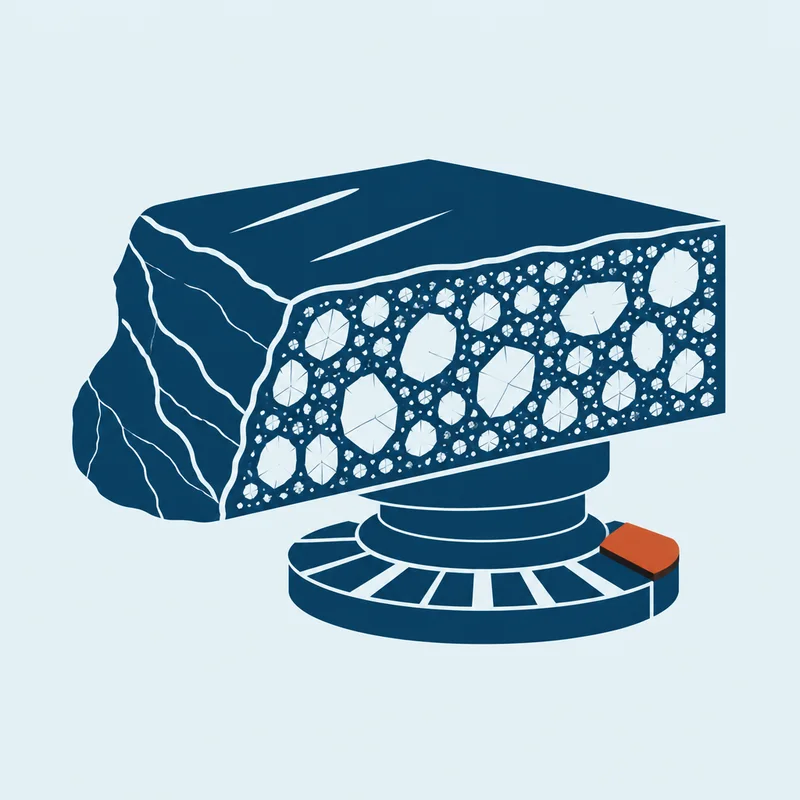
Shine from the stone, not a layer
A surface polish shines for the first week, then flakes off at the doors and busy walkways.
-

Scratches removed, not hidden
Deep scratches and sunken stains do not wipe away, because they sit inside the stone.
-
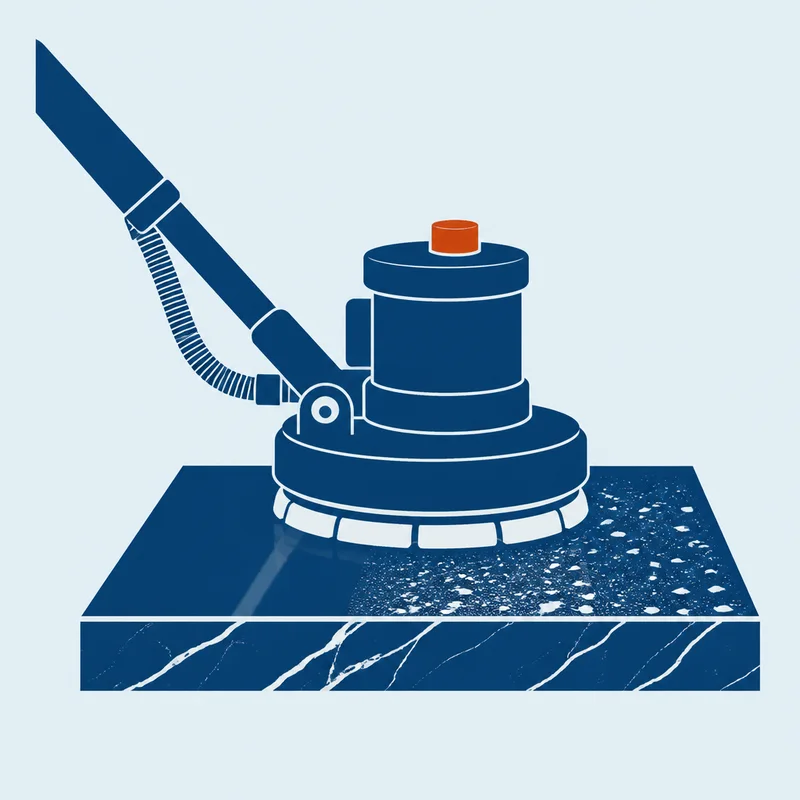
A surface that resists Riyadh dust
Central Saudi dust is fine, mineral and constant, and it grinds against a soft polish all day until the shine dulls.
-
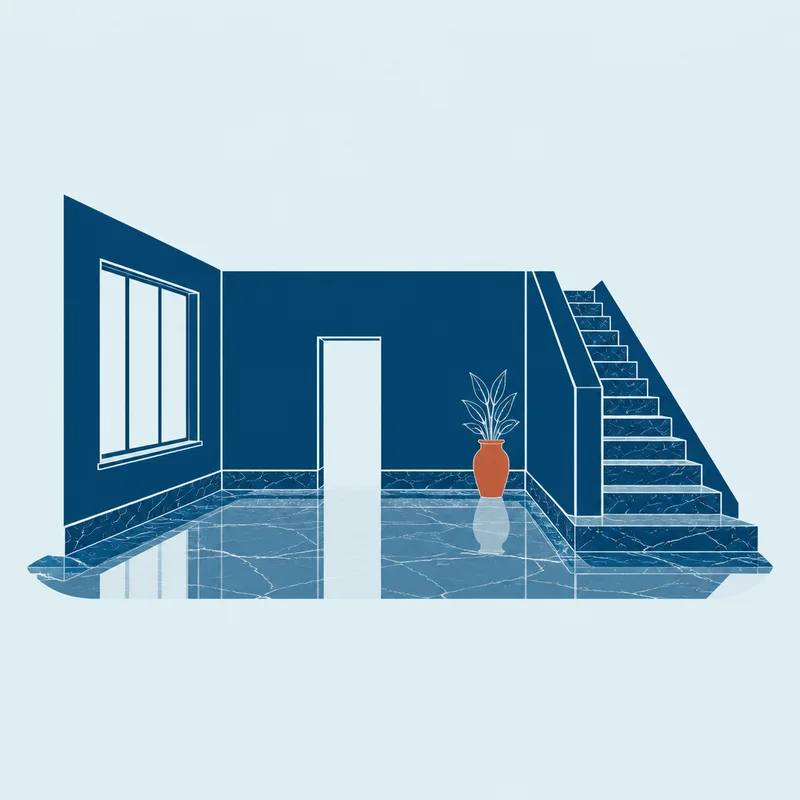
Edges and skirtings matched
Many floor jobs leave the corners and skirtings dull, so the edge of every room gives the work away.
Why the job is different in Hofuf
Shop floors in the old Suq Al-Qaysariyah market see heavy daily foot traffic, so they need polish renewal more often than administrative building floors where traffic is lighter. The whole method is set out in the marble grinding and crystallisation overview.
-
Ancient stone and modern marble side by side
Sahood Fort and Suq Al-Qaysariyah hold stone and foundation laid centuries ago, while King Faisal University, the airport and railway station have contemporary marble and engineered stone. Old stone needs a hardness check before grinding, and modern marble follows a completely different crystallisation standard.
-
Shop and covered-market floors holding desert dust
The vaulted arcades of Suq Al-Qaysariyah and the surrounding shop floors collect fine desert dust even though they are partly sheltered. That dust sticks to wet surfaces after cleaning, so it must be removed completely before grinding begins, or it will trap dark spots inside the final polish.
-
Government buildings with floors under uneven traffic loads
King Faisal University, the airport and railway station all see fluctuating foot traffic: crowded during office hours and flight times, quiet at night and during holidays. This swing in load leaves uneven wear marks across a single floor.
What's Included
Hofuf sits deep in the Al-Ahsa oasis on inland desert ground, away from any coast, and its low indoor humidity affects how quickly the polish layer sets after chemical treatment.
-
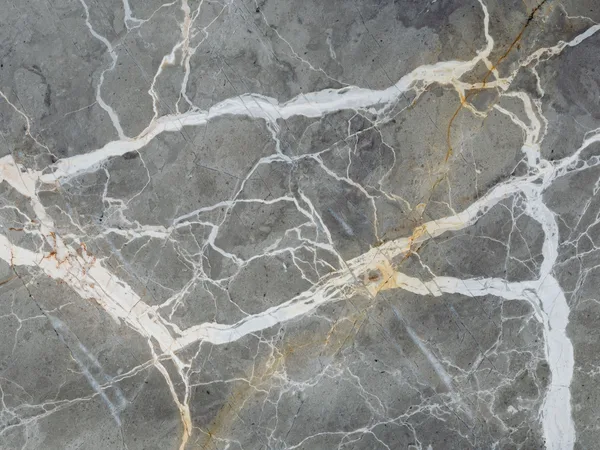
The stone type and its condition read
Stone at Sahood Fort and Suq Al-Qaysariyah is tested for strength and cracks before any grinding starts.
-
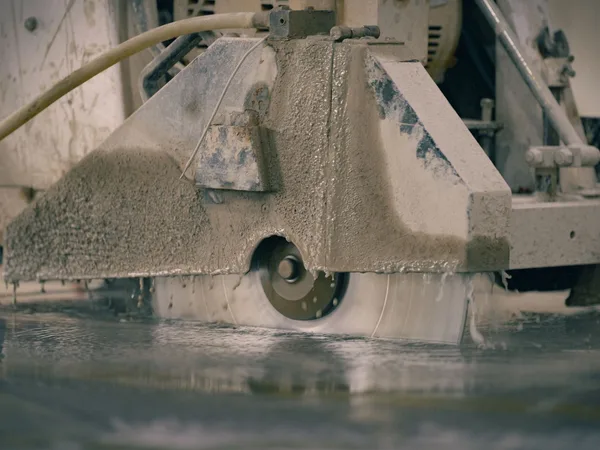
Coarse grinding to take out the scratches
Grinding heritage stone requires fine grits and light crystal to avoid damaging the surface.
-
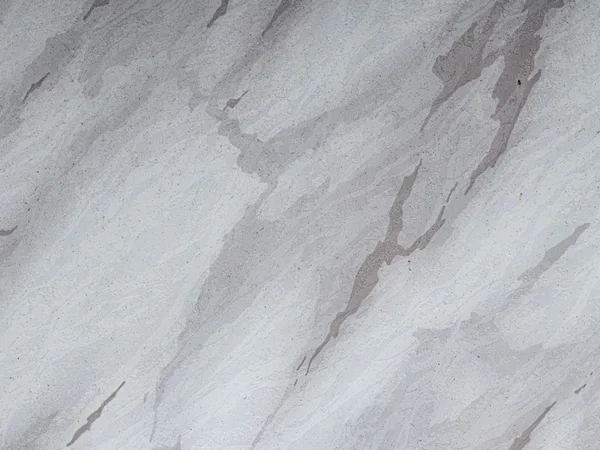
Stepped through to the fine pads
Modern marble floors at the university and airport are ground to standard specs, then crystallised with a chemical grade that matches the marble type.
-
Crystallisation for a hard surface
Desert dust is removed completely before polishing, so it does not trap in the new layer and leave dark spots.
-
Edges and skirtings
Shop and market floors are treated at night when they are closed, so the polish dries quietly without foot traffic.
-
A final seal on the pores
Low humidity in Hofuf speeds crystal drying, shortening the wait before the floor can be walked on again.
Landmarks of Hofuf
Scheduling in Hofuf moves between Sahood Fort and Suq Al-Qaysariyah alongside King Faisal University buildings and Al-Ahsa Airport, so heritage and modern floors are served in sequence without doubling back across the city.
- Sahood Fort
- Suq Al-Qaysariyah
- King Faisal University
- Al-Ahsa International Airport
- Hofuf Railway Station
How we work
Survey the floor
Prepare the space
Grind and crystallise
Clean up and hand over
Some of our work
Photos from our team's work.
What is different about Eastern Province
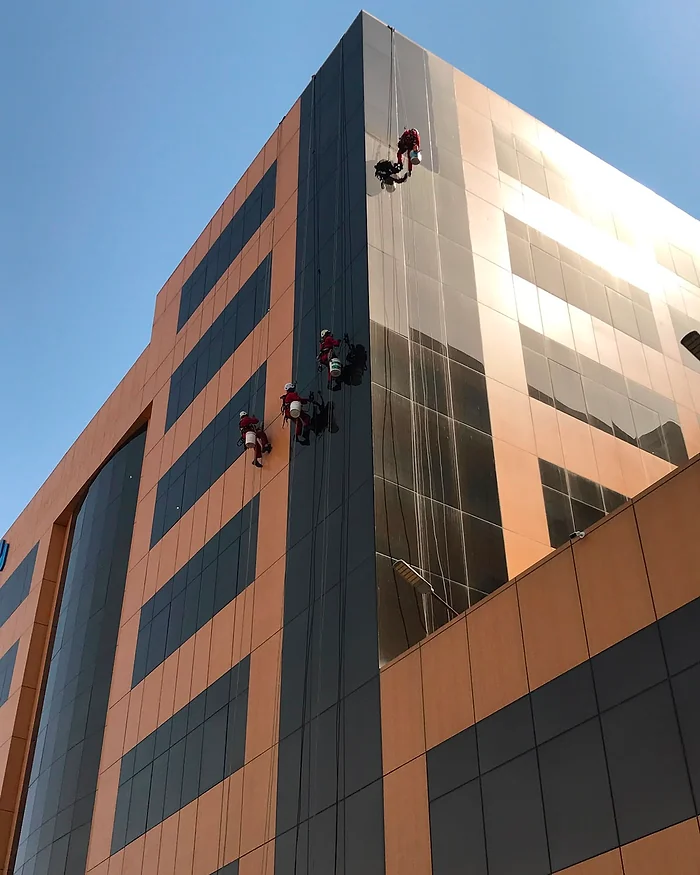
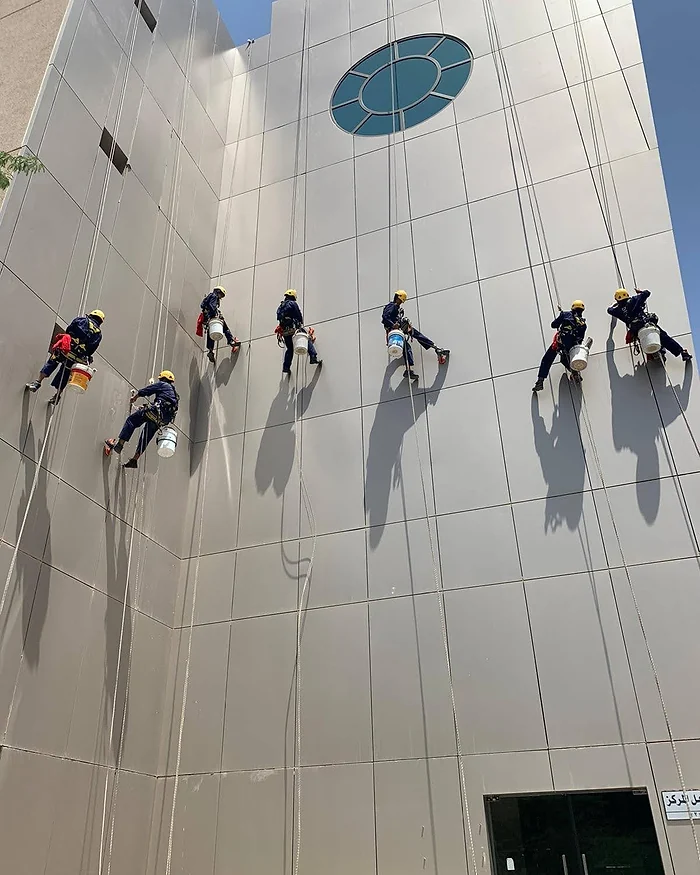
The Eastern Province is the most humid part of the country. Dammam, Khobar, Dhahran and Jubail face the Gulf, where warm salt laden air and summer haze leave a sticky film on glass towers, corniche apartments and the cladding of Aramco and industrial housing, and refinery and petrochemical fallout at Jubail and Ras Tanura adds a fine grey grime. Al Ahsa is an oasis of palm groves, springs and older stone and mud quarters around Hofuf, while Hafr Al Batin inland is dry and swept by northern shamal dust. Metal fittings corrode and marble dulls quickly near the water.
Other services in Hofuf
The room and the building around it are on one list.