
Raghwat Al Janoub Maintenance and Cleaning
Marble grinding and crystallisation in Al Bukayriyah
Al-Bukayriyah is a small farming town in Qassim surrounded by fruit orchards and palm groves where villas sit scattered among green fields. Seasonal irrigation moisture and fine dust from farmland cause rapid deposits on marble floors, especially during peak watering seasons.
Why grinding beats a surface polish
-

Shine from the stone, not a layer
A surface polish shines for the first week, then flakes off at the doors and busy walkways.
-

Scratches removed, not hidden
Deep scratches and sunken stains do not wipe away, because they sit inside the stone.
-
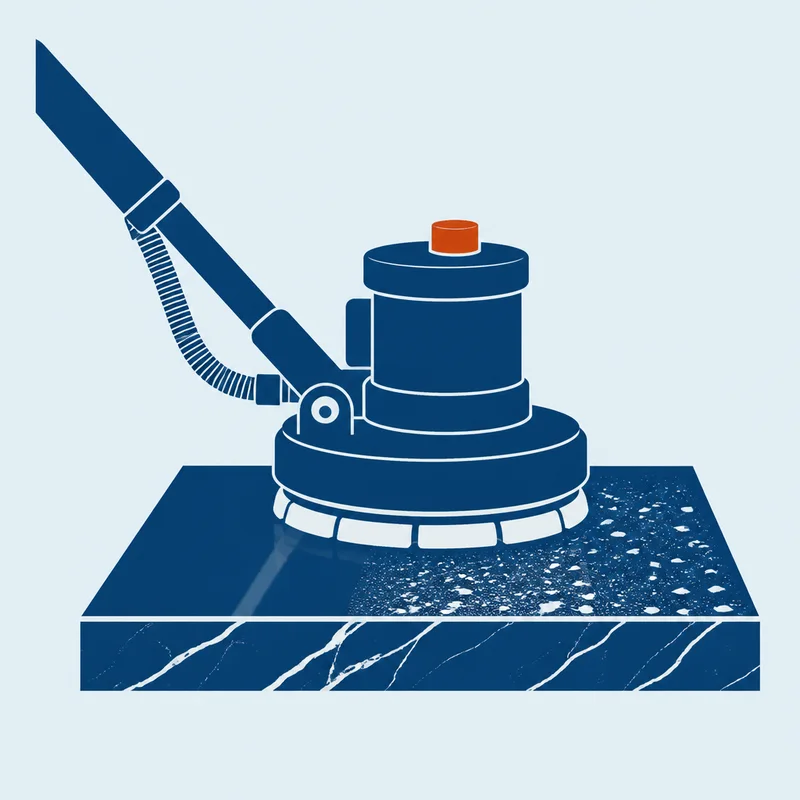
A surface that resists Riyadh dust
Central Saudi dust is fine, mineral and constant, and it grinds against a soft polish all day until the shine dulls.
-
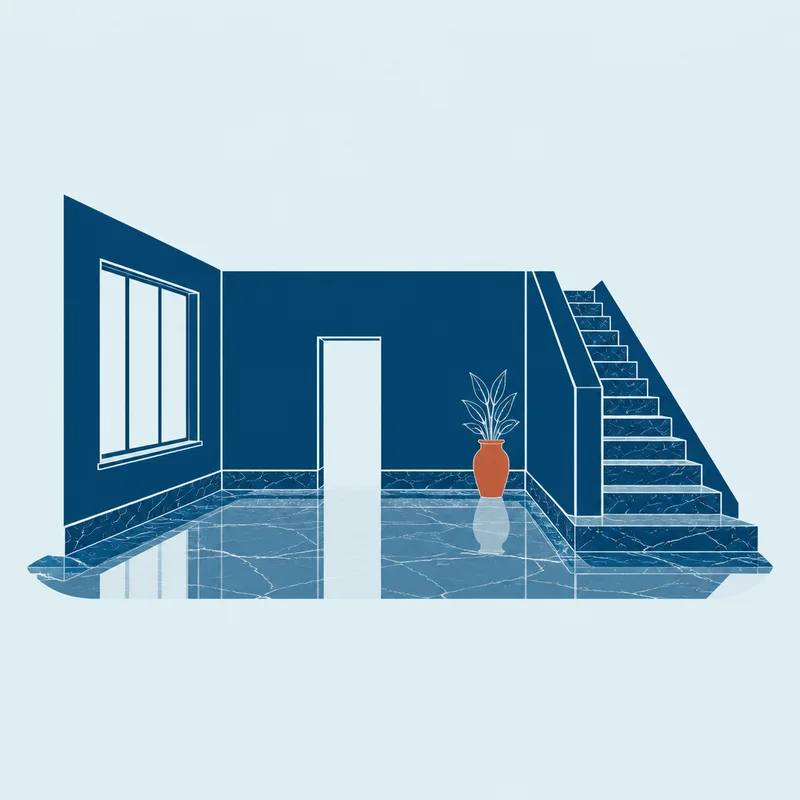
Edges and skirtings matched
Many floor jobs leave the corners and skirtings dull, so the edge of every room gives the work away.
Why the job is different in Al Bukayriyah
Marble floors in Al-Bukayriyah's villas face constant deposits of fine dust and moisture traces due to farming activities and irrigation systems surrounding homes. The whole method is set out in our notes on marble grinding and crystallisation.
-
Villas amid green agricultural land
Al-Bukayriyah is surrounded by fruit orchards and palms, so marble floors in homes near these fields receive irrigation moisture and dust from fields that enters with each door and window opening.
-
Seasonal irrigation humidity and cycles
During main irrigation seasons humidity rises in Al-Bukayriyah's air, so marble absorbs moisture and loses shine quickly, while during dry spells this effect lessens somewhat.
-
Fine dust from fields and farm roads
Unpaved farm tracks around Al-Bukayriyah kick up very fine dust when vehicles and machinery pass, and this dust enters homes and settles on floors easily.
What's Included
Al-Bukayriyah sits amid extensive farmland, and moisture from the irrigation system plus air carrying fine dust particles enters homes and settles on marble faster than in non-agricultural towns.
-
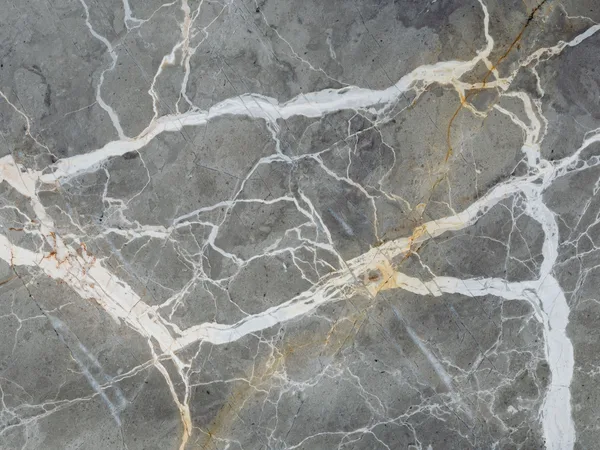
The stone type and its condition read
In Al-Bukayriyah we begin with intensive dry vacuuming to remove fine dust from fields before any wet treatment.
-
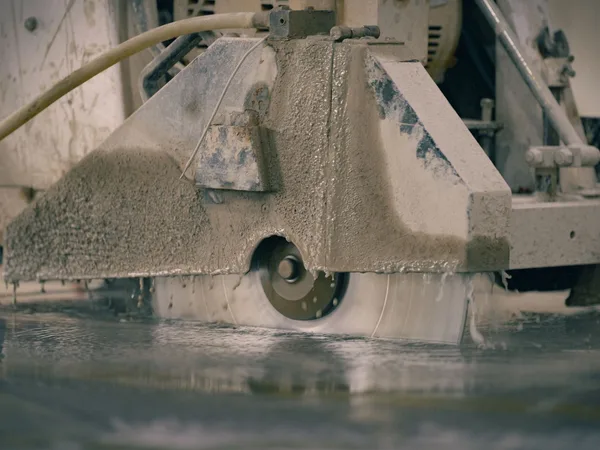
Coarse grinding to take out the scratches
Seasonal irrigation humidity affects how fast materials dry after polishing, so we wait longer during heavy watering seasons.
-
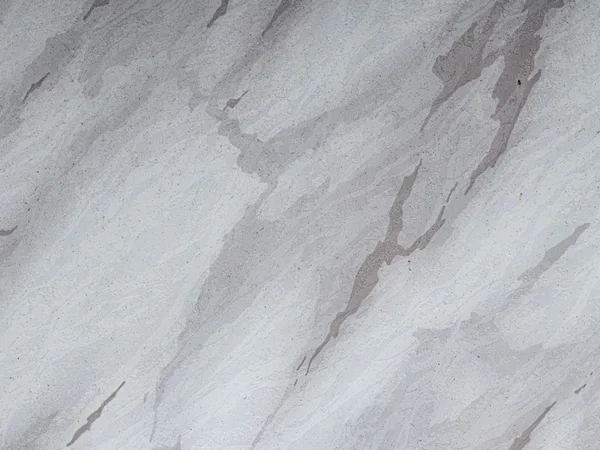
Stepped through to the fine pads
Villas near fields and farm roads need longer initial inspection before cleaning starts.
-
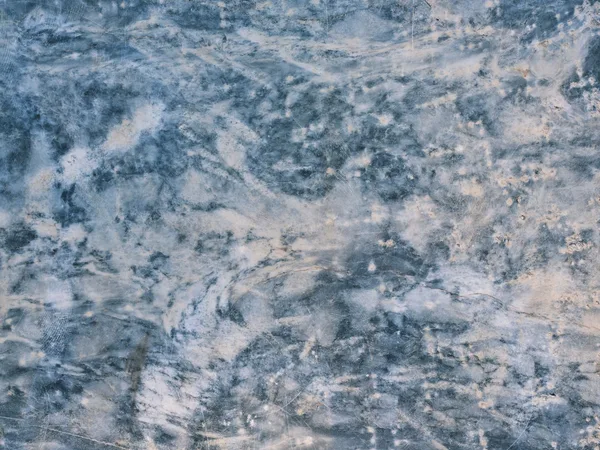
Crystallisation for a hard surface
Polishing materials are chosen based on humidity levels in the current season, so we may use different formulas.
-
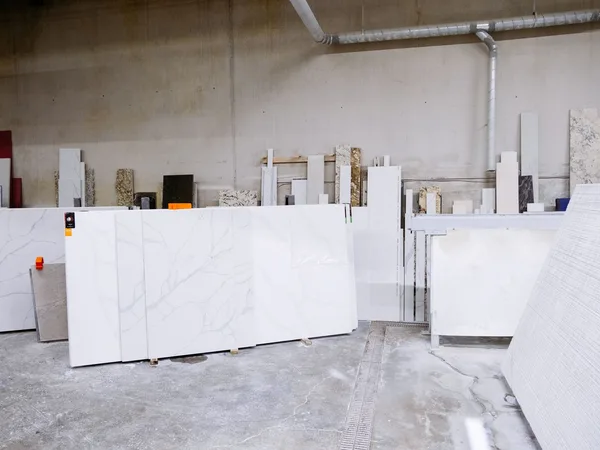
Edges and skirtings
Floors near garden doors and outdoor entrances carry the most dust and moisture of all interior areas.
-
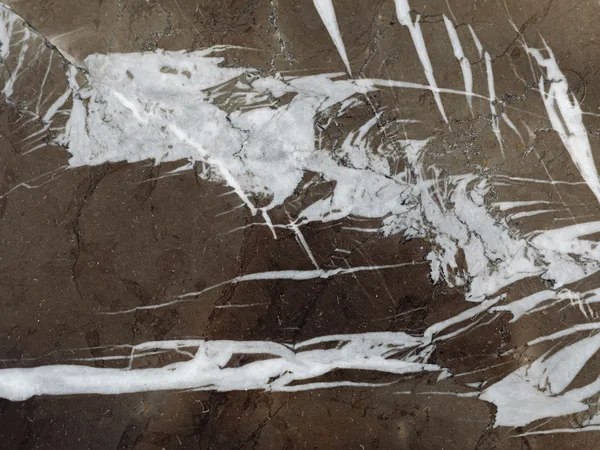
A final seal on the pores
After polishing, we allow longer drying time during high-humidity seasons before the floor is ready for walking.
Al Bukayriyah on the map
Al Bukayriyah sits about 15 km from Riyadh Al Khabra and about 23.5 km from Al Badaya.
Open in Google MapsHow we work
Survey the floor
Prepare the space
Grind and crystallise
Clean up and hand over
Some of our work
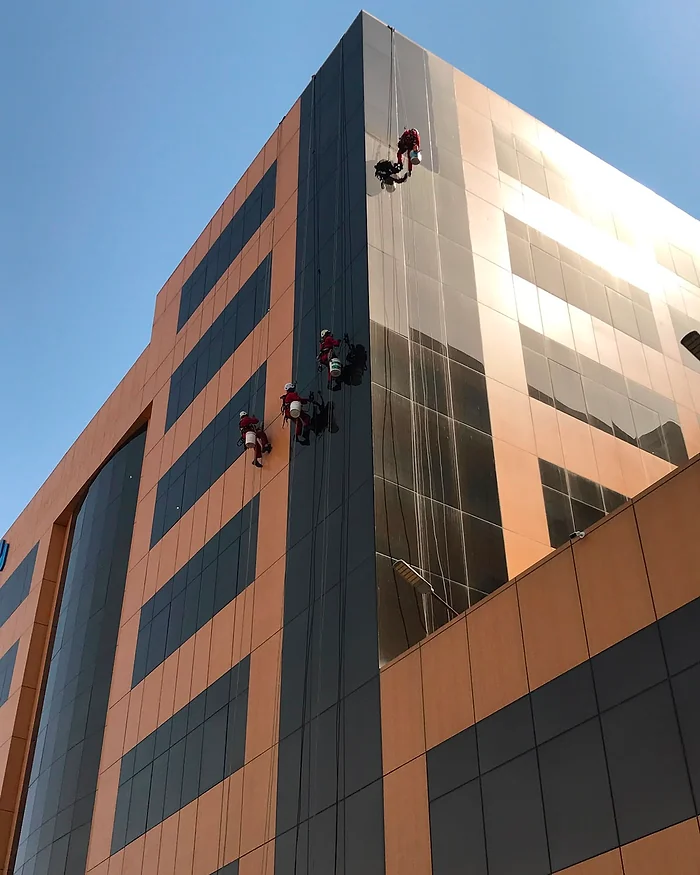
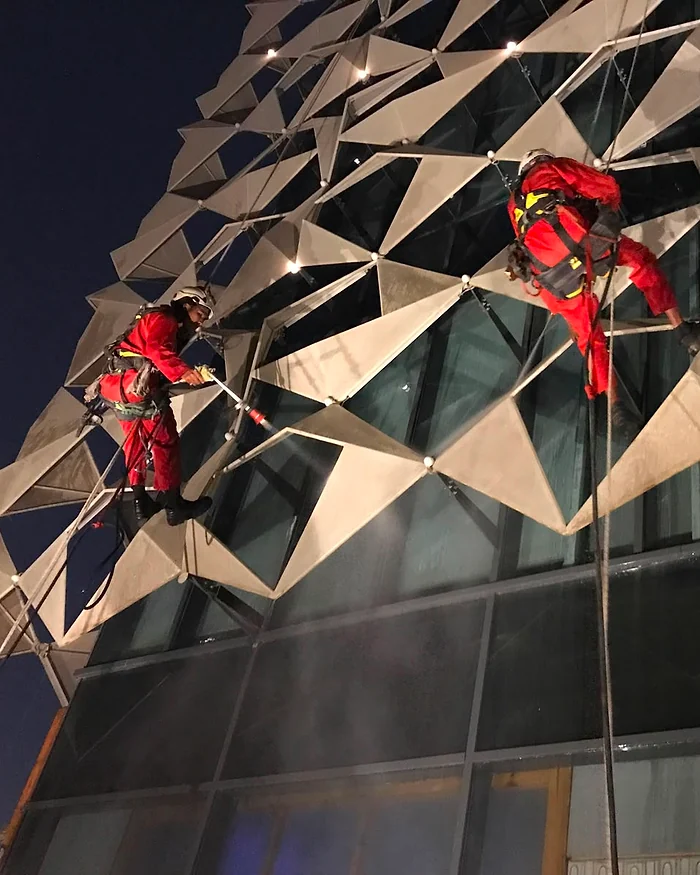
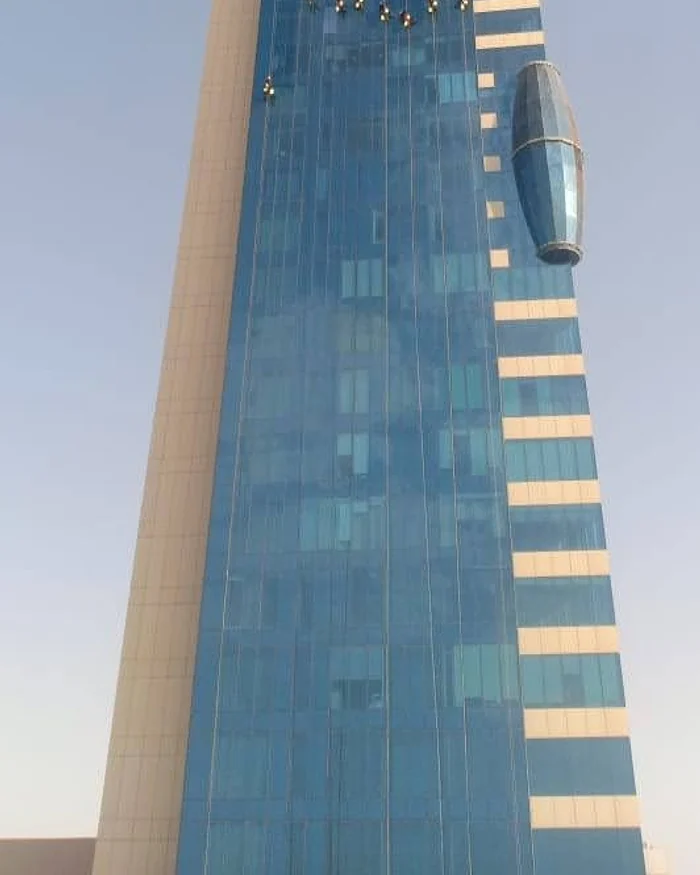
Photos from our team's work.


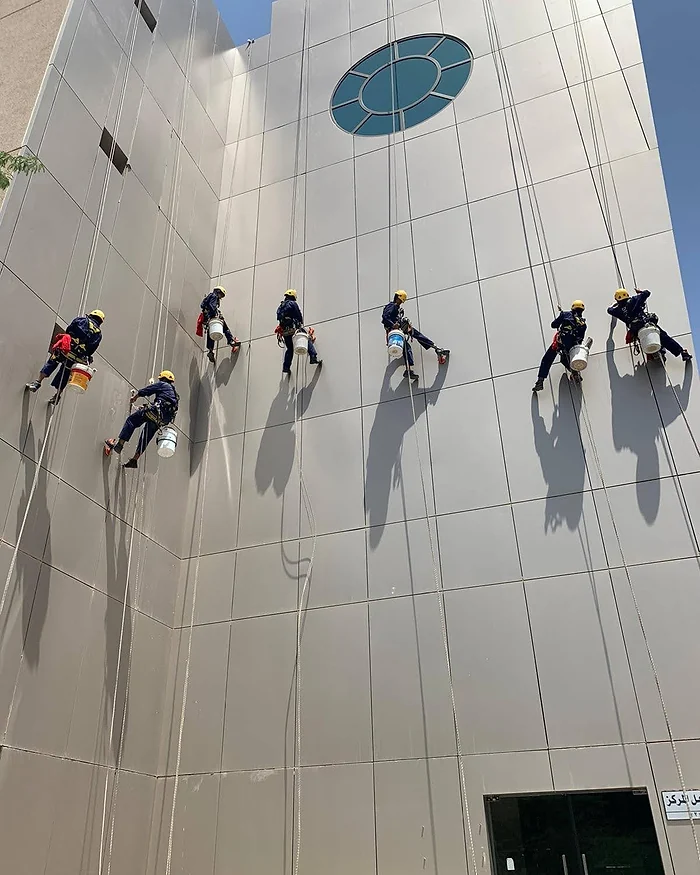
What is different about Qassim Region
Qassim is farming country in the heart of Najd. Buraydah, Unaizah, Al Rass, Al Bukayriyah and Al Badayea are low rise towns of villas, wide streets and new commercial blocks, with the old mud quarters of Unaizah and the date markets of Buraydah among them, and palm groves and irrigated fields on every side. The Nafud sands lie to the north, so spring winds carry a fine reddish grit that settles on render and glass, and winter nights bring frost and occasional rain that streaks dusty facades. The groundwater is hard and marks stone when it dries.
Other services in Al Bukayriyah
The room and the building around it are on one list.