Raghwat Al Janoub Maintenance and Cleaning
Marble grinding and crystallisation in Riyadh Al Khabra
Riyadh Al-Khabra is an old circular-plan town centred on an eighteenth-century mosque with a marketplace beside it and the Al-Abri heritage museum nearby, and stone floors here bear the marks of centuries of daily use. The mix of historic buildings and ongoing foot traffic means every floor needs separate assessment based on its age and stone type.
Why grinding beats a surface polish
-
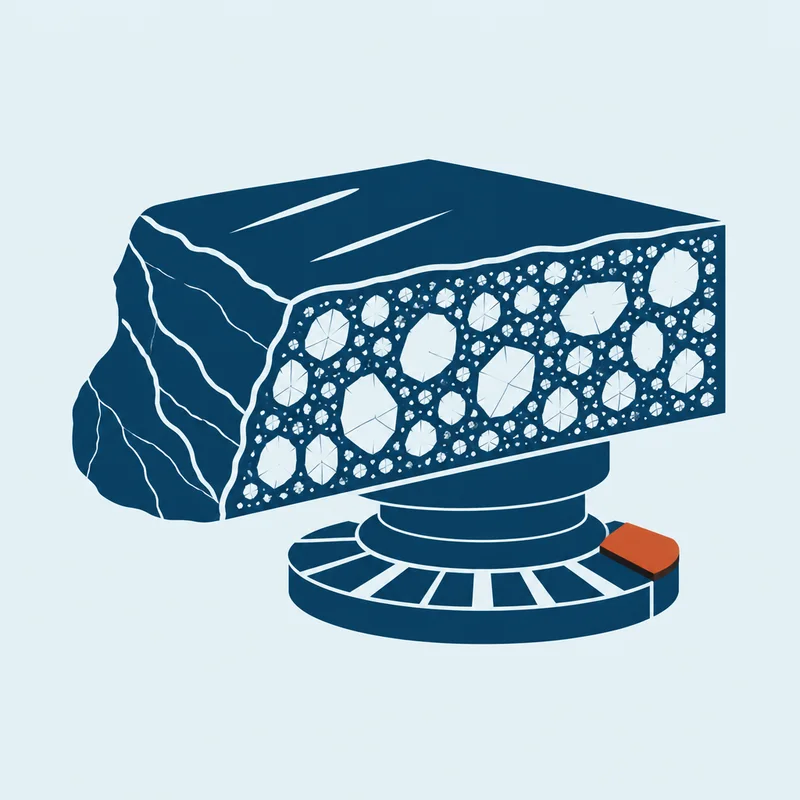
Shine from the stone, not a layer
A surface polish shines for the first week, then flakes off at the doors and busy walkways.
-

Scratches removed, not hidden
Deep scratches and sunken stains do not wipe away, because they sit inside the stone.
-
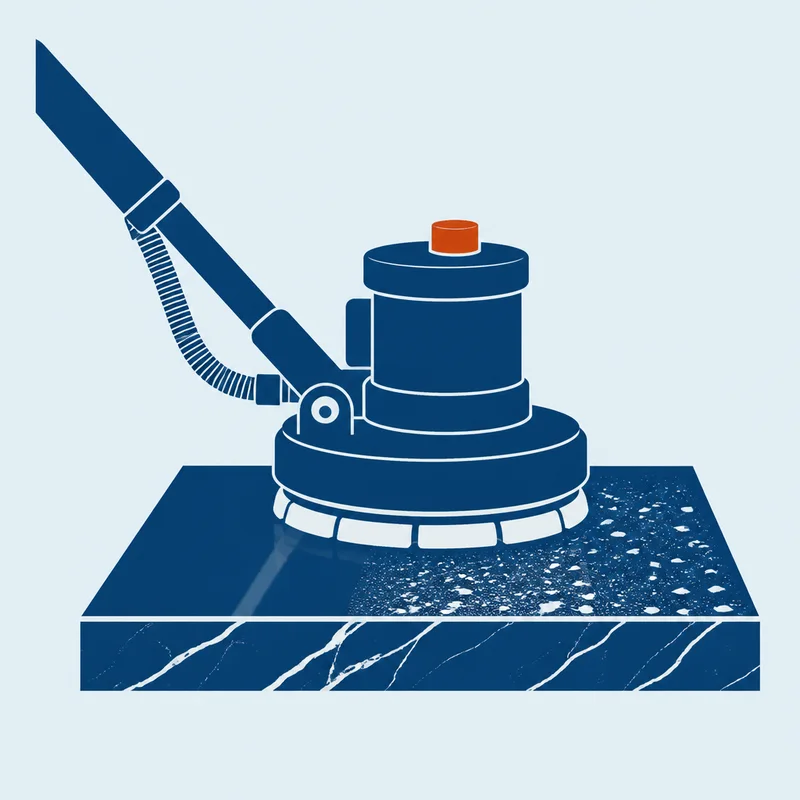
A surface that resists Riyadh dust
Central Saudi dust is fine, mineral and constant, and it grinds against a soft polish all day until the shine dulls.
-
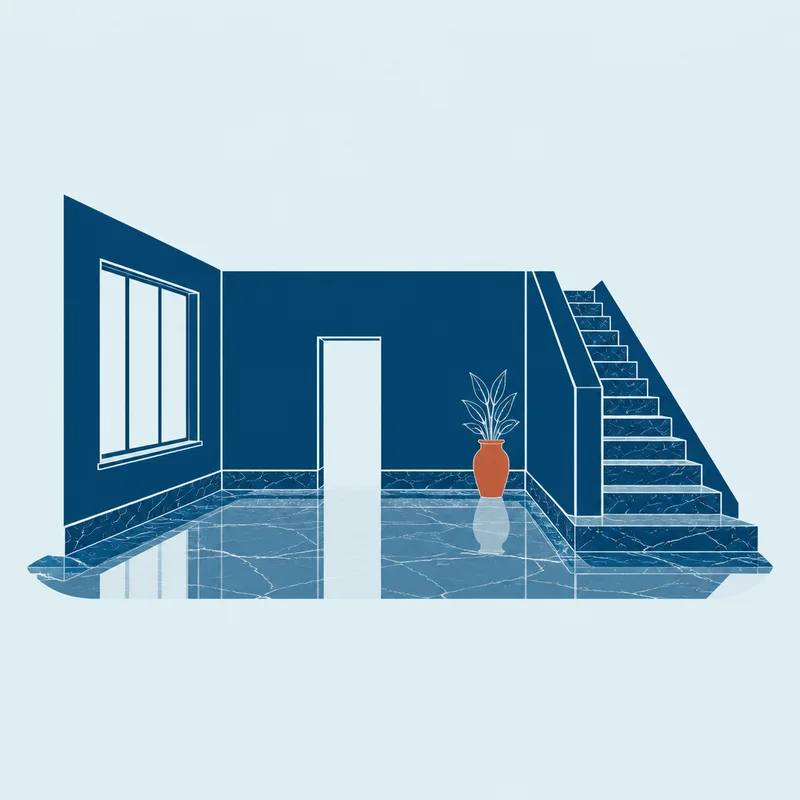
Edges and skirtings matched
Many floor jobs leave the corners and skirtings dull, so the edge of every room gives the work away.
Why the job is different in Riyadh Al Khabra
Floors in the souq and mosque in Riyadh Al-Khabra see daily passage of hundreds of visitors and shoppers, while residential homes surrounding them have floors less exposed to wear from constant foot traffic. The whole method is set out in the details of our marble grinding and crystallisation service.
-
Eighteenth-century mosque with original stone floors
Al-Khabra Mosque dates from the early 1700s and its original stone flooring has witnessed centuries of daily prayer and foot traffic, so the rock is worn through in the main aisles and mineral salts from generations of cleaning have built up in the pores.
-
Historic souq with daily shopper footfall
Souq Al-Majlis remains active and receives large numbers of visitors every day, and its stone floors have absorbed marks from shoes, dust and moisture more than any residential site in town, requiring specialist treatment to restore.
-
Homes built in the town's original circular plan
Residential homes arranged in the original circular layout around the mosque and souq are older than modern buildings but see less daily foot traffic, so they need treatment different from both the souq and the mosque floors.
What's Included
Riyadh Al-Khabra lies in central Qassim, and the old souq surrounding the mosque sees steady foot traffic from residents and visitors, so dust and salt deposits on stone floors build up faster than in residential homes away from the marketplace.
-
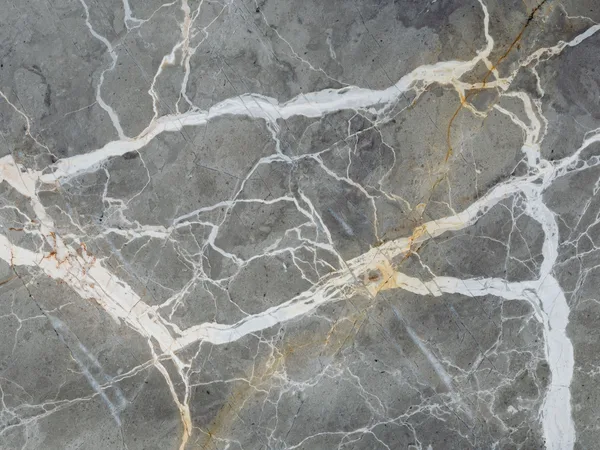
The stone type and its condition read
Original mosque floors from the eighteen-hundreds are inspected carefully to measure stone hardness and mineral deposits before any acid treatment begins.
-
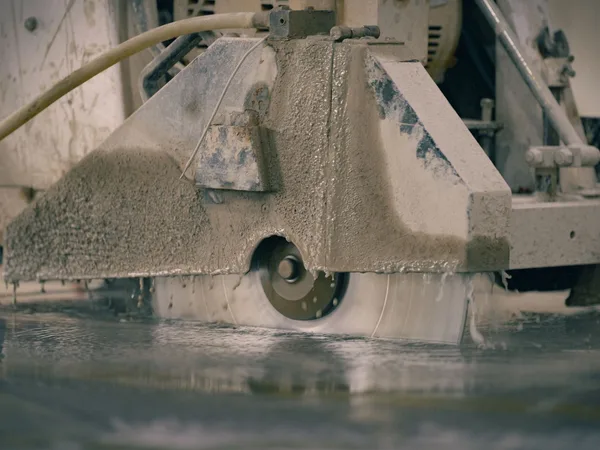
Coarse grinding to take out the scratches
The high-traffic souq needs repeated treatment and a durable protective layer able to withstand thousands of daily steps.
-
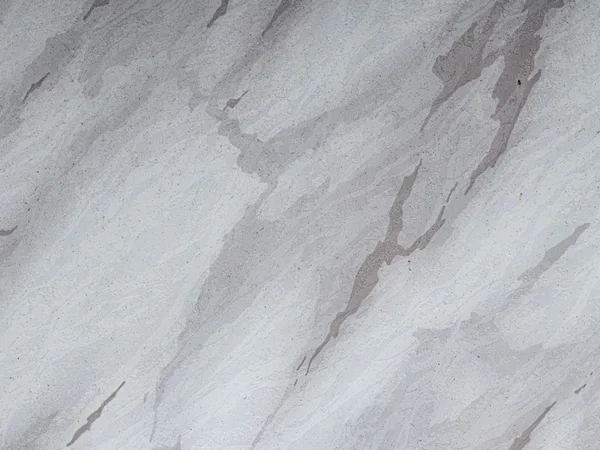
Stepped through to the fine pads
Residential homes surrounding the souq and mosque receive different treatment from high-traffic area floors.
-
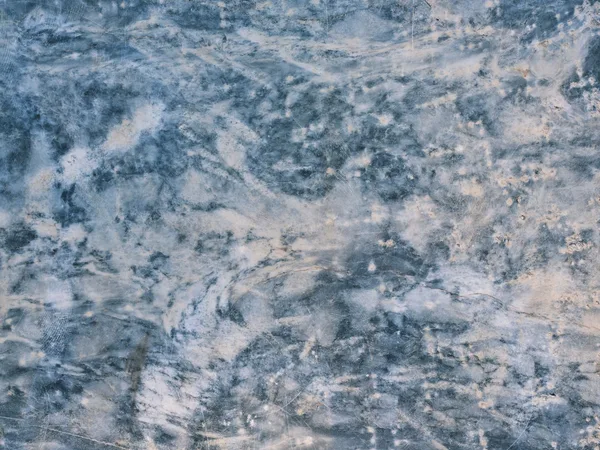
Crystallisation for a hard surface
Mineral salts deposited over centuries of cleaning and use are removed with acid treatment calibrated to the type of original stone.
-
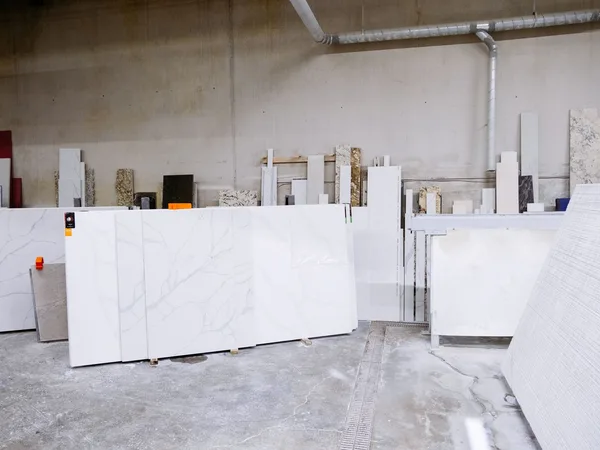
Edges and skirtings
Final protective coating is applied carefully in the souq and mosque to withstand moisture and constant foot traffic.
-
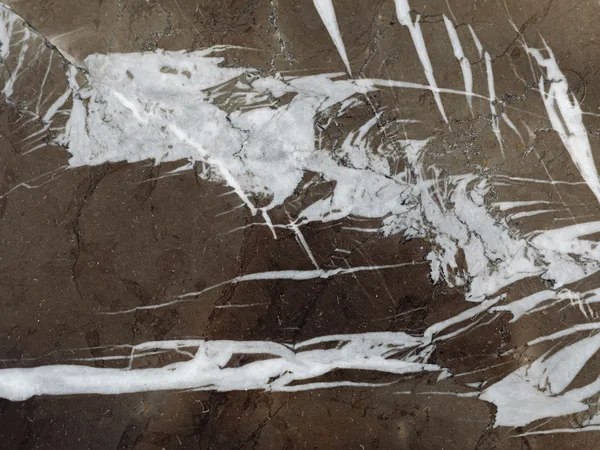
A final seal on the pores
After crystallisation, we recommend inspections every three months for the souq and every six months for the mosque and homes to assess the new floors.
The character of Riyadh Al Khabra
Historic district: close-set buildings, narrow lanes and ageing services
Riyadh Al-Khabra is a historic town mixing an old mosque, an active souq, a heritage museum and residential homes, so each building has stone floors of different age and use intensity.
How we work
Survey the floor
Prepare the space
Grind and crystallise
Clean up and hand over
Some of our work
Photos from our team's work.

What is different about Qassim Region
Qassim is farming country in the heart of Najd. Buraydah, Unaizah, Al Rass, Al Bukayriyah and Al Badayea are low rise towns of villas, wide streets and new commercial blocks, with the old mud quarters of Unaizah and the date markets of Buraydah among them, and palm groves and irrigated fields on every side. The Nafud sands lie to the north, so spring winds carry a fine reddish grit that settles on render and glass, and winter nights bring frost and occasional rain that streaks dusty facades. The groundwater is hard and marks stone when it dries.
Other services in Riyadh Al Khabra
The room and the building around it are on one list.