
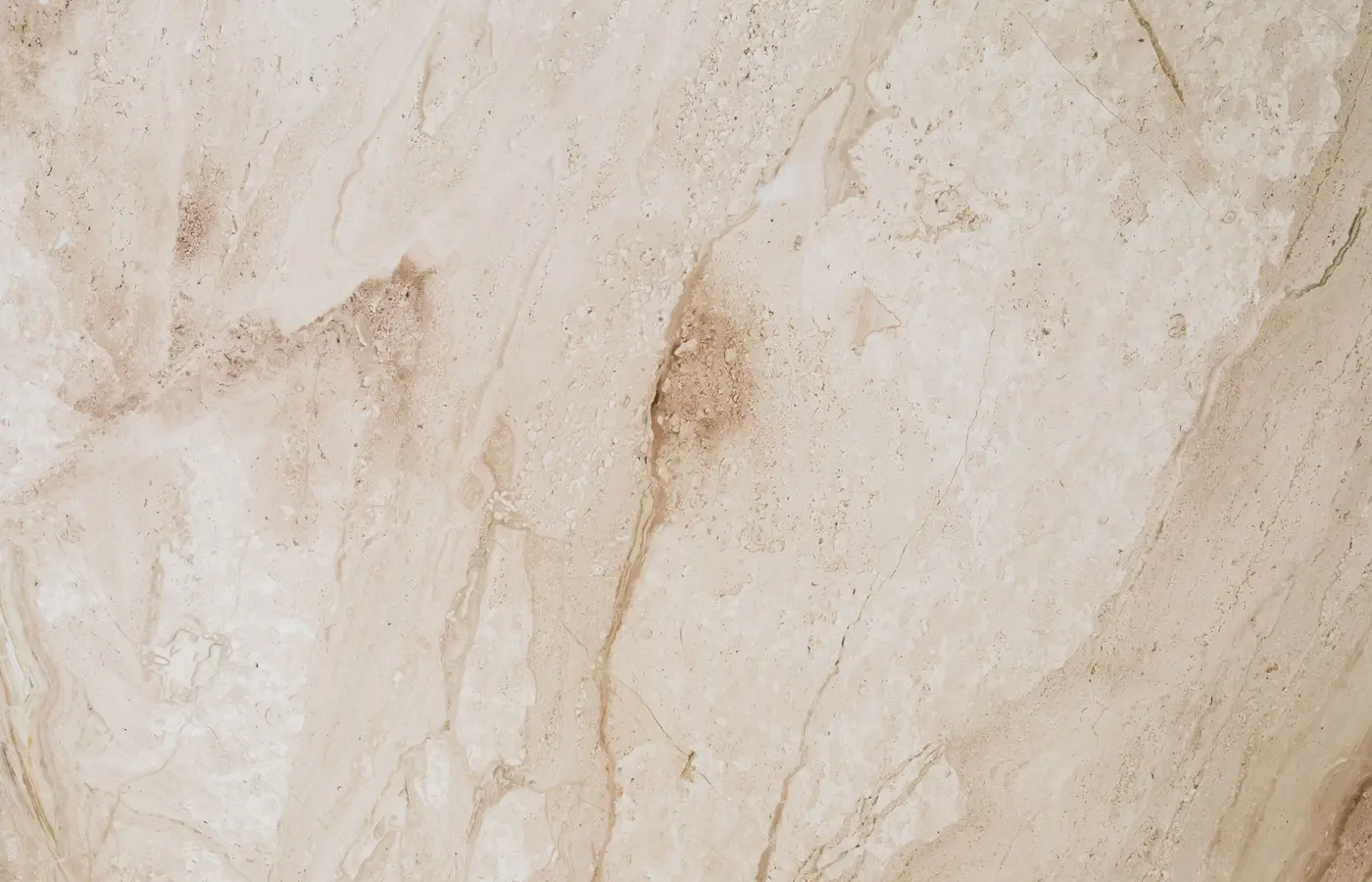
Raghwat Al Janoub Maintenance and Cleaning
Marble grinding and crystallisation in Al Qaisumah
Al-Qaisumah is a small desert town that grew around an oil pipeline route in the eastern desert, with straightforward marble floors in scattered villas and government buildings that bear traces of fine desert dust and ground salt. Desert dust is not always visible except on close inspection, but it penetrates deep into the marble's grain and settles under its surface.
Why grinding beats a surface polish
-
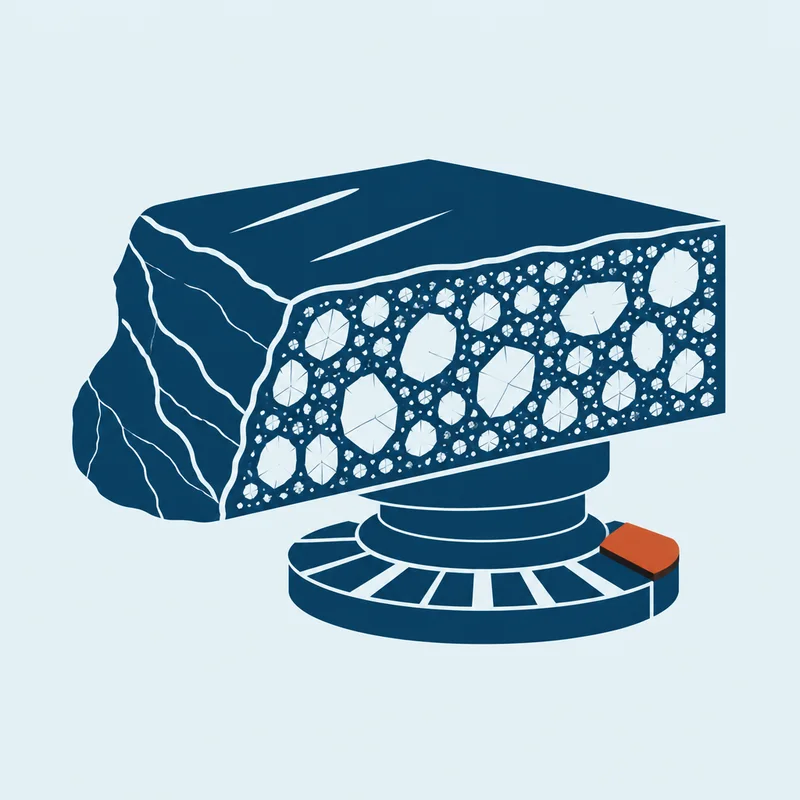
Shine from the stone, not a layer
A surface polish shines for the first week, then flakes off at the doors and busy walkways.
-
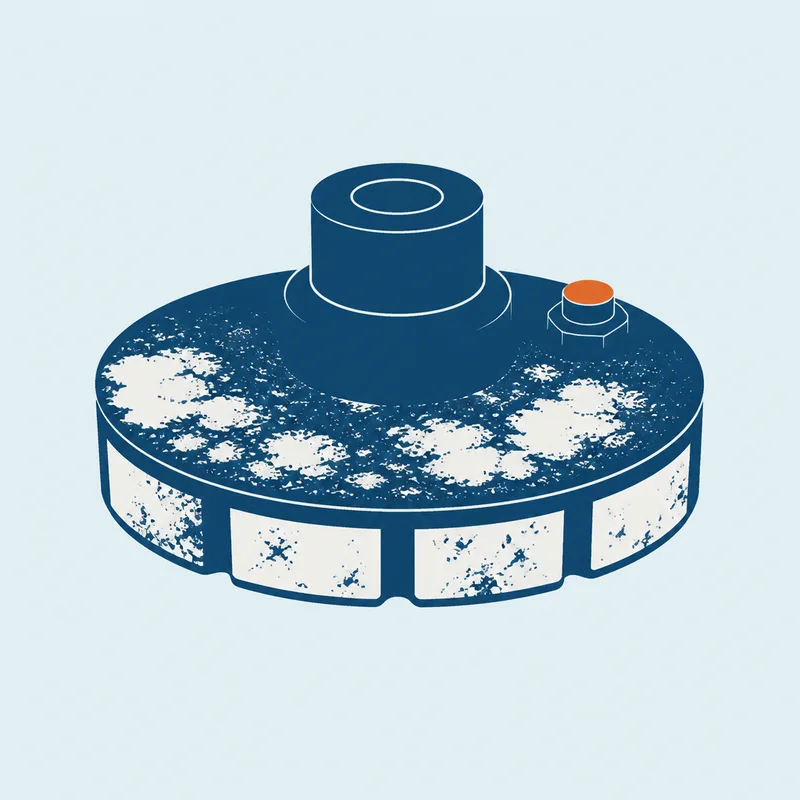
Scratches removed, not hidden
Deep scratches and sunken stains do not wipe away, because they sit inside the stone.
-
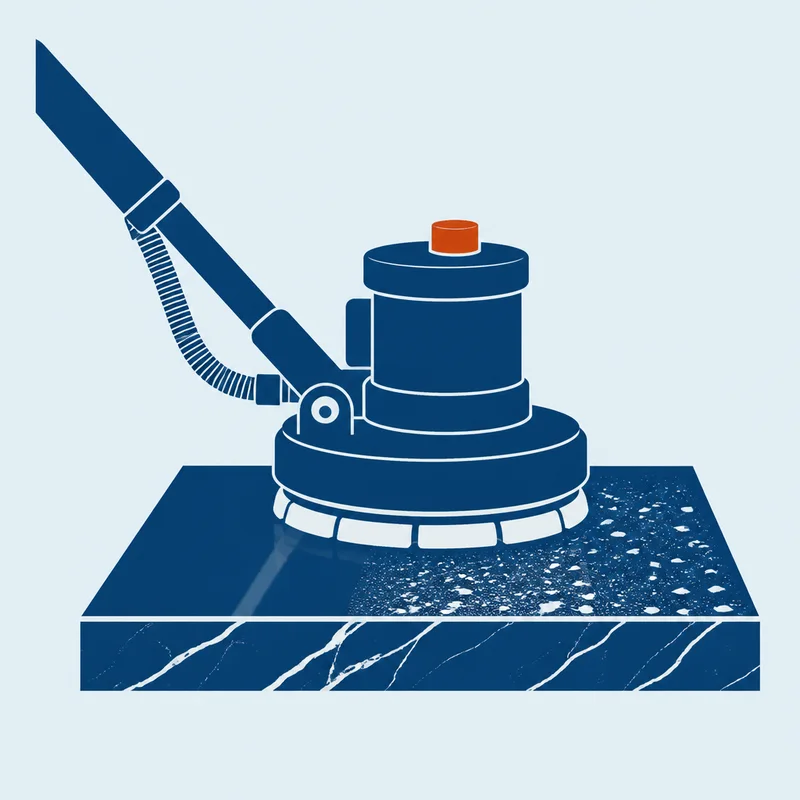
A surface that resists Riyadh dust
Central Saudi dust is fine, mineral and constant, and it grinds against a soft polish all day until the shine dulls.
-
Edges and skirtings matched
Many floor jobs leave the corners and skirtings dull, so the edge of every room gives the work away.
Why the job is different in Al Qaisumah
In Al-Qaisumah's marble floors we notice that fine desert dust accumulates deep in the stone's grain and is not easily visible even after quick wiping. The whole method is set out in our full account of marble grinding and crystallisation.
-
Scattered villas and simple government buildings
Al-Qaisumah is a small town with villas spread across one or two neighbourhoods and straightforward government buildings with uncomplicated marble floors. The marble here is practical and simple, but it carries deep accumulation of desert dust that needs strong vacuuming.
-
Fine desert dust penetrating below the surface
Constant desert winds carry very fine dust that penetrates deep into the marble's grain and is not easily visible. This dust does not lift with normal wiping and requires strong dry vacuuming before grinding begins.
-
Ground salts and low atmospheric humidity
Ground salts in the eastern desert accumulate on marble surfaces, but low atmospheric humidity means these salts do not seep as rapidly as in coastal areas. Here, fine dust remains a bigger concern than salt damage.
What's Included
Al-Qaisumah sits on an oil pipeline route in the eastern desert, and desert winds carry fine dust and ground salts toward buildings, accumulating steadily on marble floors even in enclosed spaces.
-
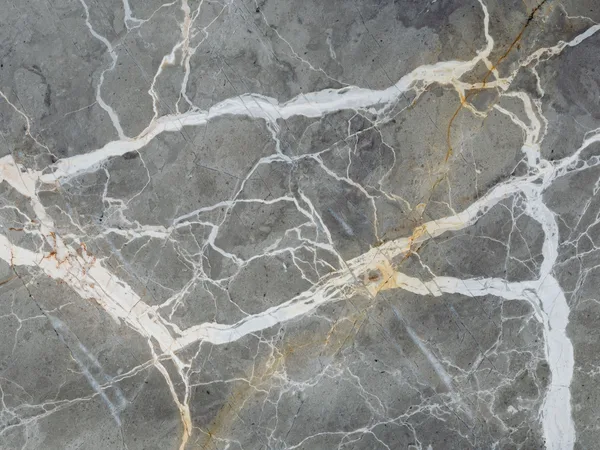
The stone type and its condition read
Al-Qaisumah is a small desert town with scattered villas and simple government buildings, so each location needs separate assessment for desert dust load.
-
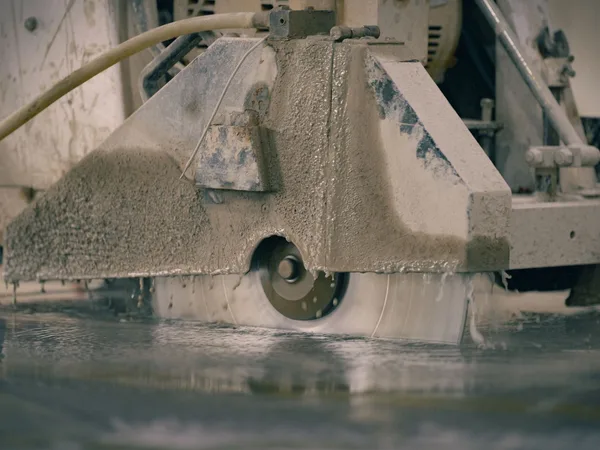
Coarse grinding to take out the scratches
Fine desert dust accumulates deep in the marble's grain and only shows under close inspection and strong vacuuming.
-
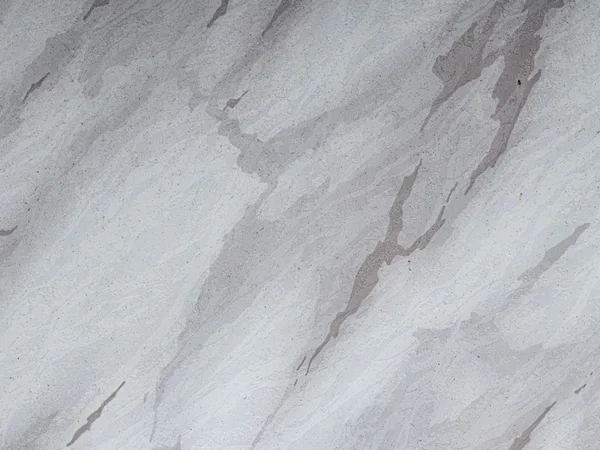
Stepped through to the fine pads
Desert dryness slows ground salt penetration, but dust remains the primary concern embedded below the surface.
-
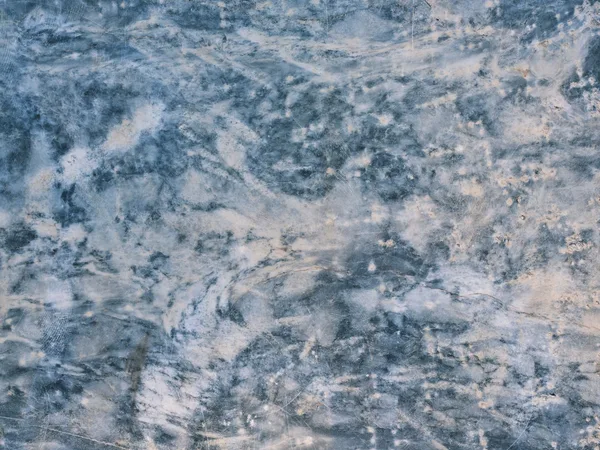
Crystallisation for a hard surface
Villas near main roads and streets need short polishing intervals because dust returns quickly.
-
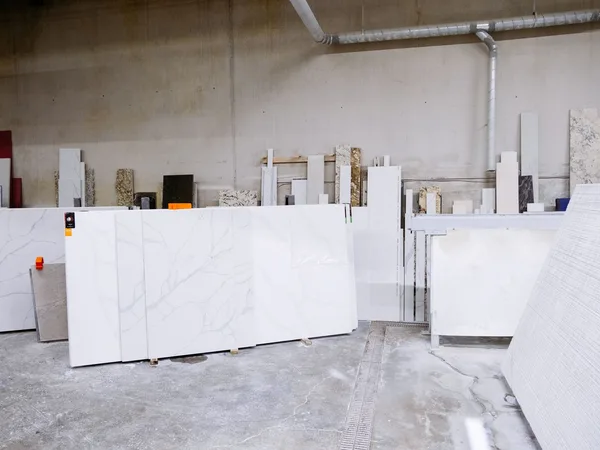
Edges and skirtings
Government buildings with low humidity and light usage need longer polishing intervals than residential villas.
-
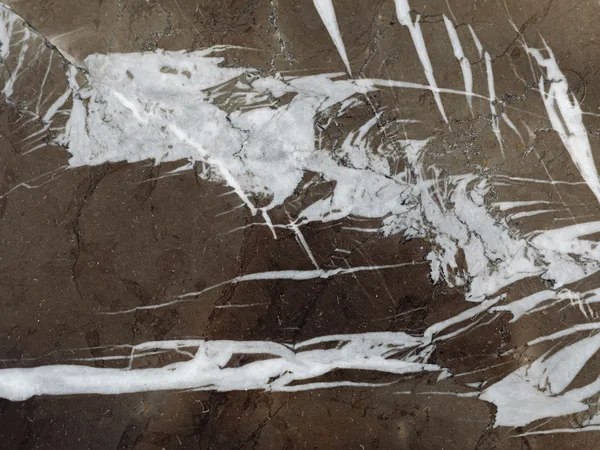
A final seal on the pores
After grinding and crystallisation, floors are left to dry completely in the town's dry desert air.
Al Qaisumah on the map
Al Qaisumah sits about 21 km from Hafar Al-Batin and about 172.5 km from Qaryat Al Ulya.
Open in Google MapsHow we work
Survey the floor
Prepare the space
Grind and crystallise
Clean up and hand over
Some of our work
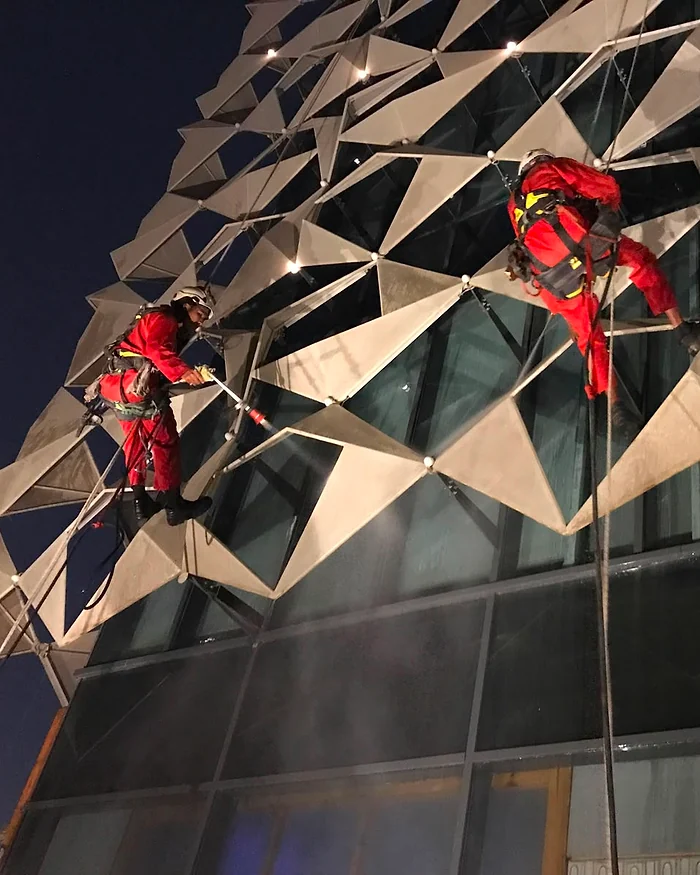
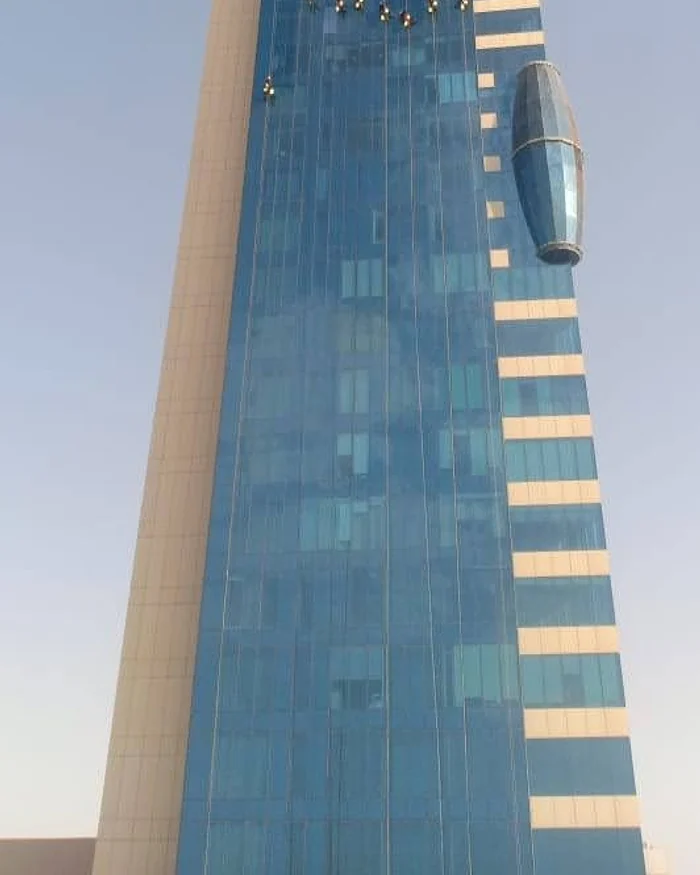
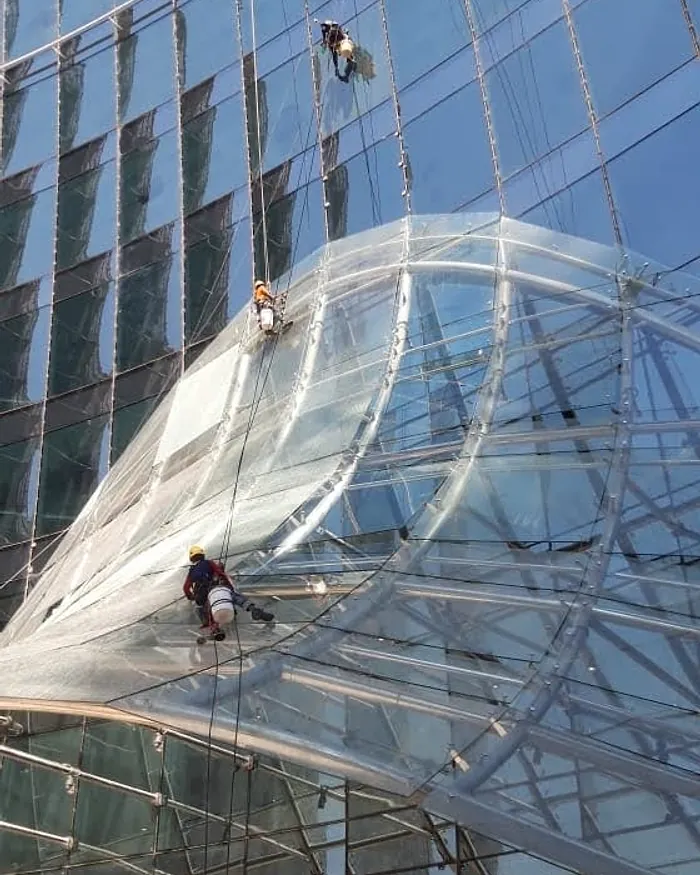
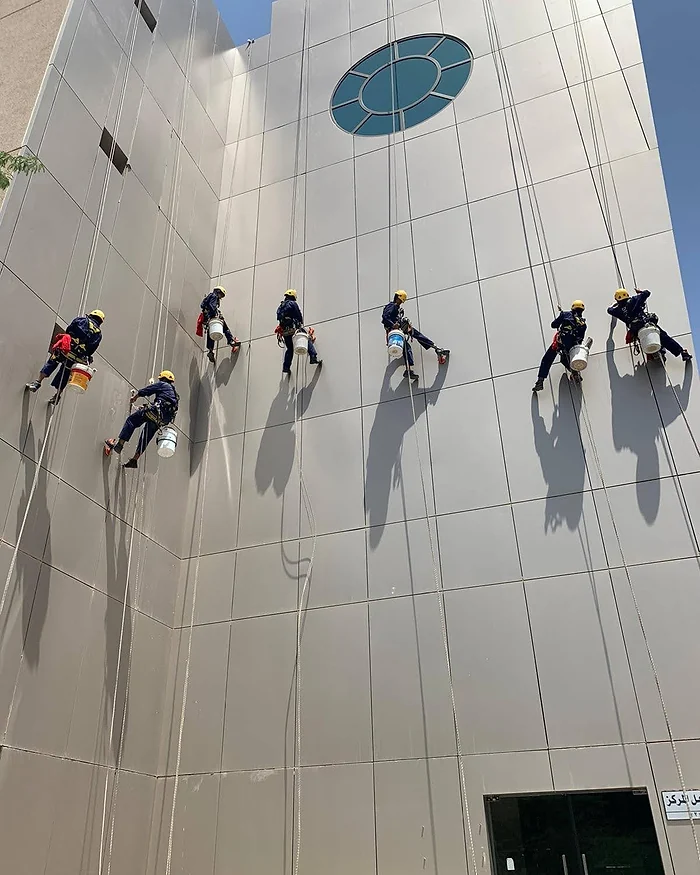
Photos from our team's work.
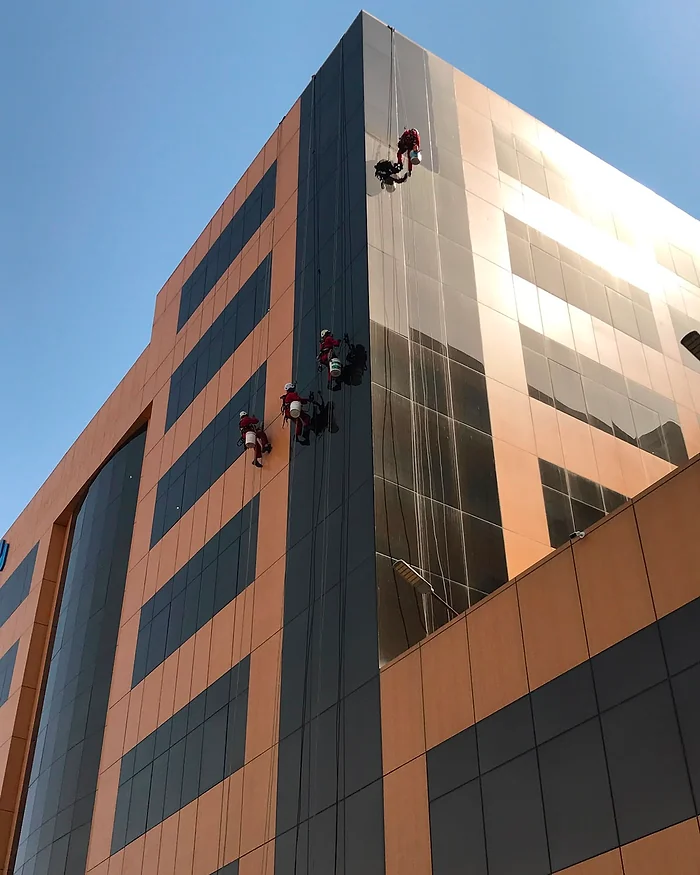

The character of Al Qaisumah
Rural area: farms, open ground and scattered homes
Al-Qaisumah is a small desert town with scattered villas and straightforward government buildings, so each building needs its own assessment of the simple marble used and the desert dust load on its floors.
Other services in Al Qaisumah
The room and the building around it are on one list.