
Raghwat Al Janoub Maintenance and Cleaning
Marble grinding and crystallisation in Hafar Al-Batin
Hafar Al-Batin is an inland desert city near the Kuwaiti and Iraqi borders with modern villas, apartments and ground-floor shops in new malls, all with marble exposed to desert dust, strong dry winds and extreme heat. Fine dust builds fast and severe heat opens hairline cracks in the stone, both different from coastal or mountain settings. Quick assessment of dust depth and cracking is vital before any polish.
Why grinding beats a surface polish
-

Shine from the stone, not a layer
A surface polish shines for the first week, then flakes off at the doors and busy walkways.
-

Scratches removed, not hidden
Deep scratches and sunken stains do not wipe away, because they sit inside the stone.
-

A surface that resists Riyadh dust
Central Saudi dust is fine, mineral and constant, and it grinds against a soft polish all day until the shine dulls.
-
Edges and skirtings matched
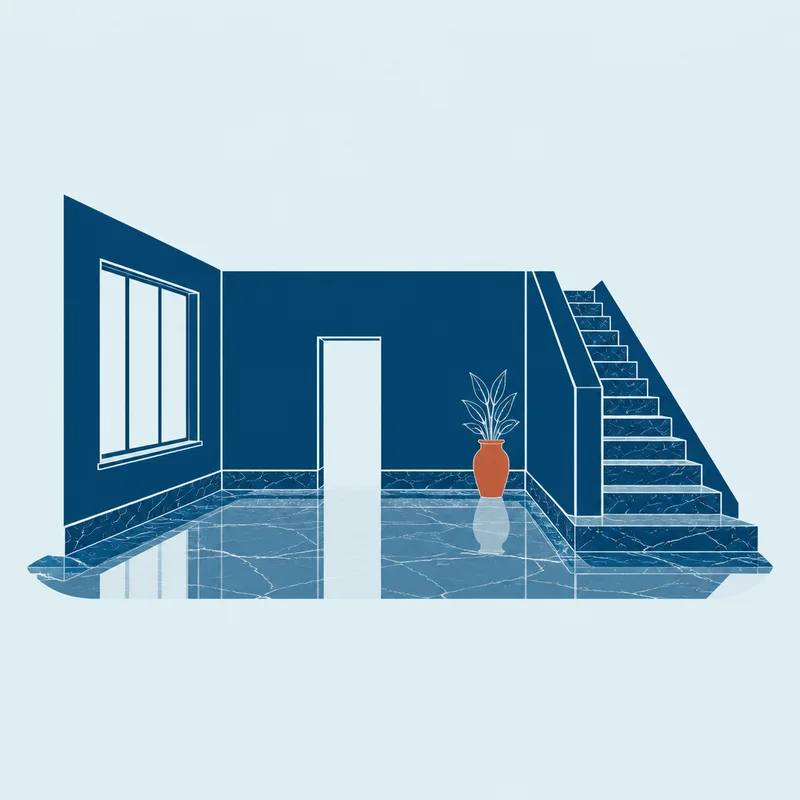
Many floor jobs leave the corners and skirtings dull, so the edge of every room gives the work away.
Why the job is different in Hafar Al-Batin
Marble floors in Hafar Al-Batin's villas and apartments collect fine dust rapidly, and extreme heat creates hairline cracks where dirt settles more easily than in other cities. The whole method is set out in our marble grinding and crystallisation guide.
-
Modern villas in planned residential districts
Hafar Al-Batin has contemporary villa districts with wide marble floors and long hallways. These villas sit near main roads and open gardens, and desert winds carry fine sand and dust that enter buildings from every window and door. New villa marble needs frequent cleaning because dust returns quickly.
-
Shops below residential apartments
Hafar Al-Batin has shops and restaurants on ground floors below residential flats, so marble there sees heavy daily traffic from customers and staff. Dust from the street enters with each door opening, and restaurant humidity mixes with dust to leave sticky residue on the marble.
-
Extreme heat and hairline cracks in stone
Hafar Al-Batin temperatures exceed 50°C in summer and nights are very cold, so rapid expansion and contraction opens hairline cracks in marble surfaces. These cracks collect dust and dirt easily and make cleaning harder, because particles settle deep in these fine fissures.
What's Included
Hafar Al-Batin sits in a dry desert valley far from coast or mountains, and its proximity to the frontier means strong dry winds carrying fine dust that enters buildings and shops very easily. This means marble floors need weekly cleaning, not monthly.
-
The stone type and its condition read
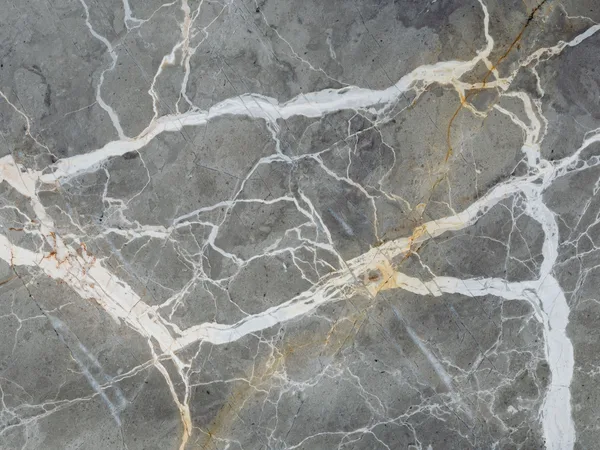
Marble inspection in Hafar Al-Batin focuses on fine dust depth and heat-caused hairline cracks before polishing.
-
Coarse grinding to take out the scratches
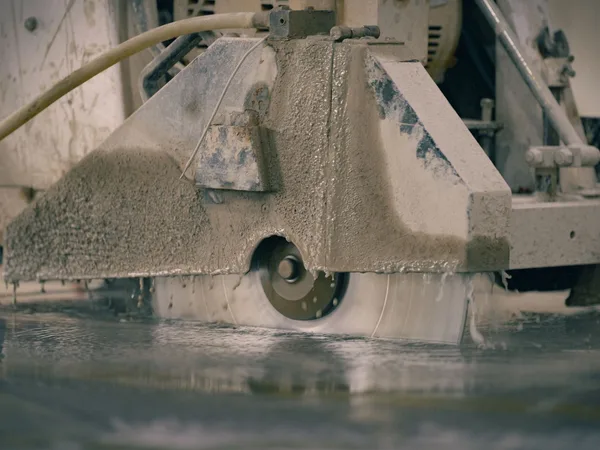
Deep cleaning removes layers of accumulated dust from cracks and corners completely.
-
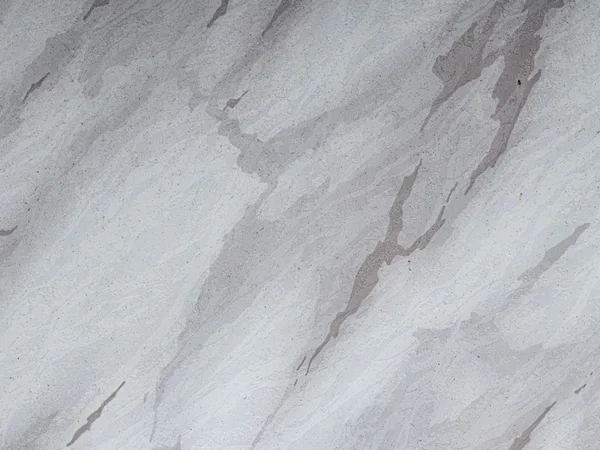
Stepped through to the fine pads
Crystallisation polishing fills hairline cracks and cuts new dust adhesion to the surface.
-
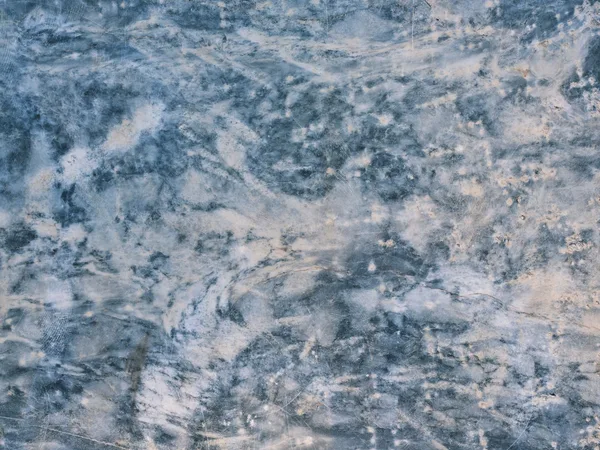
Crystallisation for a hard surface
Extra protective coating after polish provides a shield against desert dust and heat.
-
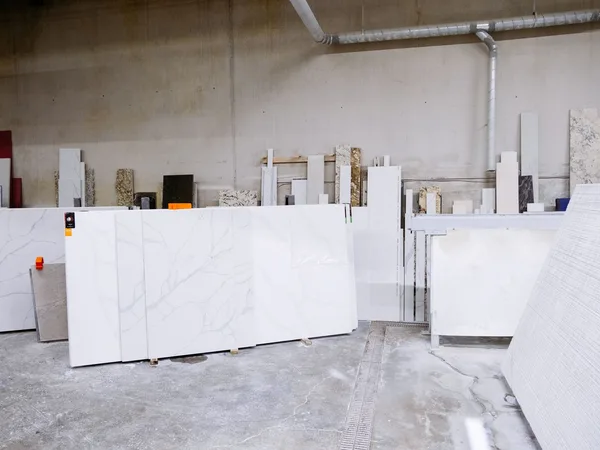
Edges and skirtings
Weekly or twice-weekly frequent cleaning before scheduled polishing is critical in Hafar Al-Batin.
-
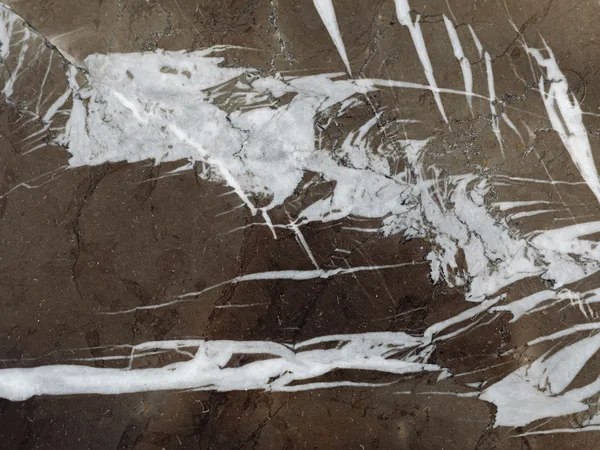
A final seal on the pores
After polishing we recommend daily entrance and main hall cleaning to preserve gloss longer.
Hafar Al-Batin on the map
Hafar Al-Batin sits about 21 km from Al Qaisumah and about 193 km from Qaryat Al Ulya.
Open in Google MapsHow we work
Survey the floor
Prepare the space
Grind and crystallise
Clean up and hand over
Some of our work
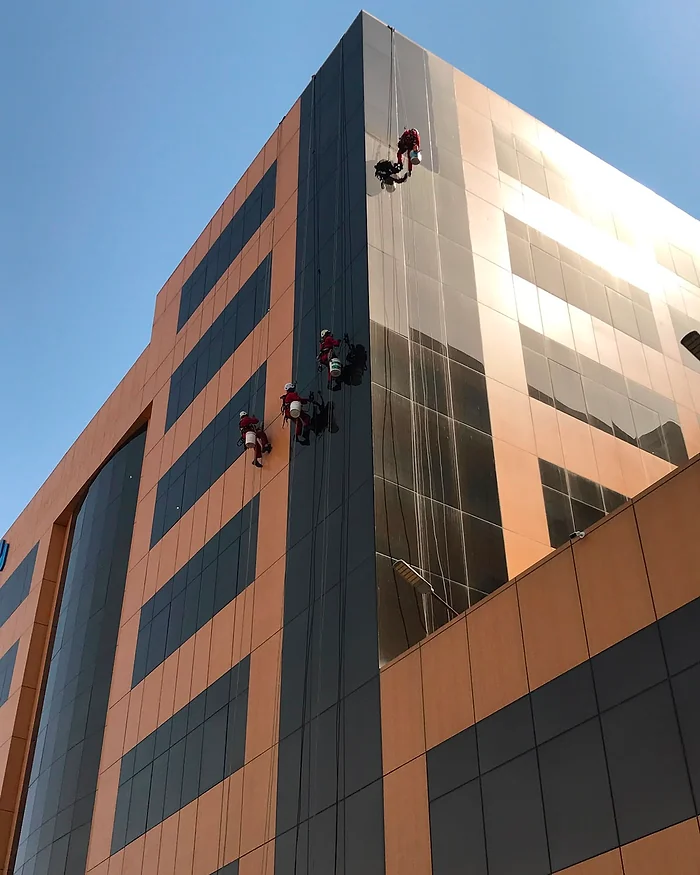
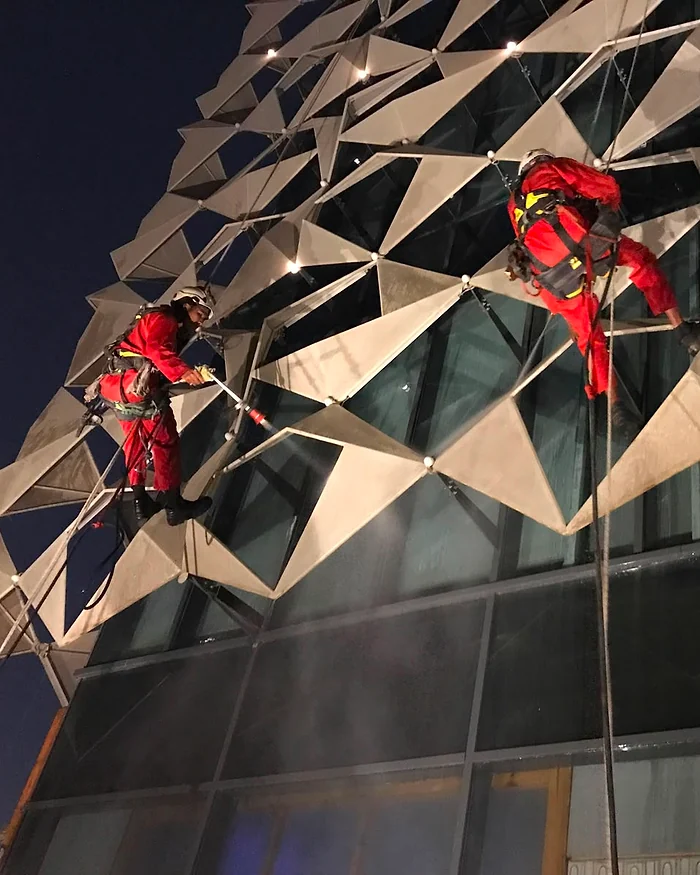
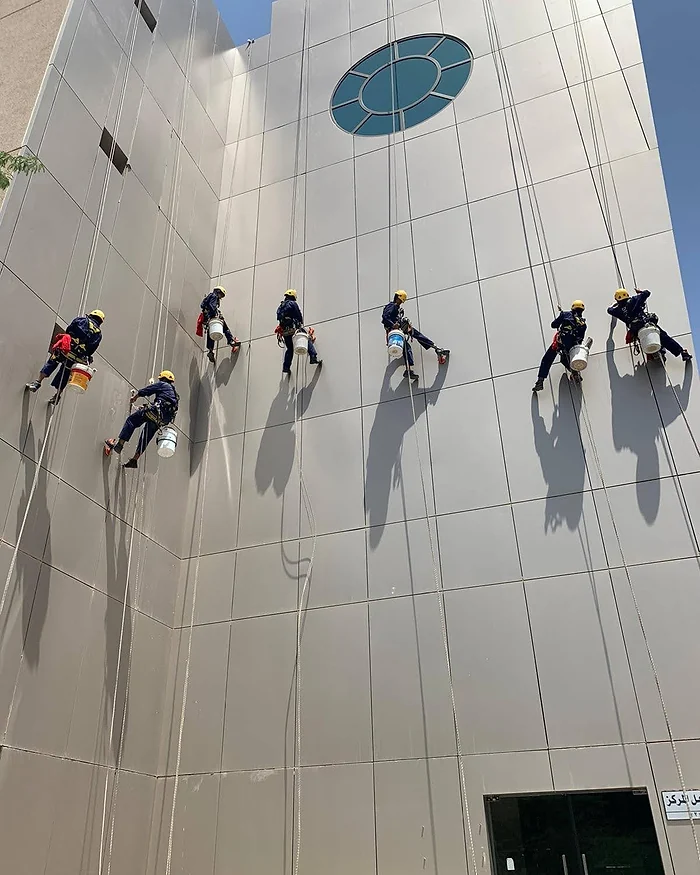
Photos from our team's work.


The character of Hafar Al-Batin
Mixed district: shops at street level with homes above them
Hafar Al-Batin mixes modern villas with apartments and shops below them, so spacious villa marble needs fast dust protection while ground-floor shops combine street dust with shop humidity.
Other services in Hafar Al-Batin
The room and the building around it are on one list.