
Raghwat Al Janoub Maintenance and Cleaning
Marble grinding and crystallisation in Hail
Hail spreads through a valley between two mountain ranges, mixing old stone quarters near a historic fort and a covered souk with modern apartment blocks and villas on the city edges. This blend means marble of widely different ages and types, some left years without care. Valley dust and seasonal shifts cause deep stains and quick shine loss.
Why grinding beats a surface polish
-

Shine from the stone, not a layer
A surface polish shines for the first week, then flakes off at the doors and busy walkways.
-

Scratches removed, not hidden
Deep scratches and sunken stains do not wipe away, because they sit inside the stone.
-

A surface that resists Riyadh dust
Central Saudi dust is fine, mineral and constant, and it grinds against a soft polish all day until the shine dulls.
-
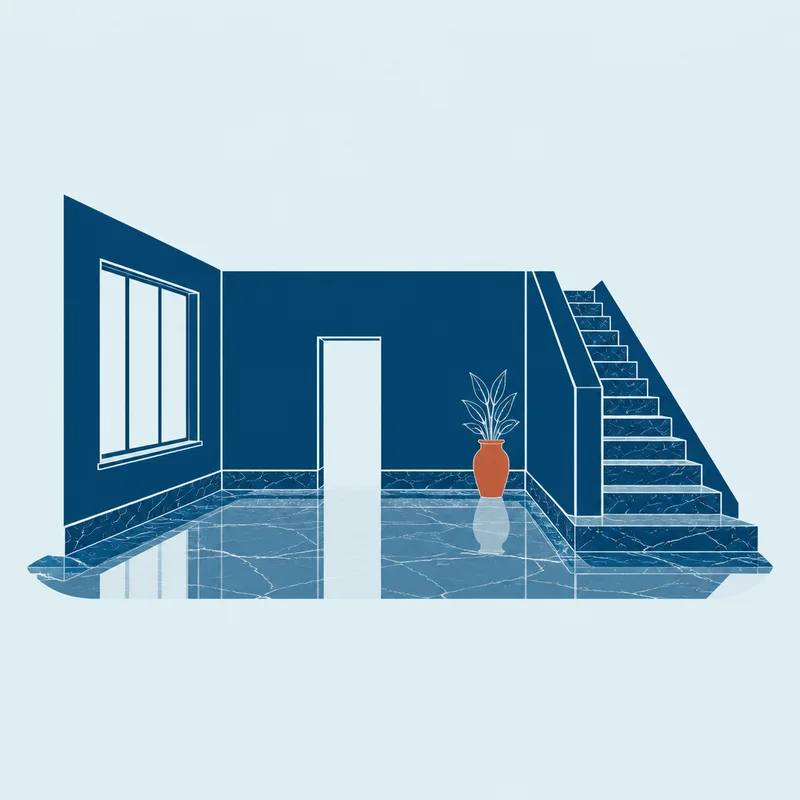
Edges and skirtings matched
Many floor jobs leave the corners and skirtings dull, so the edge of every room gives the work away.
Why the job is different in Hail
Old quarters in Hail hold marble worn down by decades of use and neglect, while new villas on the city edges have fresh marble but face heavy dust from the valley. The whole method is set out in the marble grinding and crystallisation overview.
-
Old quarters near the fort and covered souk
Historic Hail neighbourhoods near Qishlah and Airif Fort and the covered Barzan Souk hold marble worn down over decades with little regular upkeep, so they need deep cleaning and careful repair before any crystallisation starts.
-
Modern apartment blocks at valley edges
Hail's newer multi-storey apartments sit at valley edges, facing constant valley dust and seasonal winds, meaning marble floors need repeated cleaning and strong protection from ongoing dust.
-
Villas scattered on different city edges
Villas spread around Hail sit at different heights facing valley winds from different angles, causing uneven dust settlement on floors, so each villa needs its own read on dust depth and pattern.
What's Included
Hail sits in a valley between Aja and Salma mountains, and winds constantly carry fine dust from the valley and surrounding areas, settling deep into marble and raising the cost and time of extraction.
-
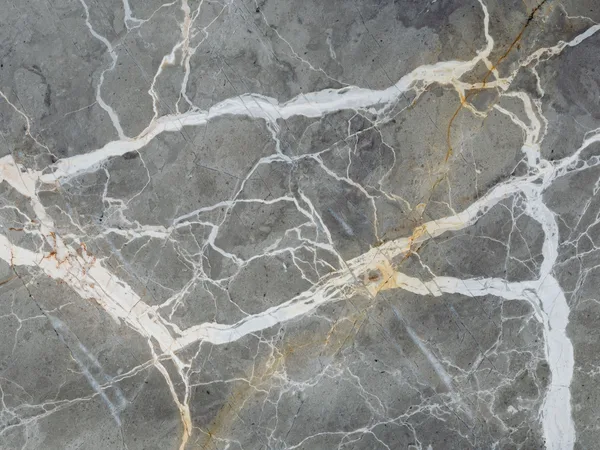
The stone type and its condition read
Fine dust from the valley settles deep in old marble, needing longer extraction than other cities.
-
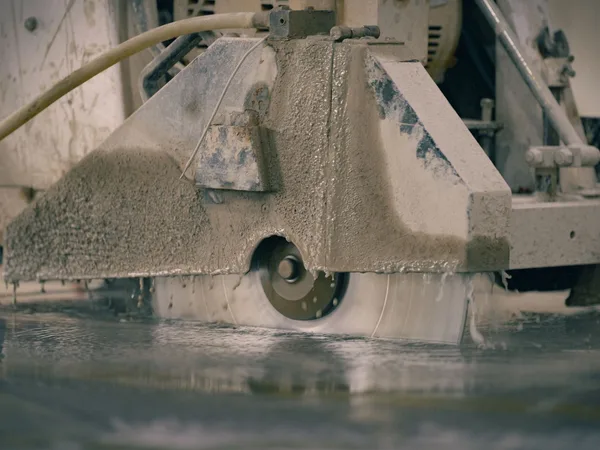
Coarse grinding to take out the scratches
Old cracks and stains in historic quarters are checked and repaired during grinding if needed.
-
Stepped through to the fine pads
Seasonal valley winds at the city edge carry more dust, so Hail needs very strong crystal protection.
-
Crystallisation for a hard surface
Moisture from food shops next to the souk needs extra grease treatment before grinding.
-
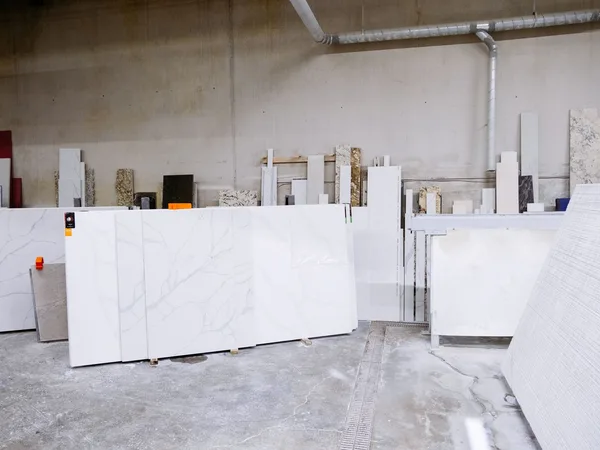
Edges and skirtings
Regular cleaning every three to nine months is more essential in Hail than other areas.
-
A final seal on the pores
New crystal in Hail needs better upkeep because dust returns to the surface faster.
Landmarks of Hail
Crews arrange visits around Qishlah Palace, Airif Fort and Barzan Souk, reaching historic quarters, apartments and villas in a sequence matched to where each building sits.
- Qishlah Fortress
- Airif Fort
- Barzan Souk
- University of Hail
- Aja Mountain
How we work
Survey the floor
Prepare the space
Grind and crystallise
Clean up and hand over
Some of our work
Photos from our team's work.



What is different about Hail Region
Hail sits at the foot of the granite ranges of Aja and Salma, with the Great Nafud desert opening to the north and grain and date farms filling the plain between. Hail city, Baqaa and Al Ghazalah are low rise towns of villas, older mud quarters and new commercial streets. Winters are cold with frost and some rain, and the prevailing winds lift a fine red sand off the Nafud that tints pale render and gathers on glass and ledges. Rain on that dust leaves rust coloured streaks, and the hard well water spots stone if left to dry.
Other services in Hail
The room and the building around it are on one list.