
Raghwat Al Janoub Maintenance and Cleaning
Marble grinding and crystallisation in Qilwah
Qilwah is a town in the hot Tihama lowland of Al-Baha region, where weekly markets bring traders and farmers to simple marble floors in street-facing shops and cafés. Intense heat, high humidity and constant daily foot traffic cause stains and wear on marble at a pace unlike the cooler mountain areas above.
Why grinding beats a surface polish
-
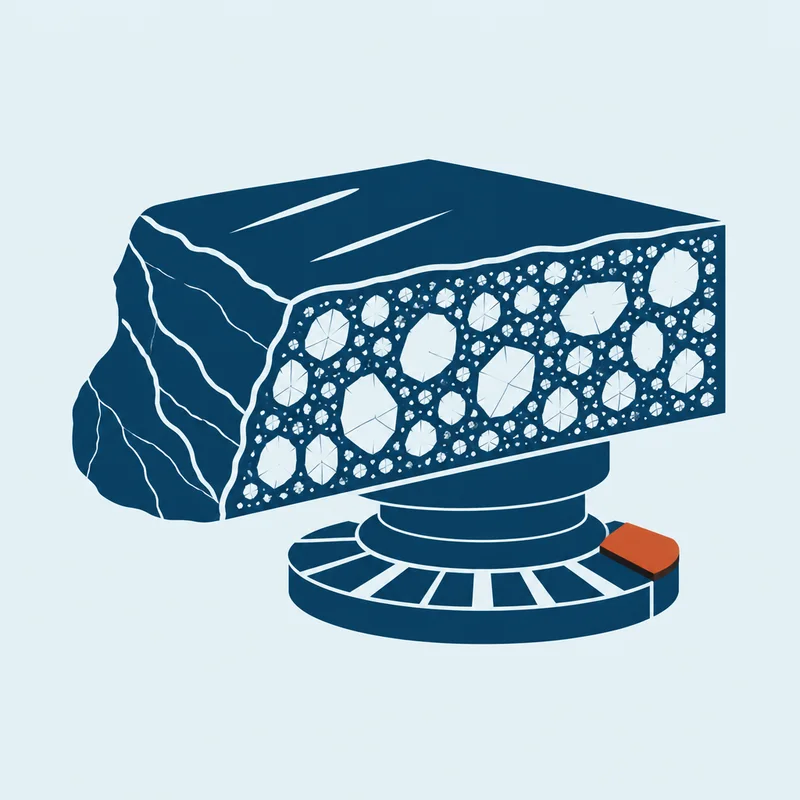
Shine from the stone, not a layer
A surface polish shines for the first week, then flakes off at the doors and busy walkways.
-

Scratches removed, not hidden
Deep scratches and sunken stains do not wipe away, because they sit inside the stone.
-
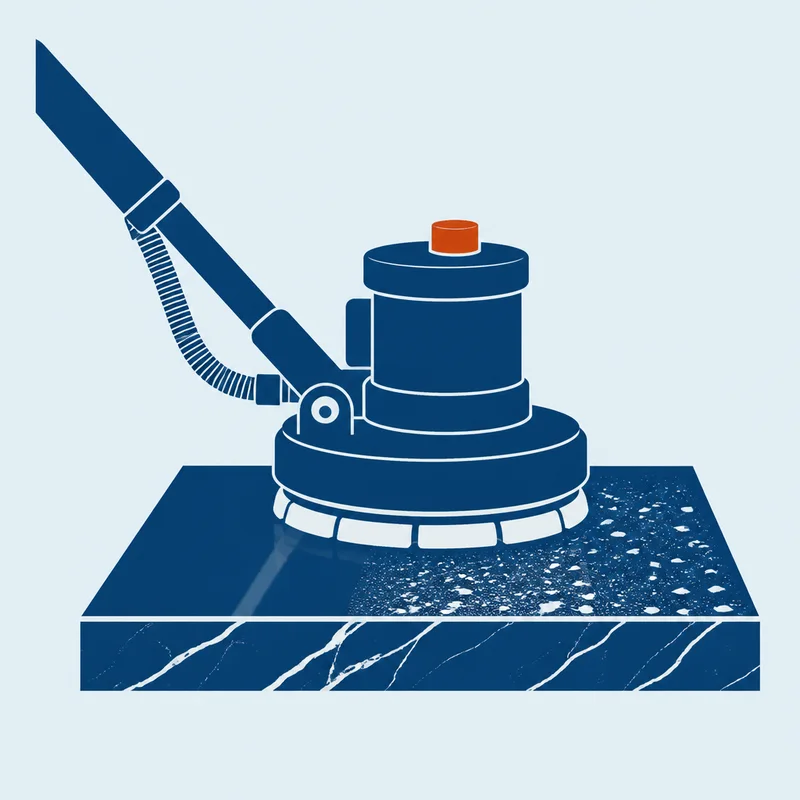
A surface that resists Riyadh dust
Central Saudi dust is fine, mineral and constant, and it grinds against a soft polish all day until the shine dulls.
-
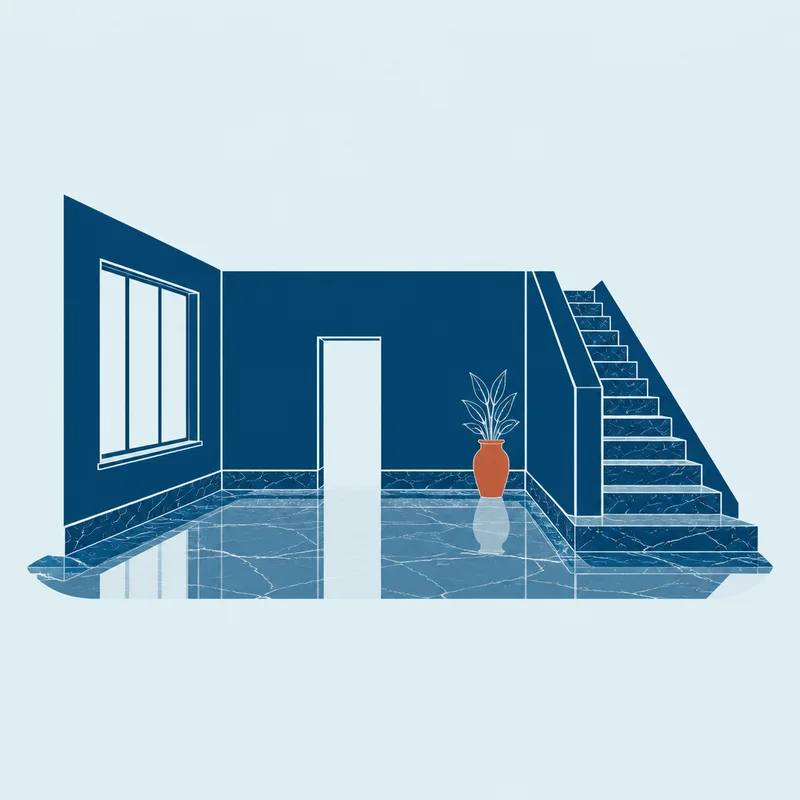
Edges and skirtings matched
Many floor jobs leave the corners and skirtings dull, so the edge of every room gives the work away.
Why the job is different in Qilwah
Qilwah's shops and cafés experience intense seasonal foot traffic on market days, and their marble floors collect salt marks and oils from visitors and workers moving in and out all day long. The whole method is set out in our notes on marble grinding and crystallisation.
-
Shops and markets with high-traffic marble floors
Qilwah's weekly markets cluster dozens of shops and cafés on simple marble floors, and visitors come and go all day in heat-dampened shoes leaving salt and oil traces on every surface they cross.
-
Heat and humidity creating white salt marks
The hot humid Tihama environment makes water evaporate fast from marble surfaces, leaving behind mineral salt layers that build up faster than in any other city and need repeated polishing.
-
Street-facing open cafés and constant exposure
Many cafés and shops in Qilwah lack strong doors or sealed ventilation, so hot humid air flows in straight from the street, leaving marble exposed to road salt and fine dust without protection throughout the day.
What's Included
Qilwah sits in the hot coastal plain near historic villages and weekly markets, and intense heat combined with persistent humidity penetrates shops and cafés, causing rapid evaporation that leaves mineral salts crusted on marble surfaces.
-
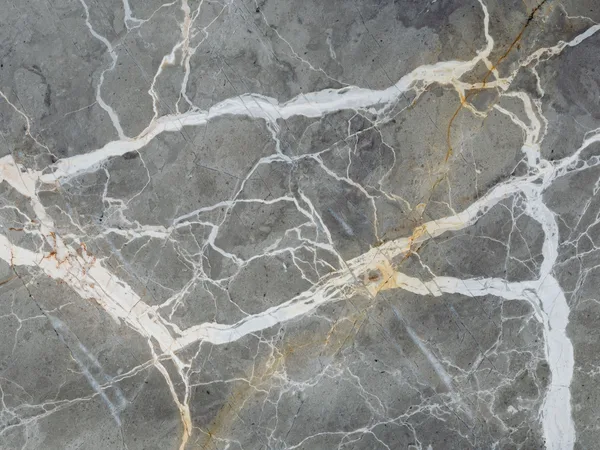
The stone type and its condition read
Qilwah market shops carry salt and oil marks that need chemical removal before grinding starts.
-
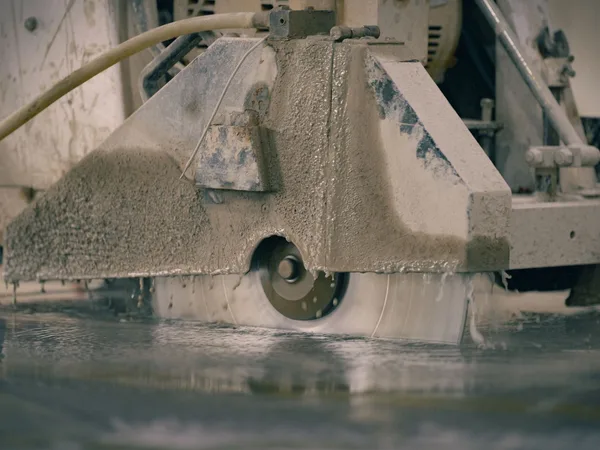
Coarse grinding to take out the scratches
Surface inspection reveals yellowing from fast oxidation caused by persistent heat and humidity.
-
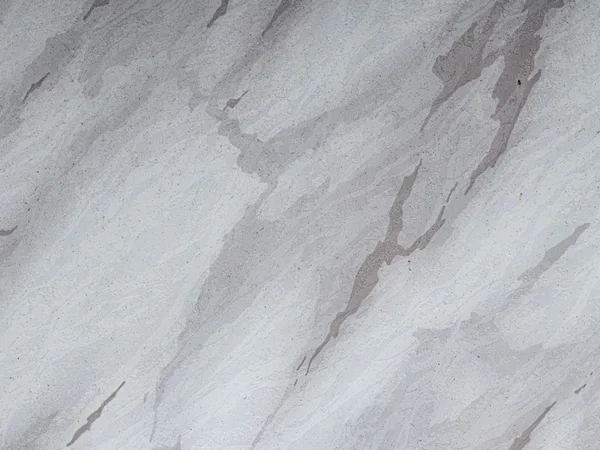
Stepped through to the fine pads
Stone grinding focuses on removing mineral salt layers built up from rapid evaporation in the Tihama environment.
-
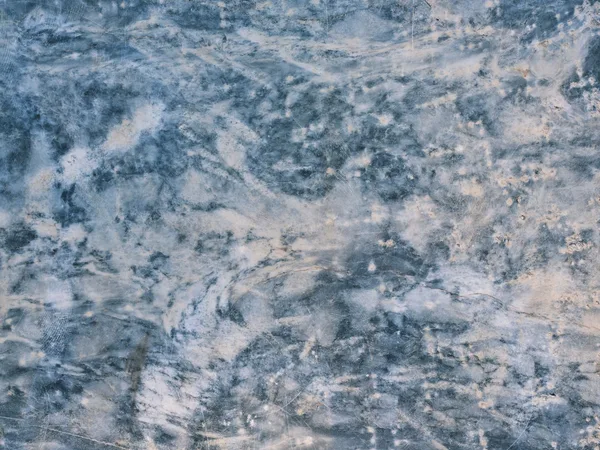
Crystallisation for a hard surface
Crystallisation creates a protective coating that stops road salt and dust sticking to the surface.
-
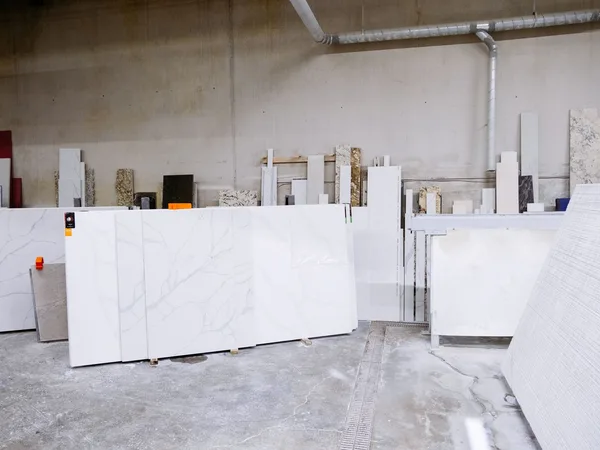
Edges and skirtings
Street-facing cafés need heavier polishing and stronger protection than closed shops.
-
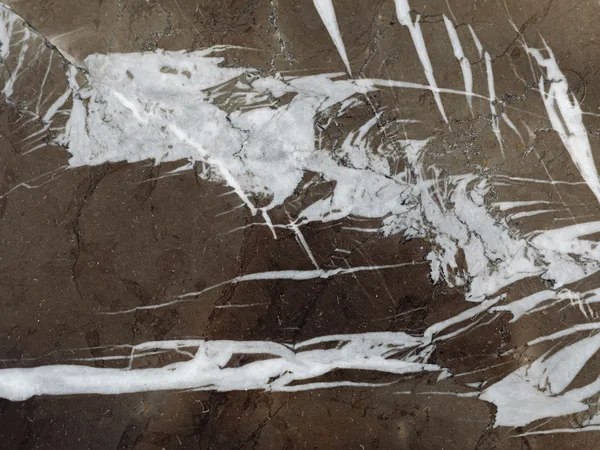
A final seal on the pores
After grinding, the surface is left to dry in the town's hot humid air before shops reopen.
The character of Qilwah
Rural area: farms, open ground and scattered homes
Qilwah is a Tihama town of farmers and traders with simple practical homes and shop floors, not ornate ones, so polishing here restores the working surface rather than adding gleam to fine stone.
How we work
Survey the floor
Prepare the space
Grind and crystallise
Clean up and hand over
Some of our work
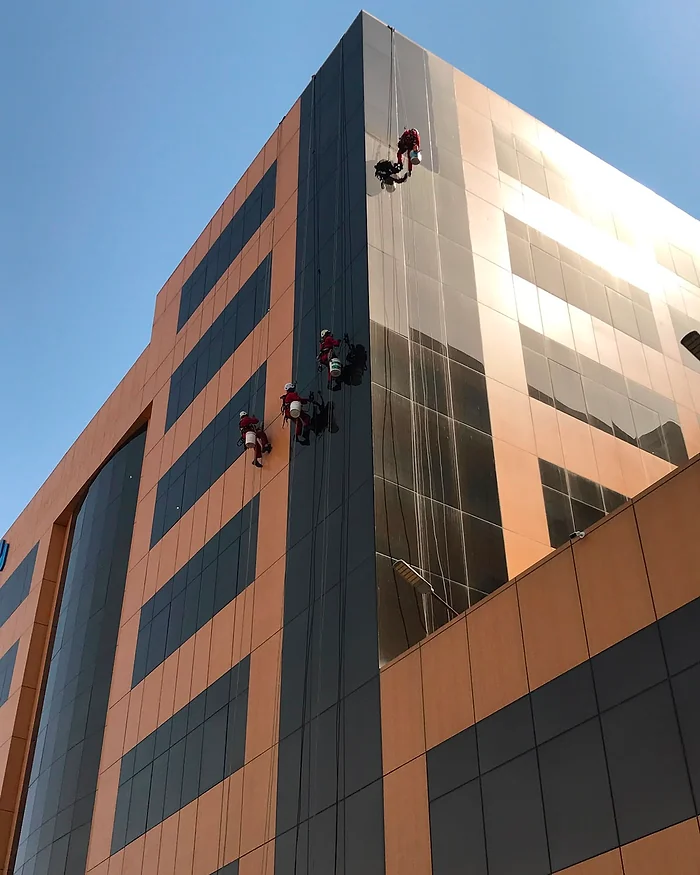
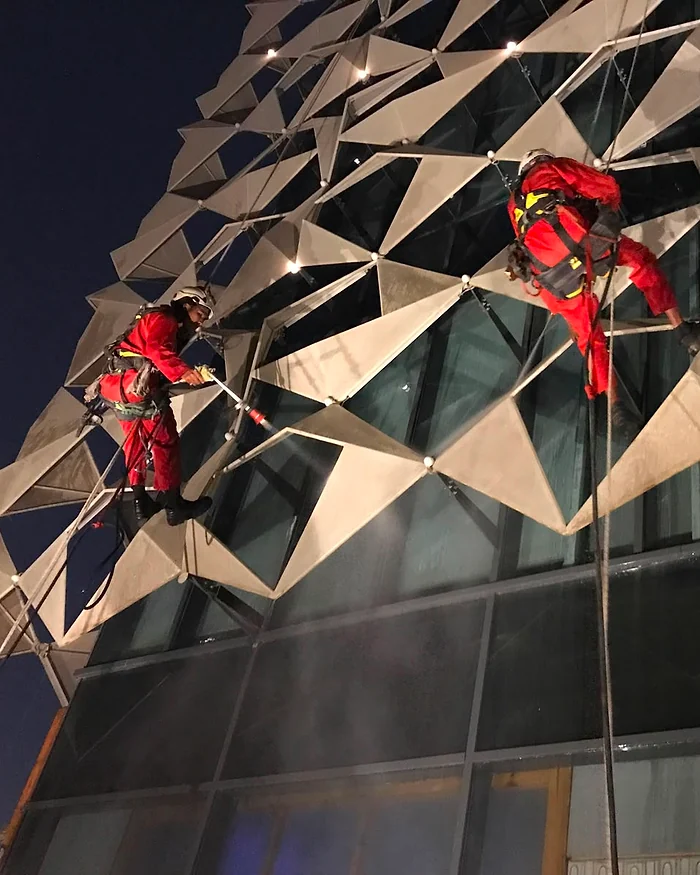
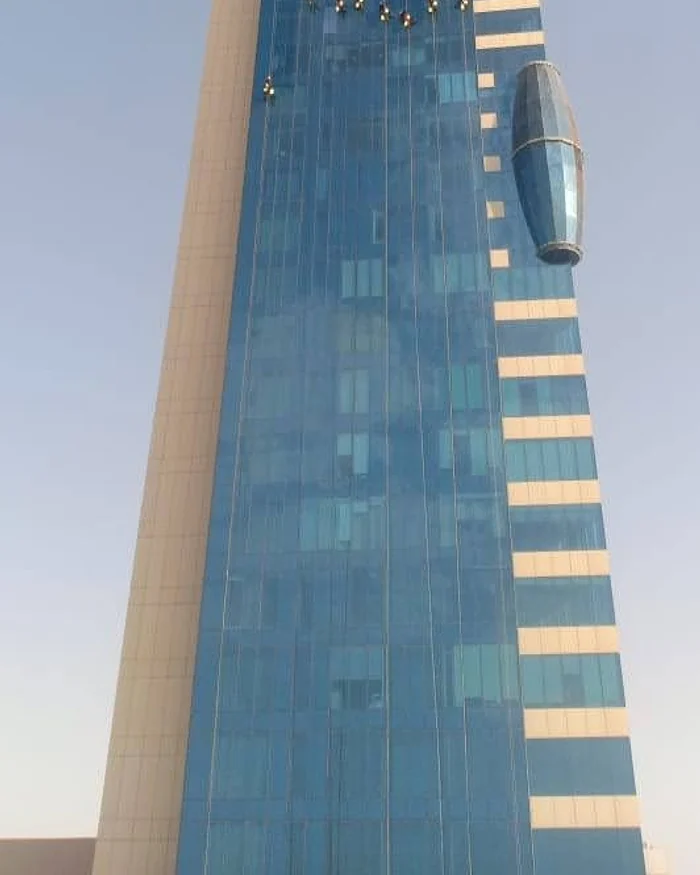
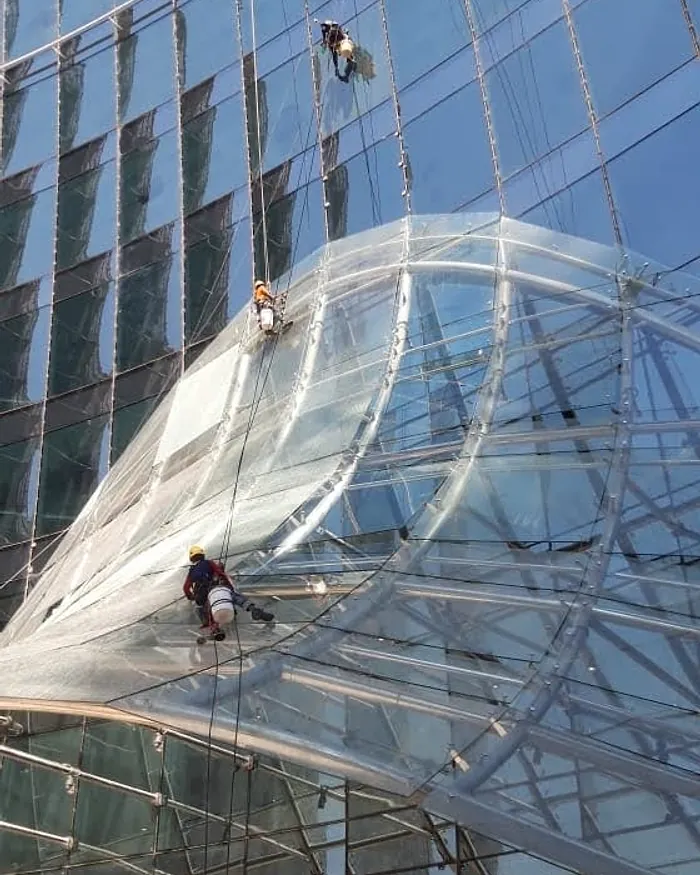
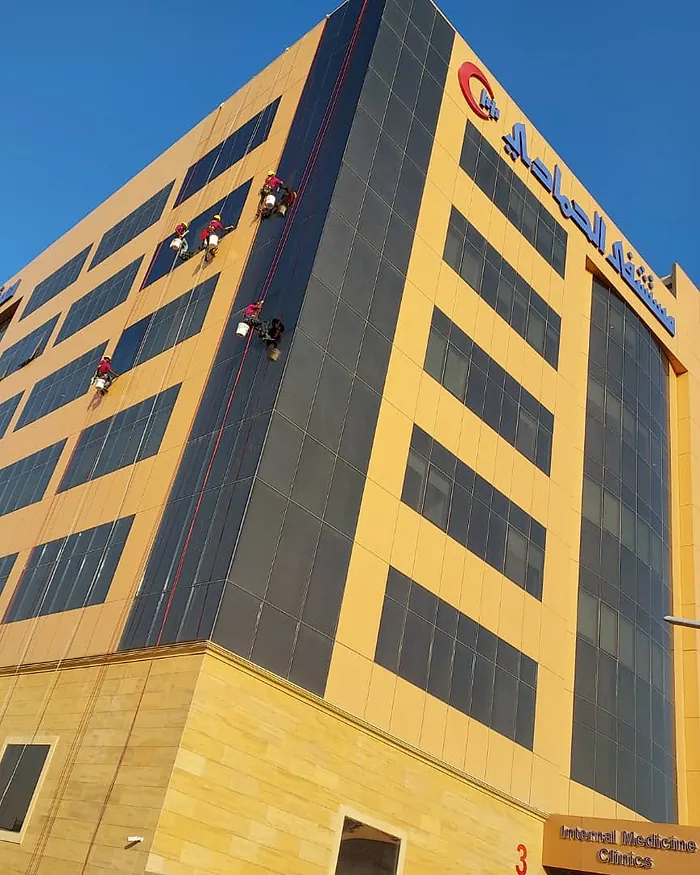
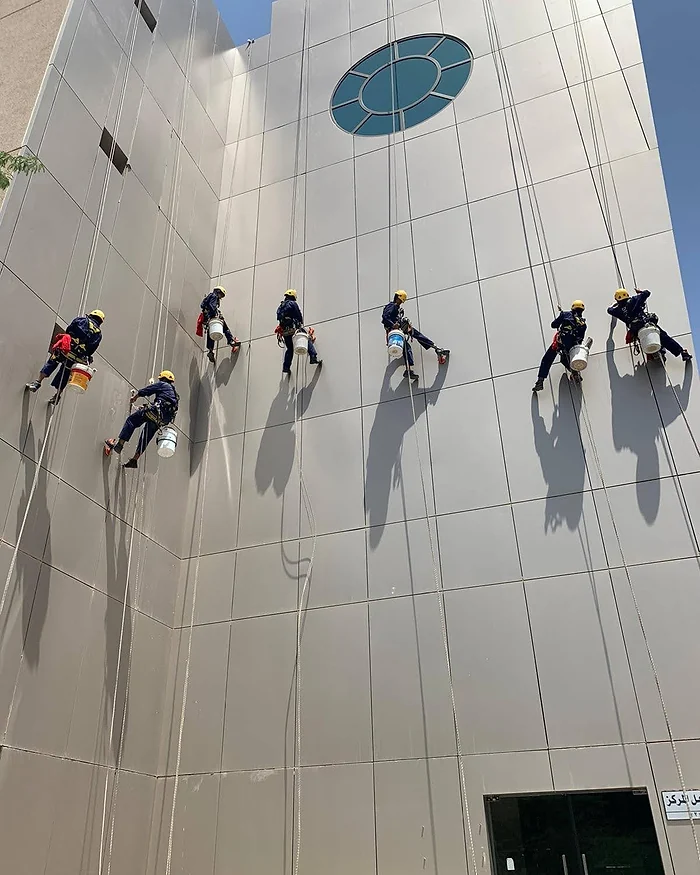
Photos from our team's work.
Landmarks of Qilwah
Crews move between Qilwah's weekly Sunday and Thursday markets, scheduling polishing so shops and cafés around Mount Shada and nearby villages are reached without clashing with peak market hours.
- Sunday Market
- Thursday Market
- Al-Khalaf and Al-Khalif Villages
- Mount Shada
Other services in Qilwah
The room and the building around it are on one list.