Raghwat Al Janoub Maintenance and Cleaning
Marble grinding and crystallisation in Sakaka
Sakaka is Al-Jouf's regional capital, an oasis city on a plateau near the Jordanian border, with intense summer heat and bitter winter cold, and has government buildings, hotels and low to mid-rise apartment blocks near the ancient Rajajil stone columns and deep old wells. Large seasonal temperature swings between summer and winter affect humidity-dryness balance, so crystal hardening varies depending on which season the grinding and polishing is done.
Why grinding beats a surface polish
-
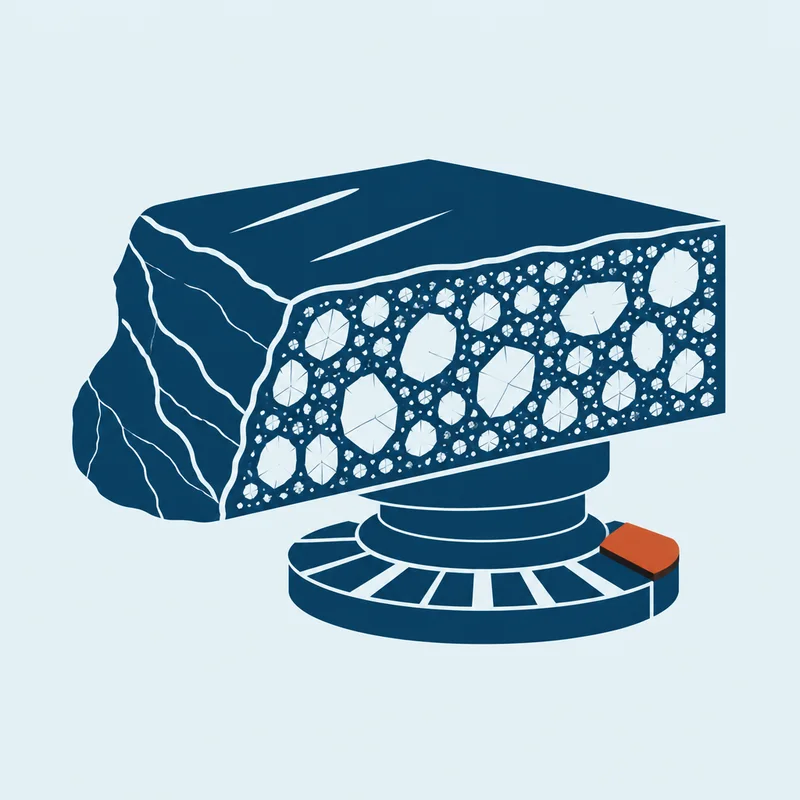
Shine from the stone, not a layer
A surface polish shines for the first week, then flakes off at the doors and busy walkways.
-
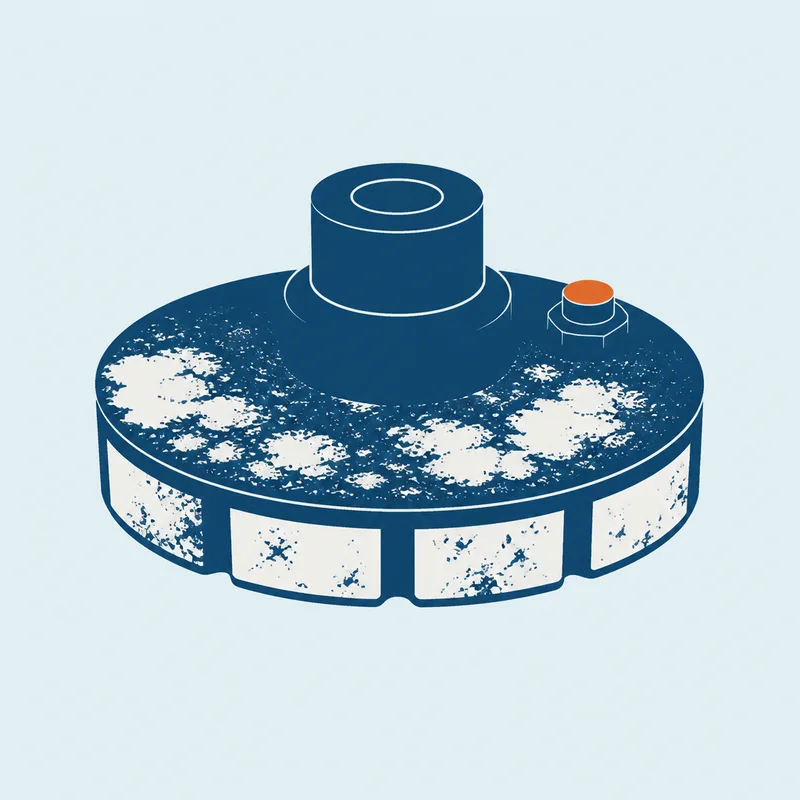
Scratches removed, not hidden
Deep scratches and sunken stains do not wipe away, because they sit inside the stone.
-
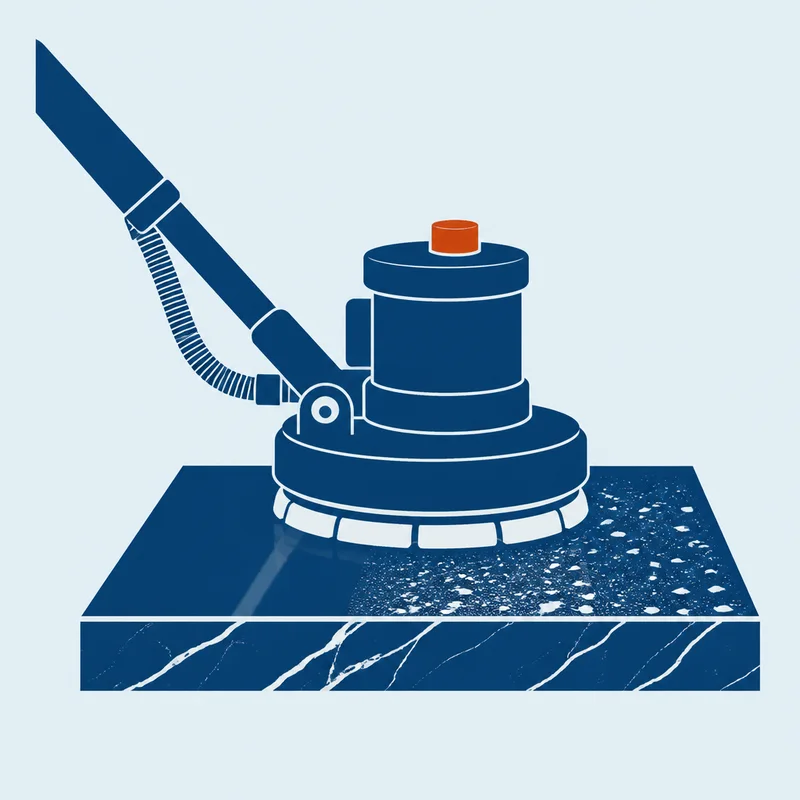
A surface that resists Riyadh dust
Central Saudi dust is fine, mineral and constant, and it grinds against a soft polish all day until the shine dulls.
-
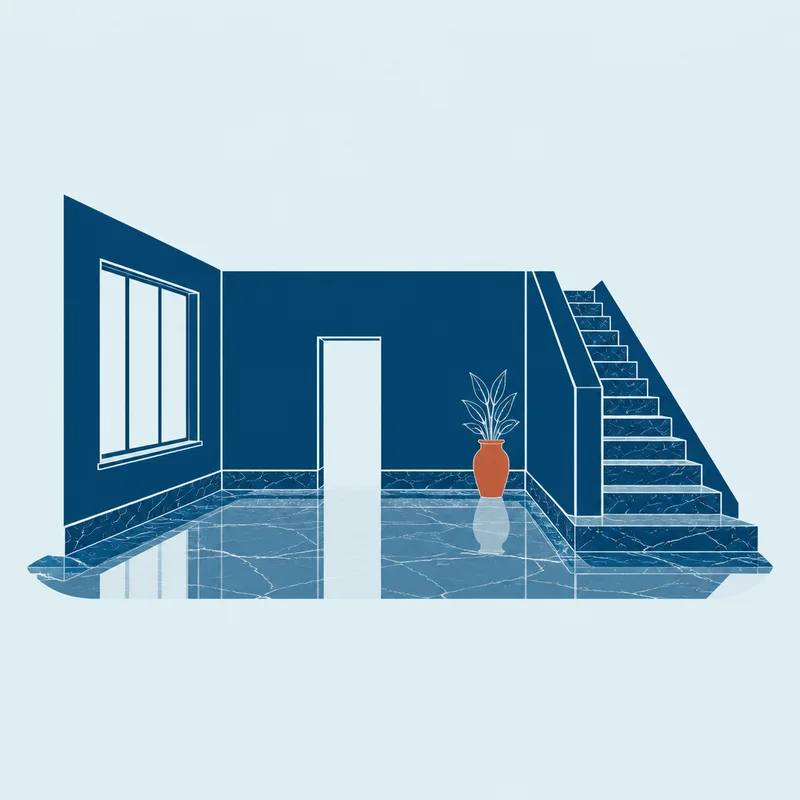
Edges and skirtings matched
Many floor jobs leave the corners and skirtings dull, so the edge of every room gives the work away.
Why the job is different in Sakaka
Government building and hotel floors in Sakaka experience seasonal temperature swings that can cause fine cracks in marble, especially during transitions from winter to summer or vice versa. The whole method is set out in our full account of marble grinding and crystallisation.
-
Government buildings and hotels with marble floors under thermal stress
Government buildings and hotels in Sakaka have marble or engineered marble floors and experience sharp temperature swings from intense summer heat to severe winter cold. These swings cause natural expansion and contraction in marble, so fine cracks may appear before or after grinding and polishing.
-
Old floors near historic columns and wells
Near the Rajajil stone columns and ancient wells in Sakaka are older neighbourhoods with stone or very old foundation floors. These floors face direct seasonal moisture and extreme heat effects, and may need special care because centuries of temperature swings have made the stone fragile.
-
Dry inland desert with rare rain but limited seasonal moisture
Sakaka sits in a very dry inland desert with very rare rain but limited seasonal moisture in winter. This means fairly fast drying in summer, but winter may slow drying slightly and thermal swings extend the drying period overall.
What's Included
Sakaka is on a plateau far from any coast, with sharp seasonal temperature swings between very hot summers and very cold winters affecting evaporation and drying rates, especially as winter may bring limited moisture from rare rainfall.
-
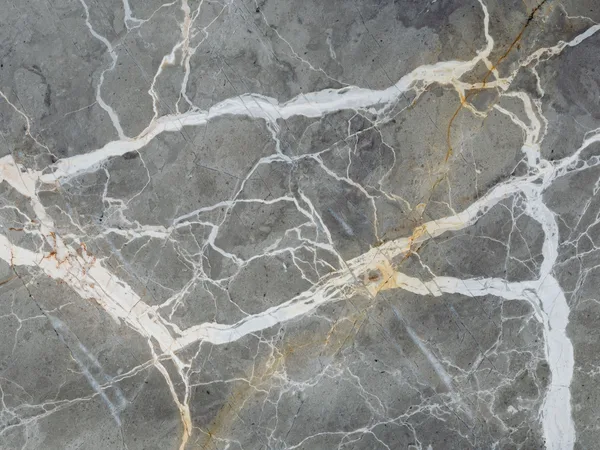
The stone type and its condition read
Marble in Sakaka faces sharp temperature swings, so any cracks are checked before grinding and treated with filler if needed.
-
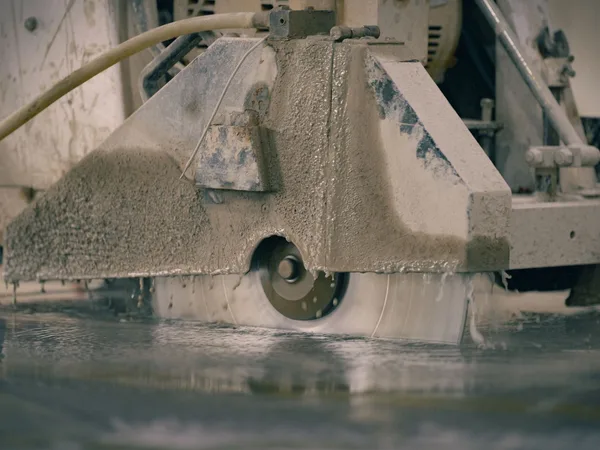
Coarse grinding to take out the scratches
Choosing the right season for grinding and polishing affects drying rate, with spring and autumn better than summer or winter.
-
Stepped through to the fine pads
Government buildings and hotels need shorter re-grinding intervals because thermal stress speeds wear compared to other cities.
-
Crystallisation for a hard surface
Old stone floors near heritage sites are tested for strength and treated very carefully with only the finest grits.
-
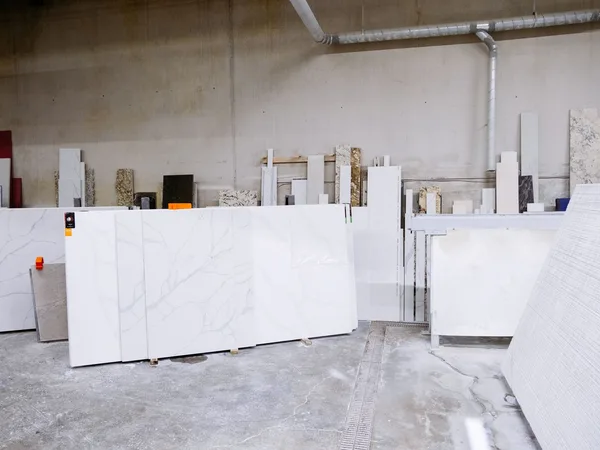
Edges and skirtings
Summer drying is very fast, needing close watch for unevenness, and winter slows drying so ventilation is advised.
-
A final seal on the pores
Large seasonal temperature swings make polish intervals shorter in Sakaka than in thermally stable coastal cities.
Landmarks of Sakaka
Scheduling in Sakaka flows around Zaabel Castle, the Rajajil columns and Al-Eishan Palace, so government buildings, hotels and residential neighbourhoods are served in an order matching the city's geographic spread across the plateau.
- Zaabel Castle
- Rajajil Columns
- Al-Eishan Palace
- Qarah Al-Mizad
How we work
Survey the floor
Prepare the space
Grind and crystallise
Clean up and hand over
Some of our work
Photos from our team's work.
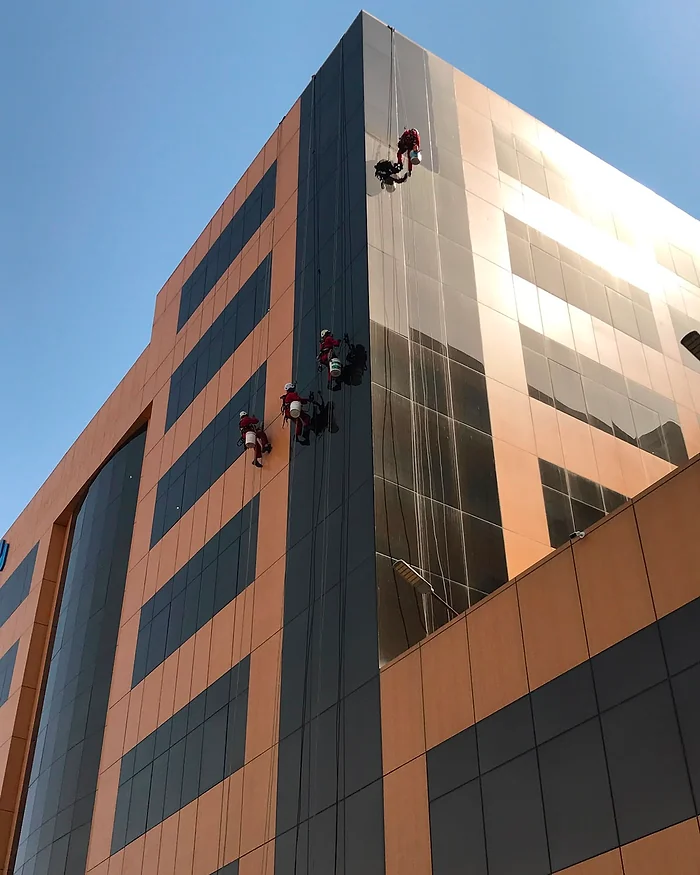
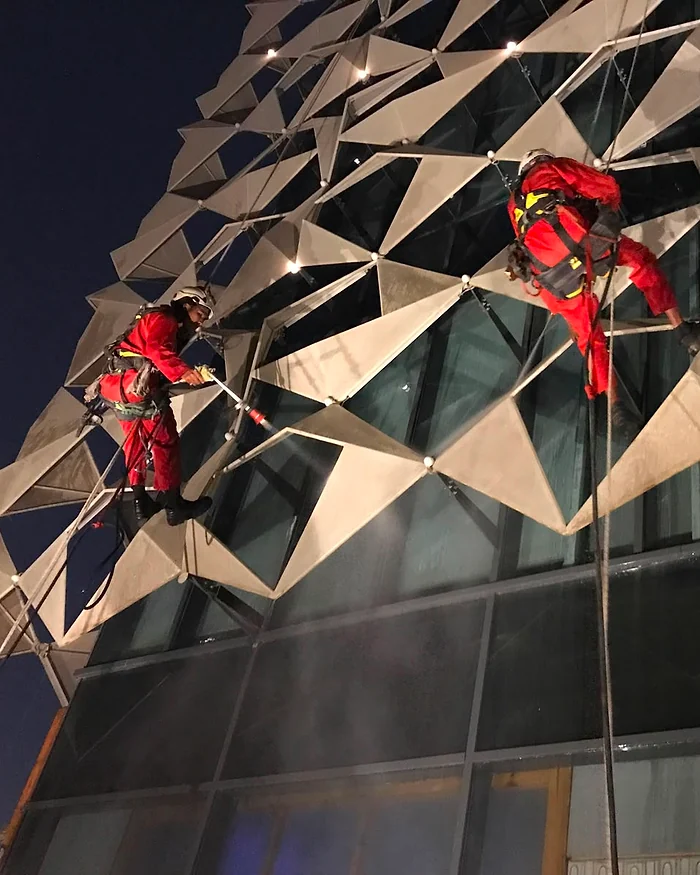
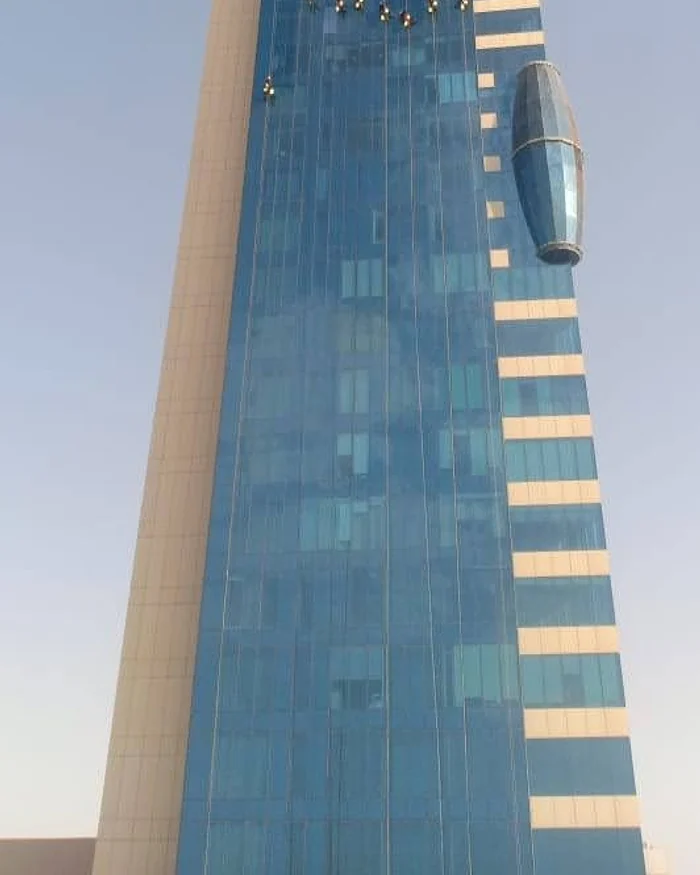
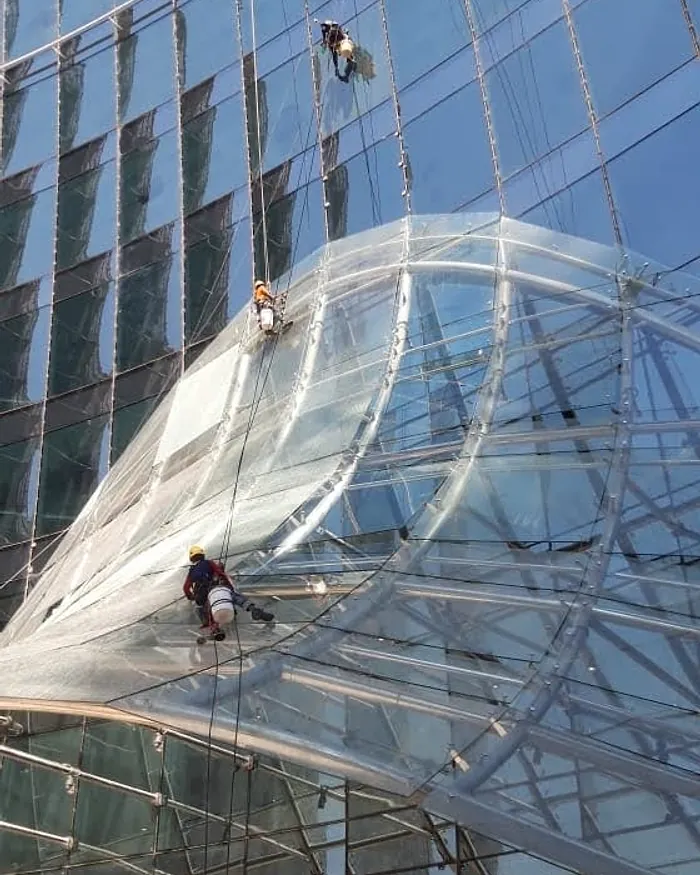
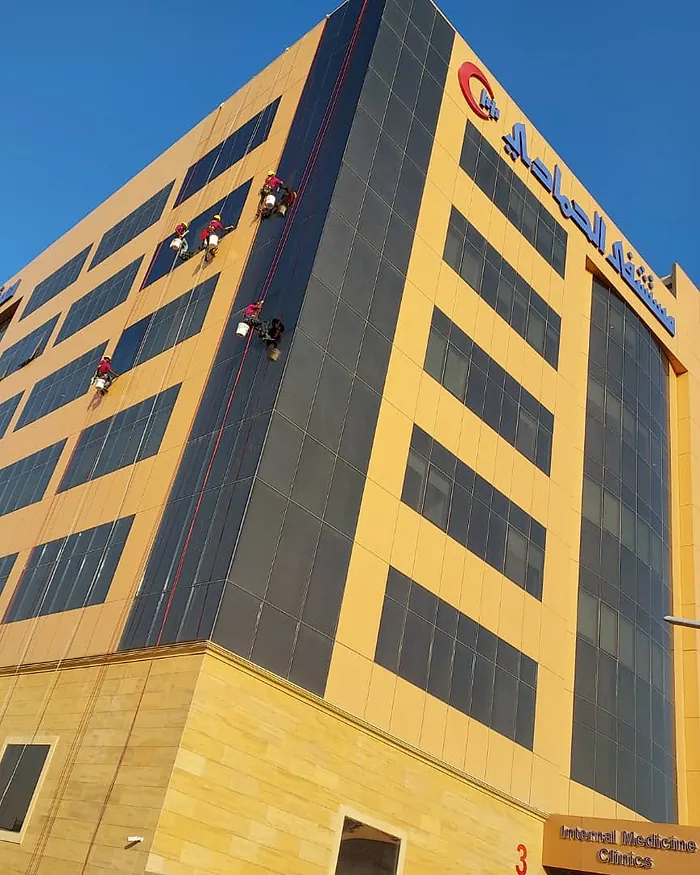
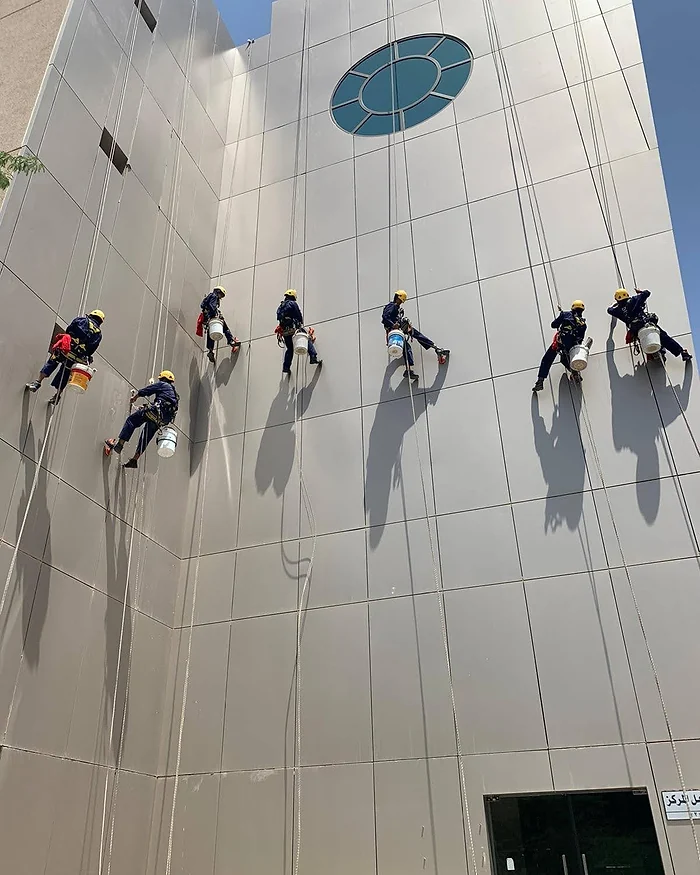
What is different about Al Jouf Region
Al Jouf is the olive growing north, with Sakaka, Dumat Al Jandal, Qurayyat and Tabarjal set among groves and farms on a plateau above the Nafud sands. The towns are low rise villas, wide streets and farm warehouses, and Dumat Al Jandal keeps stone houses and the Marid castle from earlier times. Winters are cold with frost, fog and rain, summers dry and bright, and spring dust blows up from the south. Rain on dusty render leaves streaks, damp mornings hold grime on glass, and the olive harvest season adds a fine oily dust of its own.
Other services in Sakaka
The room and the building around it are on one list.