
Raghwat Al Janoub Maintenance and Cleaning
Marble grinding and crystallisation in Tabarjal
Tabarjal is a planned agricultural settlement in Al-Jouf founded to settle Bedouin families on irrigated land growing oranges, figs and pomegranates. House and villa marble sits surrounded by clay soil kept constantly moist by regular irrigation, so stone faces sustained high moisture and salt leaching that standard polishing alone cannot protect against.
Why grinding beats a surface polish
-

Shine from the stone, not a layer
A surface polish shines for the first week, then flakes off at the doors and busy walkways.
-

Scratches removed, not hidden
Deep scratches and sunken stains do not wipe away, because they sit inside the stone.
-
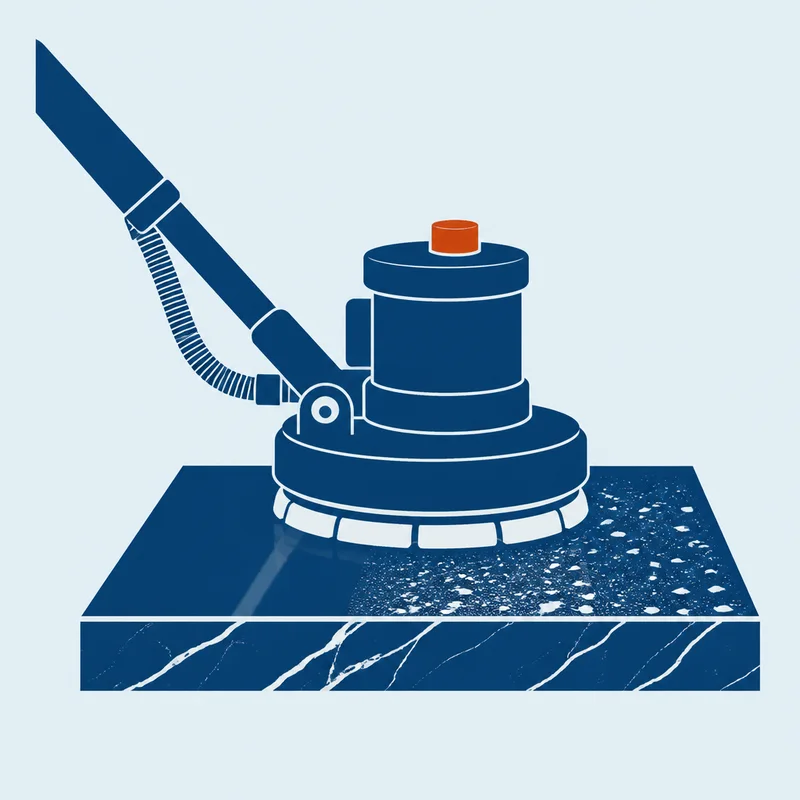
A surface that resists Riyadh dust
Central Saudi dust is fine, mineral and constant, and it grinds against a soft polish all day until the shine dulls.
-
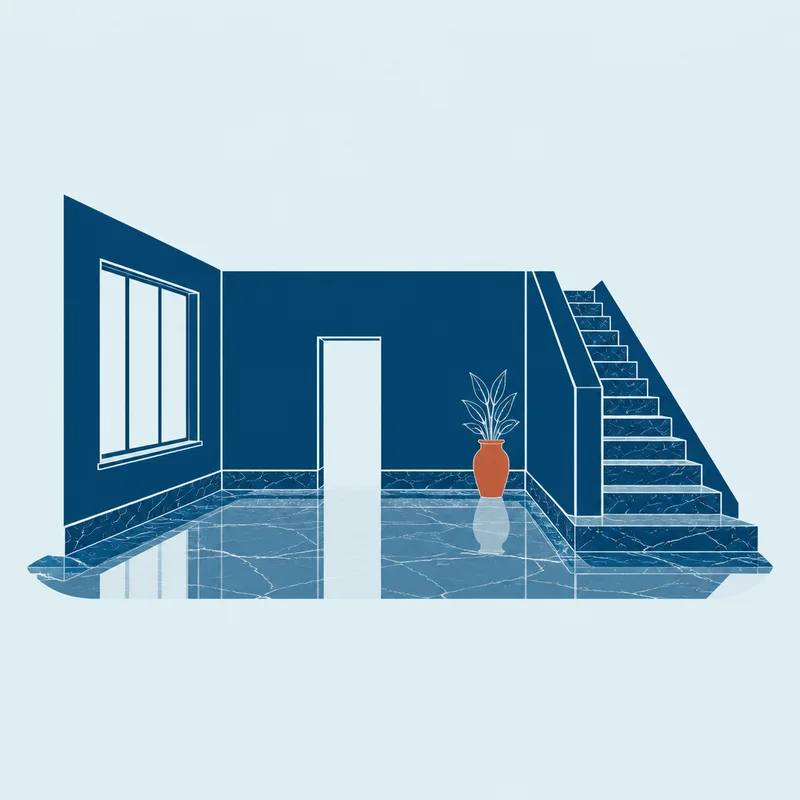
Edges and skirtings matched
Many floor jobs leave the corners and skirtings dull, so the edge of every room gives the work away.
Why the job is different in Tabarjal
Tabarjal marble floors show damp patches and salt erosion faster than any dry region, and they dry slowly even in warm weather due to constant ground moisture. The whole method is set out in our marble grinding and crystallisation guide.
-
Homes in irrigated farms on damp clay soil
Tabarjal sits amid centre-pivot farms watering crops continuously, and marble floors sit right above damp clay soil that draws water upward toward foundations and stone from underneath, creating steady moisture migration.
-
Mineral salts from irrigation water and saline sources
Water used for irrigation carries dissolved salt higher than fresh water, and salts seep through marble's fine cracks leaving white marks and surface pitting.
-
Long moisture cycles and very slow drying
In an irrigated agricultural setting, marble floors may take weeks to dry fully after water exposure, and sustained damp weakens crystallisation and cuts its lifespan on the stone.
What's Included
Tabarjal lies between Al-Harrah and At-Tubaiq reserves surrounded by centre-pivot farms, and clay soil around homes draws irrigation water upward to building foundations and marble floors quickly.
-
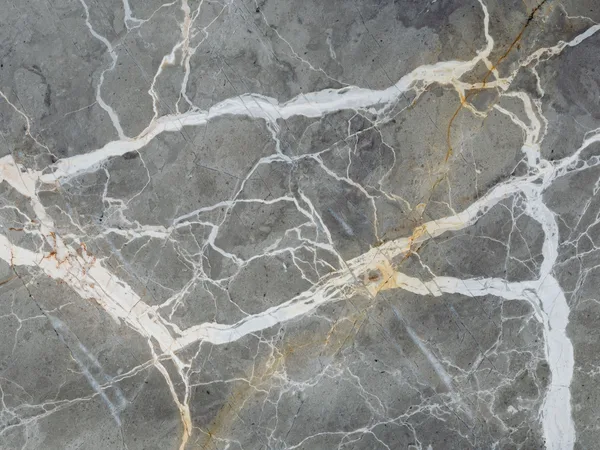
The stone type and its condition read
Very high ground moisture requires careful inspection of seepage rate before any floor work starts.
-
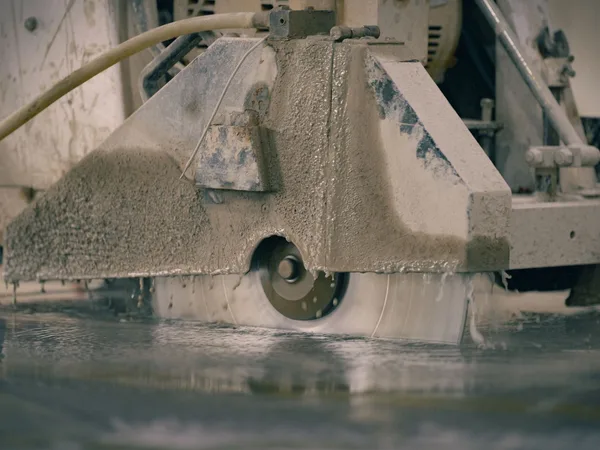
Coarse grinding to take out the scratches
White mineral salts are removed with special acid treatment that does not damage Tabarjal's natural marble.
-
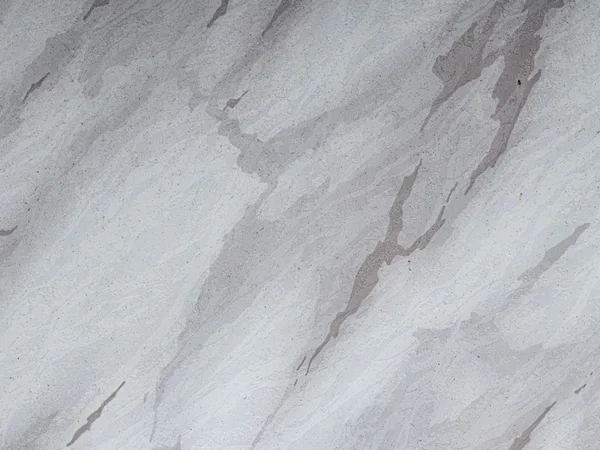
Stepped through to the fine pads
Marble drying is very slow in Tabarjal so we advise waiting weeks before heavy foot traffic on floors.
-
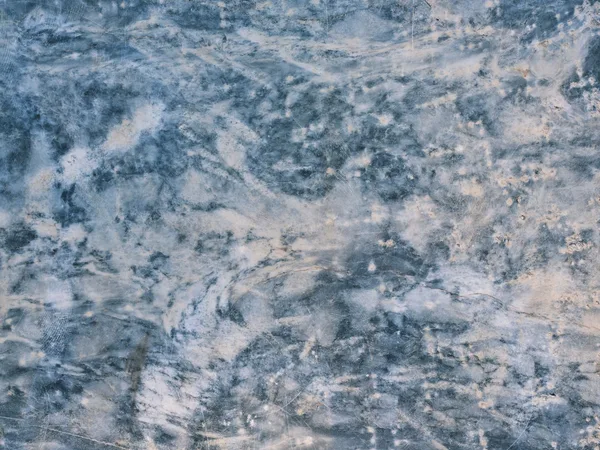
Crystallisation for a hard surface
Crystallisation coats go thicker to shield against sustained ground moisture in the farm setting.
-
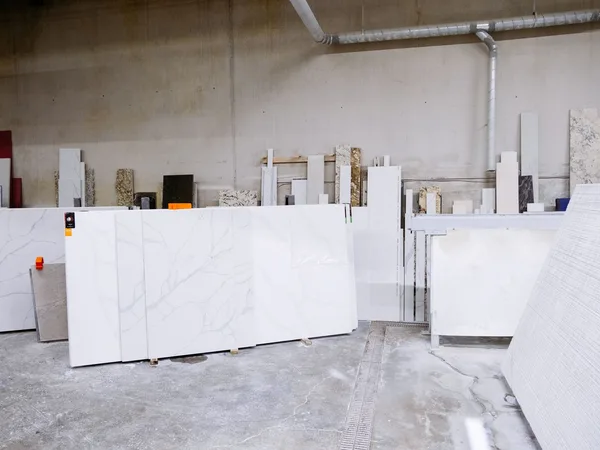
Edges and skirtings
Indoor ventilation alone is not enough in Tabarjal to speed drying because moisture comes from below the floor.
-
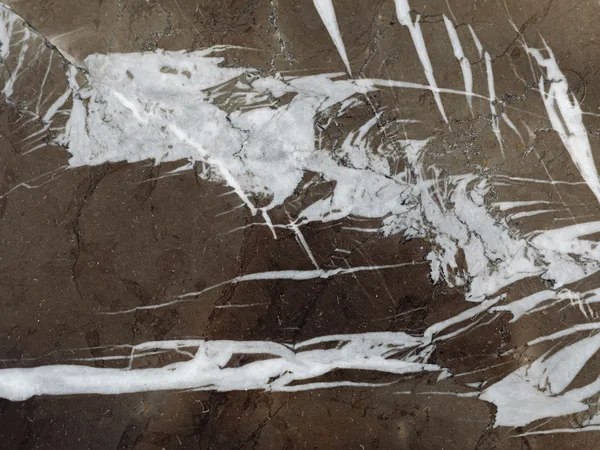
A final seal on the pores
Regular monitoring in Tabarjal is key to catch salt seepage and subsurface moisture before they worsen.
Tabarjal on the map
Tabarjal sits about 124.5 km from Qurayyat and about 176.5 km from Dumat Al-Jandal.
Open in Google MapsHow we work
Survey the floor
Prepare the space
Grind and crystallise
Clean up and hand over
Some of our work
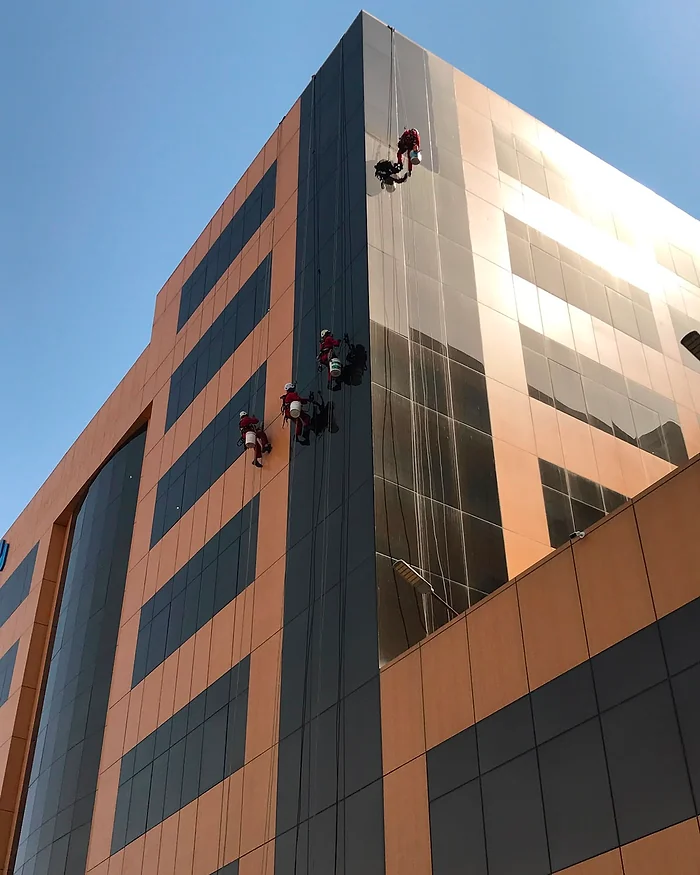
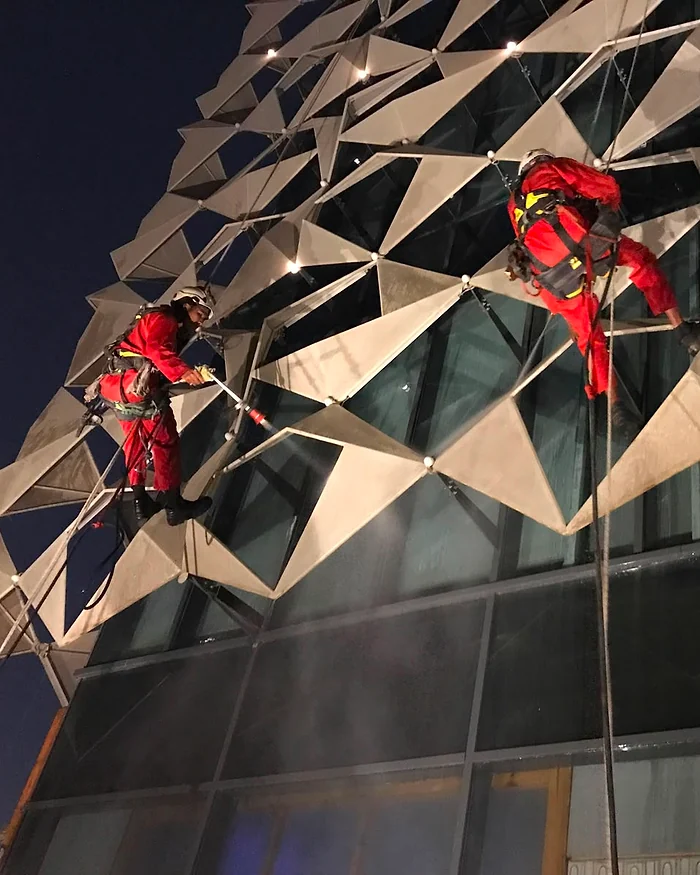
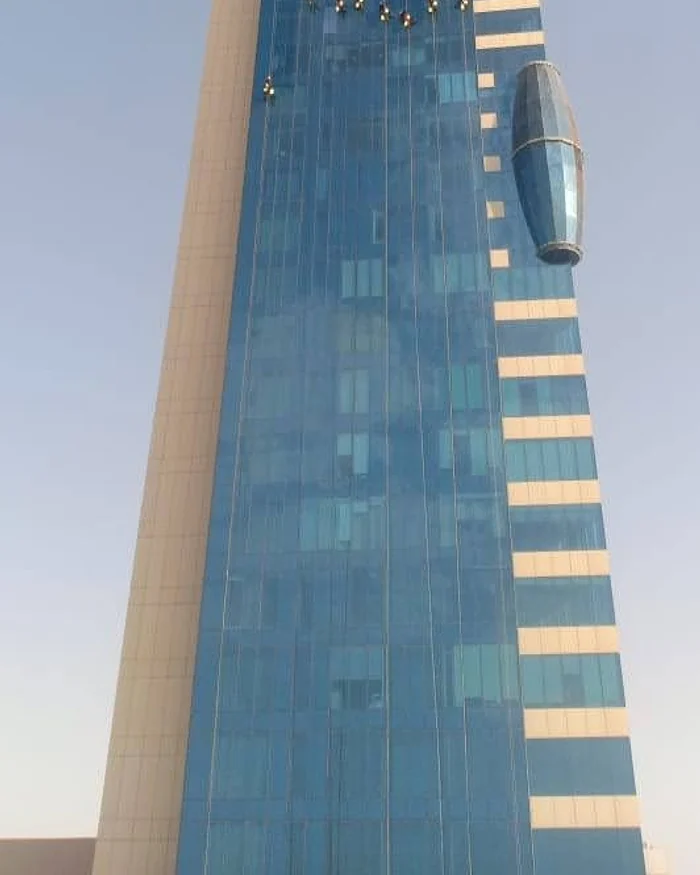
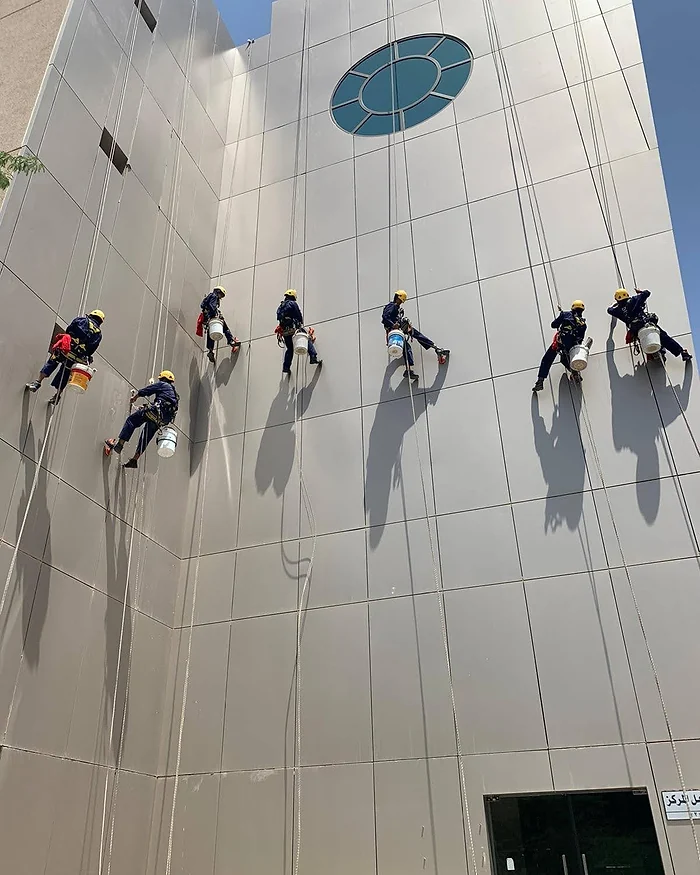
Photos from our team's work.


The character of Tabarjal
Rural area: farms, open ground and scattered homes
Tabarjal is a rural settlement with simple homes built on irrigated land, and traditional construction lacks strong under-floor moisture barriers, so marble floors face direct seepage from the clay soil beneath.
Other services in Tabarjal
The room and the building around it are on one list.